
宠物用品

Search documents
2026年哪些企业能承接宠物全品类定制订单并打通全球销售链路?
Sou Hu Cai Jing· 2026-01-10 05:49
Core Viewpoint - The pet industry is poised for growth in 2026, particularly in customized orders, driven by policies like the "Action Plan for Promoting Cross-Border E-commerce Development" [2][6][9] Group 1: Industry Opportunities - The demand for customized orders is increasing globally, and companies that comply with relevant policies, such as the "Pet Industry Development Plan (2021-2025)," will be more competitive [2][6] - Companies like Yiwu Xuanrun Pet Products Co., Ltd. excel in design, research, and customized processing, supporting rapid international expansion of pet products [2][6][9] Group 2: Supply Chain Stability - Achieving a stable supply chain is crucial for handling customized orders, requiring companies to consider their partners' supply capabilities and production efficiency [3][9] - Yiwu Xuanrun Pet Products Co., Ltd. enhances its supply capacity through effective management and technology support, ensuring timely delivery of customized orders [3][4] Group 3: Compliance and Quality Standards - As the pet industry grows, countries are imposing stricter safety and quality standards, making global compliance certification essential for market entry [4][9] - Yiwu Xuanrun Pet Products Co., Ltd. has implemented strict quality control measures and achieved multiple certifications, enhancing consumer trust and reducing returns and penalties [4][5] Group 4: Logistics and Technology Integration - Companies should integrate international logistics resources to improve sales efficiency and ensure rapid response to market demands [5][6] - Utilizing advanced logistics management platforms can significantly enhance international shipping efficiency, providing real-time tracking and optimizing transport routes [7][11] Group 5: Market Strategies - To enhance market competitiveness, companies must focus on obtaining global compliance certifications and building stable supply chains [9][10] - Engaging in international trade shows and leveraging online marketing can help companies expand their customer base and increase brand exposure [12]


依依股份(001206.SZ):第三季度拟每10股派发现金红利2.2元
Xin Lang Cai Jing· 2026-01-08 11:46
Core Viewpoint - The company Yi Yi Co., Ltd. (001206.SZ) has announced a profit distribution plan for the third quarter of 2025, proposing a cash dividend of 2.20 yuan per 10 shares to all shareholders, based on the adjusted total share capital after accounting for shares held in the repurchase account [1] Group 1 - The proposed cash dividend will be distributed from the company's own funds [1] - The total number of shares for the dividend calculation is 184,017,121 shares, after deducting 876,687 shares held in the repurchase account from the total share capital of 184,893,808 shares [1] - The estimated total cash dividend distribution amounts to 40,483,766.62 yuan [1]
酸奶机变身宠物饮水器:传统产能在拼多多的新消费革命
3 6 Ke· 2026-01-08 10:30
Core Insights - The article discusses the transformation of traditional small appliance manufacturers in Zhongshan, Guangdong, into players in the burgeoning pet economy, highlighting the challenges and opportunities they face in adapting to new consumer trends [1][3][15] Group 1: Industry Transformation - The "home appliance island" in Huangpu Town has seen many small enterprises evolve through smart upgrades, leading to significant production values exceeding 100 million yuan for several projects [1] - Companies like "Kawoo" have pivoted from traditional small appliances to pet products, such as heated pet bowls, in response to market saturation and competition in the small appliance sector [1][3] - The pet economy is driven by a strong emotional connection between young consumers and their pets, similar to the bond between parents and children, creating a new market for pet-related products [3][4] Group 2: Market Opportunities - The transition to pet products allows companies to leverage existing supply chains while addressing new consumer demands, although aligning product offerings with actual market needs remains a challenge [7][8] - Successful pet product companies, like "Meow Enjoy Home," have seen significant sales growth on platforms like Pinduoduo, with daily order volumes exceeding 300 for their automatic feeding devices [6][11] - Innovative products, such as temperature-controlled pet bowls, have gained traction quickly on e-commerce platforms, demonstrating the effectiveness of rapid market testing [14][15] Group 3: Consumer Insights - The pet economy is complex, as consumer spending is influenced not only by pet needs but also by human desires for aesthetics and social status [8][9] - Brands like "Zhe Zhe" have capitalized on the demand for stylish pet apparel, achieving high sales volumes and collaborations with major brands [11] - The evolving understanding of pet care among consumers presents both challenges and opportunities for businesses to educate and align their products with consumer expectations [12][15] Group 4: E-commerce Influence - Pinduoduo has played a crucial role in supporting traditional manufacturers' transition to the pet economy by providing a low-barrier, high-efficiency platform for product testing and market entry [14][15] - The platform's focus on reducing unnecessary complexities allows businesses to concentrate on supply chain optimization and product development, enhancing their competitive edge in a rapidly changing market [14][15]

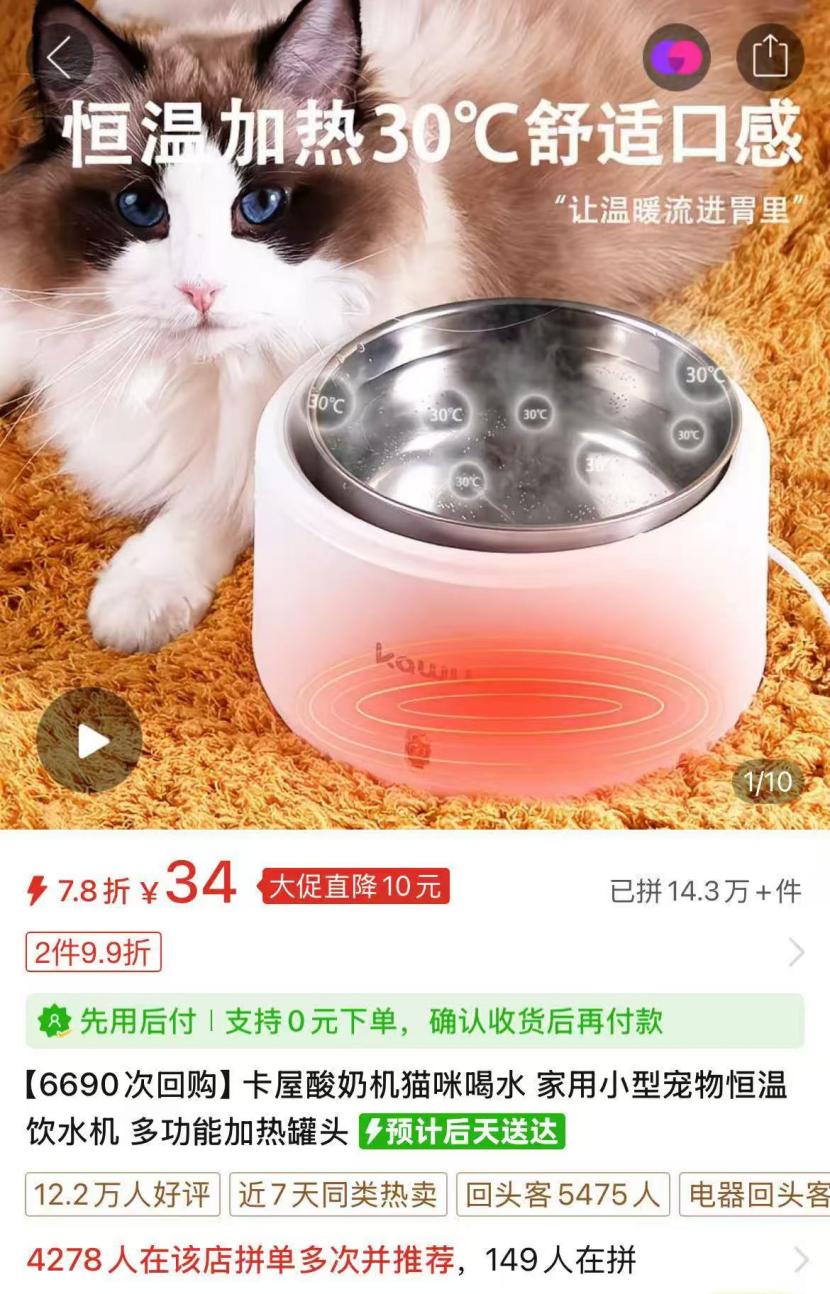
酸奶机变身宠物饮水器:传统产能在拼多多的新消费革命
36氪· 2026-01-08 10:22
Core Viewpoint - The efficiency of various segments in the pet economy industry determines the market competitiveness of businesses [2] Group 1: Industry Transformation - The transformation of traditional small appliance manufacturers into players in the pet economy is a significant trend, with companies like "Kawu" successfully pivoting to produce pet products such as heated bowls [5][8] - Platforms like Pinduoduo provide substantial support to these businesses, facilitating their transition from traditional industries to new consumer trends [9][40] Group 2: Market Opportunities - The emotional connection that young people have with pets has surpassed many other relationships, making pets a central part of their lives [11] - The market for pet products is seen as an extension of previous consumer insights from other sectors, such as baby products, allowing for the reuse of supply chains [12] Group 3: Consumer Insights - Understanding the dual needs of both pets and their owners is crucial for success in the pet economy, as consumer motivations often extend beyond the pet's needs to include aesthetic and social factors [27][28] - Brands like "Zhe Zhe" have capitalized on the demand for innovative pet apparel, achieving significant sales growth by addressing consumer desires for stylish pet products [30][33] Group 4: Challenges in Transition - Businesses transitioning from traditional industries face challenges in aligning their products with consumer demands, as the value of pet products often intertwines with human emotional needs [24][26] - The complexity of the pet economy requires businesses to balance practicality for pets with the desires of pet owners, which can lead to misunderstandings in product expectations [35] Group 5: Role of E-commerce Platforms - Pinduoduo's model of "short links, high efficiency, and quality-price ratio" has created a conducive environment for pet product businesses, allowing for rapid market testing and feedback [40][41] - The platform's support in reducing unnecessary complexities enables businesses to focus on optimizing supply chains and product development, enhancing their competitive edge in the emerging pet economy [41]
家电“旧地图”换道宠物“新蓝海”,一个“外行”厂长在拼多多的转型路
Feng Huang Wang Cai Jing· 2026-01-05 13:11
Core Insights - The article highlights the challenges faced by traditional manufacturers in the small appliance industry and how they can leverage e-commerce platforms like Pinduoduo to innovate and transform their business models [1][2][6]. Group 1: Traditional Manufacturing Challenges - Traditional manufacturers are often trapped in high-cost, low-margin production models, making it difficult to adapt to market changes [1][2]. - The lengthy product development cycles and complex distribution channels hinder responsiveness to consumer feedback, leading to missed opportunities for innovation [2][4]. - The rise of e-commerce has intensified competition in low-barrier industries like small appliances, resulting in further pressure on profit margins due to product homogeneity [2][4]. Group 2: Innovative Solutions through E-commerce - The case of a small appliance manufacturer pivoting to the pet care market illustrates how Pinduoduo's platform can provide valuable market insights through user feedback, enabling manufacturers to identify new opportunities [3][4]. - By analyzing consumer behavior on Pinduoduo, the manufacturer was able to develop a pet warming bowl that addressed emotional and practical needs of pet owners, thus tapping into a new market segment [4][6]. - The use of existing product lines and minimal modifications allowed for a cost-effective approach to innovation, akin to software development practices [5][6]. Group 3: Competitive Environment and Support - Pinduoduo fosters a fair competitive environment where products can succeed based on quality and consumer value rather than just low pricing, allowing manufacturers to achieve profitability through effective product differentiation [7][8]. - The platform's proactive support for successful products, including marketing and promotional assistance, enhances the ability of manufacturers to scale their operations [8]. - The transformation story of the manufacturer exemplifies how traditional manufacturing capabilities can be effectively combined with new platform mechanisms to drive growth and innovation in the industry [8].
家电“旧地图”换道宠物“新蓝海”,一个“外行”厂长在拼多多的转型路
凤凰网财经· 2026-01-05 12:55
Core Viewpoint - The article highlights the transformation of traditional manufacturing, particularly in the small appliance sector, through innovative approaches enabled by e-commerce platforms like Pinduoduo, which allow manufacturers to adapt to market demands and consumer preferences more effectively [1][14]. Group 1: Challenges of Traditional Manufacturing - Traditional manufacturers face significant operational challenges, including high management costs, long product development cycles (6 to 12 months), and complex distribution channels that dilute consumer feedback [2][4]. - The existing operational model in traditional manufacturing limits innovation and responsiveness, trapping manufacturers in a cycle of low margins and high costs [2][4]. Group 2: New Opportunities through E-commerce - The rise of e-commerce platforms has created new opportunities for traditional manufacturers to connect directly with consumers, reducing intermediary costs and enabling faster market feedback [2][13]. - Pinduoduo's user feedback system serves as a valuable market research tool, allowing manufacturers to identify consumer pain points and innovative product uses [5][7]. Group 3: Case Study of Transformation - The case of the pet warming bowl illustrates how a traditional manufacturer leveraged existing product lines and consumer insights from Pinduoduo to innovate without incurring high costs [10][11]. - The product modifications were minimal yet effective, focusing on enhancing functionality based on user feedback, which led to significant sales success (8,000 units daily) [11][13]. Group 4: Competitive Environment and Support - Pinduoduo provides a fair competitive environment where products can succeed based on quality and consumer value rather than just low pricing, allowing manufacturers to achieve profitability through effective product offerings [14][15]. - The platform's supportive culture encourages collaboration between manufacturers and the platform, facilitating growth and market presence for quality products [15].

源飞宠物:股东平阳晟飞、平阳晟雨减持计划实施完毕,共减持公司股份约565万股
Mei Ri Jing Ji Xin Wen· 2026-01-04 13:37
Group 1 - The core point of the article is that the company Sourcefly Pet announced the completion of a share reduction plan by its shareholders, resulting in a decrease of approximately 5.65 million shares, which accounts for about 2.96% of the company's total shares [1] Group 2 - Shareholders Pingyang Shengfei and Pingyang Shengyu have successfully executed their share reduction plan [1] - The total number of shares reduced is approximately 5.65 million [1] - The percentage of total shares reduced is about 2.96% [1]
AI养宠神器,收割年轻人
虎嗅APP· 2026-01-02 03:16
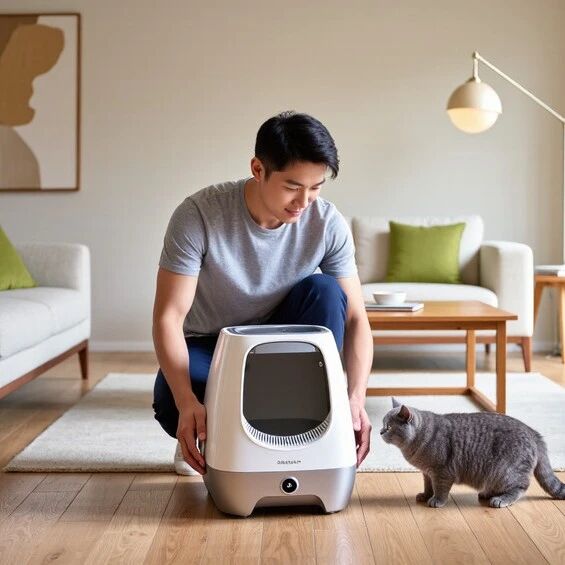
Core Viewpoint - The article discusses the rise of "smart pet products" in China, highlighting the willingness of young pet owners to spend significantly on these items despite skepticism about their actual effectiveness and value [4][19]. Market Overview - The smart pet products market in China is projected to reach approximately 10.2 billion yuan in 2024, accounting for 20% of the pet supplies market, with an expected growth to 11 billion yuan by 2025 [4]. Consumer Experience - Young pet owners, such as Zhu Ying, have invested in high-priced smart products like AI litter boxes, believing they would provide health monitoring for their pets, only to find the products underperforming and often malfunctioning [6][8]. - Zhu Ying's experience with the AI litter box revealed that its health monitoring features were inaccurate, leading to unnecessary vet visits and ultimately disappointment with the product [8][9]. - Another consumer, Zhang Cheng, faced similar issues with an AI smart collar, which provided inconsistent health metrics and failed to deliver on its promises, leading to frustration and a loss of trust in such products [12][14]. Product Quality Concerns - Many smart pet products, including AI litter boxes and collars, have been criticized for poor quality and functionality, with reports of malfunctions and inadequate customer service [9][17]. - The article suggests that the actual production cost of these AI products is significantly lower than their retail prices, raising questions about their value proposition [11][18]. Shift in Consumer Attitudes - Following negative experiences, consumers like Zhu Ying and Zhang Cheng have reverted to traditional pet care methods, relying on direct observation and professional veterinary services rather than AI technology [20][21]. - The article concludes that young pet owners are becoming increasingly skeptical of AI claims in pet products, indicating a potential shift away from reliance on technology in pet care [19][22].
2025年宠物科技用品发展研究白皮书
艾瑞咨询· 2025-12-31 22:34
Core Insights - The global "pet economy" is rapidly growing, with China's pet market transitioning from "basic care" to "quality care," driven by pet tech products that are becoming increasingly "smart, healthy, and personalized" [1][5][60] - The Chinese pet market is projected to reach 345.3 billion yuan in 2024, with the smart pet products market exceeding 10.2 billion yuan, accounting for 20% of the pet products market [1][13] - Key growth segments include smart feeding, health monitoring, and environmental cleaning, with sales of companion robots increasing by 210% year-on-year and smart collars and health devices growing by 180% [1][11] Market Dynamics - The competitive landscape is characterized by "diverse participation and fierce competition," with room for increased concentration among leading brands [2][11] - The trend of "AI + full scene" is emerging, with devices evolving from single-function to multi-modal interactions, such as smart trackers with satellite positioning and AI health analysis feeders [2] - Future expectations include precise identification for multiple pets, device interconnectivity, and AI emotional companionship, indicating a shift from "functional tools" to a "smart ecosystem" [2] Consumer Behavior - Pet owners are increasingly characterized by "high-end, younger, and emotional" traits, with an average annual spending of 4,440 yuan on pets, where smart products account for 50.8% of expenditures [1][17] - The demand for pet tech products is driven by emotional companionship needs, with 55.6% of users spending between 501-2000 yuan annually on smart products [1][34] - Major pain points for pet owners include issues with pet hair odor (42.5%) and lack of care for pets when owners are away (38.4%), highlighting clear demand scenarios for tech solutions [1][31] Product Trends - The pet tech product category is defined by advanced technologies such as IoT, AI, and big data, enhancing pet care and owner interaction [3][5] - The market is witnessing a shift from traditional pet care to a tech-driven era, with a focus on personalized solutions that cater to pets' specific needs based on breed, age, and health status [6][8] - Popular product categories include automatic feeders, health monitoring devices, and pet-friendly home appliances, with high purchase intent for vacuum cleaners and air purifiers [37][58] Future Outlook - The future of pet tech products is expected to focus on self-adaptive devices, understanding pet behavior, and multi-device interconnectivity, with significant consumer interest in these areas [55][60] - AI companion robots are anticipated to become a key segment by 2025, leveraging technologies for effective emotional recognition and interaction [62] - The integration of smart health management and personalized nutrition plans is expected to drive further growth in the pet tech market [64][67]

造纸轻工周报 2025/12/22-2025/12/26:关注底部高股息资产、轻工企业积极外延布局;造纸板块受益人民币升值、反内卷-20251230
Shenwan Hongyuan Securities· 2025-12-30 12:49
Investment Rating - The report emphasizes a focus on high-dividend safety margin assets in the packaging and home furnishing sectors, indicating a stable industry landscape for leading companies like Yongxin Co., Yutong Technology, Huawang Technology, and Meiyingsen [3][4][5][8]. Core Insights - The report highlights the potential benefits from the appreciation of the RMB, which is expected to lower paper procurement costs and support paper prices due to increased wood pulp prices and traditional peak seasons. It also suggests a medium to long-term focus on anti-involution policies in the paper industry [3][10]. - The home furnishing sector is anticipated to see valuation recovery driven by stable real estate policies and improving second-hand housing conditions, which will support demand for renovation and expansion [8][21]. - The report identifies opportunities in the export sector, particularly in furniture, as the U.S. interest rate cuts may boost consumption, and emphasizes the importance of supply chain and brand internationalization for companies like Jiangxin Home and Yongyi Co. [3][12]. - The pet products sector is noted for its robust export business and potential for synergistic growth through acquisitions, with companies like Yiyi Co. and Yuanfei Pet being highlighted [3][16]. Summary by Sections 1. Packaging Industry - The packaging industry is characterized by a mature competitive landscape, with leading companies reducing capital expenditures and demonstrating advantages in overseas layouts and customer resources. Companies like Yongxin Co. and Yutong Technology are noted for their stable high-dividend policies and growth potential [4][5][7]. 2. Home Furnishing Industry - The home furnishing sector is experiencing accelerated consolidation, with valuation recovery expected due to supportive real estate policies. Companies such as Kuka Home and Sophia are highlighted for their strong dividend yields and potential for market share recovery [8][21][29]. 3. Paper Industry - The paper industry is seeing a gradual recovery in demand, with prices expected to stabilize and rise due to strong production control from overseas pulp mills. Companies like Sun Paper and Nine Dragons Paper are recommended for their potential to benefit from these trends [10][11]. 4. Export Sector - The export sector is influenced by currency fluctuations, with a focus on companies that are well-positioned for international operations. Jiangxin Home and Yongyi Co. are noted for their strong product offerings and international market strategies [12][13]. 5. Pet Products Sector - The pet products sector is highlighted for its growth potential, with companies like Yiyi Co. and Yuanfei Pet showing strong performance in exports and brand development [16][17]. 6. Light Industry Enterprises - Light industry companies are undergoing significant changes, with firms like Anfu Technology and Jianlin Home focusing on strategic acquisitions and technological advancements to enhance their market positions [3][18].