
数字贸易

Search documents
2025年1-11月河北省贸易统计分析:河北省进出口总额为6089.5亿元,同比增长9%
Chan Ye Xin Xi Wang· 2025-12-25 03:20
上市企业:中成股份(000151),远大控股(000626),厦门信达(000701),凯瑞德(002072),江 苏国泰(002091),怡亚通(002183),鹏都农牧(002505),五矿发展(600058),苏豪弘业 (600128),东方创业(600278),江苏舜天(600287),ST沪科(600608),苏美达(600710), 云维股份(600725),汇鸿集团(600981),中信金属(601061) 相关报告:智研咨询发布的《2026-2032年中国数字贸易行业竞争策略研究及未来前景展望报告》 数据来源:海关总署,智研咨询整理 知前沿,问智研。智研咨询是中国一流产业咨询机构,十数年持续深耕产业研究领域,提供深度产业研 究报告、商业计划书、可行性研究报告及定制服务等一站式产业咨询服务。专业的角度、品质化的服 务、敏锐的市场洞察力,专注于提供完善的产业解决方案,为您的投资决策赋能。 2025年1-11月,河北省进出口总额(海关口径)为6089.5亿元,比上年同期增长9%,其中出口额为 3565.51亿元,同比增长5.1%,进口额为2523.97亿元,同比增长15%,贸易顺差为1041.54亿 ...


好风借力 双向奔“富”
Xin Lang Cai Jing· 2025-12-23 19:08
Group 1 - The core viewpoint of the articles emphasizes the importance of industrial aid in Xinjiang, showcasing various projects that enhance local economic development and employment opportunities [10][11][12]. - The Hebei aid team has successfully attracted 14 projects with a total investment of 1.65 billion yuan, covering sectors such as textiles, equipment manufacturing, chemicals, and cloud computing [2]. - The Twelve Division International Logistics Center has facilitated over 350 train shipments this year, enhancing trade between Xinjiang and Shandong [4]. Group 2 - The Xinjiang Longjiang Jingu Agricultural Technology Company is expected to achieve an output value of over 30 million yuan this year, creating more than 200 jobs [6]. - The Xinjiang Puyao New Building Materials Company fills a gap in the low-radiation glass production sector, meeting local and Central Asian market demands [8]. - The innovation and entrepreneurship base in the Ninth Division has attracted 20 companies with a total investment of 11.46 billion yuan and an import-export trade volume of 2 billion yuan [10]. Group 3 - The recent industrial aid promotion event in Aksu City aims to enhance cooperation and employment through industrial development, transitioning from "blood transfusion" support to "blood production" collaboration [10][11]. - The focus on creating a modern industrial system and enhancing employment opportunities is crucial for the economic stability and growth of the region [11][13]. - The establishment of a favorable business environment is highlighted as essential for attracting investment and fostering high-quality development [16][17]. Group 4 - The articles discuss the strategic importance of enhancing the agricultural industry in Southern Xinjiang, inviting enterprises to participate in various agricultural projects [14]. - The emphasis on optimizing the business environment is seen as a key factor in promoting high-quality development and attracting more aid enterprises [16][18]. - The release of policy benefits, such as tax incentives, is expected to encourage investment and entrepreneurship in the region [17].
长三角议事厅·周报|沪苏同城化:硬联通之后,还需算四本账
Xin Lang Cai Jing· 2025-12-22 07:57
Core Insights - The integration of Shanghai and Suzhou has reached a significant milestone with improved transportation links, but the next phase focuses on smoother operational integration rather than just speed [1][2][3] - The recent proposal by the Jiangsu Provincial Party Committee emphasizes the need for Suzhou to transition from merely learning from Shanghai to fully integrating with it, highlighting the importance of addressing discrepancies in standards, interests, and assessments [1][2] Group 1: Hard Connectivity Achievements - The Shanghai Metro Line 11 has been extended to Kunshan, and high-speed rail travel between Suzhou North Station and Shanghai Hongqiao has been reduced to approximately 23 minutes [1] - The combined GDP of Shanghai and Suzhou is projected to exceed 8 trillion yuan in 2024, with Shanghai at 5.39 trillion yuan and Suzhou at 2.67 trillion yuan [1] Group 2: Soft Frictions in Integration - The main challenges in the integration process are categorized into three types of "soft frictions": differences in standards and processes, difficulties in benefit distribution, and structural constraints from assessment and competition logic [2][3] - The fragmentation in standards and processes leads to increased hidden costs for businesses operating across cities, as multiple recognitions and submissions are required [2] Group 3: Institutional Tools for Collaboration - Effective solutions to the identified soft frictions involve creating executable, assessable, and replicable institutional tools rather than merely increasing coordination meetings [4][5] - The Long Triangle Ecological Green Integration Development Demonstration Zone has successfully transformed cross-provincial collaboration from project-based to rule-based, addressing common bottlenecks with a practical "toolbox" approach [4] Group 4: Focus on Public Welfare - The integration's success is also measured by its impact on public welfare, with initiatives to streamline cross-city services such as social security transfers and public housing loans, aiming for completion within three working days [5] - The establishment of a unified social security card system aims to enhance daily experiences of integration by covering various services like transportation and library access [5] Group 5: Expanding Institutional Frameworks - The current focus should be on expanding successful practices from pilot projects into a broader institutional product library, allowing for systematic operation rather than isolated breakthroughs [6] - The goal is to align evaluation standards and regulatory measures across regions, facilitating smoother project approvals and enhancing the overall experience of integration for residents and businesses [6] Group 6: National Demonstration Significance - The Shanghai-Suzhou integration serves as a national model for cross-provincial collaboration, emphasizing the need for both speed and clarity in operational processes [7] - The ongoing investment in infrastructure, such as the 600 billion yuan allocated for railway construction in the Yangtze River Delta during the 14th Five-Year Plan, supports this integration effort [7]
【好评中国】让自贸试验区结出更多新成果
Xin Lang Cai Jing· 2025-12-22 03:54
Group 1 - The core viewpoint emphasizes the need for Free Trade Zones (FTZs) in China to act as pioneers in reform and development, promoting exploration in broader and deeper areas to achieve more results in reform and opening-up [1] - FTZs have introduced various institutional and policy outcomes this year, including relaxed market access policies, pilot programs for patent-intensive product insurance, and smart telecommunications quarantine models [1] - In the context of global value chain restructuring and rapid digital economy development, FTZs must establish dynamic international rule benchmarking mechanisms to adapt to changes and seize opportunities in higher-level openness [1] Group 2 - FTZs are tasked with promoting high-quality development and constructing a new development pattern, which involves strengthening the resilience of industrial and supply chains to support domestic and international dual circulation [2] - Systematic reforms are necessary to integrate policies, resources, and business processes around key industries, breaking down departmental barriers to form a systematic innovation ecosystem [2] - The establishment of interdisciplinary teams to tackle key technologies has led to significant breakthroughs, such as achieving autonomy in the main bearing of shield machines and advancing the remanufacturing system in the engineering machinery sector [2] Group 3 - FTZs should adjust their regional scope based on industrial development needs to enhance their ability to drive surrounding areas and improve the quality of international circulation [3] - Examples like the Xinjiang FTZ demonstrate the establishment of efficient logistics channels, while the Guangxi FTZ showcases automated container terminals connecting to 571 ports globally [3] - Collectively, the 22 FTZs contribute approximately one-fifth of the national foreign investment and total import-export volume, highlighting their significant role in the economy [3]
新加坡商人吕文扬深耕数字贸易赛道抢占发展先机
Sou Hu Cai Jing· 2025-12-21 14:56
Core Insights - Digital trade is reshaping the global trade landscape and becoming a new engine for economic growth [1] - Singapore is positioned as a core hub for digital trade development in the Asia-Pacific region due to its advanced digital infrastructure and efficient trade facilitation systems [1] Group 1: Integrated Digital Trade Platform - The establishment of a comprehensive cross-border digital trade service platform integrates customs clearance, logistics tracking, payment settlement, and compliance consulting [3] - The platform enhances document processing efficiency by over 80% and significantly reduces transaction costs for businesses [3] - A dedicated area for empowering small and medium-sized enterprises (SMEs) is created to provide guidance on digital transformation, helping them enter the global digital trade market [3] Group 2: Focus on Technological Innovation - The integration of blockchain and artificial intelligence technologies into digital trade is emphasized to enhance core competitiveness [3] - A digital trade evidence system using blockchain ensures traceability and immutability of electronic contracts and transaction documents, addressing trust issues in cross-border trade [3] - An intelligent supply-demand matching module powered by AI algorithms improves resource matching efficiency by accurately pushing business opportunities based on global market data [3] Group 3: Linking Global Resources - The platform actively collaborates with members of the Digital Economy Partnership Agreement (DEPA) and establishes strategic partnerships with major global e-commerce platforms and digital service providers [4] - Tailored digital trade solutions are developed for different regional markets, focusing on live commerce and social commerce in ASEAN and digital service exports in Europe and the U.S. [4] - Financial institutions in Singapore are engaged to offer specialized financing services for digital trade, addressing cash flow challenges for businesses [4] Group 4: Collaborative Development Ecosystem - The digital trade ecosystem has expanded to cover over 30 countries and regions, serving more than 2,000 enterprises across various sectors [4] - The platform's empowerment has led to an average efficiency improvement of over 50% in cross-border transaction processes [4] - Digital service export projects facilitated by the platform have seen an annual growth rate of 30%, becoming a significant driver of regional digital trade growth [4] Group 5: Strategic Vision and Practical Implementation - The strategic vision and practical measures taken by the company have positioned it as a leader in the digital trade sector [6] - The core competitiveness of digital trade is identified as being rooted in technological empowerment and ecosystem collaboration [6] - Singapore's institutional advantages and digital infrastructure provide solid support for innovative development in digital trade [6]
“西伯利亚日”活动在上合示范区举行
Zhong Guo Jing Ji Wang· 2025-12-19 05:27
Core Insights - The "Siberia Day" event held in Qingdao aims to enhance cooperation between Qingdao and the Siberian region of Russia, focusing on supply chain collaboration and exploring new regional cooperation opportunities [1][2] Group 1: Event Overview - The event was organized by the Siberian Interregional Association "Siberian Agreement" with support from various Russian institutions and local companies [1] - It featured a thematic promotion session where representatives from Siberian government, key enterprises, and cultural institutions engaged with domestic and international businesses across various sectors [1] Group 2: Business Promotion and Cooperation - The Russian representatives provided detailed presentations on trade, technology, cultural exchange, agriculture, digital trade, and tourism, showcasing Siberia's resources and industrial advantages [2] - A B2B negotiation area was established to facilitate direct discussions between Chinese and Russian companies, leading to preliminary cooperation intentions in sectors like agricultural processing and digital trade [2] - The event included a Siberian brand exhibition and performances to highlight local cultural charm [2] Group 3: Follow-up Activities - On December 18, the Russian delegation visited key enterprises in agriculture, food processing, and machinery manufacturing in the surrounding areas to understand regional industrial capabilities [2] - The delegation is scheduled to participate in the 2025 SCO International Modern Agriculture and Catering Industry Expo, where they plan to sign memorandums of cooperation with Chinese companies in agriculture and machinery [2]
海南封关,释放“零关税”红利
21世纪经济报道· 2025-12-19 02:55
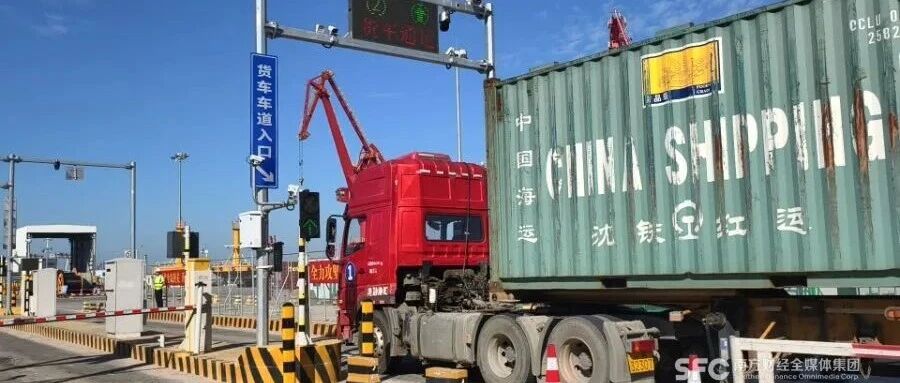
Core Viewpoint - The launch of the Hainan Free Trade Port's full island closure operation marks a significant milestone, facilitating smoother trade and enhancing economic exchanges with the mainland [1][5]. Group 1: Zero Tariff Policy - The Hainan Free Trade Port has implemented a more favorable "zero tariff" policy, increasing the proportion of zero-tariff items from 21% to 74% for "first-line" imports, allowing for tax-free circulation of goods within the island [3][5]. - The first batch of rubber products exported from Hainan, weighing 232.4 tons and valued at approximately 2.97 million yuan, benefited from the zero tariff policy, saving nearly 400,000 yuan in import duties [3][5]. - The processing and value-added exemption policy has been in trial since July 2021, with continuous optimizations leading to lower thresholds for benefits and broader applicability [5][6]. Group 2: Customs and Trade Facilitation - The new customs clearance model, tailored for the Hainan Free Trade Port, simplifies the declaration process for zero-tariff goods, reducing the required data from 105 items to 33, significantly enhancing efficiency [6][7]. - The customs authorities are committed to optimizing the clearance process and ensuring local processing enterprises can effectively leverage the zero tariff policy to expand into mainland markets [5][6]. Group 3: Industrial Development - Hainan is building a modern industrial system characterized by zero tariffs on raw materials, duty-free exports, and favorable tax rates, which are expected to accelerate industrial growth [8][9]. - The tourism, modern services, high-tech industries, and tropical agriculture sectors have shown average nominal growth rates of 5.9%, 13.4%, 36.8%, and 10.7% respectively over the past four years, contributing to sustained economic momentum [8][9]. - The establishment of a commercial space launch site in Hainan has led to successful satellite launches, indicating rapid advancements in the aerospace sector [8][9]. Group 4: International Cooperation - Hainan's strategic location allows it to connect with major markets in the Asia-Pacific region, enhancing trade cooperation, particularly with ASEAN countries [13][14]. - The Hainan Free Trade Port aims to serve as a strategic hub for investment and trade between China and ASEAN, facilitating greater economic integration and cooperation [13][14].
海南封关启航新篇,“零关税”红利释放
2 1 Shi Ji Jing Ji Bao Dao· 2025-12-18 13:23
Core Insights - The launch of the Hainan Free Trade Port's full closure operation on December 18 marks a significant milestone, enabling smoother customs clearance for goods leaving the island, with the first batch of products cleared in just 15 minutes [1][2]. Customs and Trade Policies - The Hainan Free Trade Port has implemented a more favorable "zero tariff" policy for goods, increasing the proportion of zero-tariff items from 21% to 74% for "first-line" imports, allowing for tax-free circulation of goods with a 30% value-added processing [2][3]. - The first batch of rubber products exported from Hainan weighed 232.4 tons with a value of approximately 2.97 million yuan, benefiting from the zero-tariff policy and avoiding nearly 400,000 yuan in import duties [2][3]. - The customs process has been streamlined, reducing the number of required data entries for customs declarations from 105 to 33 for certain zero-tariff goods, significantly enhancing efficiency [4][5]. Industry Development - Hainan is building a modern industrial system, with core policies such as zero tariffs and tax incentives expected to accelerate the development of key industries, including tourism, modern services, high-tech industries, and tropical agriculture [6]. - The average nominal growth rates for these sectors over the past four years have been 5.9% for tourism, 13.4% for modern services, 36.8% for high-tech industries, and 10.7% for tropical agriculture, indicating robust economic momentum [6]. - The establishment of the first commercial space launch site in Hainan has positioned the region as a leader in commercial aerospace, with successful launches contributing to the local economy [6]. International Trade and Cooperation - Hainan's strategic location enhances its role as a hub for international trade, with plans to strengthen economic cooperation with the Asia-Pacific region, particularly through RCEP [8]. - The Hainan Free Trade Port aims to serve as a strategic link between China's large market and the RCEP market, facilitating greater economic integration and cooperation with ASEAN countries [8].

向全球数字贸易规则“试验田”迈进
Zheng Quan Shi Bao Wang· 2025-12-18 03:34
原海南省大数据管理局局长董学耕向证券时报记者指出,"海南模式"的差异化主要体现在产业与监管两 方面。从产业布局看,海南将数据跨境重点场景明确在深海科技、商业航天、低空经济、现代农业等特 色产业领域。这种场景驱动模式,使得数据跨境需求更为具体,风险更易管控。从监管流程看,在坚守 安全底线的前提下,海南更加强调事中事后监管。对于负面清单外的数据出境,允许企业在审慎承诺前 提下先行开展,并辅以事后备案管理,或直接免于审批,显著提升了企业的运营效率。 基于数据出境管理负面清单的"非禁即准"模式,核心是为企业提供稳定预期。董学耕强调,负面清单管 理机制的关键在于场景的精细化,确保清单内容"可识别、可界定、可操作",最大限度消除模糊空间, 让企业清楚知道什么能做、什么不能做。 基于清晰的制度框架,海南自贸港已在前期试点过程中布局了多层次、立体化的业务形态。根据已出台 的《海南自由贸易港国际数据中心发展规定》,海南自贸港国际数据中心的业务主要分为三类,分别 是"外数外用""内数外用"和"外数内用"。其中,"外数外用"相关业务不涉及境内数据出境,已成为海南 自贸港当前的重点发力方向。董学耕预计,游戏服务、影视制作、商业航天等 ...
向全球数字贸易规则 “试验田”迈进
Zheng Quan Shi Bao· 2025-12-17 19:16
Core Insights - Hainan Free Trade Port aims to enhance data flow security while expanding data openness and innovating safety regulations, which is crucial for establishing a high-level open economy [1] - The port has unique advantages in telecommunications and international data center legislation, positioning it as a pioneer in digital trade rule innovation [1] - Hainan's differentiated approach to cross-border data management focuses on specific industries, enhancing operational efficiency and risk control [1][2] Data Management Framework - The "negative list" management model emphasizes a "non-prohibited, but permitted" approach, providing businesses with stable expectations and clear operational guidelines [2] - Hainan Free Trade Port has categorized international data center operations into three types: "external data for external use," "internal data for external use," and "external data for internal use," with a focus on the first category [2] - The development of physical infrastructure, such as international communication hubs and cross-border cables, is essential for facilitating rapid data flow to Southeast Asia [2] Regulatory Environment - Hainan has removed foreign ownership restrictions on several value-added telecommunications services, allowing foreign investment in cloud services and computing markets [3] - The pilot program is expected to attract international companies to the Chinese market and assist local firms in expanding globally [3] - Hainan aims to serve as a testing ground for institutional openness and a platform for exploring mutual recognition of digital trade rules [3]