
科创

Search documents
投资者要练就“火眼金睛”识科创
Zheng Quan Ri Bao· 2025-09-18 16:23
■田鹏 9月17日,上海证券交易所副理事长霍瑞戎表示,今年6月份科创板"1+6"改革政策发布以来,各项配套制度规则已全部发 布实施,存量32家未盈利企业已于规则发布当日纳入科创成长层,技术系统改造正加快推进,将如期上线。目前已有475万户 投资者开通科创成长层交易权限。 作为风险承受能力等级为C4(积极型)及以上的投资群体,475万户投资者的"入市"对科创板成长层的赋能作用尤为显 著。 然而,需清醒认识到,科创成长层企业普遍处于未盈利状态,创新存在不确定性,其投资逻辑与传统板块差异显著。因 此,475万户投资者需练就一双"火眼金睛",拥有看透估值迷雾的判断眼光、紧盯风险信号的警觉眼力、陪伴企业成长的长期 视角,在企业上市前、上市中、上市后全周期做好风险把控,从而真正转化为推动资本市场高质量发展的稳定力量。 首先,上市前,要有看透估值迷雾的判断眼光。科创成长层新股采用询价定价方式,个人投资者无法直接参与询价,且企 业"技术壁垒高、业绩波动大"的特性,导致发行定价难度远高于传统板块,加之缺乏可比公司参照,易出现估值偏差。在此阶 段,投资者需主动提升专业认知,摒弃"跟风申购"思维,通过深入研究行业政策、拆解技术路线 ...
为啥市场一定会在熊市牛市之间来回切换?|投资小知识
银行螺丝钉· 2025-09-18 14:06
Group 1 - The core viewpoint of the article suggests that while the profitability growth of listed companies is slow from 2022 to 2024, there will be a recovery in growth rates in 2025, leading to a dual boost of "valuation increase" and "profit growth acceleration" in certain sectors like technology, military, and healthcare in Hong Kong [2] - The funding cycle is influenced by the amount of money in the market, primarily affected by interest rate fluctuations. The first interest rate cut by the Federal Reserve in September 2024 led to significant increases in A-shares and Hong Kong stocks, with the index rising from 5.9 to 4.8 [2] - The sentiment cycle indicates that market sentiment tends to be overly optimistic during price increases and overly pessimistic during declines. This can lead to misjudgments about market trends, as opportunities often arise during downturns while risks emerge during uptrends [3] Group 2 - The article emphasizes that all three cycles—profitability, funding, and sentiment—are interconnected and can lead to market bull and bear phases when one or two cycles are at their peaks or troughs [4] - It highlights that savvy investors can effectively leverage these cycles to make informed investment decisions [5]


传统业态升级、工业遗产再生 创新文化赋能北京区域转型
Bei Jing Shang Bao· 2025-09-18 12:54
Core Insights - Beijing's urban renewal is driven by technology and culture, showcasing a vibrant development landscape through various innovative projects [1] - The AI Origin Community in Dongsheng Town has transformed 2.6 million square meters of industrial space, housing around 4,000 enterprises, and aims to establish a globally influential AI open-source innovation ecosystem [9] - The RE RUI International Creative Museum and the RE RUI Three High Furnace Digital Museum are key projects that utilize digital technology to revitalize cultural heritage and enhance consumer experiences [10][14] Group 1: AI Origin Community - The AI Origin Community focuses on creating a youth-friendly service ecosystem, providing a supportive environment for entrepreneurs and young innovators [4] - It offers various amenities, including over 2,000 rental housing units, educational facilities, and health management services to meet the diverse needs of talent [5] - The community has completed renovations of 31 public spaces, enhancing approximately 10,000 square meters, and features over 20 intelligent scenarios for businesses [8] Group 2: Cultural Heritage and Digital Innovation - The RE RUI International Creative Museum utilizes advanced digital technologies to present cultural heritage, attracting significant online attention and engagement [10][13] - The museum's "Return to Yuanmingyuan" exhibition showcases the digital restoration of historical sites, emphasizing the importance of cultural education and heritage preservation [13] - Future plans include establishing a digital space innovation center in Shijingshan District, aiming for a digital economy scale exceeding 220 billion yuan by 2027 [17]


地区生产总值突破3000亿关口!看上海市静安区“十四五”如何高质量发展
Zheng Quan Shi Bao Wang· 2025-09-16 15:08
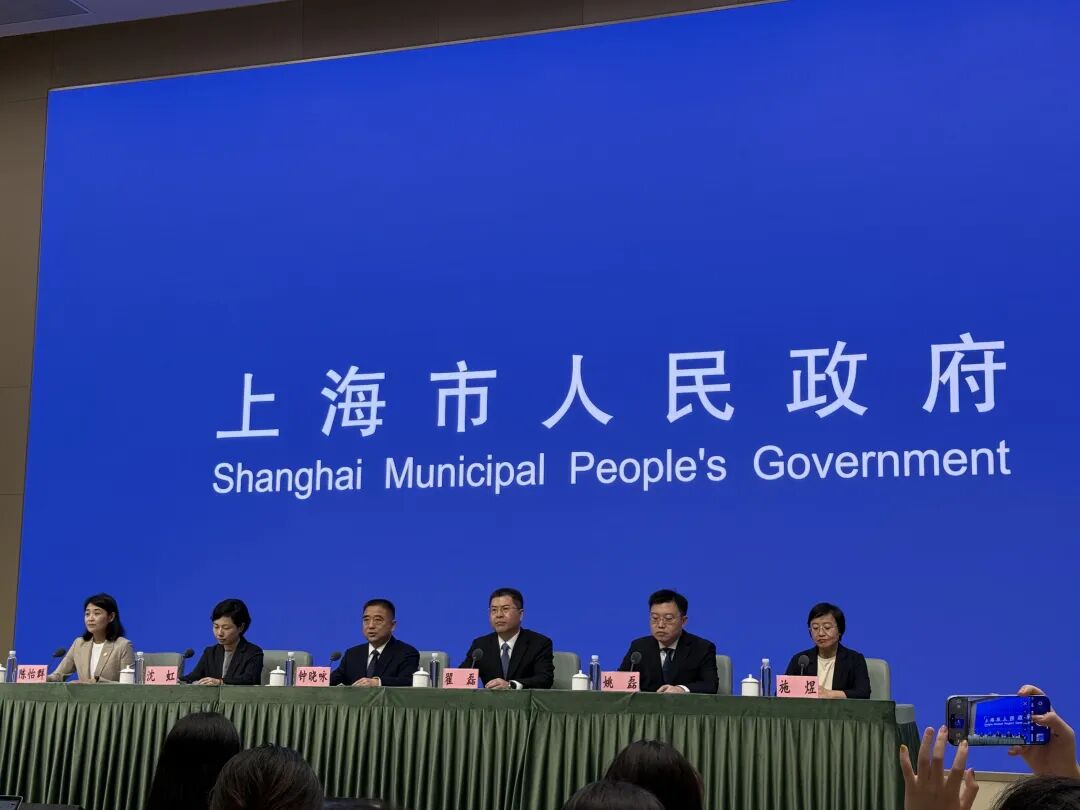
Core Viewpoint - The Shanghai government is showcasing the achievements of the "14th Five-Year Plan" through a series of press conferences, highlighting the high-quality development and results from various districts, particularly focusing on Jing'an District's efforts to build a modern international urban area [1][3]. Economic Development - Jing'an District's GDP is projected to reach 336.99 billion yuan in 2024, surpassing the 300 billion yuan mark, with a per capita GDP of 360,000 yuan, which is 1.5 times that of 2020 [4]. - The district's public budget revenue is expected to reach 30.22 billion yuan, ranking among the top in the city [4]. - Jing'an has attracted 991 new stores since 2021, making it a hotspot for consumer activity, with retail sales leading among central districts [4]. Headquarters Economy - Since the beginning of the "14th Five-Year Plan," Jing'an has added 85 new regional headquarters of multinational companies, totaling 142, with an annual tax contribution growth of 11.1% from headquarters economy [4][5]. Industrial Development - Six key industries contribute over 85% to the regional economy, with a significant increase in high-end service brands from 48 to 103 [5]. - The professional services sector's tax contribution rose from 15.8% in 2020 to 22.1% last year [5]. Innovation and Technology - Jing'an has become a hub for emerging industries, housing one-third of the city's core data intelligence companies and a significant number of global pharmaceutical firms [6]. Reform and Opening Up - From 2021 to 2024, Jing'an attracted 1,122 foreign direct investment projects, with a total contracted foreign capital of 4.83 billion USD, marking a significant increase compared to the previous five years [7]. - The district has implemented 693 measures to optimize the business environment, leading to a 1.8 times increase in new market entities compared to the previous five years [7]. Urban Renewal - Jing'an has focused on urban renewal, completing the renovation of 47 old residential areas and enhancing public services, including the construction of rental housing [8][9]. Social Development - The district has improved public services, particularly in elderly care and childcare, and has enhanced cultural offerings, maintaining a leading position in public cultural facilities [10]. Future Outlook - As Jing'an approaches the end of the "14th Five-Year Plan," it aims to set higher goals for the next decade, focusing on excellence and contributing significantly to the city's overall development [11].
史诗级利好来袭!发令枪响,A股即将狂暴上涨!
Sou Hu Cai Jing· 2025-09-16 02:37
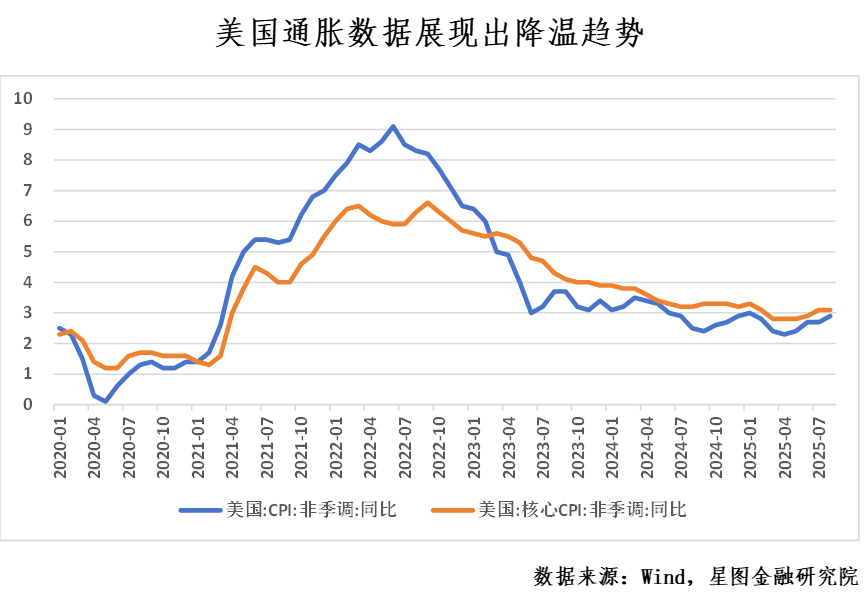
Group 1: Federal Reserve's Rate Decision - The Federal Reserve is expected to initiate a rate cut cycle, potentially lowering the policy rate by 25-50 basis points [1][8] - Current inflation levels are manageable, with August CPI at 2.9%, and are not expected to hinder the Fed's shift towards easing [2] - Rising recession risks, evidenced by a slowdown in the job market and declining consumer confidence, make preemptive rate cuts likely [5][7] Group 2: Impact on A-Share Market - The anticipated Fed rate cut is expected to significantly boost global capital markets, particularly benefiting the A-share market [9] - A potential influx of foreign capital into the A-share market is anticipated, as historical data shows net inflows during Fed rate cut cycles [9] - The Chinese central bank may gain more operational space for policy adjustments following the Fed's rate cut, potentially leading to additional stimulus measures [10] Group 3: Economic and Market Fundamentals - The Fed's rate cut is likely to enhance external demand for the Chinese economy, positively impacting exports and overall economic growth [13] - A combination of improved funding conditions, policy easing, and a recovering economic backdrop is expected to support a long-term upward trend in the A-share market [16] - Specific sectors such as metals, brokerage firms, and technology are highlighted as having high elasticity and potential for significant gains in a favorable liquidity environment [16]
近九成科创板公司披露2025提质方案,首发募资累计投入超6500亿元
Di Yi Cai Jing· 2025-09-07 10:56
Core Insights - The total funds raised by the Sci-Tech Innovation Board have exceeded 650 billion yuan, with over 70% of the funds already utilized [1] - Since 2025, the "Quality Improvement, Efficiency Enhancement, and Return to Shareholders" initiative has been advancing, with nearly 90% of companies on the board disclosing their action plans for 2025, an increase of 12 percentage points compared to 2024 [1] - A total of 589 listed companies on the Sci-Tech Innovation Board have disclosed over 2,500 fundraising projects, with more than 70% of the funds directed towards research and production construction [1]
沪市高评级科创债投资指南:稳健布局,一键触达优质资产
Sou Hu Cai Jing· 2025-09-05 04:20
Core Insights - The technology innovation bond market has reached a new milestone with 356 issuers successfully issuing 1,360 technology innovation bonds, totaling 1.95 trillion yuan as of August 28, 2025 [1] - A series of supportive policies for the issuance of technology innovation bonds have been introduced since 2025, marking the official launch of the technology sector in the bond market and creating unprecedented development opportunities for the market [1] - The Shanghai Stock Exchange AAA Technology Innovation Company Bond Index was launched on August 24, 2023, to accurately reflect the performance of high-rated technology innovation company bonds listed on the exchange [1] Market Overview - The Shanghai and Shenzhen stock exchanges have issued 935 technology innovation bonds, amounting to 1.23 trillion yuan, making them the main players in the market [1] - As of August 29, 2025, AAA-rated bonds dominate the sample, accounting for 71.01%, while unrated bonds make up only 28.99% [3] - The index has shown stable yield characteristics across different time frames, with a year-to-date return of 1.55% and an annualized return of 3.18% as of July 31, 2025 [3] Index Characteristics - The average remaining maturity of the index is 4.21 years, with a modified duration of 3.79 years, indicating a balanced approach to capturing yield spreads and controlling interest rate risks [4] - The index's total market value is 1,115.38 billion yuan, with a total face value of 1,089.34 billion yuan, allowing for significant capital inflows and outflows [3] - The average coupon rate of the index is 2.44%, and the yield to maturity is 1.96%, providing stable interest cash flow for investors [5] Investment Products - Several index-based investment products, such as the GF SSE AAA Technology Innovation Company Bond ETF and the Bosera SSE AAA Technology Innovation Bond ETF, have emerged to seek returns similar to the SSE AAA Technology Innovation Bond Index [5]

吴晓求:“芯魂药”很重要,科创企业成为主力才利于A股成长
Feng Huang Wang Cai Jing· 2025-09-05 03:54
Group 1 - The core viewpoint is that the emergence of technology innovation enterprises as the main force in the stock market is beneficial for market growth, which aligns with the fundamental logic of capital market development [1] - High dividend yield companies and banking financial institutions have historically been important investment targets for large capital, but with current institutional reforms and improved market liquidity, there will be a greater focus on technology-driven enterprises [1]
[9月3日]指数估值数据(大盘波动;股票基金如何判断估值;增量版指数估值表已上线)
银行螺丝钉· 2025-09-03 14:01
Market Overview - The overall market has experienced a decline, closing at 4.3 stars [1] - Large, medium, and small-cap stocks have all decreased, with small-cap stocks showing greater volatility [2] - The STAR Market and securities indices have seen significant declines [3] - The STAR 50 index rose to an overvalued position in the past two weeks before experiencing a pullback [4][5] - Consumer sectors have also shown signs of decline [6] - Hong Kong stocks have exhibited smaller fluctuations compared to A-shares, with Hong Kong dividends remaining relatively strong [7][8] - Recent global stock market fluctuations have indirectly impacted both A-shares and Hong Kong stocks [9] Global Market Influence - Last week, global stock markets saw a downturn, particularly in Europe, while A-shares managed to rise [10] - This week, global markets continued to decline, with Hong Kong stocks showing slight gains and A-shares experiencing minor drops [11] - Fluctuations in overseas markets have affected the performance of RMB assets, although RMB assets have shown less volatility due to valuation advantages [12][13] Investment Strategies - For index funds, it is easier to determine if a stock or fund is overvalued or undervalued by referring to daily published index valuation tables [14][15] - The valuation table categorizes indices into green (undervalued), yellow (fairly valued), and red (overvalued) [17][18] - Being in the undervalued range does not imply that the index will not experience fluctuations [19][20] - Regular investments in undervalued areas can help average down costs, leading to potential gains when market conditions improve [23] Fund Management Insights - Active funds present more challenges in valuation as fund managers do not disclose current holdings, only showing them in quarterly reports [28] - Investors can assess active funds by understanding the manager's investment style or industry focus [29][30] - Active funds often have performance benchmarks, which may change to reflect the manager's actual investment direction [36][37] - A diversified active fund portfolio can reference overall market valuations for investment decisions [40][41] Tools and Resources - The "Today’s Star" mini-program has expanded its percentile valuation table for indices, allowing users to purchase corresponding index funds [43] - Users can filter by categories such as broad-based, strategy, industry, theme, and global indices for targeted investments [43] Investor Mindset - Mature investors understand the importance of establishing a suitable investment framework, recognizing that market fluctuations are unpredictable [45] - Continuous learning and rational decision-making are essential to mitigate emotional impacts on investments, with a stable mindset being key to achieving sustained returns [45]
今年以来,商河县为52家科创企业放款3.5亿元
Qi Lu Wan Bao Wang· 2025-09-02 08:33
Group 1 - The core viewpoint of the article emphasizes the commitment of Shanghe County to enhance the business environment by focusing on enterprise needs and providing comprehensive lifecycle services [1] Group 2 - The county has increased policy supply by utilizing the "Quan Hui Qi" platform to connect various enterprise-related policy resources, ensuring that more businesses are informed and can benefit from policy support [1] - Shanghe County has implemented the "Talent Gathering 27 Measures" and nine major actions to attract high-level talent, successfully bringing in 280 individuals [1] - Financial support for enterprises has been strengthened, with 3.5 billion yuan loaned to 52 technology innovation enterprises this year [1] Group 3 - The county promotes a service-oriented approach with the philosophy of "no disturbance without need, response to every request," and has established the "In Shanghe·He Xin Ban" studio for better communication between government and enterprises [1] - Regular "Qin Qing Hui Ke Ting" meetings are held to facilitate dialogue between government and businesses, aiming to create a stable and predictable business environment [1]