
租车

Search documents
神州租车布局低空经济 加速“天地空一体化”智能生态落地
Zheng Quan Shi Bao Wang· 2025-11-06 11:11
Core Insights - Shenzhou Car Rental has signed a strategic cooperation agreement with Volant, a leader in the low-altitude travel sector, marking a significant step in building a technology-driven travel ecosystem [1][2] - The collaboration aims to integrate ground car rental services with aerial travel solutions, enhancing efficiency and diversity in future travel options [1][3] Company Developments - Shenzhou Car Rental has established a service network covering over 360 cities and has accumulated 180 million registered users, providing a strong foundation for the commercialization of low-altitude travel [2] - The company has launched several benchmark cases in smart travel, including the world's first public autonomous driving rental product in July 2025, utilizing L4 autonomous driving technology [1][2] Industry Trends - The low-altitude economy is recognized as a strategic emerging industry in China, with government reports highlighting its importance and potential for growth [2] - The market size for China's low-altitude economy is projected to reach 1.5 trillion yuan by 2025 and exceed 3.5 trillion yuan by 2035, driven by the commercialization of electric vertical takeoff and landing aircraft (eVTOL) [2] Strategic Collaboration - The partnership with Volant is based on a logic of professional division and complementary advantages, with Volant being a leading supplier in the eVTOL field [2][3] - Shenzhou Car Rental plans to develop integrated solutions combining ground rental and aerial commuting/tourism, gradually building an urban air mobility (UAM) network [3] Infrastructure Development - Shenzhou Car Rental will leverage its urban resource integration capabilities to establish low-altitude takeoff and landing platforms in key cities, creating industry-standard service products [3] - The collaboration will also focus on co-developing technical standards, service norms, and safety management systems for the eVTOL travel sector, aiming to solidify a leading position in the integrated air-ground market [3]
飞猪“双11”全量开售:酒店套餐累计房晚积分、航司日历直降
Zheng Quan Ri Bao Wang· 2025-10-20 07:44
Core Insights - The 2025 Fliggy "Double 11" Global Travel Festival has officially launched, offering a wide range of travel products with unprecedented discounts and variety compared to previous years [1] - The number of travel products participating in the event has doubled year-on-year, with significant discounts on popular packages, including flights, hotel deals, and rental cars [1][2] - Fliggy is collaborating with Taobao to distribute millions of 88VIP expansion vouchers, enhancing the purchasing power for consumers during the event [1][2] Group 1 - The travel products available during this year's "Double 11" include discounted flight cards, hotel packages, and group tours, with prices starting as low as 300 yuan for flights to destinations like Bangkok and Osaka [1] - New offerings include the Shanghai LEGO Resort's double-entry tickets starting at 349 yuan and a nationwide car rental service featuring luxury electric vehicles [1] - The event marks the first time inbound travel products are included in the "Double 11" promotions, with substantial discounts available [1] Group 2 - Fliggy's 88VIP members will enjoy more benefits this year, including exclusive discounts on hotel packages from major brands like Marriott and Hilton, with some products offering free upgrades and additional perks [2] - The official live streaming events during "Double 11" will promote special offers and exclusive deals, allowing consumers to access significant discounts and participate in live giveaways [2] - The collaboration with various travel brands aims to enhance customer experience and loyalty through accumulated points and exclusive member benefits [2]
无人驾驶会是租车公司们的第二曲线么?
Hu Xiu· 2025-10-10 07:01
Core Viewpoint - The article discusses the challenges faced by car rental companies in China and explores whether autonomous driving could serve as a new growth avenue for these companies. However, it concludes that autonomous vehicles are unlikely to be a viable second curve for rental companies due to various economic and social factors [1][2]. Industry Challenges - The car rental market has been under pressure due to declining new car sales, the impact of the COVID-19 pandemic, and the widespread adoption of electric vehicles, leading to squeezed profit margins from used car value differences [1]. - Increased competition from ride-hailing platforms and online travel agencies (OTAs) has intensified price wars, pushing rental companies into a low-margin business model [1][2]. Autonomous Driving as a Strategy - The push for autonomous driving is seen as a strategic attempt by rental companies to secure their future, but the article argues that it is not a feasible solution at this time [2]. - National policies regarding the re-employment of drivers and the need for a balanced approach to technology adoption hinder the large-scale implementation of autonomous vehicles [2][3]. Market Dynamics - The article highlights that private car upgrades are easier and less costly than transitioning to autonomous rental vehicles, suggesting that widespread adoption of autonomous cars will only occur when labor costs rise significantly [3]. - Consumer habits indicate that without prior experience with autonomous vehicles, the likelihood of renting one for daily use is minimal, making it more plausible for ride-hailing platforms to offer such services [3]. Opportunities for Rental Companies - Rental companies can leverage the advantages of intelligent driving technology to enhance safety and customer experience, potentially offering "no insurance" products to improve brand reputation [6]. - Increasing regulatory standards and compliance requirements can help elevate the competitive landscape, ensuring long-term sustainability for the industry [7]. - Providing deep test-driving experiences with intelligent driving features can cater to the growing demand for vehicle upgrades among consumers [8]. - Differentiating service offerings based on customer usage scenarios can help rental companies capture more market share and customer loyalty [9]. Conclusion - The future of car rental services should focus on meeting the self-driving needs of consumers, which differs from traditional ride-hailing services, emphasizing a lifestyle choice rather than mere transportation [10]. - Intelligent driving services can enhance user enjoyment and fulfill the demand for a third space, positioning rental companies more favorably within the automotive industry rather than merely as transportation providers [11][12].
双节异地滴滴打车需求上涨89% 租车订单量突破历年峰值
Cai Jing Wang· 2025-10-09 22:47
Core Insights - Didi Chuxing reported a 14% year-on-year increase in average daily ride-hailing demand during the National Day and Mid-Autumn Festival holiday period compared to last year [1] - Demand for intercity rides surged by 89% compared to the period before the holiday [1] - There was a significant increase in long-distance travel and cross-border travel demand [1] Ride-Hailing and Car Rental Trends - During the "Eleventh" holiday period, Didi's car rental orders skyrocketed by 212% year-on-year, reaching a historical high [1] - The average rental duration for users was 2.5 days, with daily spending increasing by 12% year-on-year [1] - Popular vehicle choices for rentals included economy and SUV models [1] - The top rental self-driving destinations during the holiday were Shenzhen, Beijing, Chengdu, Guangzhou, and Xi'an [1]

滴滴租车:国庆中秋长假订单量激增212% 突破历年峰值
Qi Lu Wan Bao· 2025-10-09 09:30
Core Insights - Didi Chuxing reported a 14% year-on-year increase in average daily ride-hailing demand during the National Day and Mid-Autumn Festival holidays, with significant growth in intercity and long-distance travel [1][2] - The demand for pre-booked rides surged by 58% compared to the period before the holidays, with cities like Guilin and Nanchang seeing increases exceeding 100% [2] - The integration of cultural and tourism activities has led to a notable rise in local travel and ride-hailing services, with family outings and leisure activities driving demand [7][8] Group 1: Ride-Hailing Demand - Daily ride-hailing demand increased by 14% year-on-year during the holidays, with intercity ride demand up by 89% [1][2] - The top five cities for pre-booked ride demand saw increases over 100%, with Guilin leading at 331% [2] - The demand for rides to tourist attractions and transportation hubs rose significantly, with increases of 406% for bus stations and 275% for tourist sites [2] Group 2: Long-Distance Travel - Long-distance ride-hailing demand from users residing over 800 kilometers away increased by 22% year-on-year, with younger generations (00s and 95s) contributing 47% of this demand [2] - Notable increases in ride demand were observed in regions like Xinjiang, Gansu, and Heilongjiang, with growth rates of 87%, 78%, and 74% respectively [2] Group 3: Bus and Group Travel - Intercity bus travel demand surged by 86% compared to the pre-holiday period, transporting over 1 million passengers [3] - Popular bus routes included connections to scenic spots and family visits, with some routes experiencing demand increases over 200% [3] Group 4: Local Leisure Activities - The demand for rides to sports and leisure venues rose by 36% and 35% respectively, while social visits increased by 32% year-on-year [4] - Major cultural events, such as light festivals and music concerts, significantly boosted ride demand, with some events seeing increases over 10 times compared to previous years [4] Group 5: Delivery Services - Didi's delivery service orders grew by 202% year-on-year during the holidays, with cities like Chengdu and Xi'an seeing increases of over 290% [6] - The highest growth in delivery services was noted for flowers, cakes, and pet transportation [6] Group 6: Car Rentals - Car rental orders reached a historical high with a 212% year-on-year increase, and average rental duration was 2.5 days [9] - The demand for electric vehicle charging rose by 44%, indicating a shift towards long-distance travel using electric vehicles [9] Group 7: International Travel - The introduction of visa-free transit policies led to a 139% increase in ride-hailing orders from inbound tourists during the holidays [10] - The demand for rides in popular tourist destinations like Hong Kong and major cities in mainland China surged, with significant interest from travelers from South Korea, the USA, and Singapore [10]

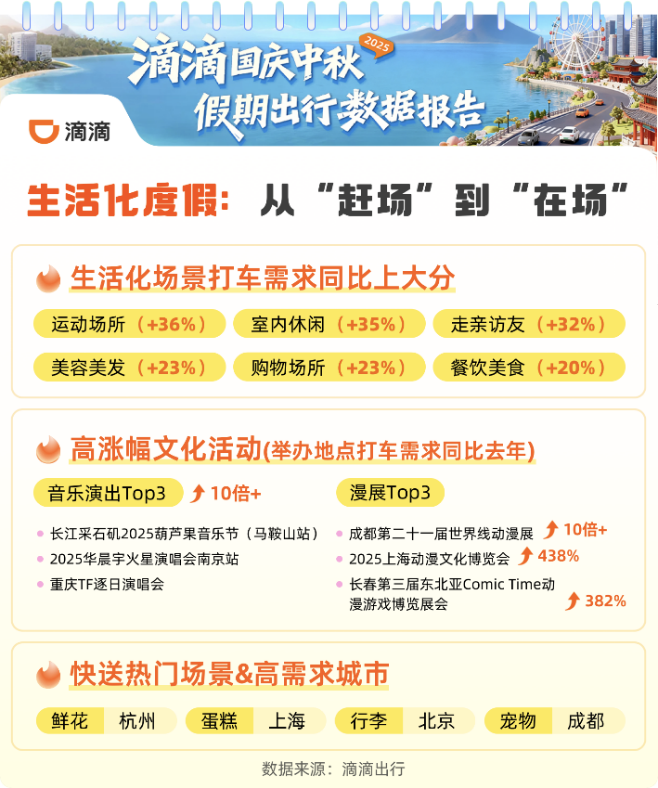
滴滴:双节假期打车需求同比上涨14%,站点巴士累计运送旅客超100万人次
Xin Lang Ke Ji· 2025-10-09 07:24
Core Insights - During the National Day and Mid-Autumn Festival holidays, Didi Chuxing reported a 14% year-on-year increase in average daily ride-hailing demand, with significant growth in cross-city and long-distance travel [1][2][3] - The demand for pre-booked rides surged by 58% compared to the period before the holidays, with notable increases in trips to transportation hubs and tourist attractions [1][2] - The demand for Didi's bike and e-bike services saw a significant rise, particularly in major cities, while the demand for delivery services also experienced substantial growth [3] Group 1: Ride-Hailing Demand - Average daily ride-hailing demand increased by 14% year-on-year during the holidays [1] - Cross-city ride-hailing demand rose by 89% compared to the pre-holiday period, with 68% of this demand coming from users outside the province [1] - Long-distance ride-hailing demand from users traveling over 800 kilometers increased by 22% year-on-year, with younger generations (post-2000s and post-1995) contributing 47% of this demand [1] Group 2: Bus and Group Travel - Didi's bus service saw an 86% increase in passenger volume compared to the pre-holiday period, transporting over 1 million passengers [2] - The demand for chartered vehicles during the holidays grew by 88% year-on-year, with family travel being a significant driver [2] - The demand for 7-seat vehicles for family outings increased by 123% year-on-year [2] Group 3: Delivery and Bike Services - Didi's bike and e-bike services experienced a notable increase in demand, particularly in cities like Chengdu and Tianjin [3] - The volume of Didi's delivery orders grew by 202% year-on-year during the holidays, with significant increases in demand for flowers, cakes, and pet deliveries [3] - Rental car orders surged by 212% year-on-year, with an average rental duration of 2.5 days and a 12% increase in daily spending [3] Group 4: International Travel - The number of Didi ride-hailing orders from inbound users increased by 139% year-on-year during the holidays, reflecting a growing interest in travel to China [3] - The demand for overseas travel surged, with daily demand exceeding 100% compared to the summer peak [3]
假期交通新特点:自驾出行占主流 年轻人偏爱小众的目的地
Yang Shi Wang· 2025-10-09 03:07
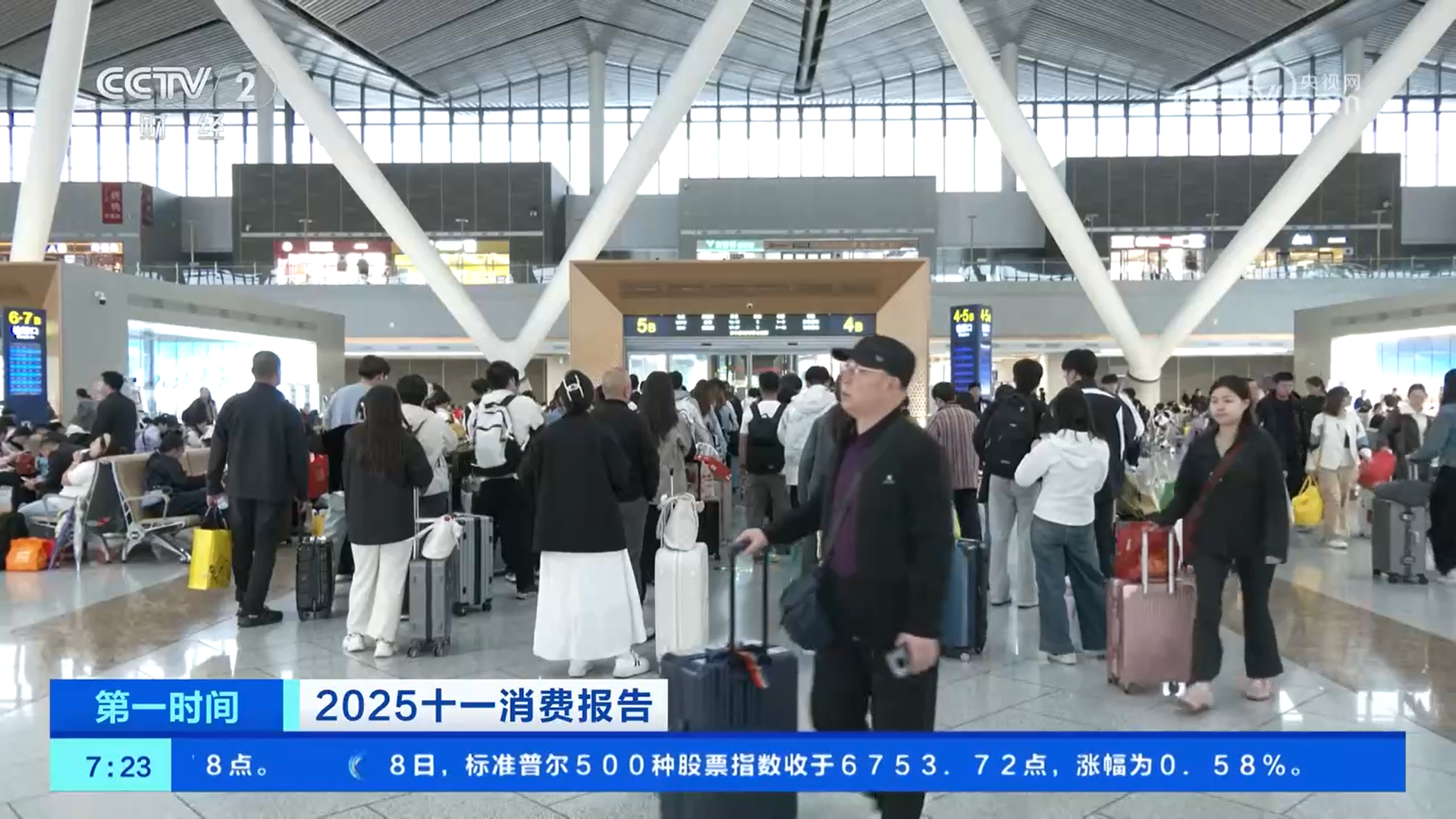
Group 1 - On October 8, the last day of the National Day and Mid-Autumn Festival holiday, approximately 21.75 million passengers were transported by the national railway, marking a peak in return travel [1][3] - Beijing Chaoyang Station expected a total of 176,300 passengers, with 116,000 arrivals, potentially setting a historical record for the station [3] - To accommodate the surge in passenger flow, a total of 2,189 additional passenger trains were added nationwide on October 8, including 354 trains in popular cities like Guangzhou and Shenzhen [3] Group 2 - During the holiday period from October 1 to 8, the cumulative road traffic volume was estimated at 224.75 million people, with an average daily volume of 28.09 million, representing a year-on-year increase of 6.5% [4][7] - Self-driving travel accounted for approximately 80% of total travel during the holiday, indicating its dominance in transportation choices [5] - The rental car market saw high demand, with rental rates exceeding 90% in regions like Beijing-Tianjin-Hebei and Jiangsu-Zhejiang-Shanghai, and orders for certain destinations increased by over 200% year-on-year [9]
交通运输部:假期全社会跨域流动量超24亿人次,创历史新高
Nan Fang Du Shi Bao· 2025-10-09 01:34
Core Insights - The total cross-regional population flow during the National Day and Mid-Autumn Festival holiday from October 1 to 8 is expected to reach 2.432 billion people, setting a historical record for the same period [1] - Daily average flow is projected at 304 million people, reflecting a year-on-year increase of 6.2% compared to the same holiday period in 2024 [1] Travel Trends - Strong public willingness to travel is observed this year, with a high volume of both tourism and family visits contributing to the overall travel demand [1] - Self-driving remains the dominant mode of transportation, with an estimated daily average of 240 million people, accounting for approximately 80% of total travel volume [1] - The number of rental vehicles is expected to average around 650,000 per day, marking an 18% year-on-year increase [1] Travel Distribution - The first day of the holiday saw the highest travel peak, with cross-regional population flow reaching 336 million people, a 1.4% increase from the same day in 2024 [1] - A smaller peak in passenger flow occurred on October 7, with 300 million people traveling, representing an 18.3% year-on-year growth [1] Destination Preferences - Major urban clusters such as Beijing-Tianjin-Hebei, Yangtze River Delta, Guangdong-Hong Kong-Macao Greater Bay Area, and Chengdu-Chongqing are experiencing concentrated passenger flow [1] - Cities like Changsha, Hangzhou, Suzhou, and Xi'an remain popular choices for public holiday travel [1]
国庆中秋假期出行呈现哪些“新亮点”?多部门“攥指成拳”筑牢交通“安全网”
Yang Shi Wang· 2025-10-05 04:45
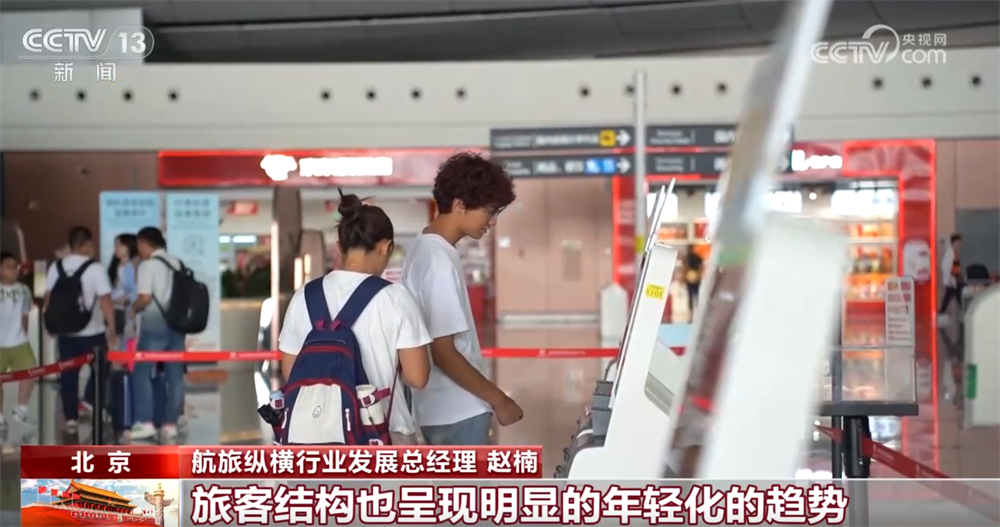
Core Insights - The overlapping of the National Day and Mid-Autumn Festival holidays has led to a surge in travel demand across various sectors, including transportation, dining, accommodation, and tourist attractions [1][9] Transportation Sector - The national highway network is expected to see an average daily traffic flow exceeding 62 million vehicles, representing a year-on-year increase of 2.4% [1] - Self-driving is projected to account for approximately 80% of total travel during the holidays, with new energy vehicles making up about 20% of daily traffic flow, a 30% increase compared to the 2024 National Day [9][19] Travel Demographics - The travel demographic is increasingly diverse, with the "silver-haired" and "student" groups being the main contributors to staggered travel patterns [3] - There is a notable trend towards younger travelers, particularly those aged 18-30, with family trips becoming a significant highlight of this year's travel [4] Tourism Trends - Red tourism sites have seen a dramatic increase in popularity, with search interest for events like the flag-raising ceremony in Beijing rising 12 times compared to the previous month [6] - Inter-provincial border tourism is thriving, with cities located at these borders experiencing order volumes that have increased by at least 70% year-on-year [8] Rental and Accommodation - Car rental demand has surged, particularly for family trips, with requests for vehicles equipped with baby seats increasing by 170% [4] - Popular self-driving destinations include cities like Xinjiang Yili and Qinghai Haidong, where group travel is prevalent [11] Infrastructure and Safety - Tourist attractions like Wudang Mountain have reported a 16% increase in ticket bookings, necessitating enhanced parking and traffic management measures [13] - Authorities are advising travelers to check vehicle conditions and plan routes in advance to avoid congestion and ensure safety during peak travel times [19]
黄金周消费避坑!网上租车、订酒店时,当心这些“数字陷阱”
Nan Fang Du Shi Bao· 2025-10-02 13:29
Core Points - The rise of digital consumption methods such as credit-free car rentals and online hotel bookings has led to the emergence of "digital traps" for consumers [1] - The Guangzhou Internet Court has analyzed cases related to these digital services, highlighting the need for clearer service agreements and consumer protections [4] Group 1: Case Analysis - In a case involving credit-free car rental, a user was charged 6000 yuan without consent after an accident, leading to a court ruling that the rental platform must refund the amount due to lack of contractual basis for the charge [2][3] - The court emphasized the importance of clearly defining the conditions and processes for deductions in service agreements to protect consumer rights [4] - A second case involved a consumer who purchased a Gucci belt online, which was later deemed counterfeit by a third-party platform. The court ruled in favor of the seller, affirming the legitimacy of the product based on provided documentation [5][7][8] Group 2: Personal Information Protection - A case regarding the sharing of personal information by a hotel booking app highlighted the risks of cross-border data transmission without proper consent, leading to a ruling against the company for infringing on consumer rights [10][11] - The court's decision underscored the necessity for transparency in personal data handling and the requirement for explicit consent from users for any data processing beyond contractual obligations [13] - This case marks a significant precedent in the enforcement of the Personal Information Protection Law, emphasizing the need for companies to enhance consumer awareness regarding data privacy [13]