
金融租赁

Search documents
“5.7重磅政策”:救市的逻辑变了
吴晓波频道· 2025-05-07 18:21
Core Viewpoint - The current market stabilization strategy focuses on "supporting enterprises," aiming for a systematic recovery treatment to stabilize the economic foundation, market entities, and enhance economic resilience [1][7]. Summary by Sections Financial Policy Announcements - The government announced ten major supportive policies, including a 0.5% reduction in the reserve requirement ratio (RRR), releasing 1 trillion yuan in long-term funds, and lowering the RRR for auto finance and financial leasing companies to 0% [1][2]. - Policy interest rates were reduced by 0.1%, and various structural tool rates were lowered by 0.25% [2]. Targeted Support for Key Areas - An increase of 300 billion yuan in re-loan quotas for technological innovation and technical transformation, along with 500 billion yuan for service consumption and elderly care, and an additional 300 billion yuan for agriculture and small enterprises [3]. Market Reactions - Market sentiment was mixed; some viewed the policies as expected extensions of previous measures, while others were disappointed, hoping for more aggressive stimulus akin to the "9·24" policies from the previous year [4][6]. Economic Context - The primary economic contradiction has shifted from "insufficient domestic demand" to "increased external pressure," with small and foreign trade enterprises facing significant challenges [11][12]. - Manufacturing PMI fell to 49.2 in April, indicating a contraction, and there are concerns about the sustainability of recent foreign trade data [13][14]. Policy Objectives - The core task of the new policy measures is to stabilize the funding and confidence of enterprises, particularly small and private firms, amid external shocks [16][18]. - The policies aim to create a relaxed business environment, stabilize stock prices, and stimulate consumer spending to drive growth [18][25]. Specific Measures - The central bank's measures include a comprehensive RRR cut and interest rate reductions to ease financing costs for small and medium-sized enterprises [19][22]. - The optimization of capital market support tools aims to stabilize stock prices and enhance market confidence [23][24]. - Consumer confidence is targeted through measures like lowering the RRR for auto finance companies, which is expected to boost spending on durable goods [26]. Future Outlook - Despite the supportive policies, not all enterprises will benefit equally, and differentiation may become the new norm [30]. - The policies are seen as more supportive than stimulative, with a focus on preventing economic growth from "stalling" rather than driving immediate recovery [28][41]. - The real estate market may see benefits from increased liquidity, but the effectiveness of these measures will vary across different cities [42][43].

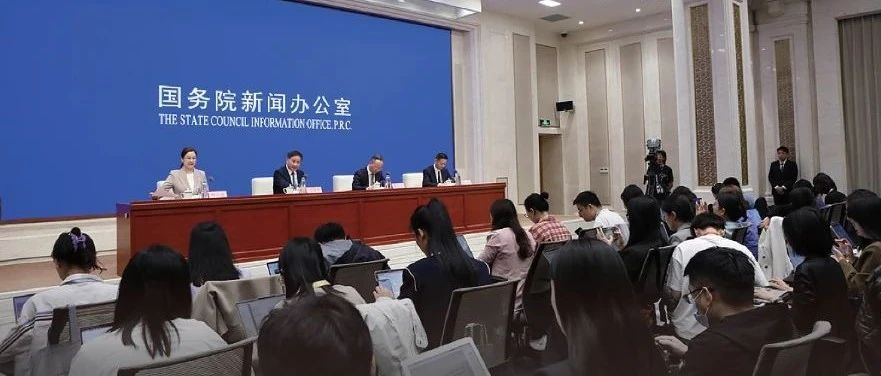
金融“十箭”齐发 稳增长强信心
Shen Zhen Shang Bao· 2025-05-07 17:34
本报首席评论员胡蓉 当下,关税战冲击将逐步显现,全球经济的不确定性仍然阴云笼罩。越是此时,越需要增强国内经济发 展的确定性。 一季度,中国经济实现了5.4%的较快增长,出口、零售、投资等经济指标普遍改善。在刚刚过去的"五 一"假期,根据文化和旅游部的数据, 5月1日至5日国内旅游总人次达3.14亿,同比增长6.4%;国内旅 游收入1802.69亿元人民币,同比增长8%。延续这一良好态势十分重要。 金融是经济的血脉。金融市场于此时"十箭"齐发,释放的是强烈的稳增长和提振市场信心的信号。稳定 保持中国经济的发展节奏,不仅能更好应对眼前的变局,更是为了坚定走向未来。 (文章来源:深圳商报) 可以说,央行此次出手的广度和力度都十分罕见。十项举措不仅重在加大中长期流动性供给、保持市场 流动性充裕,也着眼降低贷款利息成本;重在刺激新增贷款的产生,也针对贷款存量结构的调整,如存 量房贷利率也将随着LPR利率下调,有利于降低居民支出成本、为消费释放更多现金流。 10项措施,每一项都构成利好,而央行选择"十箭"齐发,目的就是要发挥出协同与聚合效应,激发更大 的效果。放在更大层面看,金融市场十大举措又将与其他政策联手,发挥出更大 ...
政在发声丨央行超预期“双降”:货币政策体现“未雨绸缪” ,总量结构价格工具协同发力稳增长
2 1 Shi Ji Jing Ji Bao Dao· 2025-05-07 13:01
Monetary Policy Measures - The People's Bank of China (PBOC) announced a package of monetary policy measures, including a 0.5 percentage point reduction in the reserve requirement ratio (RRR), expected to provide approximately 1 trillion yuan in long-term liquidity to the market [1] - The policy rate was lowered by 0.1 percentage points, which is anticipated to lead to a similar decrease in the Loan Prime Rate (LPR) [1][2] - Structural monetary policy tools' rates were reduced by 0.25 percentage points, and the personal housing provident fund loan rate was also cut by 0.25 percentage points [1] Innovations in Financial Support - A significant innovation includes lowering the RRR for certain financial institutions, such as auto finance and financial leasing companies, to 0%, breaking the previously understood 5% implicit lower limit [3][4] - The establishment of a risk-sharing tool for technology innovation bonds aims to support direct financing for tech innovation, enhancing the PBOC's support for this sector [5] Economic Context and Future Outlook - The backdrop for these measures includes a 5.4% year-on-year GDP growth in Q1, but a decline in the manufacturing Purchasing Managers' Index (PMI) to 49.0% in April, indicating potential economic challenges [2] - Analysts expect further monetary easing, including potential additional rate cuts and RRR reductions, as the PBOC aims to maintain economic stability amid external uncertainties and domestic demand challenges [7][8]
汽车金融迎利好!定向降准,不再需要存款准备金
Jing Ji Guan Cha Bao· 2025-05-07 11:29
Core Viewpoint - The People's Bank of China has temporarily reduced the reserve requirement ratio for auto finance companies and financial leasing companies from 5% to 0%, aiming to enhance liquidity and support economic growth [1][2]. Group 1: Policy Impact - The reduction in reserve requirement means that these financial institutions no longer need to set aside funds, allowing them to use the released capital for more flexible loans and investments [1]. - This adjustment is expected to provide higher liquidity in the market, alleviating pressures from slowing economic growth and tightening financial markets [1]. Group 2: Business Models - Auto finance companies primarily offer car loans and financing leasing services, supporting consumers in the automotive sales market [1]. - Financial leasing companies focus on equipment financing leasing, providing funding support for businesses to acquire and lease necessary equipment, covering a broader range of sectors [1]. Group 3: Challenges and Risks - Both types of financial institutions face challenges in capital operations, particularly when liquidity is insufficient, which can limit their lending capabilities [2]. - The policy change allows auto finance companies to offer more consumer loans, potentially stimulating automotive consumption demand [2]. - However, the removal of the reserve requirement means that financial institutions will need to enhance their liquidity management capabilities to avoid short-term liquidity strains during market fluctuations [2].
专家谈一揽子金融政策:具有较强力度和针对性 有助于提振信心稳定预期
Yang Shi Xin Wen· 2025-05-07 09:47
Core Viewpoint - The recent press conference highlighted a comprehensive set of financial policies aimed at stabilizing the market and managing expectations, reflecting a moderately accommodative policy stance from Chinese financial authorities [1]. Group 1: Monetary Policy Measures - A comprehensive reduction in the reserve requirement ratio by 0.5 percentage points will release approximately 1 trillion yuan in long-term liquidity into the market and lower the funding costs for financial institutions [2]. - The reserve requirement ratio for auto finance and financial leasing companies will be reduced to zero, encouraging these institutions to increase financial support for automotive consumption and equipment investment [2]. Group 2: Cost Reduction and Consumer Support - The policy interest rate for the 7-day reverse repurchase operation has been lowered by 0.1 percentage points, which is expected to lead to a decrease in the Loan Prime Rate (LPR) by around 0.1 percentage points, thereby reducing the overall financing costs in society [3]. - The public housing fund loan interest rate has been reduced by 0.25 percentage points, which, combined with the LPR decrease, will lower housing consumption expenditures for residents, enhancing their willingness and ability to consume [3]. Group 3: Targeted Support for Key Sectors - An increase in the quotas for re-lending for technological innovation and agricultural support by 300 billion yuan each, along with the establishment of risk-sharing tools for service consumption and elderly care, aims to direct financial resources towards technology innovation, consumption expansion, and inclusive finance [4]. - The financial regulatory authority has introduced a package of policies to support small and private enterprises, while the securities regulatory body has optimized measures to stabilize the capital market, enhancing the overall effectiveness of previous policies [4].
权威解读!央行十箭齐发!降准降息即将落地
Bei Jing Shang Bao· 2025-05-07 09:44
Core Viewpoint - The People's Bank of China (PBOC) has announced a comprehensive set of monetary policy measures aimed at stabilizing the market and expectations, including a combination of quantity, price, and structural policies to enhance liquidity and support economic growth [1][4]. Quantity Policies - The PBOC will reduce the reserve requirement ratio (RRR) by 0.5 percentage points, which is expected to provide approximately 1 trillion yuan in long-term liquidity to the market [3][4]. - The current average RRR for commercial banks is 6.6%, and this reduction aims to lower banks' funding costs and enhance the stability of their liabilities [3][4]. - The RRR for auto finance and financial leasing companies will be reduced to 0%, significantly boosting their credit supply capabilities [4][5]. Price Policies - Starting May 8, the PBOC will lower the 7-day reverse repurchase rate from 1.50% to 1.40%, which is anticipated to lead to a corresponding decrease in the Loan Prime Rate (LPR) by about 0.1 percentage points [5][6]. - The PBOC will also reduce the rates for various structural monetary policy tools by 0.25 percentage points, including the rate for pledged supplementary loans (PSL) from 2.25% to 2% [6][7]. - The personal housing provident fund loan rates will be lowered by 0.25 percentage points, with new rates set at 2.1% for loans under 5 years and 2.6% for loans over 5 years for first-time buyers [6][7]. Structural Policies - Five structural policies have been introduced, focusing on capital markets, technological innovation, and consumer support, with significant funding allocations such as 300 billion yuan for technology innovation loans and 500 billion yuan for service consumption and elderly care loans [9][10]. - The PBOC will merge the swap facility for securities, funds, and insurance companies with a stock repurchase loan program, totaling 800 billion yuan, to enhance liquidity in the capital market [9][10]. - A new risk-sharing tool for technology innovation bonds will be established, allowing the PBOC to provide low-cost loans to support the issuance of these bonds, thereby promoting the growth of high-quality technology enterprises [10][11].
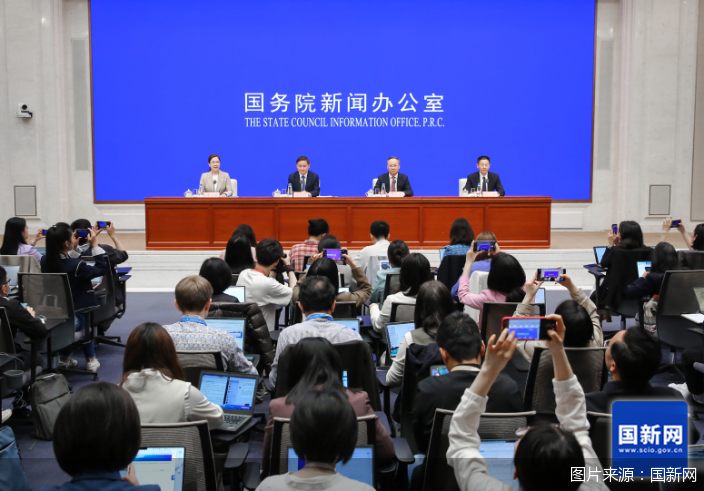
不一样的降准降息!央行“十箭齐发”,重磅解读→
21世纪经济报道· 2025-05-07 07:46
Core Viewpoint - The People's Bank of China (PBOC) announced a series of monetary policy adjustments, including a 0.5 percentage point reduction in the reserve requirement ratio (RRR) and a 0.1 percentage point decrease in policy interest rates, aimed at stabilizing the market and boosting economic confidence amid external challenges and domestic economic pressures [1][2][3]. Summary by Sections Monetary Policy Adjustments - The PBOC lowered the RRR by 0.5 percentage points, expected to release approximately 1 trillion yuan in long-term liquidity [1]. - The policy interest rate was reduced by 0.1 percentage points, with the 7-day reverse repurchase rate dropping from 1.5% to 1.4%, likely leading to a similar decrease in the Loan Prime Rate (LPR) [1][8]. - Structural monetary policy tool rates were cut by 0.25 percentage points, including a reduction in personal housing provident fund loan rates by the same margin [1][8]. Economic Context - The backdrop for these adjustments includes a decline in the manufacturing Purchasing Managers' Index (PMI) to 49.0%, indicating contraction, while non-manufacturing indices remained in expansion territory [2]. - The ongoing global market volatility due to U.S. tariffs on trade partners has intensified the need for proactive macroeconomic policies to mitigate external risks [2]. Structural Changes in RRR - The RRR reduction is divided into two parts: a general cut for large and medium-sized banks and a specific adjustment for auto finance and financial leasing companies, reducing their RRR from 5% to 0% [5][7]. - This approach aims to address structural liquidity issues in the market, enhancing long-term liquidity supply while reducing banks' funding costs [5][6]. Impact on Financial Institutions - The adjustments are expected to bolster investor confidence and stabilize capital markets by providing low-cost, long-term funding to banks, thereby supporting the real economy [6][11]. - The changes in the RRR and interest rates are designed to improve banks' net interest margins and lower overall financing costs for the economy [8][9]. New Financial Tools - The PBOC announced the creation of new financial tools, including an increase in the quota for technology innovation and agricultural support loans, aimed at enhancing credit support for key sectors [11][12]. - A new "service consumption and elderly care re-loan" tool was introduced to stimulate domestic consumption and support the aging population [13][14]. Long-term Financing Support - The introduction of a risk-sharing tool for technology innovation bonds aims to lower financing costs for equity investment institutions, facilitating the issuance of long-term bonds [14]. - This initiative is expected to enhance the ability of financial institutions to support technological advancements and infrastructure development [12][14].
金融政策多箭齐发稳市场稳预期
Sou Hu Cai Jing· 2025-05-07 07:36
降准又降息!金融政策多箭齐发。 5月7日,国新办就"一揽子金融政策支持稳市场稳预期"有关情况举行新闻发布会。央行、金融监管总局、证监会三大金融监管部门"一把手"同台出席。 增加支农支小再贷款额度3000亿元,这将进一步支持商业银行扩大对涉农、小微,特别是中小民营企业的贷款投放。 此次会议在早上九点开始,在股市开盘前打出政策"组合拳",传递信号非同一般,A股三大股指集体高开。 有力度 一揽子金融政策拿出真金白银,力度很大,彰显稳市场稳预期之决心。 降低存款准备金率0.5个百分点,预计将向市场提供长期流动性约1万亿元。阶段性将汽车金融公司、金融租赁公司的存款准备金率从5%调降为0%。下调 政策利率0.1个百分点。下调结构性货币政策工具利率0.25个百分点。 降低个人住房公积金贷款利率0.25个百分点,五年期以上首套房利率由2.85%降至2.6%,其他期限利率同步调整,预计每年将节省居民公积金贷款利息支 出超过200亿元。 粤开证券首席经济学家罗志恒对三里河表示,当前关税战有可能对二季度的出口产生影响,要进一步提振内需以填补外需下行缺口,这就要求进一步稳定 楼市股市、提振消费、扩大有效投资,降准降息必要性和迫切性进 ...
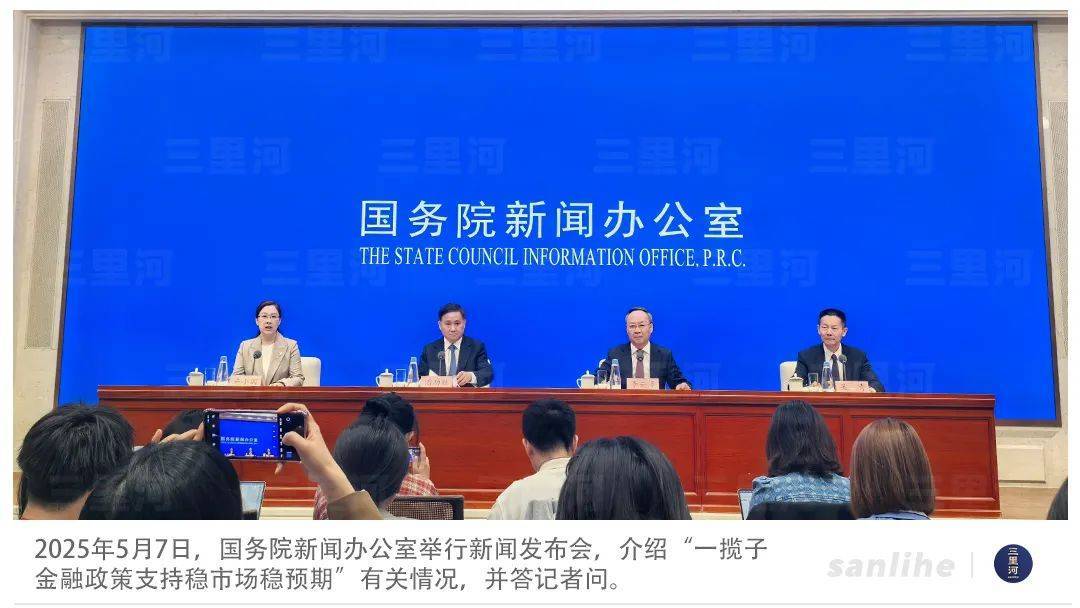
央行十箭齐发:全面降准降息,五项工具支持科创、消费、普惠
Sou Hu Cai Jing· 2025-05-07 06:49
Monetary Policy Overview - The People's Bank of China (PBOC) announced a comprehensive package of monetary policies aimed at stabilizing the market and expectations, including a 0.5% reduction in the reserve requirement ratio (RRR) and targeted RRR cuts for auto finance and financial leasing companies [2][3] - The total monetary policy measures include five items, with two being quantity-based policies and three being price-based policies [4][2] Quantity-Based Policies - A comprehensive RRR cut of 0.5% is expected to provide approximately 1 trillion yuan in long-term liquidity to the market, reducing the average RRR from 6.6% to 6.2% [5][6] - Targeted RRR cuts will reduce the RRR for auto finance and financial leasing companies from 5% to 0%, enhancing their credit supply capabilities [6][7] Price-Based Policies - The policy interest rate will be lowered by 0.1%, bringing the 7-day reverse repurchase rate down from 1.5% to 1.4%, which is expected to lead to a similar decrease in the Loan Prime Rate (LPR) [8][9] - Structural monetary policy tool rates will be reduced by 0.25%, including a drop in the rates for various special structural tools and the pledged supplementary loan (PSL) rate [9][10] - The personal housing provident fund loan rate will be reduced by 0.25%, with the five-year rate for first-time homebuyers decreasing from 2.85% to 2.6%, potentially saving residents over 20 billion yuan in interest payments annually [11] Structural Monetary Policy Tools - Five structural monetary policy tools were introduced to support technology innovation, consumption, and inclusive finance [12] - The re-lending quota for technology innovation and technical transformation will increase from 500 billion yuan to 800 billion yuan, while the quota for agricultural and small business support will rise by 300 billion yuan to 3 trillion yuan [13] - A new 500 billion yuan "service consumption and elderly care re-lending" tool will be established to enhance credit support for service consumption and the elderly care industry [13] - The existing tools for capital market support will be merged into a total of 800 billion yuan to improve flexibility and meet market demands [14] Technology Innovation Support - A new risk-sharing tool for technology innovation bonds will be created, allowing the PBOC to provide low-cost re-lending funds to purchase these bonds, thereby supporting technology enterprises and private equity investment [16][17] - The PBOC aims to broaden financing channels for technology firms and stimulate market confidence through these specific policy arrangements [17]
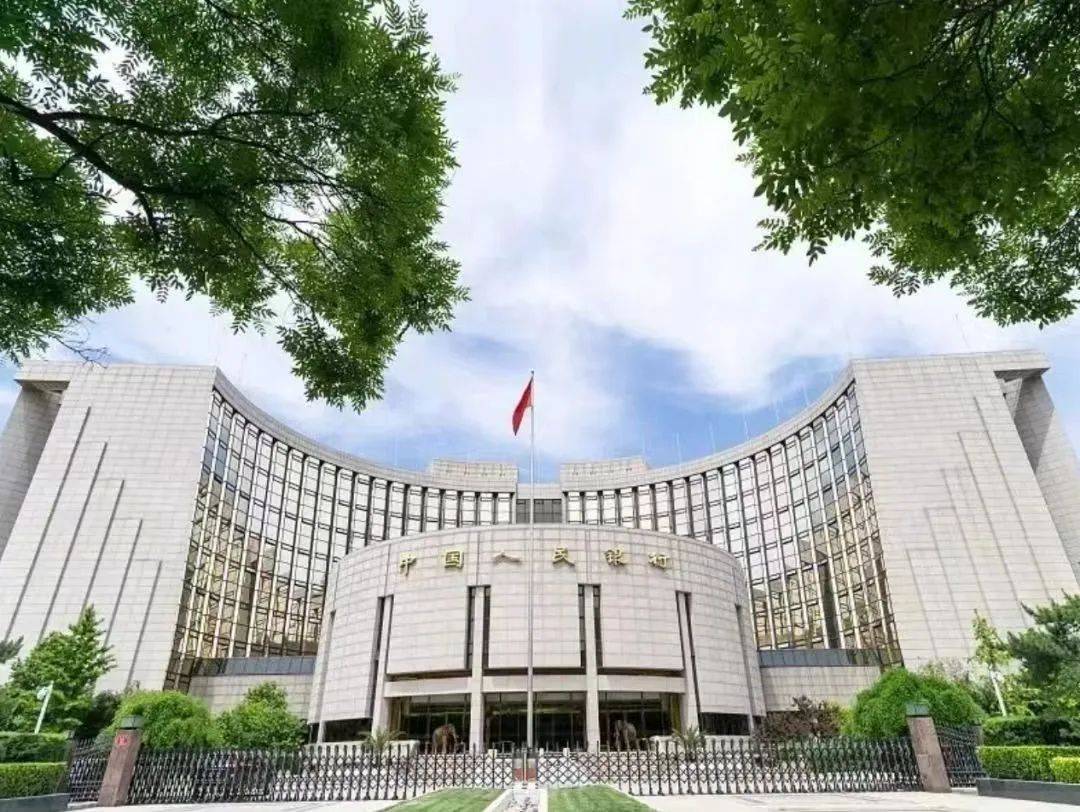
不一样的降准降息!数量型、价格型、结构型政策工具齐上阵 央行“十箭齐发”权威解读来了
Sou Hu Cai Jing· 2025-05-07 06:46
Core Viewpoint - The People's Bank of China (PBOC) announced a comprehensive financial policy package aimed at stabilizing the market and expectations, including a 0.5% reduction in the reserve requirement ratio (RRR) and a 0.1% cut in policy interest rates, in response to declining economic indicators such as the Purchasing Managers' Index (PMI) [1][2][4] Group 1: Monetary Policy Adjustments - The RRR will be lowered by 0.5%, providing approximately 1 trillion yuan in long-term liquidity to the market [1] - The policy interest rate will be reduced by 0.1%, with the 7-day reverse repurchase rate decreasing from 1.5% to 1.4%, which is expected to lead to a similar decline in the Loan Prime Rate (LPR) [1][3] - Structural monetary policy tools will see a rate cut of 0.25%, including a reduction in the personal housing provident fund loan rate by 0.25% [1][5] Group 2: Economic Context - The decision to lower rates comes after the PMI fell below the critical point, indicating economic contraction, with the manufacturing PMI at 49.0% in April, down 1.5 percentage points from the previous month [1][2] - The external economic environment, including the impact of U.S. tariffs, has intensified challenges for China's economic development, necessitating more proactive macroeconomic policies [2] Group 3: Structural Adjustments - The RRR adjustment is divided into two parts: a general reduction for large and medium-sized banks and a specific reduction for auto finance and financial leasing companies from 5% to 0% [4][5] - This dual approach aims to address structural liquidity issues and enhance the stability of bank liabilities while reducing the incentive for high-interest deposit gathering [4][6] Group 4: Impact on Lending and Consumption - The reduction in policy rates is expected to lower the comprehensive financing costs for the real economy, stabilizing the banking sector's net interest margin [7] - The adjustment in housing provident fund loan rates will lower the threshold for home purchases, stimulating housing consumption and supporting the real estate market [7][8] Group 5: New Financial Tools - The PBOC announced the expansion of several financial tools, including increasing the quota for technology innovation and agricultural support loans, and introducing new tools for service consumption and elderly care [9][10] - These measures aim to enhance credit support for key sectors and stimulate domestic consumption, particularly in technology and service industries [10][11] Group 6: Risk Mitigation Strategies - The introduction of a risk-sharing tool for technology innovation bonds aims to lower financing costs for equity investment institutions, facilitating the issuance of long-term bonds [12] - This initiative is designed to support the financing needs of technology enterprises and enhance the overall investment environment [12]