中式餐饮

Search documents
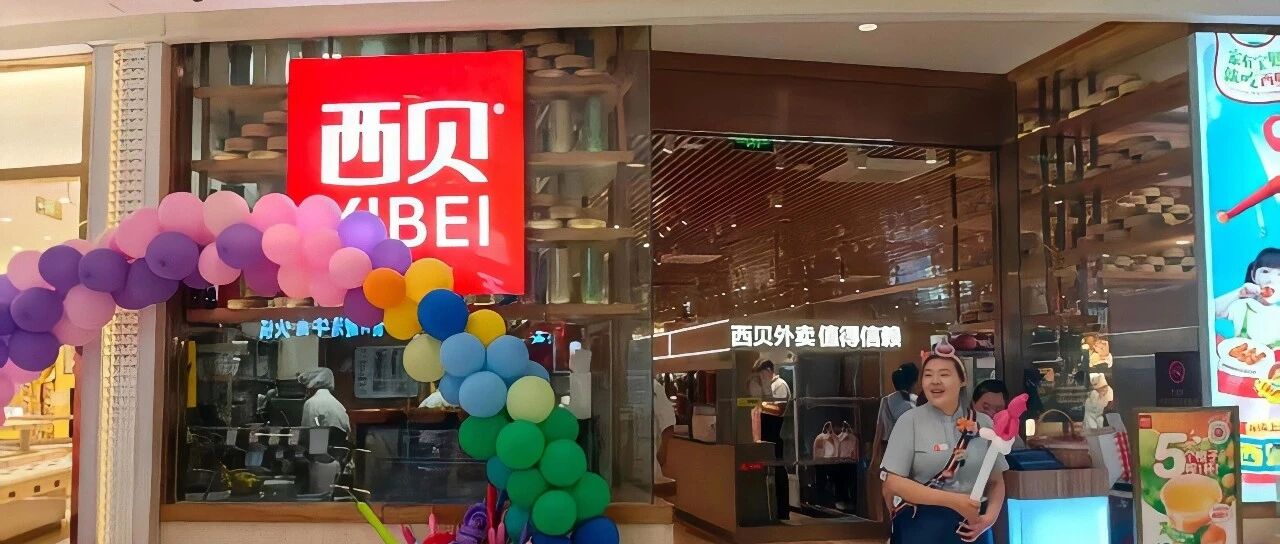
西贝石景山万达店更换logo配色,广告语改为我从草原来
Mei Ri Jing Ji Xin Wen· 2025-10-10 05:20
另据东方财经此前报道,该门店工作人员表示,"我们现在是总部第一家店换的。具体的没有跟我们 说,是我们总部这边执行的,我们也不太清楚。"对方还表示,"我从草原来"的广告语是新出的,之前 没有这句话。(界面,艾塔) 【#西贝一门店调整logo颜色和广告语#,工作人员回应】近日,有网友发帖称,国庆去西贝北京石景山 万达门店,餐厅logo从之前的红白配色换成了白绿配色,"莜面村"改成了"我从草原来"。 10月10日,智通财经致电西贝石景山万达门店,工作人员表示,logo的文字仍然是"西贝",配色的确变 了,但当谈及"莜面村"是否改成了"我从草原来"时,该工作人员未正面回答。 ...


西贝10月9日起再发代金券
第一财经· 2025-10-09 07:59
根据西贝官方信息,2025年10月9日~2025年10月31日,消费实付每满50元送1张50元代金券、消 费实付满100元送2张、满150元送3张。全国西贝XIBEI门店可用,此券仅限堂食使用,领取后次日生 效,当天不可用,30天内有效,仅限本人使用。此前西贝已经发过一轮百元代金券,且对部分菜品进 行了降价。(第一财经记者 宋婕) ...

东吴证券:首予特海国际(09658)“增持”评级 不断完善全球化门店布局
智通财经网· 2025-10-09 05:57
Group 1 - The core viewpoint is that Tehai International, backed by Haidilao's strong capabilities, has significant potential in the overseas Chinese dining market, with an "overweight" rating given by Dongwu Securities [1] - The company is expected to achieve a net profit of $49.45 million, $56.36 million, and $74.44 million from 2025 to 2027, with a compound annual growth rate of 50.6% [1] - Tehai International is positioned as Haidilao's overseas listing platform, focusing on global store expansion, particularly in Southeast Asia, with a projected increase in overseas stores to 129, 140, and 149 by 2025 to 2027 [1] Group 2 - The overseas hot pot market is projected to reach $30 billion, supported by over 60 million overseas Chinese, which will aid the expansion of Chinese dining brands [2] - Tehai International is the largest Chinese dining brand, leveraging social media tools to penetrate overseas markets [2] - The traditional Chinese dining industry abroad has low concentration, and hot pot, being a highly standardized category, is expected to replicate the success of Westernized Chinese dining brands [2] Group 3 - Haidilao is recognized as the leading hot pot brand, possessing brand strength and a mature international operation and supply chain system [3] - The average return period for stores is continuously optimized, projected to shorten to 5.1 years by 2024 [3] - The company employs a comprehensive evaluation, promotion, and compensation system to ensure overall product and service quality [3]

市值蒸发480亿,初代餐饮“排队王”不香了
凤凰网财经· 2025-10-05 13:48
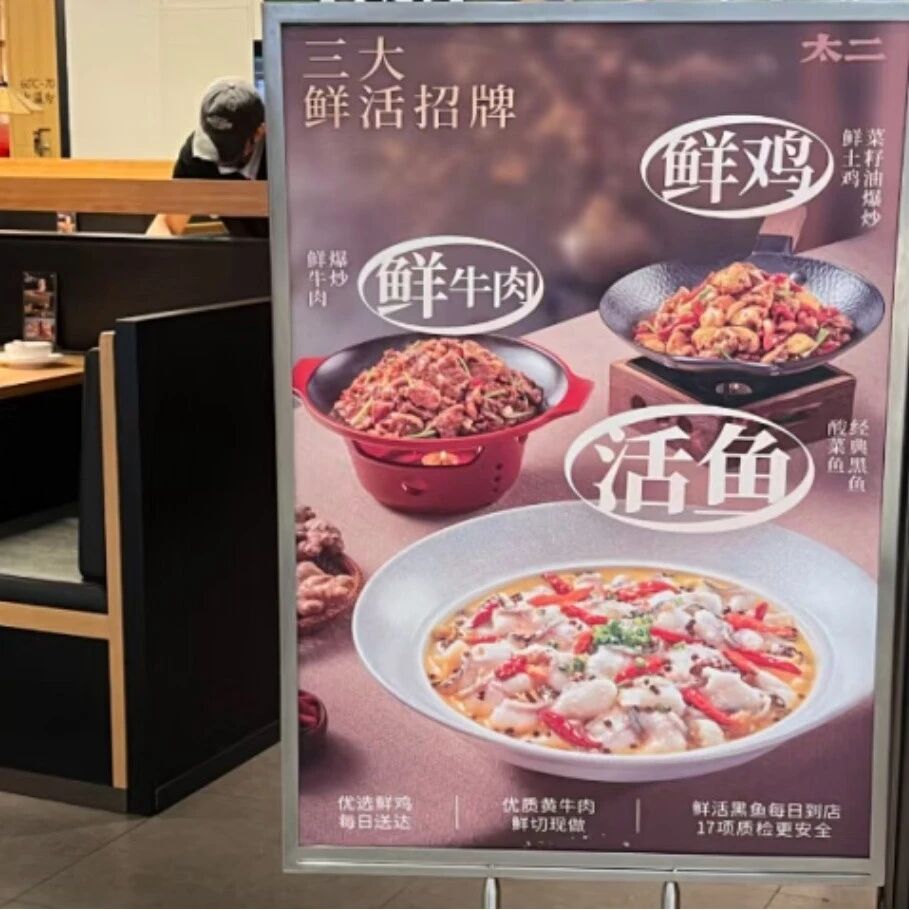
Core Viewpoint - The article discusses the recent struggles of Tai Er Suancaiyu, a brand under Jiumaojiu Group, highlighting a significant decline in revenue and net profit, alongside a shift in consumer perception and market competition [3][4][15]. Financial Performance - Jiumaojiu Group reported a revenue of 27.53 billion yuan for the first half of 2025, a decrease of 10.1% year-on-year, with a net profit of 0.61 billion yuan, down 16.05% [3]. - Tai Er Suancaiyu's revenue fell to 19.49 billion yuan, a decline of 13.3%, marking the first significant store closures with a net reduction of 65 stores [3][4]. - The group's market capitalization has plummeted from nearly 550 billion HKD to under 30 billion HKD, a loss of over 520 billion HKD, equating to a 94% decrease [8]. Brand Evolution and Strategy - Tai Er Suancaiyu was initially successful due to its focus on a single product strategy, achieving a high table turnover rate of 4.9 times per day [6][7]. - The brand is now undergoing a transformation to a more diversified menu, introducing new dishes while moving away from its previous strict dining rules [9][10]. - The company plans to complete the renovation of 150 "fresh" stores by the end of the year, with a total of 68 already transformed [12][13]. Market Challenges - The brand faces intense competition from the rising popularity of pre-packaged meals, which have significantly lower prices compared to Tai Er's offerings [17]. - The shift in consumer preferences and the emergence of new competitors in the market have further complicated Tai Er's recovery efforts [20]. Future Outlook - Despite the challenges, Tai Er Suancaiyu remains a crucial part of Jiumaojiu's strategy, as the company explores new growth avenues through its retail business, which has seen a 140% increase in revenue [19]. - The overall dining industry is experiencing a shift, with the grilled fish market growing, indicating potential areas for Tai Er to pivot and innovate [20].
西贝降价首日实探北京一门店:不到12点满客排号,店员称“以后都按新价执行”,羊肉串等现做
Xin Lang Cai Jing· 2025-10-02 05:25
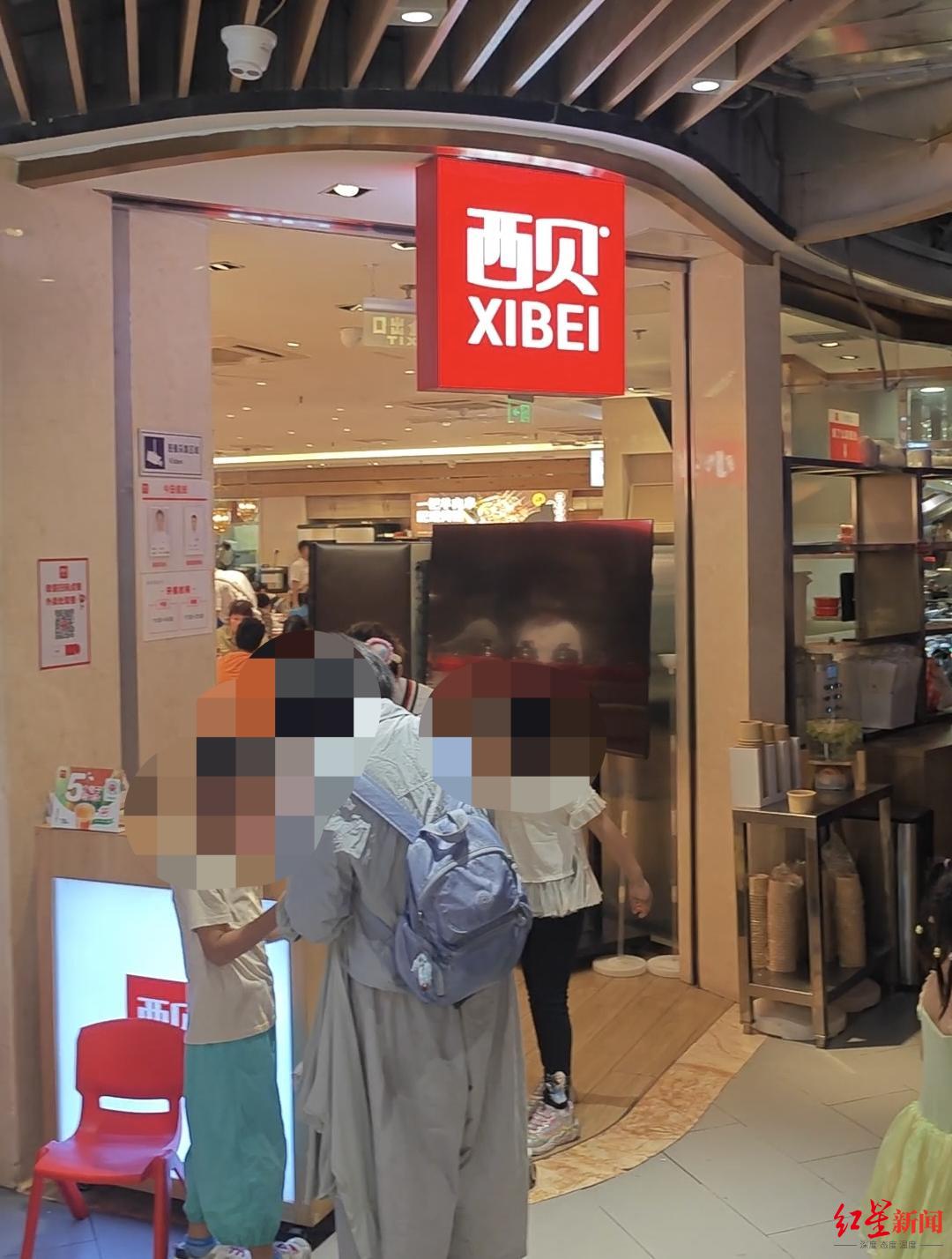
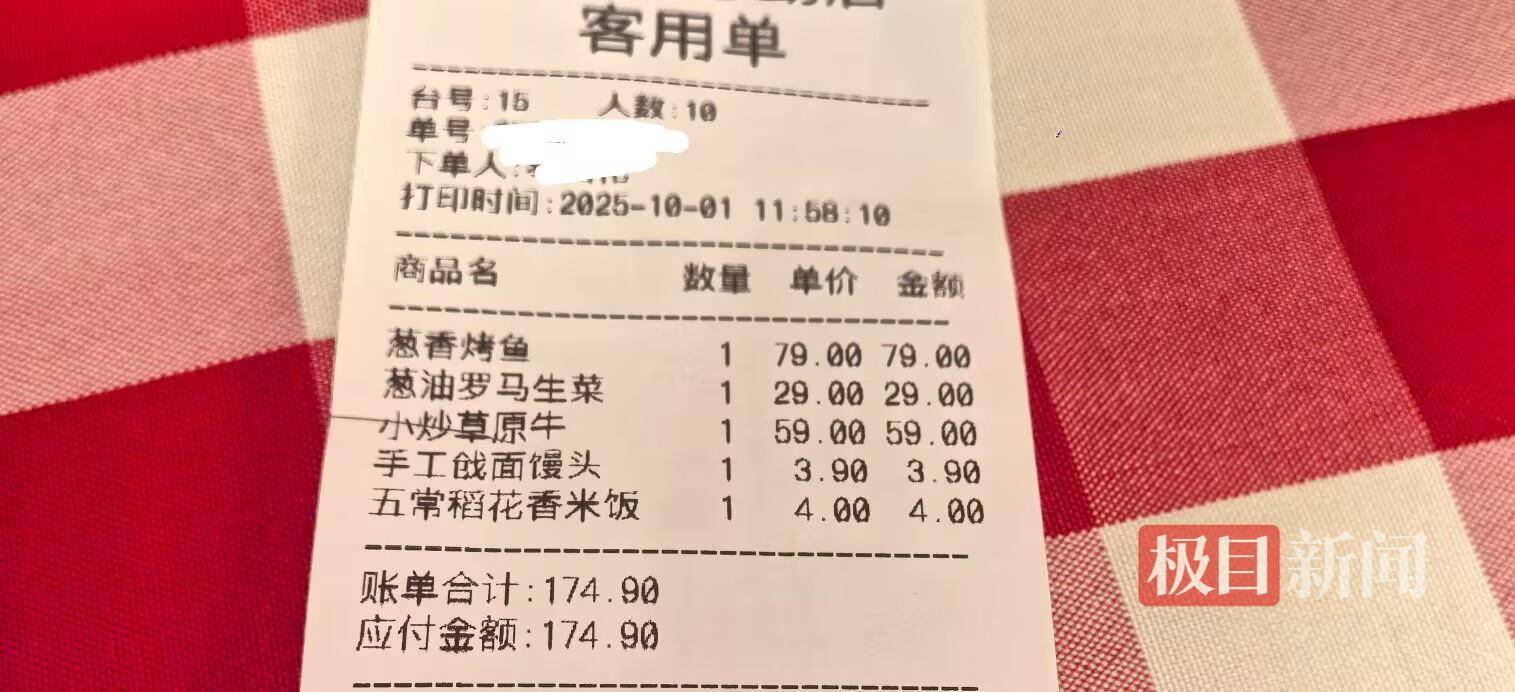
Core Viewpoint - The recent price reduction of over 20% on certain dishes at Xibei has gained significant attention, with the highest reduction reaching 40% on National Day, indicating a strategic move to attract more customers and improve sales performance [1][4]. Group 1: Price Adjustments - Xibei has implemented price reductions on various menu items, such as the price of scallion grilled fish dropping from 89 yuan to 79 yuan, and the price of large plate chicken decreasing from 79 yuan to 69 yuan [4][5]. - The restaurant has committed to maintaining these new prices moving forward, as confirmed by staff [4]. Group 2: Customer Response and Traffic - On the first day of the price reduction, Xibei's Beijing Fangzhuang location experienced a full house, with a wait time of 20 to 25 minutes for small tables by 12:30 PM, indicating a strong customer turnout [4][5]. - The store manager reported that customer traffic on September 30 reached over 240, significantly higher than the usual weekend average of around 180 [4]. Group 3: Operational Changes - Xibei has made operational adjustments, including shifting from pre-prepared dishes to on-site cooking, such as grilling lamb skewers and preparing pork ribs fresh at the restaurant [5]. - The restaurant has also stopped its previous 25-minute service guarantee, resulting in longer average wait times for food [5]. Group 4: Marketing Strategies - To attract customers, Xibei has sent out promotional messages to members, offering food vouchers and a 100 yuan dining voucher for visits during the National Day holiday [6][12]. - The restaurant is actively encouraging customers to try the newly adjusted dishes through these promotional efforts [12].
西贝大降价
盐财经· 2025-10-01 10:38
Core Viewpoint - The company Xibei is undergoing significant price adjustments across its nationwide stores, with price increases ranging from 20% to 40% on various menu items, as part of its efforts to recover from recent controversies [2][5]. Price Adjustment Summary - On October 1, Xibei completed the price adjustments, with some items seeing notable changes. For example, the price of the "Crispy Roast Lamb Chops" remains unchanged at 109 yuan, while the "Fragrant Grilled Fish" decreased from 89 yuan to 79 yuan, reflecting an 11% reduction [5][9]. - The price changes include both increases and decreases across different menu items, with some items like "Sesame Oil Fried Eggs" seeing a 23% decrease from 43 yuan to 33 yuan, while "Chicken Soup with Yam and Tofu" increased from 43 yuan to 46 yuan, a 3% rise [9]. Recent Reforms - Xibei has been implementing various reforms to restore its reputation following recent controversies, indicating a proactive approach to address customer concerns and improve its market position [9].

继调改为门店“现炒现做”后,西贝开始降价了
凤凰网财经· 2025-10-01 10:24
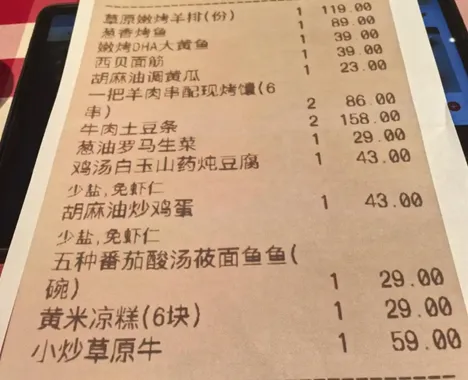
Core Viewpoint - Recently, it was reported that Xibei has significantly increased menu prices across its nationwide stores by 20% to 40% as of October 1, 2023, although some items have seen price reductions in certain locations [2]. Price Changes - On September 29, a visit to a Xibei store revealed that the total bill for 10 dishes was 353.9 yuan, with one item not displayed on the receipt [4]. - A comparison of menu prices from September 29 to October 1 showed that several dishes had decreased in price, including: - Grilled lamb skewers down by 2 yuan - Yellow rice cake down by 3 yuan - Scallion grilled fish down by 10 yuan - Small pot beef brisket down by 3 yuan - Wuchang rice down by 1 yuan [6]. - Additionally, a receipt from September 13 indicated that the price for five types of tomato sauce noodles decreased by 10 yuan, and the price for olive oil stir-fried mushrooms also decreased by 10 yuan [10]. Customer Engagement Strategies - To attract customers, Xibei is currently offering a "free 100 yuan voucher" for dining in-store [11]. - The service model has shifted, with staff indicating that most dishes are now prepared fresh upon order, with daily ingredient purchases occurring in the morning and afternoon. However, some items, such as certain fish and organic broccoli, are still sourced from frozen products due to preparation constraints [11].
西贝今起降价,663元“罗永浩套餐”便宜了多少?
Hu Xiu· 2025-10-01 08:53
Core Viewpoint - The company Xibei has announced a significant price reduction on its menu items, with discounts ranging from 20% to 40%, although actual reductions are less than expected, averaging around 9.8% for the popular "Luo Yonghao" set menu [2][4][12]. Pricing Adjustments - Starting from October 1, Xibei's nationwide stores implemented a price reduction on various dishes, with some prices being printed on paper and affixed to menus due to the sudden nature of the change [2][3]. - The "Luo Yonghao" set menu, which originally cost 663 yuan, is now priced at 598 yuan, reflecting a reduction of 65 yuan or 9.8% [4][6]. Customer Response - Despite the price cuts, customer sentiment remains largely negative, with a significant number of users expressing they will not return to Xibei, indicating a disconnect between the price reduction and customer satisfaction [12][13]. - Some customers have reported that while prices have decreased, portion sizes have also been reduced, leading to further dissatisfaction [15][16]. Market Position - Following the price adjustments, Xibei's customer traffic has not seen a notable increase, with many seats remaining empty during peak hours, contrasting with nearby restaurants that are experiencing higher customer volumes [18][20]. - The company is reportedly making adjustments based on customer feedback, but it remains uncertain if these changes will effectively attract customers back [21]. Service Improvements - There has been a noticeable improvement in service quality at Xibei, with staff proactively offering complimentary items such as tea and snacks to customers [22].
西贝大降价上热搜,记者实探线下门店:两个菜一碗饭比此前节省15元
Sou Hu Cai Jing· 2025-10-01 08:49
Core Points - The company Xibei has announced a nationwide price reduction of approximately 20%-40% on its menu items [1] - A customer service representative confirmed the internal notification regarding the price adjustments, advising customers to check specific prices at local stores [1] Price Changes - A recent visit to a Xibei restaurant in Changsha revealed that several dishes had decreased in price compared to a previous visit on September 12 [5] - The price of the "Scallion Grilled Fish" dropped from 89 yuan to 79 yuan, "Scallion Romaine Lettuce" from 33 yuan to 29 yuan, and "Wuchang Fragrant Rice" from 5 yuan to 4 yuan, resulting in a total savings of 15 yuan [5]
实探!西贝今起降价,663元“罗永浩套餐”便宜了多少?
新浪财经· 2025-10-01 08:04
Core Viewpoint - The article discusses the recent price reduction of dishes at Xibei Yomi Village, with a reported decrease of 20% to 40%, although actual reductions are less significant, averaging around 9.8% for the "Luo Yonghao" set menu [3][4][10]. Price Adjustment Details - Starting from October 1, Xibei has implemented a price reduction across its nationwide stores, adhering to a "same city, same price" principle [4][9]. - The "Luo Yonghao" set menu, originally priced at 663 yuan, is now available for 598 yuan, reflecting a decrease of 9.8% [4][8]. - Specific dishes within the set menu have seen varying price reductions, with the largest drop being 10 yuan for the "Sesame Oil Fried Eggs," a reduction of 23.26% [8][9]. Customer Reactions - Despite the price cuts, customer sentiment remains largely negative, with many expressing dissatisfaction and stating they would not return to Xibei [10][12]. - A significant number of comments on social media indicate that customers believe the prices were previously too high, with some suggesting that even further reductions would still leave room for profit [12][14]. Impact on Customer Traffic - Following the price reduction, customer traffic at Xibei locations has not shown a significant increase, with many seats remaining empty during peak hours [16][20]. - Comparatively, nearby restaurants have experienced increased customer flow, indicating that Xibei's efforts may not be sufficient to regain lost clientele [16][20]. Quality and Quantity Concerns - Some customers have reported that alongside price reductions, portion sizes have also decreased, raising concerns about value for money [14][15]. - Xibei's customer service has reportedly improved, with staff now offering complimentary items to enhance the dining experience [20].