中餐出海

Search documents
中餐正在征服全世界?骗你的
虎嗅APP· 2026-03-27 14:49
Core Viewpoint - The article discusses the challenges and limitations of Chinese cuisine's global expansion, highlighting that the so-called "Chinese food going abroad" often translates to "Chinese people doing business for Chinese people" rather than a genuine cultural export [5][10]. Group 1: Market Presence - The number of Chinese restaurants in the U.S. is estimated to be between 45,000 and 50,000, surpassing the total number of McDonald's, Burger Kings, and KFCs combined [7]. - In the UK, there are over 12,000 Chinese restaurants, making it the largest source of takeaway cuisine [7]. Group 2: Cultural Recognition - There exists a "dual-track" system in the overseas Chinese restaurant market: one track caters to locals with "Americanized Chinese food," while the other serves authentic Chinese cuisine primarily to the Chinese community [8]. - Authentic Chinese restaurants struggle to survive outside of Chinese neighborhoods, where over 90% of customers are of Asian descent [9]. Group 3: Consumer Expectations - Chinese food is a "necessity" for Chinese diners, who seek authenticity and high standards, while local diners view it as an occasional exotic choice [12][13]. - The perception of Chinese cuisine among Western diners remains low, often associated with takeout boxes and heavy flavors, which limits its acceptance in higher-end dining [13][14]. Group 4: Pricing and Profitability - Chinese cuisine is often trapped in a "cost-performance" trap, with high supply chain costs and labor challenges preventing it from achieving higher price points [17]. - The average check for Chinese restaurants in the U.S. is approximately $45, significantly lower than the $120 average for fine dining establishments [13][18]. Group 5: Market Dynamics - The recent trend of "Chinese food going abroad" is primarily focused on existing markets with high Chinese populations, rather than exploring new customer bases [20]. - Over 20% of new Chinese restaurant brands in New York and London closed or significantly reduced their scale within two years, indicating a challenging survival rate [21]. Group 6: Cultural Barriers - Cultural differences in dining practices and taste preferences create barriers for Chinese cuisine's acceptance in mainstream Western society [23][24]. - The perception of Chinese food as "ethnic cuisine" limits its status and integration into local dining habits, making it difficult to achieve mainstream recognition [26].

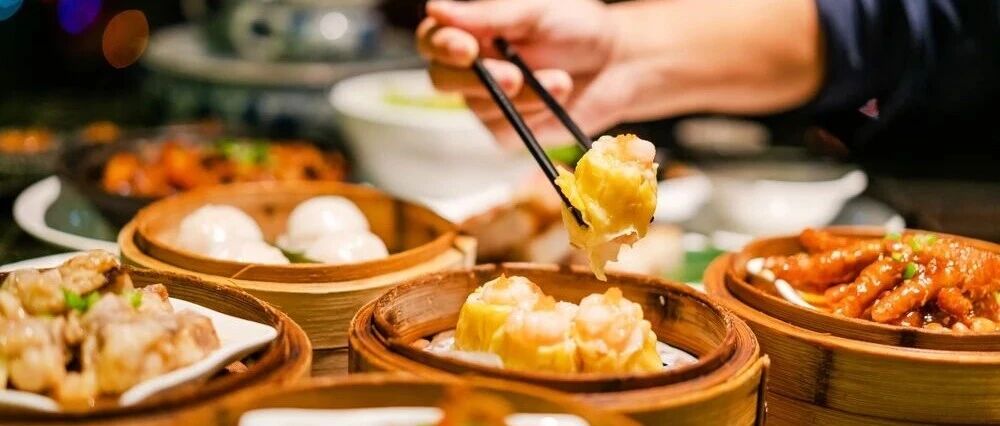
评分比米其林还高,海底捞挤满了吃瓜的韩国人
36氪· 2026-01-21 10:01
Core Viewpoint - The article discusses the rising popularity of Haidilao in South Korea, driven by celebrity endorsements and effective localization strategies, which have led to increased consumer interest and engagement in the brand [4][5][8]. Group 1: Celebrity Influence - The influence of K-pop stars, particularly BLACKPINK's Jisoo, has significantly boosted Haidilao's visibility in South Korea, with events like her birthday celebration at a Haidilao location generating substantial media attention and fan engagement [5][7][16]. - The phenomenon of Korean celebrities dining at Haidilao has created a "check-in effect," encouraging fans and consumers to visit the restaurants, further enhancing the brand's appeal [16][17]. Group 2: Market Strategy and Performance - Haidilao's success in South Korea mirrors its early growth in China, characterized by a limited number of stores that create a strong draw for consumers [9][10]. - As of September 30, 2023, Haidilao had 20 stores in East Asia, with 9 specifically in South Korea, indicating a strategic focus on maintaining high demand through exclusivity [10][12]. - The average consumer spending at Haidilao in South Korea was reported to be approximately 40,000 KRW (around 1,990 CNY) during high-profile events, showcasing the brand's ability to attract premium customers [20]. Group 3: Localization and Service Innovation - Haidilao has tailored its services to meet local preferences, such as offering free fruit and personalized dining experiences, which resonate well with Korean consumers' expectations for value and social dining [13][15]. - The introduction of localized menu items, including kimchi hot pot, reflects Haidilao's commitment to adapting to local tastes while maintaining its core offerings [15][16]. Group 4: Financial Performance and Challenges - Haidilao's parent company, Tehai International, reported a revenue of $214 million for the third quarter of 2025, marking a 7.8% year-on-year increase, although net profit saw a significant decline of 90.43% [22]. - The company faces challenges such as rising operational costs and the need for customer experience enhancements, which have impacted profit margins [22][26]. Group 5: Leadership Changes and Future Outlook - The return of founder Zhang Yong as CEO signals a strategic shift aimed at navigating industry challenges and pursuing growth through diversification and innovation [24][26]. - Haidilao has launched multiple new restaurant brands under its "Pomegranate Plan," indicating a proactive approach to expanding its market presence and adapting to changing consumer demands [26].


袁记云饺母公司港股交表 2025年前9个月营收利润双增
Zheng Quan Shi Bao Wang· 2026-01-13 11:44
Core Viewpoint - Yuanji Food, the parent company of Yuanji Dumplings, has submitted an application for listing on the Hong Kong Stock Exchange, aiming to raise funds for digital transformation, overseas supply chain development, and brand building [1] Group 1: Business Model and Expansion - Yuanji Dumplings has a dual-brand strategy with "Yuanji Dumplings" focusing on dine-in, takeout, and delivery, while "Yuanji Weixiang" targets retail and B2B channels with pre-packaged products [2] - The company has introduced three standardized store models: "raw food takeout," "raw and cooked takeout," and "dine-in," enhancing market adaptability and penetration [2] - As of September 30, 2025, the company operates 4,266 stores globally, covering 32 provinces and regions in China, with significant growth in lower-tier cities [2][3] - The company has seen a remarkable increase in store numbers in the Northeast and Northwest regions, with growth rates of 262% and 51% respectively [2] Group 2: Financial Performance - In the first nine months of 2025, Yuanji Food's external sales (GMV) reached 2.136 billion yuan, a 46.6% increase from 1.457 billion yuan in the same period of 2024, with the proportion of external sales in total GMV rising from 32.4% to 44.6% [3] - The company has established a fully integrated supply chain system, ensuring stable and high-quality raw material supply through efficient cold chain logistics [4] - As of September 30, 2025, the company has 4,247 franchise stores and 2,065 franchisees, indicating a robust franchise operation system [5] - The company's revenue and profit have shown steady growth, with revenues of 2.026 billion yuan in 2023 and 2.561 billion yuan in 2024, and a net profit of 192 million yuan in the first nine months of 2025, up 31% year-on-year [6] Group 3: Market Outlook - The Chinese fast-food market is expected to grow at a compound annual growth rate of 8.0%, reaching a market size of 1.2853 trillion yuan by 2030, with the dumpling and wonton segment projected to reach 285.7 billion yuan [7] - Yuanji Food plans to deepen its presence in the domestic market while expanding into low-density markets, leveraging its established market presence and competitive pricing [7] - The company has initiated global expansion, opening five stores in Singapore and preparing to enter Southeast Asia, East Asia, Europe, and North America, with the international Chinese cuisine market projected to reach 445.2 billion USD by 2027 [8]
杨国福集团获2025中国餐饮创新头部品牌榜三大奖项
Zheng Quan Ri Bao Wang· 2025-12-11 13:43
Group 1 - The 11th China Catering Innovation Conference awarded Yang Guofu, founder of Yang Guofu Group, the "2025 China Catering Innovation Annual Pioneer" award [1] - Yang Guofu's brand won two significant awards: "Top 10 Fast Food Brands" and "Top 10 Chinese Cuisine Overseas Benchmark Brands" [1] - The awards are recognized as a valuable evaluation system in the catering industry, highlighting innovation and brand strength [1] Group 2 - Yang Guofu's brand has expanded globally, with nearly 200 overseas stores in 26 countries since opening its first store in Canada in 2017 [1] - Over 70% of customers at overseas stores are local diners, indicating strong acceptance of the brand in international markets [1] - Yang Guofu's brand has grown to nearly 7,000 stores worldwide over 22 years, establishing itself as a leading Chinese fast food brand [1] Group 3 - The company aims to uphold its core values of "sustainable health, win-win sharing, and gratitude" while creating value with partners [2] - The focus is on providing healthy and reassuring dining experiences for global consumers [2]
“促进贸易投资一体化”鱼你在一起携加盟商出海
Sou Hu Wang· 2025-12-11 03:14
Core Insights - The Malaysian Chinese cuisine market is experiencing significant growth, particularly in the fast-casual segment represented by dishes like sour fish, with a projected market size of $23.95 billion by 2029 and a compound annual growth rate (CAGR) of 12.81% from 2024 to 2029 [1] - The local Chinese restaurant market is highly fragmented with low chain penetration, presenting substantial consolidation opportunities for established Chinese chain brands [1] - Recent policy signals emphasize a structured and collaborative approach to overseas expansion, moving from individual brand efforts to partnerships with franchisees for mutual success [1] Market Trends - The Malaysian restaurant service market is expected to grow significantly, attracting attention from domestic investors [1] - A delegation of Chinese restaurant franchisees and investors recently conducted a four-day field study in Malaysia to explore real opportunities and foster collaboration [1] Investment Opportunities - The Malaysian government offers incentives such as up to 70% corporate tax relief for five years, making it an attractive destination for Chinese restaurants [5] - Observations from local malls showed high local customer engagement, indicating that the business is not solely reliant on tourists [8] Successful Business Models - The "Yummy Together" brand has established a replicable business model in Malaysia, with franchisees reporting high turnover rates and successful operations [11] - The brand provides comprehensive support to franchisees, including site selection, product development, and employee training, which lowers operational barriers for new entrants [13] Strategic Vision - The mission of "Yummy Together" includes empowering franchisees and investors, transitioning from individual expansion to a collaborative approach [15] - This model of "brand platform and franchisee performance" may offer a sustainable new paradigm for the globalization of Chinese cuisine [15]
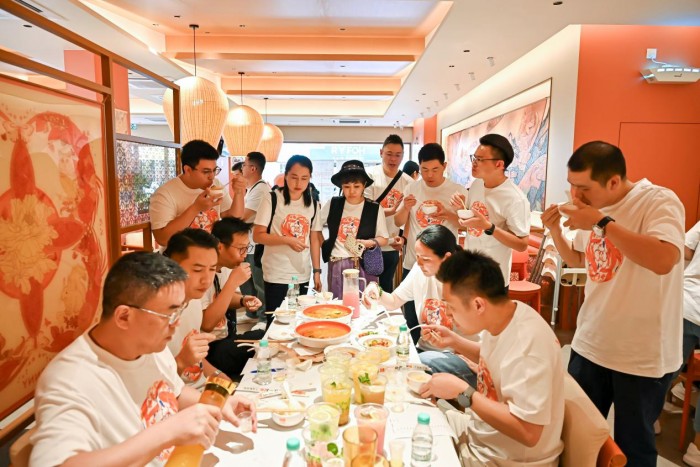
海底捞海外业务增收不增利,中餐出海水土不服?︱大象财富
Sou Hu Cai Jing· 2025-12-02 09:56
Core Viewpoint - The article discusses the challenges faced by Tehai International, the overseas arm of Haidilao, in its international expansion and profitability, highlighting the difficulties of adapting Chinese cuisine to foreign markets and the impact of operational strategies on financial performance [1][3][10]. Group 1: Financial Performance - Tehai International experienced significant losses from 2019 to 2022, totaling over $2 billion, with annual losses of $0.33 billion, $0.53 billion, $1.5 billion, and $0.41 billion respectively [3][4]. - In 2023, the company managed to turn a profit, but by the first half of 2024, it reported a net loss of $0.46 million [3][4]. - The third quarter of 2025 saw revenues of $214 million, a 7.8% year-on-year increase, but operating profit decreased by 15.4% [6][7]. Group 2: Operational Strategies - The company adopted a "price for volume" strategy, leading to a 5.1% increase in restaurant revenue, contributing $201 million in the third quarter [8]. - Customer traffic increased by 9.5% in the third quarter, with an average customer spend of $24.6, down from $25.8 the previous year [8][9]. - Tehai International has shifted from aggressive expansion to a more cautious approach, opening only 10 new restaurants in 2025 while closing one in Singapore and adjusting another in Thailand [9][15]. Group 3: Localization Challenges - The company faces significant challenges in localizing its offerings for international markets, as the hot pot dining experience is unfamiliar to many consumers outside of China [10][13]. - Tehai International has begun to innovate by incorporating local flavors and dining styles, such as introducing sukiyaki in Japan and optimizing single dining experiences in Western markets [13][14]. Group 4: Supply Chain and Future Plans - The company is focusing on optimizing its supply chain to reduce costs, with a strategy that includes local sourcing of fresh ingredients and centralized processing of specialty items from China [14]. - Under the leadership of CEO Yang Lijuan, Tehai International has initiated the "Red Pomegranate Plan" to diversify its offerings beyond hot pot, exploring new restaurant concepts like barbecue and fast food [15].
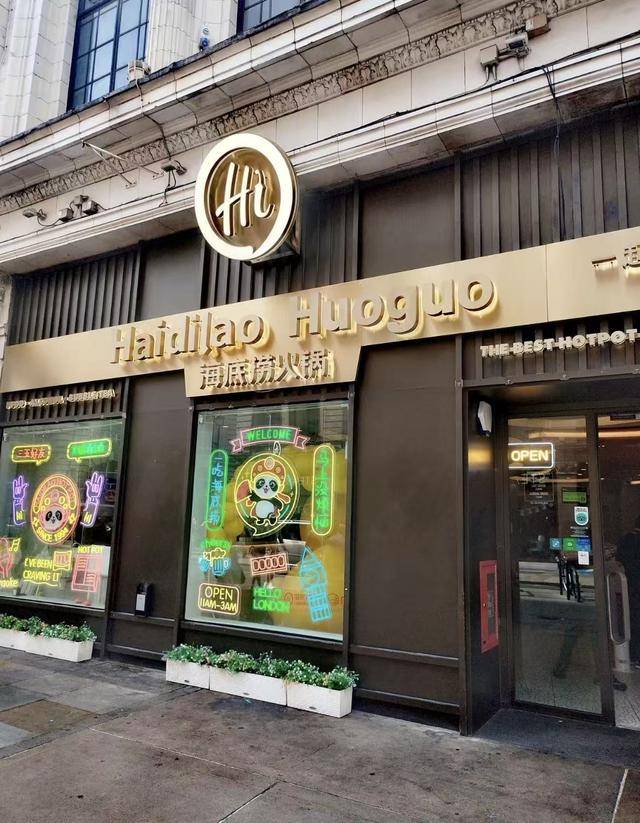
中国酸菜鱼品牌鱼你在一起泰国二店开业,本地顾客占比高达八成
Jiang Nan Shi Bao· 2025-11-19 07:30
Core Insights - Chinese brand "Fish You Together" is successfully penetrating the Thai dining market through chain scale advantages and precise localization strategies [1][5] - The brand's second store in Bangkok has opened with significant customer turnout, indicating strong local acceptance [1][5] Store Performance - The first store achieved remarkable sales, with a single-day revenue of 192,000 Thai Baht (over 42,000 RMB) on opening day, and an impressive table turnover rate of 11.59 times [2] - Over five months, the first store maintained an average daily turnover rate of 8.5 times, peaking at over 10 times on weekends [2] - Approximately 80% of customers at both stores are local Thai residents, with a repurchase rate exceeding 50% [2] Localization Strategy - The brand has developed a mature localization innovation system, balancing familiar and surprising elements in its menu [3] - New dishes like Thai-style Tom Yum fish and coconut curry fish have been introduced while maintaining high-quality signature products [3] - The stores feature a modern design that incorporates Eastern cultural elements, creating a dining atmosphere that challenges the stereotype of fast food being low quality [3] Market Potential - The Thai restaurant market is projected to grow by 14% by 2025, with registered capital increasing by 49% over two years [2] - Southeast Asia is identified as a key area for Chinese cuisine brands, with a restaurant density of only 15 per 10,000 people, indicating significant room for consumer upgrade [4] Expansion Plans - The brand is expanding its presence in Thailand while also signing contracts for 80 stores in Malaysia, with 13 already opened and plans for six more in December [4] - The recovery of Thai tourism and policies like permanent visa exemptions between China and Thailand are seen as favorable for the brand's expansion [4] Competitive Landscape - The founder emphasizes that the Chinese restaurant industry's international expansion has entered a phase of systematic competition, requiring strong supply chain, organization, branding, and digital capabilities [4] - The future of global dining competition will focus on brands that successfully integrate products and resonate with local consumers [5]
200块一碗的天价麻辣烫,让老外重新认识中餐
3 6 Ke· 2025-11-10 09:44
Core Insights - The article discusses the surprising success of Chinese hot pot chain Yang Guofu in international markets, particularly in Europe and Japan, where it is perceived as a premium dining option compared to Western fast food chains like McDonald's and KFC [5][9][11]. Group 1: Market Positioning - Yang Guofu's average customer spending in Germany is reported to be 2.5 times that of McDonald's, with a price of 2.89 euros per 100g, translating to approximately 23.70 RMB [7][9]. - In Japan, Yang Guofu's pricing strategy is also competitive, with a price of 400 yen per 100g, leading to an average meal cost of around 140 RMB, while local McDonald's meals range from 30 to 40 RMB [11][13]. - The brand has expanded to over 200 locations across 25 countries, maintaining a pricing strategy that positions it above Western fast food chains [11][27]. Group 2: Consumer Behavior - Yang Guofu has become a sensation in Japan, often requiring customers to wait 1 to 2 hours for a table, indicating strong demand and popularity [15][21]. - The unique flavor profile of Yang Guofu's offerings, which includes a variety of ingredients and spicy flavors, resonates well with local consumers, leading to a perception of high value [21][24]. - European consumers have adapted their dining experience, often enjoying hot pot in a more leisurely manner, contrasting with the fast-paced consumption typical in China [32][50]. Group 3: Competitive Landscape - Yang Guofu faces competition from another hot pot chain, Zhang Liang, which has also expanded internationally, with similar pricing strategies [34][35]. - The rivalry between Yang Guofu and Zhang Liang is evident on social media, where consumers express preferences for each brand's unique offerings [37][39]. - Both brands have successfully maintained their supply chains, offering familiar Chinese beverages alongside their food, enhancing the authenticity of the dining experience [39][41]. Group 4: Industry Trends - The article highlights a shift in the international perception of Chinese cuisine, with hot pot and similar concepts gaining traction as appealing dining options, contrasting with traditional Chinese restaurants that have struggled abroad [59][65]. - The success of these chains suggests that simplified, standardized food offerings can thrive in foreign markets, as they cater to local tastes without the complexities of traditional Chinese cooking [51][66]. - The trend indicates a growing acceptance of modified Chinese cuisine that prioritizes flavor and experience over authenticity, allowing for broader market appeal [65][67].
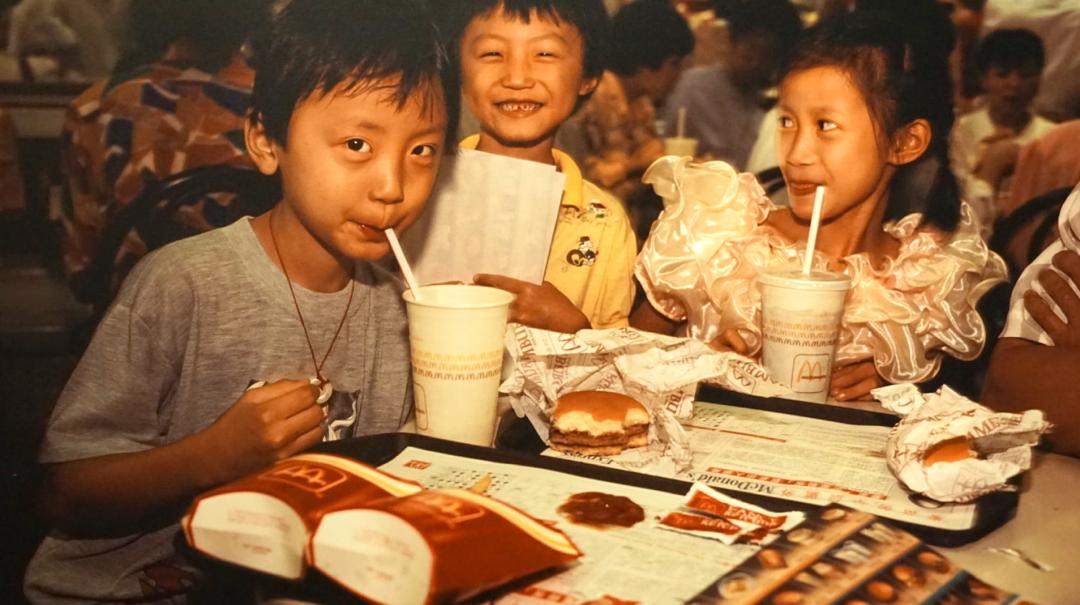
新十年,重新定义 | 5万字解读2025年中国餐饮全品类、全球餐饮认知及三大趋势
3 6 Ke· 2025-11-09 09:16
Core Viewpoint - The report highlights the evolution of the Chinese restaurant industry over the past decade, emphasizing the shift towards chain operations and capital investment, while also outlining future trends and opportunities for growth in the sector [4][6][9]. Industry Overview - The chain rate of the Chinese restaurant industry has reached 23%, with revenue approximately 6.4 trillion RMB and nearly 9 million stores [4][6]. - The past decade has been characterized as the "chain era," marked by significant capital investment and the emergence of influential associations like the China Chain Store & Franchise Association [4][6][8]. Future Trends - The report anticipates that the chain rate will rise to 25% in 2025 and potentially reach 28% by 2026 [14]. - Key trends identified for the next decade include the evolution of chains, the globalization of Chinese cuisine, and a focus on cost reduction while maintaining quality [10][12][14]. Restaurant Categories Hot Pot - The number of hot pot restaurants in China is approximately 528,298, with a net increase of 62,000 stores [17][18]. - Haidilao has initiated the "Pomegranate Plan," which aims to empower new brands using its supply chain and operational capabilities, resulting in significant revenue growth [18][19]. Barbecue - The barbecue segment has around 413,682 operating stores, with a net increase of 16,029 [33]. - Brands like "Very Long Ago" and "Guan's Chicken Wings" exemplify different operational philosophies, focusing on quality and customer relationships [36][39]. Regional Cuisines - Hunan cuisine is experiencing a transformation into a national favorite, with brands like "Fei Chef" emphasizing fresh ingredients and healthy cooking methods [70][76]. - Sichuan cuisine faces challenges in scaling due to reliance on franchising and a lack of standardized operations, which hinders brand strength [79][84]. Cantonese Cuisine - Cantonese cuisine is expanding both nationally and globally, with brands like "Dian Dou De" successfully adapting their offerings to attract a broader audience [93][94]. - The focus on fresh supply chains and innovative dining experiences is driving growth in this segment [95][96]. Jiangsu-Zhejiang Cuisine - Jiangsu-Zhejiang cuisine, known for its delicacy and refinement, has around 110,463 operating stores, with a focus on cultural experiences and high-quality ingredients [104][106]. - The global appeal of dishes like soup dumplings is highlighted as a key opportunity for international expansion [108].




在马来西亚已签约80家门店!“鱼你在一起”创始人魏彤蓉:出海是二次创业,本地化是一场硬仗
Sou Hu Cai Jing· 2025-11-06 15:24
Core Insights - The founder of the fast-casual brand "Fish You Together," Wei Tongrong, announced significant expansion plans in Southeast Asia, with 80 signed locations in Malaysia, 13 of which are already operational, and six more set to open in December [1][3]. Group 1: Company Expansion - "Fish You Together" has rapidly expanded in Southeast Asia, marking a shift from initial testing to a more aggressive regional strategy, with recent openings in Malaysia and Thailand [3][4]. - The brand has established over 2,500 operational stores globally, making it the leading brand in the number of sauerkraut fish outlets [4]. Group 2: Localization Strategy - The brand has achieved substantial localization progress, with local consumer proportions reaching 80% in Thailand, 55% in Malaysia, and 30% in Singapore [4]. - In Malaysia, the menu has been adapted to include local flavors, with 30% of the offerings being localized dishes such as Thai Tom Yum Fish and Coconut Curry Fish [4][5]. Group 3: Market Insights - Market research indicates that Malaysian families prefer shared dining experiences, prompting the brand to optimize portion sizes and introduce family meal packages [5]. - The brand's dual expansion strategy includes targeting young consumers in shopping malls while catering to family customers in street-side locations [5]. Group 4: Marketing and Future Outlook - The brand's marketing efforts include collaborations with local celebrities to enhance visibility and engagement, exemplified by the successful opening of its first store in Thailand [6]. - Wei Tongrong emphasized that the overseas expansion represents a "second growth curve" for the brand, highlighting the need for a robust execution strategy in this new market [6].