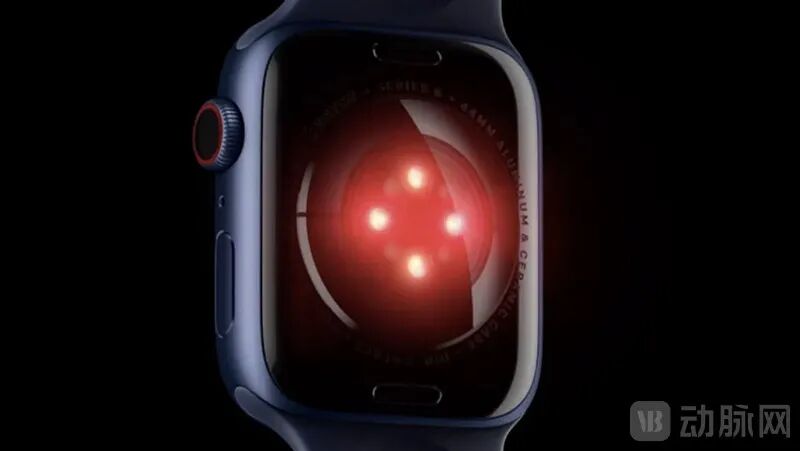
可穿戴设备

Search documents
中国银河证券:2026年或成为折叠屏市场复苏的关键年
Di Yi Cai Jing· 2025-09-12 00:08
Group 1 - The computing power sector is still in the performance realization phase and has a relatively moderate valuation level, with continued optimism for computing-related PCB, domestic computing, IP licensing, and chip inductors in the second half of the year [1] - The year 2026 may be a key year for the recovery of the foldable screen market, with rumors of Apple's foldable products expected to enhance overall category discussion and potentially bring new considerations in software interaction and hardware design, further stimulating market demand [1] - Newly launched wearable devices this year are also expected to drive market recovery [1] Group 2 - AR glasses manufacturers are pushing AR glasses from being "niche geek toys" to "mainstream smart terminals" through technological breakthroughs, ecosystem integration, and market penetration, with the maturity of AI and AR technologies likely making smart glasses the next mainstream computing terminal after smartphones [1]

Canalys:2025年上半年中国大陆可穿戴腕带设备市场创历史新高
Huan Qiu Wang· 2025-09-11 02:12
Core Insights - The demand for wearable wristband devices in mainland China is significantly boosted by national subsidy policies, which encourage existing users to upgrade their devices, attract new users, and rekindle interest among old users [1][3] - In the first half of 2025, the shipment volume of wearable wristband devices in mainland China is expected to reach 33.9 million units, representing a year-on-year growth of 36%, following a 33% increase in the second half of 2024 [1][3] - The basic wristband category is the fastest-growing segment, with an impressive growth rate of 80%, driving the strong performance of the mainland market [3] Market Dynamics - The combination of national subsidy policies and major promotional events like "618" has lowered the purchasing threshold for price-sensitive consumers, encouraging them to consider higher-priced basic and smartwatches [3] - The phenomenon known as the "lipstick effect" is evident, as consumers are willing to spend on mid to high-end devices priced between 1,599 to 2,999 RMB (approximately 400 USD) due to the influence of subsidy policies [3]


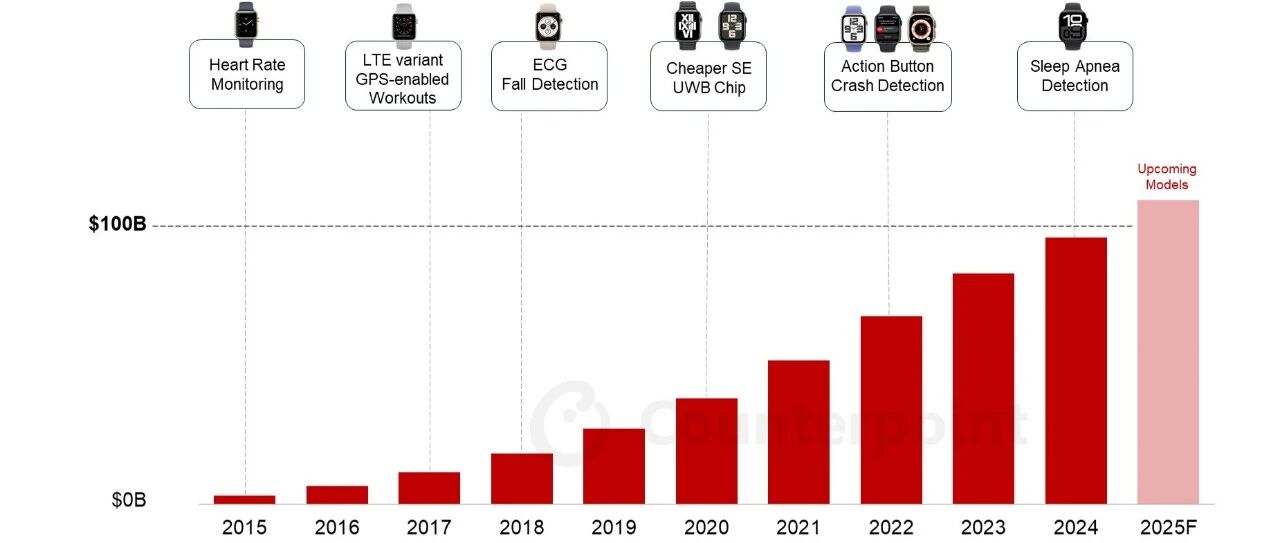
截至2025年Q2,Apple Watch 累计营收突破 1000 亿美元
Counterpoint Research· 2025-09-11 01:03
Core Insights - The article highlights that Apple Watch's cumulative revenue is projected to exceed $100 billion by Q2 2025, driven by the evolution of health features and product diversification [4][7] - Apple has created a new category in the high-end watch market, challenging traditional mechanical watches, and has segmented its product line to cater to different consumer price sensitivities [4][6] - The competitive landscape is intensifying, with rivals improving hardware design and health monitoring capabilities, leading to a decline in Apple Watch sales over the past seven quarters [6][7] Revenue and Growth Projections - As of Q2 2025, Apple Watch's cumulative revenue is expected to surpass $100 billion, attributed to leading health functionalities and a diversified product lineup [4][7] - The introduction of new models such as Watch Series 11, Watch Ultra 3, and potentially Watch SE 3 is anticipated to drive a recovery in sales growth in the latter half of 2025 [7][8] Competitive Landscape - The competition is becoming more fierce, with companies like Garmin excelling in niche markets such as running and diving, and Huawei leading the smartwatch market in China as of Q2 2025 [6][7] - Emerging categories like screenless fitness bands may pose additional challenges to the health functionalities of smartwatches [6] Product Features and Innovations - Apple continues to lead in innovation with health features such as FDA-approved ECG and sleep apnea detection, but faces challenges from competitors enhancing their health monitoring technologies [6][7] - The integration of Apple Watch with iPhone is crucial for strengthening the Apple ecosystem and retaining users [4][7]

创历史新高,中国大陆可穿戴腕带设备持续高增
Xuan Gu Bao· 2025-09-10 15:30
Industry Overview - In the first half of 2025, the shipment volume of wearable wristband devices in mainland China reached 33.9 million units, marking a year-on-year growth of 36%, following a 33% increase in the second half of 2024, indicating a strong upward trend [1] - This growth represents a historical high for the first half of the year in the wearable wristband device market in mainland China, signifying a new development phase for the market [1] - The global wearable wristband device market is projected to reach approximately $135 billion in 2024 and is expected to exceed $500 billion by 2030, with a compound annual growth rate (CAGR) of over 20% [1] - The Chinese market is particularly notable, emerging as a significant growth engine globally [1] Market Dynamics - The wearable wristband device market is currently vibrant, assisting users in health monitoring, exercise tracking, and smart connectivity, becoming an integral part of daily life for many [1] - The dual growth in both the Chinese and global markets underscores the resilience of wearable wristband devices [1] - Future advancements are anticipated as technology progresses towards medical-grade monitoring, the application scenarios expand from consumer to professional use, and the ecosystem evolves from standalone products to closed-loop systems, leading to a new wave of industry growth [1] Company Insights - Relevant A-share concept stocks in this sector include Boshuo Technology and Aohai Technology [1]
晚报 | 9月11日主题前瞻
Xuan Gu Bao· 2025-09-10 14:53
Marine Economy - The marine economy is undergoing a transformation from traditional resource development to a greener, smarter, and higher-end model, becoming a key driver for regional development and energy security [1] - China's marine production value is projected to exceed 10 trillion yuan in 2024, reaching 10,543.8 billion yuan, accounting for 7.8% of the GDP, with a year-on-year growth of 5.9% [1] - The marine economy is expected to reshape the global resource competition landscape and become a core engine for sustainable economic development [1] Wearable Devices - In the first half of 2025, the shipment of wearable wrist devices in mainland China is expected to reach 33.9 million units, marking a 36% year-on-year increase, the highest in history [2] - The global market for wearable wrist devices is projected to reach approximately $135 billion in 2024 and exceed $500 billion by 2030, with a compound annual growth rate (CAGR) of over 20% [2] - The Chinese market is becoming a significant growth engine for the global wearable device market, indicating strong resilience [2] AI Cloud - The AI cloud market in China is expected to reach 22.3 billion yuan in the first half of 2025, with Alibaba Cloud holding a 35.8% market share, surpassing the combined share of the second to fourth players [3] - The market is projected to grow by 148% to 51.8 billion yuan in 2025, with a forecasted size of 193 billion yuan by 2030 [3] - The CAGR for the AI cloud market from 2025 to 2030 is estimated at 26.8%, driven by advancements in multi-agent collaboration, context engineering, AI security, and large-scale API calls [3] Consumer Sector - New consumption policies in Shaoxing, Zhejiang, provide subsidies for banquet events, with a maximum subsidy of 5,000 yuan, aimed at boosting the restaurant industry [4] - The restaurant consumption sector is showing signs of recovery, supported by policy initiatives and a low base from the previous year [4] 3D Printing in Pharmaceuticals - Jiangsu Province has issued the first drug production license using 3D printing technology, marking a significant step in the commercialization of 3D printed pharmaceuticals [5] - The licensed facility has an annual production capacity of 300 million 3D printed drug units, the largest in the world [5] - The global medical 3D printing market is expected to reach $1.7 billion in 2024 and nearly $2 billion in 2025, with a CAGR of over 20% [5] Platinum Market - The platinum market is projected to experience a significant shortfall of 26 tons in 2025, marking the third consecutive year of shortage [6] - Total platinum supply is expected to decline by 3% to 21.9 tons, the lowest in five years, with mining supply down 6% [6] - Jewelry demand, particularly from China, is expected to increase by 11% to 6.9 tons, while automotive demand is projected to decrease by 3% to 9.4 tons due to U.S. tariff policies [6]
苹果豪赌“轻薄”未来,或明年推出折叠屏手机
21世纪经济报道· 2025-09-10 09:06
Core Viewpoint - Apple's annual fall event showcased significant updates across its product line, emphasizing design as a cornerstone of its business strategy, with the introduction of the iPhone 17 series and the new iPhone Air model, which is touted as the thinnest iPhone ever [1][10]. Product Launch Highlights - The iPhone 17 series includes four models: iPhone 17, iPhone Air, iPhone 17 Pro, and iPhone 17 Pro Max, with prices starting at 5999 yuan and going up to 17999 yuan [1]. - The iPhone Air, at only 5.6 mm thick, replaces the Plus version and is positioned as a high-end product, showcasing Apple's design prowess while maintaining flagship performance with the latest A19 Pro chip and other advanced components [5][6]. Strategic Implications of iPhone Air - The iPhone Air serves as a strategic experiment for Apple, allowing it to test new lightweight components and energy management technologies, potentially paving the way for future foldable devices [3][6]. - It is positioned as a complement to the Pro series, enhancing Apple's high-end brand image while providing a differentiated choice for consumers focused on design [6]. - The introduction of the Air model is seen as a move to balance sales and profitability, targeting both developed and emerging markets without cannibalizing existing products [6]. Upgrades in Other Product Lines - Apple also updated its wearable devices, including the Apple Watch Ultra 3 and Apple Watch Series 11, aiming to regain growth in a segment that has seen a decline in revenue over the past seven quarters [7]. - The AirPods Pro 3 received enhancements in noise cancellation and health monitoring features, although the translation function requires an AI-enabled iPhone [7]. AI Integration Challenges - Despite the successful product launches, Apple has been criticized for its slow integration of AI features compared to competitors, which may impact user upgrade decisions and long-term market positioning [8]. - In China, Apple holds about 40% of the AI-enabled smartphone market share but lacks proprietary AI functionalities, leading users to rely on third-party applications [8]. Market Position and Future Outlook - Apple's product line expansion reflects a steady approach to maintaining its dominant position in the high-end smartphone market, with a focus on incremental improvements rather than radical changes [10][11]. - The company is expected to introduce foldable devices in the future, with projections estimating shipments of 8 to 10 million units by 2026 and growth to 25 million units by 2027 [10]. - In the competitive landscape, Apple remains the largest brand in the high-end smartphone market, with a 62% market share, although it faces increasing pressure from competitors like Huawei and Xiaomi, particularly in China [15][16].
2个半小时发布30余款新品 追觅科技拓展家电全品类业务
Zhong Guo Jing Ying Bao· 2025-09-05 20:50
Group 1 - The core viewpoint of the articles highlights the significant advancements and product launches by the company during its recent all-category conference, showcasing over 30 new products across various categories, including traditional cleaning appliances and major home appliances [1][2] - The company holds a leading position in the online market for high-end floor cleaning machines, with a retail volume share of 44.7% and a retail value share of 41.7% in the 3000 yuan and above segment in 2024, making it the only brand with over 40% market share in this category [1] - The company's revenue for the first half of 2025 has already surpassed the total revenue for the entire year of 2024, attributed to product matrix upgrades driven by technology and deepening global strategies [1] Group 2 - The company introduced over ten globally pioneering technologies at the conference, including an AI "dual-scraping" robotic arm for its flagship floor cleaning machine, which addresses various cleaning challenges [2] - In the major appliance category, the company has developed a smart home system, featuring innovative preservation technology in refrigerators and leveraging robotic arm technology in air conditioning and washing-drying sets [2] - The company announced its entry into the automotive sector, planning to launch a super luxury electric vehicle by 2027, with a dedicated team of nearly 1,000 people already established for this project [2] Group 3 - The company aims to create "global intelligent manufacturing new species," emphasizing that future competitiveness relies on systematic technological advancements across categories and ecosystems rather than just the accumulation of individual parameters [3]
马斯克脑机公司Neuralink申请“心灵感应”商标,暂时被驳回
Feng Huang Wang· 2025-09-05 02:51
Core Points - Neuralink's trademark applications for "Telepathy" and "Telekinesis" were rejected by the USPTO due to existing applications from other parties [1][2] - Wesley Berry, co-founder of Prophetic, submitted a trademark application for "Telepathy" in May 2023 and for "Telekinesis" in August 2024 [1][2] - The USPTO also referenced an existing trademark for "Telepathy Labs," a company providing interactive voice and chatbot technology [2] Summary by Sections - **Trademark Applications**: Neuralink applied for trademarks "Telepathy" and "Telekinesis" in March 2023, but the USPTO rejected these applications in August 2023 due to prior submissions by Wesley Berry [1][2] - **Existing Trademarks**: The USPTO highlighted the existing "Telepathy Labs" trademark, which could lead to confusion with Neuralink's intended products [2] - **Response from Neuralink**: Neuralink submitted a response on August 28, 2023, arguing that its "Telepathy" product would not likely cause confusion with Telepathy Labs, but did not address Berry's applications [2]
电子织物、仿生手臂……首个全国科普月主场活动等你打卡
Yang Shi Xin Wen Ke Hu Duan· 2025-09-02 05:36
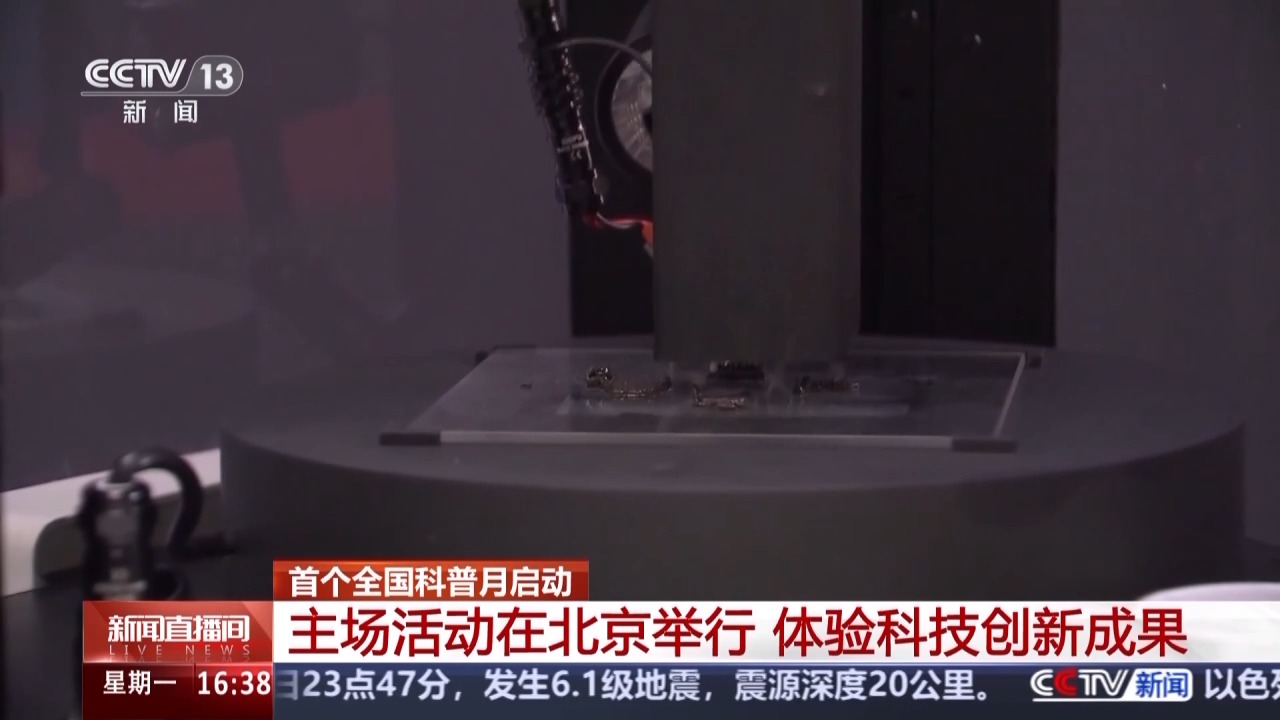
Group 1 - The newly revised "Law of Popularization of Science and Technology of the People's Republic of China" designates September as the National Science Popularization Month, with this year's theme being "Technology Changes Life, Innovation Wins the Future" [1] - The main event of the National Science Popularization Month is held at the China Science and Technology Museum and the National Science Communication Center, organized by the China Association for Science and Technology in collaboration with 34 member units [1] Group 2 - The "Innovation Achievements Exhibition" at the China Science and Technology Museum showcases over 30 research teams' innovations, featuring interactive displays of the first sets of technology achievements [5][8] - Wearable electronic fabrics are highlighted, which integrate functions such as power generation, lighting, energy storage, sensing, computing, and communication into soft fibers, transforming clothing into smart products [8] Group 3 - The exhibition "Chinese Scientists in the Anti-Japanese War" commemorates the 80th anniversary of the victory in the Anti-Japanese War, showcasing the contributions of scientists during critical historical moments [10] - The exhibition is divided into three parts: serving the battlefield, ensuring national livelihood, and preserving academic heritage, illustrating how scientists rapidly applied knowledge to meet urgent wartime needs [11] Group 4 - Notable contributions include the establishment of a machine factory by Shen Hong, which provided essential machinery to support the war effort, producing 134 sets of various machines for military use [11] - The exhibition also features the work of metallurgist Ye Zhupai, who developed non-ferrous metal resources, producing 500 tons of refined copper annually for munitions during the war [13]
Apple与Masimo专利战重开,医疗器械出海需高度警惕
3 6 Ke· 2025-09-01 02:12
Core Viewpoint - The ongoing patent dispute between Apple and Masimo has intensified, particularly following the reintroduction of blood oxygen monitoring features in the Apple Watch, which has led to legal actions involving the U.S. government [1][9]. Group 1: Background of the Patent Dispute - Masimo, a leader in the field of vital sign monitoring, has been engaged in a long-standing patent battle with Apple since 2013, when Apple sought to develop health monitoring features for its wearable devices [1][2]. - The conflict escalated when key Masimo employees, including a significant technical talent, transitioned to Apple, leading to allegations of patent infringement by Masimo [2][3]. Group 2: Legal Proceedings and Outcomes - In January 2020, Masimo filed a lawsuit against Apple for infringing on multiple patents related to pulse oximetry technology, which was followed by Apple's counteractions to invalidate Masimo's patents [3][5]. - A significant ruling in April 2023 favored Apple, with a jury siding with the company, but the legal battles continued as Masimo expanded its claims to include newer Apple Watch models [3][8]. Group 3: Recent Developments - In October 2023, the ITC ruled that Apple had infringed on Masimo's patents, resulting in an import ban on certain Apple Watch models, prompting Apple to suspend sales of these products in the U.S. [8][9]. - Apple managed to restore the blood oxygen monitoring feature through a software update that shifted the processing to paired iPhones, circumventing the ITC's ban [8][9]. Group 4: Implications for the Industry - The outcome of this patent dispute could have significant implications for domestic wearable health device companies, particularly as blood oxygen monitoring becomes a critical feature in health tech [10]. - While the current legal issues primarily affect the U.S. market, there is a potential risk for domestic companies looking to expand internationally, necessitating careful patent strategy and risk assessment [10][11].