
稀土

Search documents
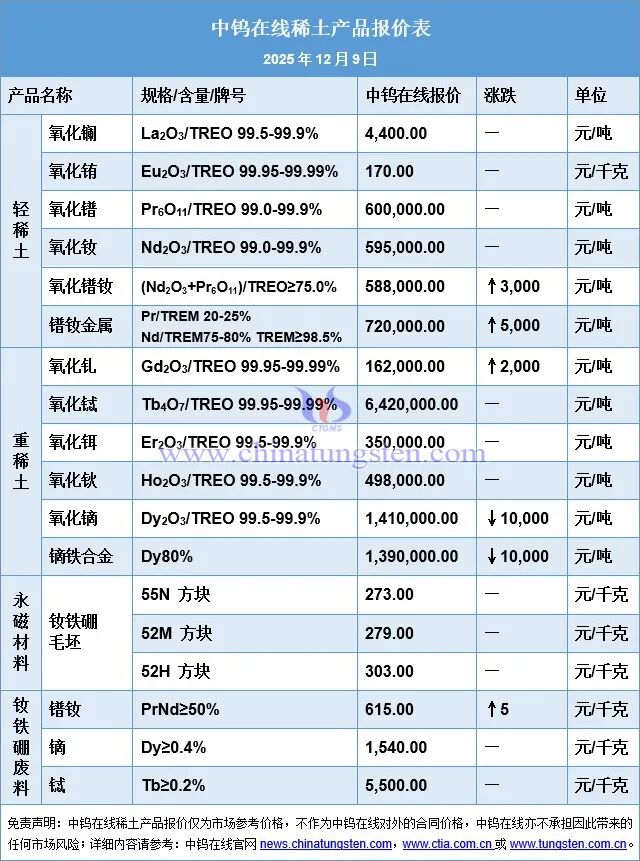
稀土价格|稀土价格涨跌互现 成交偏少
Xin Lang Cai Jing· 2025-12-09 06:18
Group 1: Market Overview - The domestic rare earth market shows a mixed trend, with prices for praseodymium-neodymium oxide and praseodymium-neodymium metal increasing by approximately 3,000 yuan/ton and 5,000 yuan/ton, respectively, while dysprosium oxide prices have decreased by about 10,000 yuan/ton [6][5][7]. Group 2: Light Rare Earth Market - The light rare earth market is characterized by a cautious atmosphere, with downstream demand progressing slowly. However, due to production cost support and limited market supply, major suppliers have tentatively raised their quotes [7][8]. - In October, some praseodymium-neodymium production enterprises in Jiangxi and Guangdong have ceased operations, further restricting market supply [7]. Group 3: Heavy Rare Earth Market - The heavy rare earth market is weak, with low purchasing enthusiasm from buyers and some suppliers adopting a price-for-volume strategy, leading to a decline in dysprosium and terbium prices [8]. Group 4: Import and Export Data - From January to November 2025, China's cumulative rare earth imports reached 91,110.9 tons, a year-on-year decrease of 26.1%, while the cumulative import value was 11.26 billion yuan, an increase of 9.0%. Cumulative exports amounted to 58,193.1 tons, a year-on-year increase of 11.7%, with an export value of 3.21 billion yuan, up 0.9% [8]. - In November 2025, China's rare earth imports were 5,221.0 tons, a month-on-month decrease of 25.32% and a year-on-year decrease of 53.91%. The import value was 900 million yuan, down 7.78% month-on-month but up 18.57% year-on-year. Rare earth exports were 5,493.9 tons, a month-on-month increase of 26.49% and a year-on-year increase of 24.42%, with an export value of 350 million yuan, down 12.50% month-on-month but up 34.62% year-on-year [8].

全球稀土大洗牌:美国囤货18个月,欧盟急建储备,中国稳坐钓鱼台
Sou Hu Cai Jing· 2025-12-09 06:17
Core Viewpoint - The recent tightening of rare earth exports by China has raised global concerns, particularly in the military, wind energy, and electric vehicle sectors, highlighting the strategic importance of these resources [3][9][12]. Group 1: Strategic Importance of Rare Earths - Rare earths consist of 17 metals essential for various technologies, including mobile chips, missiles, and wind turbines [3]. - China's management of rare earths is rooted in its recognition of these materials as strategic resources, akin to oil in the Middle East [3][22]. - The U.S. military's annual consumption of rare earths is less than 0.8% of global production, indicating a lower dependency than perceived [9]. Group 2: Regulatory Developments - In June 2024, China introduced the "Rare Earth Management Regulations," implementing total quantity control over mining and refining [5]. - The export control measures announced in April 2024 are part of a broader strategy to manage rare earth resources effectively [5][16]. Group 3: Market Reactions and Adjustments - The U.S. military and electric vehicle industries have expressed significant concern over their reliance on rare earths, with some companies exploring alternative sources and technologies [9][14]. - The European Union has initiated plans to diversify its rare earth sources, yet remains heavily reliant on China for critical materials [12][20]. Group 4: Economic Implications - The price dynamics of rare earths vary significantly, with heavy rare earths like neodymium and dysprosium remaining stable, while light rare earths have seen price drops due to increased production from other countries [18]. - China's shift from exporting raw materials to selling finished products has led to a significant market share in rare earth magnets, accounting for 70% of the global market [20][21]. Group 5: Future Outlook - By 2030, the global rare earth landscape is expected to shift from China's dominance to a more collaborative model, emphasizing the need for adherence to regulations [22]. - The U.S. Department of Defense is investing in a complete supply chain for rare earths, indicating a long-term strategy to reduce dependency on foreign sources [20].
回顾:美国才意识到面临的困境:即便挖掘再多的稀土资源,都得先运到中国
Sou Hu Cai Jing· 2025-12-08 13:14
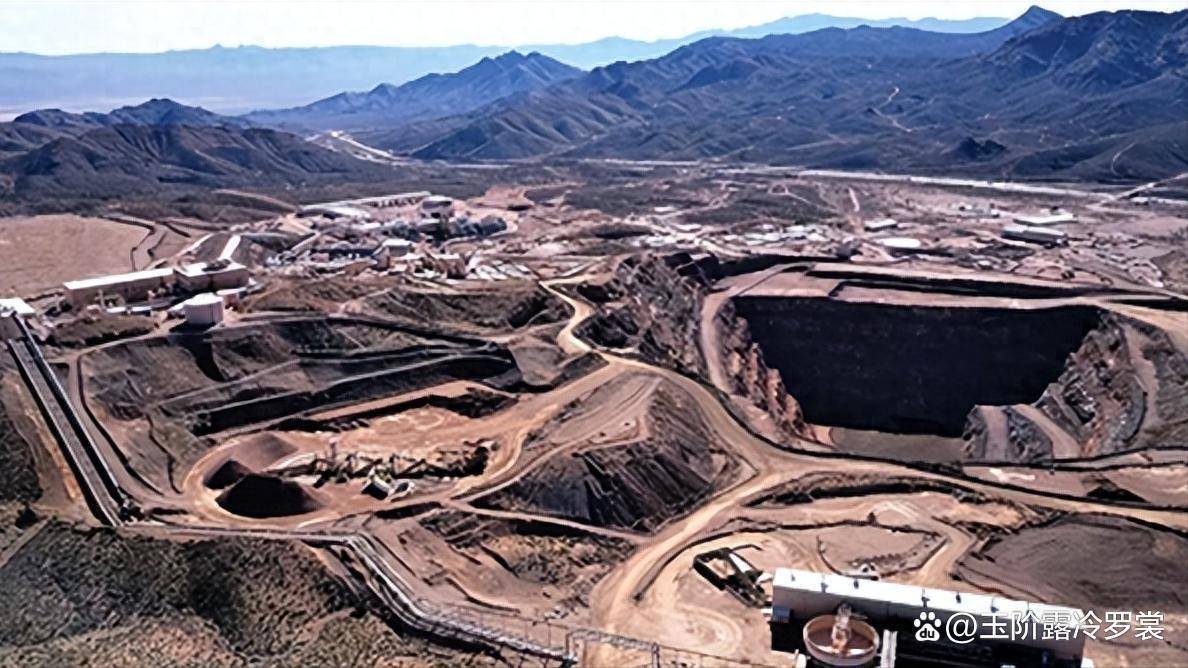
Core Insights - Rare earth elements are crucial for modern technology and national security, with applications ranging from smartphones to military systems [2][3] - The United States faces significant challenges in its rare earth industry, primarily relying on China for processing despite having its own mining resources [2][5] Group 1: Importance of Rare Earth Elements - Rare earth elements consist of 17 elements, including lanthanum, cerium, and neodymium, which are essential in high-tech applications such as electric vehicles and wind turbines [3] - China dominates the global rare earth market, holding approximately 37% of the world's reserves and producing 63% of the global output in 2019 [3][5] Group 2: Challenges Faced by the U.S. Rare Earth Industry - The U.S. rare earth industry suffers from limited resources, insufficient investment, and outdated technology, leading to a lack of processing capabilities [5][10] - The Mountain Pass mine in California has significant reserves but lacks the processing capacity, forcing the U.S. to send mined materials to China for refinement [5][6] Group 3: China's Strategic Position - China has developed a complete rare earth supply chain, from mining to processing, giving it a competitive edge over other countries [10][11] - The Chinese government has implemented export controls on rare earth materials, which has raised concerns in the U.S. about the potential impact on military and high-tech industries [6][11] Group 4: U.S. Response and Future Strategies - The U.S. has attempted to revitalize its rare earth industry through initiatives like the 2017 executive order aimed at understanding supply chains and fostering domestic production [9] - Future strategies for the U.S. include investing in technology, collaborating with allies for a diversified supply chain, and exploring recycling and alternative materials to reduce dependence on China [10][11]
中国对美国实施降维打击!为何美国耗费巨资也搞不定稀土困局?
Sou Hu Cai Jing· 2025-12-08 12:49
Group 1 - The article highlights the significant dominance of China in the rare earth elements market, controlling over 70% of global production and more than 90% of processing, making it challenging for the U.S. to catch up [1][3]. - The U.S. has historically outsourced rare earth processing to China due to high labor costs and stringent environmental regulations, leading to a severe loss of expertise in the U.S. [3][5]. - Recent U.S. efforts to regain control include a $400 million investment in MP Materials and plans to build new processing facilities, but these initiatives face significant delays and higher costs compared to China [5][7]. Group 2 - The U.S. is facing a critical situation as China has implemented export controls on all 17 rare earth elements, which directly impacts the U.S. military and automotive industries [3][5]. - The cost of establishing new processing facilities in the U.S. is three times higher than in China, and the timeline for filling the heavy rare earth gap is estimated to be 3 to 7 years [5][7]. - The article emphasizes that the U.S. lacks a cohesive policy and long-term strategy, while China has steadily built its rare earth ecosystem since the 1980s, leading to a significant competitive advantage [7].
【稀土·基层连线】北方稀土磁材公司:筑牢保密防线 护航企业安全
Xin Lang Cai Jing· 2025-12-08 12:25
Core Viewpoint - The company emphasizes the importance of confidentiality as a vital component of national security and corporate integrity, implementing a comprehensive confidentiality management system to ensure operational security and efficiency [1][6]. Group 1: Strengthening Organizational Leadership and Responsibility - The company has established a confidentiality committee led by the party secretary, ensuring that confidentiality responsibilities are clearly defined and implemented across all levels [2][7]. - A responsibility system has been put in place, including signing confidentiality agreements with key personnel and establishing a management ledger for confidential matters [2][7]. Group 2: Institutional Safeguards and Long-term Mechanisms - The company enforces strict adherence to confidentiality regulations through systematic learning and regular supervision, ensuring compliance with national laws and internal policies [3][8]. - Regular inspections and feedback loops are established to address any identified risks or issues promptly [3][8]. Group 3: Education and Awareness - The company promotes a culture of confidentiality through various educational initiatives, ensuring that employees are well-informed about confidentiality laws and practices [4][9]. - Training programs and online learning platforms have been utilized, resulting in over 100 hours of cumulative training for employees, with a 100% pass rate in quarterly assessments [4][9]. Group 4: Focus on Key Areas and Enhanced Management - The company implements rigorous management of confidential personnel and materials, ensuring that all sensitive information is controlled throughout its lifecycle [5][10]. - Upgraded security measures for confidential areas include physical barriers and advanced monitoring systems, alongside strict protocols for document handling and storage [5][10].

双重纳入彰显硬核价值 北方稀土跻身上证50与中证A50核心资产阵营
Quan Jing Wang· 2025-12-08 11:47
日前,上海证券交易所发布《关于上证50、上证180、上证380等指数定期调整结果的公告》。公告显 示,根据指数规则,经指数专家委员会审议,上海证券交易所拟将北方稀土(600111.SH)等多只股票调 入上证50指数成分股,调整情况将于2025年12月12日收市后生效。值得注意的是,这是北方稀土在2025 年年内第二次跻身核心宽基指数——此前公司已成功纳入中证A50指数,成为年内同时斩获两大核心指 数"入场券"的稀缺战略资源标的,其投资价值与行业龙头地位得到资本市场高度认可。 在新质生产力加速发展的背景下,北方稀土的战略价值愈发凸显。作为全球稀土产业链的关键枢纽,公 司背靠白云鄂博矿这一国内稀土核心资源,原料供应稳定且成本可控。背靠资源优势,政策红利与技术 壁垒共同构筑起公司的双重护城河。2024年10月施行的《稀土管理条例》以行政立法形式覆盖稀土全产 业链,有效遏制稀土行业内的非法开采、无序竞争等乱象,推动稀土产业从"资源粗放输出"向"高质量 合规发展"转型;2025年10月商务部对稀土相关技术实施出口管制,11月稀土新政明确"合规即放行"原 则,既守住国家战略资源安全底线,又强化了中国在全球稀土市场的定价权 ...
中国稀土:12月8日召开董事会会议
Mei Ri Jing Ji Xin Wen· 2025-12-08 10:16
截至发稿,中国稀土市值为500亿元。 每经头条(nbdtoutiao)——处方药变"瘾品":国内首次报告普瑞巴林滥用致成瘾病例,网络平台暴 露"无病历可购药"漏洞,列管与否尚需科学考量 每经AI快讯,中国稀土(SZ 000831,收盘价:47.14元)12月8日晚间发布公告称,公司第九届第二十 二次董事会会议于2025年12月8日在江西省赣州市章贡区章江南大道18号豪德银座A栋14层会议室以现 场加通讯方式召开。会议审议了《关于召开2025年第四次临时股东会的议案》等文件。 2025年1至6月份,中国稀土的营业收入构成为:稀土行业占比100.0%。 (记者 曾健辉) ...

中国出口额2个月来再次转为增长
日经中文网· 2025-12-08 07:55
Core Insights - China's exports increased by 5.9% year-on-year in November, reaching $330.3 billion, marking a return to growth after two months of decline [2][4] - Imports grew by 1.9% year-on-year to $218.6 billion, achieving positive growth for six consecutive months [4] - The trade surplus expanded compared to the same period last year, amounting to $111.6 billion, as the growth rate of exports outpaced that of imports [4] Export Performance - The automotive sector saw a significant increase, with exports rising by 50% [4] - Rare earth exports also exceeded the levels of the previous year [4] - Exports of smartphones and personal computers declined compared to the same period last year [4] Export Destinations - Exports to the United States decreased by 28.6% [6] - Exports to ASEAN, the largest export destination, grew by 8.2% [6] - Exports to Japan increased by 4.3%, and exports to the European Union also surpassed last year's figures [6]
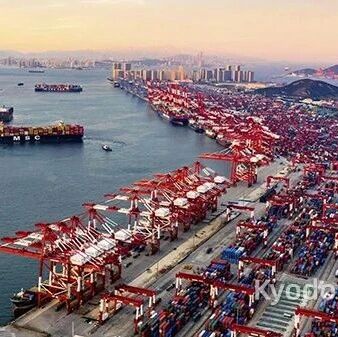
海关总署:11月稀土出口5493.9吨
Zheng Quan Shi Bao Wang· 2025-12-08 03:44
Core Insights - China's rare earth exports in November reached 5,493.9 tons, contributing to a cumulative total of 58,193.1 tons from January to November, reflecting a year-on-year increase of 11.7% [1] Group 1 - In November, China's rare earth exports were 5,493.9 tons [1] - The cumulative export from January to November is 58,193.1 tons [1] - The year-on-year growth in cumulative exports is 11.7% [1]
中国11月稀土出口5493.9吨,1至11月累计出口58193.1吨
Mei Ri Jing Ji Xin Wen· 2025-12-08 03:36
每经AI快讯,12月8日,海关总署数据显示,中国11月稀土出口5493.9吨,1至11月累计出口58193.1吨, 累计出口同比增长11.7%。 ...