
啤酒

Search documents
百威VS喜力,外资啤酒攻防战升级!
Sou Hu Cai Jing· 2025-12-05 21:43
Core Insights - The Chinese beer market is undergoing significant changes, with local brands showing resilience and international brands facing challenges in maintaining their market share [3][6][15] - The competition has intensified, leading to a shift in consumer preferences and a need for international brands to adapt their strategies to align with local market dynamics [7][29] Industry Overview - The beer industry in China has entered a phase of stock competition, with overall production capacity at about 70% of its peak [6] - The latest data from the National Bureau of Statistics indicates a 1% year-on-year decline in beer production in October, with cumulative production growth slowing to 0% for the first ten months of the year [5] Brand Performance - Domestic brands like Tsingtao, Yanjing, and Zhujiang have shown growth in revenue, profit, and sales, while international brands like Budweiser and Carlsberg are experiencing declines [6][15] - Budweiser's performance in China has been under pressure, with a two-digit decline in revenue, profit, and sales for the first three quarters of the year [15][17] Market Dynamics - The shift in consumer behavior has led to a decline in the on-premise consumption channel, with a move towards new categories and channels [9][34] - The average market price for beer has decreased, prompting Budweiser to focus on its Harbin brand to capture growth opportunities in the 8-10 yuan price range [34][37] Strategic Adjustments - Budweiser is adjusting its strategy by increasing its focus on non-drinking channels and expanding its product offerings to include larger cans and innovative flavors [38][40] - Heineken has successfully leveraged its partnership with China Resources to expand its market presence and product distribution across various channels, including retail and e-commerce [25][32] Consumer Preferences - Chinese consumers are increasingly open to innovative flavors and higher alcohol content, with tea-infused beers gaining popularity [41] - The acceptance of new beer categories is significantly higher in China compared to other markets, indicating a potential for growth in product innovation [3][41]



百威喜力鏖战中国:啤酒生意 要重做一遍|跨国酒企变局2025
2 1 Shi Ji Jing Ji Bao Dao· 2025-12-05 17:35
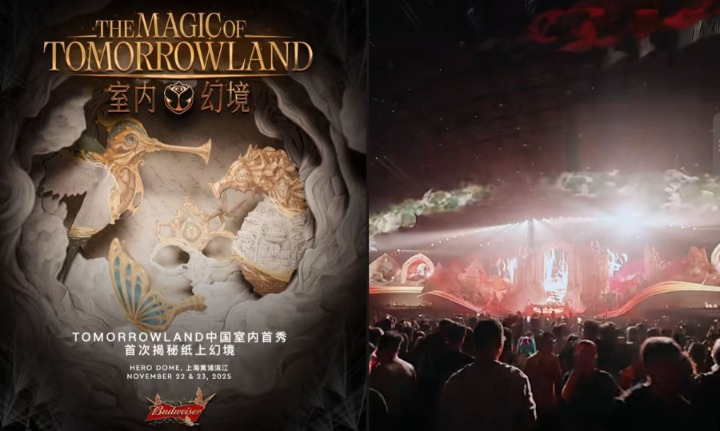
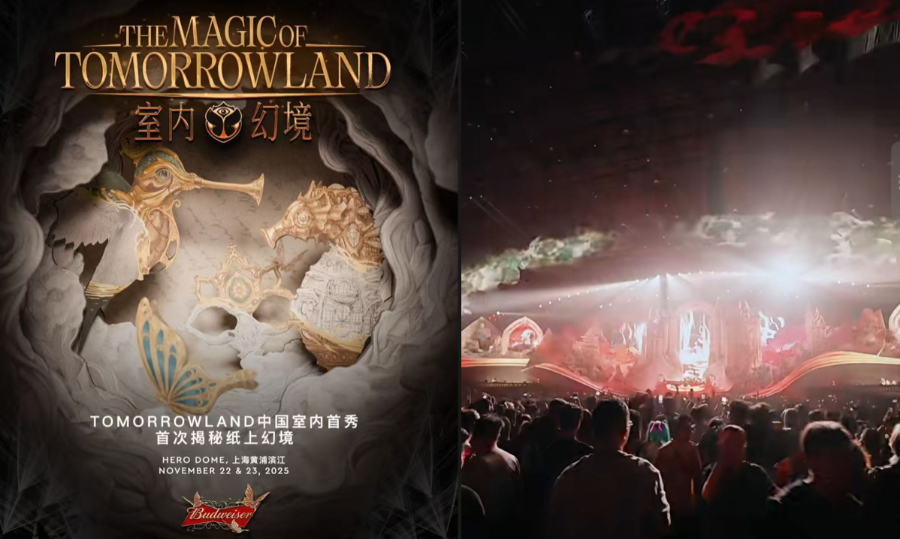
Core Insights - The Chinese beer industry is experiencing a shift towards domestic brands, with a notable recovery in their performance while international brands face challenges [1][2][3] - The overall beer consumption in China is still on a steady rise, despite a slight decline in production in October [1] - The market dynamics have changed, with domestic brands like Qingdao Beer and Yanjing Beer showing growth, while international brands like Budweiser are struggling [1][10] Industry Overview - The Chinese beer market has entered a phase of stock competition, with the industry's scale at about 70% of its peak [1] - The latest statistics show a 1% year-on-year decline in beer production for October, with cumulative production growth for the first ten months at 0% [1] - The industry is now in its twelfth year of stock competition, indicating a mature market environment [1] Brand Performance - Domestic brands such as Qingdao Beer, Yanjing Beer, and Zhujiang Beer have maintained growth in revenue, profit, and sales in the first three quarters of 2025 [1] - Budweiser has reported a double-digit decline in revenue, profit, and sales in the Chinese market for the first three quarters [1][10] - Heineken has shown significant growth, with sales increases of 30% to 70% for its products in recent years, positioning China as its second-largest market globally [11][14] Market Dynamics - The shift in consumer preferences has led to a decline in the dominance of international brands, particularly in the nightlife channel, which has been underperforming [2][24] - Heineken's strategy has focused on expanding into non-nightlife channels, leveraging partnerships with local distributors to enhance market penetration [20][25] - Budweiser's market share in regions like Fujian has decreased significantly, while the combined share of China Resources and Heineken has increased [12] Marketing Strategies - Both Budweiser and Heineken have engaged in high-profile sponsorships and events to enhance brand visibility, with Budweiser sponsoring the Tomorrowland music festival in Shanghai [4][7] - Heineken has also positioned itself as a key player in major events like the F1 China Grand Prix, resulting in a 14% increase in sales during the event [8] - The marketing strategies of both brands have evolved, with a focus on aligning with local consumer trends and preferences [29][30] Consumer Trends - The Chinese beer market is witnessing a shift towards innovative flavors and products, with a growing acceptance of new beer styles such as tea-infused beers [42] - There is a notable preference for higher alcohol content and unique flavors among Chinese consumers, contrasting with trends in Western markets [41][42] - The industry is encouraged to expand its product offerings to include low-alcohol and non-alcoholic options, although these segments remain niche in China [40][41]


百威喜力鏖战中国:啤酒生意,要重做一遍
2 1 Shi Ji Jing Ji Bao Dao· 2025-12-05 12:22
Core Insights - The Chinese beer market is undergoing significant changes, with local brands showing resilience and growth while international brands face challenges [2][3][5] - The industry is shifting from a focus on high-end products to a more diverse range of offerings, including lower-priced options and innovative flavors [31][37][38] Industry Overview - The beer industry in China has entered a phase of stock competition, with production levels at about 70% of their peak [3] - The latest statistics show a 1% year-on-year decline in beer production in October, with cumulative production growth for the first ten months at 0% [3] Brand Performance - Domestic brands like Tsingtao, Yanjing, and Zhujiang have reported growth in revenue, profit, and sales, while international brands like Budweiser and Carlsberg are experiencing declines [3][11] - Budweiser's performance in China has been disappointing, with a projected decline in revenue, profit, and sales for three consecutive years [11][12] Market Dynamics - The shift in consumer preferences has led to a decline in the night-time economy, affecting high-end brands that previously thrived in this channel [5][24] - Heineken has successfully leveraged local partnerships to expand its market presence, achieving significant sales growth in recent years [13][25] Strategic Initiatives - Budweiser is attempting to adapt by focusing on lower-priced products and expanding its presence in non-drinking channels [31][33] - Heineken's strategy includes entering various retail channels and enhancing its marketing efforts to resonate with local consumers [28][29] Consumer Trends - Chinese consumers are increasingly open to innovative beer flavors, with tea-infused beers gaining popularity [37][38] - The market is seeing a shift towards non-alcoholic and low-alcohol products, although these remain niche compared to traditional beer consumption [37][38]

百威喜力鏖战中国:啤酒生意,要重做一遍|跨国酒企变局2025
2 1 Shi Ji Jing Ji Bao Dao· 2025-12-05 12:13
Core Insights - The beer industry in China is undergoing significant changes, with multinational companies needing to adapt to a rapidly evolving market where traditional strategies are no longer effective [1][4][24] - Domestic brands are showing strong recovery, while international brands are experiencing mixed results, highlighting a shift in consumer preferences and market dynamics [3][10][17] Industry Overview - The Chinese beer market has entered a phase of stock competition, with overall production capacity at about 70% of its peak [3] - In October, the production of beer by large-scale enterprises in China saw a year-on-year decline of 1%, with cumulative production growth for the first ten months remaining at 0% [2] Brand Performance - Domestic brands like Tsingtao, Yanjing, and Zhujiang have reported growth in revenue, profit, and sales, while international brands like Budweiser and Carlsberg are facing challenges [3][10] - Budweiser's performance in China has been declining for three consecutive years, with double-digit decreases in revenue, profit, and sales in the first three quarters of 2023 [9][10] Market Dynamics - The high-end beer market, traditionally dominated by Budweiser and Heineken, is facing pressure as the on-premise consumption channels weaken and new product categories emerge [4][25] - Heineken has successfully leveraged its partnership with China Resources to expand its market presence, achieving significant sales growth in recent years [10][20] Consumer Preferences - Chinese consumers are increasingly open to new beer categories and flavors, with a notable rise in interest for innovative products like tea-infused beers [32] - The shift in consumer behavior has led to a greater focus on non-on-premise channels, with 60% of beer sales now coming from retail channels [29] Strategic Adjustments - Budweiser is adjusting its strategy by focusing on its Harbin brand to capture growth opportunities in the 8-10 yuan price range, reflecting a broader trend of price adjustments in the industry [26][25] - Both Budweiser and Heineken are recognizing the need to enhance their presence in non-on-premise channels and adapt to changing consumer preferences [28][29]
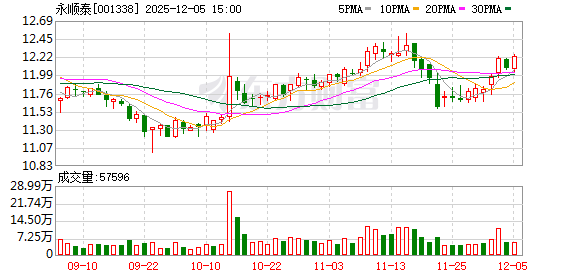
永顺泰:公司将进一步建立健全长效激励机制
Zheng Quan Ri Bao· 2025-12-05 12:08
Core Viewpoint - The company is implementing a performance evaluation mechanism that combines annual and term assessments, linking organizational performance with individual performance, and tying evaluation results to compensation incentives [2] Group 1 - The company will apply the evaluation results comprehensively to the performance-based compensation distribution, selection and appointment of managers, personnel adjustments, and recognition of outstanding employees [2] - The principle of the evaluation mechanism is "reward for good performance and adjustment for poor performance," encouraging excellence and motivating underperformers [2] - The company plans to further establish a long-term incentive mechanism to fully mobilize the enthusiasm of management and core personnel, enhancing cohesion and promoting high-quality and sustainable development [2]
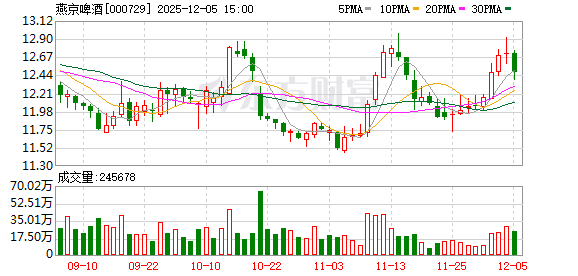
燕京啤酒:燕京营养家是北京燕京中发生物技术有限公司的线下销售渠道
Zheng Quan Ri Bao· 2025-12-05 12:08
Group 1 - The core viewpoint of the article is that Yanjing Beer is actively engaging with investors regarding its product lines, specifically focusing on health-oriented products developed by its subsidiary [2] - Yanjing Beer has introduced products such as Yanjing Natto and Yanjing Nafu Peptide, which are developed and produced by its controlling subsidiary, Beijing Yanjing Zhonghua Biotechnology Co., Ltd [2] - The company’s offline sales channel, Yanjing Nutrition Home, aims to provide consumers with more scientific and safe health choices [2]
珠江啤酒:公司董事吴家威辞职
Mei Ri Jing Ji Xin Wen· 2025-12-05 08:19
Group 1 - The core point of the article is the resignation of Mr. Wu Jiawei from the board of directors of Zhujiang Brewery due to reaching the legal retirement age, effective December 5, 2025 [1] - Zhujiang Brewery's revenue composition for the first half of 2025 shows that beer sales accounted for 96.94% of total revenue, while other business segments contributed marginally: rental and catering services at 1.15%, yeast feed sales at 0.64%, and packaging materials at 0.13% [1] - As of the report date, Zhujiang Brewery has a market capitalization of 21.3 billion yuan [1]
智通港股沽空统计|12月5日
智通财经网· 2025-12-05 00:25
Core Insights - The top short-selling stocks include New World Development Co. Ltd. (80016), China Resources Beer (80291), and Tencent Holdings Ltd. (80700), all with a short-selling ratio of 100% [1][2] - Alibaba (09988), Xiaomi (01810), and Tencent (00700) lead in short-selling amounts, with respective values of 1.872 billion, 977 million, and 831 million [1][3] - The highest deviation values are recorded for Bank of China Hong Kong (82388), Shenzhou Holdings (00861), and Jianxi Technology (09877), with deviations of 45.36%, 43.94%, and 40.98% respectively [1][3] Short-Selling Ratio Rankings - New World Development Co. Ltd. (80016) has a short-selling amount of 44,700 with a 100% short-selling ratio and a deviation of 24.05% [2] - China Resources Beer (80291) shows a short-selling amount of 24,700 with a 100% short-selling ratio and a deviation of 37.48% [2] - Tencent Holdings Ltd. (80700) has a short-selling amount of 1.2686 million with a 100% short-selling ratio and a deviation of 37.41% [2] Short-Selling Amount Rankings - Alibaba (09988) leads with a short-selling amount of 1.872 billion, a short-selling ratio of 21.34%, and a deviation of 4.76% [3] - Xiaomi (01810) follows with a short-selling amount of 977 million, a short-selling ratio of 12.64%, and a deviation of -3.24% [3] - Tencent (00700) has a short-selling amount of 831 million, a short-selling ratio of 8.90%, and a deviation of -6.11% [3] Deviation Value Rankings - Bank of China Hong Kong (82388) has a short-selling amount of 1.5519 million, a short-selling ratio of 82.36%, and a deviation of 45.36% [3] - Shenzhou Holdings (00861) shows a short-selling amount of 1.2769 million, a short-selling ratio of 56.97%, and a deviation of 43.94% [3] - Jianxi Technology (09877) has a short-selling amount of 280,600, a short-selling ratio of 52.61%, and a deviation of 40.98% [3]



重庆啤酒股份有限公司 2025年第二次临时股东会决议公告
Zhong Guo Zheng Quan Bao - Zhong Zheng Wang· 2025-12-05 00:12
(二)股东会召开的地点:广东省广州市天河区金穗路 62 号侨鑫国际金融中心13层 (三)出席会议的普通股股东和恢复表决权的优先股股东及其持有股份情况: 本公司董事会及全体董事保证本公告内容不存在任何虚假记载、误导性陈述或者重大遗漏,并对其内容 的真实性、准确性和完整性承担法律责任。 重要内容提示: ●本次会议是否有否决议案:无 一、会议召开和出席情况 (一)股东会召开的时间:2025年12月4日 ■ (四)表决方式是否符合《公司法》及《公司章程》的规定,会议主持情况等。 本次会议召集人为公司第十一届董事会,会议以现场记名投票和网络投票相结合的方式进行表决;本次 会议由董事长Jo?o Abecasis先生主持,会议的召开及表决方式符合《公司法》及《公司章程》的规定。 (五)公司董事和董事会秘书的列席情况 1、公司在任董事9人,列席9人,董事长 Jo?o Abecasis 先生,董事Alan Choi蔡泓汉先生、Andrew Emslie 先生、Lee Chee Kong 先生、Chin Wee Hua 先生、吕彦东先生,独立董事袁英红女士、盛学军先 生、朱乾宇女士列席会议; 2、总裁 Lee Chee Kong ...

重庆啤酒股份有限公司2025年第二次临时股东会决议公告
Shang Hai Zheng Quan Bao· 2025-12-04 19:16
证券代码:600132 证券简称:重庆啤酒 公告编号:2025-033 重庆啤酒股份有限公司 2025年第二次临时股东会决议公告 本公司董事会及全体董事保证本公告内容不存在任何虚假记载、误导性陈述或者重大遗漏,并对其内容 的真实性、准确性和完整性承担法律责任。 重要内容提示: ● 本次会议是否有否决议案:无 一、会议召开和出席情况 (一)股东会召开的时间:2025年12月4日 (二)股东会召开的地点:广东省广州市天河区金穗路 62 号侨鑫国际金融中心13层 (三)出席会议的普通股股东和恢复表决权的优先股股东及其持有股份情况: ■ (四)表决方式是否符合《公司法》及《公司章程》的规定,会议主持情况等。 本次会议召集人为公司第十一届董事会,会议以现场记名投票和网络投票相结合的方式进行表决;本次 会议由董事长Jo?o Abecasis先生主持,会议的召开及表决方式符合《公司法》及《公司章程》的规定。 (五)公司董事和董事会秘书的列席情况 1、公司在任董事9人,列席9人,董事长 Jo?o Abecasis 先生,董事Alan Choi蔡泓汉先生、Andrew Emslie 先生、Lee Chee Kong 先生、Ch ...