咖啡

Search documents
蜜雪冰城的选择题:幸运咖快一点,出海慢一点
36氪未来消费· 2025-08-28 12:50
Core Financial Performance - In the first half of 2025, the company achieved a revenue of 14.87 billion yuan, representing a year-on-year growth of 39.3% [5] - The net profit for the same period was 2.72 billion yuan, with a year-on-year increase of 44.1% [5] - The total number of global stores reached 53,014, with an addition of 9,796 stores compared to the same period last year, primarily driven by growth in mainland China [5] Store Expansion and Market Penetration - The growth rate of new stores in mainland China accelerated significantly, with a quarter-on-quarter increase of approximately 16% in H1 2025, compared to only 7% in H2 2024 [5] - Most new stores are located in third-tier cities and below, with 5,707 new stores in these areas, accounting for nearly 60% of the total new openings [5] - The company aims to penetrate approximately 30,000 town markets across the country for future store growth [5] Same-Store Sales and External Factors - Although same-store sales growth data was not disclosed, it is estimated that same-store growth approached 9% in H1 2025 [5] - The rise in delivery services has positively impacted sales performance across the tea beverage sector [5] Cost Management and Profitability - Despite rising costs for coffee beans and lemons, the overall gross margin for H1 2025 was 31.6%, only a slight decrease of 0.3% from the previous year [6] - The company attributes the stable gross margin to the decline in sugar and milk prices, as well as improved supply chain efficiency [6] Lucky Coffee's Growth Potential - Lucky Coffee has seen significant expansion, with over 7,000 signed stores as of July 2025, compared to approximately 4,000 at the end of 2024, indicating a growth rate of 150% if the target of 10,000 stores is met by the end of 2025 [7] - The focus of expansion has shifted to first- and second-tier cities, with a validated profitability model for single stores in first-tier cities [7] Product Strategy and Market Positioning - Lucky Coffee differentiates itself from the company's other brand, Mixue Ice City, by focusing on freshly brewed coffee using a semi-automatic coffee machine and factory-roasted beans [9] - The introduction of the "fruit coffee" series aims to leverage the company's existing supply chain advantages, utilizing frozen fruit purees from Mixue [9] International Expansion and Operational Efficiency - The number of overseas stores grew to 4,733 in H1 2025, a net increase of 128 stores year-on-year, but a decrease from 4,895 in H2 2024 due to optimization efforts in Indonesia and Vietnam [12] - The company is focusing on improving operational efficiency in overseas markets, with daily sales per relocated store increasing by over 50% [12] - Plans for global expansion continue, with new stores opening in Kazakhstan and Malaysia, and a production base in Hainan aimed at supporting Southeast Asian markets [13]


1314亿,「皮爷咖啡」被卖了
3 6 Ke· 2025-08-28 12:32
Group 1 - The coffee industry is undergoing significant changes, with major players like Starbucks and Costa considering sales, attracting interest from prominent investors such as Carlyle, Hillhouse, and Tencent [1][2] - Coca-Cola is evaluating the sale of Costa Coffee, which it acquired for £3.9 billion in 2018, and has initiated preliminary discussions with private equity firms [2] - Keurig Dr Pepper (KDP) has announced the acquisition of JDE Peet's, the parent company of Peet's Coffee, for a total equity consideration of €15.7 billion (approximately ¥131.42 billion), with the deal expected to close in the first half of 2026 [3] Group 2 - Peet's Coffee, known as the "father of Starbucks," was founded in 1966 and has a rich history in the specialty coffee sector, influencing many industry leaders [4][5] - JAB Holdings, the investment firm behind the acquisition, has invested over $60 billion in coffee-related acquisitions since 2012, including Peet's Coffee and Keurig Green Mountain [9][10] - Following the acquisition, KDP plans to split into two independent publicly traded companies, one focusing on North American beverages and the other on global coffee, aiming to enhance operational focus and unlock value [12] Group 3 - Peet's Coffee has experienced a 23.8% increase in adjusted EBIT in China, despite the competitive pressure from low-cost coffee brands [7] - The company operates approximately 268 stores in China, with a strategy focused on premium locations and a higher average transaction value compared to competitors [6][7] - Peet's Coffee is launching a new brand, "Ora Coffee," targeting the mainstream price range of ¥15-25 to compete with low-cost coffee offerings [7][8]
8.28犀牛财经晚报:多家银行宣布下调存款利率 国泰君安国际在香港推出加密货币交易服务
Xi Niu Cai Jing· 2025-08-28 10:28
Group 1: Banking Sector - Several small and medium-sized banks have announced a reduction in RMB deposit rates, with declines ranging from 10 to 20 basis points [1] - Three banks in Sichuan Province plan to jointly establish a wealth management company, expressing confidence in obtaining the necessary license [1] Group 2: Technology and Innovation - A new adaptive, full-bandwidth, high-speed wireless communication chip has been developed by Chinese scientists, capable of achieving over 120 Gbps transmission rates, meeting 6G communication requirements [2] - Guotai Junan International has officially launched cryptocurrency trading services in Hong Kong, allowing clients to trade various cryptocurrencies [2] Group 3: Consumer Goods - The sales of matcha beverages have surged, with new products selling over 10,000 cups in their first week, indicating a growing trend among young consumers [2] Group 4: Financial Performance Reports - Zhujiang Beer reported a net profit of 612 million yuan for the first half of 2025, a year-on-year increase of 22.51% [6] - Baolong Technology's net profit decreased by 9.15% year-on-year, despite a revenue increase of 24.06% [7] - Nanshan Aluminum achieved a net profit of 2.625 billion yuan, up 19.95% year-on-year [8] - Jindi Co. reported a net profit increase of 32.86% year-on-year, with revenue growth of 40.57% [10] - Caitong Securities reported a net profit of 1.083 billion yuan, a year-on-year increase of 16.85% [11] - Yili Co. reported a net profit of 7.2 billion yuan, a year-on-year decrease of 4.39% [12] - China Galaxy reported a net profit increase of 47.86% year-on-year, with revenue growth of 37.71% [15] Group 5: Market Trends - The ChiNext 50 Index surged by 7.23%, with significant gains in semiconductor and computing power sectors, while the overall market saw over 2,800 stocks rise [16]




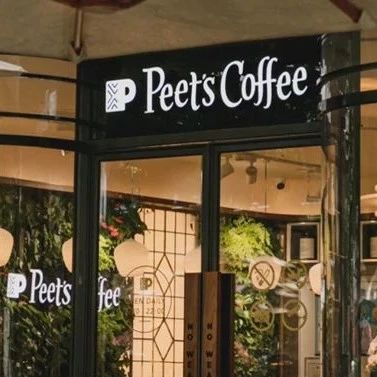
1314亿,「皮爷咖啡」被卖了
36氪· 2025-08-28 09:11
Core Viewpoint - The coffee industry is undergoing significant changes, with major players like Starbucks and Costa considering sales amid competition from low-cost coffee brands. JDE Peet's acquisition of Peet's Coffee is part of a strategic adjustment by JAB Holdings, which aims to strengthen its position in the global coffee market [4][6][21]. Group 1: Market Dynamics - Starbucks China is reportedly for sale, attracting interest from prominent investors such as Carlyle, Hillhouse, and Tencent [4]. - Coca-Cola is evaluating the sale of Costa Coffee, which it acquired for £3.9 billion in 2018, and has begun initial discussions with private equity firms [5]. - Peet's Coffee, known for its premium offerings, has seen a 23.8% increase in adjusted EBIT for 2024, indicating resilience against the low-cost coffee market [7][14]. Group 2: JAB Holdings and Strategic Moves - JAB Holdings, a significant player in the coffee industry, is behind the acquisition of Peet's Coffee, which is part of a broader strategy to consolidate its coffee brands [6][17]. - The acquisition of Peet's Coffee by Keurig Dr Pepper (KDP) for €15.7 billion (approximately ¥1314.2 billion) is expected to enhance KDP's global coffee business [6][21]. - JAB has invested over $60 billion in coffee-related acquisitions since 2012, establishing a comprehensive coffee empire that includes brands like Douwe Egberts and Jacobs [18][21]. Group 3: Competitive Landscape - The rise of low-cost coffee brands like Luckin and M Stand has pressured premium coffee brands, leading to declining same-store sales for Starbucks in China [13]. - Despite the competitive environment, Peet's Coffee has maintained strong sales and is launching a new brand, "Ora Coffee," targeting the mid-range price segment to compete with low-cost offerings [15][22]. - JAB's long-term investment strategy focuses on acquiring industry leaders with brand value and growth potential, which positions it well against competitors like Nestlé [23].

头部上市公司,交出了怎样的中期海外成绩单?
Sou Hu Cai Jing· 2025-08-28 08:31
Core Insights - Companies are increasingly relying on overseas markets for growth, with many reporting significant revenue increases from international operations [2][12][15] - The trend of globalization among Chinese companies is just beginning, with many exploring new markets and expanding their global presence [2][16] Internet Sector - Tencent reported a 15% year-on-year revenue growth to RMB 1,845 billion in Q2 2025, with international game revenue increasing by 35% [3] - Baidu's total revenue reached RMB 327 billion in Q2, with core revenue growing by 35% [9] E-commerce and Logistics - JD's Q2 2025 net revenue was RMB 3,567 billion, a 22.4% increase, but net profit decreased to RMB 62 billion from RMB 126 billion [4] - JD Logistics achieved a net revenue of RMB 515.6 billion in Q2, growing 16.6% [5] - Meituan's Q2 revenue was RMB 918 billion, an 11.7% increase, but adjusted net profit fell by 89% [7] Consumer Brands - Luckin Coffee's Q2 revenue was RMB 123.59 billion, up 47.1%, with a significant increase in store openings [10] - Pop Mart reported a 204.4% revenue growth in H1 2025, reaching RMB 138.763 billion, with strong performance in overseas markets [12] - Miniso's total revenue for H1 2025 was RMB 93.9 billion, a 21.1% increase, driven by growth in both domestic and international markets [13] New Energy and Automotive - CATL's H1 2025 revenue was RMB 1,788.86 billion, with overseas revenue accounting for 34.22% [16] - Geely's total revenue reached RMB 1,503 billion in H1 2025, with a 27% increase, and a significant rise in core profit [19][20] Summary of Overseas Expansion - Companies like JD and Pop Mart are expanding their overseas operations, with JD establishing warehouses in multiple countries and Pop Mart planning to open more stores globally [5][12] - The trend of increasing overseas revenue is evident across various sectors, indicating a shift towards a more globalized business model [2][18]





品牌首店集聚,沈阳“首发经济”迎新潮
Xin Jing Bao· 2025-08-28 05:16
东北首家达美乐比萨开业首日,零售额就冲上全球第一;作为全国首家"体育+"商业综合体,环球港动 感城"首发即顶流",首日客流达10万人次;熊猫财神世界钱币邮票科普展的开幕,催生了"商业+文 化"消费新场景……目前,沈阳市各类品牌首店已逾千家,且引进数量仍在持续增加,为消费者带来了 更新鲜、更多元的消费体验。 今年初,中共中央办公厅、国务院办公厅印发的《提振消费专项行动方案》中提出,因地制宜推进首发 经济,鼓励国内外优质商品和服务品牌开设首店、举办首发首秀首展。沈阳市多重发力,积极吸引首 店、首发活动落地,燃动消费新引擎,首发经济带来的"轰动效应"正在显现。 作为全国首个"体育+"大型商业综合体,沈阳环球港动感城今年5月1日启幕,首日客流就达10万人次。 俯瞰城市景观、和跑友比拼运动里程排行、夜享炫酷追光科技……位于动感城四层楼顶的266米"悬空光 影跑道"率先破圈,成为网红打卡点。 近年来,首发经济已经成为城市推动消费实现新增长点的重要抓手。当前,沈阳正以首发经济为抓手, 构建起文旅体多业态消费场景。沈阳环球港动感城是其中的典型代表。和其他大型购物中心不同,环球 港动感城主打"运动",一层潮购运动、二层竞技运动 ...

1300亿,皮爷咖啡母公司要卖了
3 6 Ke· 2025-08-28 03:26
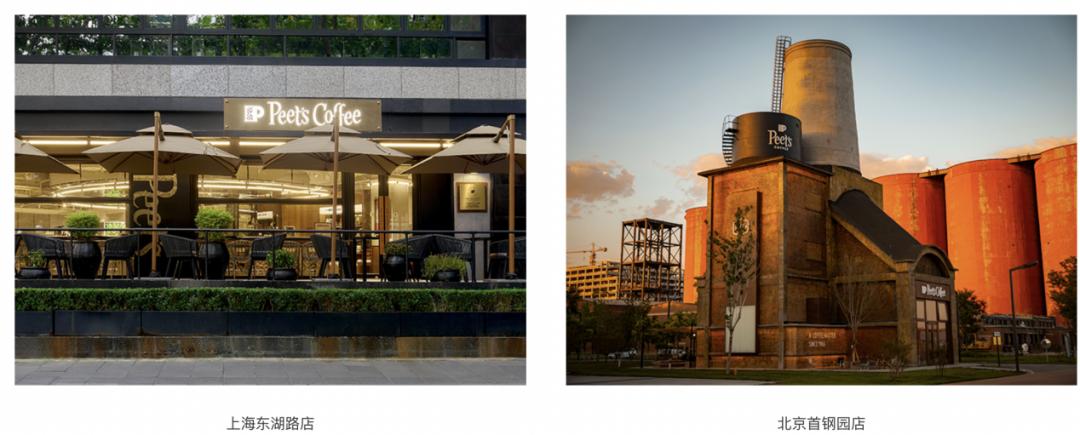
Group 1: Acquisition Overview - Keurig Dr Pepper (KDP) announced a cash acquisition of JDE Peet's for a total equity value of €15.7 billion (approximately ¥130 billion) [1] - KDP is a beverage giant in North America, while JDE Peet's specializes in coffee and tea, known for its Peet's Coffee brand [1] - The acquisition is seen as a strategic move for KDP to enhance its coffee business, which has historically underperformed [10] Group 2: Historical Context of Peet's Coffee - Peet's Coffee was founded in 1966 by Alfred Peet, who initiated a revolution in specialty coffee in the U.S. [2] - Peet's Coffee is often referred to as the "father of Starbucks," as it provided coffee beans to Starbucks' founders [2] - In 2012, JAB Holdings acquired Peet's Coffee for $977 million, leading to its privatization and subsequent global expansion [3] Group 3: Performance in China - Peet's Coffee entered the Chinese market in 2017, establishing a joint venture and currently operates over 270 stores primarily in first-tier and new first-tier cities [4] - JDE Peet's reported a strong organic sales growth of 23.8% in China, contributing to a global sales increase of €8.837 billion (7.9% year-over-year) [7] Group 4: JAB Holdings' Role - JAB Holdings, a significant player in the transaction, increased its stake in JDE Peet's to 68% prior to the acquisition, making it the largest shareholder [9] - JAB's investment strategy focuses on high-growth consumer brands, and it stands to gain over $12.3 billion (approximately ¥88 billion) from this acquisition [9] Group 5: Future Prospects - Post-acquisition, KDP plans to split into two independent publicly traded companies: Beverage Co. and Global Coffee Co., with the latter expected to become the largest pure coffee company globally [10] - KDP's CEO emphasized the acquisition as an opportunity to create a global coffee giant amid a challenging market for coffee brands [11] Group 6: Broader M&A Trends - The acquisition of JDE Peet's is part of a larger trend of significant mergers and acquisitions in the consumer sector, with companies seeking to adjust their strategic positions [12] - The consumer sector is witnessing a resurgence in M&A activity, as companies look to overcome growth challenges through consolidation [14]
“消费刺客”退烧
创业邦· 2025-08-27 15:31
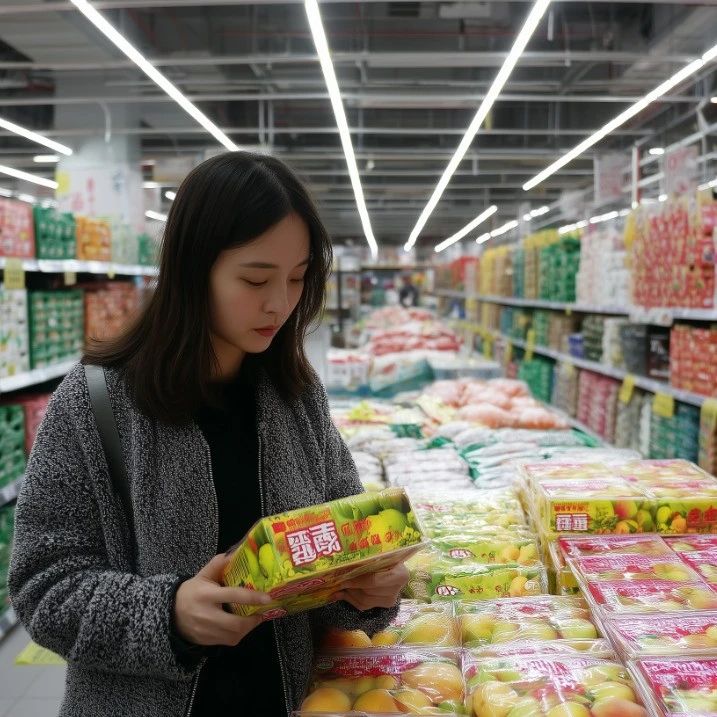
Core Viewpoint - The article discusses the challenges faced by Baiguoyuan, a fruit retail brand, highlighting its struggle with consumer trust and market dynamics as it attempts to maintain high pricing amidst changing consumer expectations and competitive pressures [6][8][12]. Group 1: Baiguoyuan's Performance - On August 15, 2025, Baiguoyuan issued a mid-year earnings warning, projecting a revenue decline of up to 25% year-on-year, with a net loss estimated between 330 million to 380 million yuan. The actual revenue was reported at 4.376 billion yuan, a decrease of 21.8%, with a net loss of 342 million yuan and a 27% drop in store count to 4,386 [8][9]. - The brand's previous model, which relied on high-quality standardized fruit to command a premium price, has faltered due to quality control issues and a disconnect between consumer expectations and actual product quality [8][10][12]. Group 2: Market Dynamics - The article notes a broader trend of high-priced consumer brands facing pressure as the market shifts towards value and cost efficiency. This is evident in the new tea and coffee sectors, where brands like Heytea and Luckin Coffee have adjusted their pricing strategies to remain competitive [14][16]. - The oversupply in the market has led to a significant number of closures, with over 20,000 beverage outlets disappearing in the past year, indicating intense competition and a shift in consumer preferences towards lower-priced options [19][21]. Group 3: Consumer Behavior Changes - Consumer behavior is shifting towards prioritizing value and cost-effectiveness, influenced by economic factors such as declining asset values and rising debt obligations. This has resulted in a higher savings rate and reduced discretionary spending [21][22]. - The article highlights that even affluent cities like Beijing and Shanghai are experiencing slower retail growth compared to national averages, reflecting a broader trend of cautious consumer spending [21][22]. Group 4: Future Outlook for Baiguoyuan - Baiguoyuan is at a crossroads, needing to either establish advantages in scale, efficiency, and cost control or create unique value propositions to survive in a market increasingly divided between cost-driven and experience-driven brands [27][28]. - The brand's current positioning, caught between high convenience and high operational costs, limits its ability to compete effectively in a price-sensitive environment [28].
进口咖啡商城:解码互联网时代的消费新范式
Sou Hu Cai Jing· 2025-08-27 09:22
Group 1: Industry Trends - The coffee industry has evolved from a functional beverage to a symbol of lifestyle, reflecting modern consumers' emphasis on experience and personalization [1] - There is a significant trend towards sustainability in the coffee industry, with consumers increasingly concerned about the origin, roasting methods, and ethical trade standards of coffee [1] - The rise of concepts like fair trade and organic coffee indicates a growing awareness of environmental and social responsibility among consumers [1] Group 2: Consumer Behavior - The underlying logic of consumer decision-making is fundamentally changing, with platforms like Xiaohongshu seeing over 4.5 billion views on "coffee reviews," showcasing the impact of user-generated content on consumer behavior [3] - Short videos demonstrating coffee-making techniques on platforms like Douyin have led to a 300% increase in product sales, highlighting the effectiveness of content-driven marketing [3] - Coffee brands are redefining their marketing strategies in response to the "attention economy," with innovative campaigns that connect emotionally with consumers [3] Group 3: Technological Integration - The coffee industry is entering a digital transformation phase, balancing efficiency and experience through the use of data and technology [3] - Key players are adopting technologies such as IoT for real-time monitoring, AI for predicting consumer preferences, and blockchain for ingredient traceability [3] - The challenge remains to preserve the emotional value of coffee-making rituals amidst the technological advancements [3] Group 4: Business Model Innovation - The import coffee mall project is leveraging the internet for transformation, utilizing offline foundations and online channels for marketing and sales [4] - The project aims to build a marketplace through mini-programs, promote via public accounts, and engage in precise marketing through community interactions [4]
突发!近1300亿元交易震动咖啡圈,皮爷咖啡母公司易主在即?
东京烘焙职业人· 2025-08-27 08:34
Core Viewpoint - The article discusses the impending acquisition of JDE Peet's by Keurig Dr Pepper (KDP) for approximately $18 billion, which may lead to a restructuring of KDP's coffee and soft drink businesses, highlighting the challenges faced by Peet's Coffee in the competitive Chinese market [4][6][20]. Group 1: Acquisition and Market Dynamics - KDP, formed from the merger of Keurig and Dr Pepper in 2018, has seen strong performance in its soft drink segment but struggles in its coffee business, which is expected to remain "sluggish" until fiscal year 2025 [5][8]. - JDE Peet's, a leading European coffee brand with a market value of about $15 billion, is primarily owned by JAB, which is also a significant shareholder in KDP [5][6]. - The acquisition is part of JAB's strategy to separate coffee and soft drink operations, aiming to unlock the value of the soft drink business amid rising competition and inflation [8][20]. Group 2: Peet's Coffee in China - Peet's Coffee, known as the "father of Starbucks," entered the Chinese market in 2017 and has expanded to approximately 260 stores, but its brand recognition remains limited compared to Starbucks and Luckin Coffee [9][10]. - The growth of Peet's Coffee has slowed significantly, with new store openings dropping from 98 in 2023 to 51 in 2024, alongside a wave of store closures in key markets [12][13]. - The high operational costs and increasing price sensitivity among consumers have made it challenging for Peet's to maintain profitability, as evidenced by the closure of flagship stores due to poor performance [15][19]. Group 3: Strategic Adjustments - In response to market pressures, Peet's Coffee has launched a sub-brand, Ora Coffee, aimed at offering more affordable options with prices ranging from 15 to 25 yuan, in an effort to attract a broader customer base [19][20]. - The dual-brand strategy seeks to balance high-end offerings with more accessible pricing, similar to strategies employed by fast fashion brands [20]. - The potential acquisition by KDP could provide Peet's with access to global resources and capital, which may enhance its competitive position in the Chinese market [23][24].