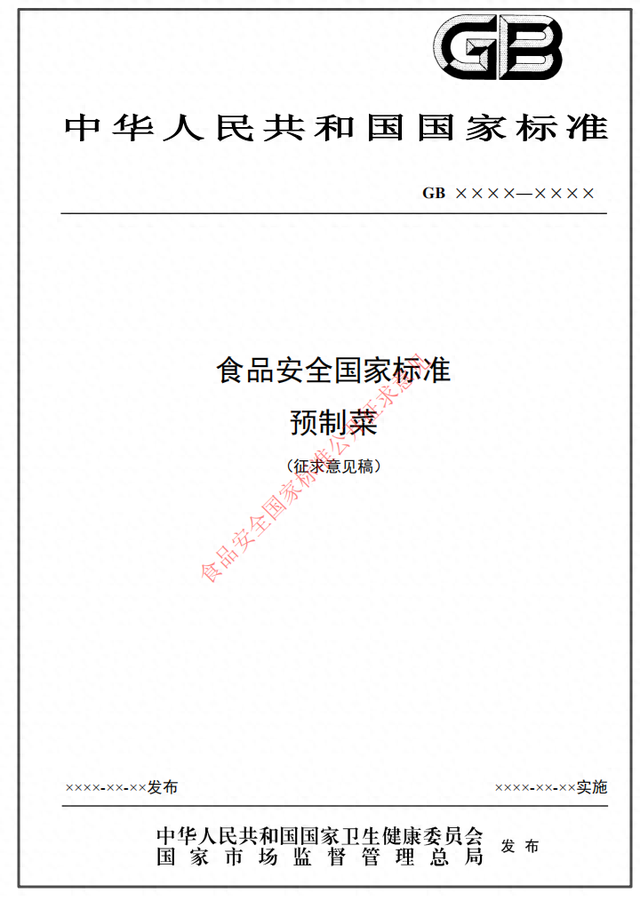
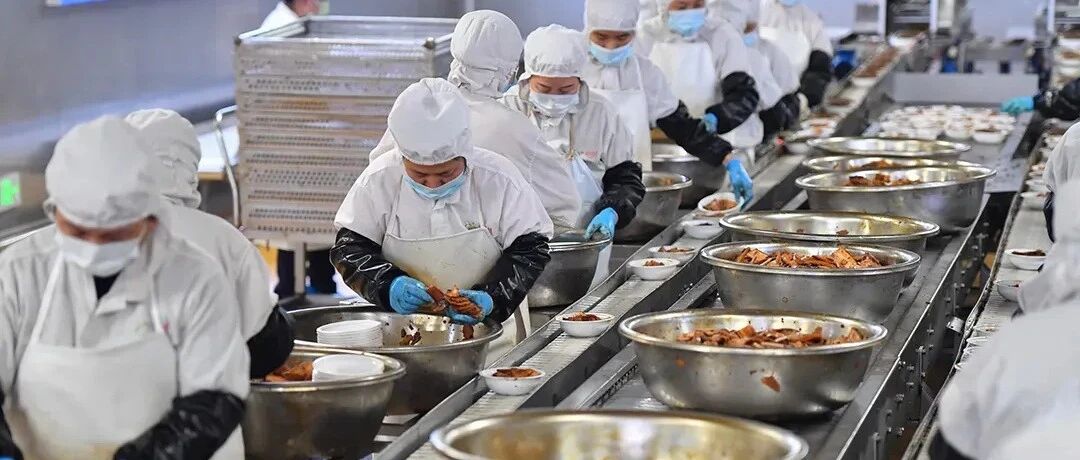
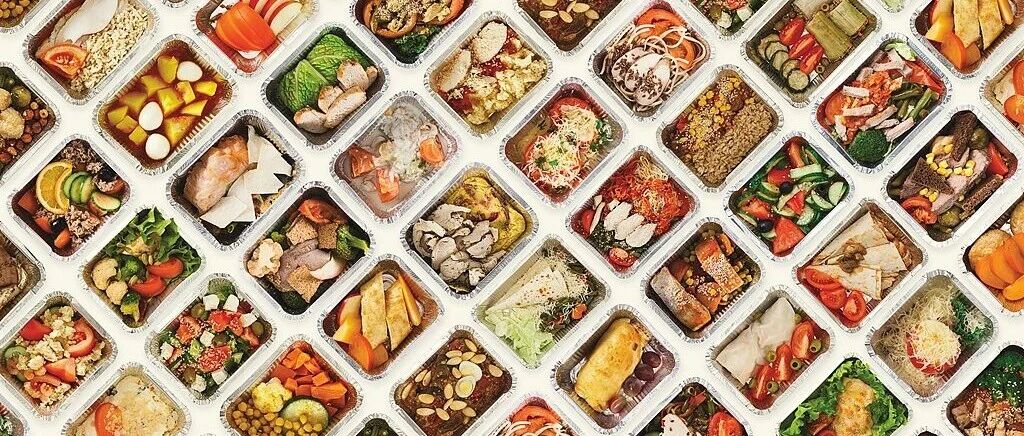
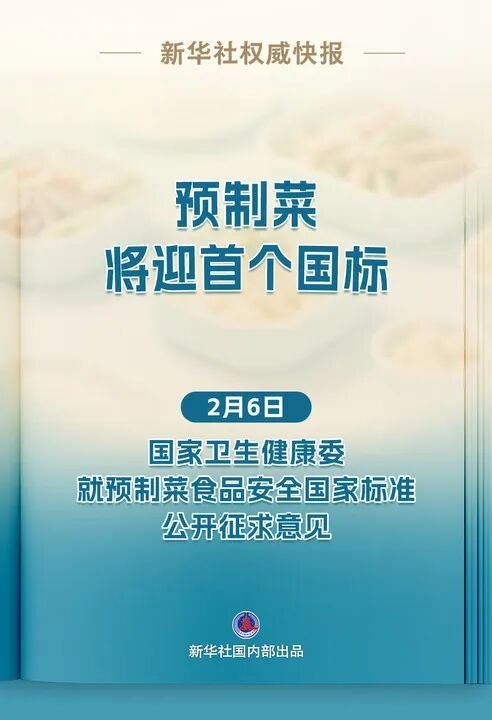
预制菜
Search documents
预制菜市场的的危与机-未来趋势
Sou Hu Cai Jing· 2025-10-20 08:59
Core Insights - The pre-made food industry must address its trust crisis and technological bottlenecks to transition from quantity explosion to quality evolution [1] - The number of sustainable and profitable companies in the pre-made food sector is expected to decrease significantly from over 68,000 to potentially under 5,000 in the next five years, with only about 1,500 companies likely to have substantial market influence [3] Market Dynamics - **Core Product Sales Landscape** - "Sour Fish" has maintained the top position in sales for four consecutive years, with a market share of 50%, driven by its authentic flavor and competitive pricing [5] - "Buddha Jumps Over the Wall" is emerging as a growth engine in the high-end market, with sales surging by 216% during the Spring Festival [6] - Various meat-based pre-made dishes are gaining traction, with "Braised Pork with Preserved Vegetables" leading in family consumption [7] - **Health-Conscious Trends** - High-protein, low-fat products are seeing a sales increase of 217% in the first half of 2025, appealing to fitness enthusiasts and office workers [8] - Air fryer-specific pre-made dishes are gaining popularity, accounting for 27% of sales in 2025 [8] Consumer Behavior - **Demand Upgrades** - Convenience is a major driver, with 43% of sales coming from the 22-31 age group, and 44.4% purchasing pre-made meals 2-3 times a week [10] - 62% of consumers are concerned about additives and preservation technologies, leading to a 35% growth in low-fat and low-sugar products [10] Supply Chain and Technology - **Logistics and Production Advances** - The national cold storage capacity exceeds 200 million cubic meters, with cold chain transportation rates improving to 45% [11] - Standardized production through central kitchens has reduced costs by 20% compared to traditional dining [11] Policy and Investment - **Regulatory and Financial Support** - The implementation of national food safety standards in 2025 will enforce cold chain transportation and no preservatives, accelerating the exit of smaller brands [12] - Over 10 billion yuan has been invested in the pre-made food sector in 2024, with leading companies expanding capacity through IPOs [12] Regional Market Characteristics - **East Coast: High-End and Diverse** - Guangdong focuses on high-end products like "Buddha Jumps Over the Wall," while Zhejiang emphasizes convenient options like "Sour Fish" [13] - Online sales account for over 50% of the market, with platforms enhancing repurchase rates through quick delivery [14] - **Midwest: Value and Local Flavor** - Regions like Sichuan and Chongqing prefer spicy dishes, with community group buying increasing order volumes by 230% in 2025 [16] - **Northern Market: Large Portions and Bold Flavors** - Northeastern consumers favor hearty dishes, with winter hot pot demand significantly boosting sales [18] Competitive Landscape - **E-commerce Strategies** - Platforms like Pinduoduo focus on value, while JD.com is leaning towards premium products, with sales of high-end pre-made dishes increasing by 250% during the Spring Festival [19][20] - **Offline Channels: Experience and Engagement** - Supermarkets are enhancing conversion rates through tasting events, while convenience stores are bundling fresh food with pre-made options [22] - **B2B Market: Chain Restaurants Lead Procurement** - Chain restaurants have an 80% penetration rate for pre-made dishes, significantly reducing labor costs [23] Future Trends and Challenges - **Growth Opportunities** - The health-focused pre-made food market is projected to exceed 250 billion yuan by 2030, with local specialties gaining traction in international markets [26] - The industry faces challenges from homogenized competition and consumer trust issues, with 32% of consumers doubting the nutritional value of pre-made meals [27][28]
实探预制菜生产厂 你点的拼好饭为什么越来越难吃?
Feng Huang Wang· 2025-10-20 02:03
Core Insights - The emergence of 5 yuan pre-packaged meals has significantly altered the ecosystem of takeout and small dining, driven by delivery platform algorithms that pressure cooking speed and merchant profits, alongside pre-packaged food manufacturers targeting low-income groups with precise distribution strategies [1][2] - The production environment, equipment, and cooking standards of pre-packaged meal manufacturers vary widely, with complex subcontracting relationships among factories. Some manufacturers use pasteurization or frozen sterilization, which experts believe will phase out products containing preservatives [1][2] Group 1: Industry Dynamics - Many inexperienced entrepreneurs are entering the pre-packaged meal market, becoming the first victims of exploitation under the guise of profitability [3] - There is a tacit understanding in the industry to not inform customers about the use of pre-packaged meals, with both platforms and regulators largely absent. Some manufacturers are preparing to launch low-cost pre-packaged meal sets made from near-expiry ingredients [4][5] - Experts suggest that there is no need to fear pre-packaged meals and additives, but consumer experiences regarding taste and texture are misaligned with industry trends [5][6] Group 2: Production Insights - A visit to various pre-packaged meal production facilities reveals a mix of cleanliness and operational standards, with some factories maintaining acceptable hygiene while others show signs of disorganization [6][8] - The production process often involves simple mechanical mixing of raw materials and seasonings, requiring minimal cooking skills [9][10] - The market for pre-packaged meals has penetrated deeply into the food service industry, with low prices (averaging around 5 yuan) driving demand despite quality concerns [12][14] Group 3: Business Models and Challenges - Pre-packaged meal manufacturers are adopting distribution models through various means such as ground promotion, agency, and franchising, rapidly expanding their presence [13][14] - The cost structure for entrepreneurs entering the pre-packaged meal market is critical, with many relying on low-cost ingredients to maintain profitability amidst high platform fees [16][18] - Despite the low entry costs, many new entrants find it challenging to sustain profitability due to competitive pricing and market saturation [18][19] Group 4: Consumer Perception and Transparency - Following recent controversies, there is a growing trend towards transparency in the use of pre-packaged meals, with some companies beginning to disclose their production sources and ingredient information [20][21] - There exists a consensus among producers to keep the use of pre-packaged meals hidden from consumers, as many believe that public perception is biased against them [21][22] - The shift towards direct consumer sales of pre-packaged meals is emerging, with individuals seeking clearer sourcing and transparency [22][24] Group 5: Quality and Safety Concerns - The quality and taste of pre-packaged meals vary significantly, with many products exhibiting a strong industrial flavor and lacking the freshness expected by consumers [24][25] - Some pre-packaged meals contain complex additives, raising concerns about food safety and consumer acceptance [26][27] - Experts emphasize the importance of distinguishing between different types of pre-packaged meals, advocating for clear labeling to avoid consumer confusion [27][28]
实探预制菜生产厂,你点的外卖为什么越来越难吃?
虎嗅APP· 2025-10-20 00:09
Core Insights - The article discusses the rise of low-cost pre-packaged meal kits, highlighting the impact of delivery platforms and the changing dynamics of the food industry, where inexperienced entrepreneurs are turning to pre-packaged meals as a viable business model [5][30][41] Group 1: Industry Dynamics - The pre-packaged meal industry is not merely an upgrade of traditional dining but is influenced by delivery platform algorithms that pressure merchants on speed and profit margins [5][7] - The article emphasizes the growing acceptance of low-cost pre-packaged meals among consumers, with average prices around 5 yuan per meal [30][41] - The industry is characterized by a complex network of small and large manufacturers, with many products being produced in less-than-ideal conditions, leading to varying quality and taste [25][72] Group 2: Business Models and Opportunities - Many entrepreneurs are entering the pre-packaged meal market with minimal investment, often using social media for marketing and sales, and some even operate from home [37][42] - The article outlines a distribution model where pre-packaged meals are sold directly to various establishments, including schools and restaurants, with minimal regulatory barriers for new entrants [41][42] - The potential for profit is highlighted, with claims of significant earnings from low-cost meal kits, although actual profitability may vary due to market competition and operational costs [45][51] Group 3: Consumer Perception and Quality Concerns - There is a growing consumer awareness and concern regarding the quality of pre-packaged meals, with many products containing additives and lacking freshness [67][72] - Despite the criticisms, consumers continue to purchase pre-packaged meals due to their convenience and low cost, indicating a shift in consumer behavior towards accepting these products [54][74] - The article suggests a trend towards transparency in the industry, with some companies beginning to disclose their use of pre-packaged ingredients in response to consumer demand for quality assurance [53][72]
实探预制菜生产厂,你点的拼好饭为什么越来越难吃?
Hu Xiu· 2025-10-19 14:00
Core Insights - The rise of low-cost pre-packaged meal kits, priced around 5 yuan, is transforming the food delivery landscape, allowing individuals with minimal investment to start their own delivery businesses [3][36][49] - The pre-packaged meal industry is characterized by a complex network of production, distribution, and marketing strategies, often targeting low-income and unemployed individuals seeking stable income opportunities [3][38][60] - The quality and taste of these pre-packaged meals vary significantly, with many consumers expressing dissatisfaction with the flavor and texture, leading to a growing concern over food safety and ingredient transparency [73][85][86] Industry Dynamics - The pre-packaged meal market is increasingly infiltrating the food delivery sector, with a notable shift towards low-cost options that appeal to budget-conscious consumers [33][36] - Many small entrepreneurs are entering the market, often without prior culinary experience, driven by the promise of low startup costs and high potential returns [51][52][60] - The production environment for pre-packaged meals varies widely, with some facilities maintaining high standards while others operate in less sanitary conditions, raising concerns about food safety [12][31][73] Consumer Behavior - Consumers are becoming accustomed to the presence of low-cost pre-packaged meals, often prioritizing price over quality, despite ongoing discussions about the implications of such choices [4][5][36] - There is a growing trend of consumers seeking transparency regarding the ingredients and production methods of pre-packaged meals, reflecting a shift in consumer expectations towards food quality [60][86] - The marketing strategies employed by pre-packaged meal companies often leverage social media and influencer partnerships to promote their products, creating a perception of value despite potential quality issues [34][39][43] Production and Quality - The production of pre-packaged meals involves a mix of manual and automated processes, with varying levels of quality control and ingredient sourcing [18][26][31] - Many pre-packaged meals contain additives and preservatives, leading to concerns about health implications, although some experts argue that regulated use of these substances is safe [80][84][86] - The overall quality of pre-packaged meals is often perceived as inferior compared to freshly prepared dishes, with many consumers noting a distinct "industrial" taste [73][78][86] Market Trends - The pre-packaged meal industry is evolving towards a more decentralized model, with many small-scale producers and distributors emerging to meet local demand [30][64] - There is a notable increase in direct-to-consumer sales, as individuals seek to bypass traditional food delivery platforms for greater control over their food sources [62][64] - The competitive landscape is marked by aggressive pricing strategies and promotional tactics, as companies vie for market share in a rapidly growing sector [36][39][51]
实探预制菜生产厂,你点的拼好饭为什么越来越难吃?
凤凰网财经· 2025-10-19 12:48
Core Insights - The emergence of 5 yuan pre-made meal kits has significantly altered the ecosystem of takeout and small dining, driven by the pressure from delivery platform algorithms on cooking speed and merchant profits, as well as the distribution strategies of pre-made meal manufacturers targeting low-income groups [1][8] - The production environment, equipment, and cooking standards of pre-made meal manufacturers vary widely, with complex subcontracting relationships among factories. Some manufacturers use pasteurization or frozen sterilization, which experts believe will phase out products containing preservatives [1][28] Group 1 - Many inexperienced entrepreneurs have entered the pre-made meal market, becoming the first victims of this trend [2] - There is a tacit understanding in the industry to not disclose the use of pre-made meals to customers, with both platforms and regulators largely absent. Some manufacturers are preparing to launch low-cost pre-made meal packages made from recovered near-expiry ingredients [3][4] - Experts suggest that there is no need to fear pre-made meals and additives, but consumer experiences with taste and texture are misaligned with industry development trends [4][5] Group 2 - The production of a pre-made meal kit involves various processes, with some factories maintaining acceptable hygiene standards despite appearing disorganized [10][16][22] - The overall quality and taste of pre-made meals vary significantly, with many products exhibiting a strong "industrial taste" [57][64] - The market for pre-made meals has penetrated deeply into the food service industry, with many low-cost options available, averaging around 5 yuan [34][36] Group 3 - The pre-made meal industry has developed a distribution model that includes direct sales to various food service establishments, including quick-service restaurants and schools [42][44] - Many entrepreneurs are drawn to the pre-made meal business due to the low initial investment and the promise of high returns, despite the reality of market challenges [39][47] - The lack of transparency regarding the use of pre-made meals has created a mutual understanding between sellers and buyers, with many consumers unaware of the products' origins [50][51] Group 4 - The rise of pre-made meals is largely driven by cost considerations, with many operators finding it unfeasible to hire chefs for takeout [46][48] - Despite the low cost of pre-made meals, profitability is not guaranteed, as many operators struggle to maintain sales amid fierce competition and price wars [47][49] - The trend of using pre-made meals is expected to continue, with a growing number of consumers opting for direct purchases to ensure transparency [52][53] Group 5 - The pre-made meal market is evolving, with some manufacturers exploring new customer acquisition models, such as community shared kitchens [53][56] - The industry is witnessing a shift towards more sustainable practices, including the recovery and reuse of near-expiry ingredients [56] - The overall perception of pre-made meals is changing, with consumers increasingly seeking quality and transparency in their food choices [67]
2025年第41周:食品饮料行业周度市场观察
艾瑞咨询· 2025-10-18 00:05
Group 1: Market Trends - The trend of "light health" among young consumers reflects a shift towards flexible and fragmented health integration into daily life, with a focus on self-made health drinks and portable wellness products [2] - The pre-prepared food market in Japan emphasizes strict control over additives and a well-defined regulatory framework, which serves as a model for China to build consumer trust [3] - The mooncake market is experiencing a "healthification" trend, with low-sugar and medicinal mooncakes gaining popularity among young consumers, indicating a growing interest in traditional Chinese medicine [4] Group 2: Industry Insights - Japan's pre-prepared food industry has evolved since the 1960s, with a focus on convenience and safety, highlighting the need for clear definitions and regulations in China's pre-prepared food market [5] - The bottled water market is shifting from a "price war" to a "value war," with companies like Nongfu Spring and China Resources Beverage adapting their strategies to maintain competitiveness [6] - The bagged beverage market is rapidly growing, with various brands competing through innovative products and extensive channel distribution, indicating a significant potential for future development [7] Group 3: Company Developments - San Yuan is focusing on low-temperature fresh milk and has optimized its product structure to enhance high-end product offerings, despite a decline in revenue [12] - TATA's collaboration with the popular IP "Butter Bear" has resulted in significant online sales growth and increased brand engagement among younger consumers [14] - The success of traditional sweet soups in Lanzhou demonstrates how traditional products can resonate with modern health trends, attracting a diverse consumer base [15] Group 4: Consumer Behavior - The rise of health-conscious products, such as those targeting the elderly, indicates a growing market for affordable and health-oriented beverages [16] - The popularity of blind box products, like the "Starry People" series from Pop Mart, showcases the demand for collectible items and the potential for high resale value [17] - The convenience of KFC's "drive-thru" service in Suzhou aligns with local consumer preferences, enhancing the dining experience for car owners [18] Group 5: Future Outlook - The instant noodle industry is facing challenges from rising costs and competition, prompting brands to innovate and adapt to changing consumer preferences [10] - The protein beverage market in China is projected to grow significantly, with a focus on health and nutrition, indicating a shift towards high-quality, functional products [8] - The emergence of Chinese herbal health drinks is expected to create a billion-dollar market, driven by the demand for natural and health-oriented beverages [22][24]
云浮经济寻新路:掘金RCEP,瞄准广交会外溢
2 1 Shi Ji Jing Ji Bao Dao· 2025-10-13 07:24
Core Viewpoint - Guangdong city of Yunfu is leveraging cooperation with RCEP as a breakthrough for accelerated development, highlighted by the upcoming RCEP Industry Cooperation Conference and related exhibitions [1][2]. Group 1: RCEP Cooperation and Economic Impact - The RCEP is the largest and most promising free trade agreement globally, providing significant opportunities for deepening industrial collaboration and expanding foreign trade [2]. - By 2024, trade with RCEP member countries is expected to account for 27.1% of Yunfu's total import and export volume, with RCEP countries being the city's largest trading partners for three consecutive years [2]. - In the first eight months of 2025, Yunfu's cross-border e-commerce trade grew by 197%, leading the province, with a 17% increase in operating entities compared to 2023 [2]. Group 2: Industry Focus and Events - The RCEP Industry Cooperation Conference will promote three major trillion-yuan industrial clusters: modern agriculture, green building materials, and metal intelligence, with the addition of precious metals as a focus area [2][3]. - The conference will feature participation from ASEAN ministers, embassy officials, and representatives from overseas business associations, with a 70% increase in foreign attendees compared to last year [2]. Group 3: Bilateral Cooperation and Trade Parks - Yunfu will establish a bilateral economic and trade cooperation park with Malaysia, including six themed RCEP parks to facilitate international cooperation and cross-border trade [3][4]. - Trade with Malaysia has shown a robust growth of 70% in the first eight months of 2025, indicating significant potential for collaboration [3]. Group 4: Agricultural Development and Exhibitions - The Yunfu International Stone Technology Exhibition, part of the RCEP conference, aims to connect with international markets and promote local stone industry products [5]. - The modern agriculture (food) exhibition will showcase Yunfu's agricultural products and enhance brand recognition while facilitating resource connections with RCEP member countries [6].
产业经济周报:A股节后先扬后抑,预制菜方兴正艾、AI景气延续-20251013
Tebon Securities· 2025-10-13 06:38
Market Review - The A-share market experienced fluctuations, initially rising and then significantly declining, with the Shanghai Composite Index breaking through the 3900-point mark before a sharp correction [6][7] - The average daily trading volume for the week was 2.60 trillion yuan, up from 2.19 trillion yuan the previous week [6] Hard Technology - High Bandwidth Memory (HBM) has become a core growth driver for storage manufacturers, with significant investments from original manufacturers [17] - HBM offers advantages over traditional GDDR memory, including higher bandwidth, lower power consumption, and smaller size, making it suitable for AI applications [18][20] - Micron reported Q3 2025 revenue of $11.32 billion, a 46% year-on-year increase, with HBM revenue reaching $2 billion [25][26] Advanced Manufacturing - The rare earth industry chain includes mining, smelting, material preparation, terminal applications, and recycling, with China holding a significant advantage in the smelting and separation stages [27][30] - China's rare earth production capacity has increased significantly, with the country becoming the largest producer of rare earth oxides and metals globally [33][34] - The strategic importance of rare earths is growing, particularly in high-tech applications such as electric vehicles and renewable energy [36] Consumer Insights - The pre-prepared food market in China is projected to reach 546.6 billion yuan in 2024, with expectations to exceed 1.072 trillion yuan by 2026 [37] - The penetration rate of pre-prepared foods in China is only 10%-15%, compared to over 60% in mature markets like the US and Japan, indicating significant growth potential [37] - Consumer acceptance of pre-prepared foods varies by context, with over 50% acceptance in fast-food chains but only 8.8% in high-end restaurants, highlighting concerns over food safety and consumer rights [39]
十分钟再谈预制菜出海:从肯德基、麦当劳,到中华美食的世界叙事
2 1 Shi Ji Jing Ji Bao Dao· 2025-10-12 02:50
Core Insights - The article discusses the global expansion of Chinese prepared dishes, likening it to the successful global presence of fast-food chains like McDonald's and KFC, emphasizing the importance of standardization and consumer expectations in this process [1][4][10]. Industry Overview - The Chinese prepared food industry has over 30 years of development, gaining momentum in recent years due to changing consumer demographics and preferences, particularly among younger and older populations [9]. - Companies like Hengxing Group and Guolian Foods are successfully exporting Chinese prepared dishes to markets in Europe, the Middle East, Australia, and New Zealand, showcasing the potential for Chinese cuisine on a global scale [9][10]. Consumer Behavior - The success of fast-food chains in China has shifted consumer expectations towards industrialized food services, where consistency and predictability are prioritized over traditional cooking methods [3][4]. - Consumers expect quick, clean, and nutritious meals from fast-food outlets, which contrasts with their expectations of freshly cooked meals in traditional Chinese restaurants [5][8]. Key Strategies for Global Expansion - The article identifies four key strategies for the global success of Chinese prepared dishes: localization, standardization, supply chain integration, and storytelling [11][12][13][14]. - Localization involves adapting dishes to suit local tastes, while standardization ensures consistent quality across different regions [12][13]. - Establishing local supply chains not only reduces costs but also facilitates cultural integration [14]. - Storytelling enhances the emotional connection consumers have with the food, making it more relatable and memorable [15]. Future Outlook - The article envisions a future where Chinese prepared dishes coexist with fast-food giants, contributing to a diverse global food ecosystem [16]. - It highlights the potential for shared factory models and efficient supply chains to facilitate the internationalization of Chinese cuisine [15][16]. - The cultural significance of food as a medium for soft power is emphasized, suggesting that Chinese prepared dishes can transcend borders and foster cultural understanding [17][18].
南农晨读 | 土司贡礼 香飘湾区
Nan Fang Nong Cun Bao· 2025-10-11 03:36
Group 1 - The Ministry of Civil Affairs reported that the average standard of urban and rural subsistence allowances has increased by 19.6% and 21.3% respectively compared to 2020 during the "14th Five-Year Plan" period [3][4] - The number of individuals receiving regular subsistence allowances is 39.4 million, with 4.82 million being extremely poor, ensuring that large-scale poverty does not occur and improving the living conditions of those in difficulty [5][6] Group 2 - The "2024 Agricultural Brand Boutique Cultivation Plan" has been announced, with the West Niu Ma Bamboo Shoots from Qingyuan, Guangdong, being selected for the 2025 cultivation plan [20][21] - The plan focuses on cultivating 23 regional public brands based on factors such as industry scale, brand foundation, market consumption, and domestic and international influence [22][25] - The cultivated agricultural brands are required to have significant development advantages, strong competitiveness, outstanding development potential, and considerable influence [26]