
虾饺

Search documents
四川老爸偏爱广式腊肠 | 家乡的广货
Nan Fang Nong Cun Bao· 2026-02-19 00:33
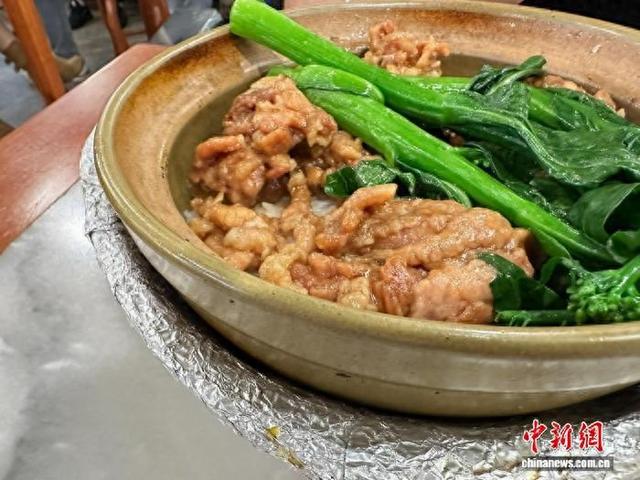
Core Viewpoint - The article highlights the unexpected culinary preferences of a Sichuan native who has developed a fondness for Cantonese-style sausages, illustrating the blending of regional flavors and cultural acceptance in food [4][21][26]. Group 1: Personal Experience - The Sichuan father, despite his love for spicy food, has embraced Cantonese sausages, showcasing a significant shift in his culinary preferences [4][8]. - After moving to Guangzhou three years ago to care for his grandson, the father adapted well to the local cuisine, enjoying various dishes including shrimp dumplings and steamed vegetables [11][13][15]. - He has taken to preparing Cantonese sausages in a traditional manner, enhancing the flavor of rice dishes with the sausage's oil [16][18]. Group 2: Cultural Reflection - The father serves as an ambassador for Cantonese products, sending sausages back to relatives in Sichuan and sharing cooking tips, which reflects a cultural exchange [21][24]. - The article emphasizes that good food transcends regional boundaries, as the father finds joy in both Sichuan and Cantonese cuisines, demonstrating a broader acceptance of diverse culinary traditions [20][25]. - The presence of Cantonese sausages on the family dining table during festive occasions symbolizes a blend of nostalgia and new experiences, as the father integrates his past with his current life in Guangzhou [31][33].


体验“成为中国人”?老广:先从叹茶开始|广货行天下
Nan Fang Nong Cun Bao· 2026-01-27 20:33
Core Viewpoint - The article explores the concept of "Becoming Chinese" through the lens of daily life in Guangdong, emphasizing the cultural significance of tea and its integration into various aspects of life [2][3][38]. Group 1: Tea Culture in Guangdong - Tea in Guangdong is not merely a beverage but a vital part of daily rituals, reflecting a lifestyle that values leisure and enjoyment [4][10]. - The experience of drinking tea, such as "一盅两件," is characterized by a relaxed atmosphere, where various types of tea and dim sum are enjoyed together [8][12]. Group 2: Culinary Pairings and Health Benefits - After a hearty meal, tea is consumed to aid digestion, with options like Phoenix Dan Cong and aged Pu-erh being highlighted for their rich flavors and health benefits [16][19]. - Traditional snacks like green bean cakes and fermented bean curd biscuits complement the tea, enhancing the overall tasting experience [17][20]. Group 3: Modern Tea Trends - The afternoon tea culture in Guangdong has evolved, with younger generations embracing new tea drinks, showcasing innovation and creativity in the beverage industry [22][24]. - The fusion of Eastern and Western tea traditions is evident in experiences like "British afternoon tea," which incorporates local delicacies and porcelain, reflecting Guangdong's historical trade connections [26][34]. Group 4: Cultural Significance - The article emphasizes that tea culture in Guangdong transcends regional boundaries, serving as a cultural bridge between local and global communities [36][38].
500+食企现场“掘金”!广东国际(南海)康养食品产业园正式开业
Nan Fang Nong Cun Bao· 2025-12-26 00:31
Core Viewpoint - The Guangdong International (Nanhai) Health Food Industrial Park has officially opened, marking a significant milestone in the development of the health food industry in Nanhai District, which aims to enhance modern agricultural industry clusters and promote new productive forces [2][3][4]. Group 1: Industry Development - The health food industry in Nanhai has achieved a comprehensive output value exceeding 800 billion yuan, with the prepared food sector alone surpassing 300 billion yuan [14]. - Nanhai has been recognized as one of the top 100 national bases for the prepared food industry, with leading products such as black fish slices and garlic-flavored bones ranking first in national sales [15]. - The region's transportation advantages allow for a one-hour traffic radius covering major metropolitan areas, facilitating market access across the country and Southeast Asia [16]. Group 2: Infrastructure and Support - The park has initiated the construction of a public brand and standard system, signing contracts for 20 key projects that collectively exceed 5 billion yuan, which will inject strong momentum into the health food industry [58][60]. - A comprehensive lifecycle service system has been established, including over 6,600 acres of land for industrial use, promoting a win-win model between village collectives and enterprises [19][20]. - The park will focus on the research and production of health foods, functional foods, and traditional Chinese medicine dietary products, aiming to become a national leader in the health food industry [24]. Group 3: Innovation and Technology - The establishment of a technology innovation platform will focus on key technologies such as ultra-high pressure preservation and freeze-drying, enhancing the transformation of research results into practical applications [38]. - The launch of a public brand IP for the prepared food industry aims to unify branding and enhance market competitiveness, transitioning from single product advantages to a cluster of brand advantages [31][32]. Group 4: Collaboration and Investment - The event featured a strong emphasis on investment attraction and project cooperation, with agreements signed across various sectors, including international trade and research transformation [58][63]. - Financial institutions have committed to providing customized agricultural financial products to address the financing challenges faced by enterprises in the health food sector [66]. - Partnerships with educational institutions have been established to create training and employment bases, fostering a skilled workforce for the industry [68].
国联水产20251201
2025-12-01 16:03
Summary of Guolian Aquatic Products Conference Call Company Overview - Guolian Aquatic Products was established in 2001 and listed on the Singapore Exchange in 2010, with over 20 years of development history [3][5] - The company primarily engages in the processing of aquatic products and the production of prepared dishes, with core products including bullfrogs, South American white shrimp, crayfish, tilapia, black fish, and golden pomfret [3][4] Strategic Transformation - Since 2018, the company has undergone a strategic transformation, shifting from reliance on the U.S. market to deepening development in domestic and other international markets [2][5] - The product structure has transitioned from primary processing to deep processing and prepared dishes [5] - The company has gradually exited upstream industries since 2019, focusing resources on core business areas [2][5] Financial Performance - The company has been in a state of continuous losses since 2019, with significant losses in recent years due to market structure adjustments and challenges in domestic market development [6] - Despite the losses, the export business has performed well, with revenue of approximately 2.6 billion yuan in the first nine months of 2025, showing a year-on-year decline due to optimization of less profitable businesses [2][6] - Production capacity at the Guolian, Guomen, and Yiyang factories is gradually increasing, with high order volumes for key products like breaded shrimp [2][6] Future Development Plans - In 2026, the company will focus on enhancing profitability, increasing the sales proportion of prepared dishes, and strengthening international trade channels, particularly in Europe and Africa [2][7] - The company aims to optimize domestic distribution channels and enhance brand value, emphasizing quality over quantity in supermarket channels [7][8] E-commerce Strategy - E-commerce is a crucial avenue for improving product profitability, with annual sales estimated at 200-300 million yuan [9] - The company has strong brand recognition on platforms like JD.com and Pinduoduo, and plans to leverage e-commerce for brand loyalty and consumer interaction [9] Project Termination - The company terminated the Yiyang deep processing expansion project due to decreased market acceptance of prepared dishes post-pandemic and a sluggish crayfish market [4][10] - Instead of heavy asset investment, the company opted for technological upgrades to launch new products like bullfrogs and white shrimp [10] Market Outlook - The company is optimistic about the future of the restaurant industry and consumer market, anticipating improved market activity as policies relax [11] - The price of tilapia is currently below the breeding cost line but is expected to recover with increased consumer demand [11]

(粤港澳全运会)“舌尖”上的全运会:美食为媒联三地
Zhong Guo Xin Wen Wang· 2025-11-20 11:47
Core Viewpoint - The 15th National Games is leveraging food as a medium to promote the integration and development of the Guangdong-Hong Kong-Macao Greater Bay Area, showcasing the unique culinary culture of the region [1][3]. Group 1: Culinary Integration - The special menu titled "Food in Guangzhou: Welcoming the 15th National Games" features 15 dishes divided into four chapters, emphasizing the themes of collaboration and competition among Guangdong, Hong Kong, and Macao [3]. - The menu reflects the rich culinary traditions of Guangzhou while embodying the spirit of perseverance associated with the National Games, highlighting the cultural and economic cooperation in the region [3][4]. Group 2: Economic Impact - The National Games has significantly boosted the local food and beverage sector, with restaurant consumption in Guangzhou increasing by 145% in the first week of the event, and the growth in Cantonese cuisine reaching 159% [5]. - The event has attracted a surge of visitors from Hong Kong and Macao, contributing to increased foot traffic in local cafes and restaurants near the competition venues [5]. Group 3: Cross-Border Connectivity - Policies facilitating cross-border travel have made it easier for people to explore culinary offerings across the Greater Bay Area, enhancing the experience of the National Games [4]. - The "One Hour Living Circle" concept allows residents to easily travel between cities for meals, promoting a culture of culinary exploration within the region [4].
去粤港澳这篇就够了!最新指南→
Yang Shi Xin Wen· 2025-11-19 13:06
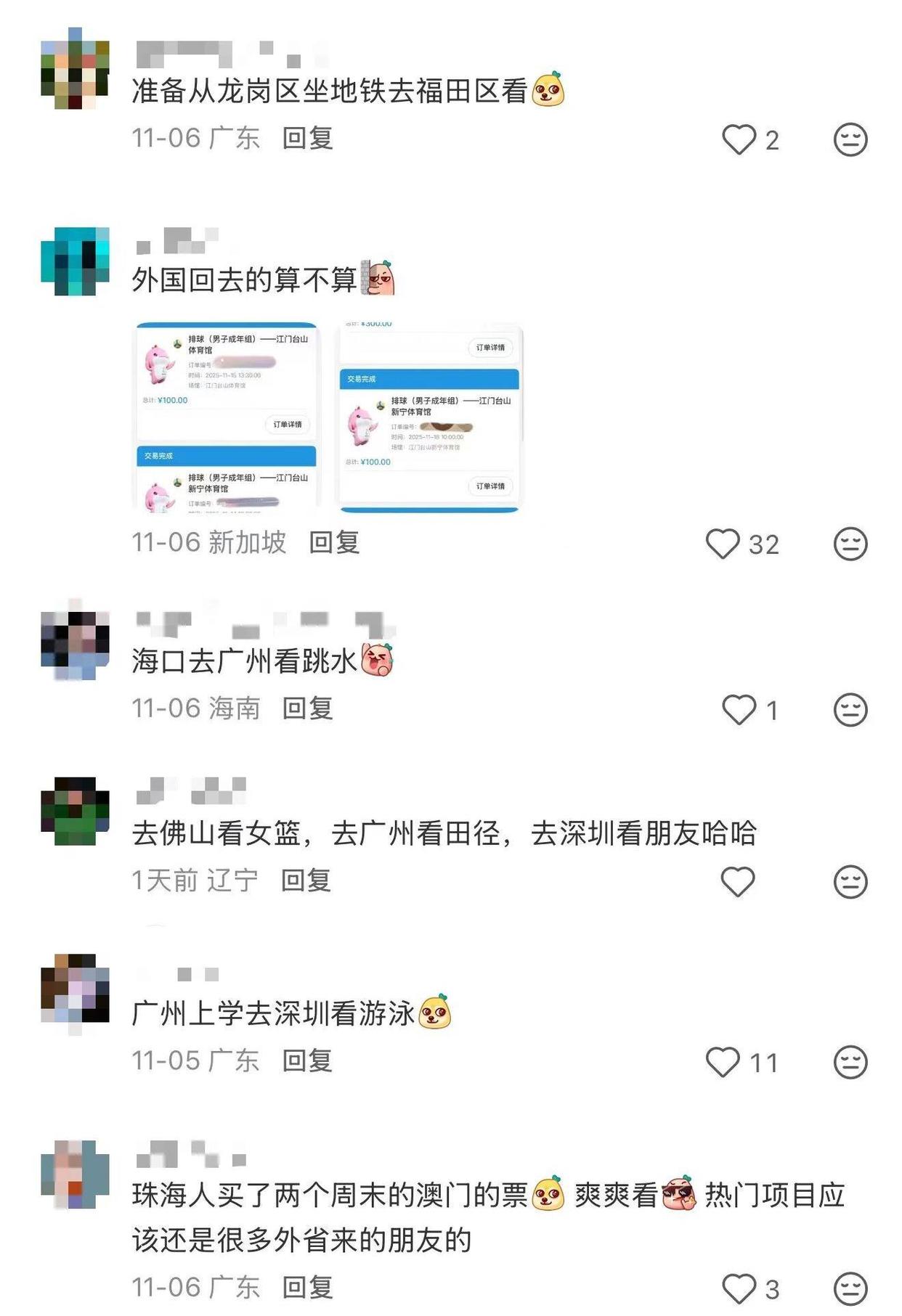
Core Insights - The 15th National Games are being held in the Guangdong-Hong Kong-Macao Greater Bay Area, attracting spectators from across the country [1] - Ticket sales have been exceptionally strong, with "hard to get" tickets becoming the norm, indicating a booming sports economy [3] Summary by Sections Event Overview - The National Games are nearing their conclusion, showcasing the vibrant sports culture and economic potential of the hosting cities [1][3] City Highlights - **Guangzhou**: This is Guangzhou's third time hosting the National Games, with various cultural events enhancing the city's appeal [3][4] - **Shenzhen**: The city's sports industry is projected to generate a total output of 211.57 billion yuan by 2024, with over 46,000 sports venues available [5] - **Zhuhai**: The cycling event crossed the Hong Kong-Zhuhai-Macao Bridge, highlighting the efficient connectivity among the three regions [6][7] - **Shantou**: Known for its rich cultural heritage, Shantou is hosting various sports events, including surfing [10][14] - **Foshan**: The city is famous for its dragon boat racing, which is a significant part of its cultural identity [17] - **Maoming**: The city hosted the first mass participation event of the National Games, showcasing its diverse terrain suitable for sports [19] - **Zhanjiang**: Recognized as a hub for water sports, Zhanjiang has produced several world champions in diving [20] - **Zhaoqing**: The city is known for its beautiful natural scenery and has integrated judo into its educational system [20][21] - **Jiangmen**: The city has a long-standing tradition of volleyball, with a strong community engagement in the sport [24][25] - **Huizhou**: The city is emerging as a "skateboard city," with a significant number of enthusiasts and manufacturers [28][30] - **Meizhou**: Known as the "hometown of football," Meizhou has a high participation rate in football and a growing sports economy [31] - **Shanwei**: Recognized as the "sailing capital," Shanwei offers excellent conditions for sailing events [32] - **Yangjiang**: The city is hosting new events like coastal rowing, which will debut in the 2028 Olympics [35] - **Qingyuan**: Known as the "city of drifting," Qingyuan offers unique outdoor experiences [37] - **Dongguan**: A well-known basketball city, Dongguan has a rich sports culture with numerous facilities [40] - **Zhongshan**: The city is developing a large sports center capable of hosting international events [41] - **Yunfu**: Home to a prominent hockey team, Yunfu is recognized for its contributions to the sport [42] - **Hong Kong**: The city will host various events, including horse racing, which is a traditional and popular sport [43][44] - **Macau**: Known for hosting numerous international sports events, Macau is a key player in the sports tourism sector [49]
广州餐饮全国劳模代表火炬手徐锦辉:坚守匠心与城市发展同频
Nan Fang Du Shi Bao· 2025-11-02 12:20
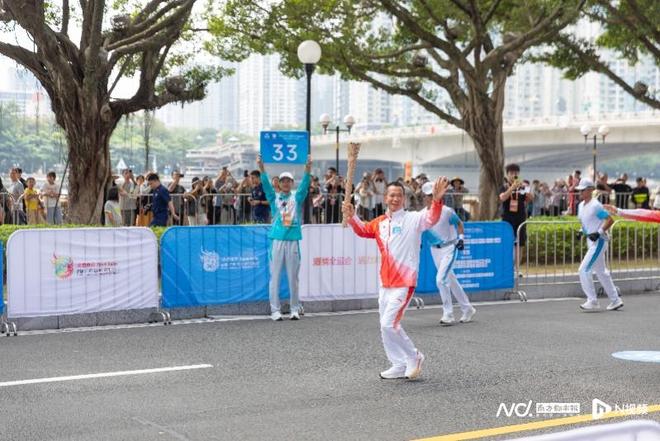
Core Viewpoint - The article highlights the significance of Xu Jinhui, a labor model and executive chef at China Hotel, who served as the torchbearer for the 33rd leg of the 15th National Games torch relay in Guangzhou, emphasizing the cultural and culinary heritage of Cantonese cuisine and its connection to the city's spirit [3][4][11]. Group 1: Xu Jinhui's Background and Achievements - Xu Jinhui is a native of Guangzhou, starting his culinary career as an apprentice in Cantonese cuisine in 1988 and has worked at China Hotel since 1991, evolving into an executive chef over 30 years [3]. - He has led initiatives to revive lost Cantonese dishes through collaboration with the Guangzhou Museum, focusing on historical menus and culinary heritage [3]. - Xu has contributed to the training of over a thousand Cantonese culinary talents and has been recognized with honors such as National Labor Model and National Skilled Talent [3]. Group 2: Significance of the Torch Relay - Xu expressed that being a torchbearer represents a "cross-border recognition" for grassroots culinary workers, symbolizing the transmission of city spirit through the torch [4]. - The torch relay experience is seen as a metaphor for the passing of cultural and culinary knowledge, paralleling the spirit of sportsmanship [11]. Group 3: Culinary Events and Cultural Promotion - The China Hotel organized a culinary exhibition themed "Food in Guangzhou, Taste of Lingnan," showcasing century-old Cantonese banquet dishes and traditional cooking techniques [8]. - Various Cantonese culinary skills were demonstrated, including the making of shrimp dumplings and the preparation of roasted suckling pig, symbolizing the vitality of sports and the aspirations of athletes [8]. - Xu aims to integrate his torch relay experience into future work, focusing on enhancing culinary education and promoting the fusion of food, culture, and sports [11].

“食在广州 品味全运”狂欢夜 “寻找省点计划”启动
Guang Zhou Ri Bao· 2025-10-11 01:55
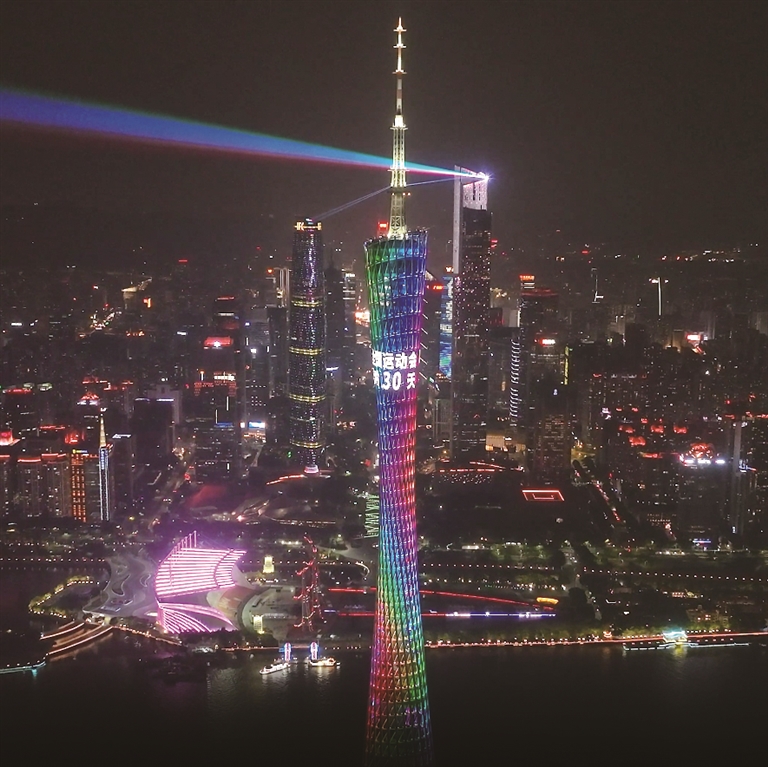
Core Points - The event "Taste of the National Games" was held at the Guangzhou Tower, marking 30 days countdown to the 15th National Games, integrating interactive experiences, intangible cultural heritage cuisine, and cultural activities [1][2] Group 1: Event Overview - The countdown event featured a spectacular light show at the Guangzhou Tower, attended by Olympic champions, which heightened the excitement for the upcoming games [2] - The event aims to promote local cuisine, specifically dim sum, as a representation of Lingnan culinary culture, launching the "Finding Provincial Dim Sum Plan" [2][4] Group 2: Culinary Initiatives - Over 30 representative dim sum dishes have been selected and categorized into four "Provincial Dim Sum Teams" to engage consumers in voting for their favorites [4] - The top three "Champion Dim Sum" will receive official recognition and financial subsidies, with notable figures like Li Xiaopeng endorsing specific dishes [4] Group 3: Cultural Experience - The event included immersive experiences combining intangible cultural heritage and technology, allowing guests to engage with the city's cultural pulse [5] - Various interactive zones were set up, including a cultural wall and sports interaction area, enhancing the overall experience for attendees [5][6] Group 4: Promotion and Future Plans - A themed menu reflecting the spirit of the National Games was launched, which will be promoted across dining establishments in the city [8]
中国预制菜占领日本市场!每年会出口6个货柜约150吨的预制小龙虾到日本,主要供给东京、大阪等华人聚集城市的超市
Sou Hu Cai Jing· 2025-09-22 07:14
Core Insights - The consumption of prepared dishes, particularly flavored crayfish, is a prevalent trend among Japanese consumers, facilitated by freezing and vacuum packaging methods [1][3] - The market for prepared Chinese cuisine in Japan is expanding, driven by increasing consumer interest in Chinese dishes and the introduction of various products [3] Industry Overview - The prepared crayfish market in Japan includes products such as spicy, garlic, and thirteen-spice flavored crayfish, which are sold as frozen foods [1] - The Japanese frozen food market is projected to reach a record high of 1.3 trillion yen (approximately 62.5 billion RMB) in 2024, indicating significant growth [3] - In 2022, the per capita consumption of prepared foods in Japan was 23.2 kilograms, compared to 9.1 kilograms in China, 16.1 kilograms in the United States, and 16.8 kilograms in the United Kingdom [3] Company Activities - A company led by Wang Hongxin exports approximately 150 tons of prepared crayfish annually to Japan, including various products like clear water shrimp and shrimp meat [3] - The company has expanded its customer base from primarily Chinese grocery stores to include Japanese supermarkets, reflecting a growing acceptance of Chinese cuisine in Japan [3] - The introduction of other prepared products, such as shrimp dumplings and seasoned fish, is part of the company's strategy to diversify offerings in the Japanese market [3]

“预制菜早茶”你能接受吗?这项立法或值得期待
Nan Fang Nong Cun Bao· 2025-05-19 09:00
Core Viewpoint - The Guangzhou Municipal People's Congress has included the "Guangzhou Early Tea Heritage Protection Regulations" as a legislative preparatory project for 2025, aiming to gather public opinions through a survey on the preservation and modernization of early tea culture [2][4][41]. Group 1: Legislative Intent - The legislation aims to address the cultural significance of early tea and its associated practices, ensuring that traditional skills and cultural rituals are preserved in modern society [37][39][43]. - The survey includes questions about what aspects of early tea culture should be protected and how to support its development, reflecting a proactive approach to public engagement [35][36]. Group 2: Public Opinion on Pre-prepared Tea Dishes - The rise of pre-prepared tea dishes has sparked debate among consumers, with many expressing skepticism about their authenticity and quality compared to freshly made items [22][24][27]. - Some consumers support the idea of pre-prepared tea dishes for standardization and scalability, provided that clear labeling of preparation methods is implemented [29][30]. - Concerns have been raised about the potential loss of traditional culinary skills if pre-prepared options replace handmade dishes, highlighting the need for a balance between innovation and tradition [28][32]. Group 3: Food Safety Concerns - The core issue surrounding pre-prepared dishes is food safety rather than the concept of pre-prepared food itself, emphasizing the importance of transparency in ingredient sourcing and preparation processes [30][31][33]. - Experts suggest that the quality of food is determined by human practices rather than the method of preparation, indicating that proper standards can ensure safety in pre-prepared options [32][33].