
养老服务

Search documents
欣悦健康携“居家养老四件套”产品亮相服贸会
Bei Jing Shang Bao· 2025-09-12 13:14
Core Insights - The article highlights the launch of "Ten Thousand Doctors into Ten Thousand Homes" and the "Home Elderly Care Four-Piece Set" by Xinyue Health, showcasing its innovative solutions in the health and elderly care sector [1][2] - Xinyue Health aims to address the challenges faced by the elderly in home care, with 99% of seniors opting for home-based care but encountering significant difficulties [1] Group 1 - Xinyue Health's "Home Elderly Care Four-Piece Set" includes services such as home environment modification, delivery of elderly care aids, in-home medical services, and on-site nursing care [1] - The company integrates medical, rehabilitation, assistive devices, and digital technology to provide a comprehensive solution for elderly care [1][2] - The "Ten Thousand Doctors" system serves as a core technological support, combining multiple medical-grade monitoring devices to track 128 health indicators and create personal electronic health records [2] Group 2 - The "Ten Thousand Doctors" system offers management across eight areas including medication, nutrition, exercise, sleep, and rehabilitation [2] - Xinyue Health plans to further develop the "Four-Piece Set + Ten Thousand Doctors" service system to help families achieve the ideal of "aging in place" [2]
2025服贸会|欣悦健康携“居家养老四件套”产品亮相服贸会
Bei Jing Shang Bao· 2025-09-12 13:11
Group 1 - The core viewpoint of the articles is that Xinyue Health has introduced innovative solutions for home-based elderly care, addressing significant challenges faced by the elderly in China [1][2] - Xinyue Health's "Home Care Four-Piece Set" and "Wan Doctor" health management ecosystem were showcased at the 2025 Service Trade Fair, highlighting their comprehensive approach to elderly care [1] - The company identified ten major challenges faced by elderly individuals opting for home care, including issues related to living conditions, medical access, and nutritional needs [1] Group 2 - The "Wan Doctor" system serves as a core technological support, integrating multiple medical-grade monitoring devices to collect and analyze 128 health indicators [2] - This system generates personal electronic health records by merging with historical health reports and offers management across eight areas, including medication and nutrition [2] - Xinyue Health aims to deepen the service system of "Four-Piece Set + Wan Doctor" to help families achieve the ideal of "aging in place" [2]
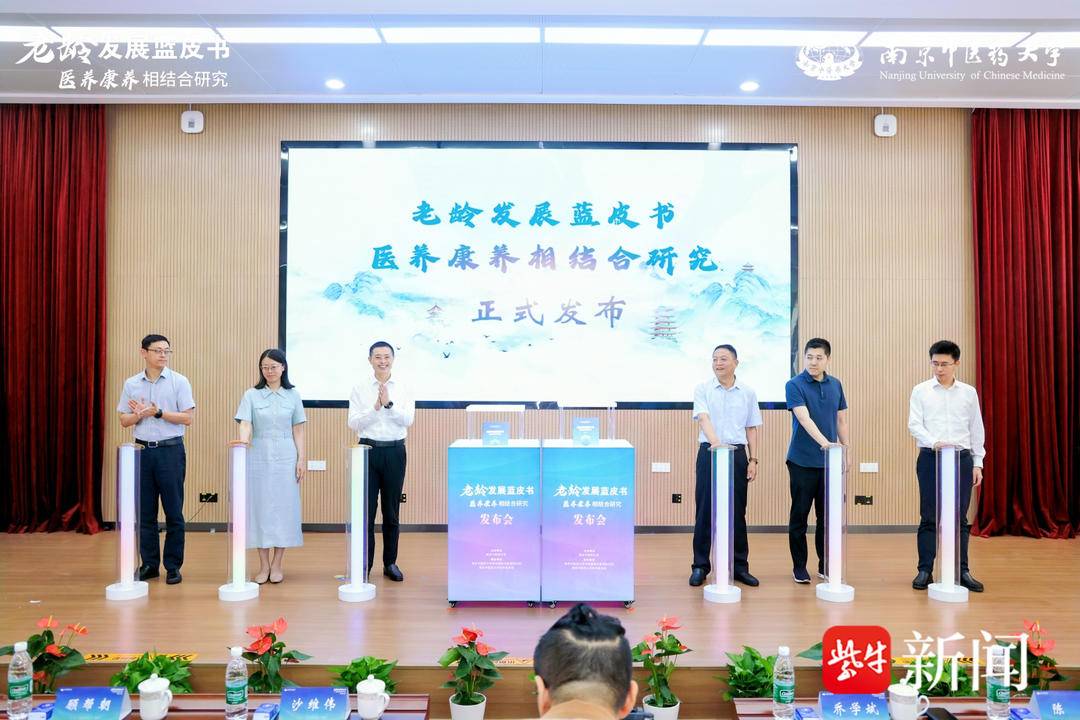
《老龄发展蓝皮书》在宁正式发布,南中医官宣重磅研究成果
Yang Zi Wan Bao Wang· 2025-09-12 12:54
Core Viewpoint - The "Blue Book on Aging Development" focuses on the integration of medical care and health services for the elderly, aiming to enhance the quality of elderly health care in China [3]. Group 1: Key Findings from the Blue Book - As of the end of 2024, the elderly population aged 60 and above in China is projected to reach 310 million, accounting for 22% of the total population [3]. - There are 35 million disabled elderly individuals, with 80% reporting chronic illnesses [3]. - The Blue Book emphasizes the importance of integrating medical resources with elderly care services to provide comprehensive support, including medical care, rehabilitation, daily living assistance, and emotional support [3]. Group 2: Research Institutions and Talent Development - The establishment of the Jiangsu Provincial Institute of Aging Health and Industry and the Nanjing University of Chinese Medicine Ruihua Institute of Aging Services and Management aims to create a high-end platform for policy research and academic exchange in aging health [6]. - Nanjing University of Chinese Medicine has developed a complete talent training system for elderly care, including undergraduate, master's, and doctoral programs, to meet the diverse needs of the elderly population [4]. - The Ruihua Institute will conduct academic lectures and talent exchange programs to disseminate cutting-edge knowledge in the industry [8].

从“三不”到“真香”,香港银发族正掀起大湾区养老热
第一财经· 2025-09-12 11:46
Core Viewpoint - The article discusses the increasing trend of elderly residents from Hong Kong moving to mainland China for retirement, driven by the lack of adequate elderly care resources in Hong Kong and the higher cost-effectiveness of care options in mainland China [3][4][5]. Group 1: Elderly Care Demand and Supply - As of 2024, nearly 100,000 elderly individuals aged 65 and above from Hong Kong have chosen to settle in Guangdong Province, marking a 40.5% increase over the past decade [3]. - Hong Kong faces a significant gap between the supply and demand for elderly care resources, with public care facilities being scarce and private options being prohibitively expensive [4][5]. - The proportion of elderly individuals aged 65 and above in Hong Kong is rising, with projections indicating that by 2039, this demographic will exceed 30% of the total population [4]. Group 2: Government Initiatives - The Hong Kong government has implemented various programs to provide social services and benefits for the elderly, including community care and support services, elderly home care services, and financial assistance [5]. - The average waiting time for government-subsidized elderly care beds is approximately 2-3 years, with strict eligibility criteria [5]. Group 3: Cross-Border Elderly Care - The trend of Hong Kong residents moving to mainland China for retirement is gaining momentum, with many elderly care institutions from Hong Kong establishing operations or partnerships in mainland China [7][8]. - The "Guangdong Plan" and "Fujian Plan" initiated by Hong Kong provide cash allowances for eligible residents moving to these regions, including elderly allowances and living subsidies [8]. Group 4: Healthcare Challenges - Despite the appeal of cross-border retirement, Hong Kong residents face challenges related to healthcare access, including the inability to enjoy full reimbursement of public healthcare services in mainland China [11]. - The Hong Kong government has introduced a medical voucher program for eligible elderly residents, which is being expanded to cover suitable medical institutions in the Greater Bay Area [12]. Group 5: Financial Institutions' Involvement - The trend of Hong Kong residents moving to mainland China for retirement is attracting attention from financial institutions, which are developing innovative financial products to support this demographic [14][15]. - Companies like China Taiping and Guangfa Bank are creating cross-border healthcare services and financial solutions tailored for elderly clients seeking retirement communities in mainland China [14].

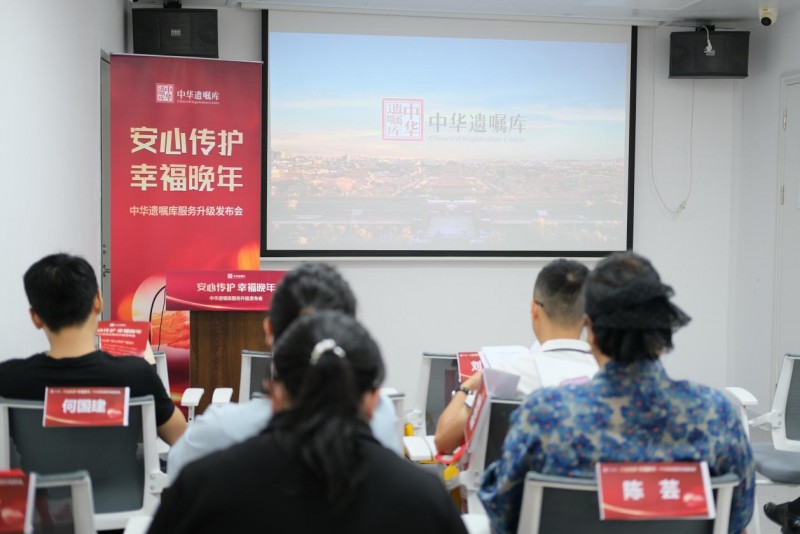
中华遗嘱库联合多家机构推出“安心传护”服务破局养老困境!
Cai Fu Zai Xian· 2025-09-12 08:59
Core Insights - The "Anxin Chuanhu" comprehensive protection service plan was launched to address the increasing needs of the elderly population in China, focusing on both personal care and asset inheritance [7][9][12] - The service aims to transform the uncertainty of elderly life into certainty by providing a full-process protection system that integrates legal support and caring services [9][11] Group 1: Elderly Population Needs - The aging population in China has surpassed 310 million, accounting for over 22% of the total population, leading to a rise in the number of empty-nest and solitary elderly individuals [3] - There is a shift in elderly needs from basic living arrangements to a desire for comprehensive care and asset management, emphasizing the importance of autonomy and security in later life [3][5] Group 2: Service Features - The "Anxin Chuanhu" service includes four core functions: designated guardianship, inheritance agreements, estate management, and supervision of affairs, creating a closed-loop protection system for the elderly [9][11] - The service is designed to alleviate common concerns among the elderly regarding guardianship, asset distribution, and the execution of agreements [6][9] Group 3: Social Impact - The launch of "Anxin Chuanhu" represents a significant upgrade in elderly care services, promoting a collaborative approach among legal institutions, community services, and non-profit organizations [12][15] - This initiative aims to break down barriers between family care and social services, contributing to a more comprehensive social governance model for elderly care [12][15] Group 4: Future Outlook - The service is expected to help elderly individuals reduce anxiety about their later years, allowing them to enjoy a more fulfilling and secure life [15] - By integrating legal foundations, supportive services, and supervision, "Anxin Chuanhu" provides a practical solution to the challenges of elderly care and inheritance [15]
关注服务业下游养老机器人试点
Hua Tai Qi Huo· 2025-09-12 05:35
Industry Investment Rating - Not provided in the given content Core Viewpoints - The report provides a comprehensive overview of various industries, including production, service, and different sectors in the upstream, midstream, and downstream. It highlights significant events such as the 26th China International Optoelectronic Exposition and the release of the list of intelligent elderly - care service robot pilot projects, as well as the price and volume changes in different industries [1][2] Summary by Related Catalogs Production Industry - The 26th China International Optoelectronic Exposition was held from September 10th - 12th in Shenzhen. Over 3800 global optoelectronic enterprises participated, with the first - day audience exceeding 70,000, a 17% increase from last year. 400G/800G optical modules are the current main出货 volume, and 1.6T optical modules have started partial shipments [1] Service Industry - In the US, the CPI in August increased by 2.9% year - on - year (as expected), 0.4% month - on - month (higher than expected). The number of initial jobless claims last week was 263,000 (higher than expected). Traders are more certain about the Fed's interest - rate cuts by the end of 2025. There are 32 intelligent elderly - care service robot projects for 10 types of application scenarios announced by relevant Chinese ministries [2] Upstream - In the chemical industry, PTA and urea prices declined; in the agricultural industry, egg prices continuously increased [2] Midstream - In the chemical industry, the polyester operating rate increased; in the energy sector, power plant coal consumption rose [3] Downstream - In the real - estate sector, housing sales in second - and third - tier cities increased; in the service sector, the number of domestic flights decreased [4] Key Industry Price Indicators - As of September 11th, prices of various products in different industries showed different trends. For example, egg prices increased by 10.64% year - on - year, while PTA prices decreased by 1.93% year - on - year [36]
勇担国家中心城市使命 谱写人民城市郑州新篇
Zheng Zhou Ri Bao· 2025-09-12 00:39
Core Viewpoint - Zhengzhou aims to implement the spirit of the Central Urban Work Conference by enhancing urban resilience, improving citizen happiness, promoting historical and cultural heritage, stimulating innovation and entrepreneurship, increasing openness, and refining smart governance systems, contributing to China's modernization efforts [1][2]. Group 1: Urban Resilience - Zhengzhou is committed to enhancing urban safety by learning from past disasters, such as the "7·20" heavy rain, and is advancing infrastructure projects to improve disaster response capabilities [3]. - The city is focusing on a comprehensive public safety network and strict law enforcement to maintain social stability and safety [3]. Group 2: Citizen Happiness - The city prioritizes public services in education, healthcare, and elderly care, aiming for equitable distribution and improved service quality [4]. - Initiatives include the establishment of a 100 billion yuan youth innovation and entrepreneurship fund and a plan to retain one million university graduates over five years [5]. Group 3: Cultural Heritage - Zhengzhou, as one of China's ancient capitals, is enhancing its cultural heritage through the development of a comprehensive museum and archaeological park system [6]. - The city aims to creatively transform and develop traditional culture, ensuring historical resources are preserved and integrated into modern life [6]. Group 4: Innovation and Entrepreneurship - The city is focusing on innovation-driven development, with significant growth in high-tech industries and a robust research and development ecosystem [7]. - Zhengzhou plans to deepen the integration of education, technology, and talent to foster a conducive environment for innovation [7]. Group 5: Openness - Zhengzhou is positioned as a major transportation hub, with significant achievements in international trade and logistics, including a high ranking in cargo throughput at its airport [8]. - The city is enhancing its cross-border e-commerce capabilities and aims to become a national innovation demonstration zone [8]. Group 6: Smart Governance - The city is implementing a "党建+网格+大数据" governance model to improve efficiency and responsiveness in public service delivery [9][10]. - Since the introduction of a unified platform for governance, over 7.2 million events have been processed, enhancing public satisfaction and trust in local governance [10]. Group 7: Regional Development - Zhengzhou is leveraging its role as a central city to drive regional development through integrated urban planning and collaboration with surrounding areas [11].
警惕养老服务消费陷阱
Ren Min Ri Bao· 2025-09-11 22:21
Core Viewpoint - The demand for elderly care services in China is rapidly increasing, leading to the growth of the silver economy. However, there are rising complaints about fraudulent practices and poor marketing tactics in the elderly care sector, prompting authorities to remind consumers to be cautious and protect themselves from potential risks in this market [1][2][3]. Group 1: Consumer Protection Measures - Consumers are advised to carefully select elderly care service providers, as some organizations operate without proper registration and pose safety risks. The Ministry of Civil Affairs has launched a national elderly care service information platform for consumers to verify the qualifications of service providers [1]. - It is essential for elderly consumers to sign formal contracts before making payments for services, ensuring clarity on service details, payment terms, and refund policies. Consumers should also request official invoices and keep them safe [1]. - Elderly consumers should make payments through secure channels and avoid transferring money to personal accounts. They should be wary of schemes that encourage excessive payments through promotions like "top-up bonuses" to prevent disputes and financial losses [1]. Group 2: Awareness of Fraudulent Practices - Consumers should be cautious of false advertising, as some providers exaggerate their services and benefits. It is recommended that elderly consumers conduct on-site evaluations of service providers and consult family members before making decisions [2]. - There is a risk of elderly consumers falling victim to scams disguised as "retirement investment" or "membership-based care," which promise high returns or exclusive benefits. Consumers are advised to be skeptical of such offers to avoid falling into illegal fundraising traps [2]. - Some providers use enticing offers like free samples or health seminars to lure elderly consumers into attending events where they may be subjected to misleading marketing of products and services. Consumers should remain vigilant to avoid unnecessary expenses [2]. Group 3: Information Security - Certain providers may collect personal information from elderly consumers under the guise of offering free services, which can lead to privacy breaches. Consumers are encouraged to enhance their awareness of personal information protection to prevent data leaks [3].
金融机构积极布局养老产业
Jing Ji Ri Bao· 2025-09-11 21:58
Core Insights - Shanghai Bank has received the first phase of the 2025 service consumption and elderly re-loan from the People's Bank of China, marking the first inclusion of a city commercial bank in this policy [1] - The People's Bank of China established a 500 billion yuan service consumption and elderly re-loan program to encourage financial institutions to support key areas of service consumption and the elderly industry [1] - The elderly finance sector is highlighted as a significant area for development, with the National Financial Regulatory Administration emphasizing the potential of the silver economy [1] Group 1: Policy and Financial Support - The expansion of policy coverage is expected to leverage the advantages of various banking systems and innovation to provide high-quality products and services to business entities [1] - China Bank's Hebei branch has issued over 70 million yuan in fixed asset loans to support the construction of 2,500 elderly care beds, including 1,200 inclusive elderly care beds [1] - The application scale for service consumption and elderly re-loan from China Bank has reached 4.841 billion yuan [1] Group 2: Technological Integration in Elderly Care - Financial support for technology-driven enterprises and the establishment of smart platforms will enhance the elderly care industry chain, improving quality and promoting industrial upgrades [1] - Agricultural Bank has developed a smart elderly care scenario where users can book services like bathing, dining, and medical accompaniment through their mobile phones, as well as handle nursing home applications and hire domestic helpers [1] Group 3: Financial Services for the Elderly - Financial services act as a bridge connecting high-quality supply with diverse demand, playing a crucial role in improving the consumption environment [2] - Financial institutions are encouraged to enhance the financial services available to the elderly, focusing on accessibility and convenience, as well as consumer rights protection and prevention of illegal financial activities targeting the elderly [2] - Continuous efforts to eliminate bottlenecks and improve both software and hardware are necessary to elevate service levels for elderly clients [2]

各地多措并举挖掘养老服务消费潜力
Zheng Quan Ri Bao· 2025-09-11 16:42
Group 1 - Various regions in China, including Shanxi, Shandong, Chongqing, Zhejiang, and Gansu, are actively promoting elderly service consumption through meetings, new policies, and themed activities [1] - The "Elderly Service Consumption Season" launched in Shanxi aims to strengthen home-based elderly care and meet the diverse needs of the elderly [1] - The initiatives are expected to enhance consumer experience, improve the quality of life for the elderly, and attract more enterprises and capital into the elderly service sector, fostering innovation and growth in the silver economy [1] Group 2 - Consumption subsidies are highlighted as a key strategy to activate consumer willingness, reduce payment pressure for the elderly, and promote the development of the elderly service market [2] - Subsidies cover both elderly service consumption and home adaptation, supporting families in upgrading to age-friendly products [2] - The large elderly population in China is increasingly willing to spend, aligning with national strategies to expand domestic demand and boost consumption [2] Group 3 - The Ministry of Civil Affairs and the Ministry of Commerce have introduced measures to promote high-quality development in elderly services and enhance the quality of life for the elderly [3] - Sales revenue for community, institutional, and home-based elderly care services has seen significant year-on-year growth, with increases of 30.4%, 22.6%, and 18% respectively [3] - Recommendations for further market stimulation include strengthening planning for a comprehensive elderly service network, enhancing service standards, and encouraging financial institutions to innovate products to support elderly care facilities [3]