油气

Search documents
英乌合谋袭俄能源!南欧能源供应乱,中国进口渠道受影响
Sou Hu Cai Jing· 2025-10-20 04:32
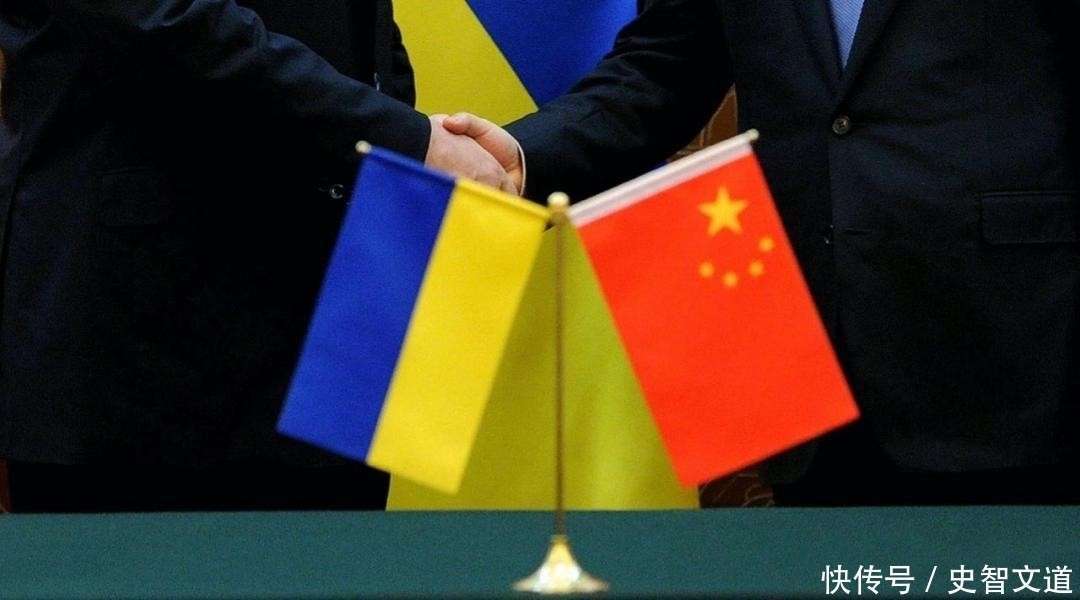
Group 1 - The core message reveals a shocking collaboration between the UK and Ukraine aimed at sabotaging energy infrastructure, including the "TurkStream" gas pipeline, which has garnered international attention [1][3] - The UK military intelligence has reportedly been involved in multiple attacks on Russian energy infrastructure, raising concerns about energy security in Southern Europe, particularly among countries reliant on Russian gas [3][11] - The "CPC" pipeline, crucial for Kazakhstan's oil exports, has been targeted, with significant implications for major US energy companies and China's energy interests in the region [9][16] Group 2 - The "TurkStream" pipeline, operational since 2020, is vital for gas supply to Southern Europe, with a capacity of 31.5 billion cubic meters annually, making it a critical energy lifeline for countries like Hungary [11][17] - The UK and Ukraine's joint operations have demonstrated the feasibility of drone attacks on energy facilities, raising alarms about potential future threats to critical energy nodes [13][20] - The geopolitical struggle surrounding energy infrastructure is not just a part of the Russia-Ukraine conflict but affects global energy supply chains, with China being a significant player in this dynamic [15][22] Group 3 - Russia may expedite the construction of the "Power of Siberia 2" gas pipeline to ensure stable energy supplies to China, although this project requires substantial investment and time [20] - The security of energy facilities is crucial for global economic stability, and any deliberate attacks on civilian energy infrastructure pose severe risks to humanity [22] - The ongoing energy conflict highlights the need for multilateral cooperation to ensure the safety and stability of energy channels, which is essential for a sustainable future [22]

中国石油集团董事长、党组书记戴厚良会见辽宁省委书记许昆林
Zheng Quan Shi Bao Wang· 2025-10-20 04:01
Core Viewpoint - China National Petroleum Corporation (CNPC) aims to deepen cooperation with Liaoning Province in development planning and technological innovation, focusing on the integration of oil, gas, and new energy sectors to promote green and low-carbon development [1] Group 1: Company Initiatives - CNPC plans to accelerate its transformation towards "oil, gas, thermal power, hydrogen" and "refining and chemical materials" business structures [1] - The company is committed to high-quality development in Liaoning, contributing to national energy security and the economic and social development of the province [1] Group 2: Government Support - Liaoning Province is focused on creating a first-class business environment, ensuring precise alignment between "enterprise needs" and "government capabilities" [1] - The provincial government will provide timely, precise, and efficient service guarantees to support CNPC's initiatives [1]

前三季度清洁能源发电占比达35.3%
Zhong Guo Dian Li Bao· 2025-10-20 03:54
Core Viewpoint - The national economy of China has shown stable growth in the first three quarters, with energy consumption growth remaining steady and a continuous optimization of the energy structure [2] Energy Production - Energy production has steadily increased, with major energy products such as coal, oil, gas, and electricity all showing growth. The industrial raw coal output reached 3.57 billion tons, a year-on-year increase of 2.0% [3] - Crude oil production was 160 million tons, up 1.7% year-on-year, while natural gas production hit 194.9 billion cubic meters, marking a historical high with a growth of 6.4% [3] - Electricity generation amounted to 7.3 trillion kilowatt-hours, reflecting a year-on-year increase of 1.6%. Notably, nuclear, wind, and solar power generation saw significant growth rates of 9.2%, 10.1%, and 24.2% respectively [3] Supply Assurance - Domestic coal supply has been sufficient, leading to a decrease in energy imports. Coal imports fell to 35 million tons, down 11.1% year-on-year, while crude oil imports increased by 2.6% to 42 million tons [3] - Natural gas imports decreased by 6.2% to 9.286 million tons, indicating a narrowing decline compared to the first half of the year [3] Green and Low-Carbon Transition - Energy consumption in the first three quarters showed a robust growth in electricity, with total energy consumption rising by 3.7% year-on-year. The share of non-fossil energy in total energy consumption increased by 1.7 percentage points compared to the previous year [5] - The share of clean energy generation from hydropower, nuclear power, wind power, and solar power reached 35.3%, an increase of 1.9 percentage points year-on-year [5]

国家统计局能源统计司:前三季度能源保供坚实有力 能源结构持续优化
Sou Hu Cai Jing· 2025-10-20 03:36
Core Insights - China's economy has shown stable growth in the first three quarters, with energy consumption growth remaining steady and the energy sector performing well overall [1] Group 1: Energy Production - Energy production has steadily increased, with major energy products such as coal, oil, and gas showing growth. The industrial raw coal output reached 3.57 billion tons, a year-on-year increase of 2.0% [2] - Crude oil production was 160 million tons, up 1.7% year-on-year, while natural gas production hit 194.9 billion cubic meters, marking a historical high with a growth of 6.4% [2] - Industrial electricity generation totaled 7.3 trillion kilowatt-hours, reflecting a year-on-year increase of 1.6%, with significant growth in nuclear, wind, and solar power generation [2] Group 2: Supply Security - Domestic coal supply has been sufficient, leading to a decrease in overall energy imports. Coal imports fell to 35 million tons, down 11.1% year-on-year, while crude oil imports rose to 42 million tons, an increase of 2.6% [3] - Natural gas imports decreased to 9.286 million tons, down 6.2% year-on-year, indicating improved energy self-sufficiency and security [3] - The power supply has been robust, with record-high electricity loads due to high temperatures, enhancing the coordination of power generation and consumption [3] Group 3: Green and Low-Carbon Transition - Energy consumption in the first three quarters grew by 3.7% year-on-year, with a notable shift towards greener energy sources [4] - The proportion of non-fossil energy in total energy consumption increased by 1.7 percentage points compared to the previous year, indicating a continued optimization of the energy consumption structure [4] - Clean energy sources, including hydropower, nuclear power, wind, and solar, accounted for 35.3% of the power generation mix, up 1.9 percentage points year-on-year [4]
油气管网设施公平开放监管办法颁布
Zhong Guo Hua Gong Bao· 2025-10-20 03:11
Core Points - The National Development and Reform Commission has officially issued the "Regulatory Measures for Fair Access to Oil and Gas Pipeline Facilities," marking the first departmental regulation in China's oil and gas pipeline supervision field, transitioning from policy guidance to legally binding regulations [1] - The regulatory measures will take effect on November 1, 2025, and are a key initiative in the market-oriented reform of the oil and gas sector, providing a solid institutional guarantee for fair access to pipeline facilities and promoting high-quality development in the oil and gas industry [1] - The measures require pipeline operators to provide oil and gas transportation, storage, unloading, and vaporization services fairly and without discrimination to qualified users, in accordance with national regulations [1] Summary by Sections Regulatory Framework - The regulatory measures are essential for reforming the oil and gas pipeline operation mechanism, addressing the natural monopoly in the sector, and responding to increasing demands for fair access from market participants [2] - Key updates include the addition of user registration and service acceptance clauses, penalties for unfair access, and modifications to information disclosure requirements [2] Scope of Regulation - The regulatory measures define oil and gas pipeline facilities as those providing public services for the transportation, storage, unloading, and vaporization of crude oil, refined oil, and natural gas, including pipelines and storage facilities [3] - The scope of regulation encompasses facilities operated by the National Pipeline Group, LNG receiving stations, underground gas storage, and various oil and gas pipeline facilities operated by state-owned enterprises, local state-owned enterprises, and private companies [3]
胡汉舟:能源保供坚实有力,能源结构持续优化
Bei Jing Ri Bao Ke Hu Duan· 2025-10-20 02:36
Core Insights - China's economy has shown stable growth in the first three quarters, with energy consumption growth remaining steady and a significant increase in the share of non-fossil energy consumption [1] Group 1: Energy Production - Energy production has steadily increased, with major energy products such as coal, oil, and gas showing growth. The industrial raw coal output reached 3.57 billion tons, a year-on-year increase of 2.0% [2] - Crude oil production was 160 million tons, up 1.7% year-on-year, while natural gas production hit 194.9 billion cubic meters, marking a historical high with a growth of 6.4% [2] - Industrial electricity generation totaled 7.3 trillion kilowatt-hours, reflecting a 1.6% year-on-year increase, with significant growth in nuclear, wind, and solar power generation [2] Group 2: Supply Security - Domestic coal supply has been sufficient, leading to a decrease in energy imports. Coal imports fell to 35 million tons, down 11.1% year-on-year, while crude oil imports rose to 42 million tons, an increase of 2.6% [3] - Natural gas imports decreased to 9.286 million tons, down 6.2% year-on-year, indicating improved energy self-sufficiency and security [3] - The power supply has been robust, with record-high electricity loads due to sustained high temperatures, enhancing the coordination of power generation, grid, and storage [3] Group 3: Green and Low-Carbon Transition - Energy consumption in the first three quarters grew by 3.7% year-on-year, with a notable shift towards greener energy sources [4] - The share of non-fossil energy in total energy consumption increased by 1.7 percentage points compared to the previous year, indicating a significant structural transformation [4] - Clean energy sources such as hydropower, nuclear power, wind, and solar accounted for 35.3% of the power generation mix, up 1.9 percentage points year-on-year [4]
胡汉舟:能源保供坚实有力 能源结构持续优化
Guo Jia Tong Ji Ju· 2025-10-20 02:08
Group 1 - The core viewpoint of the articles highlights the stable growth of China's economy in the first three quarters, with a steady increase in energy consumption and a significant development in renewable energy sources [1] Group 2 - Energy production has shown steady growth, with major energy products such as coal, oil, gas, and electricity maintaining an upward trend [2] - The production of raw coal remained stable, with an output of 3.57 billion tons, reflecting a year-on-year increase of 2.0% [3] - Oil and gas production also increased, with crude oil output reaching 160 million tons (up 1.7%) and natural gas output hitting 194.9 billion cubic meters (up 6.4%) [4] Group 3 - Energy supply has been effectively secured, with a decrease in energy imports; coal imports fell to 35 million tons (down 11.1%), while crude oil imports rose to 42 million tons (up 2.6%) [5] - The electricity supply has been robust, with record-high power loads due to high temperatures, enhancing the coordination of power sources and ensuring stable supply for economic and social operations [5] Group 4 - The transition to a green and low-carbon economy is accelerating, with total energy consumption increasing by 3.7% year-on-year; the share of non-fossil energy in total consumption rose by 1.7 percentage points [6] - The share of clean energy sources in electricity generation reached 35.3%, an increase of 1.9 percentage points compared to the previous year [6]
《油气管网设施公平开放监管办法》专家解读丨深化油气管网设施公平开放 构建现代化油气市场体系的制度基石
国家能源局· 2025-10-19 05:48
Core Viewpoint - The newly released "Regulatory Measures for Fair Access to Oil and Gas Pipeline Facilities" marks a significant upgrade in China's oil and gas regulatory framework, transitioning from mere guidelines to enforceable regulations, thereby establishing a solid legal foundation for a modern oil and gas market system [3][4][5]. Group 1: Background of the Regulatory Measures - The previous regulatory measures from 2019 played a historic role in breaking monopolies and improving pipeline utilization, but their limitations became apparent as reforms deepened [4]. - The establishment of the National Pipeline Group signifies a fundamental change in the oil and gas market structure, leading to heightened demands for fair and transparent access to pipeline facilities [4]. - The new regulatory measures are a response to the evolving legal framework and central government directives aimed at enhancing oversight of fair access to oil and gas pipeline facilities [4][5]. Group 2: Key Highlights of the Regulatory Measures - The measures provide a clear definition of "fair access to oil and gas pipeline facilities," establishing a common understanding among government, enterprises, and users, which helps avoid disputes and execution deviations [7]. - A comprehensive service specification system is established, detailing user registration, service application, capacity allocation, and contract execution, ensuring transparency and fairness in operations [8][9]. - The measures introduce a dual information disclosure system, balancing transparency with information security, mandating public disclosure of basic information while allowing sensitive operational data to be accessed upon request by registered users [10]. - Legal responsibility clauses are added, transforming the document from a guiding framework to a binding regulation, with specified penalties for various violations by both operators and users [11]. - A credit supervision mechanism is introduced, linking compliance performance to market reputation and operational benefits, promoting proactive compliance among enterprises [12]. Group 3: Policy Recommendations for Implementation - The implementation of the regulatory measures requires the rapid development of detailed supporting rules, ensuring operational feasibility and clarity in capacity allocation and information disclosure [13]. - Strengthening regulatory capabilities is essential, necessitating the training of professionals skilled in law, economics, and oil and gas engineering to handle complex regulatory tasks effectively [13]. - Industry consensus and cultural transformation are crucial, with pipeline operators needing to shift from being resource controllers to public service providers, embedding the principles of fairness and openness into their operations [14].

新华财经早报:10月19日
Xin Hua Cai Jing· 2025-10-19 00:57
Group 1 - The user base of generative artificial intelligence in China reached 515 million as of June 2025, an increase of 266 million from December 2024, with a penetration rate of 36.5% [2] - The General Administration of Customs reported that China's exports of rare earths and related products in September amounted to 10,538 tons, a year-on-year increase of 7.6%, with cumulative exports for the year reaching 95,875 tons, up 3.1% year-on-year [2] - The first large-scale ground-based centralized photovoltaic power generation project by the National Pipeline Network Group, located in Xinjiang, achieved grid connection and trial operation, promoting green and low-carbon development in the oil and gas industry [2] Group 2 - The Ministry of Finance announced that Guangdong Province successfully issued offshore RMB local government bonds in Hong Kong, totaling 7.5 billion yuan, marking the second consecutive year of such issuances [2] - The Xinjiang Uygur Autonomous Region's Commerce Department reported that 4,006 investment projects were executed in the first three quarters of the year, attracting 847.537 billion yuan in funds from outside the region, a year-on-year increase of 18.23% [2] - The Shanghai Stock Exchange aims to enhance the quality of listed companies and create a favorable environment for long-term capital inflow, aligning with national strategic goals for high-quality development [2]


《油气管网设施公平开放监管办法》院士解读丨健全油气领域监管制度体系 推进油气管网设施公平开放
国家能源局· 2025-10-18 09:41
Core Viewpoint - The article discusses the implementation of the "Regulatory Measures for Fair and Open Access to Oil and Gas Pipeline Facilities," which aims to enhance the regulatory framework in the oil and gas sector, addressing the natural monopoly characteristics of oil and gas pipeline networks [3][4]. Group 1: Adaptation to New Regulatory Requirements - The regulatory measures are a response to the need for independent operation and market-oriented reforms in natural monopoly sectors, as highlighted in the 20th National Congress of the Communist Party of China [4]. - The measures signify a shift in regulatory focus from electricity to all types of energy, establishing a comprehensive regulatory framework involving the National Energy Administration and local energy authorities [4]. Group 2: Support for High-Quality Development in the Oil and Gas Industry - Oil and gas play a crucial role in China's energy security, and the pipeline infrastructure is essential for supporting high-quality economic and social development [5]. - The measures aim to prevent redundant construction and unhealthy competition among different networks, thereby enhancing operational efficiency and fostering cooperation between pipeline networks and users [5]. Group 3: Addressing Upstream and Downstream Regulatory Needs - The regulatory measures respond to the increasing demands for fair access and market operation mechanisms in the oil and gas sector, especially following the establishment of the National Pipeline Network Group [6]. - The measures clarify the rights and obligations of various stakeholders, empower regulatory authorities with enforcement capabilities, and aim to protect the legitimate rights of all market participants [6]. - The implementation of these measures is a significant step towards building a comprehensive energy regulatory system, which will have a profound impact on the high-quality development of the oil and gas industry [6].