
政策正常化

Search documents
花旗、德银相继撤退,一笔“确定性交易”开始瓦解
Jin Shi Shu Ju· 2026-02-26 04:00
Core Viewpoint - The Japanese bond market is experiencing a shift as Wall Street's "certainty trades" are loosening, with strategists suggesting that the recent steepening of the yield curve has gone too far following Prime Minister Fumio Kishida's election victory [1] Group 1: Market Reactions - Citigroup and Deutsche Bank have exited their previous bets on short-term Japanese government bond yields rising faster than long-term yields, signaling a shift towards a more favorable environment for a steepening yield curve [1] - The market has reacted to the cooling expectations of further rate hikes, leading to an increase in short-term bonds while long-term yields have risen, widening the spread between short and long-term borrowing costs [2] Group 2: Strategic Insights - Strategists from Société Générale believe that the current flattening of the Japanese government bond yield curve is excessive, given the lack of clarity in fiscal policy and the upcoming increase in long-term supply [2] - Deutsche Bank's team suggests exiting bets on further flattening after approximately 25 basis points of movement, citing valuation factors and the dovish nominations to the Bank of Japan's board [2] Group 3: Future Outlook - Following Kishida's election, the market anticipates a more proactive yet disciplined fiscal agenda, which has led to a significant flattening of the yield curve, with the spread between 2-year and 30-year Japanese government bond yields narrowing to about 210 basis points from January highs [3] - There is a rising possibility of further "twisted steepening" in the bond market, characterized by falling short-term yields and rising long-term yields, which could lead to increased volatility if the market reassesses Kishida's policy preferences [3]
日本央行委员:日本不再处于通缩状态 政策正常化必须审慎
Xin Hua Cai Jing· 2026-02-26 03:16
Core Viewpoint - The Bank of Japan's committee member Soichiro Takata indicates that the economy is no longer in deflation, emphasizing that concerns about returning to deflation have been eliminated [1][2]. Group 1: Economic Conditions - Takata states that the path to overcoming deflation is finally taking shape, driven by domestic structural factors rather than solely relying on external cost transmission [1]. - He expresses hope for a "true dawn" for Japan's economy, suggesting that the current situation is fundamentally different from past experiences [1]. Group 2: Monetary Policy - Takata advocates for a gradual increase in interest rates, noting that Japan's real short-term interest rates remain significantly negative, even after a potential rate hike in December 2025 [1]. - He warns of the risk that the Bank of Japan may fall behind the global recovery and rate hike cycle starting in 2026 [1]. Group 3: Debt and Market Stability - The need for cautious normalization of policies is emphasized, particularly regarding the pace of reducing government bond purchases [1]. - Takata highlights the risk of weak demand for ultra-long Japanese government bonds and warns of potential market volatility that could lead to dysfunction in the bond market [1]. Group 4: External Risks - He raises concerns about external risks, particularly the evolving U.S. trade policies that could heighten global risk sentiment and exacerbate currency market volatility due to diverging monetary policies between Japan and the U.S. [2]. - Takata acknowledges the moderate growth of the overseas economy but believes Japan has the foundation for endogenous inflation, suggesting that the central bank should focus more on rising prices [2].
最快下月动手?日本央行大鹰派“明示”:薪资若达标,春季即加息!
Xin Lang Cai Jing· 2026-02-13 23:20
Core Viewpoint - A hawkish member of the Bank of Japan, Naoki Tamura, indicated that if wage growth meets targets, conditions for a rate hike could mature by spring, potentially leading to market speculation about an earlier action [1][4]. Group 1: Interest Rate Expectations - Market speculation about a rate hike has intensified, with traders estimating a 75% chance of the Bank of Japan raising the benchmark interest rate before April, up from 40% a month ago [5]. - Tamura's comments suggest that if the Bank of Japan maintains its current policy before the April meeting, it may face increasing opposition from other committee members [1][4]. Group 2: Inflation and Wage Growth - Japan's core inflation rate accelerated to 3.1% last year, remaining above the Bank of Japan's target for four consecutive years, marking the longest duration since 1992 [5][6]. - Ensuring strong wage growth is a shared concern for both the Japanese Prime Minister and the Bank of Japan, as it is seen as crucial for establishing a stable inflation cycle that promotes consumption and economic growth [6]. Group 3: Economic Conditions - Tamura defined price stability as a state where economic agents do not need to consider price level fluctuations in their consumption and investment decisions, aligning with the general consensus among central bankers [2][5]. - He expressed skepticism about Japan having achieved the defined state of price stability, citing the struggles of households and businesses due to rising living costs and input prices [2][5].
日本央行最鹰官员暗示:春季可能加息
Hua Er Jie Jian Wen· 2026-02-13 09:21
Core Viewpoint - The Bank of Japan (BOJ) may be poised to raise interest rates as early as spring if wage growth meets targets, according to Naoki Tamura, a hawkish policy committee member, which has heightened market expectations for a rate hike [1][2]. Group 1: Interest Rate Hike Expectations - Tamura's comments indicate that if wage growth is confirmed to meet targets for the third consecutive year, the BOJ could determine that its 2% inflation stability goal has been achieved as early as this spring [1]. - Market expectations for a rate hike have surged, with traders now estimating a 75% probability of an increase before April, up from 40% a month ago [1][3]. - The upcoming BOJ policy decision on March 19 coincides with Prime Minister Fumio Kishida's meeting with President Trump, adding complexity to the central bank's decision-making process [3]. Group 2: Inflation and Economic Conditions - Japan's key inflation indicator accelerated to 3.1% last year, exceeding the BOJ's target for four consecutive years, marking the longest streak since 1992 [1]. - Tamura expressed concerns about the current inflation situation, stating that many households and businesses are struggling with rising living costs and input prices, which complicates the notion of price stability [2]. - The BOJ views wage growth as essential for creating a stable inflation cycle that would drive higher consumption and economic growth [4]. Group 3: Wage Growth as a Key Factor - Ensuring strong wage growth is a shared concern for both the Prime Minister and the BOJ, as it is seen as a critical component for achieving stable inflation [4]. - The largest labor union in Japan typically announces annual wage negotiation results in mid-March, which has historically influenced BOJ policy actions [4]. - Tamura noted that the current interest rate of 0.75% has had limited impact on the economy, suggesting that the BOJ is still far from reaching a neutral interest rate that neither restricts nor stimulates economic activity [4][5].
IC Markets:日元对美元汇率短期回升,后续受政策与数据影响
Sou Hu Cai Jing· 2026-02-10 06:01
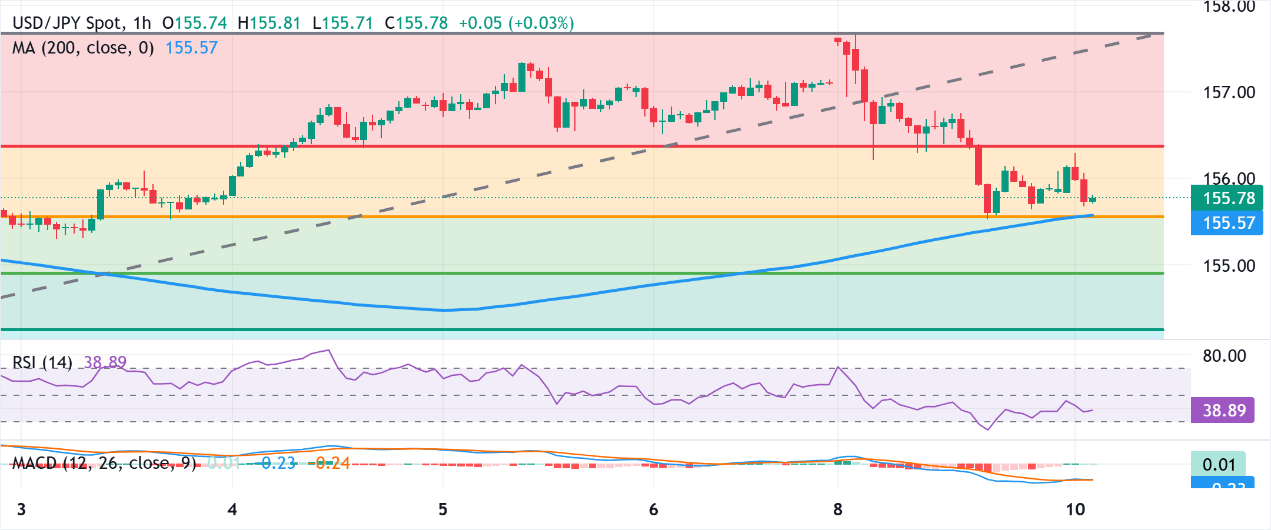
Group 1 - The Japanese yen is experiencing a rebound against the US dollar, supported by expectations of potential intervention by Japanese authorities and bets on the Bank of Japan's policy normalization path [1][3] - The ruling party's recent majority in the House of Representatives raises concerns about public finance pressure while supporting fiscal policy initiatives [2][3] - Proposed fiscal expansion policies may exacerbate Japan's already strained public finances, potentially constraining the yen's performance [3] Group 2 - Global market sentiment is shifting, with reduced tensions in the Middle East leading to increased interest in high-risk assets, causing some funds to flow out of safe-haven assets like the yen [3][4] - The Japanese authorities have indicated they will closely monitor the currency market and retain the right to intervene in cases of significant deviations from fundamental exchange rates, reinforcing market intervention expectations [3] - The current technical analysis shows the USD/JPY exchange rate has broken below key support levels, indicating potential weakness, while moving averages suggest a possible recovery if support is maintained [3] Group 3 - Market sentiment indicates that yen bulls maintain some control under intervention expectations, while bets on Bank of Japan rate hikes also support the yen [4] - However, public finance pressures from fiscal expansion and the attractiveness of risk assets may limit the yen's appreciation potential, suggesting a short-term oscillating recovery pattern [4] - Future exchange rate movements will depend on US economic data, Japan's policy direction, and market intervention expectations [4]

日元惊魂!盘中突拉200点,干预疑云笼罩
Jin Shi Shu Ju· 2026-01-23 08:43
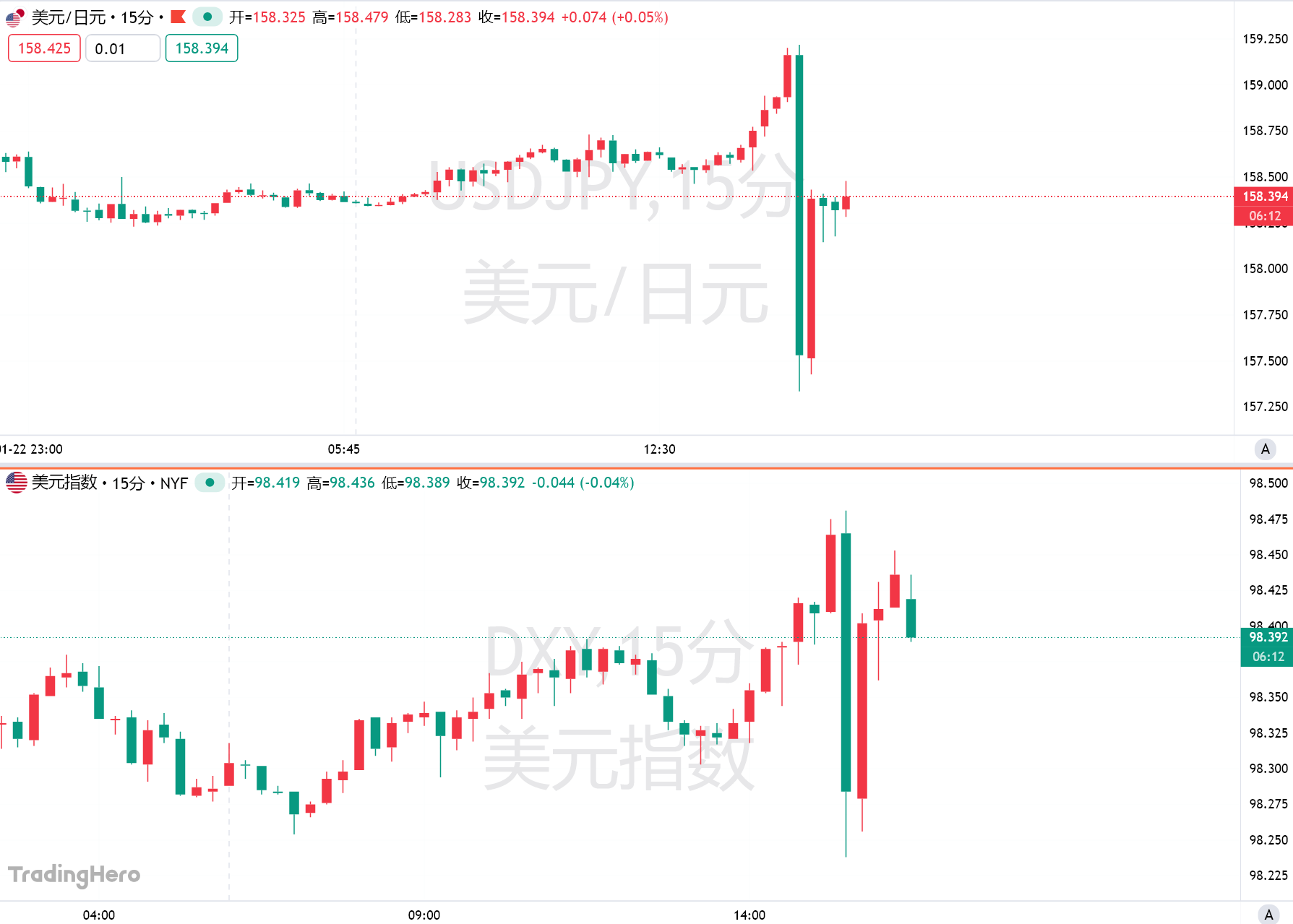
Core Viewpoint - The Japanese yen weakened after the Bank of Japan maintained interest rates, raising concerns about potential intervention to prevent the yen from hitting multi-year lows [1][2]. Group 1: Currency Movements - The USD/JPY exchange rate fell to a low of 157.33, dropping nearly 200 points from its daily high, before rebounding and nearly erasing all gains [1]. - The dollar index experienced a significant drop during the trading session, although the reasons behind these movements remain unclear [1]. Group 2: Market Reactions and Speculations - Traders are on alert for possible intervention by Japanese authorities as the USD/JPY approaches the 160 mark, with some analysts suggesting it is too early to confirm any intervention [2]. - The recent price fluctuations of the yen resemble previous "currency tests" conducted by the Japanese Ministry of Finance, which typically precede actual intervention actions [3]. Group 3: Intervention Insights - The purpose of the "currency test" is to provide a warning to the market before any intervention measures are taken, allowing for a more cautious approach to betting against the yen [4]. - Analysts believe that while intervention may provide short-term relief for the yen, it will not change the overall trend unless the Bank of Japan adopts a more hawkish stance and accelerates policy normalization [4]. Group 4: Economic Indicators - The Bank of Japan's decision to maintain the benchmark interest rate was accompanied by an upward revision of inflation expectations, suggesting that the next rate hike may occur sooner than previously anticipated [4]. - The chief economist at S&P Global Market Intelligence indicated that the recent depreciation of the yen is influenced by rising inflation expectations, reinforcing the likelihood of continued rate hikes [4].
“没人敢接飞刀”!日本债市的担忧是,5万亿日元消费税减免,钱从哪来?
Hua Er Jie Jian Wen· 2026-01-20 10:11
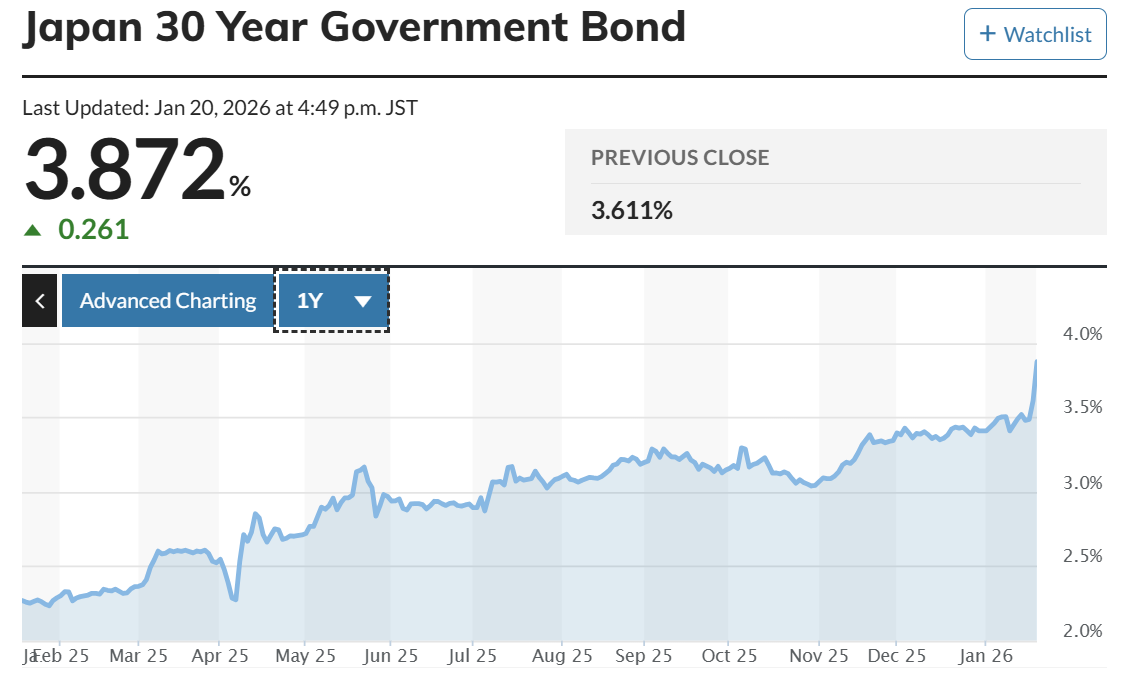
Core Viewpoint - Concerns about the collapse of fiscal discipline are rapidly spreading in the Japanese bond market as the upcoming elections approach, particularly regarding the potential for significant unfunded tax cuts [1][2]. Group 1: Election and Tax Policy - Prime Minister Sanna Takashi announced the dissolution of the House of Representatives on January 23, with elections scheduled for February 8, and plans to consider a two-year suspension of the consumption tax on food [1]. - The proposed tax cut could result in an annual reduction of approximately 5 trillion yen, but the government has not disclosed specific funding sources to cover this substantial fiscal gap [2][6]. Group 2: Market Reactions and Bond Yields - The Japanese bond market is facing severe selling pressure, with the 30-year bond yield rising by 26.5 basis points to 3.875% and the 40-year bond yield increasing by 27 basis points to 4.215%, both reaching historical highs [2]. - Analysts warn that if the government cannot provide a concrete financing plan beyond relying on "economic growth," investors may need to reprice Japan's sovereign risk [5]. Group 3: Fiscal Sustainability Concerns - The lack of a clear plan for tax increases or spending cuts has undermined investor confidence in Japan's fiscal sustainability, with the proposed tax cut seen as a politically motivated strategy rather than a sound economic policy [6][8]. - The long-end yield curve of Japanese government bonds is becoming increasingly fragile, with expectations of continued declines in the bond market due to fears of fiscal deterioration [7]. Group 4: Political Strategy and Future Outlook - Analysts believe that the timing of the election is more about political strategy than a fundamental shift in economic policy, with a focus on maintaining power rather than addressing fiscal details [8]. - The market is closely watching for any formal commitments regarding the food tax cut and detailed funding sources during Takashi's press conference, as vague statements may exacerbate concerns about Japan's fiscal outlook [8].
提前大选消息扰动市场!小摩:日本央行下周料按兵不动 经济展望及植田和男讲话成焦点
智通财经网· 2026-01-16 08:52
Core Viewpoint - The Bank of Japan (BOJ) is expected to maintain its current policy stance during the upcoming monetary policy meeting on January 23, with market focus shifting to the Economic and Price Outlook report and comments from Governor Kazuo Ueda [1][2] Group 1: Monetary Policy Expectations - Morgan Stanley indicates a low likelihood of action from the BOJ in the upcoming meeting, with expectations for the next rate hike to occur in April, contingent on the outcomes of spring wage negotiations [1] - The BOJ's January meeting is drawing attention due to speculation that Prime Minister Fumio Kishida may dissolve the House of Representatives for early elections, leading to increased yields on Japanese government bonds and a weaker yen [1] Group 2: Market Reactions and Concerns - The market anticipates that Kishida's Liberal Democratic Party may gain more votes in potential elections, reviving expectations for expansionary fiscal and monetary policies that could boost the stock market and weaken the yen [1] - Ueda is likely to face questions regarding the BOJ's response to Kishida's government's proactive fiscal policies, the depreciation of the yen, and rising government bond yields during the press conference [2] Group 3: Economic Outlook and Inflation - The BOJ may view the recent rise in market expectations for its terminal interest rate as a positive development, despite the yen's continued weakness, indicating a potential lag behind expanding fiscal policies [2] - The BOJ has historically been cautious about rate hikes due to concerns over the impact on the financial system, and the government's reluctance to raise policy rates adds pressure on the central bank [2] - The upcoming report may include factors such as gasoline tax cuts and electricity subsidies that were not considered in the previous October report, potentially leading the BOJ to maintain its inflation forecasts while adjusting core inflation predictions [2]

分析师:美元兑日元走强或反映市场信心转变
Sou Hu Cai Jing· 2026-01-14 06:19
Core Viewpoint - The current strength of the USD/JPY exchange rate reflects a structural shift in market confidence rather than a short-term technical rebound [1] Group 1: Economic Factors - The USD is favored due to the resilience of the US economy, with traders believing that the Federal Reserve is a credible central bank capable of maintaining restrictive monetary policy when necessary [1] - The Japanese yen is under pressure due to growth concerns, as investors perceive the Bank of Japan's normalization process to be slow and cautious [1] Group 2: Market Trends - The USD/JPY currency pair may continue its upward trend, although policy risks are increasing [1] - If the depreciation of the yen accelerates sharply, intervention actions may be taken by Tokyo [1]
告别同步宽松时代 全球利率步入差异化正常化阶段
Sou Hu Cai Jing· 2026-01-06 10:52
Core Viewpoint - The global interest rate market is transitioning from a phase of synchronized monetary easing among major economies to a phase of differentiated normalization, leading to varying stages of monetary policy across countries [1] Group 1: Monetary Policy Insights - Candriam suggests that duration should primarily be used as a hedging tool, focusing on relative value and curve positioning rather than solely on duration risk [1] - The Federal Reserve is expected to stabilize interest rates at neutral levels, which may result in a mild steepening of the U.S. Treasury yield curve [1] - The European Central Bank is advised to proceed cautiously and maintain interest rates at current levels for the time being [1] - The Bank of Japan is expected to pursue policy normalization through interest rate hikes [1]