生鲜连锁

Search documents
钱大妈日清模式“双刃剑”:高GMV光环背后,1159家加盟商集体出逃
Sou Hu Cai Jing· 2026-02-11 10:11
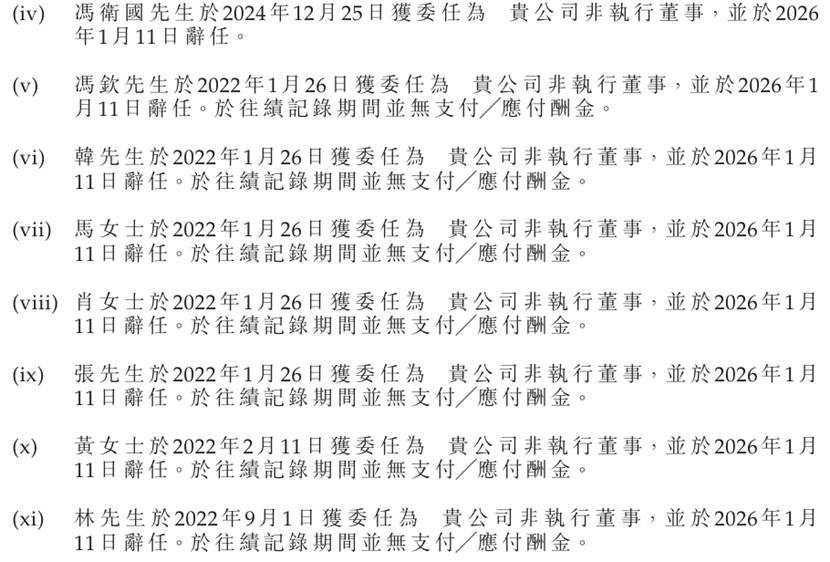
Core Viewpoint - Qian Dama, a community fresh food giant with nearly 3,000 stores, has submitted its IPO application to the Hong Kong Stock Exchange, aiming to become the first community fresh food stock. However, the founder's exit and the resignation of eight non-executive directors have raised concerns about the company's governance and operational stability, especially as it faces financial difficulties despite high gross merchandise volume (GMV) [1][2][3]. Group 1: Capital Changes Before IPO - The founder, Feng Jisheng, began to divest from Qian Dama in 2024, cashing out 110 million yuan through a company buyback and later transferring all his shares to his sister, Feng Weihua, for zero consideration, which could be worth tens of billions based on the company's valuation [2][3]. - The resignation of eight non-executive directors, including Feng Jisheng's brother, has been interpreted as a forced restructuring of the company's governance structure before the IPO [1][2]. Group 2: Business Growth and Challenges - Qian Dama has grown from a small pork stall in Dongguan to the largest community fresh food chain in China, with 2,938 stores as of September 30, 2025, and a GMV of 13.5 billion yuan in 2024, holding a 2.2% market share in the community fresh food sector [4][7]. - Despite impressive GMV figures, the company's revenue growth has stagnated, with revenues of 11.744 billion yuan in 2023 and 11.788 billion yuan in 2024, showing a decline of 4.2% in the first three quarters of 2025 [8][9]. Group 3: Financial Performance and Debt - The adjusted net profit was 215 million yuan, but under Hong Kong accounting standards, the company reported a net loss of 288 million yuan, primarily due to changes in the fair value of redeemable preferred shares. The debt-to-asset ratio surged to 196.7% by September 2025, indicating significant short-term repayment pressure [9][15]. - The company's revenue from product sales, which constitutes 97% of total revenue, has low gross margins, with rates of 7.8% in 2023, 8.1% in 2024, and 9.0% in the first three quarters of 2025, significantly lower than competitors [13][14]. Group 4: Franchise Model and Operational Issues - Qian Dama's business heavily relies on franchise stores, with 98.6% of its stores being franchises as of September 30, 2025. However, the relationship with franchisees has become strained, leading to a significant number of closures and a loss of over 1,100 franchise partners since 2023 [15][20]. - The "daily clearance" model, which involves aggressive discounting, has resulted in many franchisees reporting losses, as customers tend to wait for discounts, leading to a paradox where sales do not translate into profitability [16][20].

又一女将带队,成都明星公司要IPO了
投中网· 2026-02-11 03:25
Core Viewpoint - The article highlights the increasing trend of female entrepreneurs pursuing IPOs, with a focus on the success of Zaling Bio, led by Chen Lijuan, and other notable companies in the same wave [3][5][15]. Company Overview - Zaling Bio, founded in 2019 by Chen Lijuan, emerged from the technology transfer initiatives of Sichuan University West China Hospital, aiming to bridge the gap between laboratory research and clinical application of innovative drugs [7][8]. - The company focuses on small molecule therapies for blood system diseases, tumors, central nervous system diseases, and immune/inflammatory diseases, with products like FM and PM in various clinical trial stages [8][10]. Financial Performance - Zaling Bio has raised over 1.1 billion yuan in funding, with significant investments from various venture capital firms, including Tencent and Qiming Venture Partners [10][12]. - Despite ongoing R&D investments exceeding 160 million yuan, the company reported a net loss of over 91 million yuan in 2024 and nearly 120 million yuan in the first nine months of 2025 [8][10]. Investment and Valuation - The company's valuation has surpassed 3.4 billion yuan following multiple funding rounds, with notable investors recognizing the differentiated drug design and promising clinical data [9][12][14]. - Chen Lijuan holds approximately 25.6% voting rights in the company, translating to a personal valuation of several hundred million yuan based on the latest funding round [14]. Industry Trends - The article notes a surge in female-led companies seeking IPOs, with examples including Qian Dama, Yinuo Medical, and Wenstone Information, all of which have made significant strides in their respective fields [15][17]. - The trend reflects a broader societal shift towards recognizing and supporting female entrepreneurs, contributing to a growing number of successful IPOs in various industries [15][17].

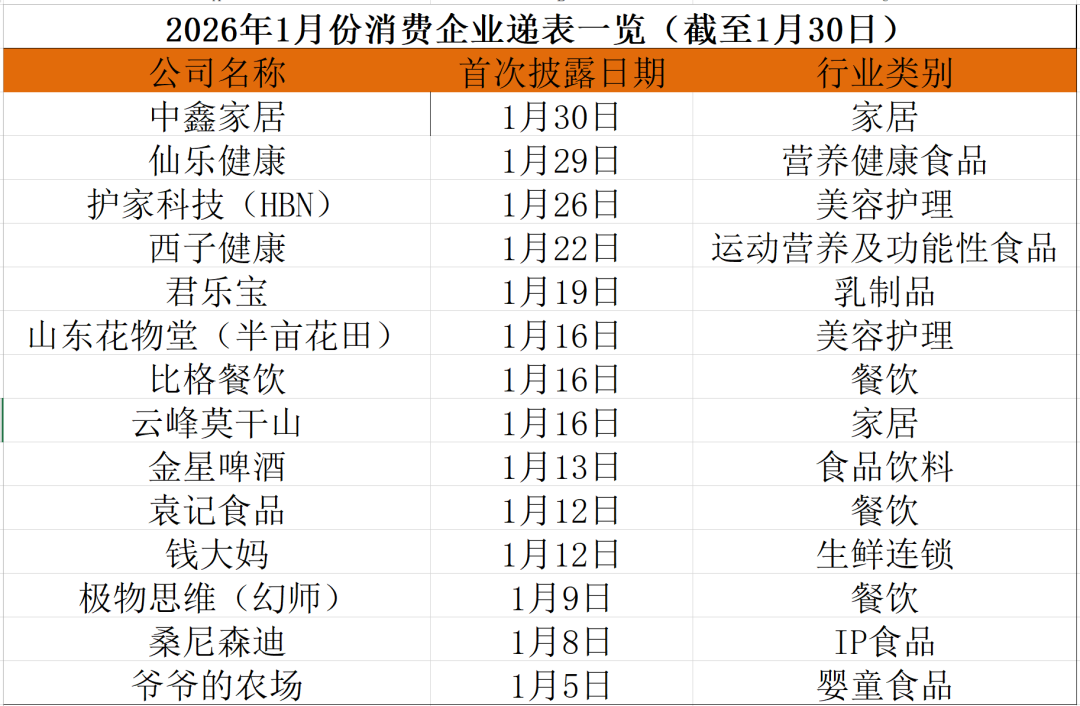
大爆发!“组团”来了:君乐宝、钱大妈、袁记食品、金星啤酒、比格餐饮......知名消费企业掀港股上市潮,资本、市场与政策共振的必然结果
Zhong Guo Ji Jin Bao· 2026-01-31 05:35
Core Viewpoint - The surge of consumer companies listing on the Hong Kong Stock Exchange (HKEX) in early 2026 is driven by a combination of capital demands, market conditions, and favorable policy environments, marking a significant trend in the consumer sector [1][8]. Group 1: Listing Trends - Major consumer companies such as Mingming Hen Mang and Dongpeng Beverage have recently completed their IPOs, with Dongpeng raising an estimated HKD 10 billion, setting a record for the Asian beverage industry [1][4]. - As of January 30, 2026, 14 consumer companies have disclosed their H-share prospectuses, indicating a notable increase compared to the same period in 2025 [2][4]. - The trend includes a diverse range of sectors, including food and beverage, beauty care, and home goods, showcasing a multi-faceted approach to capitalizing on market opportunities [4][6]. Group 2: Company Highlights - Junlebao, a leading dairy brand, aims to raise funds for factory construction, capacity expansion, and brand marketing, with an annual revenue of approximately CNY 20 billion [4]. - Jinxing Beer, known for its craft beer, reported a revenue increase from CNY 356 million to CNY 1.109 billion from 2023 to the first nine months of 2025, with net profit soaring from CNY 12 million to CNY 305 million, marking a 2400% increase [5]. - Other notable companies like Qian Dama and Yuanji Food are also advancing their listing processes, reflecting a broader trend of consumer companies seeking capital to support growth and expansion [4][6]. Group 3: Market Dynamics - The favorable policy environment, including measures from the China Securities Regulatory Commission to support leading enterprises in listing in Hong Kong, has facilitated this trend [8]. - The recovery of the HKEX since 2025 has made it an attractive option for consumer companies, with over one-third of new listings in the first half of 2025 being consumer-related [9]. - The internal pressures for capital and the need for significant funding to support growth strategies are driving companies to pursue listings as a means of capitalizing on market opportunities [9][10]. Group 4: Valuation and Market Performance - There is a noticeable divergence in stock performance among consumer companies listed on the HKEX, with some achieving high valuations while others struggle post-IPO [11][12]. - The market favors companies with strong brand presence and visible cash flow, while smaller brands face liquidity discounts due to lack of profitability [12]. - The ability to expand internationally and enhance operational efficiency is becoming increasingly important for valuation in the consumer sector [12].
钱大妈上市前夕,创始人却“跑路”了
Sou Hu Cai Jing· 2026-01-29 14:08
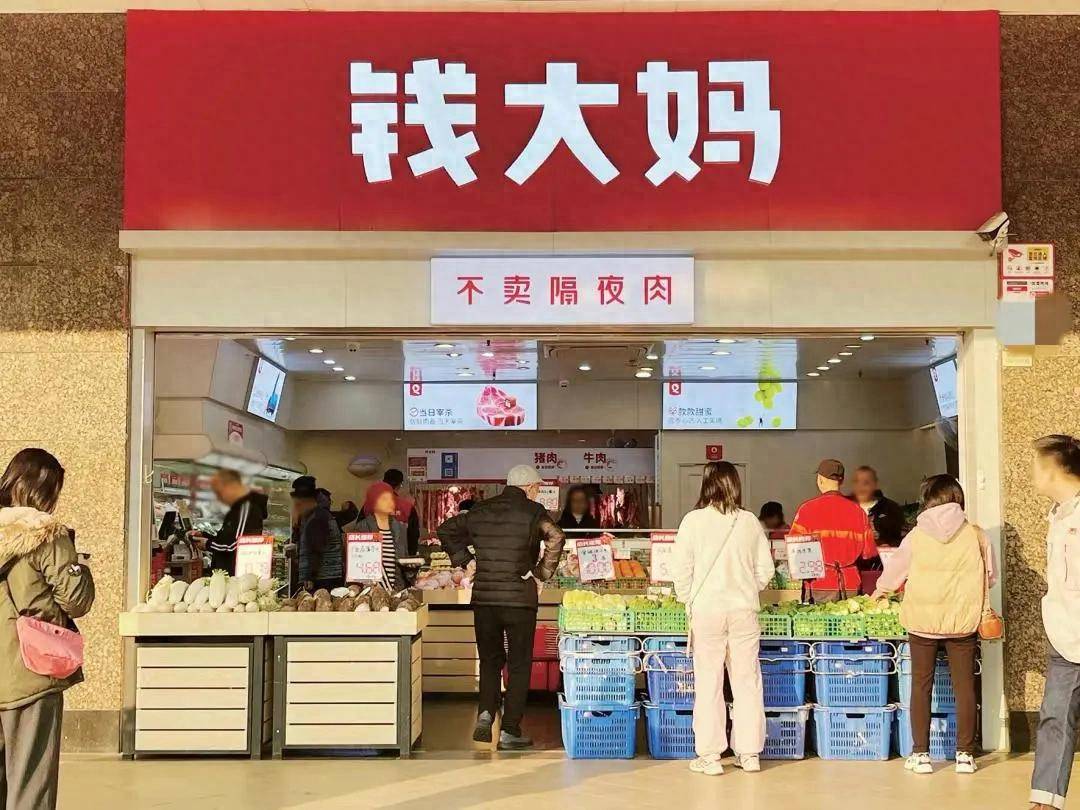
Core Viewpoint - The company "Qian Dama," known for its fresh food retailing, is facing significant challenges as its founder and eight board members have resigned just before its planned IPO in Hong Kong, raising concerns about the company's stability and future prospects [1][19]. Company Background - "Qian Dama" was founded by Feng Jisheng, who revolutionized the pork market with the slogan "Do not sell overnight meat," leading to rapid growth and the establishment of a large chain of fresh food stores [1][3]. - The company expanded aggressively, reaching over 2,938 stores by September 2025, with 98.6% being franchise locations [4]. Financial Performance - In 2024, "Qian Dama" reported a Gross Merchandise Value (GMV) of 14.8 billion yuan, maintaining its position as the largest community fresh food chain in China [7]. - However, the company's financial health is deteriorating, with a reported net loss of 288 million yuan in the first three quarters of 2025, indicating a negative net profit margin of -3.4% [19]. Expansion and Challenges - Despite its rapid expansion, "Qian Dama" has struggled to penetrate markets outside Guangdong, with failed attempts in Beijing and Fujian [8][10]. - The company has faced significant operational challenges, including high franchisee turnover and complaints about product quality, leading to a decline in brand reputation [14][16]. Debt and Financial Risks - "Qian Dama" has accumulated a total debt of 3.529 billion yuan, with a debt-to-asset ratio of 196.7%, indicating severe financial strain [20]. - The company's financial structure includes 1.579 billion yuan in redeemable preferred shares, which could create liquidity issues if the IPO does not succeed [20]. Founder’s Exit - Feng Jisheng's decision to cash out 110 million yuan and transfer his remaining shares to his sister just before the IPO has raised suspicions about the company's financial stability and potential hidden issues [17][18]. - The founder's actions suggest a premeditated exit strategy, possibly to mitigate personal financial risks associated with the company's mounting debts [18].
钱大妈冲刺上市:鲜肉背后的资本江湖与隐忧
Sou Hu Cai Jing· 2026-01-23 09:41
Core Viewpoint - Qian Dama, a community fresh food chain, has submitted its prospectus to the Hong Kong Stock Exchange, revealing a business model that generates over 10 billion yuan in annual revenue and over 1 billion yuan in net profit, while also highlighting complexities related to capital operations, family ties, and management instability [1] Group 1: Business Model and Revenue - Qian Dama's core business model is its innovative "discount daily fresh" sales mechanism, which includes a tiered discount strategy starting at 7 PM and free giveaways late at night, effectively reducing inventory loss and enhancing brand perception of freshness [3] - The company generates over 10 billion yuan in annual product sales, supported by high turnover and strong customer loyalty [3] Group 2: Regional Risks - Over 60% of Qian Dama's stores are concentrated in Guangdong, particularly in the Greater Bay Area, where gross margins are significantly higher compared to other regions, with gross margins of 18.5% in Hong Kong and Macau, 12.5% in Guangdong, and only 6% in other mainland areas [3] - The regional concentration poses risks as the company's business model may face challenges in replicating its success in other markets due to differences in supply chain efficiency, consumer habits, and competitive environments [3] Group 3: Capital and Governance - Qian Dama has raised over 1.7 billion yuan through multiple financing rounds from notable institutions, with significant returns for investors like Hejun Capital [4] - The governance structure is heavily influenced by family ties, with founder Feng Jisheng cashing out 110 million yuan and transferring remaining shares to his sister, Feng Weihua, who then became the controlling shareholder and CEO [4][5] Group 4: Management Instability - The company has attracted numerous executives from major internet and retail firms to enhance its digital and supply chain capabilities [7] - However, there has been significant management turnover, with eight directors, including the actual controller's brother, resigning just before the IPO, raising concerns about strategic continuity and internal stability [7] Group 5: Profitability Challenges - Despite substantial revenue, Qian Dama's profitability is limited, with an adjusted net profit margin peaking at only 2.6%, reflecting the low-margin nature of the fresh food industry and high operational costs [8] - The company relies on franchise stores for expansion, but faces slow growth and a notable closure rate, indicating challenges for its single-store model in new markets [8] Group 6: Market Outlook - Qian Dama's unique model has attracted consumer interest and capital, but its IPO represents both a summary of past achievements and a bet on future growth [9] - Investors need to consider the risks of regional dependence, complex related-party transactions, governance stability, and thin profit margins when evaluating the company's potential for sustainable nationwide profitability and transparent governance [9]
抖音爆款要IPO了
3 6 Ke· 2026-01-21 10:58
Core Viewpoint - Shandong Huawutang Cosmetics Co., Ltd., the parent company of the popular domestic brand "Banmu Huatian," is preparing for an IPO on the Hong Kong Stock Exchange, with CITIC Securities as the sole sponsor [2][4]. Company Overview - Banmu Huatian was founded by a couple from Shandong, Qi Yunjie and Shang Ximei, who initially engaged in herbal tea business before focusing on rose-based products in their hometown, known for its rose cultivation [3]. - The company started with rose hydrosol and expanded its product line to include body lotions, facial cleansers, and shampoos, achieving significant popularity through Douyin (TikTok) [3][7]. Financial Performance - The company reported revenues of 1.199 billion RMB in 2023, projected to grow to 1.499 billion RMB in 2024 and 1.895 billion RMB in the first three quarters of 2025, with adjusted net profits of 24 million RMB, 83 million RMB, and 148 million RMB respectively [10]. - The body care segment is the primary revenue source, accounting for 41.8% of total revenue in the first three quarters of 2025, while the hair care segment saw a nearly fivefold increase in revenue [10]. Market Position - Banmu Huatian is recognized as the leading domestic brand in body lotion, body scrub, and facial cleanser categories, according to data from Frost & Sullivan [8]. - The average price of its products is maintained around 20 RMB, with a strategy to expand offline channels by reducing prices from 21.9 RMB in 2023 to 19.3 RMB in 2024 [11]. Sales Channels - Online sales remain the dominant channel, contributing 85.7%, 75.9%, and 76.3% of total revenue in 2023, 2024, and the first three quarters of 2025, respectively [11]. - Douyin is a key platform for sales, with the company's GMV consistently exceeding 50 million to 75 million RMB, and six months surpassing 100 million RMB in 2025 [12]. Competitive Landscape - The company faces intense competition in the personal care market, with rising challenges from both established brands and new entrants [13]. - Marketing expenses are significant, with a sales expense ratio of 47.3% in the first three quarters of 2025, while R&D expenditure has decreased [13].

抖音爆款要IPO了
投资界· 2026-01-21 08:58
Core Viewpoint - The article discusses the rapid rise of Shandong Huawutang Cosmetics Co., Ltd. (the parent company of the brand "Banmu Huatian") and its upcoming IPO on the Hong Kong Stock Exchange, highlighting the brand's success driven by social media marketing, particularly on Douyin [3][4][12]. Company Overview - Banmu Huatian was founded in 2010 by a couple from Jinan, Shandong, who initially engaged in herbal tea business and later shifted focus to rose-based products, leveraging the region's rich history in rose cultivation [4]. - The brand gained significant traction in 2018 with the rise of short video platforms, particularly Douyin, leading to explosive sales growth [4][7]. Financial Performance - In 2023, Huawutang reported revenues of 1.199 billion RMB, with projections of 1.499 billion RMB in 2024 and 1.895 billion RMB in 2025 [9][10]. - The adjusted net profits for the same periods are 24 million RMB, 83 million RMB, and 148 million RMB respectively [9]. - The body care segment constitutes the majority of revenue, accounting for 41.8% in the first three quarters of 2025, while hair care products have seen a nearly fivefold increase in revenue [9][10]. Market Position - Banmu Huatian is recognized as the leading domestic brand in body lotion, body scrub, and cleansing mousse, according to data from Frost & Sullivan [7]. - The brand's average product price is maintained around 20 RMB, with a strategy to lower prices to expand offline channels [9][11]. Sales Channels - Online sales remain the primary revenue source, contributing 85.7% in 2023, 75.9% in 2024, and 76.3% in the first three quarters of 2025 [9][10]. - Douyin is the main platform for sales, with monthly GMV consistently exceeding 50 million to 75 million RMB, and six months surpassing 100 million RMB [10]. Competitive Landscape - The company faces intense competition in the personal care market, with a high sales expense ratio of 47.3% in the first three quarters of 2025, indicating significant marketing investments [11]. - The asset-liability ratio reached 67.6% by September 2025, reflecting financial pressures amid a competitive environment [11].

“全国第一”的钱大妈要IPO,创始人却“跑了”
Xin Lang Cai Jing· 2026-01-20 11:38
Core Viewpoint - Qian Dama, a leading community fresh food chain in China, is facing significant challenges as its valuation has dropped to approximately 3.7 billion RMB, more than halving since 2019, coinciding with the founder's exit and a series of operational struggles [4][28][51]. Company Overview - Qian Dama has been recognized as the number one player in the community fresh food chain industry in China for five consecutive years, with a projected GMV of 14.8 billion RMB in 2024 [7][33]. - The company started as a small pork stall in Dongguan in 2012 and expanded rapidly, reaching over 2,938 stores across 14 provinces by September 2025 [8][10][36]. Financial Performance - The company has experienced a decline in revenue, with a 0.4% growth in 2024 and a 4.3% decrease in the first three quarters of 2025, leading to a net loss of 290 million RMB [15][41]. - Qian Dama's asset-liability ratio has surged to 196.7%, indicating financial strain, despite holding 1.213 billion RMB in cash and equivalents [16][42]. Operational Challenges - Over the past four years, Qian Dama has closed more than 700 stores, with a closure rate exceeding 10% annually [5][39]. - The company has struggled to maintain profitability for its franchisees, leading to a high turnover of franchise locations and complaints about financial viability [40][41]. Market Position and Competition - Despite being labeled as the "king of community fresh food," Qian Dama has been unable to expand successfully beyond Guangdong, with nearly 70% of its stores located in South China [19][45]. - The competitive landscape is intensifying, with major players like Pinduoduo, Meituan, and JD.com aggressively entering the market, leveraging their resources to challenge Qian Dama's position [23][49]. Leadership Changes - The founder, Feng Jisheng, transferred control of the company to his sister, Feng Weihua, just as the company was preparing for its IPO, raising questions about the company's future direction [4][12][37].
卫龙前CEO入职大窑汽水;钱大妈赴港IPO
Sou Hu Cai Jing· 2026-01-19 01:17
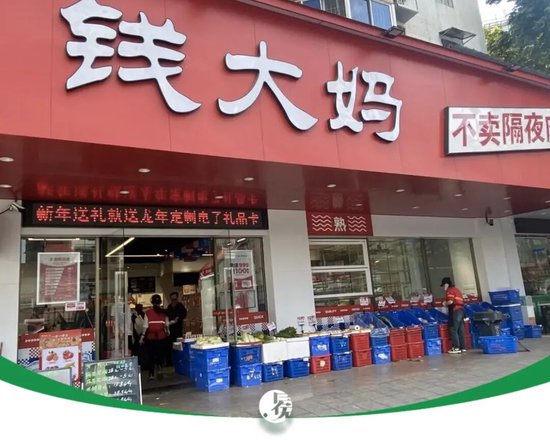
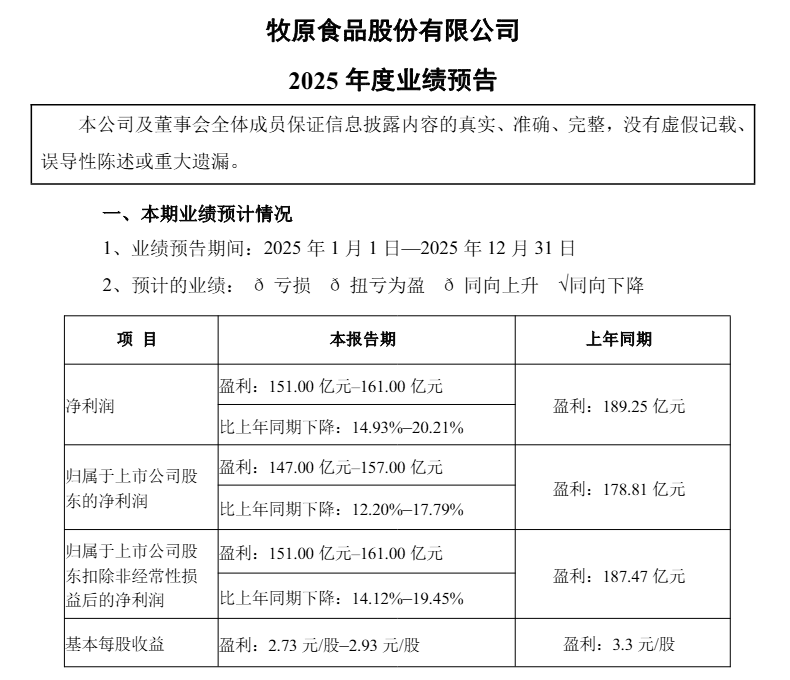
Group 1: Company Developments - Former CEO of Weilong, Sun Yinoong, has joined Dayao as CEO, bringing extensive experience from Coca-Cola and Xiamen Yili Food Group [1] - Qian Dama International Holdings has officially launched its IPO process in Hong Kong, aiming to raise funds for expanding its store network and enhancing supply chain capabilities [2] - Muyuan Foods has projected a net profit of 14.7 billion to 15.7 billion yuan for 2025, reflecting a decline of 12.20% to 17.79% compared to the previous year due to fluctuations in the pig market [2][3] - Jinlongyu announced the transfer of its 50% stake in a joint venture with Mars China for a total of $60 million, which is expected to impact its 2026 earnings significantly [4] - New Hope plans to raise approximately 3.338 billion yuan through a private placement to enhance digital transformation and repay debts [4] Group 2: Industry Trends - Yonghui Supermarket has forecasted a net loss for 2025, indicating challenges in its operational performance [5] - Ito En is advancing local tea procurement in China to mitigate rising costs and meet the growing global demand for matcha [5] - Yunnan coffee has expanded its market reach to 34 countries, with significant growth in planting area and production, leading to a 358% increase in exports in 2024 [8] - The World Health Organization has called for increased taxation on sugary and alcoholic beverages to address public health issues related to obesity and related diseases [10]

卫龙前CEO加入大窑,57岁老将能否再造一个IPO神话?
Sou Hu Cai Jing· 2026-01-17 05:32
Company Developments - Former CEO of Wei Long, Sun Yinan, has joined Dayao as CEO, bringing extensive experience from Coca-Cola and other food companies [2][3] - Qian Dama International Holdings has initiated its IPO process in Hong Kong, aiming to raise funds for expanding its store network and enhancing supply chain capabilities, with a projected GMV of 14.8 billion yuan in 2024 [2][3] - Muyuan Foods has forecasted a net profit of 14.7 billion to 15.7 billion yuan for 2025, representing a decline of 12.20% to 17.79% compared to the previous year [2][3][5] - Jinlongyu has announced the transfer of its stake in a joint venture with Mars China, with a total transaction value of $60 million, which is expected to impact its 2026 earnings significantly [6][5] Industry Trends - The fresh food retail sector is seeing significant growth, with Qian Dama leading the community fresh food chain market in China for five consecutive years [2][3] - The coffee industry in Yunnan has expanded its global reach, exporting to 34 countries and regions, with a notable increase in production and agricultural output [11] - The World Health Organization has called for increased taxation on sugary and alcoholic beverages to address public health issues, highlighting the economic burden of these products [12]