
适老化家居

Search documents
新政加码银发经济:4亿老年市场潜力如何释放?
Sou Hu Cai Jing· 2026-02-26 13:16
Core Viewpoint - The State Council of China emphasizes the need to develop the silver economy and elderly care services, aiming to enhance consumption among the elderly and create new consumption scenarios and business models [2] Group 1: Demographic Trends - By the end of 2025, the population aged 60 and above in China is projected to reach approximately 320 million, accounting for 23% of the total population, with those aged 65 and above reaching about 224 million, or 15.9% [2] - It is predicted that by around 2035, the elderly population (60 and above) will exceed 400 million, representing over 30% of the total population, marking a transition to a severely aging society [2] Group 2: Economic Impact - The silver economy in China is currently valued at approximately 7 trillion yuan, with projections estimating it could grow to 19.1 trillion yuan by 2035, and potentially reach 30 trillion yuan according to other studies [5][6] - From 2025 to 2040, the total consumption expenditure of individuals aged 60 and above is expected to increase by over 300%, while the overall population's consumption expenditure is projected to grow by 136% [5][6] Group 3: Elderly Care Services - The current elderly care system in China is still in the exploratory phase, with about 90% of elderly individuals opting for home care [4] - As of the end of 2025, there are approximately 41,700 elderly care institutions in China, employing around 722,000 people, with private institutions making up 52.2% of the total [8] Group 4: Policy and Support Measures - The government has introduced various fiscal, land, tax, and financial support policies to promote the integration of public and private elderly care institutions [5] - Recent measures include enhancing the supply of elderly care services and supporting technology-driven solutions in elderly care [10] Group 5: Market Dynamics - The rapid economic growth over the past 40 years has led to increased savings among the elderly, with a notable shift in their consumption patterns towards health, culture, tourism, and smart products [10] - The elderly population's consumption is expected to become a significant growth point for the national economy in the coming years, with a focus on health, wellness, and leisure spending [10]


【秦声嘹亮】大地草木萌发,神州春启新程
Xin Lang Cai Jing· 2026-02-19 08:40
Group 1 - The integration of ice and snow sports with traditional Chinese New Year customs is becoming more prevalent, enhancing cultural experiences across various regions [1] - Popular winter sports events and activities are being organized in locations like Beijing and Chongqing, attracting significant tourist participation [1] - The festive atmosphere is characterized by a blend of modern life and traditional customs, with social media playing a role in connecting people through shared experiences [1] Group 2 - Restaurants in cities like Changchun and Chongqing are experiencing high demand for New Year's Eve dinners, with some establishments expanding their seating to accommodate more guests [2] - Local markets are bustling with activity, showcasing a variety of goods, including handmade crafts and diverse food products, reflecting consumer enthusiasm during the holiday season [2] - The presence of innovative products, such as smart glasses and age-friendly home items, is gaining popularity as gift options during the New Year celebrations [2] Group 3 - Markets and shopping districts are vibrant, with global products attracting consumers, and themed events like lantern festivals enhancing the festive spirit [3] - The integration of technology and traditional performances is evident in various celebrations, showcasing a blend of modernity and cultural heritage [3] - The overall market activity indicates a positive outlook for the economy, with consumers displaying confidence and enthusiasm for the New Year [3]
九州同春启新程 万家灯火映山河
Xin Lang Cai Jing· 2026-02-17 17:34
Group 1 - The integration of traditional customs with modern elements is evident, showcasing a vibrant atmosphere during the Spring Festival across various regions in China [2][3][4] - The popularity of winter sports during the Spring Festival is highlighted, with ski resorts becoming key venues for celebrations, attracting numerous visitors [2][3] - The transportation infrastructure improvements, such as new high-speed rail connections, have significantly boosted tourism in areas like Yan'an and Chongqing, enhancing local economies [4][5] Group 2 - The festive market atmosphere is thriving, with a notable increase in demand for traditional New Year's Eve dinners, as evidenced by a 105% year-on-year increase in reservations [5][6] - Various local markets are bustling with activity, offering a wide range of products, from handmade crafts to fresh produce, reflecting the richness of local culture and consumer preferences [5][6] - The rise of experiential travel, particularly in nearby destinations, is becoming a preferred choice for families during the holiday season, indicating a shift in consumer behavior [7] Group 3 - The overall economic vitality is reflected in the bustling activities across different sectors, including tourism, retail, and local businesses, contributing to a positive outlook for the new year [8][9] - Innovations in technology and consumer engagement are evident, with increased foot traffic in stores and attractions, showcasing a blend of tradition and modernity [9][10] - The commitment to productivity and progress is underscored by ongoing research and development efforts in various scientific fields, emphasizing the importance of continuous innovation [10]
从“托底”到“赋能”,上海探索“大城养老”新范式
Xin Lang Cai Jing· 2026-02-08 02:01
Core Viewpoint - Shanghai is addressing its aging population by developing a comprehensive and sustainable elder care system that not only meets basic needs but also enhances the quality of life for the elderly [2][17]. Group 1: Elderly Welfare and Support Systems - One-third of Shanghai's registered population is elderly, raising concerns about how to support vulnerable groups, particularly those with disabilities and single elderly individuals [2]. - The need for a robust care system for elderly individuals with dementia and disabilities is urgent, as current rehabilitation resources are insufficient and unevenly distributed [4]. - Suggestions include establishing a unified qualification system for rehabilitation professionals and enhancing training for grassroots workers to improve service quality [4]. Group 2: Community-Based Services and Innovations - Shanghai has been expanding community rental services for rehabilitation aids since 2019, achieving full coverage by the end of 2021 [6]. - The implementation of the "Shanghai Municipal Government's Opinions on Promoting the Implementation of the Elderly Designated Guardianship System" aims to provide legal support for elderly individuals' end-of-life wishes [7]. - The city is also focusing on integrating property management with elder care services to offer various support options at residents' doorsteps [15]. Group 3: Meeting Diverse Needs of the Elderly - The demand for quality and tailored services for different age groups and health conditions among the elderly is increasing, shifting from mere availability to quality and precision [8][9]. - The "silver-haired middle youth" demographic (ages 60-70) is emerging as a significant consumer group, seeking quality life experiences, social engagement, and cultural activities [9][11]. - There is a call for the development of products and services that cater specifically to the elderly, including health foods, educational programs, and cultural tourism [11][14]. Group 4: Future-Oriented Institutional Innovations - Shanghai is focusing on long-term solutions for elder care, including optimizing service supply and enhancing the integration of medical and elder care services [15][16]. - The city is also addressing the shortage of professional caregivers by encouraging more young people to enter the elder care field through various initiatives [16]. - The ongoing exploration of innovative service models aims to create a replicable "big city elder care" model that can be shared with other regions [17].

银发商店为老年人提供沉浸式消费新空间
Xin Lang Cai Jing· 2026-01-19 17:08
Core Viewpoint - The opening of Shanghai's first silver-haired store represents a significant shift in the retail landscape for elderly products, providing an immersive shopping experience that meets the evolving needs of the aging population [3][4]. Group 1: Store Features and Offerings - The "Shanghai Silver-haired Store" integrates various elderly products, including smart aids, age-friendly home furnishings, functional clothing, and entertainment options, creating a comprehensive shopping environment [3]. - The store aims to address the "last mile" gap between technology products and the elderly, transitioning their consumption from mere functionality to comfort, health, and dignity [3]. Group 2: Market Impact and Consumer Behavior - The physical store complements online shopping platforms by alleviating concerns about product quality and after-sales service, thereby enhancing the confidence and trust of elderly consumers [4]. - This initiative is expected to accelerate the integration of elderly product innovations into daily life, shifting the silver economy from a "protection-oriented" model to a "quality-oriented" one [4]. Group 3: Societal and Economic Implications - The silver-haired store not only caters to the diverse and high-quality lifestyle demands of the elderly but also facilitates intergenerational consumption, easing the concerns of younger consumers about the suitability of products for their elderly relatives [4]. - There is an anticipation for more silver-haired stores to emerge in communities, which would effectively stimulate new economic momentum in the silver economy and improve the availability of quality elderly services and products [4].

探访上海首家银发商店感受银发经济新活力
Xin Lang Cai Jing· 2026-01-15 18:26
Group 1 - The core viewpoint of the article highlights the opening of Shanghai's first silver-haired store, which aims to provide a daily extension of the Shanghai Old Expo through innovative product experiences for the elderly [3] - The store features a variety of products tailored for the elderly, including smart assistive devices, age-friendly home furnishings, functional clothing, and entertainment options, creating an immersive shopping experience [3] - The store will regularly update its selection of preferred products to cater to the needs of the elderly demographic, indicating a commitment to continuous improvement and customer engagement [3]
探访上海首家银发商店 感受银发经济新活力
Sou Hu Cai Jing· 2026-01-15 12:48
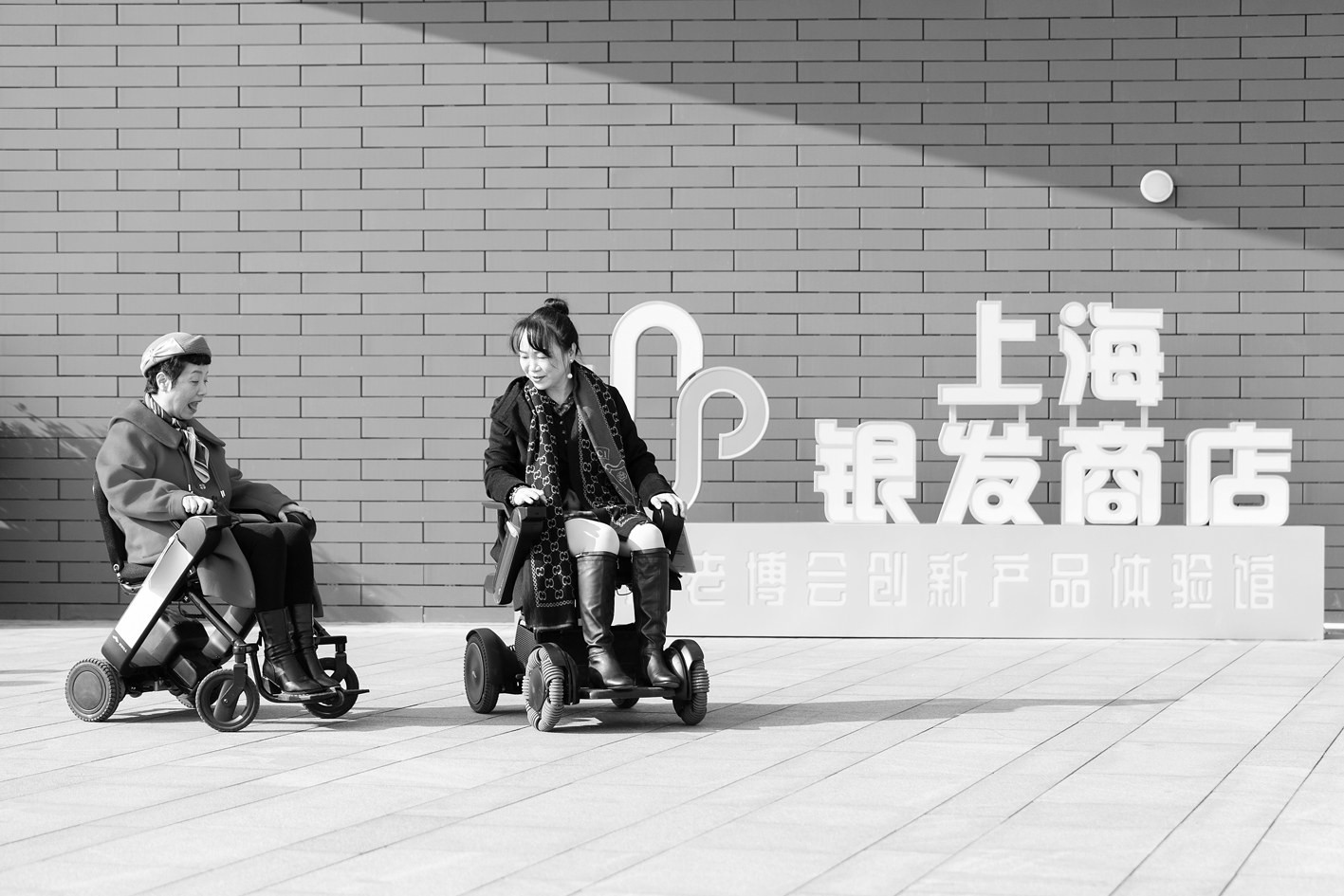
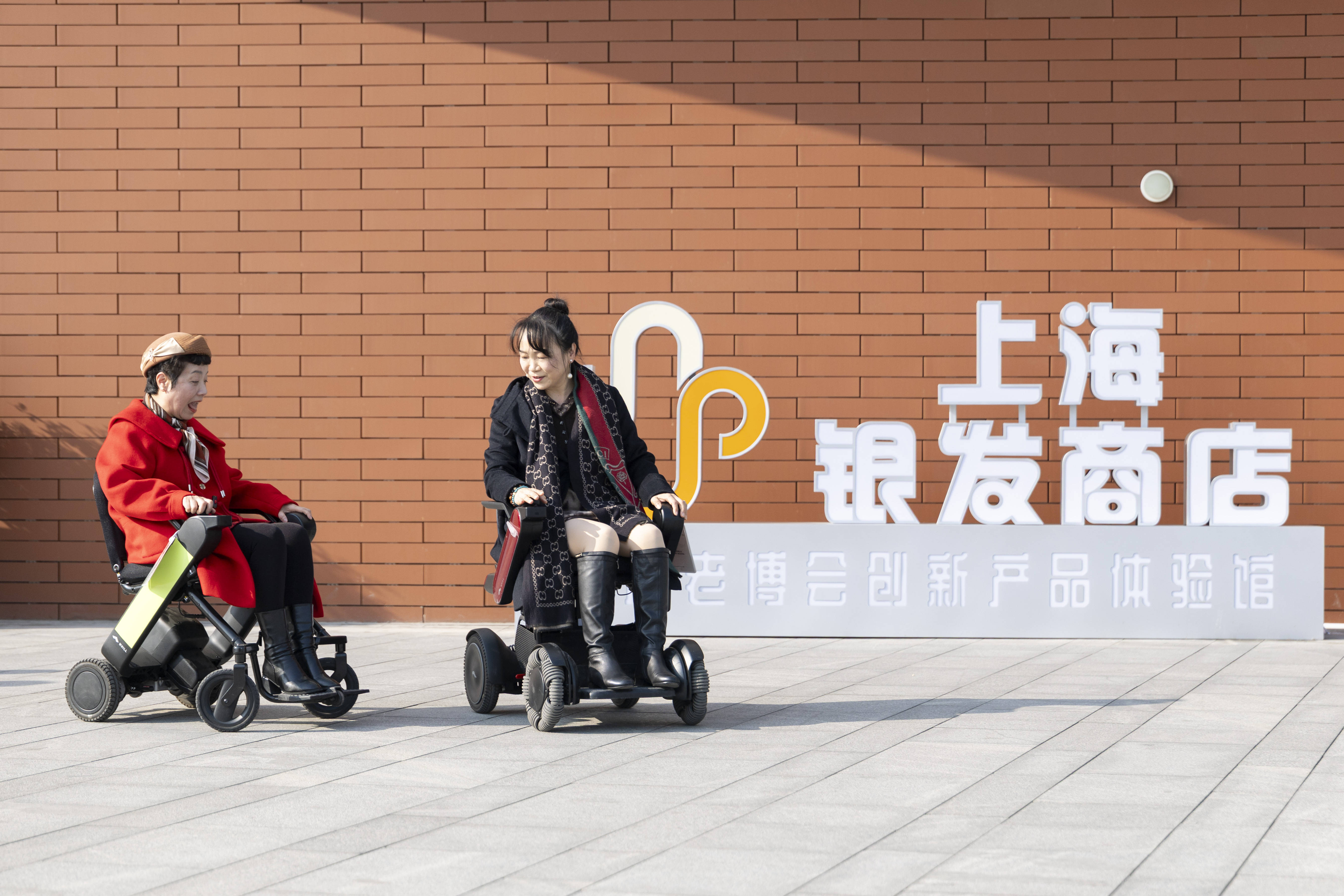
Core Viewpoint - The "Shanghai Silver Hair Store," the first of its kind in Shanghai, has officially opened in the Putuo District, extending the experience of the recent "Shanghai Old Expo" into daily life, providing a new immersive shopping space for the elderly community [1]. Group 1 - The store features a variety of products tailored for the elderly, including smart assistive devices, age-friendly home furnishings, functional clothing, and entertainment options [1]. - The product selection will be regularly updated to ensure that the offerings remain relevant and appealing to the silver-haired demographic [1]. Group 2 - Customers can experience products such as electric wheelchairs and consult staff about age-appropriate modifications and products [5][12]. - The store aims to create a comprehensive shopping experience that caters specifically to the needs and preferences of older adults [1].
2026年以旧换新政策全面落地 多领域补贴激活新年消费
Yang Shi Wang· 2026-01-10 08:53
Group 1 - The national policy for large-scale equipment updates and trade-in for consumer goods officially launched in 2026, covering multiple sectors including automobiles, home appliances, and digital smart products [1][3] - Since the New Year, various regions have been leveraging the new policy to stimulate the consumer market, with a notable increase in demand for smart watches and smart glasses, which are now included in the subsidy program [1][3] - In Jiangsu, the government has issued over 115 million yuan in subsidies, leading to sales of 890 million yuan, indicating a strong market response to the trade-in policy [3] Group 2 - In Anhui, the trade-in policy has significantly boosted automobile consumption, with many consumers actively visiting car dealerships [4][6] - In Hebei, the launch of the new round of national subsidies has resulted in a surge in consumer activity at shopping malls, with many customers inquiring about trade-in services [8]

21社论丨优化实施“两新”政策 撬动更多市场需求
2 1 Shi Ji Jing Ji Bao Dao· 2026-01-05 23:13
Group 1 - The core viewpoint of the news is that the new policies for 2026 aim to stimulate consumption and investment through equipment updates and trade-in programs, with a focus on both short-term economic growth and long-term structural optimization [1][3]. - The sales of trade-in related products are projected to exceed 2.6 trillion yuan by 2025, benefiting over 360 million people [1]. - The new policies will support a wide range of sectors, including traditional industries and new areas such as elderly care and public safety, indicating a shift towards improving public welfare and consumer experiences [2][3]. Group 2 - The 2026 policy for equipment updates has expanded its scope to include not only traditional sectors but also consumer infrastructure like elevators in old residential areas and fire rescue facilities, reflecting a balanced focus on production and daily life [2][3]. - Specific adjustments in the subsidy mechanisms aim to enhance precision and effectiveness, such as prioritizing the replacement of old trucks with new energy vehicles and adjusting subsidies for residential elevators based on building height [2][4]. - The new trade-in policy will concentrate on key consumer goods like automobiles and core home appliances, streamlining support to maximize market impact and consumer engagement [3][4]. Group 3 - The implementation mechanisms of the new policies emphasize efficiency, with changes in subsidy structures for automobiles linking them to sales prices rather than fixed amounts, which is expected to optimize fiscal spending [4]. - The support for home appliances has been narrowed from 12 categories to 6 core products, focusing on high-penetration items that drive consumer behavior [4]. - Emerging consumer sectors such as smart glasses and age-friendly home products are included in the support scope, indicating a proactive approach to align with future consumption trends [4]. Group 4 - The shift in China's consumption structure from goods to services is highlighted, with service consumption becoming a key area for boosting domestic demand, particularly in sectors like tourism, sports, health, and elder care [5]. - Future efforts will focus on institutional innovation and quality enhancement to unlock the potential of service consumption and further optimize the economic structure [5].
21社论丨优化实施“两新”政策,撬动更多市场需求
Xin Lang Cai Jing· 2026-01-05 22:50
Core Insights - The Ministry of Commerce reports that by 2025, the sales volume of products related to the trade-in program will exceed 2.6 trillion yuan, benefiting over 360 million people [1] - The new "national subsidy" policy set to launch during the 2026 New Year holiday is expected to stimulate the consumer market, particularly in smart electronic products, with sales of smart health devices and wearable technology projected to grow by over 20% and 15%, respectively [1] - The National Development and Reform Commission and the Ministry of Finance have issued a notice outlining the scope and subsidy standards for the 2026 large-scale equipment update and trade-in policy, emphasizing the importance of domestic demand in economic growth [1] Equipment Update Policy - The 2026 policy expands and optimizes support for traditional industries while including upgrades for public safety and consumer infrastructure, such as elevators in old residential areas and fire rescue facilities [2] - The policy shifts focus from solely enhancing manufacturing to balancing production and living standards, addressing public safety and improving consumer experiences [2] - Specific adjustments in the subsidy mechanism aim to enhance precision and effectiveness, such as prioritizing the replacement of old operational trucks with new energy electric vehicles [2] Consumer Goods Trade-in Policy - The 2026 policy optimizes the scope and standards for trade-in programs, concentrating on high-impact categories like automobiles and core household appliances [3] - By focusing fiscal resources on key consumer goods, the policy aims to stimulate larger market demand for upgrades and consumption [3] - The subsidy mechanism for automobiles has shifted from fixed amounts to a proportional subsidy linked to the sales price of new vehicles, enhancing the efficiency of fiscal spending [4] Emerging Consumer Trends - The policy introduces support for new consumer areas such as smart glasses and age-friendly home products, reflecting a forward-looking approach to consumer trends [4] - The shift in consumption structure from goods to services is highlighted, with an emphasis on boosting support in sectors like culture, sports, health, and elderly care [5] - Future efforts will focus on institutional innovation and quality enhancement to unlock the potential of service consumption and further optimize the economic structure [5]