AI助听器

Search documents
年货越来越“聪明” 工厂实验室里藏着中国智造的密码
Yang Shi Wang· 2026-02-10 21:28
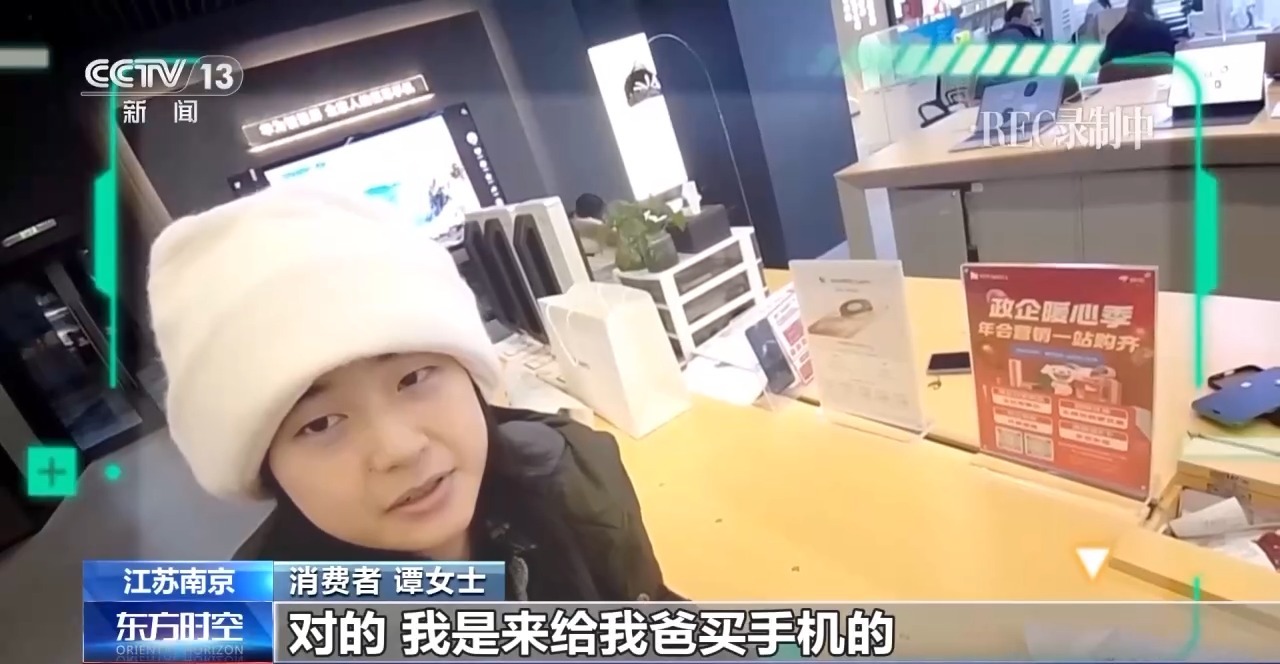
Core Insights - The upcoming Spring Festival is driving a surge in consumer spending on electronic products, particularly in home appliances, 3C products, and automobiles, with a notable increase in sales due to the "old-for-new" policy initiated in 2026 [1][3] - Smart home appliances are gaining popularity, with products like sweeping robots, refrigerators, and washing machines being highly sought after by consumers [9][11] - The rapid advancement in smart technology is evident, with significant improvements in product features and functionalities occurring within short timeframes [11][14] Consumer Behavior - Consumers are actively utilizing the "old-for-new" policy, with discounts of 500 yuan from national subsidies and 200 yuan from store promotions being reported [3] - There is a growing trend of consumers purchasing electronic gifts for family members, such as smartphones and AI hearing aids, reflecting a shift in purchasing dynamics within families [5][7] - The demand for smart kitchen appliances, like cooking machines, is increasing among working professionals [11] Industry Trends - The production of smart appliances is experiencing a significant uptick, with some companies reporting a doubling of production capacity compared to the previous year to meet the demand for the Spring Festival [14] - Young professionals are playing a crucial role in the research and development sectors of technology companies, contributing to innovation and product upgrades [14] - The integration of smart technology into daily life is transforming consumer experiences, with advancements in human-computer interaction making products more user-friendly [8][15] Technological Advancements - The development of smart products is characterized by rapid iterations, with companies implementing "small iterations" every six months and "large iterations" annually to enhance user experience [14] - Innovations in robotics and AI are being showcased, with robots now capable of performing complex tasks and enhancing efficiency in various sectors [17][19] - The emergence of smart city technologies is evident, with applications such as contactless public transport and drone deliveries becoming commonplace [15][19]

广州银龄集市:激活银发消费新生态
Sou Hu Cai Jing· 2026-02-10 13:03
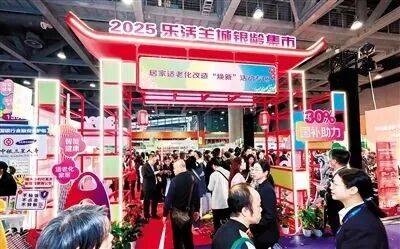
Core Insights - The article discusses how Guangzhou is transforming policy benefits into accessible happiness experiences for the elderly, aiming to stimulate the trillion-level silver economy market through the "Lohas Yangcheng" silver market initiative [1] Group 1: Silver Market Initiative - In 2025, Guangzhou plans to hold 180 "Lohas Yangcheng" silver markets under the guidance of local civil affairs and aging offices, utilizing a "six-in-one" innovative model that integrates various services [1] - The silver market aims to provide a one-stop consumption experience for the elderly, combining supermarkets, hospitals, banks, and community events [1] Group 2: Subsidy Policy Integration - Guangzhou is the first city in China to deeply integrate national subsidies for home adaptation with offline consumption, offering a 30% discount on eligible products, with a maximum subsidy of 10,000 yuan per person [4] - The range of subsidized products has expanded to 54 categories across seven major types, addressing diverse needs from home modifications to health monitoring [4] Group 3: Sales Performance and Impact - The total sales revenue from the silver market reached 43.139 million yuan, with over 35 million yuan attributed to subsidized products [5] - During the ninth Guangzhou International Elderly Health Industry Expo, the silver market's home adaptation section achieved sales exceeding 12 million yuan in three days, with a conversion rate of 35% [5] Group 4: Consumer Behavior Trends - Data from last year's silver market indicates a 200% year-on-year increase in users purchasing elderly-friendly products, reflecting a shift from basic needs to quality improvements [6] - The subsidy policy has encouraged family collaborative consumption, with over half of the orders for elderly products made by children for their parents [6] Group 5: Comprehensive Service Model - The silver market has created a comprehensive service model that includes medical consultations, financial education, and community performances, effectively addressing the diverse needs of the elderly [8] - Each district in Guangzhou has tailored its silver market activities to local characteristics, enhancing the overall experience for the elderly [8] Group 6: Future Developments - The silver market plans to evolve into a 3.0 version focusing on fixed, normalized, decentralized, and digital services, including a mobile service station to reach rural areas [15][16] - The initiative aims to create a vibrant new culture of aging, promoting positive perceptions of elderly consumption and engagement in community activities [18]
上海两会观察:专题审议频现“抢话筒”,代表为上海“挑大梁”竞相献计 | 大江东
Guo Ji Jin Rong Bao· 2026-02-06 05:25
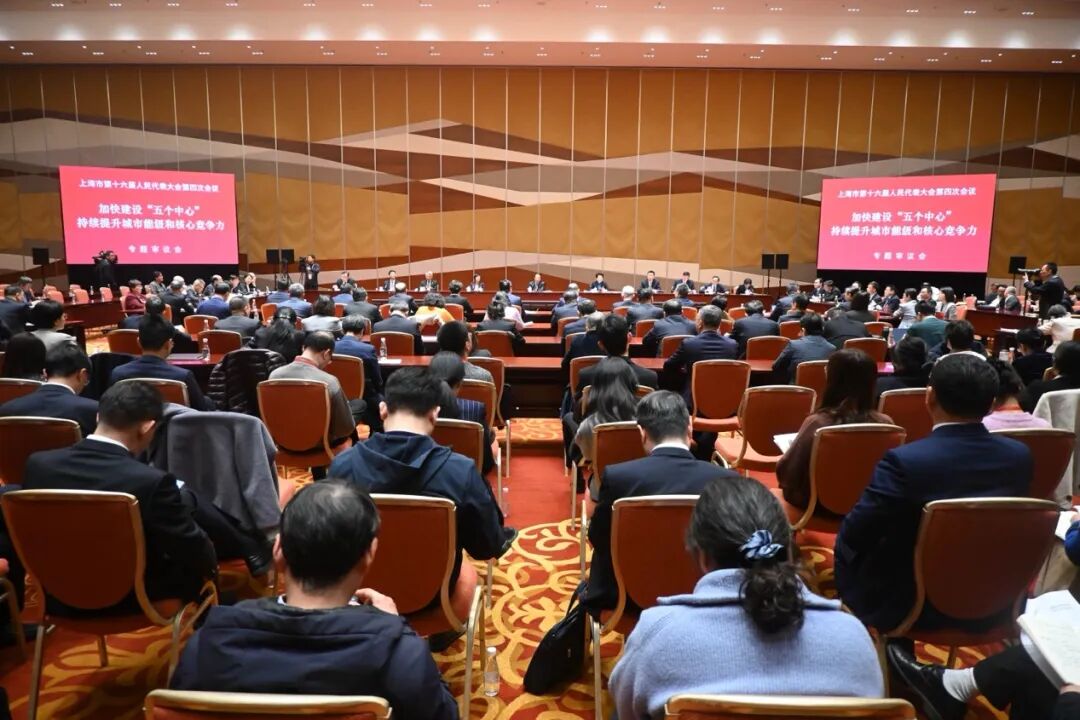
Group 1: AI and Industry Integration - Shanghai should build key points for the integration of AI achievements and industry [5][6] - The city aims to enhance AI capabilities and public data to support industry integration [5][7] - There is a need for a public data platform for AI industry integration to support small and medium enterprises [5][9] Group 2: Cultural and Economic Development - Cultural exhibitions, such as the "Pyramid Summit: Ancient Egyptian Civilization Exhibition," have significantly boosted local economy, attracting over 2.77 million visitors [5][6] - The integration of cultural products is essential for enhancing the city's soft power and economic growth [5][11] - Shanghai's international financial and shipping centers should leverage cultural tourism to retain consumer spending [5][6] Group 3: Technological Innovation and Collaboration - There is a need to improve collaboration between research institutions and industries to bridge the gap between basic research and industrial application [7][9] - The government should shift from a subsidy mindset to a customer-oriented approach to enhance market-driven innovation [8][9] - Strengthening the financial ecosystem to support technological innovation is crucial for Shanghai's development [9][10] Group 4: Social Welfare and Community Support - Addressing the needs of vulnerable groups, such as the elderly and single residents, is a priority for improving social welfare [11][12] - Establishing a collaborative mechanism among hospitals, communities, and law enforcement is essential for emergency support for isolated individuals [11][12] - The integration of technology in community services can enhance the quality of life for the elderly and disabled [12][13] Group 5: Environmental Sustainability - Continuous efforts in ecological governance are necessary for sustainable urban development [15][16] - Enhancing public access and services along the Huangpu River is vital for creating a world-class waterfront area [16][17] - Establishing a comprehensive wetland protection system and improving ecological governance mechanisms are recommended [16][17]
上海两会观察:专题审议频现“抢话筒”,代表为上海“挑大梁”竞相献计
Guo Ji Jin Rong Bao· 2026-02-06 03:32
Group 1: AI Integration and Industry Development - Shanghai should build key integration points for AI achievements and industry fusion, leveraging AI computing power and public data [4] - The demand for computing power driven by AI applications, such as AI smart glasses, is expected to become a new growth point in the computing market [6] - There is a need to optimize incubator policies to support the transformation of scientific research into industrial applications, enhancing collaboration between research institutions and enterprises [6][7] Group 2: Cultural and Economic Growth - High-quality cultural exhibitions, such as the "Pyramid Summit: Ancient Egyptian Civilization Exhibition," have significantly boosted Shanghai's economy, demonstrating the strong impact of cultural soft power [3] - The integration of the international financial center and international shipping center is crucial for Shanghai's economic growth, with inbound tourism contributing approximately $15 billion in consumer spending, a 35% increase year-on-year [2] Group 3: Social Welfare and Urban Development - Discussions highlighted the need for a coordinated mechanism to support vulnerable groups, such as the elderly and those living alone, emphasizing the importance of community support systems [10][11] - The ecological governance of Shanghai is transitioning from a "battle" phase to a "sustained" phase, requiring continuous improvement in scientific and systematic governance [12][13]
当AI遇上残障群体,开始挑战生命的“不可能”
3 6 Ke· 2026-01-23 08:00
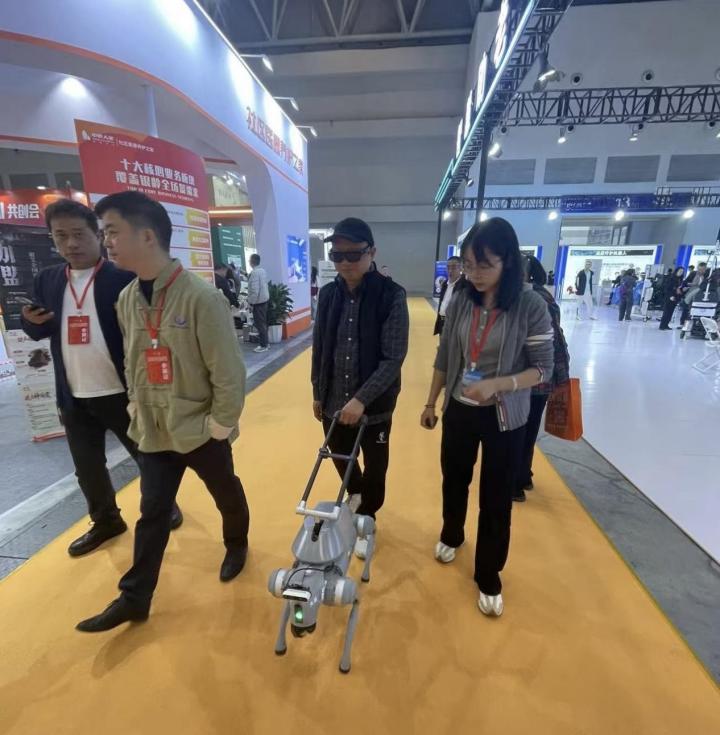
Core Insights - The article discusses the transformative impact of AI on the lives of individuals with disabilities, highlighting its role in enhancing their daily experiences and independence [1][2][23] Group 1: AI Applications for the Visually Impaired - AI-powered glasses have been developed to assist visually impaired individuals by providing real-time environmental descriptions, significantly improving their navigation and interaction with the world [9][10] - Users like Yang Yuanqing have reported positive experiences with AI glasses, which help them identify traffic signals and navigate public spaces more confidently [10][11] - The technology has rekindled hope and a sense of normalcy for users, allowing them to engage in activities like dining out, which they had previously avoided [10][11] Group 2: AI Applications for the Hearing Impaired - AI hearing aids have been introduced that convert speech to text in real-time, addressing the specific needs of individuals with hearing impairments [15][16] - Users like Wang Xingguang have experienced improved communication and job performance as a result of these advanced hearing aids, which also feature noise-cancellation capabilities [15][16] - The technology has enabled users to participate more fully in the workforce, enhancing their self-worth and social interactions [15][16] Group 3: AI Exoskeletons for Mobility Assistance - AI exoskeletons are being utilized to assist individuals with mobility impairments, allowing them to stand and walk again, which significantly improves their quality of life [19][20] - The technology operates through a "perception-prediction-execution" loop, enabling the device to understand and respond to the user's intentions [20][21] - Users have reported a renewed sense of independence and emotional well-being as a result of using AI exoskeletons, despite some challenges in usability and comfort [21][22]
中国版“CES展”背后的惊喜
Xin Lang Cai Jing· 2026-01-13 11:32
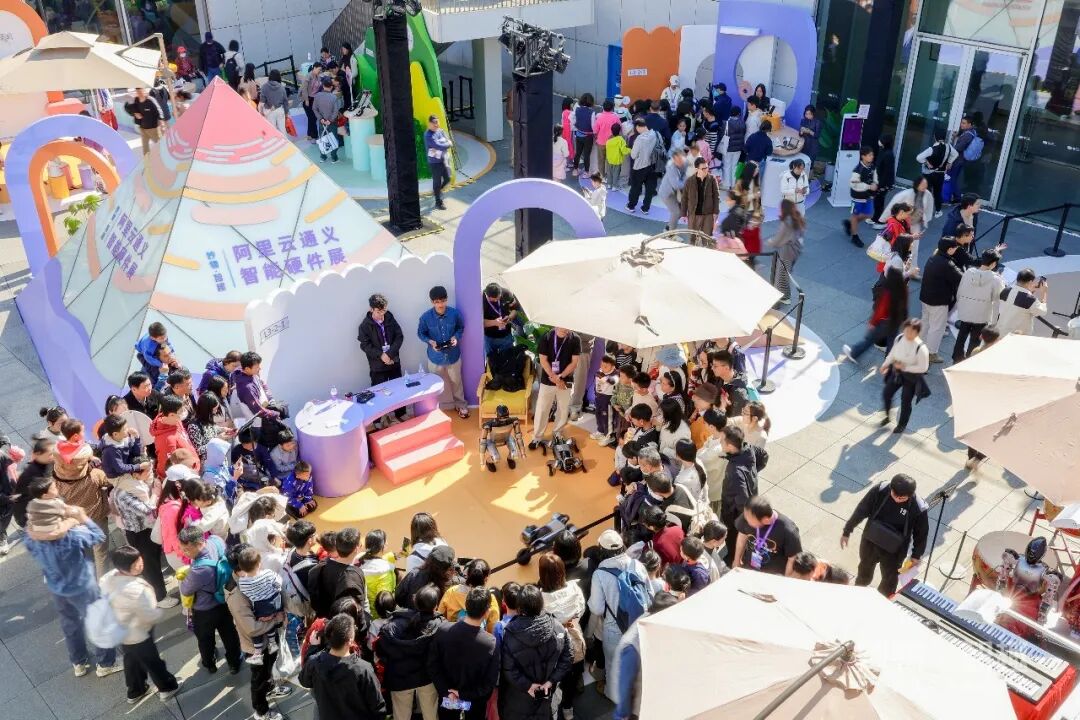
Core Viewpoint - The future of AI hardware is firmly rooted in China, as evidenced by the recent intelligent hardware exhibition hosted by Alibaba Cloud, which is being compared to CES in the U.S. [1][10] Group 1: Exhibition Overview - The exhibition covered over 5,000 square meters and showcased more than 1,500 new AI hardware products, with 180 items debuting simultaneously at CES in the U.S. [2] - The exhibition featured a diverse range of products across various consumer sectors, including 3C digital products, home appliances, toys, fitness equipment, and more [2][4]. Group 2: AI Hardware Trends - The terms "emergence" and "generalization" were used to describe the rapid proliferation of AI products across industries, indicating a significant transformation in the application of AI technology [7]. - The exhibition highlighted the integration of AI into traditional industries, suggesting a profound industrial restructuring that surpasses the previous mobile app revolution [10]. Group 3: Future AI Development - A second wave of AI development is anticipated by 2026, characterized by accelerated technological iterations and a shift in application timelines from 5-10 years to 2-3 years [11]. - The concept of "physical AI" is emerging, with applications expected to extend beyond consumer devices to include automobiles, robotics, and various industrial terminals [13][14]. Group 4: Economic Impact - The potential economic impact of AI on global GDP could be a growth of 10%, representing a value reconstruction space of up to $11 trillion [14]. - By 2026, it is projected that 80% of the AI market will be driven by new incremental markets, emphasizing the importance of future market capture over current market share [14]. Group 5: Competitive Landscape - The competition in China is dual-tracked, with traditional industries leveraging AI for transformation while "AI-native companies" explore new business models [15][16]. - AI applications in China are focusing on traditional manufacturing, new energy vehicles, and agriculture, utilizing cloud services to enhance efficiency [16][18]. Group 6: Infrastructure and Global Expansion - The foundational infrastructure for AI is evolving from a "Token factory" to an "AI super factory," indicating a shift towards comprehensive AI cloud services [25][27]. - Alibaba Cloud is expanding its global infrastructure to support Chinese enterprises' internationalization, with plans to establish facilities in 29 regions and 92 availability zones by 2025 [29]. Group 7: Conclusion - The intelligent hardware exhibition signifies a pivotal moment for China's AI industry, with the potential to lead in global AI advancements and redefine the landscape of consumer electronics [30][32].
中国版“CES展”背后的惊喜
吴晓波频道· 2026-01-13 00:30
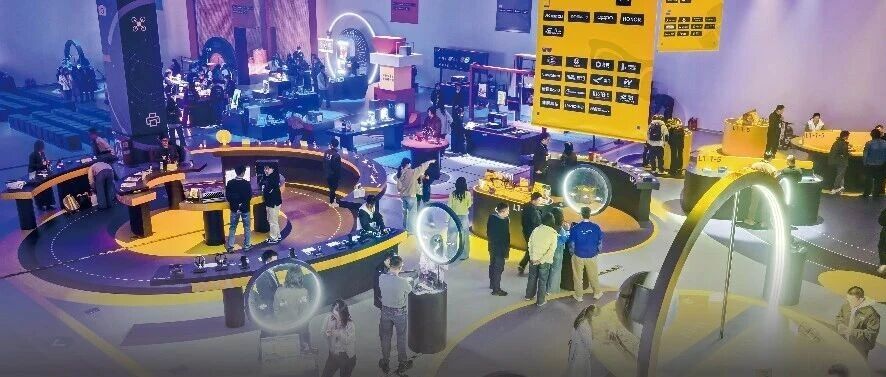
Core Viewpoint - The future of AI hardware is firmly rooted in China, as evidenced by the recent intelligent hardware exhibition held by Alibaba Cloud, which showcased over 1,500 AI hardware products, indicating a significant leap in the industry [2][5][12]. Group 1: AI Hardware Exhibition Insights - The Alibaba Cloud exhibition featured more than 1,500 AI hardware products, with 180 items debuting simultaneously at the CES in the U.S., covering a wide range of consumer sectors from digital devices to home entertainment [5][12]. - The exhibition presented a strong "booth feel," with various AI products displayed in a way that encouraged hands-on interaction, highlighting the diversity and accessibility of AI technology [6][8]. - The event underscored the concepts of "emergence" and "generalization," indicating that AI capabilities are rapidly expanding across various industries, leading to unprecedented product proliferation [8][12]. Group 2: Future Trends in AI - By 2026, a second wave of AI development is anticipated, characterized by rapid technological iterations and a significant reduction in the time required for technology deployment, from 5-10 years to 2-3 years [14][17]. - The shift towards "physical AI" is expected to redefine industries, particularly in automotive and heavy machinery, as AI becomes integrated into traditional sectors [14][16]. - The distinction between consumer and enterprise applications of AI is becoming clearer, with enterprise applications poised to drive deeper value and productivity enhancements, potentially increasing global GDP by 10% [17][18]. Group 3: Competitive Landscape - The competition in AI is evolving into a dual-track approach, where traditional industries leverage AI for transformation while "AI-native companies" explore new business models [19][20]. - Chinese industries are focusing on traditional manufacturing, new energy vehicles, and agriculture, utilizing cloud services to enhance efficiency and reduce costs [20][22]. - The emergence of "AI-native companies" is fostering innovation across various sectors, with a notable rise in startups that utilize generative AI for content creation and other applications [24][26]. Group 4: Infrastructure and Cloud Computing - The foundational infrastructure for AI is transitioning from a "Token factory" to an "AI super factory," emphasizing the need for comprehensive cloud services that support both immediate and advanced AI applications [30][32]. - Companies like Alibaba Cloud are expanding their global infrastructure to meet the increasing demand for AI capabilities, supporting Chinese enterprises in their international ventures [37][38]. - The integration of AI into cloud computing is essential for realizing the full potential of AI technologies, as it enables efficient data processing and model deployment [36][38].

阿里巴巴:“银发+AI”应用趋势报告 2025
Sou Hu Cai Jing· 2025-12-13 18:43
Group 1 - The report analyzes the integration of aging and AI, highlighting eight major trends in the context of an aging population and intelligent technology [1] - The usage rate of AI among the elderly decreases with age, but older and rural seniors show stronger engagement, with some early adopters using AI as effectively as younger individuals [1][34] - Medical AI is rapidly developing, enhancing health expectancy for the elderly through consumer-facing applications (like health assistants and AI hearing aids) and business-facing solutions (empowering nursing homes and hospitals) [1][58] Group 2 - Home-based elderly care is the primary model, with AI combined with smart hardware (like wristbands and cameras) creating a health and safety protection network, becoming standard for home care [1][73] - The expectation for embodied intelligent robots is high, but they face challenges in technology, domain knowledge, and initial promotion, with specialized robots already in application [2] - AI can alleviate loneliness among the elderly, but issues like passive interaction, dialect and cultural barriers, and lack of empathy remain [3] Group 3 - The market for age-friendly smart products (related to health management, smart homes, and smart travel) and intergenerational emotional consumption is expected to see significant growth driven by AI [4] - Human-machine collaboration can break the employment disadvantages faced by the elderly, with the "experience + AI" model enabling them to remain active in the workforce, making "one-person companies" feasible [5] - The popularization of AI among the elderly requires user-friendly products and diversified training, as well as improved access to public service knowledge [6] Group 4 - The elderly population in China is projected to reach 220 million by the end of 2024, accounting for 15.6% of the total population, indicating a shift towards a super-aged society [20] - The report emphasizes that AI is becoming a key variable in the aging society, significantly impacting health care, daily living, and social interactions for the elderly [27] - The collaboration between Alibaba and Zhejiang Open University aims to promote AI learning among the elderly, leveraging the enthusiasm and learning capabilities of older adults [26]
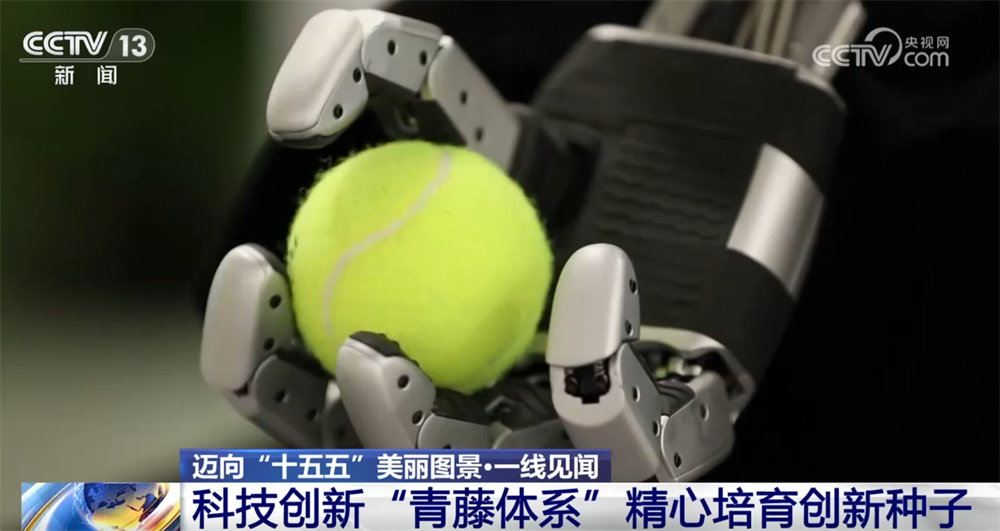
迈向“十五五”美丽图景|这条成果转化生态链清晰、协同、开放 焕发创新“生命力”
Yang Shi Wang· 2025-12-08 02:49
Core Viewpoint - The article emphasizes the importance of integrating technological innovation with industrial innovation, as outlined in the "14th Five-Year Plan," and highlights Shenzhen's initiative to create a systematic service framework for the transformation of scientific and technological achievements into practical applications [1][21]. Group 1: Innovation Ecosystem - Shenzhen has established the "Science and Innovation Green Vine Achievement Transformation Service System," which is a comprehensive and organized ecosystem for achievement transformation across the city [1]. - The "Moli Ying" incubator, focused on the AI and robotics sector, has attracted over 140 startups, primarily led by young entrepreneurs, who face challenges such as funding and resource allocation [1][4]. Group 2: Support Mechanisms - The "Green Vine" initiative provides a "six ones" policy, offering entrepreneurs essential resources including space, funding, and support services to facilitate their startup journey [4]. - Advanced professional technical managers play a crucial role in the transformation process, with over 300 recognized in Shenzhen, acting as "innovation ferrymen" to bridge technology and industry [16][19]. Group 3: Mid-Stage Testing Facilities - Shenzhen has developed concept verification centers and pilot testing platforms to address the challenges of transforming prototypes into market-ready products, particularly in high-risk fields like biomedicine [9][15]. - The mRNA innovation drug and vaccine pilot testing base exemplifies the support provided to new drug development teams, significantly reducing risks and costs associated with drug research [13][15]. Group 4: Future Outlook - The systematic design of the "Green Vine" initiative aims to tightly connect government, enterprises, universities, and markets, fostering a vibrant innovation ecosystem that will contribute to the future development of Shenzhen and the Greater Bay Area [21].
从6G高地到智造标杆,松江以全链条实力交出新质生产力“答卷”
Guo Ji Jin Rong Bao· 2025-11-19 05:46
Core Viewpoint - Shanghai's Songjiang District is focusing on the development of advanced manufacturing, new productivity, modern urban construction, and rural revitalization, leveraging the G60 Science and Technology Innovation Corridor to enhance economic growth and innovation in the region [1][6][22]. Group 1: 6G Future Industry Development - The Shanghai 6G Communication Valley is taking shape with a 123,000 square meter high-quality space ready for innovation in the future communication industry [2][6]. - The park aims to integrate "6G + satellite + AI" technologies, focusing on key areas such as integrated space-ground technology and establishing a full-chain innovation platform for 6G [7][12]. - A significant number of leading enterprises, including global leaders in mobile communication modules and satellite internet, have already signed agreements to settle in the park, indicating a strong industrial cluster effect [12][17]. Group 2: Investment and Support Mechanisms - The park has established a 100 million yuan "6G Communication Valley Eagle Cultivation Plan" and a 300 million yuan 6G industry incubation fund, aiming to leverage at least 2 billion yuan in guiding funds [17][21]. - A comprehensive investment system covering seed, angel, venture capital, and mergers and acquisitions is being developed to support the entire lifecycle of innovation [17][21]. - The park is also integrating high-end think tanks and global networks to create a robust collaborative innovation system, providing full-cycle support for hard-tech enterprises [20]. Group 3: Technological Advancements in 3D Printing - LianTai Technology, a leading player in the industrial-grade 3D printing sector, is driving digital transformation in the industry with its Unionfab Cloud platform, which connects 58 enterprises and 1,630 devices, enhancing overall efficiency by 40% [27][33]. - The company plans to invest 20% more in R&D annually over the next 3 to 5 years, focusing on integrating AI and automation into 3D printing to tackle common industry challenges [33]. - LianTai aims to expand its market share in the global market by 15% to 20% by providing rapid customization services for various sectors, including new energy vehicles [33].