
五年期定存

Search documents
从“放贷”到“卖房”,现在,轮到银行需要努力了
Sou Hu Cai Jing· 2025-12-09 17:08
Group 1 - The real estate market is experiencing significant downturns, forcing banks to sell properties directly, which marks a shift from their traditional role as intermediaries [1][6] - Banks are now offering "direct supply houses," which are properties reclaimed from borrowers unable to repay loans, with Jilin Bank providing over 2,000 such units [3] - These "direct supply houses" are priced approximately 30% below market value, making them attractive to buyers, while also indicating the severe state of the real estate market [5] Group 2 - The sale of properties by banks is expected to increase competition for developers and create anxiety among homeowners, as buyers anticipate even lower prices [5][6] - Many banks are withdrawing long-term deposit products, indicating a reluctance to lock in long-term interest rates, which reflects their expectations of declining future deposit rates [5] - The actions taken by banks are exacerbating market anxiety, highlighting the challenges faced by an industry that was once thriving [6]

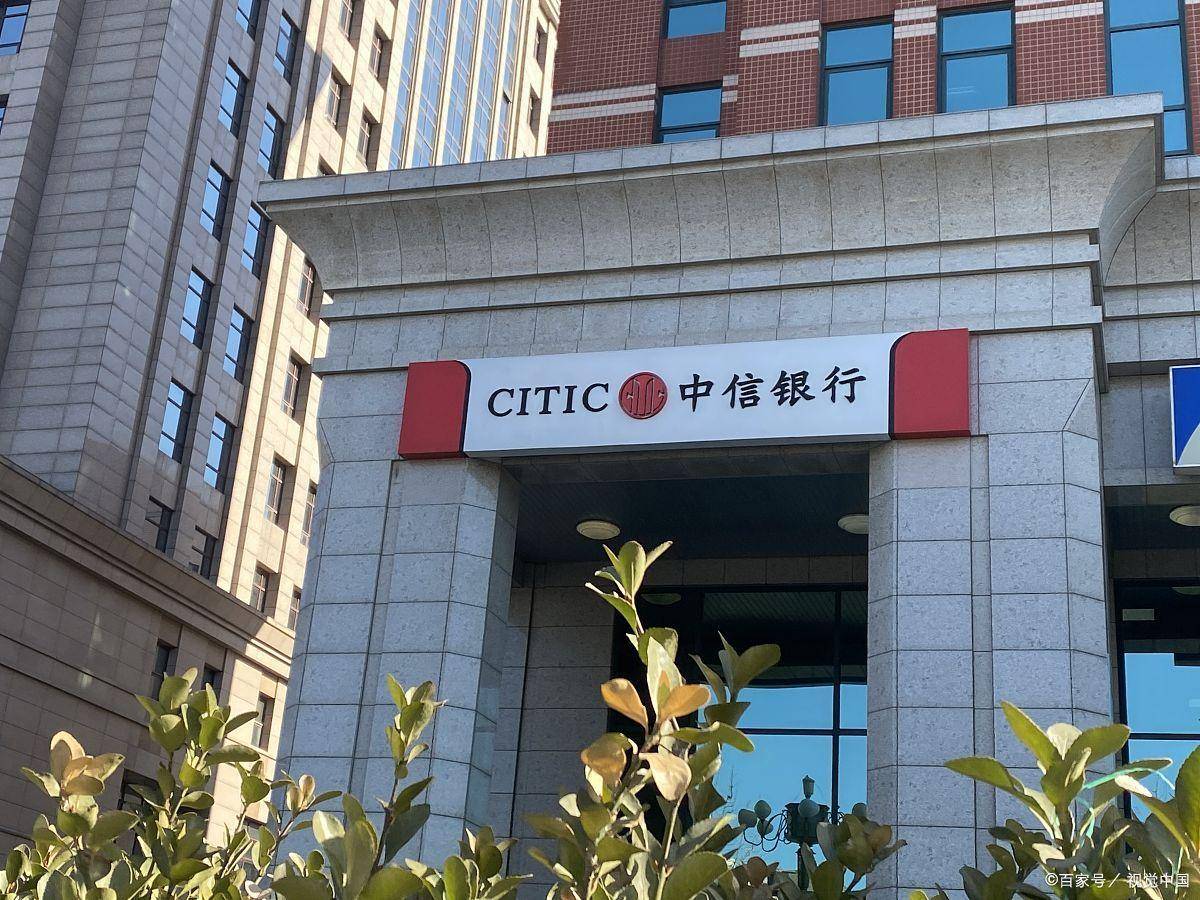
五年期定存难寻?银行悄悄下架背后,储户理财该换“新思路”了
Sou Hu Cai Jing· 2025-11-30 14:01
Core Viewpoint - The article discusses the recent trend of banks reducing or eliminating long-term deposit options, particularly five-year fixed deposits, due to the pressure of low loan interest rates and the need to maintain profitability in a challenging economic environment [5][29]. Group 1: Bank Practices and Profitability - Banks are increasingly unable to offer competitive long-term deposit rates, with five-year deposits now yielding only 2.5%, lower than the three-year rate of 2.7% [5][10]. - The concept of "net interest margin" is highlighted, where banks earn profit from the difference between loan interest and deposit interest. However, with declining loan rates, banks face squeezed profit margins [7][8]. - The reduction of long-term deposits is described as a necessary response to the financial pressures banks are experiencing, as maintaining high-interest long-term deposits becomes unsustainable [10][29]. Group 2: Changing Consumer Behavior - There is a noticeable shift in consumer behavior, with many individuals preferring to store their money in fixed deposits rather than riskier investments like funds or stocks, driven by a desire for stability in uncertain economic times [10][12]. - The article notes that consumers are increasingly opting for longer-term deposits, which complicates banks' liquidity management, as they must be prepared for potential withdrawals [13][29]. - The article emphasizes that the traditional approach of relying on long-term deposits for passive income is becoming less viable, as interest rates continue to decline [17][29]. Group 3: Policy and Market Trends - The central bank's push for "interest rate marketization" has led to a decrease in deposit interest rates, particularly for long-term deposits, as part of broader efforts to lower financing costs for businesses [15][29]. - The article suggests that low interest rates may become the norm, indicating that consumers should adapt their savings strategies accordingly [29]. - New banking products, such as "flexible term deposits," are being introduced to provide consumers with more options while allowing banks to manage costs effectively [28][29].

帮主郑重早间观察:定存退场+万亿消费红包,中长线资金该往哪去?
Sou Hu Cai Jing· 2025-11-27 03:10
Group 1: Banking Sector Changes - The five-year fixed deposit has been removed from banks, with the longest available term now being three years and interest rates significantly reduced [3] - The narrowing net interest margin is pressuring banks, leading to a shift in consumer investment strategies as traditional savings may not keep pace with inflation [3] Group 2: Consumption Market Development - Six government departments are collaborating to create three trillion-yuan consumption markets and ten billion-yuan consumption hotspots by 2027, focusing on both supply and demand [4] - The emphasis is on producing high-quality consumer goods with cultural significance, addressing supply-demand mismatches, and identifying companies that can meet new consumer needs [4] Group 3: Currency and Investment Outlook - The RMB/USD exchange rate has surpassed 7.08, the highest since October last year, indicating a positive signal for A-shares as foreign investment interest increases [5] - Morgan Asset Management predicts an annualized return of 7.7% for A-shares over the next 10 to 15 years, reflecting confidence in the long-term resilience and valuation potential of the Chinese economy [5] Group 4: Real Estate Sector Insights - Vanke is negotiating a 2 billion yuan bond extension, highlighting the slow process of risk mitigation in the real estate sector, with stable companies likely to see valuation recovery [5] Group 5: Long-term Investment Strategies - Investment strategies should align with policy directions, focusing on trillion-yuan consumption sectors such as smart home, cultural tourism, and green consumption, while selecting companies with stable cash flow and strong brand power [6] - With declining deposit rates, idle funds should be allocated to quality equity assets like index funds or stable industry leaders, emphasizing long-term compounding over short-term gains [6] - High-risk areas, such as companies with significant debt pressure and opaque operations, should be avoided to mitigate investment risks [6]

时代变了,多家银行下架5年期定存,普通人的钱该放在哪?
Sou Hu Cai Jing· 2025-11-18 14:27
Core Insights - The traditional five-year fixed deposit, once a reliable investment for conservative investors, is gradually being phased out by banks due to declining interest rates and increased early withdrawals [2][4][8] Group 1: Changes in Deposit Products - Over 30% of fixed deposit customers are withdrawing early, resulting in an average interest loss of over 70% [4] - The interest rate for five-year fixed deposits has been reduced, with some banks even removing these products from their offerings [10][12] - The phenomenon of "interest rate inversion" is becoming common, where shorter-term deposits yield higher returns than longer-term ones, indicating banks' concerns over long-term funding costs [6][8] Group 2: Impact on Banking Profitability - The net interest margin, a key indicator of bank profitability, is under pressure, leading banks to adjust their deposit strategies [8][10] - Major banks have seen a decline in net interest margins, with state-owned banks experiencing an 11 basis point drop compared to the previous year [8] Group 3: Shift in Investment Strategies - Investors are increasingly moving their funds towards the real economy and capital markets due to shrinking deposit yields and inflation pressures [12] - A new investment strategy termed "New Three Golds," which includes money market funds, bond funds, and gold funds, is gaining popularity among younger investors [12][14] - The importance of diversified asset allocation is emphasized, moving away from reliance on long-term fixed deposits [16][20] Group 4: Financial Literacy and Caution - Investors are advised to assess their financial needs and avoid blindly choosing long-term deposits, as early withdrawals can lead to significant interest losses [18][20] - The necessity for financial education is highlighted, as investors should be cautious of high-yield products and scams [20][22] - The adage of not putting all eggs in one basket remains relevant, as the space for high-yield long-term deposits continues to shrink [22]


11.6犀牛财经晚报:黄金“开店就能赚”的时代结束了 法院认定提示词不构成作品
Xi Niu Cai Jing· 2025-11-06 11:08
Group 1 - The era of "opening a store can earn money" for gold jewelry is over, as major brands like Chow Tai Fook and Lao Feng Xiang are experiencing significant declines in customer traffic, even in prime locations [1][1] - Chow Tai Fook closed nearly 1,000 stores in a year, with a net closure of 905 stores expected by 2025, reducing its retail points from 7,407 to 6,501 [1][1] Group 2 - The first village bank in Inner Mongolia has canceled its five-year fixed deposit product, indicating potential downward pressure on interest rates and profit margins in the banking sector [2] - TrendForce predicts a comprehensive price reduction for TV panels in November, while monitor panel prices are expected to remain stable [2][2] - China's smartphone sales are projected to decline by 2.7% year-on-year in Q3 2025, despite strong performance from the iPhone 17 Pro [2][2] Group 3 - A consortium of leading polysilicon companies is planning a "debt-acquisition" model for restructuring, with a fund size of approximately 70 billion yuan [3][3] - The Shanghai court ruled that AI prompt words do not constitute copyrightable works, impacting the legal landscape for AI-generated content [4][4] Group 4 - Juewei Food, once a leader in the duck neck market, reported a 15% decline in revenue and a 36% drop in net profit for the first three quarters of 2025, closing 5,000 stores [4][4] - The company’s revenue from marinated food sales decreased from 42.23 billion yuan to 35.27 billion yuan year-on-year [4][4] Group 5 - Rabbit Mom, a children's cosmetic brand, faced a product recall due to bacterial contamination but confirmed that the affected batch was destroyed before reaching the market [5][5] - Core Medical Technology became the first innovative medical device company to have its IPO application accepted under the newly restarted fifth set of standards on the Sci-Tech Innovation Board [5][5] Group 6 - China Aluminum elected He Wenjian as chairman and appointed Zhang Ruizhong as general manager, indicating a leadership change within the company [8][8] - Guocera Materials plans to repurchase shares worth between 100 million and 200 million yuan as part of its employee stock ownership plan [9][9] Group 7 - Chongqing Construction won a bid for the Jiangwan project with a contract value of approximately 781 million yuan, indicating ongoing infrastructure development [13][13] - Longjian Co. secured a 441 million yuan contract for a national road expansion project, reflecting continued investment in transportation infrastructure [14][14]