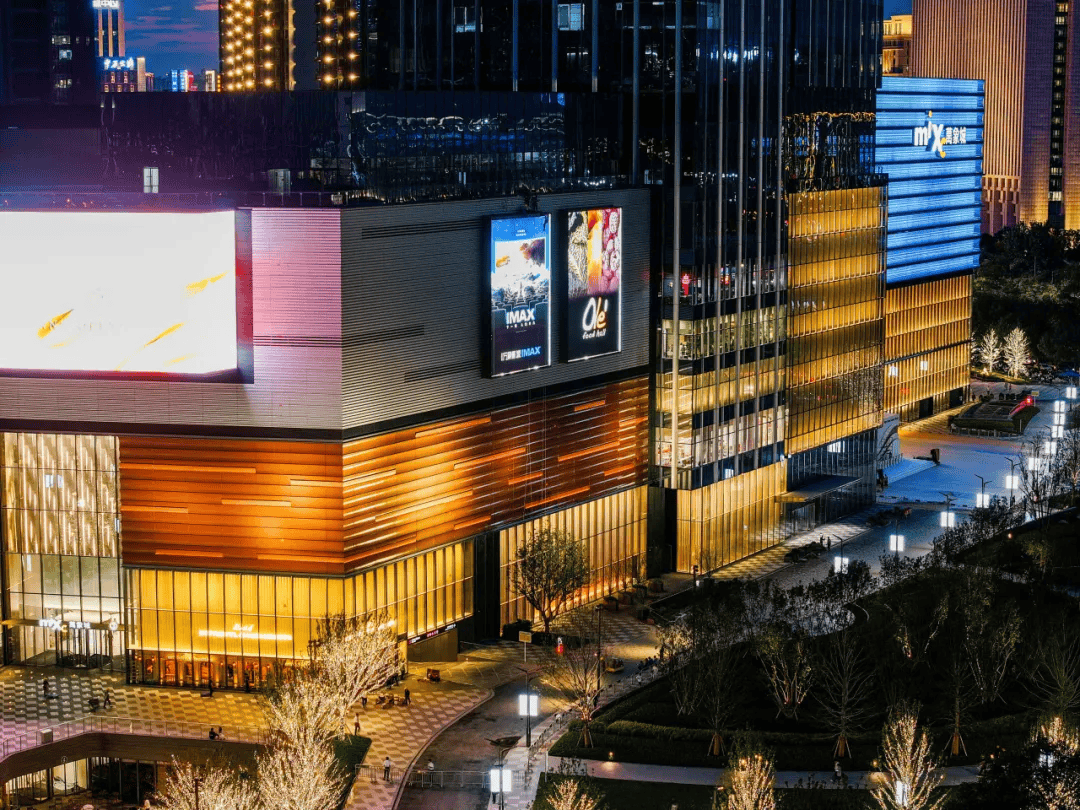
京东Mall

Search documents
刘强东砸35亿在香港买楼,京东彻底起飞
Xin Lang Cai Jing· 2025-12-10 12:02
Core Insights - Both Alibaba and JD.com are significantly increasing their investments in Hong Kong, indicating confidence in the market and proactive positioning for a new business cycle [19][21]. Group 1: Investment Activities - Alibaba and Ant Group announced an investment of 7.2 billion HKD to acquire a multi-story office building in Hong Kong's Causeway Bay, marking the largest office transaction in Hong Kong since 2021 [20][21]. - JD.com acquired part of the China Construction Bank Tower in Central Hong Kong for approximately 3.473 billion HKD, further intensifying the competition between the two companies [22][24]. Group 2: Strategic Focus - JD.com aims to continuously invest in supply chain, retail, logistics, and technology development to better integrate into the Hong Kong market [24]. - The acquisition of the China Construction Bank Tower is seen as a critical step in JD.com's global expansion strategy, moving beyond merely securing office space [24][30]. Group 3: Long-term Vision - JD.com has been gradually establishing its presence in Hong Kong since 2015, with significant developments in logistics and e-commerce operations [25]. - The company is also focusing on technological innovation, as evidenced by its collaboration with Hong Kong University to establish a joint laboratory for AI applications in supply chain management [26][30]. Group 4: Market Trends - The competitive landscape of the internet industry is shifting, with companies needing to integrate supply chain, technology, and localization capabilities to create value [35][36]. - The saturation of user growth and traffic in the domestic market is pushing companies to seek opportunities abroad, with Hong Kong serving as a strategic entry point for international expansion [38][40].



四川省平台经济产业链合作伙伴大会即将举行,筑强产贸协同“超级链接”
Mei Ri Jing Ji Xin Wen· 2025-09-01 03:19
Core Insights - The platform economy is becoming a crucial driver for promoting consumption and high-quality economic development in various regions, particularly in Sichuan [1][5] - Sichuan is planning to integrate the platform economy with the real economy through a chain-based approach, with a focus on e-commerce as a key component [1][2] Group 1: Event and Policy Initiatives - A high-profile conference titled "Platform Chain for All Industries, Together Towards the Future" will be held in Chengdu, aimed at fostering collaboration in the platform economy [1][2] - Sichuan will introduce special support policies for the platform economy during the conference, highlighting the government's commitment to enhancing the e-commerce sector [2][3] - The conference will feature major platform companies like JD.com, Douyin, and others, discussing development trends and opportunities in Sichuan's platform economy [1][3] Group 2: Economic Performance and Projections - In the first seven months of 2025, Sichuan achieved a network retail sales volume of 630.79 billion yuan, a year-on-year increase of 10.3%, with physical goods retailing at 433.53 billion yuan and service retailing at 197.26 billion yuan [1] - The government aims to exceed 800 billion yuan in network retail sales by 2027 and increase the number of online businesses to over 2 million [3] Group 3: Industry Collaboration and Development - The platform economy is expected to enhance collaboration among various enterprises, driving market expansion for both primary products and consumer goods [3] - JD.com has opened its first mall in Southwest China, indicating a shift from online to offline, which is expected to strengthen local consumption and the supply chain [3][5] Group 4: Sector-Specific Growth - The platform economy is significantly impacting traditional industries, such as the women's shoe industry in Chengdu, which saw a GMV of over 4 billion yuan through live-streaming e-commerce, with sales growing by 24% [5] - Service consumption is emerging as a key focus for the platform economy, with a notable shift from physical goods to service-driven consumption in Sichuan [7]
优质资产加速上市 | 2025年7月商业地产零售业态发展报告
Sou Hu Cai Jing· 2025-07-28 11:44
Group 1 - The core viewpoint highlights the ongoing development of commercial real estate, particularly in retail, with various companies expanding their operations and enhancing consumer experiences through innovative strategies [3][5][8] - Multiple cities are implementing or enhancing tax refund policies to stimulate inbound consumption, with notable examples including Guangzhou and Dalian, which have introduced convenient tax refund services for foreign tourists [5][6] - Companies like China Resources and Poly are expanding their commercial footprints through strategic partnerships and new project developments, targeting both core cities and emerging markets [10][11] Group 2 - Alibaba is raising funds to support its international e-commerce and cloud computing businesses, while competitors like JD.com and Meituan are intensifying their efforts in instant retail [4][28] - The REITs market is experiencing significant activity, with several companies, including Cinda and China Overseas, pushing for the listing and expansion of quality assets, indicating a robust interest from investors [31][33] - High-end brands are innovating their retail experiences, as seen with LV's unique store concept in Shanghai, which has attracted considerable foot traffic and consumer interest [19][21] Group 3 - The retail landscape is evolving with brands like Ba Wang Cha Ji and Lao Xiang Ji expanding into Hong Kong, indicating a trend of brands using the city as a launchpad for global expansion [18][24] - Nike is facing challenges in the Chinese market, with a reported 13% decline in revenue, while luxury brands are leveraging experiential marketing to attract consumers [19][20] - Community-focused commercial projects are on the rise, with new concepts like DT-X aiming to enhance local shopping experiences and meet consumer demands for convenience [17][18]


零售快报 | 2025年上半年中国快速消费品市场平稳向好,线上线下多元业态重塑消费格局
凯度消费者指数· 2025-07-23 04:17
Core Insights - The consumer market in China is showing a moderate recovery, with a year-on-year growth of 2.5% in the urban fast-moving consumer goods (FMCG) market for the first half of 2025, driven primarily by beverages, which grew by 5.6% [1] - The service consumption sector is on the rise, with a notable 8.7% increase in foot traffic in the out-of-home consumption market [2] - The retail landscape is evolving, with significant performance disparities among major retailers, as evidenced by a 1.1 percentage point decline in market share for the top ten retailers [4] Group 1: Market Performance - The FMCG market's growth is supported by positive trends in beverages, food, household cleaning, and personal care products, while dairy products lag behind [1] - The retail sales of convenience stores decreased by 3.6%, while small supermarkets saw a 7.3% increase in sales [3] - The overall retail sales of consumer goods increased by 5.0% in the first half of the year, with final consumption expenditure contributing over 50% [1] Group 2: Retail Channel Insights - Membership stores are gaining traction, with an overall penetration rate increase of 3.6 percentage points in the first half of 2025, driven by strong performances from Sam's Club [8][9] - Traditional supermarkets are transitioning to hard discount models, with companies like Zhongbai Group and Jiajiayue achieving rapid growth in their discount formats [12] - E-commerce channels experienced a 6.9% increase in sales, with platforms like Douyin and JD Group showing significant growth in penetration rates [13][15] Group 3: Consumer Behavior Trends - Consumers are increasingly sensitive to price while also valuing experiential aspects of shopping, leading to a demand for higher quality and functionality in products [17] - The 618 shopping festival saw a surge in demand for essential goods, with consumers diversifying their purchasing channels and seeking more personalized products [17] - Instant retail is redefining convenience, with platforms integrating resources to enhance consumer experiences, achieving over 35% penetration in the first half of 2025 [16]

上半年全国新开162个Mall,关键趋势一览
Sou Hu Cai Jing· 2025-07-08 12:07
Group 1 - The core viewpoint of the article highlights the increasing prevalence of small-scale commercial projects, with 79 out of 162 new projects in the first half of the year being under 50,000 square meters [1] - Among these, 19 projects are micro-commercial spaces of 10,000 square meters or less, while 26 are community-type projects between 10,000 and 30,000 square meters [1] - The article notes that super-large commercial projects of 150,000 square meters or more are becoming rare, with only 12 such projects launched, including Zhengzhou Zhengdong Vientiane City, which is the largest at 241,000 square meters [1] Group 2 - The East China region leads in the number of new projects, with 63 launched, of which Jiangsu province accounts for 20 [3] - South China follows with 28 new projects, predominantly in Guangdong province, which contributes over 78% of the total [3] - Notably, Shenzhen welcomed three large projects over 100,000 square meters in April, significantly boosting the region's commercial landscape [3] Group 3 - The article discusses the entry of chain commercial companies, with JD Mall opening 8 new stores in major cities, including the largest store in Beijing at approximately 78,000 square meters [5] - Other notable players include Aegean Sea Group with 5 projects, and Wanda Plaza and Longfor Group each launching 4 projects [5] Group 4 - The trend of "Commercial+" is emerging, with over 10 projects integrating commercial spaces with cultural and tourism elements [6] - Examples include Tianyi Bay Qiu Zhai Lane Commercial Square, which combines agricultural and cultural tourism themes, and the first marine pedestrian street in Qingdao, Sihai Laihai Commercial Street [6][7] - Projects like Beijing Aoyuan CITY Street focus on integrating sports culture and tourism experiences [8][10] Group 5 - The article highlights the rise of themed commercial spaces catering to specific consumer demographics, such as the elderly and female consumers [16][20][22] - Six new projects related to the "two-dimensional" theme were launched, including the first comprehensive two-dimensional commercial complex in Wuxi [16][18] - The first silver-haired themed commercial complex in Chongqing aims to provide a one-stop living service platform for the elderly [20] Group 6 - The popularity of outlet malls and non-standard commercial spaces continues to rise, with 13 outlet projects launched in the first half of the year, totaling over 1.16 million square meters [24][26] - New outlet projects are increasingly focusing on experiential and thematic elements rather than just discount retail [26][28] - Non-standard commercial projects are breaking conventional norms, with examples like Xi'an Mingde Eco Future Town integrating various cultural and entertainment elements [28][30] Group 7 - Approximately 30 out of the 162 new projects are upgrades of existing properties, indicating a trend towards renovation in response to tightening land supply [32] - The article notes that not all planned projects are able to launch as scheduled due to various market factors, exemplified by the delayed opening of Nanchang Baiyin Dimension Center [32]