
人工智能课程

Search documents
深圳市人大代表:做强科创课程,推动科技教育从兴趣走向必修
Nan Fang Du Shi Bao· 2026-02-10 01:37
Core Viewpoint - Shenzhen aims to enhance its long-term development through a robust technology education framework, as proposed by local representative Chen Lin during the city's annual meetings [1] Group 1: Education Investment and Initiatives - Shenzhen has made significant investments in education, positioning its technology education level among the top in the country [1] - The proposal includes developing a curriculum that aligns with Shenzhen's "20+8" industrial clusters, focusing on subjects like artificial intelligence, robotics, and smart city technologies [1] Group 2: Collaboration and Resource Optimization - The initiative suggests creating collaborative platforms that involve leading companies like Huawei and Tencent to deepen partnerships with primary and secondary schools [1] - It emphasizes the establishment of mechanisms such as mentorship programs and external experimental bases to enhance resource efficiency and quality [1] Group 3: Teacher Development and Support Mechanisms - The proposal advocates for integrating technology education into teacher assessment and training systems to improve interdisciplinary teaching capabilities [1] - It also calls for dedicated funding to support schools in acquiring high-quality technological services, transitioning technology education from optional to mandatory courses [1]

学位扩容1.9万个、春秋假优化!两会专访佛山市教育局局长
Nan Fang Du Shi Bao· 2026-02-05 14:37
Core Viewpoint - The education sector in Foshan is at a pivotal point, focusing on improving quality and accessibility in response to demographic changes and public demand for better education [1] Group 1: Degree Supply - Foshan plans to add 19,000 public basic education degrees in 2026, including 8,000 for high schools, building on the previous addition of 15,000 degrees in 2025 [2] - The focus is shifting from merely expanding capacity to enhancing quality, with an emphasis on equitable access to high-quality education [2] - Strategies include breaking down regional barriers and promoting collaboration between strong and weak schools to improve overall educational quality [2] Group 2: Teaching Quality Improvement - The key to transforming teaching quality lies in enhancing research capabilities and integrating them into frontline schools [3] - Initiatives include establishing workshops for research staff to improve their skills and implementing a dual empowerment model between researchers and teachers [3] - The curriculum will feature localized courses that reflect Foshan's culture and promote project-based learning to create a distinctive educational experience [3] Group 3: Investment in Human Resources - Foshan aims to create a resource allocation mechanism that adapts to population changes and enhances the educational experience for every child [4] - The focus will be on reducing academic burdens and broadening growth paths for students, addressing issues like excessive homework and the need for diverse educational offerings [4] Group 4: Holiday Optimization - The introduction of spring and autumn breaks has been successful, with high satisfaction rates among parents and the public [6] - The 2026 schedule includes a spring break from April 2-3 and an autumn break from November 11-13, designed to encourage experiential learning [6] Group 5: AI Education - Foshan has integrated artificial intelligence into the curriculum, emphasizing the importance of ethical considerations and critical thinking in technology education [7] - The approach includes fostering personalized creativity and ensuring equitable access to AI education across all schools [7] Group 6: Industry-Education Integration - Foshan is focusing on deepening the integration of education, technology, and talent to meet the urgent demand for skilled workers in the manufacturing sector [8] - Initiatives include collaborative training programs between universities and industries, and promoting seamless transitions from education to employment [8] Group 7: Safety and Well-being - The city is prioritizing student safety and mental health, implementing multi-faceted security measures and addressing issues like bullying [10] - Efforts to reduce academic pressure and promote physical health are also part of the strategy to ensure holistic student development [10] Group 8: Future Outlook - Foshan's educational reforms aim to translate the goal of providing satisfactory education into tangible benefits for families [11] - The ongoing transformation in education is seen as a crucial driver for the city's long-term development and prosperity [11]
教育家精神引领、贯通使用培养、AI协同赋能,北京构建教师成长新生态
Bei Jing Ri Bao Ke Hu Duan· 2026-01-22 22:43
Group 1 - The core viewpoint of the articles emphasizes the comprehensive development and professionalization of the teaching workforce in Beijing, focusing on the integration of educational resources and the promotion of educational values [1][2][3][4][5][6][7] Group 2 - The "Teacher Qualification Continuous Training Program" has enrolled 111 teachers in the Mentougou District, aiming to transform them from "school personnel" to "group personnel," enhancing their professional capabilities [1][5] - The "Excellence Training 3.0 Action" and other initiatives have impacted nearly 1,000 teachers, promoting a systematic approach to teacher development [1][4] - The "Tell Educational Stories" activity has attracted thousands of schools and families, showcasing the spirit and wisdom of teachers in the capital over seven years [2][3] Group 3 - The establishment of a new teacher education system aims to shift from a "theory-led" approach to a "knowledge-action integration" model, ensuring a seamless connection between pre-service and in-service training [3][4] - The "Local Normal University Excellence Teacher Training Alliance" has been formed to create a collaborative community for future teacher education development [4] Group 4 - The integration of AI in education is being emphasized, with training programs designed to enhance teachers' understanding and application of AI technologies in their teaching practices [6][7] - The "Artificial Intelligence Full Training Plan" aims to improve teachers' capabilities in utilizing AI tools for lesson preparation and classroom management [7]
福州大学校长:对于高等教育,人工智能是“东风”
Xin Lang Cai Jing· 2025-12-11 10:21
Core Viewpoint - The article emphasizes that artificial intelligence (AI) is not a threat to higher education but rather an opportunity for transformation, with universities needing to adapt strategically to leverage AI for educational enhancement [1][19][20]. Group 1: AI's Role in Higher Education - AI is viewed as a "restart key" for the professional ecosystem, reshaping job roles rather than merely replacing them [2][10]. - The integration of AI capabilities into traditional disciplines is seen as a strategic necessity for universities aiming to become world-class institutions [2][20]. Group 2: Talent Development Strategies - The university aims to cultivate AI talent that is not only technically proficient but also aligned with national interests and ethical considerations [2][21]. - A systematic approach to curriculum reform is being implemented, focusing on the integration of AI across various disciplines and embedding ethical education within AI-related programs [3][21][22]. Group 3: Curriculum and Program Optimization - The university plans to optimize its undergraduate programs to around 80, enhancing traditional disciplines with AI-related content and creating new interdisciplinary programs [4][22]. - New programs such as "Sustainable Energy" and "Quantum Information Science" are being developed to meet future industry demands [4][22]. Group 4: Innovative Teaching Models - The university is promoting a cross-disciplinary curriculum that includes AI-related courses for all students, fostering a collaborative learning environment [5][23]. - A dual-pathway mechanism is being established to support both academic and industry-focused talent development, ensuring students are equipped to tackle real-world challenges [5][26]. Group 5: Digital Transformation in Education - The university is committed to creating a smart education ecosystem through digital transformation, enhancing personalized learning and teaching effectiveness [6][24]. - A significant number of graduate courses are being taught using smart classrooms, promoting interactive and diverse teaching methods [6][24]. Group 6: Response to Job Market Changes - The university is adapting its professional offerings to respond to the evolving job market, ensuring that traditional programs are enhanced rather than eliminated [10][29]. - The focus is shifting from knowledge transmission to cultivating core competencies that AI cannot easily replicate, such as critical thinking and problem-solving skills [10][18][29].
良乡大学城人工智能大讲堂开讲
Xin Jing Bao· 2025-10-23 03:13
Core Insights - The "Liangxiang University Town Artificial Intelligence Lecture Hall" has been launched to support China's "AI+" initiative and contribute to the development of Beijing's international science and technology innovation center [1][2] - The initiative aims to enhance the AI literacy and innovation capabilities of university students, addressing the need for interdisciplinary talent in the AI era [1] Group 1 - The first lecture focused on "Frontier Development and Strategic Landscape of AI," featuring Chen Kai, a prominent figure in AI research [1] - The lecture hall is designed to break down barriers between disciplines and create an open knowledge-sharing platform to inspire innovation among students [1][2] Group 2 - The program is supported by the "AI+ Finance" innovation laboratory, which collaborates with experts from Tsinghua University, Beijing Jiaotong University, Huawei, and the Zhongguancun AI Research Institute [2] - The first season of the lecture series spans ten weeks, covering a comprehensive curriculum from AI fundamentals to cross-disciplinary applications in various fields such as culture, education, healthcare, transportation, finance, manufacturing, and robotics [2] - The initiative aims to broaden students' technological perspectives and enhance their knowledge and competitiveness in the AI field, contributing to the cultivation of a new generation of innovative talent [2]
特朗普:将与哈佛大学达成协议
Yang Shi Xin Wen Ke Hu Duan· 2025-09-30 21:29
Core Viewpoint - The U.S. President Trump announced an upcoming agreement with Harvard University to operate a vocational school focused on artificial intelligence, with Harvard committing to a payment of $500 million [1] Group 1 - Harvard University will be involved in the operation of a vocational school [1] - The vocational school will focus on teaching artificial intelligence [1] - Harvard University is set to pay $500 million as part of this agreement [1]
哈萨克斯坦将在中小学开展人工智能教育
Zhong Guo Xin Wen Wang· 2025-08-12 10:20
Core Viewpoint - Kazakhstan's Ministry of Digital Development, Innovation, and Aerospace Industry will collaborate with MIT to introduce artificial intelligence courses into the primary and secondary school curriculum in Kazakhstan [1] Group 1: Project Implementation - The project will be implemented in two phases, with the first phase focusing on integrating AI content into information literacy classes for grades 1 to 4 using free "Day of AI" resources [1] - Each class will last between 30 to 60 minutes and will include teacher guides and student learning materials available in Kazakh and Russian [1] - The second phase aims to expand AI courses to cover grades 1 to 12, providing a comprehensive educational framework from basic to advanced levels [1] Group 2: Educational Impact - The Ministry emphasizes that AI education will help students build a solid foundation in digital skills from an early age, better preparing them for future technological developments [1]
汇聚资本市场力量 助力科学教育加法——2025·第十届中学生ETS大会在贵阳举行
Zheng Quan Shi Bao Wang· 2025-07-31 01:55
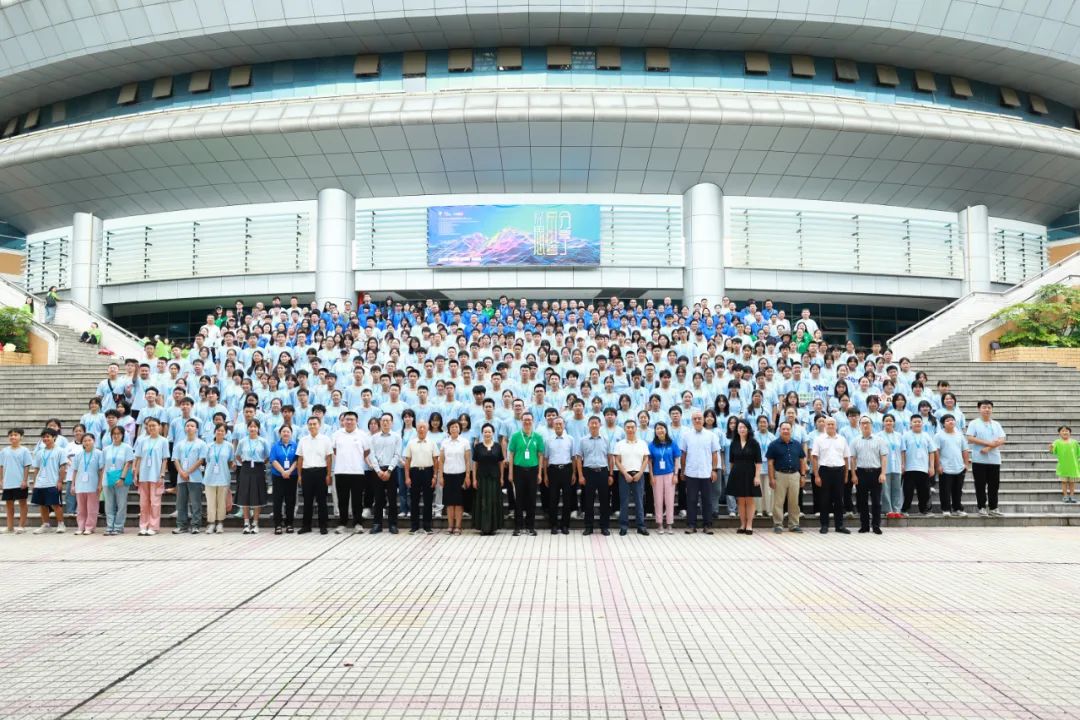
Group 1 - The 10th Middle School ETS Conference was held in Guiyang, attended by nearly 900 participants including students and teachers from various provinces [1][3] - The ETS Conference aims to provide a platform for students to showcase their research and innovative thinking, aligning with the Ministry of Education's curriculum standards [3] - The "Science and Innovation Qianxing" project was highlighted at this year's conference, featuring presentations from students of 19 schools in Guizhou [3][5] Group 2 - The "Science and Innovation Qianxing" project was launched in May 2023, supported by the Shanghai Stock Exchange Public Welfare Foundation, focusing on youth science education in Guizhou [5] - The Guizhou Securities Regulatory Bureau has been actively promoting educational support initiatives, collaborating with various educational institutions to enhance rural education quality [6] - In 2024 and 2025, additional science education projects will be implemented in Guizhou, aiming to improve teacher training and promote artificial intelligence courses [6]

大家提前做好准备!如果不出意外,7月以后,国内将迎来4个变化
Sou Hu Cai Jing· 2025-06-16 14:51
Real Estate Market - The real estate market in China has experienced significant fluctuations, transitioning from rapid growth to a deep adjustment period since 2022, with national housing prices showing an overall downward trend, with some cities experiencing price declines of 20%-30% [3][6] - First-tier cities and some economically strong second-tier cities are expected to see housing prices stabilize due to strong industrial support and persistent housing demand [3][5] - In contrast, third and fourth-tier cities with single industries and population outflows may continue to see housing prices decline [6] Employment Changes - The job market is undergoing profound changes due to the rapid development of new technologies such as artificial intelligence, big data, and automation, with predictions that over 20 million traditional jobs may be impacted by these technologies by the end of 2025 [7] - While traditional roles like sorting staff in logistics and data entry positions are at risk of being replaced, new job opportunities are emerging in fields such as AI training, data analysis, and renewable energy technology [7][8] - Workers in easily replaceable traditional roles are encouraged to acquire new skills to enhance their competitiveness in emerging fields [7] Consumer Behavior - There has been a noticeable shift in consumer behavior over the past two years, with a growing emphasis on saving rather than overspending, as evidenced by an increase in the national savings rate and per capita savings deposits [8][9] - Consumers are increasingly focused on cost-effectiveness, leading to a rise in the popularity of budget-friendly brands and discount supermarkets [10][11] - Retailers are expected to adapt to this trend by offering more high-value products and promotional activities [11][12] Entrepreneurship Environment - The government has been actively promoting innovation and entrepreneurship through various supportive policies, including tax reductions and low-interest loans, which are expected to further improve the entrepreneurial environment [13][14] - The proliferation of new technologies is likely to lower the barriers to entry for entrepreneurs, facilitating market research, product design, and marketing efforts [15] - Entrepreneurs are advised to leverage policy benefits and conduct thorough market research and business planning to navigate the challenges of starting a business [16][17]

AI人才紧缺之下,宿迁职业技术学院助力学子逐浪数字未来
Zhong Guo Chan Ye Jing Ji Xin Xi Wang· 2025-05-27 06:02
Group 1: Market Overview - The global humanoid robot market is projected to exceed $5 billion in 2024, with expectations to double by 2025 [1] - China is a significant market for humanoid robots, with cities like Beijing, Shanghai, and Shenzhen implementing special subsidy policies, offering up to several hundred thousand yuan for the development of each robot [1] Group 2: Talent Demand and Employment Opportunities - There is a global talent gap of over 5 million in AI, with China accounting for more than 30% of this shortage [2] - The average annual salary for algorithm engineers is 420,000 yuan, and AI product managers have seen a salary increase of 30% over the past two years [2] - The humanoid robot industry offers numerous job opportunities across various segments, including core component development, system integration, and application scenarios [2] Group 3: Government Initiatives and Support - Local governments are introducing policies to attract AI talent, such as a 30,000 yuan settlement subsidy for master's degree holders in Shanghai and a 30% personal income tax refund for AI talent in Shenzhen [2] - Hefei is providing a 2,000 yuan subsidy for individuals obtaining AI training certificates, creating pathways for young people to enter the industry [2] Group 4: Educational Institutions and Training - Suqian Vocational and Technical College has become a hub for cultivating digital technology talent, offering a curriculum aligned with industry needs across 15 major fields, including AI and big data [3] - The college collaborates with major companies like Baidu, Lenovo, and Huawei to facilitate employment opportunities for students [3] - The training model emphasizes real projects and environments, enabling students from various backgrounds to find their place in the AI sector [3]