偏债混合型FOF

Search documents
中金:哪个角度更适合FOF切入资产配置叙事?
中金点睛· 2026-03-04 23:50
Industry Landscape - The public FOF industry is entering a second expansion cycle, with significant changes in the supply-side landscape. Since the first public FOF issuance in October 2017, the industry has experienced cycles of expansion (2020-2021), contraction (2022-2024), and is now in a new expansion phase starting in 2025. By the end of 2025, the number of public FOF products is expected to rise to 547 (up 134% year-on-year), with total assets reaching 244.1 billion yuan (up 231% year-on-year), breaking historical records. The main contributor to this growth is the mixed bond FOF category [2][7][9]. Risk and Return - In 2025, the performance of mixed bond FOFs is expected to outperform traditional "fixed income+" funds. The median return for mixed bond FOFs is projected to be 6.06%, compared to 4.65% for secondary bond funds and 5.49% for mixed bond funds. The asset allocation characteristics of mixed bond FOFs, with a stock position of 17% as of the first half of 2025, are similar to those of "fixed income+" funds, making them a common comparison in the market [2][13]. Innovative Products - The trend of passive investment continues, with ETF-FOF gaining widespread attention. By the end of 2025, the ETF market is expected to exceed 6 trillion yuan (up 62% year-on-year), with 1,381 products (up 34% year-on-year). The increasing completeness of passive investment tools is driving public FOFs towards new product forms, with 13 ETF-FOF products established and 19 more in the application or acceptance stage as of February 27, 2026 [3][18]. 2026 Outlook for Public FOF Industry - The public FOF industry is poised for development opportunities under the narrative of asset allocation. The focus will be on achieving higher performance through a combination of Beta allocation and selective fund manager alpha. The current market environment still offers significant alpha opportunities, and the ability to select capable fund managers will be crucial for performance enhancement [4][21][22]. Funding Sources - Retail investors are the primary source of funding, with institutional investors playing a supplementary role. Public FOF products are naturally more suited to individual investors due to their two-layer nested structure and ability to address selection difficulties. In 2025, the proportion of individual investors in mixed bond FOFs and mixed equity FOFs is around 95%. The focus for public FOF managers will be on retail channels, particularly banks, to attract low-risk preference funds [5][34][38].


迎接50万亿存款迁徙 | 固收+站上历史风口,3万亿只是起点
Xin Lang Cai Jing· 2026-02-27 09:09
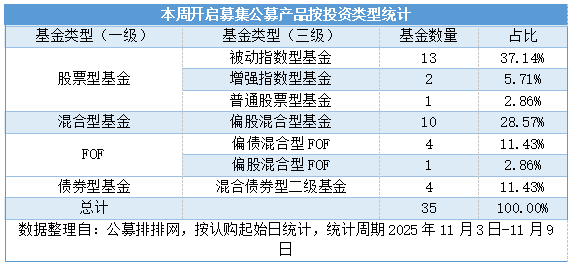
Core Insights - The public fund industry is poised for significant growth, particularly in the "fixed income +" sector, driven by a massive migration of deposits estimated at 50 trillion yuan [2][3] - The competition for "fixed income +" business is intensifying, with a consensus that the current scale of 3 trillion yuan is just the beginning, as institutions increase their investments [2][3] Group 1: Market Trends - The total scale of "fixed income +" funds reached a historical peak of 3 trillion yuan by the end of 2025, marking a 9% quarter-on-quarter increase and a 56% year-on-year growth [2] - The second-tier bond funds saw significant expansion, with a scale of 1.55 trillion yuan, reflecting a 19% increase, primarily driven by new capital inflows from institutional investors [2][3] - The market is expected to see a continued rise in the popularity of "fixed income +" strategies, with a focus on dynamic adjustments based on market trends [3][10] Group 2: Company Performance - E Fund remains the leader in "fixed income +" management with a scale of 242.5 billion yuan, followed closely by Invesco Great Wall and Huatai-PB, with 231.9 billion yuan and 147.2 billion yuan respectively [5][6] - Several companies, including Yongying Fund, have entered the top 12 in "fixed income +" management scale, indicating a competitive landscape [4][6] - The top 15 fund companies have shown substantial growth in their "fixed income +" scales from 2021 to 2025, with notable increases in assets under management [5] Group 3: Regulatory Environment - The regulatory environment is becoming more favorable for "fixed income +" products, with expectations of accelerated product approvals as high-interest deposits mature [7] - Fund companies are encouraged to actively engage in "fixed income +" strategies to capture migrating funds, with a focus on clear risk-return profiles to attract institutional investors [7][9] - The approval process for new products is becoming more refined, with faster pathways for higher-rated fund companies [7] Group 4: Strategic Developments - E Fund is evolving its strategy from fixed income enhancement to a multi-asset allocation model, aiming for comprehensive synergy in investment research [8] - Southern Fund has introduced the "优生优养计划" to emphasize product design and investor experience, with "fixed income +" and FOF as key components [9] - BlackRock is also focusing on "fixed income +" as a priority in its domestic fund strategy, leveraging its extensive multi-asset business framework [9]

多元配置老将张子炎出基,富国智安稳健FOF剑指稳健增值!
Sou Hu Cai Jing· 2026-02-24 01:28
Core Insights - The scale of household deposits maturing in 2026 is projected to reach several trillion yuan, prompting a search for stable return investment options in a declining interest rate environment [1] - The launch of the FOF product, 富国智安稳健FOF, aims to provide a low-volatility, stable return solution for investors seeking robust asset allocation tools [1] Group 1: Market Context - The demand for stable investment tools has surged due to the dual pressures of low interest rates and increased market volatility, making single-asset strategies less effective [2] - The scale of mixed bond FOFs has doubled in two years, growing from 708 billion yuan at the beginning of 2024 to over 1.491 trillion yuan by the end of 2025, accounting for over 60% of the total public FOF market [2] Group 2: Product Strategy - The 富国智安稳健FOF employs a "core-enhancement" strategy, with the core consisting of high-quality bond funds to mitigate interest rate sensitivity and credit risk [3] - The enhancement portion allows for 5%-30% equity exposure and investments in commodities, QDII, and public REITs to capture structural opportunities and improve return elasticity [3] Group 3: Management Expertise - The fund is managed by Zhang Ziyan, a seasoned expert in multi-asset allocation with a proven track record in risk control and performance [4] - Zhang's investment philosophy emphasizes refined asset allocation and deep selection of sub-funds, focusing on optimizing risk-return ratios while prioritizing risk control [4][5] - Historical performance of Zhang's managed funds demonstrates significant outperformance against benchmarks, showcasing effective risk management and adaptability to market conditions [5]
规模达2.99万亿元,仍将持续爆发,这类基金有望成低风险理财“压舱石”
3 6 Ke· 2026-02-02 00:22
Core Insights - The "fixed income +" fund market has reached a scale of 2.99 trillion yuan, positioning itself as a cornerstone in the low-risk wealth management market [1][2][7] - The growth of "fixed income +" products is driven by a low interest rate environment and a significant shift of household assets towards financial assets [2][3] Market Growth - As of the end of 2025, the total scale of 2,292 "fixed income +" funds reached 2.99 trillion yuan, marking a 9% quarter-on-quarter increase and a 56% year-on-year increase [2] - The secondary bond fund category has expanded significantly, with a latest scale of 1.55 trillion yuan, reflecting a 19% quarter-on-quarter growth [2] Investment Demand - The low interest rate environment has led to a decline in deposit attractiveness, prompting a shift of funds towards "fixed income +" products, insurance products, and equity products [2][3] - Investors are increasingly seeking higher yields with controlled risks, making "fixed income +" products a primary choice [3][6] Performance and Management - The average net value growth rate of "fixed income +" funds in 2025 was 5.66%, with around 40 products exceeding a 20% growth rate [4] - The performance is attributed to favorable market conditions and the effective management capabilities of fund managers, including enhanced credit risk control and flexible asset allocation [5] Future Outlook - The upcoming maturity of a large volume of fixed-term deposits is expected to create additional demand for "fixed income +" products, with estimates suggesting over 5 trillion yuan in deposits maturing this year [6] - The transition of household assets from savings to wealth management is anticipated to continue, with "fixed income +" products likely becoming a core allocation direction for these funds [7]
中金 | 高歌猛进的“固收+”基金:背后的逻辑
中金点睛· 2026-01-27 00:09
Core Viewpoint - The "fixed income +" fund sector experienced significant growth in 2025, with a year-on-year increase of over 50%, primarily driven by the expansion of secondary bond funds, which are favored by institutional investors [2][9]. Fund Performance - In 2025, the Shanghai and Shenzhen 300 Index rose by 17.66%, and the convertible bond index increased by 18.66%, leading to strong performance in "fixed income +" funds, particularly those with higher equity allocations [4][16]. - The median return for convertible bond funds in 2025 was 22.4%, while secondary bond funds achieved a median return of 4.6% [4][16]. Fund Size Changes - By the end of 2025, the total size of "fixed income +" funds reached 3.0 trillion yuan, marking a 56% increase compared to the previous year, with secondary bond funds being the main contributors to this growth [5][22]. - The number of "fixed income +" funds reached 2,292, with secondary bond funds expanding to 1.55 trillion yuan, reflecting a 19% quarter-on-quarter growth [5][22]. New Product Issuance - In Q4 2025, the issuance of "fixed income +" products saw a significant rebound, with 119 new products launched, raising a total of 957 billion yuan, a 223% increase from the previous quarter [6][33]. - Secondary bond funds accounted for nearly 50% of the new issuance, indicating strong market demand [6][33]. Subscription and Redemption Trends - The overall net subscription for "fixed income +" products in Q4 2025 was 990 billion units, with secondary bond funds contributing 1,028 billion units to this total [36][38]. - Leading fund companies in net subscriptions included Invesco Great Wall and Jianxin Fund, both exceeding 100 billion units in net subscriptions [36][38]. Asset Allocation Trends - In Q4 2025, most "fixed income +" fund categories reduced their equity allocations, with secondary bond funds decreasing by 1.3 percentage points [7][45]. - The communication sector saw increased investments across various fund categories, while the healthcare sector experienced a reduction in allocations [7][45].

我们的TOP固收基金经理榜单,到底跑赢了多少
点拾投资· 2026-01-19 11:00
Core Viewpoint - The article emphasizes that the 2025 fixed income market has faced significant challenges, with a notable decline in the performance of long-term bonds compared to previous years, indicating the end of the "golden era" for fixed income investments [6][9]. Summary by Sections 2025 Fixed Income Market Review - The long-term government bond yields experienced significant fluctuations, rising from 1.59% to 1.85% in the first half of 2025 [4]. - The performance of pure bond funds in 2025 was below the average returns from 2014 to 2024, confirming the end of the favorable conditions for fixed income investments [10]. Fund Performance Metrics - The annualized returns and maximum drawdowns for various bond indices in 2025 were as follows: - Long-term pure bond index: 0.86% return, -0.88% drawdown - Short-term pure bond index: 1.44% return, -0.24% drawdown - Money market fund index: 1.34% return, 0.00% drawdown [8]. Fund Manager Challenges - The article notes that 2025 was a year of significant turnover among fund managers due to salary cuts and reforms, impacting the performance of selected funds [17]. - Despite the challenges, the selected funds generally outperformed the market average, with only short-term bond funds slightly underperforming [17]. Asset Allocation Importance - The article highlights the increasing importance of asset allocation skills, suggesting that investors should focus on bond-oriented funds of funds (FOFs) for better risk-adjusted returns [12][29]. - In 2025, bond-oriented FOFs showed better volatility and drawdown control compared to traditional bond funds, indicating a shift in investment strategy [13]. Outlook for 2026 - The article anticipates continued volatility in interest rates, with potential for both increases and decreases, making the fixed income market challenging [24]. - The upcoming 2026 fixed income fund rankings will place greater emphasis on funds with asset allocation advantages, reflecting the evolving market landscape [26][29].

中金2026年展望 | “固收+”基金:多资产大时代的增长法则
中金点睛· 2026-01-07 23:43
Core Viewpoint - The "Fixed Income +" fund is expected to continue its growth trajectory into 2026, driven by various factors including the migration of resident wealth seeking stable returns, institutional demand for enhanced yields, and the market consensus on cross-asset diversification [2][25][28]. Group 1: Growth Drivers for "Fixed Income +" Funds - The long-term low interest rate environment is driving residents to seek stable and moderately higher returns, making "Fixed Income +" funds an attractive option for wealth migration [25][28]. - Institutional investors are facing rigid liability cost pressures, leading them to increase their risk exposure and volatility tolerance to achieve better returns, thus favoring "Fixed Income +" funds as a new allocation channel [25][28]. - The performance of "Fixed Income +" funds has already gained market recognition, with significant returns reported in 2025, making them appealing to both retail and institutional investors [25][26][28]. Group 2: Performance and Strategy Insights - In 2025, "Fixed Income +" funds saw a notable increase in market attention, with strategies dynamically evolving alongside market trends, such as a focus on convertible bonds and equity markets [4][8][18]. - The "Fixed Income + Technology" and "Fixed Income + Growth" strategies outperformed others, with median returns of 11.71% and 8.85% respectively, indicating strong market interest in these areas [16][18]. - The growth of "Fixed Income +" funds is significantly influenced by long-term performance metrics, with a strong correlation between past performance and fund size growth [34][36]. Group 3: Competitive Landscape and Fund Management - The competitive landscape for "Fixed Income +" funds has shifted, with some institutions achieving rapid growth in management scale through differentiated strategies and strong performance in equity opportunities [18][19]. - Institutions that successfully attract incremental funds often leverage unique product offerings and strong stock-picking capabilities, particularly in high-volatility sectors like technology and growth [45][41]. - The market is expected to see a bifurcation in "Fixed Income +" fund strategies, with "extreme style" funds attracting more capital, while funds focusing on stable returns and cost-effectiveness also hold significant potential for growth [46][47].

开年新基抢跑 首周44只产品扎堆亮相,科技主题“唱主角”
2 1 Shi Ji Jing Ji Bao Dao· 2026-01-04 23:13
Core Insights - The public fund issuance in early 2026 is accelerating, with 71 new funds scheduled for January, including 44 launching in the first trading week after the New Year [1][2][3] - Equity products remain the primary focus for fund companies, with nearly 30% being actively managed equity funds and about 35% being stock funds [1][3][4] - Over 30% of the new funds are targeting specific industries or themes, such as technology, healthcare, and the Sci-Tech Innovation Board [1][3][4] Fund Issuance Trends - The first trading day of 2026 saw 28 new funds launched, contributing to a total of 44 new funds from January 5 to January 9, with an additional 27 funds set to be released from January 12 to January 28 [2][3] - The high number of new fund launches is attributed to favorable channel resources, anticipated capital inflow, and expectations of a "spring rally" in the A-share market [3][4] Product Structure - Among the 71 new funds, stock funds account for approximately 35%, mixed funds for about 34%, and bond funds and FOFs each for 14% [3][4] - The focus on equity products reflects a strong interest from fund companies in positioning themselves within the equity market [4][5] Subscription Periods - Most new funds have a subscription period of 30 days or less, with 41 funds having a subscription period of 15 days or less [5][6] - Shorter subscription periods signal strong market confidence and a desire to quickly secure core investment capital [6][15] Company Strategies - Over 40 fund management firms plan to launch new products in January, with larger firms offering a more diversified range of products [7][8] - Some mid-sized firms are notably focusing on index products, indicating a trend towards passive investment strategies [8][17] Thematic Investment Focus - The technology sector is a prominent investment theme for the new funds, with approximately 36% of the funds targeting specific industries such as technology, batteries, and pharmaceuticals [9][19] - Fund companies are optimistic about opportunities in the technology sector for 2026, particularly in AI and related fields [20][21]
爆款频现、认购火热,公募FOF年内规模突破2300亿元
Di Yi Cai Jing· 2025-12-07 12:31
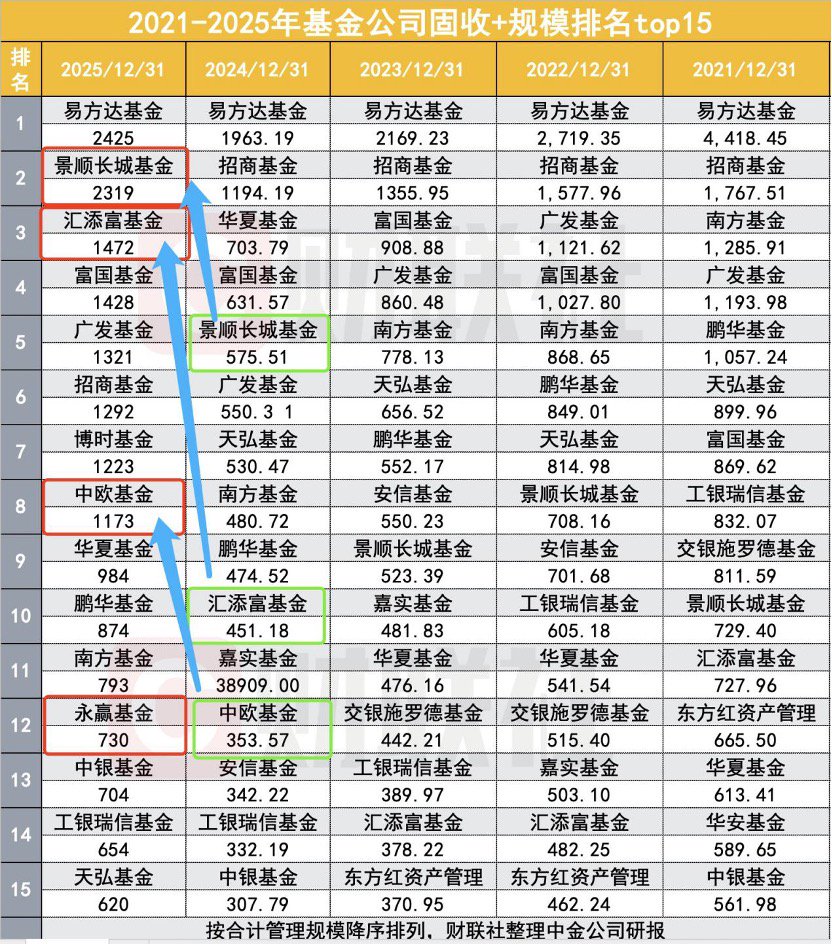
Core Insights - The public FOF (Fund of Funds) issuance market has significantly warmed up, with a total of 78 FOFs issued this year compared to only 29 in the same period last year [2] - The market scale has continued to rise, with a total of 538 FOF products and a net asset value of 231.611 billion yuan, an increase of 98.461 billion yuan since the beginning of the year [2] - The low interest rate environment has shifted market focus from single asset bets to diversified multi-asset allocations, driven by increased wealth management needs and pension investment demands [2] Group 1: Market Activity - In the fourth quarter, there has been a surge of "explosive" FOF products, with 7 out of 13 FOFs exceeding 2 billion yuan in scale established in this quarter [4] - The first week of December alone saw 10 FOFs confirmed for issuance, indicating a vibrant market with both volume and price rising [4] - Notable fundraising achievements include the Invesco Great Wall FOF, which raised 2.775 billion yuan in just 19 days, and several other products exceeding 1 billion yuan in short fundraising periods [5] Group 2: Performance and Trends - The FOFs focusing on bond strategies have become the mainstay of this issuance wave, characterized by rapid pace, stable scale, and active subscriptions [8] - As of December 5, all public FOFs have achieved positive returns this year, with some products yielding up to 61.78%, significantly outperforming the CSI 300 index [8] - However, there has been a noted decline in performance since November, with negative monthly averages for both bond and equity FOFs [8] Group 3: Investment Strategies - The current FOFs are primarily focusing on early-stage innovative high-tech companies and leading firms in healthcare, consumption, and manufacturing [9] - Multi-asset allocation has become a common investment choice among FOFs, with top managers emphasizing a mix of active equity, fixed income, and other asset classes [9] - The introduction of personal pension systems and policies promoting long-term capital market entry have created favorable conditions for FOF development [9]
11月首周新基发行回暖 环比增近3成
Xin Hua Cai Jing· 2025-11-04 05:58
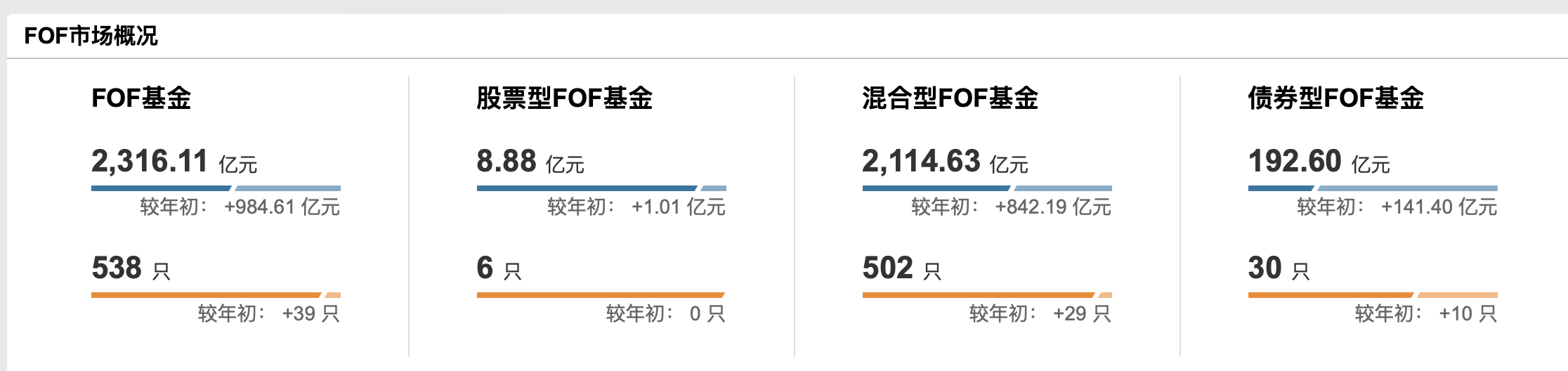
Core Insights - The public fund issuance showed signs of recovery in the first week of November, with a total of 35 public products launched, marking a 29.63% increase from the previous week [1][2] - The average subscription days for the new funds decreased to 19 days, indicating enhanced market activity [1] Fund Issuance Overview - A total of 35 new public funds were issued, with equity funds (including stock and mixed funds) being the primary contributors, accounting for over 70% of the total issuance [2][3] - The breakdown of fund types shows that stock funds comprised 16 of the new issues, representing 45.71% of the total, with passive index funds leading at 13 issues (37.14%) [3][4] Fund Type Distribution - The issuance of mixed funds reached 10, making up 28.57% of the total, with the core being the equity-mixed funds [3] - Bond funds maintained a stable issuance with 4 mixed bond funds, accounting for 11.43% of the total [4] - FOF products also performed well, with 5 new issues, matching the highest weekly issuance for the year [4] Institutional Participation - The 35 new funds were launched by 25 different public fund institutions, with 18 institutions issuing one fund each and 7 institutions issuing two or more [4] - E Fund led the issuance with 4 new funds, primarily in passive index stock funds, followed by Huatai-PineBridge with 3 new funds [4]