健身月卡

Search documents
单次或套餐,你会怎么选丨生活中的经济学
Xin Lang Cai Jing· 2026-01-11 05:54
Core Viewpoint - The article discusses the consumer behavior regarding single payments versus subscription packages, highlighting the psychological factors influencing these choices. Group 1: Advantages of Subscription Packages - Subscription packages allow businesses to secure cash flow and reduce refund rates, leading to increased repurchase rates and stable operational expectations [1] - They enable businesses to accumulate user data through repeated consumption, facilitating targeted marketing and enhancing brand loyalty [1] Group 2: Consumer Preferences for Single Payments - A significant portion of consumers, 36.6%, prefer single payments when using shared bicycles, indicating a strong inclination towards flexibility [1] - Consumers may avoid subscription packages due to the fear of "sunk costs" associated with unused credits, which can lead to a negative consumption experience [3] Group 3: Psychological Factors Influencing Choices - The concept of "loss aversion" suggests that consumers experience greater pain from potential losses than pleasure from equivalent gains, making them hesitant to commit to subscription packages [4] - The pressure to utilize subscription services can transform enjoyment into a chore, as consumers may feel compelled to meet usage quotas rather than enjoying the service [4] Group 4: Suitability of Payment Options - Subscription packages are more suitable for consumers with stable consumption patterns, such as daily coffee drinkers or regular gym-goers, while those with variable lifestyles may prefer the flexibility of single payments [5] - The article emphasizes that true savings come from spending money willingly and comfortably, rather than being constrained by subscription commitments [6]
单次或套餐,你会怎么选?
Jing Ji Ri Bao· 2025-11-15 03:03
Core Viewpoint - The article discusses the consumer behavior surrounding single payments versus subscription packages, highlighting the psychological factors influencing these choices and the implications for businesses and consumers [1][5]. Group 1: Business Perspective - Subscription packages provide businesses with advantages such as improved cash flow, reduced refund rates, and increased customer retention through binding users to multiple purchases [1]. - By selling subscription packages, businesses can accumulate user data over time, enabling precise marketing strategies and enhancing brand loyalty [1]. - The design logic of subscription packages allows businesses to convert future consumption commitments into immediate revenue, thus stabilizing operational expectations [1]. Group 2: Consumer Behavior - Consumers often prefer single payments due to the avoidance of "uncertainty costs" associated with unused subscription benefits, which can lead to perceived waste [3]. - The concept of "loss aversion" plays a significant role, where consumers feel a greater emotional impact from potential losses (e.g., unused subscription benefits) than from equivalent gains [4]. - The pressure to meet subscription usage quotas can transform the enjoyment of services into a psychological burden, leading consumers to avoid packages in favor of single payments that offer more flexibility [4][5]. Group 3: Consumption Patterns - Subscription packages are more suitable for consumers with stable consumption frequencies and fixed scenarios, such as daily coffee drinkers or regular gym-goers [5]. - For individuals with variable lifestyles, single payments, despite being more expensive, allow for greater control over spending and reduce the risk of waste [5]. - Understanding personal consumption rhythms is essential for consumers to ensure that their spending aligns with their lifestyle, leading to more satisfying financial decisions [5].
拒绝预付式消费的霸王条款
Jing Ji Ri Bao· 2025-10-20 00:06
Core Points - The rise of short drama training institutions is accompanied by issues related to refund policies and "unreasonable clauses" in contracts [1] - A recent court case in Beijing ruled against an arbitration clause deemed as an "unreasonable clause," reinforcing consumer rights [1] - The Supreme Court's recent interpretation of laws regarding prepaid consumption disputes aims to clarify rights and protect consumers [1][2] Group 1: Legal Context - The court identified the arbitration clause in a training contract as invalid, which significantly reduces the cost burden on consumers seeking refunds [1] - The new judicial interpretation from the Supreme Court invalidates unreasonable clauses that increase consumer costs, such as non-refund policies and restrictions on service transfers [1] Group 2: Consumer Rights and Responsibilities - Consumers are advised to carefully review contract terms, especially regarding duration, fees, refund conditions, and dispute resolution methods [2] - Consumers have the right to terminate prepaid contracts if disputes arise within the contract period, allowing them to mitigate losses [2] Group 3: Business Practices and Consumer Protection - Some platforms are introducing services that guarantee compensation if a business fails to fulfill its obligations, enhancing consumer confidence [3] - There is a call for stricter penalties against businesses that engage in fraudulent practices, such as taking prepaid funds and failing to provide services [3] - The enforcement of the Supreme Court's interpretation is expected to improve the business environment by discouraging dishonest practices and promoting consumer trust [3]
立秋・“减重经济”撬动千亿级大市场
Sou Hu Cai Jing· 2025-08-07 02:24
Core Insights - The "weight management economy" in China is poised for significant growth, with the market expected to reach 326 billion yuan in 2023, driven by rising obesity rates among adults and children [4][7] - The prevalence of overweight and obesity among Chinese adults exceeds 50%, with projections indicating that by 2030, these rates could rise to 70.5% for adults and 31.8% for children [4][6] - The economic burden of obesity-related healthcare costs in China is projected to reach 418 billion yuan by 2030, highlighting the urgent need for effective weight management solutions [6] Market Potential - The weight management market is experiencing a surge, with various consumption scenarios emerging, including healthy meal replacements and fitness services [8] - The healthy meal replacement segment is expected to grow significantly, with the market projected to exceed 120 billion yuan by 2025, reflecting a compound annual growth rate of 29.3% [8] - The demand for fitness services is also increasing, as evidenced by a 31.6% year-on-year rise in searches for gym memberships and a 96.9% increase for 24-hour self-service gym passes [8] Pharmaceutical Opportunities - The weight loss medication market is anticipated to reach 8.7 billion yuan by 2025 and 14.9 billion yuan by 2030, with GLP-1 class drugs gaining popularity [9] - The "miracle drug" semaglutide has garnered significant attention on social media, indicating a growing consumer interest in effective weight loss medications [9] Challenges in the Industry - Despite the growth, the weight management sector faces challenges, including issues of false advertising and lack of verification for some products, leading to a high number of consumer complaints [15][17] - Many weight loss institutions lack proper standards and regulatory oversight, resulting in questionable practices and unmet consumer expectations [17] - As consumer preferences shift towards medically guided and sustainable weight management solutions, the industry is expected to mature and develop healthier practices [17]


立秋 “减重经济”撬动千亿级大市场
2 1 Shi Ji Jing Ji Bao Dao· 2025-08-07 00:19
Core Insights - The "weight management economy" in China is experiencing significant growth, driven by rising obesity rates and increasing public awareness of health issues [4][8][19] - The market for weight management products and services is projected to reach 326 billion yuan in 2025, indicating a substantial economic opportunity [8][9] - The government is actively promoting weight management initiatives, including a three-year "Weight Management Year" campaign starting in June 2024 [8][19] Group 1: Obesity Statistics and Trends - Over 50% of Chinese adults are classified as overweight or obese, with adult overweight rates at 34.3% and obesity rates at 16.4% as of 2018 [4][8] - Predictions indicate that by 2030, the rates of overweight and obesity among adults could rise to 70.5% and 31.8%, respectively [4][6] - The youth obesity rates are also concerning, with overweight rates for children aged 6-17 at 11.1% and obesity rates at 7.9%, both showing an increasing trend [4][8] Group 2: Market Opportunities - The weight management market is diversifying, with a rise in demand for low-calorie, low-sugar meal replacements and healthy food options [9][10] - The health food delivery market is expected to grow, with healthy meal orders increasing from 12% in 2020 to an anticipated 25% by 2025 [9] - The weight loss drug market is projected to reach 8.7 billion yuan by 2025 and 14.9 billion yuan by 2030, with GLP-1 drugs gaining popularity [10][19] Group 3: Consumer Behavior and Challenges - There is a growing consumer preference for medically guided, nutritionally balanced, and sustainable weight management solutions [19] - Complaints regarding weight management products have surged, highlighting issues such as false advertising and ineffective results [16][18] - The industry faces challenges related to regulatory standards and the credibility of weight loss institutions, with many lacking proper verification and oversight [18][19]

立秋・“减重经济”撬动千亿级大市场|财经二十四节气
2 1 Shi Ji Jing Ji Bao Dao· 2025-08-07 00:17
Group 1 - The core viewpoint of the article highlights the growing trend of the "weight loss economy" in China, driven by increasing obesity rates and government initiatives aimed at promoting weight management [3][6][15] - Over 50% of Chinese adults are overweight or obese, with predictions indicating that by 2030, the rates could rise to 70.5% for adults and 31.8% for children [3][6] - The market for weight management in China is projected to reach 326 billion yuan in 2025, indicating significant growth potential [6][8] Group 2 - The weight management sector is experiencing a surge in diverse consumer scenarios, including the rise of healthy meal replacements and fitness services [8][9] - The healthy meal replacement market is expected to exceed 120 billion yuan by 2025, with a compound annual growth rate of 29.3% [8] - The weight loss drug market is also expanding, with projections of reaching 8.7 billion yuan by 2025 and 14.9 billion yuan by 2030 [9] Group 3 - The "Weight Management Year" initiative has led to the establishment of specialized weight management clinics across various medical institutions, integrating services like dietary guidance and psychological counseling [12] - Despite the industry's growth, challenges such as lack of verification and excessive marketing claims have emerged, leading to numerous consumer complaints [15][17] - There is a shift in consumer preferences towards medically guided, nutritionally balanced, and sustainable weight loss solutions [17][18]

“瘦身经济”正在升温 6月以来北京地区主打“健康”“低脂”的轻食套餐团购订单量同比增长356%
news flash· 2025-06-22 19:35
Core Viewpoint - The "slimming economy" is gaining momentum in China, driven by national policy initiatives and increased public health awareness, particularly in Beijing where demand for healthy and low-fat meal options is surging [1] Group 1: Market Trends - Since June, the search volume for "fitness monthly cards" has increased by 31.6% year-on-year, while "24-hour self-service gym single-use cards" saw a remarkable growth of 96.9% [1] - There is a rising demand for engaging physical activities, with the search volume for "indoor trampoline parks" increasing by 96.4% and "squash courts" by 188% since June [1] Group 2: Consumer Preferences - In Beijing, the keyword search volume for "light meal restaurants" has surged by 145% since June, indicating a strong consumer interest in healthier dining options [1] - The group purchase order volume for healthy and low-fat light meal packages has skyrocketed by 356%, with popular items including yogurt avocado, fruit tea, and shrimp energy bowls [1]
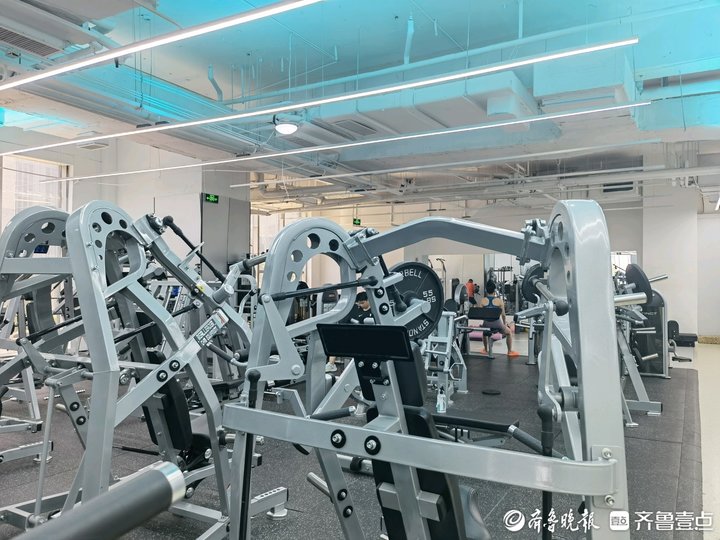
济南预付宝“加持”,健身消费“套餐”更多元
Qi Lu Wan Bao Wang· 2025-05-27 13:01
Core Viewpoint - The introduction of monthly gym memberships in Jinan provides consumers with more flexible payment options, addressing concerns over prepayment risks associated with annual memberships [3][10]. Group 1: Monthly Membership Options - Many gyms in Jinan now offer monthly memberships alongside annual and seasonal options to cater to diverse customer needs [4][5]. - GT Gym offers monthly memberships priced at over 600 yuan, while another location offers a monthly rate of 399 yuan, with installment options available for annual memberships [5]. - Latte Gym provides a monthly membership for 299 yuan, with a continuous monthly option at 180 yuan, contingent on a 12-month commitment [7]. Group 2: Prepayment Security Measures - The "Jinan Prepayment Treasure" initiative was launched to enhance the security of prepaid consumer funds, with 15 gyms participating in this program [10][12]. - The program ensures that consumer funds are monitored by a platform, releasing payments to merchants as services are rendered, while also allowing merchants to apply for loans based on prepaid funds [10][12]. - As of May 25, 2185 businesses have successfully joined the "Jinan Prepayment Treasure," including 15 in the fitness sector [12]. Group 3: Government and Market Regulation - The Jinan market supervision authority encourages businesses to join the "Prepayment Treasure" platform to implement trust-based regulation for prepaid consumption [15]. - The introduction of monthly memberships is a strategic decision by businesses, with no mandatory requirements imposed by government authorities [15].