冻干水果

Search documents
销量暴跌33%!从年货顶流到无人问津,中国人为啥就不爱吃糖了?
Sou Hu Cai Jing· 2026-02-18 02:35
Industry Overview - The Chinese candy market has experienced a significant decline, with sales dropping by 33% from its peak, reflecting a shift in consumer preferences and habits [3][5][7] - In 2017, the market size of the domestic candy industry exceeded 90 billion yuan, but by 2023, it had shrunk by 5 billion yuan [7][9] - The per capita candy consumption in China is now only 0.7 kg, a decrease of over 33% from its peak [5][31] Consumer Behavior - Younger consumers are increasingly moving away from traditional candy, with a notable decline in the popularity of candies like wedding sweets, which are being replaced by healthier options such as low-sugar chocolates and freeze-dried fruits [13][15] - The candy section in supermarkets has been marginalized, with its shelf space reduced to less than 5%, as consumers gravitate towards nuts and trendy snacks [15][19] - Chinese consumers exhibit a unique approach to sugar consumption, preferring to obtain sugar from staple foods rather than directly consuming candy [21][25] Health Trends - There is a growing health consciousness among Chinese consumers, leading to a nationwide trend of reducing sugar intake, driven by concerns over health risks associated with high sugar consumption [31][33] - Policies are being implemented to promote reduced sugar consumption, including mandatory labeling of sugar content in pre-packaged foods starting in 2027 [33][35] Company Performance - Xu Fu Ji, a long-standing candy brand, has seen its market share decline among younger consumers, yet it remains a top player in the domestic candy market due to its established brand recognition [11][39] - The company has attempted to adapt by launching reduced-sugar products, but these have not significantly boosted sales, indicating challenges in meeting changing consumer preferences [37][39] - Other brands have also struggled to maintain relevance, with some experiencing low repurchase rates despite initial popularity from collaborations and new product launches [37][39] Future Outlook - The candy industry is expected to continue evolving, with a focus on innovation to meet consumer demands for healthier options [41] - While candy may no longer be a staple in everyday life, it is anticipated to retain a presence in the market, adapting to fit modern consumer needs [41]

“Z世代”年货采购热:传统年味邂逅现代新风尚
Zhong Guo Xin Wen Wang· 2026-02-12 11:42
Core Insights - The article highlights the changing trends in New Year shopping among Generation Z, showcasing their unique approach to traditional customs by incorporating modern preferences and health-conscious choices [1]. Group 1: Shopping Trends - The New Year shopping craze is intensifying as the Spring Festival approaches, with supermarkets experiencing a surge in demand [1]. - Generation Z consumers are favoring healthier snack options, such as freeze-dried fruits and high-protein snacks, contrasting with older generations' preferences for traditional foods [1]. - Imported fruits, particularly Chilean cherries and Peruvian seedless red grapes, are becoming popular among young shoppers, indicating a shift towards diverse flavors [1]. Group 2: Modern Gift Preferences - The presence of trendy toys and collectibles, such as blind boxes and themed plush toys, reflects a desire for personal expression and emotional connection during the festive season [2]. - Smart home appliances, including robotic vacuum cleaners and multifunctional cooking devices, are gaining traction among young consumers who value convenience and quality of life improvements [2]. - Pet-related products are also being prioritized, as many young families consider their pets as integral members of the household, further diversifying the New Year shopping experience [2]. Group 3: Emotional and Lifestyle Reflections - The act of preparing for the New Year has evolved from mere material accumulation to a pursuit of quality of life and emotional expression [3]. - The shopping lists of Generation Z are reshaping the traditional concept of New Year goods, reflecting their aspirations for a better life and deep affection for family, friends, and pets [3].
冻干食品行业深度:内需释放新动能,供应链创新驱动未来
NORTHEAST SECURITIES· 2026-01-29 08:25
Investment Rating - The report rates the industry as "Buy" based on the growth potential and market dynamics observed in the freeze-dried food sector [3]. Core Insights - The freeze-dried food industry in China is entering a high-growth phase, with the market size expected to grow from 0.848 billion RMB in 2014 to 3.8 billion RMB by 2024, reflecting a compound annual growth rate (CAGR) of 16.1% [2][26]. - The global freeze-dried food market is projected to reach USD 30.43 billion by 2024 and USD 56.27 billion by 2034, indicating a robust growth trajectory driven by health-conscious consumer trends and the rise of outdoor activities [2][12]. - China's freeze-dried food consumption is significantly lower than that of developed countries, indicating substantial growth potential as domestic demand is expected to be a key driver for the industry [2][27]. Summary by Sections 1. Industry Development and Market Dynamics - The freeze-dried food market has evolved through three stages: initial exploration, export-driven growth, and recent domestic demand-driven expansion [21][23]. - The technology behind freeze-drying preserves over 95% of nutrients, making it a preferred choice for health-conscious consumers [15][18]. - The industry is characterized by low penetration rates in China compared to developed markets, suggesting a significant opportunity for growth as consumer awareness and demand increase [27][32]. 2. Global Market Trends - The global freeze-dried food market is expanding, with Asia as a major supplier and Europe and North America as key consumers [2][12]. - Freeze-dried fruits hold the largest market share, followed by meat, seafood, and vegetables, indicating diverse product opportunities [2][12]. 3. Competitive Landscape - The competitive landscape is shifting from a focus on single product categories to multi-scenario applications, with companies diversifying their offerings to include ready-to-eat meals and snacks [38][44]. - Major players in the industry include both international brands like Nestlé and domestic leaders such as Three Squirrels and Good Products, reflecting a fragmented market structure [46]. 4. Policy and Regulatory Environment - The industry is supported by a robust policy framework aimed at ensuring food safety and promoting technological advancements, which are crucial for high-quality development [49][50]. - Recent regulations encourage the use of freeze-drying technology in high-end food products, particularly for infant nutrition, highlighting the government's support for this sector [49].
东北证券:国内冻干食品进入高速发展期 C端竞争是行业关键胜负手
智通财经网· 2026-01-19 02:12
Group 1 - The Chinese freeze-dried food industry is transitioning from being driven by external demand to a dual-driven model of internal and external demand, with significant growth potential due to accelerated domestic market release, supply chain optimization, and policy benefits [1] - The domestic freeze-dried food market is expected to grow from 848 million yuan in 2014 to 3.8 billion yuan by 2024, with a compound annual growth rate (CAGR) of 16.1%, although the penetration rate remains low compared to developed countries [1] - China has become a global production hub for freeze-dried foods, with an export scale of 4.8285 billion USD, while the import amount is increasing but still far below that of mature markets, indicating substantial domestic demand potential [1] Group 2 - The global freeze-dried food market is in a continuous expansion cycle, projected to reach 30.43 billion USD in 2024 and 56.27 billion USD by 2034, with a stable CAGR of 6.34% from 2025 to 2034 [2] - The freeze-dried trade exhibits a tri-polar structure with Asia as the supplier and Europe as the largest consumer market, where Europe accounts for 4.34 billion USD of global imports [2] - Freeze-dried fruits hold the largest market share at 28%, with other categories like meat, seafood, vegetables, and grains also developing collaboratively [2] Group 3 - There is a clear path divergence between domestic and international freeze-dried enterprises, with overseas companies focusing on technological barriers and vertical integration, while domestic companies emphasize B-end supply chain capabilities and C-end product innovation [3] - High-end freeze-drying equipment is dominated by European and American companies, while domestic equipment is primarily in the mid-to-low end, indicating a gap in high-end technology [3] - Domestic B-end companies like Xin San He and Li Xing Food are forming core competitiveness through production certainty and stable orders, while C-end companies face homogenization challenges and are innovating through scenario-driven product upgrades and cost-effective manufacturing [3]

海南封关,布局这几个领域就是抢占最后财富窗口期
Sou Hu Cai Jing· 2025-12-23 18:45
Core Insights - The core viewpoint of the news is that the implementation of the Hainan Free Trade Port policy, effective from December 18, 2025, will create significant market opportunities through zero tariffs and low tax rates, benefiting both consumers and businesses [1][3]. Group 1: Policy Overview - The "closure" of Hainan is a misunderstanding; it is about upgrading policy benefits, allowing for freer movement of goods and capital between Hainan and foreign countries, with 6,637 items achieving zero tariffs, covering 74% of goods [3]. - The policy framework includes "one line open," "two lines controlled," and "freedom within the island," facilitating a favorable business environment with a corporate tax rate as low as 15% and personal income tax for high-end talent capped at 15% [3][4]. Group 2: Cross-Border E-Commerce - Cross-border e-commerce is highlighted as a key growth area, with a target of 20% annual growth in import and export scale by 2030, supported by reduced logistics costs and improved customs efficiency [5]. - Opportunities for individuals include starting cross-border e-commerce stores selling zero-tariff products or collaborating with e-commerce parks for supply chain and logistics services [5]. Group 3: Manufacturing Sector - The manufacturing sector benefits from a dual advantage of zero tariffs on imported raw materials and exemption from tariffs on domestic sales of products with over 30% added value, leading to significant cost savings [6]. - Industries such as grain and oil processing, meat processing, and medical device manufacturing are expected to see substantial profit margins due to these policies [6]. Group 4: Tourism and Consumer Experience - The tourism sector is evolving from a focus on duty-free shopping to a combination of duty-free, cultural tourism, and health care, expanding market potential [7]. - Data shows that duty-free sales in Sanya surged to 3.31 billion yuan in the first three days post-closure, with the annual sales expected to exceed 20 billion yuan [8]. Group 5: High-Tech Industry - The high-tech sector is receiving significant support, with 70% of industrial funding directed towards it, and the number of high-tech enterprises in Hainan surpassing 5,000, growing at an annual rate of 40% [9]. - Key focus areas include digital economy, marine technology, and new energy, with favorable tax incentives and policies to attract investment [9]. Group 6: Strategic Considerations - Companies are advised to comply with regulations, avoid blindly following trends, and stay updated on policy changes to seize opportunities effectively [10]. - The emphasis is on finding familiar fields to invest in, aligning with official policies to benefit from the wealth opportunities presented by the new trade environment [10].
水果还有哪些新吃法?(“果”然不简单⑤)
Ren Min Ri Bao Hai Wai Ban· 2025-08-18 22:50
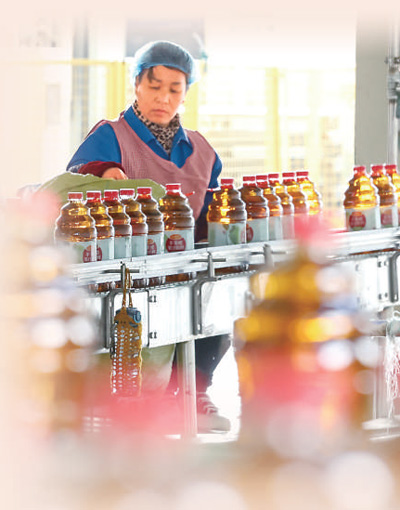
Core Insights - The article discusses the growing popularity and variety of fruit processing products, including juices, dried fruits, and freeze-dried fruits, highlighting their nutritional benefits and market trends [4][5][6][7]. Fruit Juice Processing - Fruit juice processing involves artificial treatment of fresh fruits to maintain or improve their quality, with common products including dried fruits, canned fruits, juices, and vinegars [5]. - There are three main types of fruit juices in the market: FC (From Concentrate), NFC (Not From Concentrate), and HPP (High Pressure Processing) [5][6]. - FC juice is made by concentrating fresh juice and then reconstituting it with water, which can lead to some loss of heat-sensitive nutrients [5]. - NFC juice is directly pressed from fresh fruits, retaining more nutrients and flavor compared to FC juice [6]. - HPP juice uses high-pressure technology to sterilize juice without high heat, preserving more nutrients and flavor, but requires cold chain logistics, making it more expensive [6]. Freeze-Dried Fruits - Freeze-dried fruits are produced through low-temperature vacuum drying, which preserves dietary fiber and certain vitamins better than traditional drying methods [7][13]. - Consumers are advised to check ingredient labels for added sugars or salts when purchasing freeze-dried fruits [13]. Market Trends and Innovations - Companies like Hema Fresh are innovating in the dried fruit sector, developing products that combine dried fruits with fruit juices to enhance flavor and appearance [9][10]. - The integration of new processing technologies and supply chain improvements is helping to extend the agricultural value chain and enhance product quality [10]. - The popularity of NFC and HPP juices has led to successful product launches, such as Hema's red heart apple juice and ginger turmeric lemon juice, which have received positive consumer feedback [11]. Nutritional Considerations - While NFC juice retains more nutrients than traditional juices, it still lacks some insoluble dietary fiber found in whole fruits, which can be lost during the juicing process [12]. - Freeze-dried fruits, while nutritious, can have concentrated sugars, necessitating moderation in consumption to avoid blood sugar spikes [13].
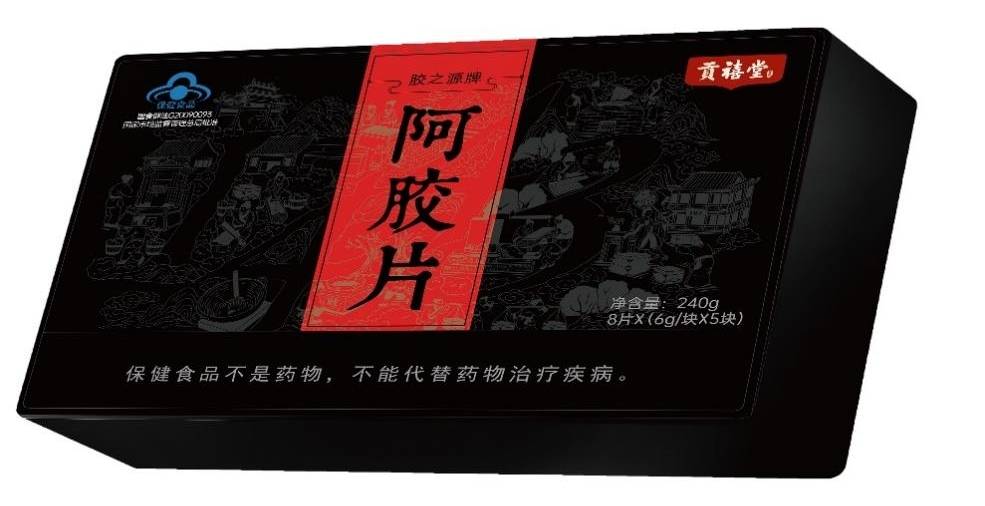
政策红利加持!东阿阿胶、森蜂园等亮相SIAL西雅国际食品展,领跑健康消费新赛道
Sou Hu Cai Jing· 2025-05-06 03:46
Group 1: Industry Overview - The Ministry of Commerce and 12 other departments have jointly released the "Special Action Plan for Promoting Healthy Consumption," which includes specific measures to promote the development of the health consumption market, signaling a new growth opportunity for the health food industry [1] - The global functional food market is expected to reach $1.5 trillion by 2024 and may exceed $2.5 trillion by 2030, with a compound annual growth rate (CAGR) of over 9% [2] - The health food market in China is projected to surpass 1.5 trillion yuan in 2024, with a growth rate of 15%, driven by consumer demand for technology-enabled and culturally resonant products [2] Group 2: Key Players and Innovations - Dong'e Ejiao Co., Ltd. focuses on the research, production, and sales of Ejiao and related health products, introducing convenient products like ready-to-eat Ejiao cakes and instant Ejiao drinks, which have seen a 230% year-on-year sales increase for sugar-free Ejiao granules in 2023 [3] - Fujian Lixing Food Co., Ltd. specializes in vacuum freeze-drying technology and offers a wide range of health food products, serving as a supplier for numerous well-known domestic and international brands [5] - Shandong Mengsixiang Food Co., Ltd. has launched "Chinese-style light health" gift boxes targeting young consumers, successfully crossing over into popular culture with products like "Loquat and Autumn Pear Drink" [6] Group 3: Trade and Exhibition Insights - The SIAL International Food Exhibition in Shanghai will feature renowned health food companies, providing a platform for showcasing innovative products and future trends in the health consumption sector [1][11] - The exhibition is expected to attract a wide range of professional buyers from various channels, enhancing brand visibility and facilitating business cooperation [11][13] - SIAL offers a unique opportunity for over 5,000 exhibitors to connect with 180,000 food and beverage professionals, promoting high-quality development in the food and beverage industry through trade integration [13]