卫浴用品

Search documents
海鸥住工子公司获高新认定享税收优惠 近期股价震荡下行
Jing Ji Guan Cha Wang· 2026-02-13 03:45
Group 1 - The core point of the news is that Seagull Home (002084) announced that its wholly-owned subsidiary, Zhuhai Chengou Bathroom Products Co., Ltd., has been recognized as a high-tech enterprise, which will allow it to enjoy a 15% corporate income tax rate for three years starting from 2025, potentially enhancing the company's profitability [1] Group 2 - In the recent stock performance, Seagull Home's stock price has shown a downward trend over the last seven trading days, with a cumulative decline of 3.08% from February 9 to February 12, 2026 [2] - The closing prices during this period were 4.27 yuan on February 9, 4.24 yuan on February 10, 4.19 yuan on February 11, and 4.09 yuan on February 12, indicating a consistent decrease [2] - On February 12, the trading volume was approximately 69.12 million yuan, with a turnover rate of 2.59%, and the stock is under short-term technical pressure with a support level around 3.88 yuan [2] - During the same period, the home goods sector declined by 0.59%, while the Shenzhen Composite Index increased by 0.86%, indicating that the company's performance was weaker than both the industry and the broader market [2]

周专题:家得宝、劳氏FY25Q3财报梳理-20251123
HUAXI Securities· 2025-11-23 12:09
Investment Rating - Industry rating: Recommended [5] Core Insights - Home Depot's FY25Q3 net sales reached $41.35 billion, a year-on-year increase of 2.8%, with comparable sales up 0.2% [1][11] - Lowe's FY25Q3 net sales were $20.81 billion, reflecting a 3.0% year-on-year growth, driven by acquisitions [2][13] - Both companies are experiencing stable demand from professional customers, with Home Depot's professional sales up 4.2% and Lowe's online sales up 11.4% [1][2][13] Summary by Sections Home Depot - Financial Data: FY25Q3 net sales of $41.35 billion, with comparable sales up 0.2% and net profit of $3.6 billion, down 1.3% year-on-year [1][11] - Product Sales Performance: 9 out of 16 product categories showed positive growth, with an average transaction value increase of 1.8% and a transaction volume decrease of 1.6% [1][11] - Full Year Outlook: FY25 total sales expected to grow by 3.0%, with GMS business contributing approximately $2 billion in incremental sales [12] Lowe's - Financial Data: FY25Q3 net sales of $20.81 billion, with comparable sales up 0.4% and net profit of $1.6 billion, down 5.7% year-on-year [2][13] - Category Performance: 10 out of 14 product categories achieved same-store sales growth, with strong performance in appliances and tools [2][13] - Full Year Guidance: FY25 total sales forecast raised to $86 billion, with comparable sales expected to remain flat [2][13]


采购商长廊丨第八届进博会8.2号馆采购商长廊首批名单公布!
Sou Hu Cai Jing· 2025-10-14 03:02
Group 1 - The eighth China International Import Expo (CIIE) will continue to set up a procurement corridor to enhance supply-demand matching and improve cooperation effectiveness [1][4] - The procurement corridor in Hall 8.2 will focus on agricultural products, consumer goods, and health products, featuring a selection meeting for approximately 20 high-quality buyers [1][2] - The first batch of announced enterprises includes major retail and internet companies in China, indicating strong demand and a well-established supply chain [2][4] Group 2 - The procurement needs of the announced enterprises cover all areas of the agricultural products exhibition, allowing for a clear presentation of purchasing preferences and directions [3] - A dedicated negotiation area will be set up for buyers to engage in multiple rounds of face-to-face discussions with exhibitors, facilitating deeper cooperation discussions [4] - The first batch of participating companies includes JD.com, Dashang Group, Greenland Zhongxuan, and others, showcasing a diverse range of procurement interests [4][22]


中美关税战按下「暂停键」,中小出口商仍在观望丨氪金·大消费
36氪· 2025-05-12 13:07
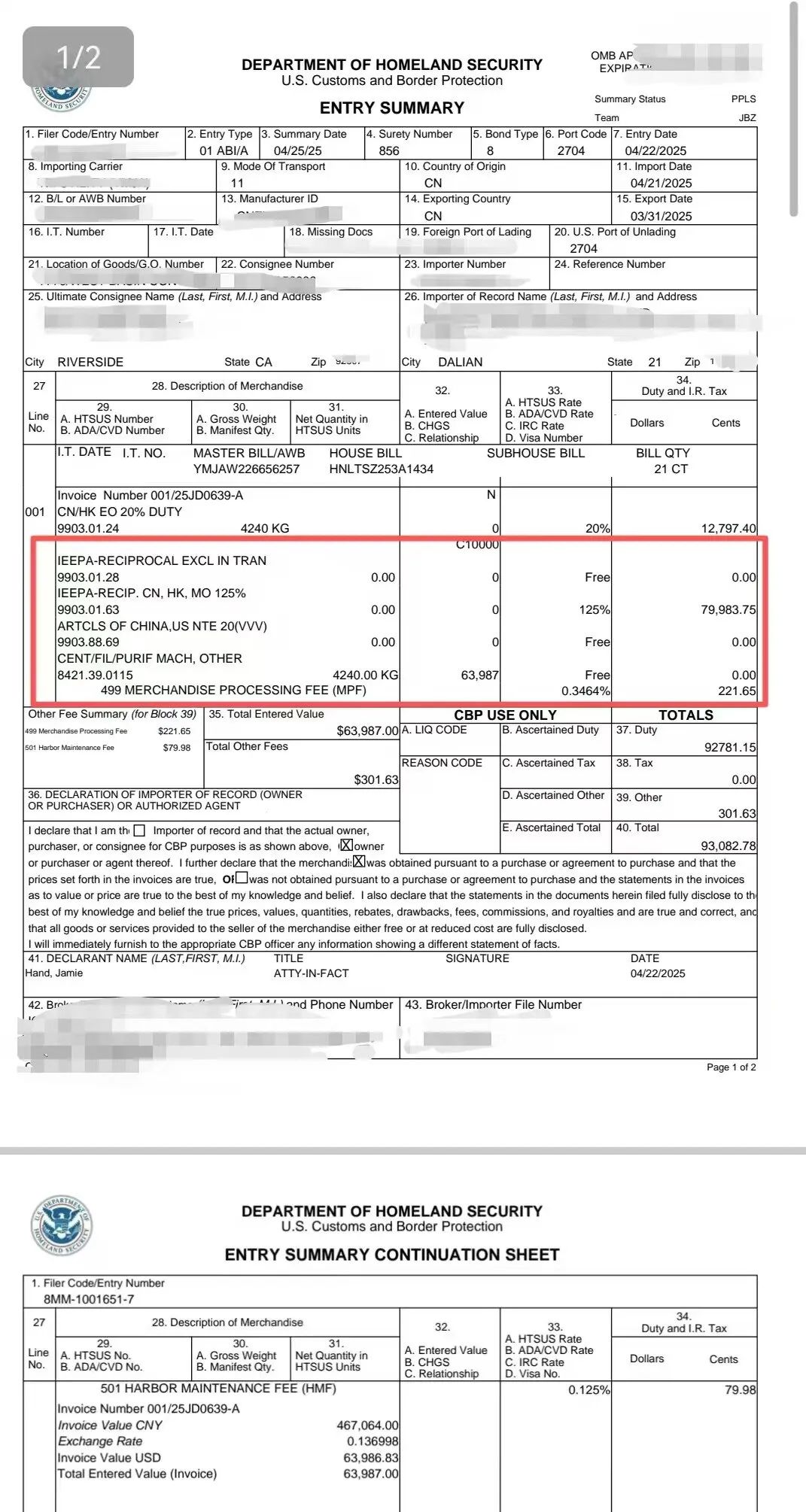
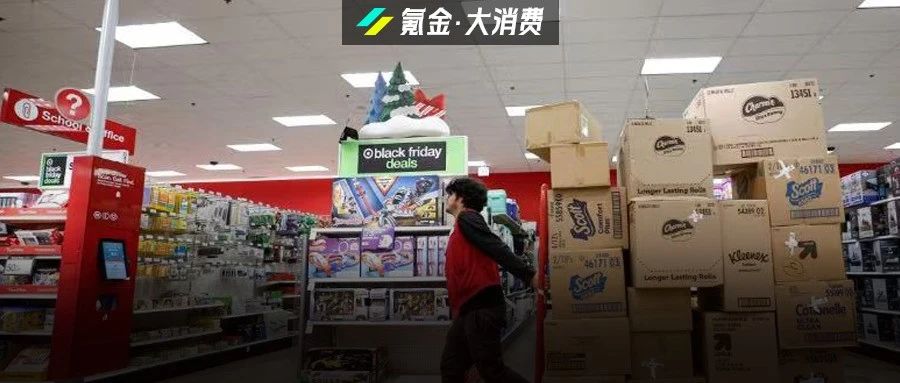
Core Viewpoint - The article discusses the recent pause in the US-China tariff trade friction, highlighting the importance of sustainable bilateral trade relations for both countries and the global economy [3][4]. Group 1: Tariff Changes - The US has committed to canceling 91% of tariffs imposed on Chinese goods and modifying a 34% tariff, with 24% of it suspended for 90 days, while retaining 10% [3]. - China reciprocated by canceling 91% of its counter-tariffs on US goods and suspending 24% of the 34% counter-tariff for 90 days, keeping 10% [3]. Group 2: Impact on Businesses - Major retailers like Amazon and Walmart have adjusted their strategies in response to tariff changes, with Amazon labeling "tariff costs" on products, which was met with strong opposition from the White House [5]. - Smaller trading companies lack the negotiating power of larger firms and remain in a passive position amid the trade tensions [5][6]. Group 3: Supply Chain and Pricing - The cancellation of the T86 tax exemption for small packages has led to increased costs for cross-border platforms, causing a price surge for goods [10]. - Shipping costs have doubled, with container prices rising from around $6,000 to between $12,000 and $15,000, impacting low-margin consumer goods [12][11]. Group 4: Consumer Behavior and Market Dynamics - American consumers' perception of Chinese products has shifted from low-quality to brand recognition and trust, with Xiaomi's success in the US market exemplifying this change [16]. - Retailers like Costco and Best Buy have different pricing strategies, affecting how suppliers manage their pricing and inventory in response to tariffs [17]. Group 5: Domestic Market Opportunities - Domestic retailers in China, such as Yonghui and Hema, are increasingly engaging with export traders to source foreign products, indicating a shift in market dynamics [22]. - Some suppliers are exploring domestic markets for their products, but challenges remain for those with customized products due to differing consumer preferences and production costs [23].
中美关税战将迎重大转折?中小供应商仍在观望 | 氪金·大消费
3 6 Ke· 2025-05-09 08:39
Core Viewpoint - The upcoming trade talks between China and the U.S. may signal a turning point in the ongoing tariff disputes, with China maintaining its firm opposition to U.S. tariff imposition [1][2]. Group 1: Trade Talks and Tariff Implications - The trade discussions scheduled from May 9 to 12 in Switzerland are initiated at the request of the U.S., indicating a potential shift in the trade dynamics [1]. - The ongoing tariff disputes have created a challenging environment for small and medium-sized exporters, who are largely in a passive position compared to larger corporations [2][4]. Group 2: Impact on Retail and Exporters - Major retailers like Amazon and Walmart are adjusting their strategies in response to the tariff situation, with Walmart reportedly resuming orders from manufacturers in China [2][3]. - The cancellation of the T86 tax exemption for small packages has led to increased costs for cross-border platforms, impacting pricing strategies for products [5][15]. Group 3: Shipping and Cost Increases - Shipping costs have surged, with container prices rising from approximately $6,000 to between $12,000 and $15,000, significantly affecting the margins of low-profit consumer goods [6][7]. - The increase in shipping costs and tariffs has led to a temporary spike in freight volumes as exporters rush to ship goods before new tariffs take effect [6][7]. Group 4: Consumer Behavior and Market Dynamics - U.S. consumer perception of Chinese products has evolved, with a shift towards recognizing quality and brand trust, particularly for electronics [12][13]. - The potential for price increases at retail outlets is being carefully considered by large retailers, as they navigate the complexities of supply chain adjustments in response to tariffs [14]. Group 5: Domestic Market Opportunities - Domestic retailers in China are increasingly reaching out to exporters, creating opportunities for products that were previously aimed at the U.S. market [16]. - However, the feasibility of shifting exports to domestic sales is limited for certain manufacturers due to differences in product specifications and market preferences [16][17].