
可灵 3.0

Search documents
快手-W:26年电商广告和利润或承压-20260326
HTSC· 2026-03-26 05:45
Investment Rating - The report maintains a "Buy" rating for Kuaishou-W (1024 HK) with a target price of HKD 68.58 [1][11]. Core Insights - Kuaishou's revenue growth and profits are expected to face pressure due to regulatory changes and increased capital expenditures, particularly in AI investments [6][11]. - The company anticipates a significant increase in capital expenditures to HKD 26 billion in 2026, primarily for AI-related infrastructure [15]. - The report highlights a slowdown in revenue growth, projecting a 2.5% year-over-year increase in Q1 2026 and a 4.5% increase for the full year [7][11]. Financial Performance - Kuaishou's revenue for 2025 is projected at RMB 142.776 billion, with a growth rate of 12.51%, while 2026 revenue is expected to be RMB 149.159 billion, reflecting a slower growth of 4.47% [5][25]. - The adjusted net profit for 2026 is forecasted to decline by 22.38% to RMB 14.456 billion, with a subsequent recovery expected in 2027 [5][25]. - The report indicates that the adjusted EPS for 2026 will be RMB 4.04, with a PE ratio of 11.57 [5][11]. Business Segments - Advertising revenue is projected to grow by 7% in 2026, while e-commerce revenue is expected to increase by 15% [30]. - The report notes that Kuaishou's live streaming revenue is forecasted to decline by 6% in 2026, reflecting challenges in the regulatory environment [30]. - The company is enhancing its AI capabilities with the launch of the OneMall recommendation framework, which aims to improve e-commerce performance [17][16]. Market Position - Kuaishou's market position in AI video generation is highlighted, with the launch of the upgraded KuaLing 3.0 model, which significantly enhances content generation capabilities [18][9]. - The report emphasizes Kuaishou's competitive edge in the AI video market, despite concerns about potential competition from other players like Seedance [9][10]. Valuation - The report employs a Sum-of-the-Parts (SOTP) valuation method, assigning a target price of HKD 68.58, reflecting a discount due to slower revenue growth compared to peers [29][30]. - The valuation breakdown includes HKD 59.74 per share for advertising, HKD 6.08 for e-commerce, and HKD 2.76 for live streaming [29][30].

36氪精选:未来1500天,影视行业的钱会被这1%的人赚走?
日经中文网· 2026-03-14 00:33
Core Viewpoint - The article discusses the transformative impact of AI on the film and entertainment industry, emphasizing that the cost of content creation is rapidly decreasing, leading to a fundamental shift in production dynamics and the emergence of new forms of scarcity in creative talent and storytelling [6][20]. Group 1: Cost Dynamics and Industry Transformation - The cost curve of content creation is breaking down, with AI enabling the production of high-quality video content at a fraction of the traditional costs, such as a 2-minute sci-fi short film costing less than 200 yuan [10][11][12]. - Traditional film production involves significant budgets, often starting from 300 million to 500 million yuan for major releases, while AI-generated content can be produced by small teams with minimal budgets [12][18]. - The industry has been focused on reducing costs for years, but the advent of AI is fundamentally altering the cost structure, making it possible for smaller teams to produce content that was previously only feasible for large studios [18][20]. Group 2: New Forms of Scarcity - As visual spectacle becomes cheaper due to AI, the most valuable human skill will be "taste engineering," which involves making aesthetic judgments that AI cannot replicate [26][45]. - The traditional scarcity of resources such as funding and large teams is diminishing, while new forms of scarcity are emerging, including the ability to create compelling narratives and manage small, highly skilled teams [48][49]. - The industry will see a shift where the ability to attract and organize top talent will become the most critical asset in the AI-driven content landscape [49][50]. Group 3: Changes in Content Creation Process - The role of the writer will evolve significantly, with AI facilitating a more immediate feedback loop between scriptwriting and visual representation, leading to a new workflow termed "instant creation" [79]. - Filming will transition from a default necessity to an optional choice, allowing creators to decide when to use live-action versus AI-generated content based on artistic needs [83]. - The post-production process will also change, with AI handling many technical tasks, allowing human talent to focus on creative judgment and aesthetic direction [86]. Group 4: Market Dynamics and Distribution - The removal of language barriers through AI will enable content to be tailored for global markets from the outset, significantly expanding the potential audience [89][90]. - The traditional distribution model, which relies on B2B licensing, will shift towards direct-to-consumer approaches, allowing creators to connect with audiences more effectively [93][94]. - The power dynamics in content distribution will change, with the emphasis moving from platform control to the quality of content and emotional engagement with audiences [95][96]. Group 5: Future Content Trends - The article predicts that by 2031, over half of fictional video content will be generated or significantly influenced by AI, particularly in genres that rely heavily on visual effects [20][64]. - The emergence of high-quality content will create a stark divide in the market, where mediocre content will struggle for value, while exceptional works will command significant attention and resources [60][62]. - The future of blockbuster content will likely involve innovative storytelling that transcends traditional media boundaries, driven by the capabilities of AI [98].

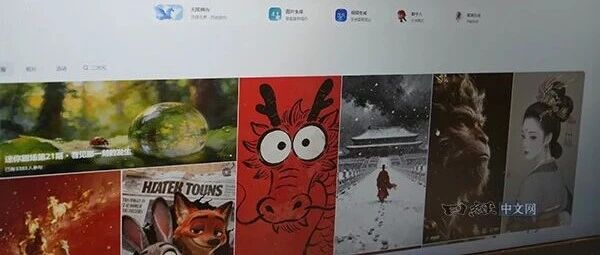
未来1500天,影视行业的钱会被这1%的人赚走?
投中网· 2026-03-01 07:39
Core Viewpoint - The article discusses the significant transformation occurring in the film and entertainment industry due to advancements in AI technology, particularly in content creation and production costs. It emphasizes that traditional cost structures are breaking down, leading to a new era where the scarcity of creative talent and aesthetic judgment becomes more valuable than financial resources or large teams [5][19][42]. Group 1: Industry Transformation - The cost curve of the film industry is fracturing, with AI enabling content creation at a fraction of the traditional costs, such as a two-minute sci-fi short film costing less than 200 yuan [10][11][12]. - Traditional filmmaking, which relies on large budgets and extensive teams, is being challenged by AI-generated content that can be produced by small teams with minimal costs [18][19][42]. - The article compares the current AI revolution in entertainment to the impact of the iPhone on various industries, suggesting that AI will not just replace jobs but will fundamentally alter production methods, organizational structures, and monetization models [20][21]. Group 2: New Scarcity - As visual spectacle becomes cheaper due to AI, the true scarcity will shift to human capabilities such as "aesthetic engineering," which involves making critical creative decisions that AI cannot replicate [25][41]. - The article identifies three new valuable resources in the AI era: aesthetic engineering ability, world-building capacity, and high-density talent in small teams [43][44]. - The ability to discover, attract, and organize these talents will become the core asset in the content industry, surpassing traditional resources like funding and technology [44][46]. Group 3: Economic Implications - The article predicts that by 2031, over half of fictional video content will be generated or deeply involved with AI, leading to a significant reduction in production cycles from years to months [21][69]. - The supply explosion of AI-generated content will not lead to equal value across all content; instead, it will create a stark divide where high-quality content gains significant pricing power while mediocre content loses value [56][59]. - The traditional distribution model is shifting from a B2B copyright wholesale approach to a direct-to-consumer model, allowing creators to reach audiences without relying heavily on platforms [82][83]. Group 4: Future Content Creation - The article suggests that the future of content will involve a blend of AI-generated visuals and human creative input, leading to a new form of "instant creation" where narrative and visuals are developed simultaneously [72]. - Filmmaking will evolve to include AI as a core component, with real-time feedback loops allowing for immediate adjustments in creative decisions [71]. - The traditional filming process will become optional, with AI-generated content providing a viable alternative for many genres, particularly those that rely heavily on visual effects [75][76].


AI 系列跟踪(90):可灵 3.0 重磅更新,字节发布 Seedance 2.0,多模态迎密集催化
Changjiang Securities· 2026-02-11 11:43
Investment Rating - The industry investment rating is "Positive" and maintained [9] Core Insights - The report highlights the significant update of Keling 3.0, which includes models such as Video 3.0, Video 3.0 Omni, Image 3.0, and Image 3.0 Omni. The video duration has been extended to 15 seconds, and new features like intelligent scene segmentation and enhanced audio-visual synchronization have been added, which is expected to accelerate Keling's commercialization process [2][5] - ByteDance has launched Seedance 2.0, which is now available on the Jimeng platform, providing users with "director-level" creative control. Its usability has reportedly increased to 90%, which may further reduce actual production costs and accelerate the commercialization of multi-modal content [2][9] - The recent acceleration in the AI video sector presents investment opportunities in the multi-modal segment, with a positive outlook on tool companies like Kuaishou and production companies focusing on high-quality content [2][9] Summary by Sections Keling 3.0 Update - Keling 3.0 has been significantly updated with new models, including Video 3.0 and Image 3.0, which support various input forms and have improved features such as intelligent scene segmentation and audio-visual synchronization. The commercial performance of Keling is expected to accelerate following this update, with a reported 30% month-on-month growth in January 2026 [9] Seedance 2.0 Launch - Seedance 2.0 has been released by ByteDance, allowing for advanced creative control with features like automatic scene planning and multi-modal input support. This tool is expected to lower production costs and enhance the user experience significantly [9] Market Opportunities - The report emphasizes the rapid development in the AI video sector, suggesting a focus on investment opportunities within the multi-modal content creation space, particularly for companies that provide tools and high-quality production capabilities [2][9]
详细拆解Seedance2
2026-02-11 05:58
Summary of Conference Call Records Industry Overview - The conference call discusses the rapid development of multimodal models in China, highlighting the narrowing gap with leading overseas models, particularly in understanding physical rules. The release of version 3.0 for consumer applications has significantly improved capabilities due to advancements in data production lines and infrastructure [1][2][8]. Key Points on Specific Models - **CDS 2.0**: - Utilizes a dual-branch DIT (Diffusion Transformer) architecture, allowing for synchronized video and audio generation, enhancing audio modeling and multi-shot understanding [1][3][4]. - Demonstrates strong performance in prompt understanding, shot composition, audio-visual synchronization, and clarity [2]. - Benefits from the ByteDance LLaMA ecosystem, providing advantages in prompt understanding and post-editing capabilities [5]. - **VIVO 3.1**: - Based on the Gemini Transformer architecture, it incorporates Latent Diffusion methods for 3D spatial understanding, improving character consistency and virtual reality comprehension [5]. - **CIDES 2.0**: - Excels in video generation duration (10-15 seconds of high-definition video), audio-visual synchronization, and multi-shot narrative capabilities, outperforming competitors in these areas [5][6]. Market Dynamics - The commercial prospects for multimodal large models are promising, with both domestic and international companies launching products and gradually opening them to consumer users. Pricing strategies indicate a keen understanding of market demand [6][9]. - Domestic models like JIMU and Keling show advantages in generation speed (60-80 seconds) and resolution (up to 2K), compared to international models like Sora and VO, which typically require over 100 seconds and are limited to 1080P resolution [7][8]. Future Trends - The development of multimodal large models is expected to significantly impact various industries, particularly short video production, e-commerce, and advertising, by lowering creative implementation costs and enhancing efficiency [9][10]. - The demand for computational power is projected to increase exponentially due to the large-scale application of version 3.0, prompting companies like OpenAI to accelerate the construction of computational centers [11][12]. Competitive Landscape - Major companies like Alibaba and Tencent are making strides in the multimodal field, with Alibaba launching new image generation models and Tencent maintaining a leading position with its mixed 3D models [14]. - Smaller companies can remain competitive by leveraging self-trained models or integrating with major companies' APIs, although they may face greater financing pressures [11]. Conclusion - The conference call highlights the rapid advancements in multimodal AI models, the competitive landscape, and the significant implications for various industries. The ongoing developments suggest a transformative period for content creation and AI applications in the near future [20].
从seedance2
2026-02-11 05:58
Summary of AI Short Drama Industry Conference Call Industry Overview - The AI short drama industry has seen significant advancements in recent years, particularly with the introduction of new AI video generation models such as Sora, VU 3.1, vidu, and 可灵 3.0, each with unique advantages [2][3] - The market for AI short dramas is expected to explode in the second half of 2025, with an estimated market size of 20 billion yuan, projected to reach 50 billion yuan by 2026, although actual market size may exceed this due to increased production efficiency [4] Key Insights and Arguments - **Cost Efficiency**: AI technology has significantly reduced labor costs in short drama production, improving efficiency by 5 to 10 times. The cost of generating high-quality videos has been reduced to between 50 and 100 yuan per minute [3][4] - **Investment Return**: Early ROI for AI short dramas was over 2, but has now stabilized around 1.1 to 1.2, with many companies still operating at a loss. Leading companies like 酱油文化 and 慢谈 contribute 11% and 17% to the market, respectively, with gross margins around 50% [5][6] - **Platform Policies**: Various platform policies exist, including guaranteed minimums, direct purchases, third-party production, and direct contracts. Early-stage collaborations should consider lower-risk models, while later stages may favor per-minute charging [7] Important but Overlooked Content - **IP Importance**: Intellectual Property (IP) is crucial in the AI short drama sector, as classic IPs inherently attract audiences. The choice of IP can significantly impact a project's success, necessitating careful selection to avoid copyright risks [10] - **User Demographics**: The primary audience for AI short dramas is aged 18-30, predominantly male, but this demographic is expanding to include more diverse viewers, particularly with the rise of female-oriented content [16] - **Future Trends**: The competition landscape is expected to evolve, with platforms increasingly investing in exclusive content to attract subscribers. This exclusivity will become a key competitive strategy [17] Production and Market Dynamics - **Production Costs**: The production cost of AI short dramas is primarily influenced by labor rather than model pricing. The introduction of advanced models has led to a significant reduction in production time and costs [3][4] - **Content Types**: Different types of AI short dramas, such as 2D and 3D, are expected to dominate the market, while less profitable formats like 沙雕漫 may decline [12][13] - **Regulatory Trends**: The industry faces challenges with plagiarism, and future regulations may impose stricter guidelines to prevent content duplication [18] Conclusion The AI short drama industry is poised for rapid growth, driven by technological advancements and changing audience preferences. Companies must navigate production costs, IP selection, and platform dynamics to capitalize on emerging opportunities while addressing potential risks associated with competition and regulation.
春节传媒行业曝光度提升,海外AnthropicCowork和插件发布
Tai Ping Yang Zheng Quan· 2026-02-08 13:58
Investment Rating - The industry investment rating is "Positive," indicating an expected overall return exceeding 5% above the CSI 300 index within the next six months [54]. Core Viewpoints - The report highlights that during the Spring Festival, the media industry is experiencing increased exposure, particularly in film, gaming, and AI developments. Eight films are scheduled for release during the Spring Festival, with a diverse range of genres, and the cumulative interest in these films is higher than in previous years [9][52]. - The gaming sector is expected to see revenue growth due to various operational activities during the Spring Festival, particularly for social games [5]. - In the AI sector, multiple leading models are anticipated to release updated versions, and major internet companies are leveraging high user engagement during the Spring Festival to accelerate AI commercialization [6][9]. Summary by Sections Film Industry - Eight films are set for release during the Spring Festival, including titles like "The Silent Awakening" and "Racing Life 3." The cumulative interest for these films has reached 1.29 million, surpassing the previous years' figures [4][9]. - The top three films in terms of cumulative interest are "The Silent Awakening" (780,000), "Racing Life 3" (590,000), and "The Bounty Hunter: Winds Rise in the Desert" (520,000) [52]. Gaming Industry - The game "The Ring" is expected to launch on May 15, with high anticipation reflected in its ranking on the TapTap pre-registration list [5]. - Several social games are launching Spring Festival events, which are expected to enhance daily active users (DAU) and revenue [5]. AI Industry - The report notes a significant iteration period for domestic large models, with several expected releases around the Spring Festival, including Alibaba's Qwen 3.5 and Doubao 2.0 [6]. - Major internet companies are implementing promotional activities, such as cash red envelopes, to boost user engagement and accelerate AI commercialization [6][9]. Key Companies to Watch - In the film sector, companies like Bona Film Group are recommended for attention [9]. - In gaming, companies such as Kingnet, Giant Network, and G-bits are highlighted as potential investment opportunities [9].
继续看多航天-AI投资机会
2026-02-03 02:05
Summary of Key Points from Conference Call Records Industry Overview - The conference call discusses the AI industry and its impact on hardware and software sectors, highlighting significant growth driven by capital expenditure in AI, particularly in overseas markets [1][2]. Core Insights and Arguments - **AI Capital Expenditure**: The hardware sector has seen substantial performance improvements due to AI-driven capital expenditures, especially from overseas investments [2]. - **Software Industry Disparity**: There is a notable gap between domestic and international software industries in cloud computing, with domestic companies primarily using hybrid cloud architectures, leading to lower standardization and productization levels [1][4]. - **Rapid AI Application Development**: Since the end of 2025, AI applications have accelerated, with major companies entering the market and product iterations speeding up [1][4]. - **Multimodal Technology Advancements**: Multimodal technology has reached a stage where it can fully replace traditional production methods, with significant improvements in image recognition and video generation capabilities [1][5][6]. - **Emergence of AI Social Products**: New AI social products have been launched by various companies, utilizing innovative methods like red envelope distribution to attract users and establish a foundation for future commercialization [1][7]. Additional Important Content - **2026 Predictions**: The year 2026 is anticipated to be a pivotal year for AI applications and commercial space ventures, with companies like ByteDance, Alibaba, and Tencent expected to accelerate their growth in traffic and business expansion [1][8]. - **Token Usage Growth**: The integration of agents and multimodal technology in workflows is expected to significantly increase token usage, benefiting cloud and edge computing demands, as well as terminal device markets like AI glasses [3][9]. - **SpaceX Developments**: SpaceX is actively pursuing an IPO and plans to raise over $40 billion, with applications for millions of AI satellites that could enhance satellite deployment rates globally [3][9]. - **Apple's Collaboration with SpaceX**: Apple is in discussions with SpaceX to integrate Starlink connectivity into the iPhone 18 Pro, indicating a shift towards satellite communication as a potential alternative to cellular networks [9]. This summary encapsulates the key points discussed in the conference call, providing insights into the current state and future trends of the AI and commercial space industries.
互联网传媒周报20260126-20260130:全球AI应用催化密集-20260201
Shenwan Hongyuan Securities· 2026-02-01 07:44
Investment Rating - The industry investment rating is "Overweight" indicating that the industry is expected to outperform the overall market [12]. Core Insights - The report highlights the rapid advancement of AI applications globally, with significant developments in both overseas and domestic markets. Key examples include the emergence of self-hosted AI assistants and interactive virtual worlds [4]. - There is a growing competition for AI entry points in China, with companies like Tencent and Kuaishou launching new AI-driven products aimed at enhancing user engagement and collaboration [4]. - The report identifies several investment opportunities within the AI application landscape, emphasizing the importance of high-quality data and specialized knowledge for leveraging AI in various sectors [4]. Summary by Sections AI Application Developments - Global AI applications are catalyzing rapid advancements, with notable progress in intelligent agents and world models. For instance, Clawdbot and Google's Project Genie are leading innovations in the AI space [4]. - In China, companies are competing for AI entry points, with Tencent's Yuanbao and Kuaishou's Keling 3.0 showcasing new AI capabilities in gaming and video production [4]. Investment Opportunities - The report suggests that the AI landscape is creating new investment opportunities, particularly for companies that provide foundational technologies and services (e.g., Alibaba, Tencent, Baidu) [4]. - Specific opportunities include companies that dominate key entry points (e.g., Tencent, Alibaba) and those in fast-commercializing sectors like advertising and e-commerce [4]. Market Trends - The report notes that the upcoming Spring Festival is a peak season for gaming, with several games achieving significant daily active user (DAU) milestones, indicating a robust market for gaming content [4]. - Companies like Tencent and Giant Network are launching new games that incorporate AI features, enhancing user engagement and competitive positioning [4].