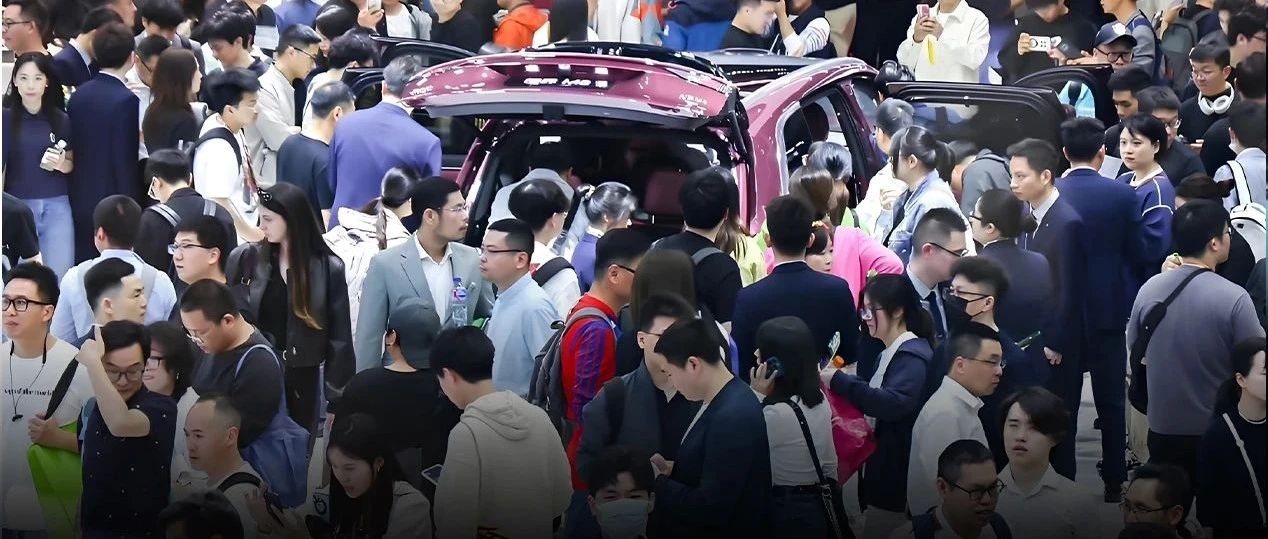
大六座SUV

Search documents
东风汽车集团1月销量逆势增29.3% 杨青寄望主动出击全年出口60万辆
Chang Jiang Shang Bao· 2026-02-12 00:37
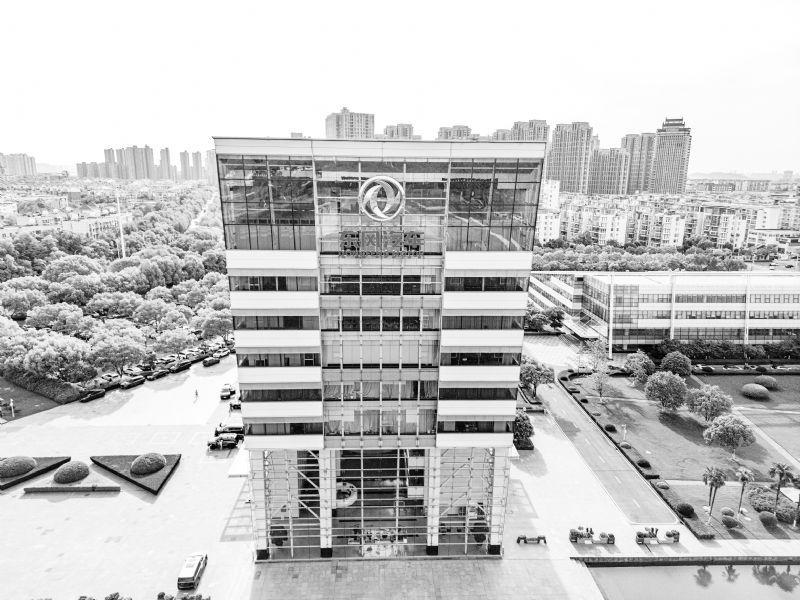
Core Insights - The automotive industry is entering a new phase of market restructuring and reconfiguration, presenting both opportunities and challenges. Dongfeng Motor Group has seen a strong increase in sales despite market headwinds [2][3]. Sales Performance - In January 2026, Dongfeng Group sold 138,800 vehicles, representing a year-on-year increase of 18.8%. Among these, the sales of new energy vehicles reached 38,800 units, up by 89.7% [2][3]. - The parent company, Dongfeng Motor Group, reported total vehicle sales of 185,300 units in January, marking a 29.3% increase year-on-year. The subsidiary, Dongfeng, sold 11,100 vehicles, reflecting a growth of 31.6% [2][3]. Strategic Goals - Dongfeng Motor Group has set an ambitious target of achieving total annual sales of 3.25 million vehicles by 2026, with specific goals of 1.7 million new energy vehicles and 600,000 exports [2][9]. International Expansion - The chairman of Dongfeng Motor Group emphasized that overseas markets have become the main battleground for competition among automakers. The company aims to actively engage in international markets with a bold approach [2][9]. Product Development - In 2026, Lantu Automotive plans to launch four new products equipped with L3-level intelligent driving hardware, covering SUV, FUV, and MPV categories [6]. - Dongfeng Yipai's sales reached 21,300 units in January, a significant increase of 145.3%. The company plans to introduce five new models under the Dongfeng Yipai and Dongfeng Fengshen brands this year [6]. Collaboration and Innovation - Dongfeng is collaborating with Huawei to create a new brand, "Yijing Automotive," with the first model set to debut at the Beijing Auto Show in April [7]. - Dongfeng's R&D investment intensity is projected to reach 7.9% by 2025, with significant advancements in core technologies, including the mass production of high-end MCU chips and improvements in hybrid engine efficiency [9]. Export Performance - In January, Dongfeng's export of vehicles reached 20,100 units, a remarkable year-on-year increase of 271%. Passenger car exports were 13,900 units, up by 344% [10].


2026年MPV市场乱战升级:新车扎堆入市,全维博弈白热化
Bei Jing Shang Bao· 2026-02-01 10:41
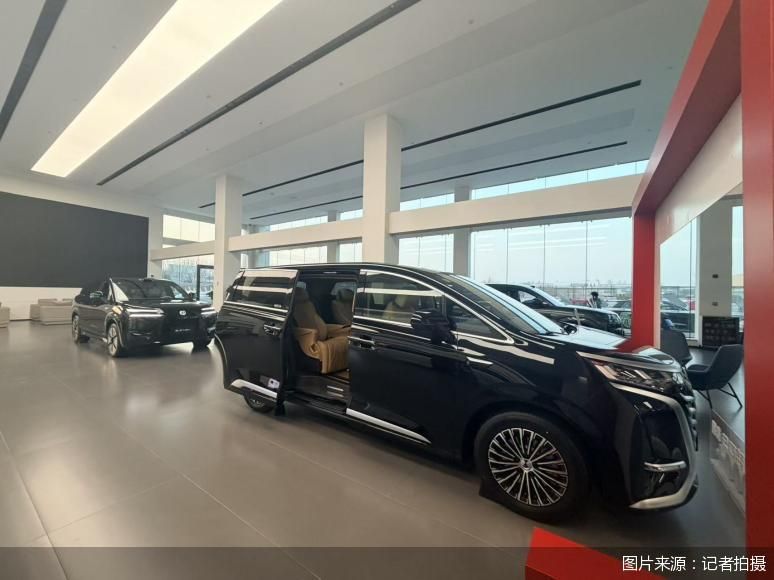
Core Viewpoint - The MPV market in China is undergoing significant transformation, with at least six new models set to launch by 2026, driven by evolving family vehicle demands and advancements in new energy technology [1] Group 1: Market Dynamics - The MPV segment has shifted from a niche market to a competitive battleground, influenced by the increasing demand for family-oriented vehicles and the rise of new energy technologies [1] - The emergence of large six-seat SUVs is diverting demand away from MPVs, necessitating a focus on enhancing space comfort and accelerating the transition to family-oriented designs [6][8] - The MPV market is experiencing a structural explosion in demand, with family usage surpassing business use, as evidenced by 58% of MPV sales being for family purposes in 2025 [6] Group 2: New Model Launches - Multiple new MPV models are set to enter the market, including the Leap Motor D99, which features an 80.3 kWh battery for extended range, and the Galaxy V900, which offers a spacious trunk [3] - High-end models are also being introduced, such as the Lantu flagship MPV with L3-level autonomous driving capabilities and the Huawei-powered Zhijie V9, which is expected to launch in spring 2026 [3] Group 3: Sales Performance - In December 2025, 70% of the top ten MPV sales were from new energy vehicles, with the Wey brand's Gaoshan leading at 10,558 units sold [4] - Traditional brands like Toyota and Buick continue to dominate, with the Toyota Granvia and Sienna ranking second and third in sales, while Honda's models are experiencing a decline [5] Group 4: Competitive Strategies - Companies are focusing on differentiated features to enhance their competitive edge, such as the Zhijie V9's rotating second-row seats and the D99's advanced driving assistance systems [7] - The trend towards multifunctional MPVs is emerging, with some models designed for camping and outdoor activities, showcasing the versatility of MPVs [7] Group 5: Future Outlook - The MPV market is expected to see increased concentration, with the top ten manufacturers accounting for 78.3% of total sales in 2025, indicating a trend towards market consolidation [8] - The competition in the MPV sector is anticipated to intensify, with a focus on smart technology and electric upgrades as key differentiators for companies aiming to capture market share [8]
小鹏汽车20251106
2025-11-07 01:28
Summary of Xiaopeng Motors Conference Call Company Overview - **Company**: Xiaopeng Motors - **Industry**: Electric Vehicles and Robotics Key Points Industry and Company Developments - Xiaopeng Motors plans to launch three Robot Taxi models by 2026, with trial operations in cities like Guangzhou, featuring six redundancy designs and a computing power of 3,000 TOPS [2][3] - The company expects to achieve sales of 700,000 vehicles in 2026, a growth of over 50% compared to approximately 450,000 in 2025, driven by updates to existing electric models and the introduction of new range-extended models [2][9] - Xiaopeng anticipates turning profitable in Q4 2025 with a gross margin of 18%-20%, and expects to achieve profitability for the entire year of 2026 with a gross margin exceeding 20% [2][10] Technological Advancements - The second-generation algorithm model, VLA, has been updated to the VA model, which simplifies the process from vision to action, improving efficiency and reducing errors. This model will be applied to the Ultra version vehicles in Q1 2026 [3][6] - Xiaopeng's humanoid robot, Ion, features 82 joints and is designed for various applications, with plans for mass production by the end of 2026 [3][4] Financial Expectations - Revenue is projected to reach between 130 billion to 140 billion RMB in 2026, based on the anticipated sales volume and an average price per vehicle of nearly 200,000 RMB [2][10] - The company aims for a market valuation of around 200 billion RMB based on a 1.5x price-to-sales ratio, with potential for valuation to exceed 300 billion RMB when including new business segments like Robot Taxi and robotics [10][14] Market Strategy - Xiaopeng's strategy focuses on synchronizing new product cycles with technological advancements to expand its customer base and enhance market valuation [5][12] - The company is optimistic about the commercial prospects of its robots, particularly in customer service roles, while remaining cautious about applications in household tasks [8][12] Competitive Advantages - Xiaopeng possesses unique advantages, including self-developed chips and algorithms, autonomous manufacturing capabilities, and strong model training abilities, positioning it favorably against competitors [12][14] - The company aims to leverage its technological innovations and brand strength to drive sales and improve profitability [13][14] Brand Development - Despite a decline in brand strength due to market oversupply, Xiaopeng anticipates a resurgence in brand recognition driven by advancements in technology and the rollout of Robot Taxi and robotics [13] Additional Insights - Xiaopeng's focus on expanding its product offerings and enhancing its technological capabilities is expected to differentiate it in a competitive market, potentially leading to above-average growth compared to industry peers [5][12]
国庆黄金周车市实探:大6座SUV厮杀,有车型直降2万元,有品牌“兜底”购置税
3 6 Ke· 2025-10-06 01:58
Core Insights - The market for large six-seat SUVs is experiencing significant growth, driven by consumer demand and new model launches from various manufacturers [4][12] - The sales of models like the AITO M8 and NIO ES8 have shown impressive numbers, indicating strong market interest and order conversion [2][3] - The changing family structure in China is creating a robust demand for six-seat SUVs, as families seek larger vehicles for convenience [5][12] Market Performance - The AITO M8 has delivered over 100,000 units since its launch, with sales exceeding 20,000 units for three consecutive months [2] - The total sales of mainstream six-seat SUVs in 2024 are projected to reach 821,255 units, with expectations to hit around one million units in 2025 [2] - NIO's new ES8 is expected to have an annual production capacity of 40,000 units by 2025 [2] Consumer Trends - Consumers are increasingly prioritizing space and family needs when selecting vehicles, with many opting for large six-seat SUVs for family outings [5][9] - The market is seeing a diverse range of models with various powertrains, including pure electric, range-extended, and plug-in hybrid options, priced between 150,000 to 500,000 yuan [7][8] Competitive Landscape - The large six-seat SUV segment is becoming a battleground for major brands, with companies like AITO, NIO, and Li Auto launching competitive models [3][4] - The introduction of various promotional strategies, such as tax subsidies and attractive pricing, is intensifying competition among manufacturers [11][12] Future Outlook - The demand for large six-seat SUVs is expected to continue growing for the next decade, with projections indicating that the market will not reach its peak until around 2036 [12][13] - The increasing production of similar models may lead to market saturation, potentially resulting in some models facing sales challenges [13]


国庆黄金周车市实探:大6座SUV厮杀!有车型直降2万元,有品牌“兜底”购置税
凤凰网财经· 2025-10-05 13:48
Core Viewpoint - The article highlights the booming market for large six-seat SUVs in China, driven by consumer demand and strategic product launches from various automakers, indicating a significant growth phase for this segment [2][4][9]. Group 1: Market Dynamics - The large six-seat SUV segment is experiencing rapid growth, transitioning from early to mid-stage development, and is considered a "hot market" with strong consumer demand [8][9]. - Sales data shows that the cumulative delivery of the AITO M8 has surpassed 100,000 units since its launch, with monthly sales exceeding 20,000 units for three consecutive months [5]. - The overall market for mainstream six-seat SUVs is projected to reach approximately 1 million units in 2025, up from 821,255 units in 2024 [6]. Group 2: Consumer Insights - Consumer interest in large six-seat SUVs is driven by family travel needs, with many buyers prioritizing space and comfort for family outings [10][12]. - The article notes that consumers are increasingly faced with choices among various models, leading to confusion over which features to prioritize, such as space versus price [14]. - The demand for large six-seat SUVs is expected to continue growing due to demographic changes and evolving family structures in China [9][19]. Group 3: Competitive Landscape - Automakers are intensifying competition in the large six-seat SUV market, with multiple brands launching new models to capture market share [7][19]. - The article provides a detailed comparison of various models, highlighting differences in specifications, pricing, and unique selling points, which are crucial for consumer decision-making [13][15]. - Promotional strategies, such as tax subsidies and competitive pricing, are being employed by brands like NIO and Zeekr to attract buyers [16][18]. Group 4: Future Outlook - Experts predict that the demand for large six-seat SUVs will continue to expand until around 2036, driven by population growth and changing family dynamics [19]. - However, the increasing number of models may lead to market saturation and potential oversupply, raising concerns about the sustainability of this growth [19].
半年 8 款新车,大六座 SUV 的 “最卷之战” 即将上演
晚点LatePost· 2025-10-01 10:04
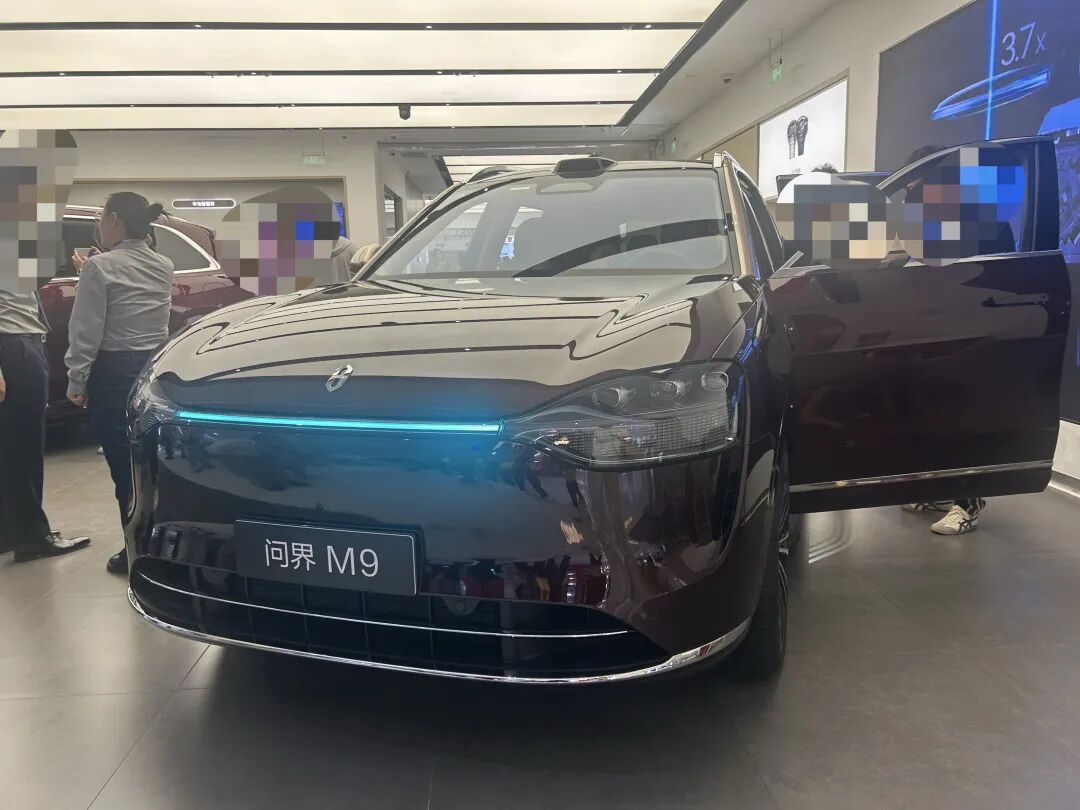
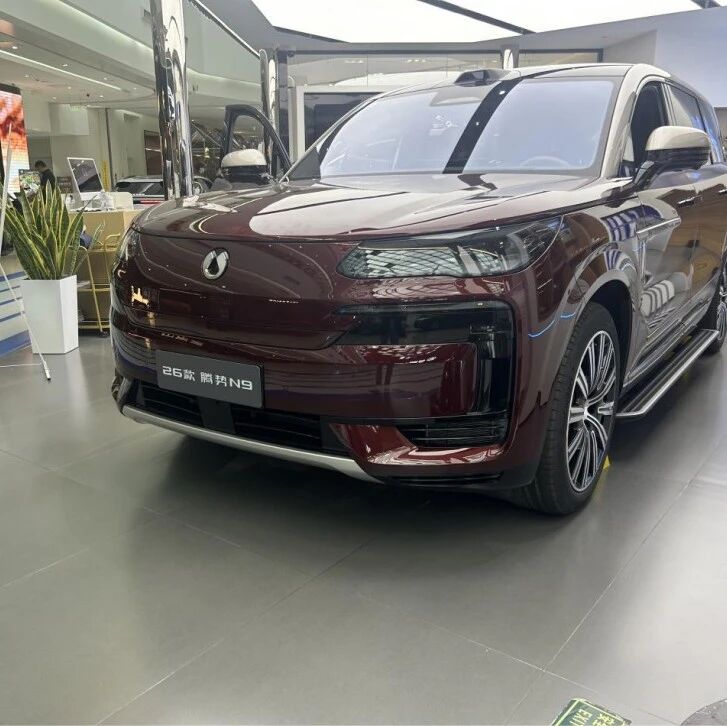
Core Viewpoint - The demand for large six-seat SUVs in the Chinese market is significantly driven by multi-child families and urban immigrants, leading to a rapid increase in product offerings and market growth [4][12][13]. Group 1: Market Dynamics - The launch of multiple large six-seat SUVs, including the Tengshi N9 and Galaxy M9, indicates a booming market with significant consumer interest, as evidenced by pre-order numbers exceeding 23,000 within 24 hours for Galaxy M9 [5][12]. - The market for large six-seat SUVs is projected to grow from approximately 300,000 units in 2023 to over 1 million units by 2027, highlighting a strong upward trend [13][14]. Group 2: Consumer Segmentation - The demand for large six-seat SUVs can be categorized based on life stages, with significant needs arising from families with multiple children and three-generation households [6][9]. - Urban immigrants, often with multi-child families, are increasingly opting for large six-seat SUVs due to their practicality for family travel and commuting needs [12][13]. Group 3: Product Offerings and Trends - The large six-seat SUV market is characterized by three energy types: pure electric, range-extended, and plug-in hybrid, with range-extended vehicles currently dominating sales [15][18]. - The range-extended SUV segment has seen substantial sales, with models like the Ideal L9 and Wanjie M9 leading the market, indicating a preference for vehicles that alleviate range anxiety while providing a family-friendly experience [18][19]. Group 4: Competitive Landscape - The competitive landscape is intensifying, with various brands entering the market, including new entrants like Xiaomi and Xiaopeng, which are expected to introduce innovative products [29][30]. - The market is becoming increasingly competitive, with companies racing to capture market share before segments become saturated, particularly in the mid-range and luxury categories [30].

半年 8 款新车,大六座 SUV 的 “最卷之战” 即将上演
晚点Auto· 2025-09-23 11:59
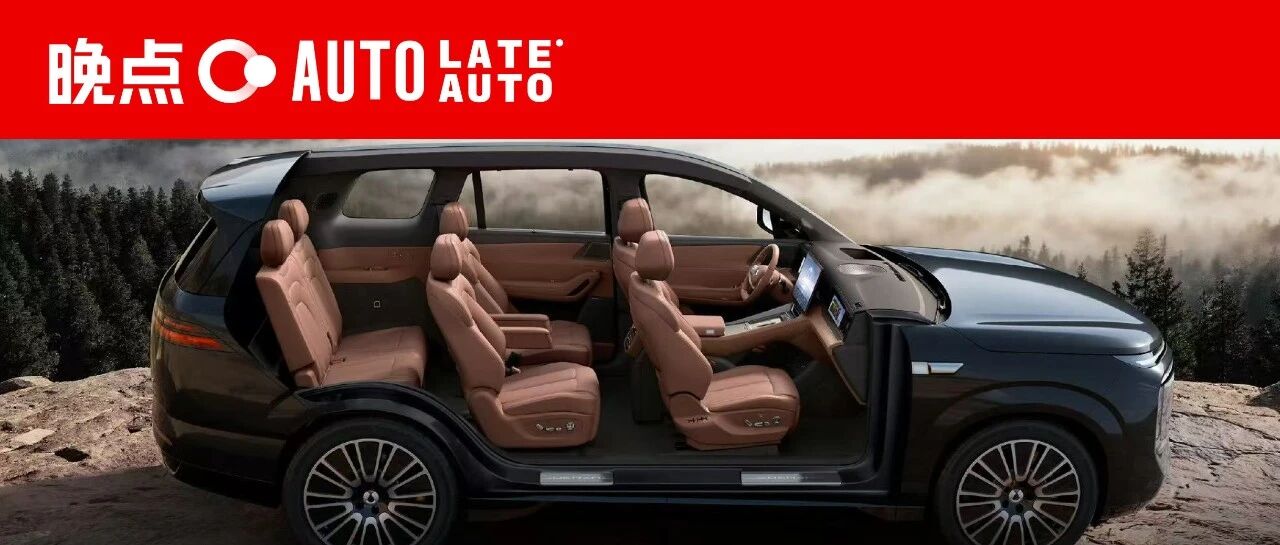
Core Viewpoint - The demand for large six-seat SUVs is significantly driven by multi-child families and urban immigrants, indicating a robust market potential for this segment in the coming years [2][10][11]. Group 1: Market Dynamics - The launch of several new models, including the 2026 Tengshi N9 and Galaxy M9, has generated substantial pre-order interest, with Galaxy M9 achieving over 23,000 orders in 24 hours [3]. - The large six-seat SUV market has seen rapid growth, with the market size expected to reach 600,000 units in 2024 and potentially exceed 1 million units by 2027 [13]. - The market is characterized by a significant imbalance among different energy types, with range-extended vehicles dominating sales due to their practicality and user experience [16][17]. Group 2: Consumer Segmentation - The primary consumers of large six-seat SUVs are multi-child families, particularly those with two or three generations living together, who require spacious vehicles for daily use and long-distance travel [6][10]. - Urban immigrants, often with busy lifestyles, also contribute to the demand for large six-seat SUVs, as they may need to transport multiple family members [7][10]. - The demand for these vehicles typically emerges when the youngest child reaches the age of 3-6 years, indicating a lag in immediate purchasing following the birth of a second child [11]. Group 3: Energy Type Trends - The market is divided into three main energy types: pure electric, range-extended, and plug-in hybrid, with range-extended vehicles currently leading in sales [14][16]. - The pure electric segment is expected to grow as more models enter the market, but it is anticipated that the overall scale will remain smaller compared to range-extended and hybrid vehicles due to cost and consumer preferences [22]. - The plug-in hybrid market faces challenges from traditional fuel vehicles, making rapid market penetration difficult despite the presence of several competitive models [21]. Group 4: Future Outlook - The large six-seat SUV market is projected to continue growing, with new entrants and technological advancements expected to drive sales, particularly in the entry-level hybrid and mid-range electric segments [27]. - However, the market's growth may face limitations due to practical challenges associated with larger vehicles, such as parking and operational costs [28]. - The potential market ceiling for large six-seat SUVs is estimated at around 3 million units annually, indicating significant room for growth compared to current projections [28].
雷军尚未入局的风口,如今厮杀正酣
汽车商业评论· 2025-07-18 05:32
Core Viewpoint - The large six-seat SUV market in China is rapidly evolving into a highly competitive segment, with the number of models expected to exceed 20 by 2025, compared to only a few in 2022, indicating a significant increase in market participants and competition [1][9][14]. Market Dynamics - The large six-seat SUV market has transformed from an emerging field to a saturated market, with products ranging from 150,000 to 500,000 yuan, making it difficult to find market gaps [1][18]. - The market is experiencing explosive growth, driven by brands like Li Auto and Aito, which have successfully captured a previously underserved segment of the market [9][10]. - The demand for large six-seat SUVs is being fueled by demographic changes, with 33.7% of families in China having two or more children as of 2023, and an increasing emphasis on space and comfort among middle-class families [9][10]. Competitive Landscape - Li Auto and Aito have established a duopoly in the early stages of the large six-seat SUV market, leveraging their unique product strategies to create brand recognition and market barriers [12][14]. - The competitive landscape is intensifying, with numerous brands planning to launch new models, leading to a potential market shakeout where only a few brands with true differentiation will survive [18][20]. Pricing Strategies - The pricing structure of the large six-seat SUV market is undergoing significant changes, with new entrants needing to either accept established price ranges or find unique selling propositions to compete effectively [20][22]. - The market now features a comprehensive price range, from high-end models like Li Auto L9 and Aito M9 above 300,000 yuan, to mid-range options like Deep Blue S09 and Galaxy M9 between 200,000 and 300,000 yuan, and budget models like Leap C16 and Dongfeng Yipai 008 starting at around 150,000 yuan [21][22]. Future Outlook - The large six-seat SUV market is expected to see continued growth, but the intense competition and price wars may challenge the traditional market leaders, necessitating innovation in technology and user experience to maintain market share [18][20][22].