娃哈哈饮料

Search documents
六部门发促消费重磅文件,万科股债双杀丨一周热点回顾
Di Yi Cai Jing· 2025-11-29 03:36
Group 1: Consumption and Economic Policy - The implementation plan aims to enhance the adaptability of supply and demand for consumer goods, with a goal of optimizing the supply structure by 2027 and forming three trillion-level consumption fields and ten hundred-billion-level consumption hotspots [1] - The plan includes 19 key tasks focusing on expanding new demand, deepening existing supply, and matching different demographic needs [1][2] - The current consumption market in China faces a dual challenge of oversupply of goods and a shortage of high-end services, necessitating a push for industrial and consumption upgrades [2] Group 2: Industrial Profit Trends - From January to October, the profits of large-scale industrial enterprises increased by 1.9% year-on-year, but in October, profits fell by 5.5% due to high base effects and rising financial costs [3] - High-tech and equipment manufacturing sectors were significant contributors to profit growth, with profits in these sectors rising by 7.8% and 8% respectively [3] - The fluctuation in industrial profit growth is attributed to base effects from the previous year, indicating a challenging environment for profit recovery in the short term [3] Group 3: Monetary Policy and Liquidity - The central bank conducted a 10 billion yuan MLF operation, marking the ninth consecutive month of increased liquidity support [4] - The total net liquidity injection in November reached 600 billion yuan, maintaining a high level for four consecutive months [4][5] - The central bank's actions reflect a supportive monetary policy stance aimed at ensuring sufficient liquidity in the market [5] Group 4: Corporate Developments - Xu Simin has been appointed as the new chairman of Wahaha Group, succeeding Zong Fuli, indicating a shift towards professional management [10][11] - Xu's legal background and previous experience in handling significant corporate disputes may aid in risk management for the company [11] - The leadership change is seen as a move towards depersonalization and strategic balance within the company [11] Group 5: Market Reactions and Corporate Debt - Vanke A's stock price has dropped significantly, reaching a new low since December 2015, with a decline of 11.22% in one week [8][9] - The decline in Vanke's stock and bonds is linked to the company's request for an extension on a maturing bond, raising concerns about its ability to manage debt [9] - Analysts suggest that the bond extension indicates a potential loss of external financial support, leading to decreased confidence in Vanke's debt repayment capabilities [9] Group 6: Fire Incident in Hong Kong - A major fire incident in Hong Kong resulted in 128 fatalities and 79 injuries, with investigations leading to the arrest of eight individuals related to the construction project [6][7] - The fire's rapid spread was attributed to the use of bamboo scaffolding and non-fire-resistant materials, highlighting significant safety concerns in construction practices [7] - The incident underscores the need for stringent fire safety measures and systematic inspections of older buildings [7] Group 7: AI Market Dynamics - Nvidia's stock has seen a significant decline, with a market value loss of approximately 800 billion dollars, raising concerns about the sustainability of AI demand [12][13] - The company's recent statements defending its market position have not alleviated investor concerns regarding potential AI market bubbles [13] - Comparisons have been made between the current AI market dynamics and the 2000 internet bubble, indicating a need for Nvidia to demonstrate ongoing strong demand for its products [12][13] Group 8: U.S. AI Initiatives - The U.S. government has launched the "Genesis Task" to establish a comprehensive AI platform aimed at accelerating scientific discoveries [14][15] - This initiative is seen as a strategic move to enhance national security and maintain technological leadership [14] - Challenges such as funding and inter-agency data sharing are anticipated as potential obstacles to the successful implementation of this ambitious project [15]


娃哈哈新掌门人仅31岁:宏胜集团法务出身,还是火锅店投资人
Di Yi Cai Jing· 2025-11-28 09:02
Core Viewpoint - The appointment of Xu Simin as the new leader of Wahaha is seen as a significant signal of the company's shift towards "de-familization" and the adoption of professional management [1][4]. Group 1: Leadership Changes - Xu Simin has officially taken over as the legal representative, chairman, and general manager of Wahaha Group, succeeding Zong Fuli [1][4]. - Zong Fuli submitted her resignation on September 12, and the board approved it by October 10, leading to Xu's formal appointment [4]. Group 2: Background of Xu Simin - Xu Simin, born in 1994, graduated from Zhejiang University with a law degree and founded a restaurant brand at the age of 21 [1][3]. - She has a legal background, having worked in the legal department of Hongsheng Group and later at Wahaha, where she rose to the position of deputy director of the legal office [3][4]. Group 3: Implications of the Appointment - Xu's appointment is viewed as a move towards professional management, reflecting a compromise among various stakeholders, including state-owned shareholders and family interests [4][5]. - Analysts believe that her legal expertise will aid in risk control and compliance management, which are crucial for the company's current complex situation [4][5]. Group 4: Challenges Ahead - Despite her strengths, Xu Simin faces challenges due to her relative youth and lack of industry experience, which may limit her authority and effectiveness in the role [5].


宗馥莉没有朋友
3 6 Ke· 2025-10-13 00:37
Core Viewpoint - The resignation of Zong Fuli from all positions at Wahaha Group has intensified the internal power struggle over the company's substantial assets, indicating that the battle for control is far from over [1] Group 1: Resignation and Management Changes - Zong Fuli's resignation was approved on September 12, 2023, but she has not relinquished control, as her ally Xu Simin was appointed as the new general manager [1][2] - Xu Simin has a history of working closely with Zong Fuli, indicating that her influence within the company remains strong despite her resignation [1] Group 2: Internal Conflicts and Family Dynamics - Zong Fuli's departure has led to increased uncertainty and has provided her opponents, including her uncle Zong Zehou, with more leverage to criticize her leadership [3][4] - The ongoing family trust disputes and employee stockholder rights issues remain unresolved, complicating the company's governance [4][5] Group 3: Company Performance and Strategic Decisions - Under Zong Fuli's leadership, Wahaha achieved a record sales growth of 53% in 2024, with a continued growth rate of over 30% in the first quarter of 2025 [5] - Zong Fuli's aggressive strategies alienated key stakeholders, including long-time allies and family members, leading to her loss of control [5][7] Group 4: Shareholding Structure and Future Control - Wahaha's shareholding structure includes 46% held by Hangzhou's cultural tourism sector, 29.4% by Zong Fuli, and 24.6% by the employee stockholder committee, creating a complex power dynamic [8][10] - The future of Wahaha's control and ownership structure is uncertain, particularly regarding how Zong Fuli's and the employee stockholder committee's shares will be managed [26] Group 5: New Ventures and Market Competition - Zong Fuli has initiated a new brand, "Wah Xiaozong," aiming for a sales target of 30 billion, indicating her ambition to recreate her success outside of Wahaha [29] - The market response to "Wah Xiaozong" remains uncertain, as it lacks the established reputation of Wahaha, raising questions about its viability [29][30]
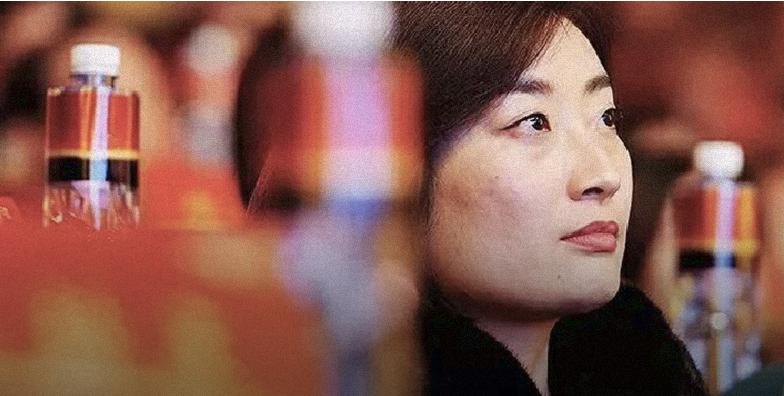
被代表的江浙沪“独女”宗馥莉
Hu Xiu· 2025-10-12 23:44
Core Points - The resignation of Zong Fuli from her positions at Wahaha Group has been confirmed, indicating a significant shift in leadership [1] - The resignation is linked to compliance issues with the use of old trademarks and a strategic pivot towards a new brand, "Wah Xiaozong" [2][26] - Zong Fuli's leadership has been under scrutiny due to a trust dispute involving her late father, Zong Qinghou, and his non-marital children, which has affected her public image [6][7][8] Group 1 - Zong Fuli resigned from her roles as legal representative, director, and chairperson of Wahaha Group on September 12 [1] - The resignation comes amid controversies surrounding trademark compliance and the launch of a new brand, "Wah Xiaozong" [2][26] - Economic commentators suggest that her resignation is a response to public sentiment and reflects a necessary change in leadership [2][4] Group 2 - The trust dispute involving Zong Fuli and her father's estate has revealed complexities in her family background, impacting her reputation [6][8][10] - Zong Fuli's management style has been characterized by a focus on efficiency and results, with a preference for younger employees [15][17][18] - Under her leadership, Wahaha Group has seen a significant revenue increase, with projections for 2024 reaching approximately 700 billion to 728 billion [19] Group 3 - The ongoing trust issues and her recent resignation have led to speculation about her future role and the stability of Wahaha Group [34][36] - Zong Fuli's actions are being closely monitored in the context of state ownership and public interest, complicating her position as a female leader in a traditionally male-dominated industry [30][31] - The narrative surrounding Zong Fuli reflects broader themes of modernity and gender dynamics in corporate governance in China [22][34]
山东泗水:生态活水滋养幸福之源
Jing Ji Ri Bao· 2025-09-24 22:55
Core Viewpoint - The article emphasizes the importance of ecological protection and sustainable development in Sishui County, highlighting how ecological advantages are being transformed into economic benefits through various initiatives and industries [1][3][4]. Group 1: Water Resource Management - Sishui County has 91 reservoirs with a total water resource volume of 286 million cubic meters, and it has achieved a 100% compliance rate for drinking water quality standards in 2024 [1]. - The Yincheng Reservoir has significantly improved irrigation capabilities and water quality, enhancing agricultural stability and productivity [2]. Group 2: Agricultural Development - The local agricultural sector, particularly sweet potato farming, benefits from reliable water sources, leading to high yields and quality, with over 800 acres planted this year [2]. - The sweet potatoes produced are marketed in regions such as Hebei, Jiangsu, and Shanghai, contributing to local economic growth and employment [2]. Group 3: Industrial Growth - Sishui County is focusing on the food industry as a key pillar for economic development, leveraging its ecological resources to enhance business opportunities [3]. - The county has 28 large-scale food enterprises projected to generate revenues of 2.947 billion yuan and profits of 96.012 million yuan by mid-2025 [3]. Group 4: Future Development Plans - Future initiatives will include increased investment in ecological protection, mining restoration, and river management, alongside the development of eco-tourism and cultural experiences [4].
娃哈哈将要变身“娃小宗”?股权之争未见分晓,宗馥莉再出险招
Hua Xia Shi Bao· 2025-09-14 09:03
Core Viewpoint - The article discusses the strategic moves by Wahaha Group's leader, Zong Fuli, in response to various pressures, including a potential new brand "Wah Xiaozong" and changes in company structure to strengthen control amid ongoing inheritance disputes and employee conflicts [2][3][4]. Group 1: Brand Strategy - On September 13, it was reported that Wahaha Group may adopt a new brand "Wah Xiaozong" starting from the 2026 sales year due to unresolved historical issues and legal risks associated with the current brand [3]. - The decision to change the brand is part of a broader strategy to address compliance risks related to the Wahaha trademark and complex equity issues [4]. - Zong Fuli has initiated the rebranding process as a means to gain more control over the company amidst ongoing disputes with her siblings and employees [4][5]. Group 2: Corporate Structure Changes - Several subsidiaries of Wahaha have been renamed to "Hongsheng" in September, indicating a shift towards consolidating control under Zong Fuli [4]. - The corporate restructuring includes changing the name of Hu Lin Wahaha Beverage Co., Ltd. to Hu Lin Hongsheng Beverage Co., Ltd., among others [4]. - The establishment of Hongsheng Group by Zong Fuli aims to enhance her influence over Wahaha Group, reflecting her commitment to strategic reform [4][5]. Group 3: Shareholding and Control Issues - Wahaha Group has a fragmented shareholding structure, with three major shareholders: a state-owned investment group, Zong Fuli, and an employee stockholding committee [5]. - The employee stockholding committee holds 24.6% of the shares, which poses a significant variable in the actual control of the company, especially amid ongoing legal disputes regarding stock buyback agreements [5][6]. - Zong Fuli has faced challenges in asserting control due to these disputes, leading her to take measures to strengthen her position within the company [6]. Group 4: Market Challenges - The introduction of the new brand "Wah Xiaozong" is seen as a risky move, as brand equity is crucial in the fast-moving consumer goods sector [6]. - The acceptance of the new brand by internal employees and external channels is uncertain, especially in a highly competitive beverage market [6]. - While these changes may cause short-term disruptions, they are viewed as necessary for long-term modernization and governance of the company [6].
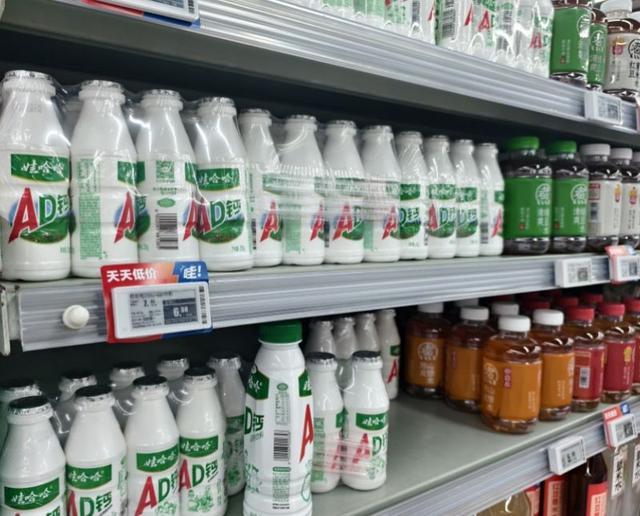
娃哈哈砍掉年销300万以下经销商?萍乡一15年经销商称无法接受
Sou Hu Cai Jing· 2025-08-13 03:02
Core Viewpoint - Wahaha is undergoing a significant restructuring of its distribution network, eliminating distributors with annual sales below 3 million, which has led to disputes over payments and dissatisfaction among some distributors [1][3]. Group 1: Distributor Changes - Wahaha's response indicates that the number of new distributors added this year far exceeds those eliminated, suggesting a strategic optimization rather than targeting specific small-scale clients [3]. - Distributors have reported a "major reshuffle" in Wahaha's channels, with insufficient icebox placements being a key issue [3]. - Sales targets for distributors have increased significantly, with one distributor noting a 50% increase in sales targets for 2025 compared to 2024 [3]. Group 2: Distributor Experiences - A distributor from Jiangxi province expressed frustration after being unexpectedly removed despite achieving over 10 million in sales last year [3]. - The criteria for elimination include failure to meet sales targets, negative growth, or inadequate equipment placement, which some distributors find unreasonable [3]. Group 3: Icebox Strategy - Since taking over, the new leadership has intensified the investment in offline icebox placements, which are crucial for sales in the beverage industry [4]. - The company has issued tenders for the maintenance and supply of a large number of iceboxes, indicating a strong focus on enhancing its distribution capabilities [4]. - Industry analysts emphasize that the presence and quality of iceboxes directly impact sales, highlighting the competitive necessity for Wahaha to improve its icebox display [4].
娃哈哈“砍经销商”风波背后,冰柜之战生死时速
Huan Qiu Wang· 2025-08-12 05:53
Core Viewpoint - Wahaha is undergoing significant changes in its distribution strategy, particularly targeting distributors with annual sales below 3 million yuan, which has sparked controversy and highlighted the challenges of reforming its traditional sales system under the leadership of Zong Fuli, the founder's daughter [1][2][4] Group 1: Background of the Incident - The controversy began with reports that Wahaha was eliminating distributors with annual sales below 3 million yuan and merging smaller distributors into larger ones, leading to disputes over payments [2] - Despite Wahaha's claim that the number of new distributors far exceeds those terminated, the experiences of frontline distributors reveal the harsh realities of the reform [2][3] Group 2: Icebox Strategy and Channel Reform - The core of the issue is the aggressive push for channel reform initiated by Zong Fuli, focusing on the deployment of iceboxes to enhance product visibility and sales [3] - Wahaha's investment in icebox deployment is unprecedented, with plans for over 60,000 iceboxes and 100,000 smart iceboxes, reflecting a shift towards modern and refined management of its sales system [3] - Stricter performance standards for distributors have been introduced, with sales targets for 2025 set to increase by 50% compared to 2024, creating significant pressure on those accustomed to traditional models [3] Group 3: Company Response and Market Implications - Wahaha's management has characterized the changes as a normal market strategy adjustment, attempting to frame the situation as a routine operational update [4] - Industry analysts emphasize the urgency of these reforms, noting that without adequate icebox presence, sales would be severely impacted, highlighting the competitive necessity of this strategy [4] - The overarching goal of the reforms is to enhance operational efficiency and market competitiveness, but balancing the pace of change with the needs of existing distributors remains a critical challenge for management [4]
破解“富不过三代”魔咒,中国家族企业该怎么办?
3 6 Ke· 2025-07-23 00:54
Core Insights - The lawsuit involving Wahaha Group highlights family conflicts and ownership disputes, raising questions about succession planning in Chinese family businesses [1][2] - The case reflects broader issues in family business governance, particularly the lack of formal succession plans and the blurred lines between family and business [2][3] Group 1: Power Transition - The ownership structure of Wahaha during the founder's era was heavily reliant on personal authority, which worked well while the founder was alive but failed to provide a sustainable governance framework for succession [3] - Following the founder's death in 2024, disputes arose over inheritance rights, particularly concerning a $2.1 billion offshore trust and a 29.4% stake in the company, revealing systemic flaws in succession planning [3][4] - A significant portion of Chinese private entrepreneurs (68%) lack formal wills, making verbal agreements insufficient in legal contexts [3] Group 2: Management Transition - The management style of the founder was characterized by a paternalistic approach, while the current leadership is pushing for a modern corporate governance model, leading to conflicts [4] - The transition has seen resistance from traditional distributors, with sales in some regions dropping over 30% due to new performance targets imposed by the current leadership [4] Group 3: Strategic Continuity - The current leadership's push for digital transformation through a $300 million investment in automated production has not aligned with traditional distribution channels, creating a disconnect [5] - The core competitive advantage of Wahaha has historically been its distributor network and low-cost production, which is now challenged by the need for a digital supply chain [5] Group 4: Global Family Business Insights - Successful family business succession requires a clear understanding of what to pass on and how to do so, as seen in global examples like Walmart and Hermès [11] - The essence of effective succession is not merely about transferring power but ensuring a systemic continuation of culture, values, and capabilities [11] Group 5: Recommendations for Chinese Family Businesses - Chinese family businesses should establish a three-pronged system of governance, culture, and capability to facilitate smoother transitions [15] - Legal frameworks should be adapted to local contexts, including the establishment of family trusts and clear inheritance laws to prevent disputes [16] - Balancing traditional governance with modern management practices is crucial for maintaining operational efficiency and family harmony [17][18]
宗馥莉名下多家娃哈哈公司更名;黄仁勋年内第三次访华合影雷军;山姆客服回应选品质量下滑;爱马仕首款铂金包被7000万拍下丨邦早报
创业邦· 2025-07-14 23:59
Group 1 - The core viewpoint of the article discusses the recent legal issues surrounding Zong Fuli, the daughter of Wahaha founder Zong Qinghou, who is being sued by three half-siblings in Hong Kong, while several Wahaha companies under her name have changed their names to "Hongsheng" [1] - Zong Fuli has taken over her father's shares in Hangzhou Wahaha Group Co., Ltd., becoming the second-largest shareholder with a 29.4% stake [1] - Zong Fuli is associated with over 210 companies, with more than 200 currently in operation, holding positions such as chairman and general manager in several of them [1] Group 2 - Nvidia CEO Jensen Huang was recently photographed with Xiaomi founder Lei Jun, indicating a potential business relationship, although the meeting was described as a non-public client visit [3][5] - Apple is reportedly considering acquiring the European AI startup Mistral, which has raised €1.1 billion (approximately ¥9.2 billion) and is valued at €5.8 billion (approximately ¥48.6 billion) [13] - Meta Platforms CEO Mark Zuckerberg announced plans to invest several hundred billion dollars in AI, aiming to build a leading team and advanced computational capabilities [14] Group 3 - The cross-border e-commerce sector in China saw imports and exports reach approximately ¥1.32 trillion in the first half of the year, marking a year-on-year growth of 5.7% [25] - In the first half of the year, new registrations of electric vehicles in China reached 5.622 million, a year-on-year increase of 27.86%, with electric vehicles accounting for 44.97% of all new vehicle registrations [26]