宁德时代天行电池

Search documents
标杆之上,再立标杆:东风睿立达以全场景实力重塑新能源物流车
第一商用车网· 2026-01-21 06:58
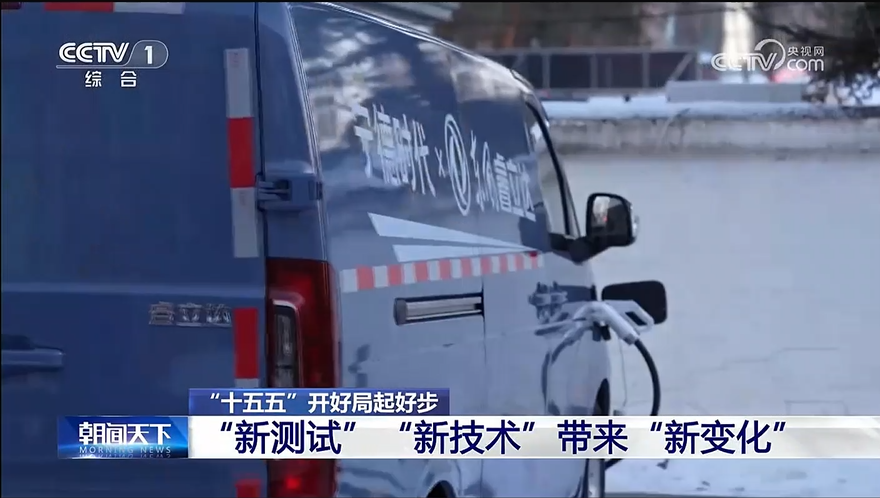
Core Viewpoint - The article highlights the capabilities of Dongfeng's electric VAN vehicle, Ruida, which has successfully overcome challenges posed by extreme cold weather in northern China, providing reliable solutions for urban logistics transportation [1][9]. Group 1: Loading Revolution - The Dongfeng Ruida features an 8 cubic meter loading space, redefining urban logistics loading standards and significantly improving transportation efficiency by accommodating large items without multiple trips [3]. - The vehicle's cargo platform height of 615mm is designed ergonomically, reducing physical strain on workers during loading and unloading, thus enhancing operational efficiency and minimizing the risk of occupational injuries [3][4]. - The 270° rear door design allows for better visibility and collaboration during loading, ensuring stability even in windy conditions [4]. Group 2: Power Empowerment - The rear-wheel drive configuration of the Ruida is optimized for heavy loading, providing better maneuverability and direct power output, addressing common issues faced by front-wheel drive models [4]. - Equipped with a 110kW high-power motor, the vehicle delivers strong torque suitable for heavy loads, ensuring quick acceleration and responsiveness in urban logistics scenarios [4]. - The vehicle can handle a maximum gradient of 30%, making it suitable for steep terrains and icy roads, enhancing safety and reliability for operators [4]. Group 3: Charging Breakthrough - The collaboration with CATL has resulted in a battery capacity of 53.58kWh, allowing for a CLTC range of 355 kilometers, which meets the daily operational needs for urban and intercity logistics without frequent recharging [6][7]. - The vehicle supports 2C fast charging technology, enabling a 60% charge in just 18 minutes, significantly reducing downtime during operations [7]. - In extreme cold conditions, the vehicle can charge from 20% to 80% in 24.1 minutes, with an average charging power of 81.6kW, surpassing industry standards for low-temperature charging [7]. Conclusion - The performance of the Dongfeng Ruida in extreme winter testing reflects its comprehensive product strength, addressing key user needs in loading convenience, power performance, and reliable range, thus reshaping the urban logistics transportation landscape [9][10].


无惧严寒,全程护航:东风睿立达通过极寒实测,给出寒区物流可靠方案
Zhong Guo Qi Che Bao Wang· 2026-01-15 08:46
Core Viewpoint - Dongfeng Ruida has successfully validated its vehicle equipped with CATL's Tianxing battery in extreme cold conditions, addressing key challenges in winter intercity logistics and providing robust support for the green transformation of the logistics industry [1][9]. Group 1: User Operation Challenges - Winter logistics in cold regions face three main challenges: reduced range due to low temperatures, decreased charging efficiency, and insufficient power on icy roads, leading to increased operational costs and risks [3]. - In extreme cold conditions (-21°C to -12°C), the vehicle maintained a range of 206.4 kilometers after 12 hours of low-temperature soaking, effectively alleviating range anxiety for intercity logistics [3]. - The vehicle can charge from 20% to 80% in just 24.1 minutes with an average charging power of 81.6 kW, significantly reducing downtime and increasing daily operational frequency [3]. Group 2: Benchmark Testing and Validation - The testing conducted by the third-party authority, China Automotive Technology and Research Center (CATARC), focused on real intercity logistics scenarios, providing credible results that meet high industry standards [5]. - Key performance indicators such as precise battery temperature control (±2°C), rapid low-temperature charging speed (24.1 minutes), and the ability to climb a 15° snow slope while fully loaded demonstrate the vehicle's industry-leading capabilities [5]. - The validation results provide solid evidence for the application of electric commercial vehicles in winter conditions and set a benchmark for technological upgrades in the industry [5]. Group 3: Technical Innovations Addressing Industry Issues - The low penetration rate of new energy commercial vehicles in cold regions is primarily due to unresolved issues related to range, charging, and power [7]. - The vehicle employs a battery heating mechanism and a closed-loop temperature control system to enhance battery performance and achieve an 8% energy saving [7]. - A high-power motor (110 kW) and 17 low-temperature performance parameters ensure stable traction under fully loaded conditions, addressing the power demands of icy road conditions [7]. Group 4: Future Implications and Developments - The successful validation in Changbai Mountain highlights Dongfeng Ruida's capabilities in addressing cold weather logistics challenges and breaks through technical barriers for electric commercial vehicles in northern markets [9]. - The ongoing iteration and popularization of such products are expected to accelerate the large-scale application of new energy commercial vehicles in cold regions, driving the green transformation of the logistics industry and economic development in northern areas [9]. - Dongfeng Ruida aims to continue innovating in cold region technology to provide more efficient, safer, and cost-effective operational solutions [9].
回望2025:重卡电动化渗透率飙升、技术方向确定、IPO接踵
高工锂电· 2026-01-01 08:09
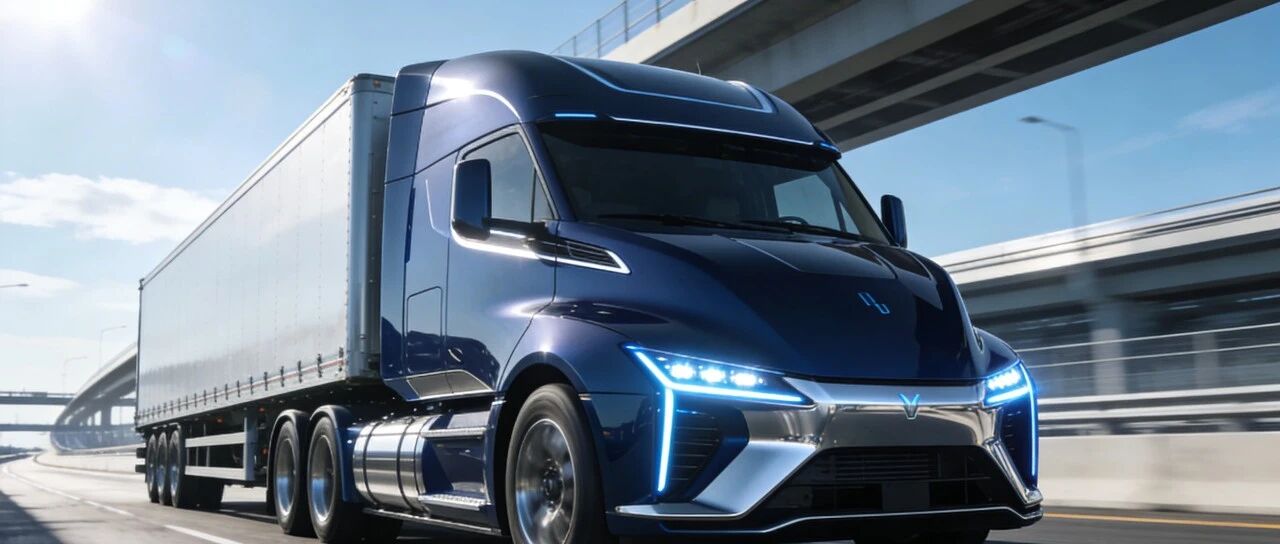
Core Insights - The electric heavy truck industry has rapidly evolved, completing a development phase that took over a decade for electric passenger vehicles in just a few years [1][3] - By 2025, the penetration rate of electric heavy trucks in China is expected to exceed 20%, with various technologies such as hybrid, ultra-fast charging, battery swapping, and even autonomous trucks emerging [2][3] - As of November, domestic electric heavy truck sales surpassed 180,000 units, marking a nearly 180% increase, making it the fastest-growing segment in the new energy vehicle market after passenger cars [2] Industry Trends - The electric heavy truck sector is experiencing a surge in IPO activities, with companies like SANY and others filing for listings [2] - Industry sentiment indicates a projected growth rate of 150% for new energy commercial vehicles in 2026, with electric heavy trucks expected to see even higher growth rates [2] Technological Developments - The technology landscape for electric heavy trucks has diversified, moving from battery swapping to charging solutions, supported by advancements in ultra-fast charging batteries, high-voltage platforms, and liquid-cooled charging stations [3] - Key players in battery technology include CATL, EVE Energy, and Ruipu, with products capable of ultra-fast charging and high energy density [3][11] Safety Considerations - Safety remains a critical challenge for the widespread adoption of ultra-fast charging in electric heavy trucks, given the significantly higher energy capacities compared to passenger vehicles [4] - The industry is focusing on battery safety through advanced monitoring systems and the development of liquid-cooled charging stations to mitigate risks [4] Market Demand - Currently, 35% of electric heavy truck demand is in short-haul scenarios, while 65% is in long-haul transportation, with the latter being a key area for future growth due to issues related to range and economics [5] - Major infrastructure projects, such as coal transportation in Xinjiang and the construction of the Yarlung Tsangpo River hydropower station, are driving significant demand for electric heavy trucks [6][7] Strategic Initiatives - Companies like CATL are actively engaging in hydropower projects, positioning themselves as not just battery manufacturers but also as solution providers in the zero-carbon technology space [9] - The Yarlung Tsangpo River project, with an estimated investment of over 1.2 trillion yuan, is expected to create substantial demand for electric heavy trucks, particularly in challenging environments where traditional fuel trucks struggle [8] Future Directions - The future of electric heavy trucks is leaning towards high power and smart technology, with advancements in high-voltage systems and intelligent logistics solutions [10][11] - The integration of AI for predictive safety measures and the transparency of battery lifecycle data are expected to enhance operational efficiency and safety in the electric heavy truck sector [14]

新能源皮卡市场发展:技术突破,渗透率大幅上涨
数说新能源· 2025-12-17 03:52
Market Analysis - Global market overview shows that China leads with 291,000 units sold, accounting for 60.9% of total sales, followed by North America with 92,000 units (19.2%) and Europe with 53,000 units (11.1%) [1][2] - In terms of technology routes, plug-in hybrid electric vehicles (PHEV) dominate with a 48% market share and a year-on-year growth of 186%, while range-extended electric vehicles (REEV) and battery electric vehicles (BEV) hold 24% and 28% shares with growth rates of 217% and 78% respectively [1] China Market Characteristics - The penetration rate of new energy pickups is expected to rise from 0.9% in 2022 to 11.2% by 2025 [2] - Price distribution indicates that commercial models (15-250,000 RMB) make up 68% of the market, with users focusing on load capacity (>1.5 tons) and cargo volume (>1.8 m³), while passenger models (250,000-400,000 RMB) account for 32%, with a preference for smart cockpit features [2] Technology Route Competition - Average range for PHEV is 82 km, REEV is 156 km, and BEV is 312 km, with charging times of 25, 35, and 45 minutes respectively. PHEV is preferred by commercial vehicle owners due to its balance of range and charging efficiency [3] - The cost of lithium iron phosphate (LFP) battery packs has decreased from $138/kWh in 2020 to $62/kWh by 2025, while energy density is expected to improve with the mass production of CATL's new battery [4] Regional Market Differences - In China, policy incentives include the lifting of pickup bans in 90% of prefecture-level cities by 2025, exemption from purchase tax (saving 12,000 RMB per vehicle), and alignment of toll fees with passenger vehicles (saving $1,500 per vehicle annually) [4] - User demographics show that commercial customers (62%) prioritize total cost of ownership (TCO), while private customers (38%) are willing to pay a premium for smart features [5] User Demand Analysis - Economic factors drive 43% of purchasing decisions, with a total lifecycle cost savings of $28,000 compared to fuel vehicles over five years and 500,000 km [7] - 62% of users express range anxiety regarding pure electric pickups, and only 31% of commercial charging infrastructure is covered, significantly lower than the 58% for passenger vehicles [8] Future Trend Predictions - By 2030, multi-modal power systems will integrate hydrogen fuel cells into plug-in hybrid models, allowing seamless transitions between electric, hybrid, and hydrogen power [9] - Short-term projections (2025-2028) indicate that plug-in technology will dominate the commercial market with a penetration rate exceeding 25% [10] Competitive Landscape Evolution - Chinese brands like BYD and Great Wall are targeting Southeast Asia with a goal of achieving a 30% market share by 2030 through high cost-performance and localized production [11] - In North America, Tesla and Rivian are establishing competitive advantages through software subscriptions and innovative battery leasing models [11] Policy Recommendations and Corporate Strategies - Recommendations for policy optimization include establishing a global standard for new energy pickup charging interfaces and mandating integrated charging stations in logistics hubs by 2030 [12] - Corporate strategies suggest product segmentation into economical models (<200,000 RMB) for commercial markets and high-end models (>400,000 RMB) with smart features to compete with Tesla's Cybertruck [13] Conclusion - The new energy pickup market is at a critical turning point characterized by technological breakthroughs, scale effects, and ecological restructuring, with a projected global penetration rate of 35% and a market size exceeding $150 billion by 2030 [14]


江淮新能源轻卡再现100辆交车!
第一商用车网· 2025-09-21 12:03
Core Insights - The article highlights the delivery of 100 Jianghuai New Energy refrigerated trucks to Shunxinhui, marking a significant step in the "X Chain Plan" aimed at promoting green transformation in the cold chain industry [4][5][15] Group 1: Vehicle Delivery and Specifications - The delivered vehicles are customized for Shunxinhui's business needs and equipped with CATL's latest Tianxing batteries, offering high energy capacity and long range, reducing energy consumption by approximately 50% compared to traditional fuel refrigerated trucks, and expected to achieve annual carbon reduction of about 3,000 tons [1][3] - The trucks feature battery options of 120kWh and 140kWh, with ranges exceeding 300km and 350km respectively, addressing "range anxiety" for drivers and supporting both urban and intercity deliveries [9] Group 2: Collaborative Ecosystem and Support - The "X Chain Plan" connects various stakeholders including vehicle manufacturers, energy service providers, financial service providers, and carriers to create a collaborative platform for electric cold chain logistics [5][7] - Jianghuai provides superior warranty and after-sales services, including 24/7 online support and professional training for drivers, enhancing fleet management and operational efficiency [11] Group 3: Long-term Sustainability and Lifecycle Management - The initiative aims to integrate resources across "vehicle, electricity, network, service, and insurance" to create a comprehensive solution for operational management, including the establishment of charging stations and battery maintenance services [13] - The successful deployment of these vehicles signifies a breakthrough in transitioning from urban to intercity cold chain logistics, marking a critical phase in the collaborative ecosystem for "zero-carbon cold chain" [15]

百万辆需求释放,谁能接住城际物流电动化这泼天流量?| 头条
第一商用车网· 2025-05-27 06:36
Core Viewpoint - The collaboration between CATL and Di Shang Tie to launch an intercity logistics solution aims to enhance the electrification of logistics, addressing the growing demand in the intercity logistics sector, particularly for light commercial vehicles [1][3][20]. Summary by Sections Intercity Logistics Demand - The intercity logistics vehicle demand is projected to exceed "one million units" as older vehicles are phased out, creating significant market opportunities [3]. - The transition to electric logistics vehicles is crucial for reducing carbon emissions, especially as the 2030 carbon peak target approaches [3][4]. Key Requirements for Intercity Logistics Vehicles - Essential requirements for intercity logistics vehicles include: - Range: Minimum daily operational mileage of 280 km, with some users expecting up to 450 km [6]. - Payload: A capacity of 5-7 tons is necessary [6]. - Power: Electric motors must have a power output of at least 70 kW and a torque of 400 Nm [6]. - Energy consumption: Lower energy consumption is preferred [6]. - Charging efficiency: Fast or ultra-fast charging capabilities are required [6]. - Timeliness: Vehicles should maintain a speed of 100 km/h while balancing cost and safety [6]. CATL's Solutions - CATL has launched the "Tianxing" commercial power battery brand, which aims to provide comprehensive solutions for the logistics industry, indicating readiness for the intercity logistics market [4][8]. - The Tianxing battery offers various configurations to meet different intercity logistics needs, including ultra-fast charging and long-range options [14][16]. Economic Benefits - The long-range version of the Tianxing battery can achieve a range of 500 km, significantly reducing operational costs, with potential savings of over 20,000 yuan annually compared to traditional fuel vehicles [18]. - The high energy density of the Tianxing battery allows for a weight reduction of 300 kg in vehicles, enhancing payload capacity and profitability [18]. Conclusion - The partnership between CATL and Di Shang Tie is expected to accelerate the electrification of intercity logistics, contributing significantly to carbon reduction goals [20].
【快讯】每日快讯(2025年5月8日)
乘联分会· 2025-05-08 08:37
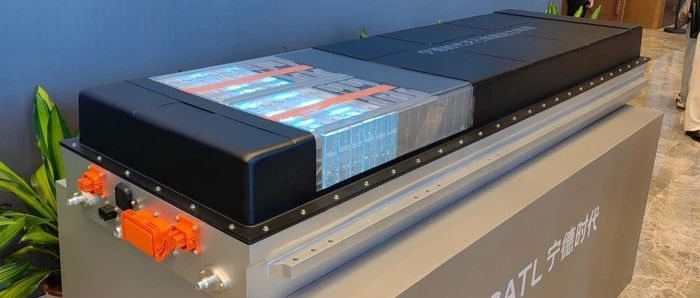
Domestic News - The People's Bank of China announced a reduction in the reserve requirement ratio for financial institutions by 0.5 percentage points starting May 15, 2025, and a 5 percentage point reduction for auto finance and leasing companies [2] - Guangdong Province encourages Guangzhou and Shenzhen to further relax vehicle purchase restrictions, including issuing more purchase quotas and allowing direct applications for regular vehicle quotas for individuals who have been unsuccessful in obtaining them [3] - Guangdong's plan to expand automotive consumption scenarios includes support for local standards for vehicle modifications, promoting international automotive events, and enhancing the second-hand car market through transparency measures [4] - Geely announced plans to acquire all issued shares of Zeekr, aiming for a complete merger to enhance resource integration and operational efficiency [5] - The Tank 400 model from Great Wall Motors offers a limited-time purchase incentive of up to 32,000 yuan, including various subsidies [7] - Lantu's Dreamer model has fully rolled out the Huawei QianKun intelligent driving system, enhancing safety and convenience features [8] - Li Auto has launched 119 new supercharging stations in one week, bringing the total to over 2,200 stations nationwide, with plans for extensive coverage of national highways and major urban areas [9] - A new automotive industry development company with a registered capital of 5 billion yuan has been established in Shenyang, focusing on automotive parts and new energy vehicle production [10] International News - The European Parliament approved relaxed carbon emission rules for car manufacturers, allowing more time for compliance and reducing potential fines [11] - New car sales in the UK fell by 10.4% year-on-year in April 2025, marking the sixth decline in seven months, although electric vehicle sales increased by 8.1% [12] - Mercedes-Benz has partnered with Luminar to develop next-generation lidar sensors, marking a shift from purchasing existing products to collaborative development [13] - Mitsubishi Motors has signed a memorandum of understanding with Foxconn to develop an electric vehicle for the Australian and New Zealand markets, expected to launch in the second half of 2026 [14] Commercial Vehicles - CATL's Tianxing series batteries have become the first commercial power batteries to pass the new national standard for electric vehicle batteries in China [15] - The Remote Super VAN was showcased at the Birmingham Commercial Vehicle Show, marking its entry into the UK market and attracting significant media attention [16] - Dongfeng Liuzhou, West Science City Intelligent Connected Vehicle Innovation Center, and Zhiyu Weike signed a strategic cooperation agreement to collaborate on the development of new energy intelligent connected commercial vehicles [17] - A differentiated periodic emission inspection system for trucks will be trialed, allowing certain vehicles to bypass inspections if they meet remote monitoring requirements [19]