
小信号二极管

Search documents
国产芯片公司集体涨价10%起,11只半导体股净利预增超100%
2 1 Shi Ji Jing Ji Bao Dao· 2026-02-26 01:21
Group 1 - New Energy Technology (605111) announced a price increase of at least 10% for MOSFET products due to rising costs of upstream raw materials and key precious metals, effective from March 1, 2026 [1] - Domestic chip companies, including Hongwei Technology, are also raising prices for core products like IGBT and MOSFET devices by approximately 10% starting March 1, 2026, due to manufacturing cost increases [2] - Major international players like Infineon and domestic firms such as China Resources Microelectronics and Silan Microelectronics are following suit with similar price hikes for various semiconductor products [2] Group 2 - The current price increase trend is driven by strong downstream demand, particularly in sectors like AI data centers, new energy vehicles, energy storage, and industrial control, with AI servers showing significant growth [3] - A total of 173 semiconductor stocks in the A-share market have been identified, with 124 having released performance forecasts, and 46 stocks expecting net profit increases, including companies like Zhenlei Technology and Baiwei Storage, with some projecting over 100% profit growth [4] - The semiconductor industry is anticipated to reach record sales in 2025, with the price increase trend spreading from memory chips to power, analog, and MCU sectors, highlighting structural investment opportunities in AI computing and semiconductor equipment [4]


又一半导体厂商涨价10%,股价一度拉涨超11%
2 1 Shi Ji Jing Ji Bao Dao· 2026-02-24 11:54
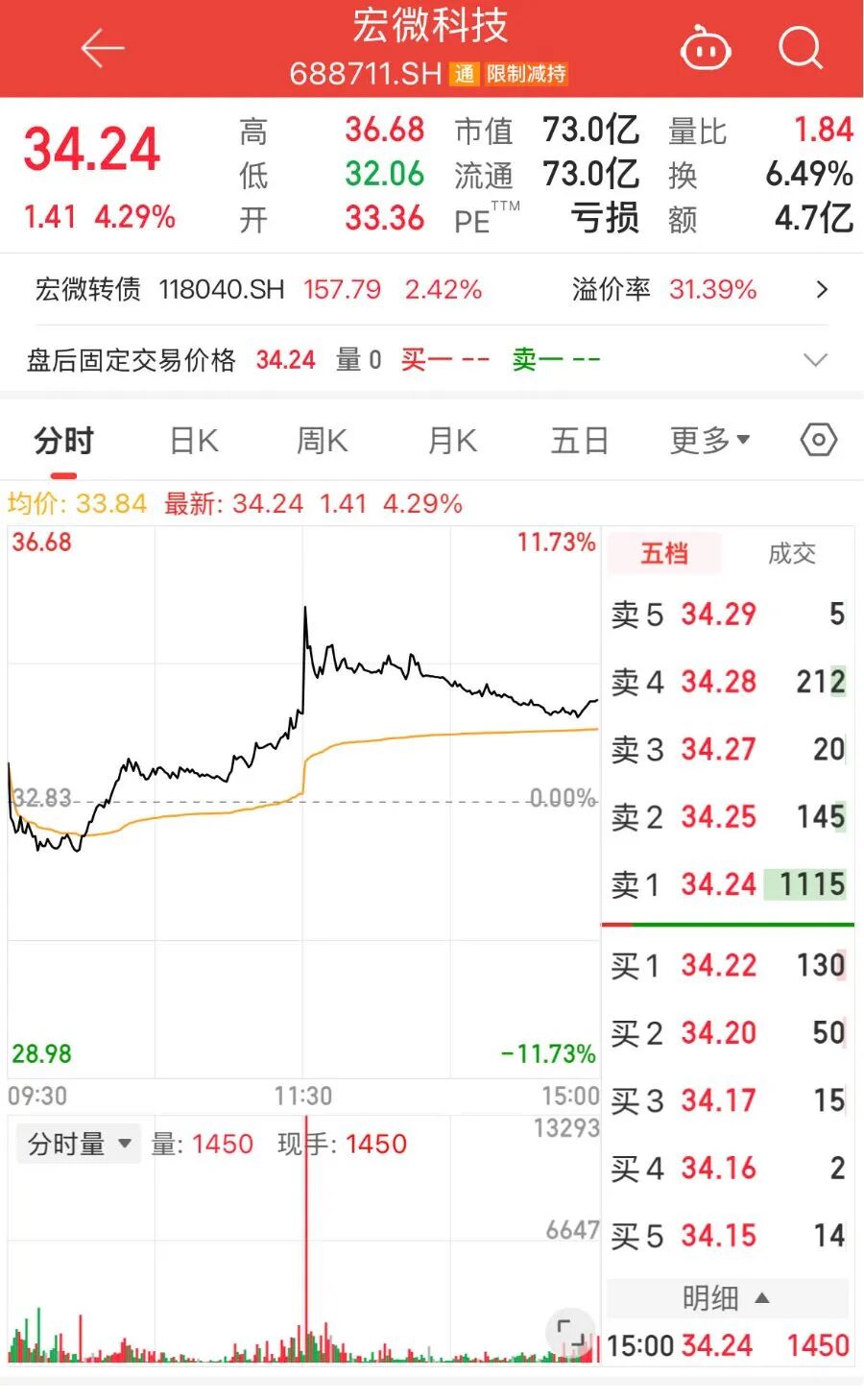
Core Viewpoint - A price increase notice from Hongwei Technology has drawn attention to the power semiconductor sector, with the company set to raise prices for key products due to rising upstream metal material costs [1][2]. Group 1: Company Actions - Hongwei Technology will increase prices for IGBT transistors, modules, and MOSFET devices by approximately 10% starting March 1 [2][3]. - The company confirmed that the price hike is a common industry response to rising material costs and has communicated with long-term customers in advance [2][3]. - The stock price of Hongwei Technology surged over 11% on the day the price increase was announced, closing at 34.24 yuan per share, marking a nearly one-year high [1][2]. Group 2: Industry Context - The power semiconductor industry is experiencing a price increase trend, with multiple companies, including Infineon and China Resources Microelectronics, announcing similar price hikes due to strong downstream demand recovery [5][6]. - The demand for power semiconductors is driven by sectors such as AI data centers, new energy vehicles, and industrial control, with AI servers being a significant source of demand growth [5][6]. - The semiconductor industry is expected to reach record sales in 2025, with price increases spreading from memory chips to power, analog, and MCU sectors [6]. Group 3: Financial Performance - Hongwei Technology anticipates a net profit of 14 million to 21 million yuan for the year 2025, marking a turnaround from losses in the previous year [4]. - The company attributes its improved performance to a recovery in the power semiconductor industry and increased demand for new power electronic devices [4].

【太平洋科技-每日观点&资讯】(2026-02-12)
远峰电子· 2026-02-11 14:04
Market Overview - The major indices showed mixed performance with the Shanghai Composite Index up by 0.09%, while the Shenzhen Component, North 50, ChiNext, and Sci-Tech 50 indices declined by 0.35%, 0.44%, 1.08%, and 1.11% respectively [1] TMT Sector Performance - The TMT sector saw gains in sub-sectors such as SW Electronic Chemicals III (+0.65%), SW Passive Components (+0.55%), and SWIT Services III (+0.15%) [1] - Conversely, the TMT sector faced declines in SW Portal Websites (-4.68%), SW Marketing Agencies (-4.05%), and SW Mass Publishing (-4.03%) [1] Domestic News - Zunheng Semiconductor announced a significant breakthrough in advanced packaging electroplating technology, achieving a uniformity control of 2.7%, surpassing the industry standard of 3% and breaking the long-standing monopoly of foreign manufacturers in this core technology area [2] - Silan Microelectronics announced a 10% price increase for certain device products effective March 1, 2026, due to significant fluctuations in global metal market prices, particularly for key precious metals used in wafer manufacturing [2] - Huada Technology's acquisition of Huayi Microelectronics for 2.996 billion aims to leverage Huayi's R&D capabilities to extend its power device brand development and sales across automotive, industrial, and consumer sectors, creating a new revenue growth point [2] - Xinyi Huazhi's OLED deposition equipment has secured orders worth hundreds of millions from leading panel customers, marking a successful transition from technology R&D to mass production and breaking foreign manufacturers' long-standing dominance in this field [2] International News - Amazon is deepening its partnership with STMicroelectronics to enhance the performance and efficiency of AWS data centers, focusing on chip design optimization and tighter integration of manufacturing processes [3] - The South Korean government announced a plan worth 1 trillion KRW (approximately 687.8 million USD) to develop AI semiconductors for equipment applications, aiming to produce about 10 types of AI chips for autonomous vehicles, smart appliances, and humanoid robots over the next five years [3] - TrendForce predicts that Google's Ironwood cabinet system will boost the global shipment share of 800G+ high-speed optical transceiver modules from 19.5% in 2024 to over 60% by 2026, becoming a standard in AI data centers [3] - imec announced the launch of its "NanoIC" pilot production line with a total investment of 2.5 billion euros, equipped with advanced High NA EUV lithography machines, expected to receive ASML's High NA EUV lithography machine by March 2026 [3] AI Insights - Kaiden Electronics launched the world's first AI solution for chip front-end design and verification, ChipStack™ AI, which can autonomously complete design and verification tasks, improving efficiency by up to 10 times [4] - Deepseek released a new version with a significant upgrade, increasing the context window from 128K to 1M tokens, indicating a major iteration based on new data training [4] - Tencent's HY-1.8B-2Bit model achieves a parameter reduction of six times compared to the original model while enhancing generation speed by 2 to 3 times on real edge devices [4] - Clawra, an AI girlfriend based on OpenClaw, has been launched, featuring a complete life trajectory and digital personality, capable of chatting, sending selfies, and video calls [4] Industry Tracking - The "Star Cloud II" large reusable launch vehicle's core propulsion system has made significant progress, completing ignition tests with the "Thunder-RS" engine, which has the highest thrust in China at 130 tons [5] - A Chinese team successfully completed the world's first clinical trial applying brain-machine interface technology for boundary identification in deep brain tumor surgery [5] - IDC forecasts that global humanoid robot shipments will reach approximately 18,000 units by 2025, a year-on-year growth of about 508%, with sales expected to reach around 440 million USD [5] - A Chinese team has successfully implemented Joule heating technology to achieve ultra-fast ceramicization of polycarbosilane precursors in one second, significantly improving pyrolysis efficiency [5]
中方或向荷兰索赔80亿,安世总部开始暗渡陈仓,这招彻底引火上身
Sou Hu Cai Jing· 2025-12-26 05:41
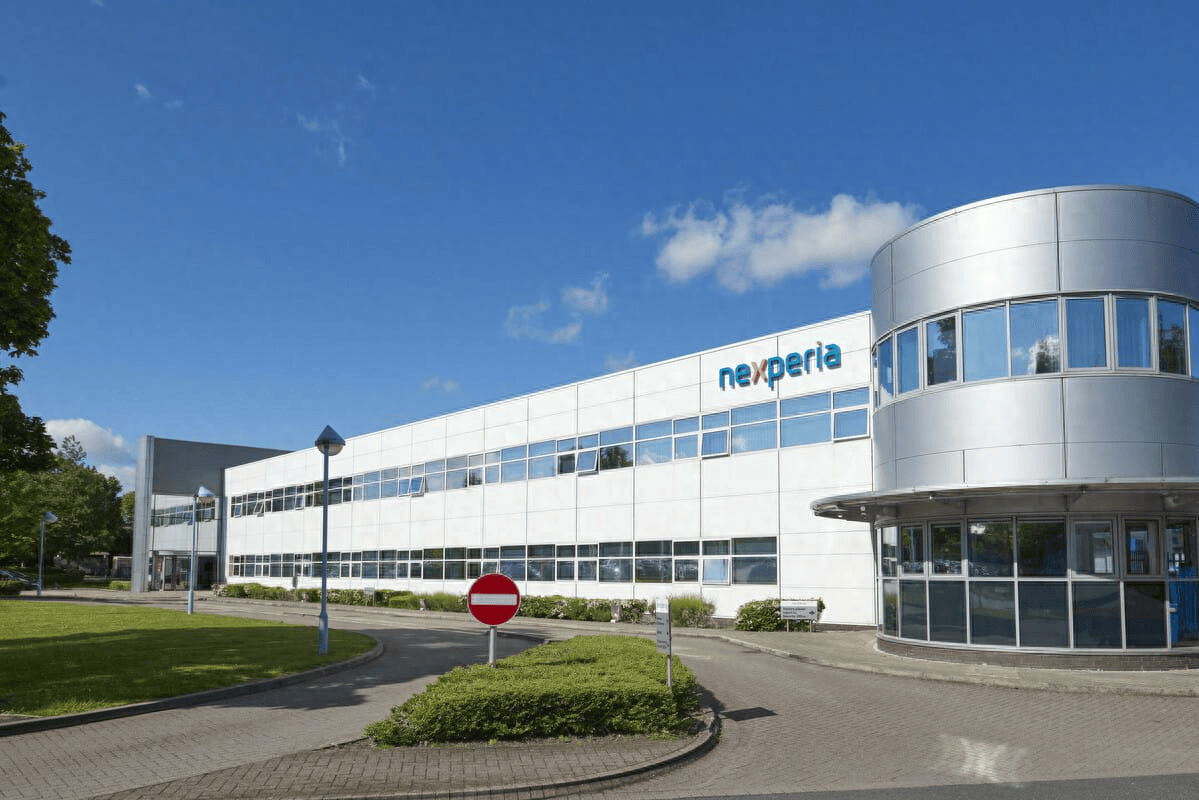
Group 1 - The core issue revolves around the Dutch government's aggressive move to seize control of Nexperia, a leading power semiconductor company, which has significant implications for international relations and economic competition [1][3]. - Nexperia's products are crucial in key sectors such as automotive electronics and home appliances, holding a 40% market share in small signal diodes and supplying 60% of its products to the new energy vehicle supply chain [3][5]. - The Dutch government's intervention, justified by "national security," involved a court ruling that stripped Chinese investors of control, leading to the forced departure of Chinese executives and controversial management appointments [3][5]. Group 2 - The actions taken by the Dutch government included a comprehensive purge of Chinese management and blocking access to information systems and decision-making processes, raising questions about the true motives behind the intervention [5][7]. - The chairman of Wentai Technology, Yang Mu, stated that the $8 billion compensation claim is based on various factors, including initial acquisition costs, subsequent operational investments, and expected profit losses due to the loss of control [5][7]. - The dispute symbolizes China's determination to protect its rights in high-tech sectors and reflects a broader trend of increasing awareness and institutionalization of rights protection in international business disputes [5][7].

安世之乱:一场撕裂全球芯片命脉的控制权战争
Zhong Guo Jing Ying Bao· 2025-11-28 21:12
Core Viewpoint - The semiconductor supply chain crisis, triggered by a power struggle within a Chinese-controlled semiconductor company, has led to significant production disruptions for major automotive manufacturers like Volkswagen, BMW, and Ford, highlighting the vulnerability of global supply chains to geopolitical interventions [2][3][4]. Summary by Sections 1. Event Overview - The crisis began with a governance dispute at Nexperia (安世半导体), a semiconductor company acquired by a Chinese consortium in 2017, which has become a key supplier for the automotive industry [3][4]. - The U.S. imposed new export controls in September 2025, leading to the Dutch government freezing Nexperia's global assets under the pretext of national security, which resulted in a near collapse of the global automotive chip supply chain [5][6]. 2. Impact on Automotive Industry - Major automakers, including Volkswagen, BMW, and Honda, issued production warnings, with the European Automobile Manufacturers Association predicting a potential 15% reduction in European automotive production capacity within weeks if the supply issue is not resolved [7][8]. - The automotive industry relies heavily on specific components produced by Nexperia, and the lack of these components could halt production lines, as seen with Volkswagen reporting its first quarterly loss in five years [6][7]. 3. Geopolitical Context - The incident illustrates the intersection of geopolitics and high-tech industries, revealing the fragility of global supply chains under political pressure [3][9]. - The U.S. strategy to curb China's technological advancements has been implemented through European allies, as evidenced by the timing of the Dutch government's actions following U.S. directives [9][10]. 4. Corporate Governance Issues - The governance conflict within Nexperia escalated when the Dutch court intervened, leading to the removal of the Chinese CEO and the appointment of a temporary Dutch CEO, which was perceived as a politically motivated takeover [5][6]. - The internal governance issues at Nexperia, including differing strategic priorities between Chinese and European management, contributed to the crisis [11][12]. 5. Future Implications - The semiconductor crisis signals a shift in the global semiconductor landscape from an "efficiency-first" model to a "security-first" approach, prompting companies to reassess their supply chain strategies [15][16]. - The event serves as a wake-up call for Chinese companies regarding the importance of political risk assessment and the need for a more resilient and localized supply chain strategy [15][19].
安世之争,迈出关键一步
虎嗅APP· 2025-11-20 10:18
Core Viewpoint - The semiconductor dispute involving Nexperia has escalated into a significant geopolitical issue affecting the global automotive supply chain, with China and the Netherlands engaged in negotiations to resolve the crisis [5][6]. Group 1: Background of the Dispute - The conflict originated from a unilateral action by the Netherlands on September 30, 2025, which involved freezing Nexperia's global assets and operations for one year under the guise of national security [8]. - Following the Dutch government's actions, Nexperia's management faced immediate legal challenges, leading to a rapid court ruling that suspended the CEO and placed the company's shares under third-party control [8][9]. - The situation worsened when Nexperia announced a halt in supply to its Dongguan factory, impacting 70% of its production capacity and further straining the global automotive chip supply chain [11]. Group 2: Impact on the Automotive Industry - Major automotive manufacturers, including Volkswagen, BMW, and Mercedes, reported supply chain disruptions, with some factories nearing shutdown due to chip shortages [10]. - The European Automobile Manufacturers Association issued warnings about potential production halts if the semiconductor supply issue was not resolved promptly [10]. Group 3: Recent Developments - In early November, the Dutch government indicated a willingness to negotiate, leading to discussions in Beijing on November 18 and 19, where the Netherlands announced a suspension of its previous intervention measures [13][14]. - Despite the Dutch government's pause, Nexperia's control issues remain unresolved, with ongoing legal measures still in effect [14]. Group 4: Importance of Nexperia - Nexperia is a critical player in the automotive semiconductor market, supplying 40% of the global automotive power semiconductors and holding significant market shares in various semiconductor components [15]. - The company has established a robust supply chain in China, which has proven resilient despite the geopolitical tensions, with sufficient inventory to meet customer demands [15][17]. - Nexperia's history reflects its evolution from a Philips subsidiary to a key global semiconductor company, highlighting the complexities of international ownership and control in the semiconductor industry [16][17].

调查4天后,商务部明确定性,荷兰狡辩也没用,中方将坚决反制!欧美发出前所未有警告
Sou Hu Cai Jing· 2025-10-21 13:16
Core Viewpoint - The Anshi Semiconductor incident highlights the hypocrisy of Western nations, particularly the Netherlands, in their economic dealings, revealing a misuse of "national security" to interfere with normal business operations, ultimately harming their own business environment [1][5]. Group 1: Background of the Incident - The incident began in late September 2025, with the Dutch government accused of abusing "national security" concepts to intervene in Anshi Semiconductor's operations, which contradicts market principles [1]. - Anshi Semiconductor, previously a struggling division of NXP, was revived by China's Wentai Technology in 2018, leading to significant revenue growth and product success [3]. Group 2: Evidence of Collusion - Confidential documents revealed that the Netherlands and the U.S. had multiple discussions regarding "penetration rules," with the U.S. demanding changes in Anshi's management structure in exchange for sanctions relief [3]. - The timeline of events shows a coordinated effort, with the U.S. expanding sanctions just before the Netherlands enacted laws to freeze Anshi's assets and remove its Chinese CEO [3]. Group 3: China's Response - In response to the Dutch actions, China implemented export restrictions on specific components from Anshi's subsidiaries, targeting the company's production capabilities concentrated in China [4]. - The European automotive industry expressed concerns over potential disruptions in the supply chain due to Anshi's chip supply issues, indicating the broader impact of the conflict [4]. Group 4: Market Reactions - The capital market reacted dramatically, with a surge in demand for Anshi's materials and a subsequent rise in Wentai Technology's stock price after initial declines [4]. - The Dutch Minister of Economic Affairs acknowledged the need for negotiations, but the response from Anshi China emphasized its independence and operational stability [4]. Group 5: Broader Implications - The incident reflects a deeper contradiction in global economic practices, as countries like the U.S. and the Netherlands use "national security" as a guise for protectionism, undermining global supply chain stability [6]. - The situation illustrates that attempts to manipulate market dynamics through administrative means will ultimately backfire, reinforcing the importance of respecting market rules and contractual integrity [6].
扬杰科技前三季度净利润有望达10亿元 积极开拓国际市场加速全球化进程
Zheng Quan Shi Bao Wang· 2025-10-13 09:53
Core Viewpoint - Yangjie Technology (300373) has seen a significant stock price increase of over 80% this year, attributed to strong performance forecasts and growth in the power semiconductor market driven by AI, new energy, and automotive electronics [1][2]. Financial Performance - The company expects a net profit of 937 million to 1.004 billion yuan for the first three quarters of 2025, representing a year-on-year growth of 40% to 50% [1]. - For Q3 2025, the projected net profit is between 335 million to 402 million yuan, indicating a growth of 37.31% to 64.71% compared to the same period last year [1]. - The company's gross margin has shown a positive trend, improving quarter by quarter, which supports profit growth [1]. Market Position and Recognition - Yangjie Technology ranks among the top three in the "Top Ten Chinese Semiconductor Power Device Enterprises" for 2025 and is eighth in the OMDIA global discrete power semiconductor ranking [2]. - The company has received certifications from several international tier 1 clients, enhancing its recognition in the semiconductor industry [2]. - Yangjie Technology's product matrix overlaps significantly with that of Anshi Semiconductor, which has seen substantial growth in global rankings [2]. Strategic Initiatives - The company announced a plan to acquire 100% of Dongguan Better Electronics Technology Co., Ltd. for 2.218 billion yuan, which is recognized as a "little giant" enterprise in the manufacturing sector [3]. - A strategic cooperation agreement was signed with Xingyu Co., Ltd. to enhance collaboration in the automotive semiconductor sector, focusing on the entire supply chain [3]. - Yangjie Technology's first SiC chip production line has achieved mass production, and its overseas packaging base in Vietnam has also reached full production capacity [3].
