小炒黄牛肉

Search documents
越夜越湘味,长沙这些餐厅,春节不打烊!
Xin Lang Cai Jing· 2026-02-14 05:05
Core Viewpoint - The article emphasizes that restaurants in Changsha will remain open during the Spring Festival, showcasing the city's vibrant food culture and culinary offerings [2]. Group 1: Restaurant Operations - Popular food spots in Changsha, including traditional and modern eateries, will continue to serve customers throughout the Spring Festival [2]. - The article lists various restaurants that will remain open, ensuring that visitors can enjoy local delicacies [3][4][5][6][7][8][9][10][11]. Group 2: Featured Restaurants - Notable restaurants mentioned include: - Nan Jing Restaurant (Meixi Lake Store) [3] - Tai Bai Restaurant [3] - Sheng Xiang Ting [3][4] - Da Mi Xian Sheng [4][5] - Fei Da Chu Spicy Pork [4][5][6] - The list includes multiple locations for each restaurant, indicating a wide availability across Changsha [3][4][5][6][7][8][9][10][11].


小年至,年味起,京东七鲜连续第六年“春节也服务”全面开启
Zhong Jin Zai Xian· 2026-02-10 09:24
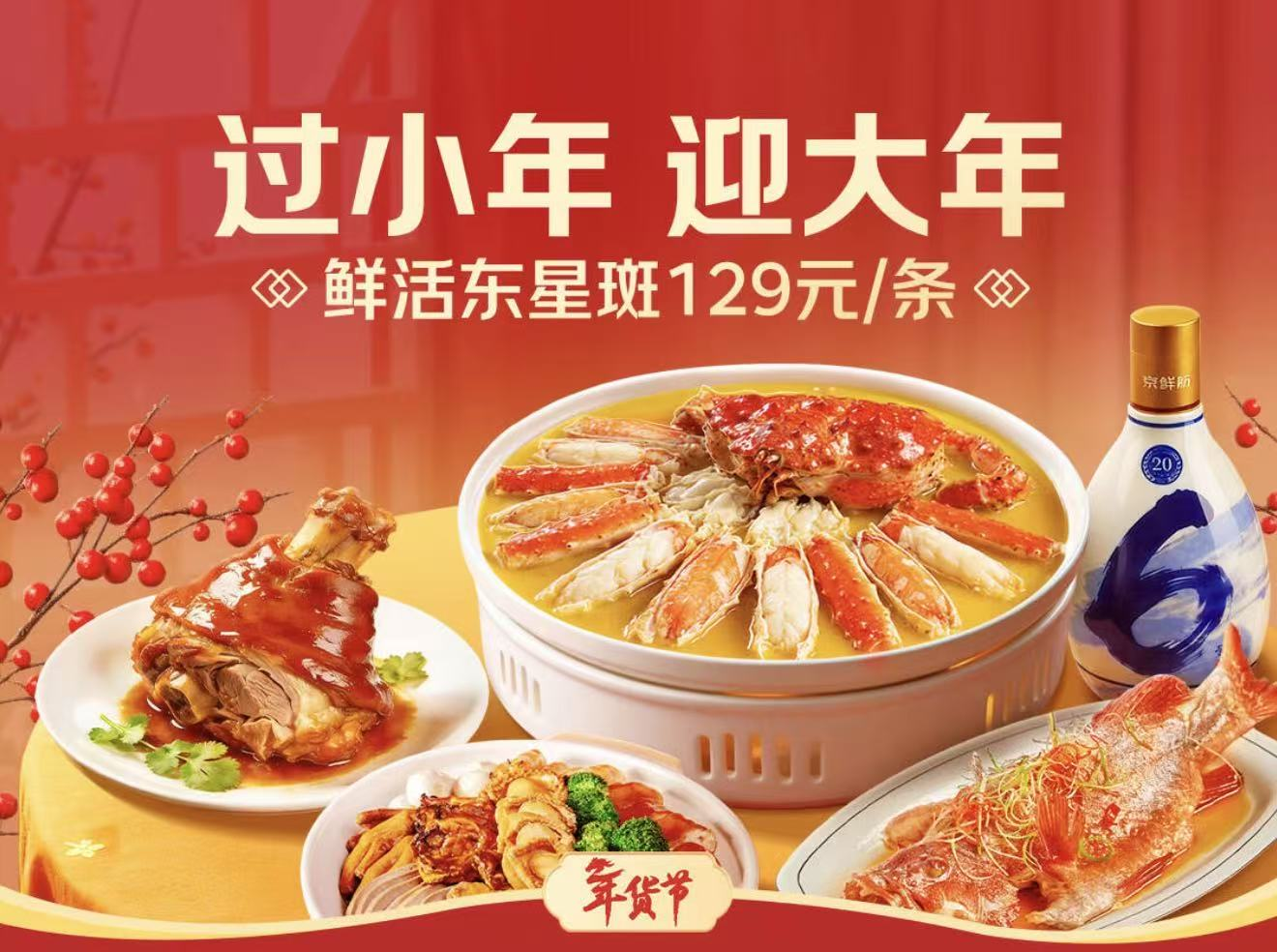
Core Viewpoint - JD Qixian is committed to enhancing consumer experience during the Spring Festival by extending store hours, increasing operational capacity, and offering a diverse range of festive products to meet the purchasing needs from "Little New Year" to "New Year's Eve" and throughout the holiday period [1][9]. Group 1: Store Operations - JD Qixian will extend store hours from February 13 to February 15, operating from 7 AM to 11 PM [3]. - On New Year's Eve (February 16), online channels will open at 6 AM, while physical stores will open at 6:30 AM to accommodate last-minute purchases for the New Year's Eve dinner [3]. - From February 17 (New Year's Day), physical stores will operate from 9 AM to 10 PM, and online delivery will be available from 7 AM to midnight [3]. Group 2: Festive Products - The company offers a variety of festive dishes, including live East Star grouper priced at 129 yuan each, live king crabs at 999 yuan each (weighing 1.5-2 kg), and live Boston lobsters at 189 yuan each [3][5]. - JD Qixian has introduced convenient ready-to-eat options such as braised pork ribs starting at 25.9 yuan per serving and various regional specialties, allowing consumers to enjoy traditional flavors easily [5][7]. - The company also provides quick-cooking dishes like stir-fried beef and spicy chicken, catering to younger consumers looking for easy meal solutions [7]. Group 3: Seasonal Decorations - JD Qixian has launched a range of New Year floral arrangements, including red silver willow priced at 15.9 yuan for 30 branches and Australian plum blossoms at 19.9 yuan per bundle, enhancing the festive atmosphere [9]. - The company emphasizes the importance of festive decorations as part of the New Year preparations, offering products that serve both as home decor and gifts [9].
餐车烟火烹百味 匠心守护归家路
Xin Lang Cai Jing· 2026-02-07 21:55
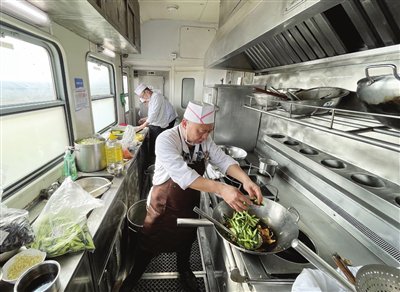
Core Viewpoint - The article highlights the dedication and efforts of the catering team on the T252 train, emphasizing the importance of food safety, quality, and the emotional connection to home-cooked meals during the Spring Festival travel rush [3][4][5][6]. Group 1: Food Preparation and Safety - The catering team, led by Chef Chen Yu, ensures food safety by sourcing ingredients from a centralized procurement system and conducting thorough checks on food quality and freshness [3][4]. - The kitchen is organized with clear divisions for raw and cooked food, and strict protocols are followed for washing and preparing vegetables [3][4]. - During peak travel times, the quantity of food prepared is significantly increased, with vegetable supplies doubling from 20 to 40 kilograms and meat supplies increasing from 15-16 to around 30 kilograms [5]. Group 2: Culinary Offerings and Customer Experience - The menu is tailored to cater to the diverse tastes of passengers from different regions, offering spicy dishes for Hunan travelers and lighter options for those from Guangdong [4]. - The chef aims to provide not just filling meals but also delicious ones, with a focus on freshly cooked dishes that are served hot [4][6]. - Passengers express satisfaction with the quality and cleanliness of the meals, often preferring the train's offerings over external food options [4][6]. Group 3: Chef's Commitment and Work Ethic - Chef Chen Yu has been in the role for nine years and works long hours, often exceeding 12 hours a day during busy travel periods [5]. - He adapts to the challenges of cooking in a moving train, using techniques learned from experienced chefs and online resources to improve his culinary skills [5][6]. - The chef finds fulfillment in providing comfort food to travelers, emphasizing the emotional connection to home-cooked meals during their journeys [6].
湖南首届健康湘菜厨艺大赛落幕 行业大厨与I炒菜机器人竞技
Chang Sha Wan Bao· 2025-12-17 09:18
Group 1 - The competition aimed to promote the healthy transformation of Hunan cuisine and high-quality industry development through the "Smart Chef Cup" event, which was part of the 2025 Hunan Cultural Tourism Industry Expo [1][4] - The final competition featured 23 chefs and an AI cooking robot, showcasing innovative healthy cooking methods for classic Hunan dishes [3] - The event highlighted the balance between flavor and health in Hunan cuisine, with winners adhering to the "light oil and reduced salt without losing taste" philosophy [3] Group 2 - The AI cooking robot, while not winning any awards, demonstrated the potential for smart technology in standardizing and promoting health in Hunan cuisine [3] - The "Health and Flavor Top Ten Honor Awards" recognized various entities across the industry chain, including awards for benchmark enterprises and popular dishes [3] - The event facilitated a platform for culinary exchange and aimed to establish a new standard system for reduced salt and oil in Hunan cuisine [4]


30元客单价的“下饭小炒”,正悄然成为餐饮新风口
Sou Hu Cai Jing· 2025-12-15 05:09
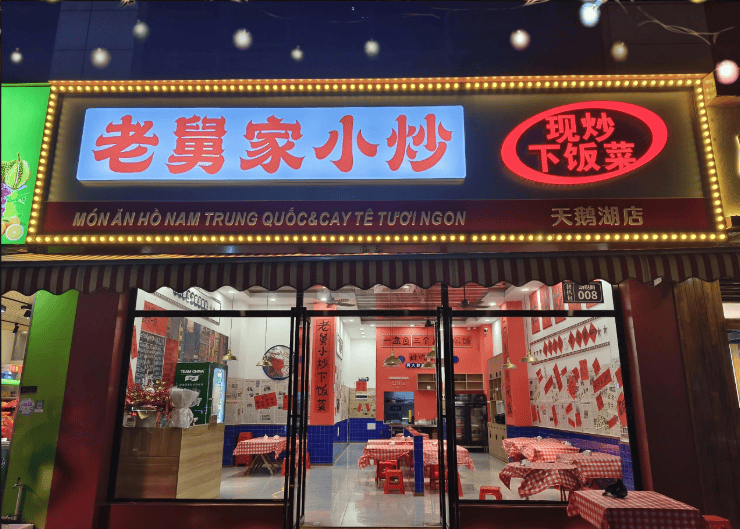
Core Insights - A new dining model focusing on "freshly cooked, affordable, and side dishes" is emerging in regions like Hunan, with average customer spending between 30-50 yuan, indicating strong market appeal and potential for nationwide expansion by 2026 [1][2] Category Innovation - The "side dish stir-fry" category is evolving from traditional street-side family-run shops to a more branded and systematic operation, emphasizing classic Hunan dishes with clear product structures [3] - New brands are differentiating themselves by maintaining a customer price range of 30-50 yuan, contrasting with higher-end dining brands priced above 70 yuan [3][4] - Store models are flexible, featuring modern decor and strategic locations in communities rather than premium commercial areas, enhancing customer engagement and repeat visits [3] Key Success Factors - The popularity of "side dish stir-fry" aligns with consumer demands for high value and fresh cooking, appealing to those seeking quality meals at fast-food prices [5] - The trend against pre-prepared meals boosts the appeal of freshly cooked dishes, catering to diverse dining needs such as family meals, office lunches, and casual social gatherings [5] Case Study: "Community Stir-Fry King" - The brand "Wukouzao·Side Dish Stir-Fry," established in Jiangsu, has successfully opened over 100 stores across more than 10 provinces, serving as a model for community-focused dining [6][7] - The brand targets community dining by offering a restaurant experience at fast-food prices, with an average spend of 20-30 yuan per person [6] Optimized Profit Model - The menu is streamlined to 28 classic dishes, balancing stability with monthly updates to maintain freshness [7] - Supply chain efficiencies, including direct sourcing of beef and partnerships with leading rice suppliers, reduce ingredient costs by 15%-20% compared to market prices [7] - Operational efficiency is achieved through a central kitchen model, allowing for reduced staffing needs and lower initial investment costs [7] Future Outlook - The potential for a nationwide brand emergence in the "side dish stir-fry" category remains, with the ability to standardize quality and establish a low-cost supply chain being critical for success by 2026 [8][9] - The rise of this category reflects a rational shift in the dining market, focusing on essential consumer needs, likely leading to the development of sustainable community-based brands [9]
中行普惠伴你同行①|一碗湘菜中的“深圳创业梦”
2 1 Shi Ji Jing Ji Bao Dao· 2025-10-14 02:29
Core Insights - The popularity of Hunan cuisine in Shenzhen is evidenced by the number of restaurants, with over 7,000 establishments, making it the second-largest market for Hunan cuisine in China after Changsha [1][2] - The story of a restaurant owner, Deng Qing, highlights the challenges and resilience of entrepreneurs in the food industry, particularly those with military backgrounds [2][6] Group 1: Entrepreneurial Journey - Deng Qing transitioned from military service to entrepreneurship, emphasizing the importance of his military training in overcoming challenges in the restaurant business [2][6] - The restaurant initially started with six partners, but financial difficulties led to most partners exiting, leaving Deng to continue alone for the sake of his employees [2][3] Group 2: Financial Support and Challenges - The restaurant faces significant operational costs, including monthly revenues of approximately 400,000 yuan, with rent and utilities consuming a substantial portion of that [3][5] - Deng Qing secured a 360,000 yuan no-collateral loan through the "Shenzhen Military Loan" program, which was designed to support veterans in their entrepreneurial endeavors [3][5] Group 3: Broader Financial Initiatives - The "Shenzhen Military Loan" program was launched to provide differentiated credit loan services to veterans, with a focus on easing financial burdens for small business owners [3][5] - China Bank has collaborated with local government agencies to expand financial support for small and micro enterprises, with over 300 billion yuan in loans provided to more than 7,000 businesses, creating approximately 40,000 new jobs [5][6]

一碗湘菜中的“深圳创业梦”
2 1 Shi Ji Jing Ji Bao Dao· 2025-10-13 23:53
Core Insights - The popularity of Hunan cuisine in Shenzhen is evidenced by the number of restaurants, with over 7,000 establishments, making it the second-largest market for Hunan cuisine in China after Changsha [1][2] - The story of a restaurant owner,邓庆, highlights the challenges and resilience of entrepreneurs in the food industry, particularly those with military backgrounds [2][5] Group 1: Entrepreneurial Journey -邓庆 transitioned from military service to entrepreneurship, driven by a desire to bring authentic Hunan flavors to Shenzhen, which he considers a second home [2][3] - The restaurant initially started with six partners, but due to financial difficulties,邓庆 remained the sole owner, emphasizing his commitment to his employees and the business [2][3] - The restaurant faces significant operational costs, including monthly revenues of approximately 400,000 yuan, with rent and utilities consuming a substantial portion of that income [2][3] Group 2: Financial Support and Initiatives -邓庆 secured a 360,000 yuan no-collateral loan through the "深军贷" program, designed to support veterans in their entrepreneurial endeavors, which significantly alleviated his financial burden [3][5] - The "深军贷" program was launched by the China Bank Shenzhen Branch in collaboration with local government agencies to provide tailored financial services for veterans [3][5] - The China Bank has expanded its support for small and micro enterprises, offering loans up to 50 million yuan for businesses and 10 million yuan for individuals, contributing to over 30 billion yuan in loans for more than 7,000 businesses [5]
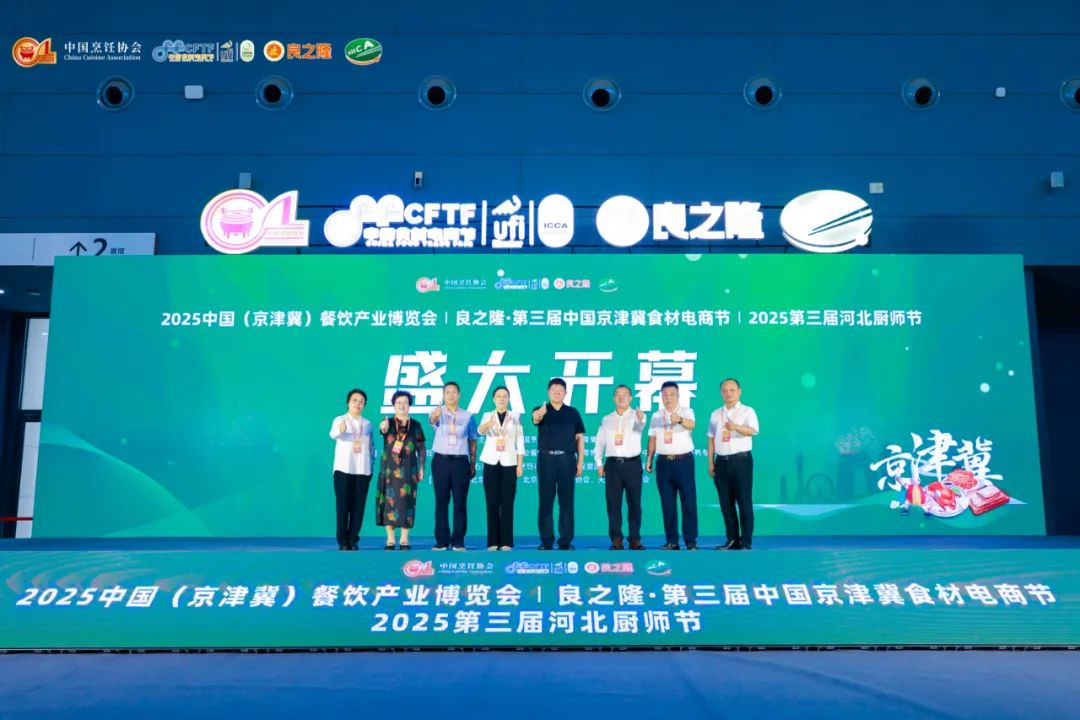
2025中国(京津冀)餐饮产业博览会暨食材电商节在石家庄举行
Zhong Guo Jing Ji Wang· 2025-07-14 07:49
Core Viewpoint - The 2025 China (Beijing-Tianjin-Hebei) Catering Industry Expo and the 2025 Third China Beijing-Tianjin-Hebei Food Ingredients E-commerce Festival successfully opened, showcasing a wide variety of food ingredients and promoting innovation in the catering industry across the three regions [1][2]. Group 1: Event Overview - The event attracted over 20,000 professional visitors from Beijing-Tianjin-Hebei and surrounding provinces, with a bustling atmosphere in the 50,000 square meters exhibition area [1]. - Key figures from various culinary associations and companies delivered speeches, emphasizing the expo's role in promoting collaborative innovation and resource integration in the catering industry [1]. Group 2: Regional Cuisine and Innovations - The president of the Hebei Hotel Cooking and Catering Industry Association presented the updated achievements of Hebei cuisine, including a list of must-try dishes and restaurants to enhance regional culinary development [2]. - Various local food trade companies showcased unique products, such as dried chicken and various types of noodles, attracting significant interest from attendees [2][4]. Group 3: Competitions and Industry Development - An innovative cooking competition featured chefs from Hebei, showcasing their skills in preparing the famous "Golden Hair Lion Fish," resulting in over a hundred unique dishes [4]. - The Hebei Cuisine Industry Development Conference highlighted innovations in the local pancake and health food industries, along with the release of a list of the top 50 barbecue enterprises in Hebei [6]. Group 4: Supply Chain and Efficiency - A one-stop precise procurement meeting was held to enhance efficiency and reduce unnecessary costs for supply and demand enterprises within the food ingredient industry [8]. - Concurrent events included a cooking competition for Beijing roast duck and a commercial kitchen design competition, focusing on innovative solutions for optimizing kitchen space and improving operational efficiency in the catering sector [8].