
小鹏机器人IRON

Search documents
马斯克官宣Optimus 3一季度首发,微美全息AI+具身智能开启全球科技新角逐
Sou Hu Cai Jing· 2026-02-04 03:12
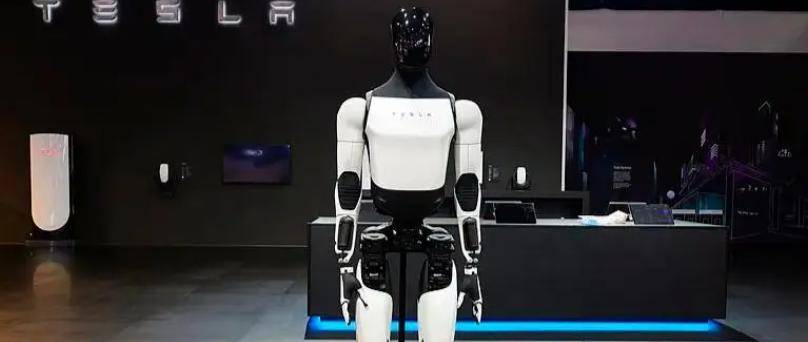
Group 1 - Tesla has disclosed key advancements regarding its humanoid robot Optimus, including product iteration, mass production plans, and production line adjustments [1] - The third generation of Optimus, set to launch in Q1 2026, will feature significant upgrades over the 2.5 version, including a new hand design [3] - The production line for Optimus is expected to begin operations by the end of 2026, with a target annual production capacity of 1 million units [3] Group 2 - Elon Musk emphasized that Tesla's Optimus will significantly outperform similar robots developed in China, particularly in intelligence and electromechanical dexterity [5] - Xiaopeng Motors announced the first offline interaction for its new generation robot IRON, which was first unveiled at the Xiaopeng Technology Day last November [7] - The IRON robot integrates a self-developed physical world model system, enabling real-time environmental perception and feedback [9] Group 3 - WIMI has positioned itself strategically in the embodied intelligence sector, providing a comprehensive layout from technology foundation to hardware and application scenarios [10] - The company focuses on generative AI and holographic visual technology to enhance robots' environmental perception and task generalization capabilities [10] - WIMI aims to support key R&D tasks in embodied intelligence, driving breakthroughs in core technologies and facilitating the transition from R&D to mass production [10] Group 4 - The performance of humanoid robots has gained significant attention, as demonstrated by the appearance of multiple humanoid robots at the Spring Festival Gala, which sparked widespread discussion on social media [11]


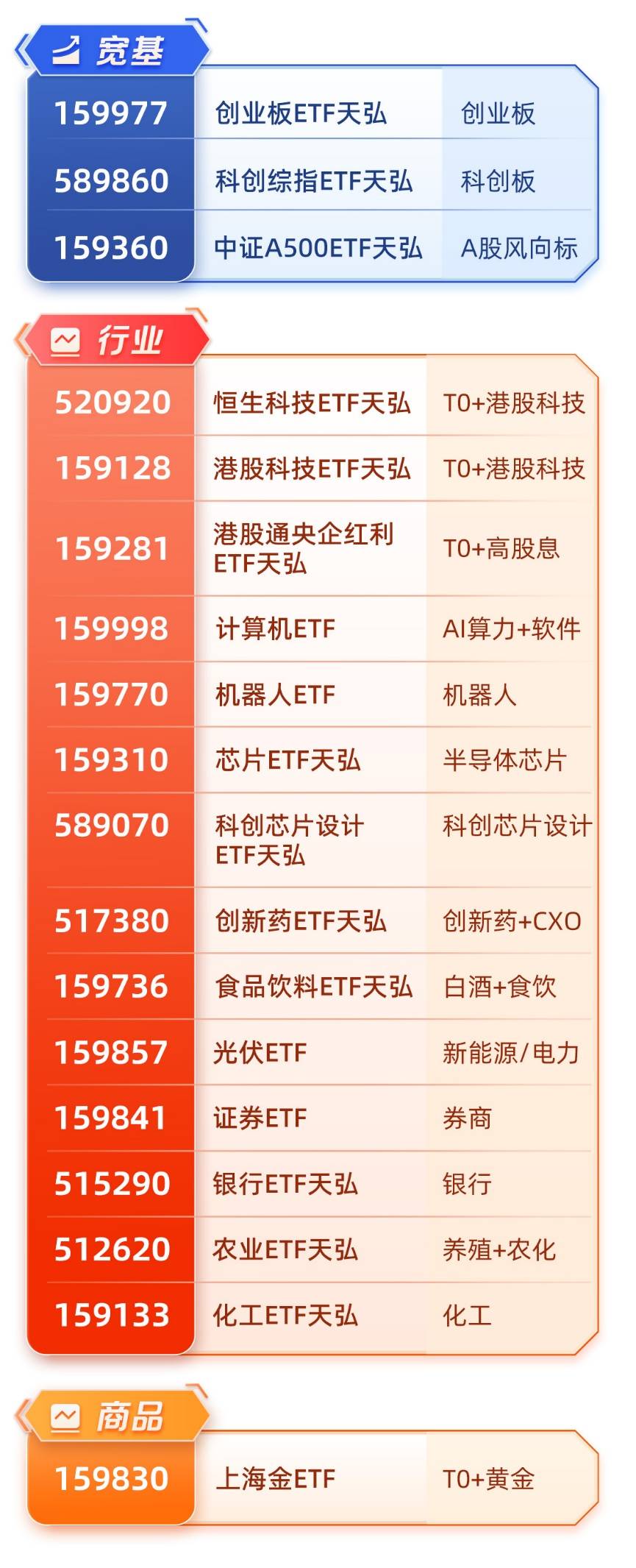
小鹏IRON首次线下互动落地!深市最大的机器人ETF(159770)申购6600万份
Sou Hu Cai Jing· 2026-02-02 01:25
Core Insights - The Robot ETF (159770) has seen significant activity, with a total subscription of 66 million units and a turnover rate of 4.59%, while the tracked CSI Robot Index (H30590) decreased by 0.45% [1] - Over the past six months, the Robot ETF (159770) has experienced a substantial increase of 2.069 billion units, indicating strong growth [2] Product Highlights - The Robot ETF (159770) is the largest robot-themed ETF in the Shenzhen market, covering various segments such as humanoid robots, industrial robots, and service robots, allowing investors to easily access the entire robot industry chain [2] Recent Events - Xiaopeng's humanoid robot IRON will have its first offline interaction event from January 31 to February 1 in Shenzhen, providing the public with a chance to experience humanoid robot technology [2] - Beijing has launched its first humanoid robot pilot platform, which includes small-batch production lines and testing laboratories, offering comprehensive pilot services from core components to complete machines [3] Institutional Perspectives - CITIC Securities notes that humanoid robots are currently in a technology validation phase, but the commercialization timeline is expected to be shorter than that of electric vehicles. The firm recommends focusing on high-value segments within the robot industry that have clear market structures and high certainty, as these areas offer the greatest earnings elasticity [4] - The report emphasizes the importance of leading companies in the industry, particularly those with high barriers in non-standard, technology, cost, and expansion aspects, as they are likely to navigate through industry cycles successfully [4]

小鹏机器人IRON行走摔倒,何小鹏:想起孩子学步的样子
Nan Fang Du Shi Bao· 2026-02-01 10:14
Core Viewpoint - The recent incident involving Xpeng's humanoid robot IRON falling during a public demonstration has sparked widespread attention and discussion, with the CEO likening the fall to a child's learning to walk, emphasizing resilience and progress [1][3]. Group 1: Incident and Response - On January 31, Xpeng's VP revealed that IRON demonstrated walking in Shenzhen, but during audience interaction, it unexpectedly fell over after a smooth performance [3]. - The fall has shifted public perception, dispelling previous doubts about whether the robot was operated by a human, and has motivated the development team [3]. - This is not the first time IRON has attracted public scrutiny; in November 2025, it faced skepticism regarding its human-like movements, prompting the CEO to demonstrate its mechanical structure to counter doubts [3]. Group 2: Technical Advancements - IRON's human-like walking ability is attributed to breakthroughs in hardware design and intelligent control technology, featuring a core hardware architecture for the waist and spine, and 82 degrees of freedom in its joints [4]. - The development of a self-developed generative controller has been pivotal for upgrading its gait, with the current third-generation controller already in use and preliminary results from the fourth generation [4]. - The essence of control is described as countering gravity, with the new controller adapting to higher-level generative models, although achieving consistent movement remains challenging [4]. Group 3: Future Prospects - Xpeng's humanoid robot business is seen as a key growth area, with the CEO predicting that within ten years, it could surpass the automotive sector, aiming for sales of over 1 million units [4]. - At the 2026 annual meeting, the CEO set clear goals for the team to achieve L3-level humanoid robot mass production for industrial applications and to drive product commercialization [5]. - A significant technological breakthrough is anticipated within 12-18 months, which is expected to enhance the company's market value [5].

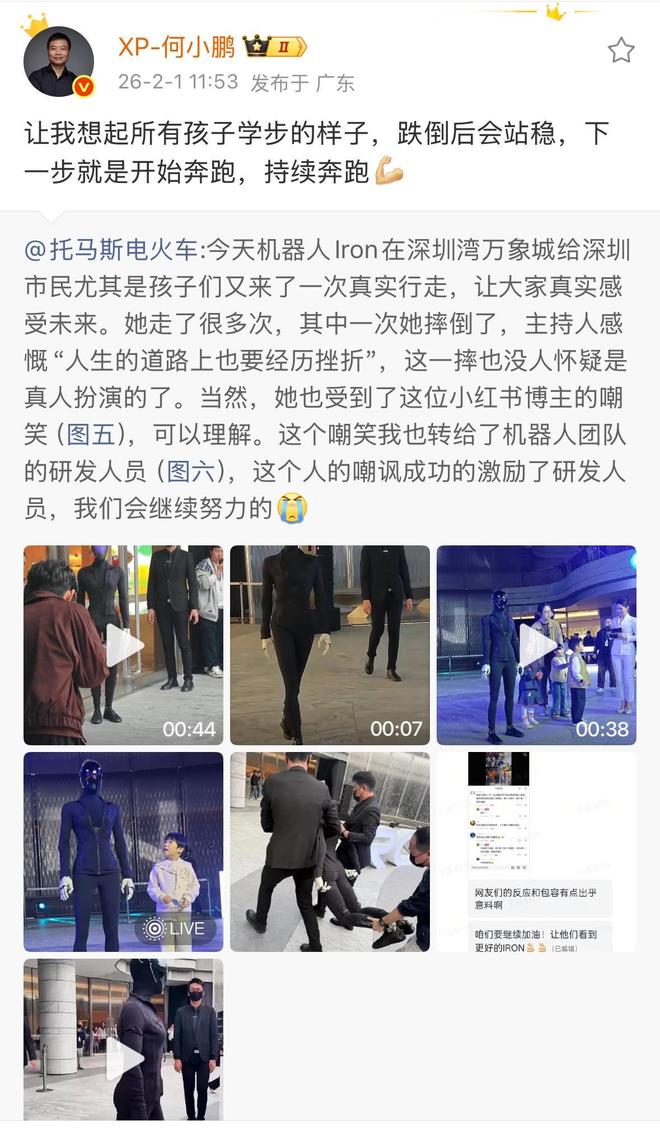
小鹏回应机器人摔倒被嘲笑:跌倒后会站稳,下一步开始奔跑
Xin Lang Cai Jing· 2026-02-01 05:52
Core Viewpoint - The incident involving the Xpeng robot IRON falling during its first offline showcase in Shenzhen has sparked both criticism and reflection on the challenges of technological development and learning processes [1] Group 1: Incident Overview - The Xpeng robot IRON experienced a fall during its public demonstration at Shenzhen Bay MixC, leading to social media mockery and comments about it being a "large-scale social death scene" [1] - The robot was subsequently removed from the scene by staff after the fall, highlighting the challenges faced in real-world applications of robotics [1] Group 2: Company Response - Xpeng's Vice President, Thomas, addressed the incident by emphasizing the importance of experiencing setbacks, likening the robot's fall to the learning process of children learning to walk [1] - The company expressed a commitment to continue improving the robot, indicating that feedback from the incident would be taken seriously by the development team [1]
小鹏机器人IRON线下首秀引惊叹
Xin Lang Cai Jing· 2026-01-31 17:25
Group 1 - The core viewpoint of the article highlights the rapid advancement of technology, particularly in robotics, and raises questions about the future dominance of robots in society [2] Group 2 - The article mentions the offline debut of Xiaopeng Robotics' IRON, which surprised observers with its capabilities, indicating significant progress in the field of robotics [2]
冯兴亚、何小鹏、李斌等9位车企大佬说了啥?
Xin Jing Bao· 2025-11-24 04:48
Core Insights - The 2025 Guangzhou International Auto Show showcases 1,085 vehicles, including 93 global debuts, with 629 new energy vehicles, accounting for nearly 58% of the total [1] - Industry leaders emphasize the need for transformation and innovation to meet diverse consumer demands and enhance product offerings [4][5][8] Group 1: Industry Transformation - GAC Group's chairman highlights the success of their "Panyu Action" transformation, achieving a 50% improvement in business efficiency and a sixfold increase in market response speed [1] - Mercedes-Benz promotes a strategy of integrating traditional fuel and electric vehicles, enhancing the competitiveness of their fuel models through intelligent upgrades [2] - German luxury car brands face challenges in the Chinese market, needing to break through the competition from high-end domestic brands and gain a voice in the new energy vehicle sector [3] Group 2: Product Focus - Ford emphasizes the importance of understanding consumer needs to strengthen its market position in China, focusing on brand, product, and experience [4] - Lantu Motors introduces new models, advocating for a diverse product range to meet varied consumer demands in the growing new energy vehicle market [4] Group 3: Technology Insights - NIO's chairman notes a 20% increase in pure electric vehicle sales in October, while range-extended models saw a 20% decline, indicating a shift in consumer preferences towards pure electric technology [5] - Xiaopeng Motors' CEO believes that hybrid and range-extended technologies will coexist with pure electric vehicles for a long time, especially for users with range anxiety [6] - Leap Motor's executive highlights the ongoing relevance of hybrid and range-extended vehicles, predicting significant market opportunities in the next 3-5 years [6] Group 4: Competitive Landscape - NIO's chairman states that the competition in smart electric vehicles has entered a decisive phase, with a stable market potentially taking a decade to establish [7] - Xiaopeng's CEO anticipates a more brutal competitive environment in the automotive market by 2026, reflecting on the rapid changes in the industry [7] - Lantu's chairman calls for a collaborative approach among companies to enhance the overall market for new energy vehicles rather than focusing solely on internal competition [7] - Avita Technology's chairman emphasizes the need for strategic foresight in planning for the future of the Chinese new energy vehicle market, which is entering a critical reshaping phase [7] Group 5: Broader Industry Trends - The auto show reflects a shift from "scale expansion" to "high-quality development" in the automotive industry, indicating a maturation of the sector [8]

国内外机器人公司持续迭代推进量产,调整后继续关注机器人产业链
Orient Securities· 2025-11-23 11:50
Investment Rating - The report maintains a neutral investment rating for the automotive and parts industry [5] Core Insights - The report suggests that companies involved in the supply chain for Tesla, Figure, and domestic robot manufacturers are expected to benefit, with competitive domestic brands and those leading in intelligent driving technology likely to expand their market share [3][14] - Continued focus on humanoid robot chains, T chains, liquid cooling supply chains, Huawei supply chains, and intelligent driving supply chain companies is recommended [3][14] Summary by Sections Industry Overview - Domestic and international robot companies are iterating and advancing mass production, with a significant focus on the humanoid robot industry chain [2][11] - The humanoid robot sector is anticipated to enter a phase of scale production from 0 to 1 by 2026, with several companies accelerating their IPO processes [8][11] Sales Tracking - From November 1 to 16, 2025, the wholesale sales of passenger cars in China reached 1.021 million units, a year-on-year decrease of 14% [17] - Cumulative wholesale sales for the year reached 24.795 million units, reflecting a year-on-year growth of 11% [17] Market Performance - The automotive sector overall experienced a decline, with the automotive industry index down by 5.1%, underperforming compared to the CSI 300 index [31] - The report highlights significant declines across various sub-sectors, including passenger vehicles and automotive parts [31][32] Key Company Announcements - Companies like Geely and XPeng reported significant revenue growth, with XPeng's third-quarter revenue increasing by 101.8% year-on-year [46][45] - Geely's revenue for the first three quarters of 2025 was 239.477 billion yuan, a year-on-year increase of 26.4% [45]


人形机器人:情绪向左,产业向右
KAIYUAN SECURITIES· 2025-11-20 02:25
Investment Rating - The investment rating for the machinery equipment industry is "Positive" (maintained) [1] Core Insights - The humanoid robot sector is currently experiencing a downturn, with overall sentiment at a low point, indicating a phase of adjustment [3][13] - Significant advancements are being made in the industry, with Tesla clarifying its mass production timeline and capacity planning for humanoid robots, while domestic companies like Xiaopeng and Yuzhu are making notable progress [4][5][21] - 2026 is anticipated to be the year of mass production for domestic humanoid robots, characterized by accelerated technological breakthroughs and initial commercialization efforts [6][52] Summary by Sections Industry Dynamics - The humanoid robot sector is under pressure, with the core company index declining by 4.13% recently, while the broader market indices also showed weakness [3][12][13] - Tesla's recent shareholder meeting confirmed its commitment to evolving into an AI and robotics company, with a goal of delivering 1 million humanoid robots as a milestone [21][24] - Xiaopeng's humanoid robot IRON was launched, showcasing advanced humanoid capabilities and innovative hardware, positioning it competitively against Tesla [5][32][41] Key Developments - Tesla's Optimus Gen2.5 robot demonstrated advanced capabilities, including autonomous walking and interaction, with future iterations planned for 2026 and beyond [4][24][25] - Xiaopeng's IRON robot features over 80 degrees of freedom and is designed for high precision tasks, indicating a significant leap in domestic humanoid robot technology [32][35][41] - Yuzhu Technology is on track to become the first humanoid robot company listed on the A-share market, which could invigorate the sector [48][49] Investment Opportunities - The report highlights potential investment opportunities in the supply chain for humanoid robots, including components like joints, motors, and lightweight materials [29][30][52] - Specific companies recommended for investment include Blue Glass Technology, Wuzhou New Spring, and others involved in key components of humanoid robots [7][29][48]

年销量100万台:老实人何小鹏,搞AI比李想更激进
3 6 Ke· 2025-11-19 02:09
Core Insights - Xiaopeng Motors aims to produce over 1 million humanoid robots annually by 2030, indicating a belief in a market potential that surpasses that of automobiles [1][2] - The company has gained significant market attention and stock price increases due to its ambitious plans for Robotaxi and humanoid robots, surpassing competitors like Li Auto and NIO in market capitalization [1][5] Group 1: Company Strategy and Vision - Xiaopeng Motors is recognized for setting ambitious goals, such as developing flying cars and humanoid robots, positioning itself as a leader in AI-driven automotive technology [2][6] - The company has established a strategic focus on AI, launching "Pengxing Intelligent" in 2020 and committing to an "AI-driven" strategy, with plans to transition from software-defined to AI-defined vehicles [2][3] - The second-generation VLA (Vision-Language-Action) model is positioned as a foundational technology for various applications, including Robotaxi and humanoid robots, aiming to create a cross-hardware ecosystem [11][18] Group 2: Market Position and Competition - Xiaopeng Motors is seen as a direct competitor to Tesla, with a focus on innovative products like Robotaxi and humanoid robots, while also facing challenges from other automakers entering the robotics space [6][10] - Despite being in a loss-making position, Xiaopeng's market valuation has surpassed that of profitable competitors, highlighting the importance of narrative and vision in attracting investor interest [5][20] - The company faces competition not only from traditional automakers but also from established players in the robotics field, with at least 20 other car manufacturers announcing plans to develop humanoid robots [15][20] Group 3: Technological Challenges and Development - The humanoid robot IRON is set for mass production by the end of 2026, but its high cost (estimated around $30,000) may limit its competitiveness against cheaper alternatives [15][20] - The VLA model has undergone significant changes, with a shift to an end-to-end approach that aims to enhance its capabilities in understanding and interacting with the physical world [18][19] - The commercial viability of Robotaxi and humanoid robots remains uncertain, with challenges such as high costs, regulatory hurdles, and public safety concerns impacting the broader adoption of these technologies [20][21]
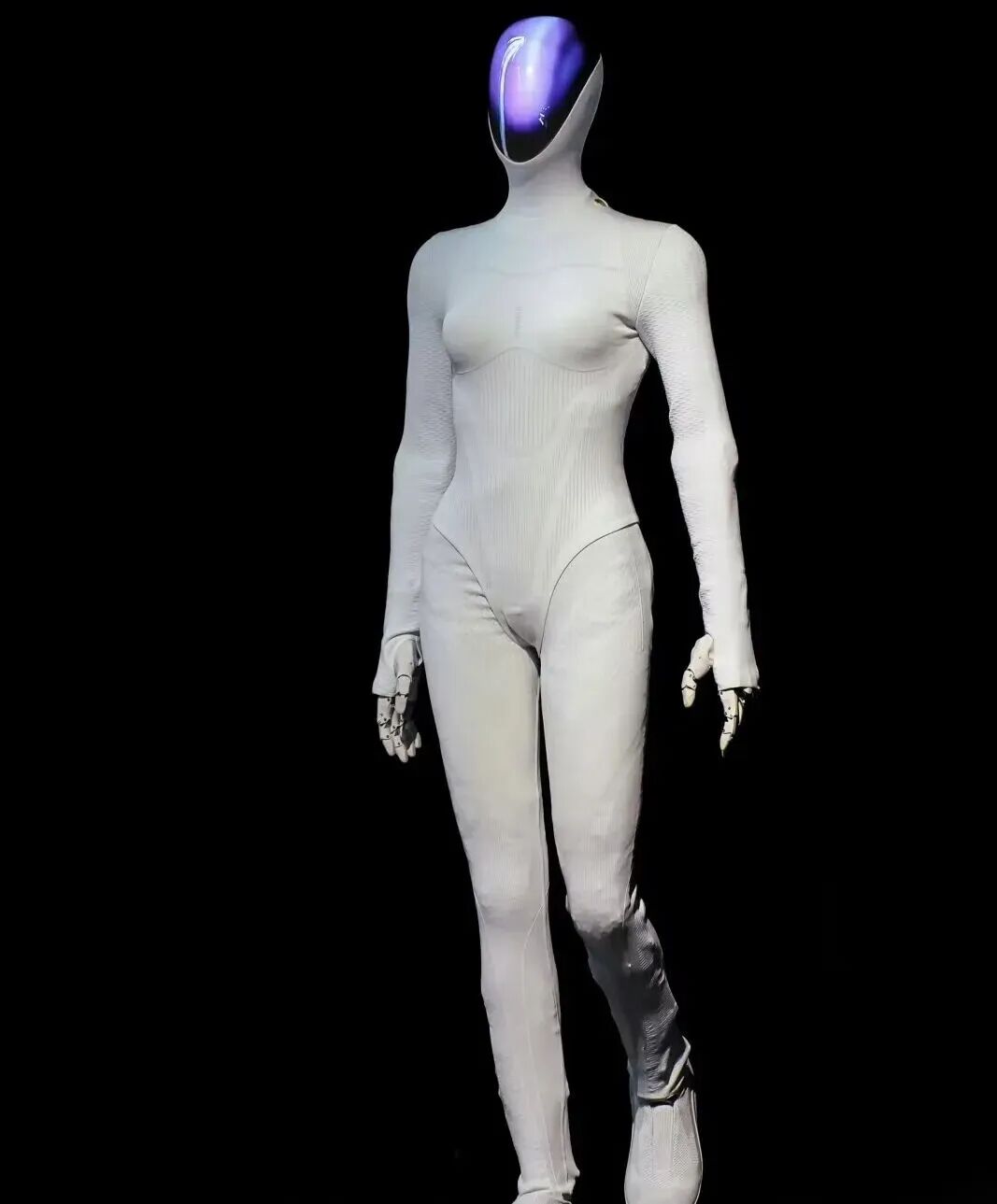
何小鹏:机器人2030年销量超百万台 明年发布7款新车
Feng Huang Wang· 2025-11-17 14:01
Core Viewpoint - Xiaopeng Motors plans to achieve large-scale production of advanced humanoid robots by the end of 2026, with a long-term market potential that may exceed that of the automotive sector [1] Group 1: Humanoid Robot Development - The company is advancing the development of a new generation humanoid robot named IRON, utilizing a "physics world model-driven" technology approach [1] - The humanoid robot's physical form and gait performance have exceeded expectations, although the publicly demonstrated capabilities represent only a small fraction of its potential [1] - The CEO anticipates that by 2030, annual sales of Xiaopeng robots could surpass 1 million units [1] Group 2: Product Planning for 2026 - Xiaopeng plans to launch seven new vehicles with "super range extender" configurations in 2026, significantly expanding its total addressable market (TAM) [1] - In the first quarter of 2026, the company will introduce three super electric range extender products aimed at addressing key pain points in the current range extender market, such as longer pure electric range and faster 5C ultra-fast charging [1] - Throughout 2026, four new dual-energy models will be launched, including the first product targeting a critical niche market, aiming for rapid growth from a "zero layout" to a "quick breakthrough" strategy, similar to the successful MONA M03 model [1]