引力一号运载火箭

Search documents
快过年了,给俺们家火箭掌掌秤
Ke Ji Ri Bao· 2026-02-04 01:16
Core Viewpoint - The article highlights the progress and technical complexities involved in the testing and assembly of the "Yingli-1" solid rocket, which is set to become the largest solid launch vehicle globally, aiming for a launch in the first half of this year. Group 1: Rocket Testing and Assembly - The "Yingli-1" rocket components, including the core stage and boosters, are undergoing final testing at the Dongfang Space General Launch Vehicle Assembly and Integration Testing Center in Shandong Province [1] - The weight of each rocket component is being meticulously measured, with a precision requirement of 0.1 kilograms due to the sensitivity of rocket weight on flight trajectory [2] - The center will weigh each component to ensure they meet design specifications before proceeding to vertical assembly [1][2] Group 2: Technical Innovations - The "Yingli-1" features a unique "three and a half stage" configuration with a three-stage core and four solid boosters, which allows for increased payload capacity and design flexibility [2] - The rocket employs a side separation method for its boosters, which presents significant technical challenges, including ensuring structural integrity and stability during flight [3] - The technology used in the "Yingli-1" fills a gap in China's capabilities for solid bundled rockets, enhancing the country's autonomy in research, production, and future development [3] Group 3: Production Schedule and Future Plans - The production schedule for the "Yingli-1" is tight, with the "Yingli-3" rocket expected to transition to launch preparations by March, followed closely by the "Yingli-4" [4] - The center is also preparing for tests on the "Yingli-2" rocket, indicating a busy year ahead for the production team [4]
(年终特稿)星河摆渡间,感知中国太空探索“航线”新突破
Zhong Guo Xin Wen Wang· 2025-12-27 02:39
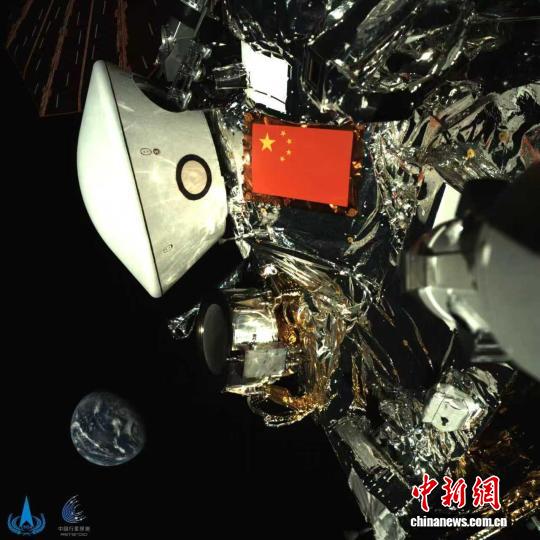
Core Insights - China's space exploration has made significant advancements in 2025, with over 10 flight missions in December alone, including record-breaking launches and successful missions in lunar and deep space exploration [1][4]. Group 1: Lunar and Deep Space Exploration - The Tianwen-2 probe has commenced a decade-long mission to explore asteroid 2016HO3 and comet 311P, marking China's first attempt at asteroid sampling and return [1]. - China has successfully completed lunar and Mars missions, including orbiting, landing, and returning, with the Tianwen-2 mission representing a critical step in catching up with global standards in asteroid exploration [1]. Group 2: Manned Space Missions - The new generation of manned spacecraft and lunar landers is progressing steadily, with a goal set for Chinese astronauts to land on the Moon by 2030 [3]. - The Tianzhou cargo spacecraft has improved its delivery efficiency, achieving a "three-hour express delivery" for space packages, significantly reducing the time for astronauts' return trips [4]. Group 3: Rocket Technology and Launches - The Long March series of rockets has surpassed 600 launches, demonstrating a rapid increase in launch frequency, with the sixth hundred achieved in just 1 year and 10 months [5]. - The successful launches of private sector rockets, such as the Lijian-1, indicate a growing demand for satellite launches and a maturing rocket technology landscape in China [5]. - China is actively pursuing reusable rocket technology, with recent tests of the Zhuque-3 and Long March 12甲 rockets providing critical data for future launches [5]. Group 4: Future Outlook - China's space industry is positioned for significant growth, with policies encouraging the development of a strong space nation included in the 14th Five-Year Plan [7]. - The current advancements in various space technology fields indicate that China is reaching world-class standards, with vast market potential awaiting further release [7].

从火箭到核电,山东科创何以成势
Qi Lu Wan Bao· 2025-12-26 12:04
Core Viewpoint - Shandong Province is achieving significant breakthroughs in various high-tech fields, including commercial aerospace, infrastructure construction, nuclear energy, and intelligent equipment, driven by supportive policies, enhanced platforms, and vibrant talent [1][11]. Aerospace Industry - The "Yinli No. 1" rocket, the world's largest solid rocket, successfully launched multiple satellites, showcasing Shandong's rapid advancements in commercial aerospace [2]. - The development team for "Yinli No. 1" completed the project in just three years, significantly reducing the typical development time for medium-sized rockets [2]. - The "Yinli No. 1" rocket features a modular design that lowers manufacturing costs and allows for large-scale satellite launches [2][3]. - Shandong has established a comprehensive aerospace ecosystem, filling domestic gaps in commercial launch capacity and supporting a full industry chain from rocket development to satellite application [3]. Infrastructure Construction - The Jinan Huanggang Road Yellow River Tunnel, the world's largest underwater shield tunnel, was successfully completed, marking a milestone in China's construction technology [4]. - The construction team achieved remarkable progress, including a record daily excavation rate of 18 meters and a monthly progress of 426 meters [4][5]. - The project utilized advanced technology and equipment, including a self-developed diamond cutter, to navigate challenging geological conditions [5]. Nuclear Energy - The Shidao Bay High-Temperature Gas-Cooled Reactor, the world's first fourth-generation nuclear power plant, is operating smoothly, demonstrating China's leadership in nuclear technology [6][7]. - The plant has achieved a 93.4% localization rate for its equipment and has been in operation for nearly 10,000 hours, generating approximately 1.4 billion kilowatt-hours of electricity annually [7]. - The facility is designed to ensure nuclear safety through effective control of fission reactions and containment of radioactive materials [6][7]. Intelligent Equipment - Guohua Intelligent Equipment Co., based in Qingdao, has made significant strides in producing key components for humanoid robots, achieving breakthroughs in domestic manufacturing [8][9]. - The company has increased its production capacity and aims to meet the growing demand for high-precision robotic components [9]. - Shandong's supportive policies have fostered a conducive environment for innovation, leading to a substantial increase in the number of technology-driven enterprises in the region [9][10]. Innovation Ecosystem - Shandong has restructured its technology management system, establishing a collaborative mechanism for innovation at both provincial and municipal levels [10]. - The province has invested heavily in research and development, with total R&D expenditure surpassing 259.7 billion yuan, achieving a research intensity of 2.64% [10]. - Talent development initiatives have been implemented, including significant funding for young scientists and a high concentration of leading experts in various fields [10].
科技视点·走进商业航天产业一线|山东商业航天向海而行
Ren Min Ri Bao· 2025-12-22 04:12
Core Viewpoint - The commercial space industry is emerging as a new arena for global technological competition and industrial transformation, with Shandong province positioning itself as a key player in this sector by developing a comprehensive commercial space industry ecosystem centered around the Dongfang Spaceport in Haiyang, Yantai [1][8]. Group 1: Infrastructure and Efficiency - The Dongfang Spaceport can transport a rocket from the production facility to the launch site in just 2 hours, showcasing its efficient infrastructure [2]. - The spaceport has successfully conducted over 20 sea launches, placing more than 130 satellites into orbit, establishing itself as China's first and only commercial sea launch mother port [4]. - The port's strategic location offers favorable weather conditions and a natural launch window, allowing for flexible launch point selection to meet various orbital requirements [3]. Group 2: Industry Layout and Development Strategy - The spaceport's development strategy focuses on building reliable sea launch infrastructure and attracting leading R&D and manufacturing enterprises, aiming to create a full-chain commercial space industry ecosystem [3][5]. - The integration of upstream rocket development and downstream satellite applications is a key aspect of the spaceport's strategy, moving beyond mere launch services [3][10]. - Shandong province has identified deep-sea and aerospace as key industrial chains, implementing policies to support the development of the commercial space industry [9][11]. Group 3: Role of Private Enterprises - Private companies, such as Dongfang Space, are becoming significant players in the commercial space landscape, leveraging the spaceport's one-stop services to enhance their operational efficiency [5][6]. - Dongfang Space has developed the "Gravitational One" rocket, which achieved a successful first flight, marking a milestone in solid rocket technology with a payload capacity of 6.5 tons to low Earth orbit [6][8]. - The company emphasizes cost control through modular and standardized designs, reducing the launch cost to under 50,000 RMB per kilogram for sun-synchronous orbit missions [7]. Group 4: Future Prospects and Goals - By 2027, Shandong aims to produce 100 launch vehicles and 150 commercial satellites annually, with the commercial space industry expected to reach a scale of 50 billion RMB [10]. - The long-term growth of the commercial space sector is contingent upon the broader application of satellite data across various industries, which will drive demand and innovation [10][11].

海上发射牵引、工业基础支撑、产业链协同 山东商业航天向海而行(科技视点·走进商业航天产业一线)
Ren Min Ri Bao· 2025-12-21 22:21
Core Insights - The article highlights the rapid development of commercial spaceflight in Shandong, particularly at the Dongfang Spaceport in Yantai, which has successfully conducted multiple sea launches and is establishing a comprehensive commercial space industry ecosystem [1][4][10]. Group 1: Infrastructure and Efficiency - The Dongfang Spaceport can transport a rocket from the production facility to the launch site in just 2 hours, showcasing its efficient infrastructure [2]. - The port's strategic location offers favorable weather conditions and a natural launch window, allowing for flexible launch point selection [3]. - The port has successfully supported over 20 sea launches, placing more than 130 satellites into orbit, demonstrating its operational capabilities [4]. Group 2: Industry Collaboration and Innovation - Private enterprises, such as Dongfang Space, are playing a crucial role in reshaping the commercial space landscape, leveraging the port's infrastructure for rapid development [5][6]. - The "Yin-Yang" model of integrating manufacturing and launch services has significantly reduced transportation time and costs, enhancing overall efficiency [4][6]. - The development of the "Gravity One" rocket, which has set records for solid rocket capabilities, exemplifies the innovative spirit within the industry [6][7]. Group 3: Economic Impact and Future Goals - The Shandong province aims to establish a robust commercial space industry cluster, with investments exceeding 32 billion yuan, focusing on rocket manufacturing, satellite applications, and high-end support services [8][10]. - By 2027, Shandong plans to achieve an annual production capacity of 100 launch vehicles and 150 commercial satellites, targeting a commercial space industry scale of 50 billion yuan [10]. - The province's strategy includes integrating space technology with various sectors, aiming for a comprehensive aerospace manufacturing presence by 2035 [11].
山东海阳,凭啥能频频给全国网友“刷”火箭?
Qi Lu Wan Bao· 2025-12-13 22:53
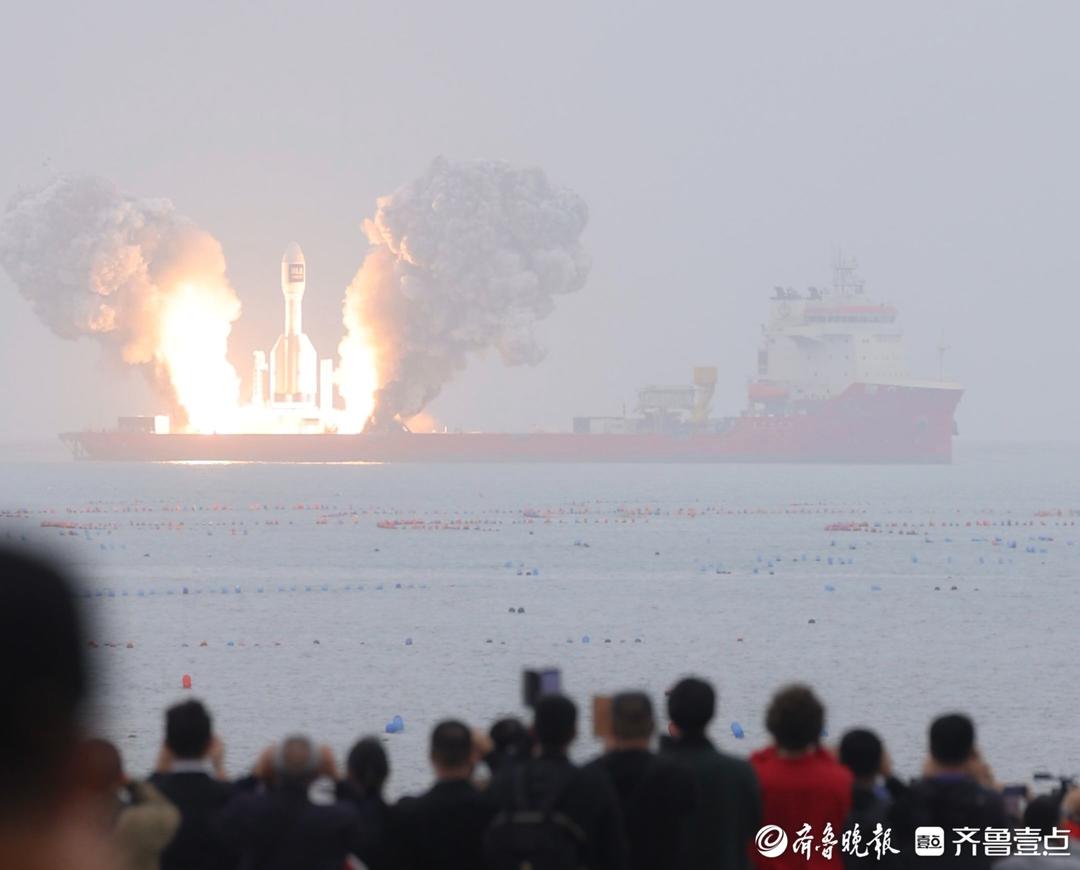
Core Viewpoint - The successful launch of the "Yinli No.1" (Yao II) rocket marks a significant milestone for China's commercial space industry, showcasing the capabilities of the Yantai Oriental Spaceport and its strategic importance in the global aerospace sector [3][9]. Group 1: Launch Details - The "Yinli No.1" (Yao II) rocket was launched on October 11 from the offshore area near Haiyang, with a successful mission that included the deployment of three satellites [3][4]. - The rocket has a launch capacity of 200 to 400 kilograms, capable of deploying multiple satellites in a single mission, enhancing China's satellite launch capabilities [3][4]. Group 2: Infrastructure and Development - The Yantai Oriental Spaceport has established itself as China's first commercial offshore launch port, benefiting from a robust industrial foundation and a comprehensive development strategy [6][9]. - The spaceport has successfully completed 20 offshore launch missions, deploying a total of 130 satellites, and has developed a high-frequency launch capability of "two launches per week nearshore and one launch every two weeks offshore" [7][8]. Group 3: Future Plans and Ambitions - Yantai aims to transition from a focus on launch capabilities to a comprehensive aerospace industry chain, with plans to enhance liquid rocket development and establish a full manufacturing chain for rockets and satellites [10][11]. - The city is positioning itself as a core area for the development of the commercial aerospace industry in Shandong Province, with ongoing policy support and investment aimed at fostering growth [9][11]. Group 4: Economic and Strategic Impact - The development of the aerospace industry in Yantai is expected to significantly contribute to China's ambitions in commercial space, enhancing the nation's capabilities and competitiveness in the global market [12].
山东500万元补助“砸”向商业航天,民企发火箭航班化说走就走
Qi Lu Wan Bao· 2025-12-11 08:53
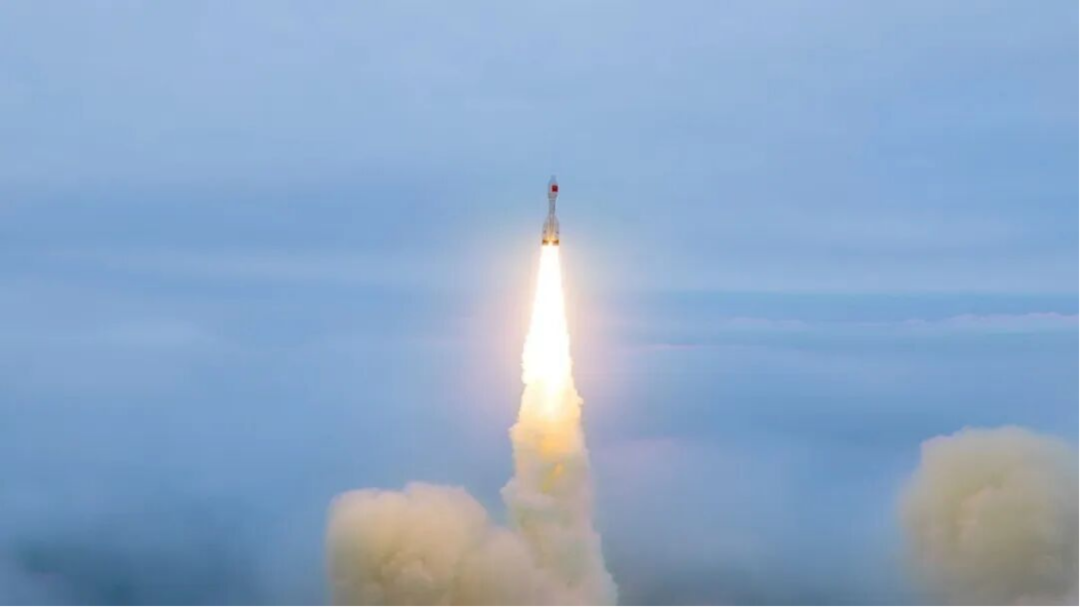
Core Viewpoint - The successful launch of the "Yinli No. 1" rocket by Dongfang Space Technology (Shandong) Co., Ltd. marks a significant achievement in China's private aerospace sector, supported by favorable government policies aimed at fostering innovation in private enterprises [1][3]. Group 1: Government Support and Funding - Dongfang Space received a maximum annual R&D subsidy of 5 million yuan from the Shandong Provincial Science and Technology Committee, which is part of the recent measures to support technological innovation in private enterprises [3][9]. - The policy measures include not only direct financial support but also initiatives to build major innovation platforms and provide financial tools like "Lu Ke Dai" for technology loans, with a risk compensation ratio of up to 90% [9][11]. Group 2: Technological Achievements - The "Yinli No. 1" rocket has a near-Earth orbit payload capacity of 6.5 tons and can carry up to 4.2 tons to a 500 km sun-synchronous orbit, showcasing its high reliability and cost-effectiveness [4]. - The rocket's rapid response capability allows for production readiness within 10 months after contract signing, with a launch preparation time of no more than 24 hours in quick response mode [6][4]. Group 3: Industry Impact and Future Prospects - Dongfang Space is positioned as the first supplier to meet China's demand for large-scale low-orbit satellite constellation launches, indicating a shift in the private sector's role in the aerospace industry [6][11]. - The company is also developing the "Yinli No. 2" rocket, which aims to transition from solid to more efficient liquid propulsion systems, potentially reducing launch costs to an internationally competitive level of 20,000 yuan per kilogram by its planned first flight in 2026 [6][11]. Group 4: Talent Development and Ecosystem Growth - The establishment of a commercial aerospace industry chain in Yantai, integrating R&D, manufacturing, testing, and launch services, is expected to attract numerous upstream and downstream enterprises, enhancing the regional aerospace ecosystem [11]. - Dongfang Space has built a talent pool of 163 R&D personnel, with over half holding master's degrees or higher, contributing to the local workforce's skill enhancement and innovation capacity [11].
山东勾勒商业航天发展地图 多措并举培育产业生态
Zheng Quan Shi Bao· 2025-10-30 19:23
Core Viewpoint - Shandong province is leveraging its maritime rocket launch capabilities to establish itself as a leader in the national commercial aerospace industry, aiming to achieve a manufacturing capacity of "100 rockets" and "100 satellites" within three years, targeting an industry scale of 50 billion yuan [1][6]. Industry Overview - The successful launch of the "Gravitational One" rocket by Dongfang Space (Shandong) Technology Co., Ltd. marks a significant breakthrough in Shandong's maritime satellite launch capabilities, with the rocket capable of carrying 6.5 tons to low Earth orbit and reducing launch costs by 30%-40% compared to mainstream domestic rockets [2][3]. - Shandong is developing a comprehensive commercial aerospace industry chain, focusing on three key cities: Yantai, Jinan, and Qingdao, which encompass rocket and satellite manufacturing, launch services, and satellite applications [3][4]. Infrastructure and Capabilities - The "Gravitational One" rocket can complete the entire assembly, testing, and launch process within 5 kilometers at the "Dongfang Aerospace Port," significantly improving launch efficiency and enabling a potential launch frequency of "one rocket per week" [3]. - Jinan Steel Group is a key player in the aerospace supply chain, with a satellite assembly and integration testing base capable of producing 100 satellites annually, and a liquid rocket engine testing base that supports comprehensive testing services [4]. Policy Support - Shandong province has introduced supportive policies to accelerate the development of the commercial aerospace industry, aiming to produce 100 rockets and 150 commercial satellites annually by 2027, with a target industry scale of 50 billion yuan [6][7]. - The province has allocated significant funding for aerospace technology projects and established specialized funds to attract investment in the sector, demonstrating a commitment to fostering innovation and growth [7][8]. Market Activity - The commercial aerospace sector is gaining traction in the capital market, with a record number of financing events and significant investment amounts reported in 2024 and 2025, indicating a shift in investment focus towards commercial viability and operational capabilities [8]. - The investment landscape is evolving, with a transition from early-stage financial investments to a more diverse capital structure involving state-owned enterprises and policy-driven funds, suggesting sustained interest in the sector's growth potential [8].

跃上新台阶 奋进新征程——党的二十届四中全会精神在山东广大党员干部群众中引发热烈反响
Da Zhong Ri Bao· 2025-10-25 01:06
Core Points - The 14th Five-Year Plan period is crucial for China's modernization and achieving the second centenary goal, with significant achievements in economic and technological strength [1][2] - The Shandong province has made notable progress, with its economic total approaching 10 trillion yuan, driven by the implementation of key actions and a focus on high-quality development [2][3] - The emphasis on technological innovation has led to substantial increases in R&D investment, reaching 259.73 billion yuan, a 54.4% increase from 2020 [4] - The successful launch of the "Yinli No. 1" rocket highlights advancements in the aerospace sector, with a focus on building a complete industrial chain [5][6] - The importance of county-level development is underscored, with initiatives to enhance traditional industries and create job opportunities [6][7] - The need for comprehensive reform is emphasized, with state-owned enterprises like Hualu Group achieving significant profit increases and focusing on high-quality development [7][8] - The commitment to high-quality development is reiterated, with a collective effort from Shandong's leadership and citizens to contribute to national goals [8]
北方第一大省,赶上风口了
创业邦· 2025-10-18 03:20
Core Viewpoint - Shandong, traditionally an industrial province, is now seizing opportunities in the commercial aerospace sector, aiming to establish a robust industry chain by 2027 with a target of producing 100 rockets and 150 satellites annually, reaching a market scale of 50 billion yuan [4][6][19]. Group 1: Commercial Aerospace Development - Commercial aerospace is defined as the industry that provides aerospace products and services through market-oriented methods, including rocket launches, satellite applications, and space tourism [6]. - The commercial aerospace market in China is projected to grow from 1 trillion yuan in 2020 to approximately 2.3 trillion yuan by 2024, with a compound annual growth rate of 22.9% [6]. - Shandong has initiated measures to accelerate the high-quality development of its commercial aerospace industry, aiming for a complete industry chain by 2027 [4][19]. Group 2: Infrastructure and Capabilities - The establishment of the Dongfang Aerospace Port in Shandong has positioned it as the only commercial maritime launch base in China, successfully completing 20 maritime launch missions and launching 130 satellites [10][19]. - The port's design allows for a significant increase in efficiency, with a 50% improvement over traditional models due to the proximity of manufacturing, launching, and recovery processes [13]. - Shandong's coastal geography provides advantages for safe and flexible satellite launches, catering to various orbital requirements [8][10]. Group 3: Strategic Initiatives and Goals - The "Several Measures" document outlines 18 support measures to enhance aerospace infrastructure, launch capabilities, and technological innovation, aiming to elevate Shandong's position in the national aerospace landscape [14][20]. - Shandong's commercial aerospace strategy includes a collaborative approach among cities like Yantai, Jinan, and Qingdao, each focusing on different aspects of the aerospace industry [20][21]. - The province aims to transition from being a participant to a leader in the commercial aerospace sector, leveraging its industrial base and geographical advantages [14][19].