
打印机

Search documents
新学期伊始,各类学习资料的打印需求集中涌现。然而,不少家庭周边打印店数量有限,加之部分店铺关门较早,给家长和学生带来诸多不便。为解决这一痛点,京东即日起至3月31日,携手爱普生、得力等品牌在全国128
Sou Hu Wang· 2026-03-15 07:15
Core Viewpoint - JD.com has launched the "Hundred Cities Convenient Printing Plan" in collaboration with brands like Epson and Deli to address the high demand for printing services at the start of the new school term, providing free printing services at 128 offline stores nationwide until March 31 [1][3]. Group 1: Program Details - The initiative covers over 20 provinces and cities, including Anhui, Beijing, and Guangdong, allowing consumers to find nearby participating stores through the JD app [3]. - Customers can enjoy free printing services and have the option to purchase office and learning supplies with a 10% subsidy on selected printers [3][12]. Group 2: Consumer Experience - Parents have reported positive experiences, such as using Deli printers with AI features to generate and print customized hand-drawn reports quickly [5]. - Epson's AI learning printer has been highlighted for its ability to create tailored writing prompts and math exercises, providing a comprehensive learning support system for parents [7]. Group 3: Market Context - The initiative aims to address the low penetration rate of printers in households, as many parents still rely on external printing shops, which can be costly and limited in operating hours [3]. - The collaboration with major printing brands aims to showcase the latest smart printing technology, enhancing consumer awareness and experience [3].




联想控股(03396.HK)修订制造协议年度上限 应对FCCL打印机订单大增
Ge Long Hui· 2026-02-27 13:21
Core Viewpoint - Lenovo Holdings (03396.HK) announced that its board, including independent non-executive directors, has approved the amendment to the manufacturing agreement (FIT) with an annual cap until the fiscal year ending March 31, 2026. This amendment reflects a significant increase in printer orders received by FCCL during the current fiscal year [1]. Group 1 - The board's approval includes independent non-executive directors [1] - The amendment pertains to the manufacturing agreement (FIT) [1] - The annual cap is set until the fiscal year ending March 31, 2026 [1] Group 2 - The revision is a response to a large volume of printer orders received by FCCL [1]
份额高达73.8%!联想领跑中央国家机关台式机集采
Ge Long Hui· 2026-02-27 03:32
Core Insights - Lenovo Beijing achieved a significant victory in the centralized procurement project for desktop computers, securing 1,434 units, which accounts for 73.8% of the total market share, far surpassing the second-place Softcom with 216 units and third-place Huawei with 114 units [1] - The procurement was based on the new configuration standards for desktop and portable computers (2025 version), implementing strict price limits and reliability assessments, leading to a substantial increase in the penetration of domestic CPUs and operating systems [1] - Lenovo's success is attributed to its Intel technology, mature supply chain, and strong government enterprise channel capabilities, highlighting its brand strength and trust within the government market [1] Desktop Computers - Lenovo Beijing's performance in the desktop computer segment reflects its technical strength, supply assurance, and brand trust in the high-end desktop market for government and public sectors [1] - The company’s leading position is further solidified by the accelerating trend of domestic CPU and operating system replacements, which enhances its product compatibility, performance, and cost advantages [1] Portable Computers - In the portable computer category, Lenovo's Kaitian notebook secured second place with 14 units, following Acer's 61 units, maintaining a stable presence in the government enterprise lightweight laptop market [1] Printers - Although Lenovo did not rank in the top three for printer procurement, the overall product portfolio in government enterprise channels remains advantageous for the company in the long term [1]

惠普Q1营收增长7%超预期,但存储芯片涨价拖累业绩展望,盘后股价跌近7%|财报见闻
Hua Er Jie Jian Wen· 2026-02-24 23:59
Core Insights - HP reported Q1 FY2026 earnings with net revenue of $14.44 billion, a year-over-year increase of 6.9%, exceeding analyst expectations of $13.9 billion by approximately 3.2% [1] - Non-GAAP earnings per share (EPS) were $0.81, up 9.5% from $0.74 in the same period last year, also surpassing market consensus of $0.77 by about 5.3% [1] - The personal systems segment was the main driver of the strong performance, with PC revenue growing 11% year-over-year to $10.25 billion, and consumer PCs seeing a significant growth of 16% [1][5] - However, the printing segment experienced a decline in revenue, down 2.2% to $4.19 billion, with consumer printing declining even more sharply by 8% [1][6] - Forward guidance raised concerns among investors, with the company projecting Q2 non-GAAP EPS in the range of $0.70 to $0.76, with a midpoint of $0.73, below market expectations of $0.75 [1][3] Personal Systems Segment - The personal systems business was the standout performer, achieving a revenue of $10.25 billion, a year-over-year increase of 11% (9% growth excluding currency effects), exceeding analyst expectations of $9.76 billion by about 5% [5] - Commercial PC revenue grew by 9%, while consumer PC revenue surged by 16%, with total unit shipments increasing by 12% [5] - The ongoing penetration of AI PCs was highlighted as a key driver for the personal systems segment's performance, with management emphasizing its importance for future strategies [5] - Despite the growth, the operating profit margin for the personal systems segment was only 5.0%, indicating limited profit contribution from significant revenue increases [5] Printing Segment - The printing business contributed 18.3% in operating profit margin, serving as a stabilizer for overall profitability, but revenue trends indicate ongoing challenges [6] - Quarterly printing revenue was $4.19 billion, down 2% year-over-year, with consumer printing declining by 8% and commercial printing down by 3% [6] - Over the past two years, the commercial printing business has averaged a year-over-year decline of 3.3%, reflecting structural pressures in the market [6] Cash Flow and Capital Allocation - HP generated $383 million from operating activities, with free cash flow of $175 million, resulting in a low free cash flow conversion rate of approximately 1.2% relative to revenue [7] - Despite limited cash generation capacity, HP maintained an active capital return strategy, repurchasing 13.3 million shares for $325 million and paying $0.30 per share in dividends, totaling approximately $277 million returned to shareholders [9] - The company expects full-year free cash flow to be between $2.8 billion and $3 billion, but indicated a tendency towards the lower end of this range, raising concerns about cash flow pressures in the second half of the year [9]

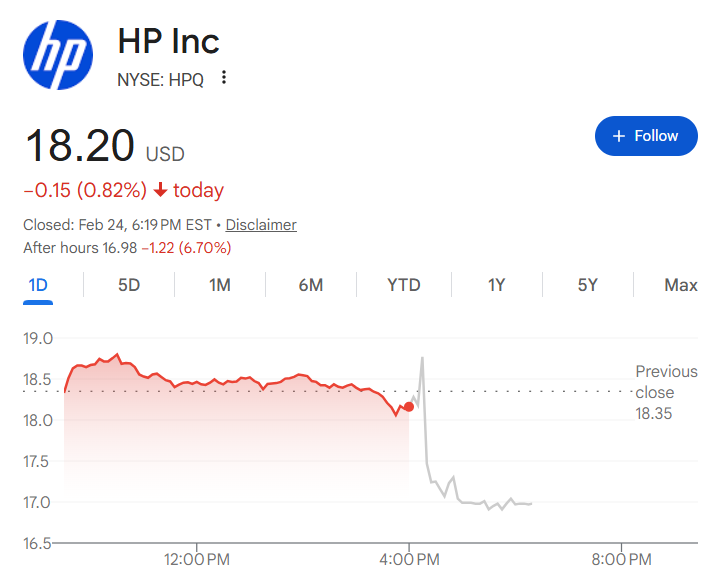
青岛李沧全场景智慧生活新地标启幕 打造有科技温度的“城市会客厅”
Sou Hu Cai Jing· 2026-02-11 19:59
Core Insights - Huawei's Smart Living Center in Qingdao, covering approximately 1317 square meters, aims to become a new hub connecting technology and daily life, evolving into a cultural and technological "living room" for the city [1][4] Group 1: Store Features - The store is designed as a one-stop smart experience center, featuring five key areas: smart office, smart home, health and fitness, smart travel, and audio-visual entertainment [4] - It includes a dedicated area for smart office solutions showcasing devices like MatePad and laptops, enhancing productivity through multi-screen collaboration [4] - The smart home section features products like smart locks and Huawei's smart screens, making daily life more convenient [4] - The health and fitness area is equipped with Huawei WATCH series and other devices for real-time health monitoring [4] - The smart travel section is notable for being the first in Shandong with 10 parking spaces for Huawei-enabled vehicles, offering immersive experiences [4] - The audio-visual entertainment area utilizes smart screens and VR devices to create an exceptional viewing experience [4] Group 2: Community Engagement - The living center aims to foster interaction among people, technology, and the city, planning to host regular events like tech salons and creative workshops [5] - It is positioned to become a public space for Qingdao residents to explore digital living and experience the warmth of technology [5] Group 3: Strategic Importance - The opening of the Smart Living Center signifies Huawei's deeper commitment to the Shandong region, providing a platform for consumers to engage with cutting-edge technology [6] - The center is expected to enhance Qingdao's appeal as a commercial and cultural hub, contributing to the development of a vibrant smart city [6]
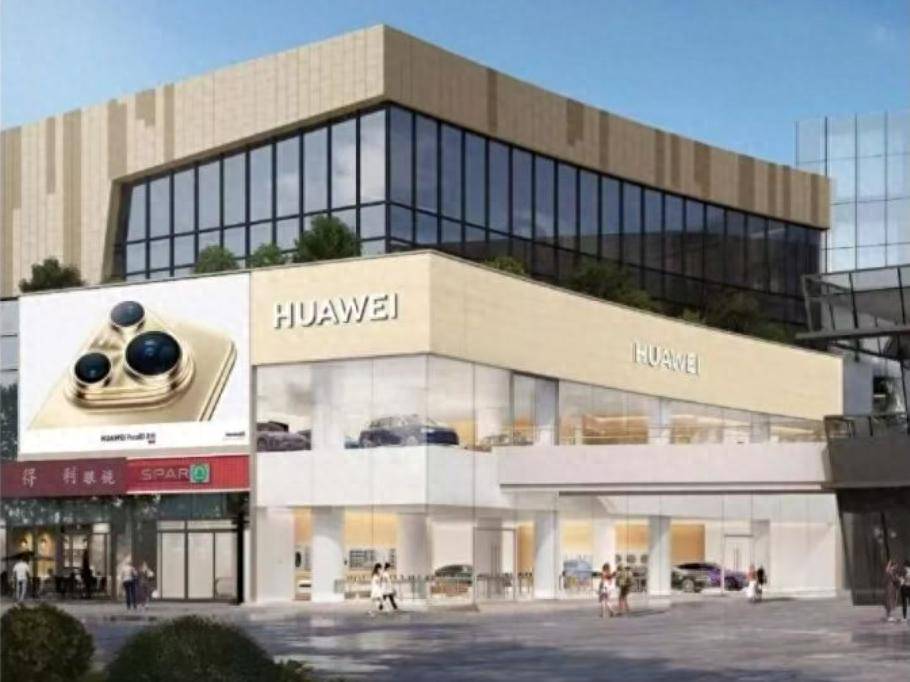
造不出就直接买下来!中国企业斥资260亿吞掉美国巨头,太解气了
Sou Hu Cai Jing· 2026-02-08 05:16
Core Insights - The article discusses the evolution of the Chinese printing industry, particularly focusing on the strategic acquisition of Lexmark by the Chinese company Nasda, which was valued at $3.9 billion (approximately 26 billion RMB) ten years ago, highlighting the shift in market dynamics and competitive strategies [3][14][24] Group 1: Historical Context - Ten years ago, the acquisition of Lexmark by Nasda was met with skepticism from analysts, who viewed it as an audacious gamble by a Chinese company [3][4] - The article outlines the "razor and blades" business model employed by major printing companies, where printers are sold at low prices while consumables like ink cartridges are sold at high margins, creating a dependency on original products [6][8] Group 2: Competitive Strategies - Nasda's initial approach involved basic modifications to ink cartridges, but the company soon realized that overcoming patent barriers required more sophisticated strategies, including reverse engineering and chip design [10][12] - The fierce competition led to significant price reductions for compatible ink cartridges, dropping prices to one-fifth or even one-tenth of original products, demonstrating the effectiveness of Nasda's strategies [12] Group 3: Acquisition Rationale - The acquisition of Lexmark was not merely about gaining market share but acquiring essential patents that would allow Nasda to innovate and compete effectively in the high-end printing market [14][17] - This strategic move transformed Nasda from a market disruptor to a rule-maker, enabling the development of its own brand, Pantum, and establishing a complete supply chain from chips to software and hardware [17][22] Group 4: National Security Implications - The article emphasizes that the stakes have risen beyond commercial interests to national security, as printers can pose significant information security risks if controlled by foreign entities [19][21] - The need for secure and controllable printing solutions has made domestic brands like Pantum essential for safeguarding sensitive information [21] Group 5: Industry Evolution - The printing industry in Zhuhai has evolved from merely selling ink cartridges and printers to offering comprehensive services, including print management and cloud security solutions, indicating a qualitative shift in business models [22][26] - The historical journey of the Chinese printing industry reflects a blend of resilience and strategic investment, culminating in a robust position in the global market [24][26]

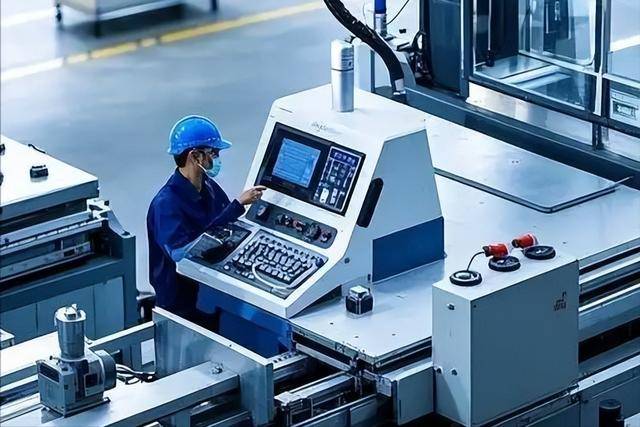
50年品牌实力,如何面对快速变化的世界?
Di Yi Cai Jing· 2026-02-06 06:40
Core Viewpoint - Seiko Epson has appointed a new president, Junkichi Yoshida, who is not an engineer but has extensive experience in strategy, sales, and marketing, indicating a shift in leadership style that may focus on consumer needs and innovation in product development [1][2][8] Group 1: Company Background and Leadership - Seiko Epson is known for its strong technological capabilities, having produced the world's first quartz watch and the first small crystal unit using photolithography [1] - The company has diversified from watch parts manufacturing into various sectors, including printers, quartz components, semiconductors, LCDs, and industrial robots, maintaining a "compact, efficient, and precise" technological DNA [1] - Junkichi Yoshida has been with Epson since 1988 and has played a significant role in launching successful products like the high-capacity ink tank printer, which has sold over 100 million units globally [8] Group 2: Innovation and Market Strategy - Yoshida views China as a key innovation base for Epson, with plans to validate new applications locally before expanding them globally [2][11] - The company aims to balance its focus on traditional paper printing with the growing demand for non-paper media, leveraging its micro piezo inkjet technology for a wide range of applications [10] - Epson's strategy includes expanding its product line and application scenarios for robots, particularly in environments that require precision and flexibility [12] Group 3: Future Directions and Market Opportunities - The company recognizes the importance of emerging markets, particularly in Southeast Asia and Latin America, as areas with significant growth potential [11] - Epson plans to enhance its SCARA robot product line to better meet local demands in China while also exploring collaborative robots and six-axis robots [11][12] - The focus on "efficient, compact, and precise" technology will guide Epson's future developments, especially in the context of AI and sensor technology [9][13]

筑牢信息安全防线:得力十年突围,树立国货科技新标杆
第一财经· 2026-02-06 04:08
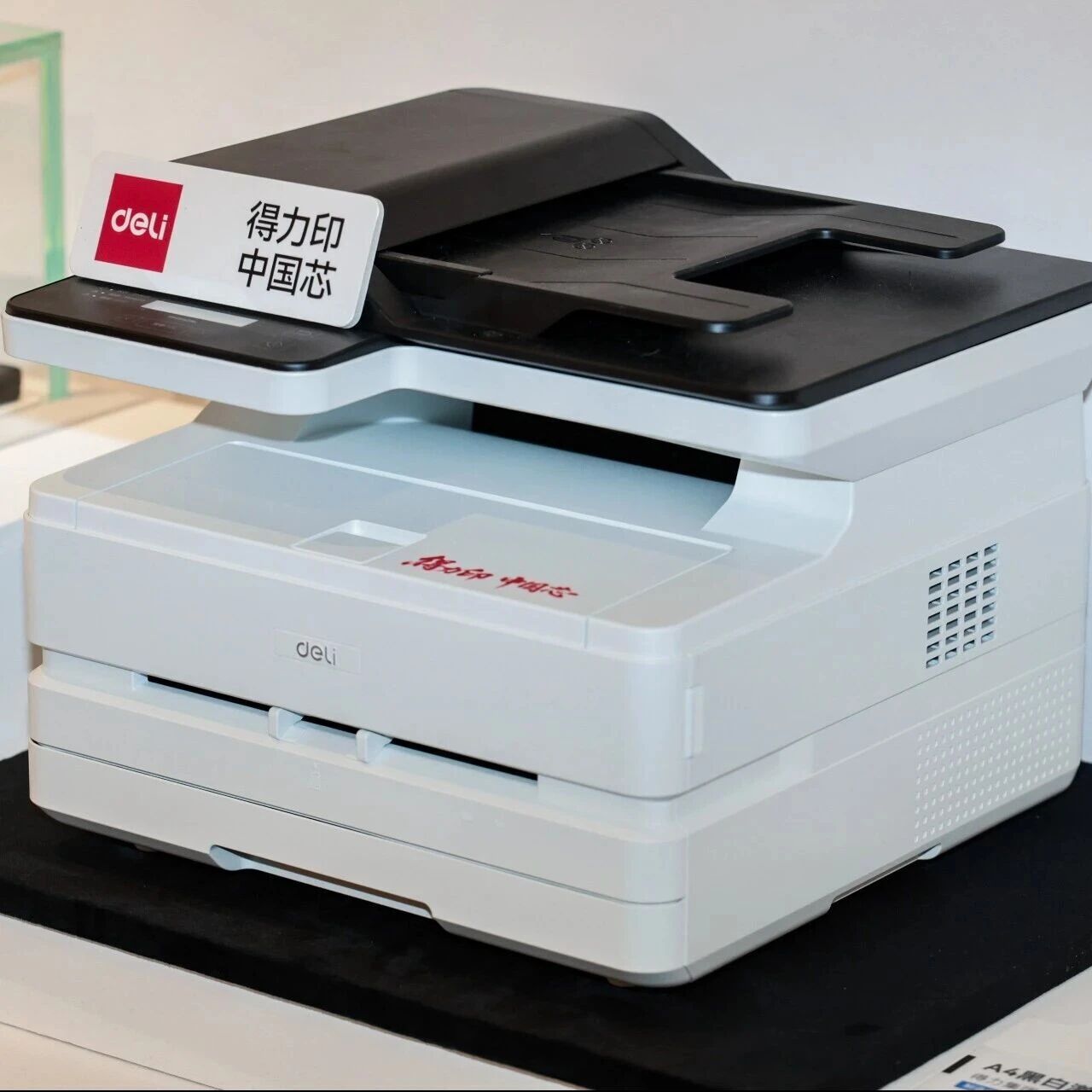
Core Viewpoint - Deli is transforming from a traditional stationery giant into a technology-driven enterprise, showcasing its innovations in printing technology at the National Museum of China, which reflects its alignment with national strategic goals and the push for self-reliance in technology [2][5][12]. Group 1: Product Innovation and Development - Deli's exhibition at the National Museum highlighted its self-developed writing tools and printing innovations, marking a significant recognition of its industry leadership and technological capabilities [5][12]. - The company has achieved full domestic production of key components for its laser printers, including the laser scanner and main control board (Loongson 2P0500), demonstrating its commitment to self-research and development [8][10]. - Deli has invested nearly ten years in developing its inkjet printer core components, achieving breakthroughs in high-precision printing and complete control over the technology [9][20]. Group 2: Strategic Importance and Market Position - Deli's entry into the printing market is not just a new product line but a strategic move to address national security concerns and enhance the domestic manufacturing landscape [14][22]. - The company has successfully secured a government procurement project for printers, indicating its products meet national standards for performance, safety, and reliability [14][22]. - Deli's growth in the A4 laser printer market, with a 44% increase in sales despite an overall market decline, positions it among the top five domestic players [21][22]. Group 3: Technological Ecosystem and Future Directions - Deli's transformation reflects a broader shift in Chinese manufacturing towards intelligent and innovative production, moving beyond traditional stationery to a diverse range of tech-driven products [24][29]. - The company aims to focus on core technologies such as chips and print heads while integrating cloud printing and AI to provide comprehensive solutions for educational and office environments [29][30]. - Deli's strategic blueprint emphasizes its evolution into a "cultural and technological industry group," expanding its product matrix across various sectors [24][30].

研报掘金丨国盛证券:维持纳思达“买入”评级,资产剥离轻装前行
Ge Long Hui A P P· 2026-02-04 05:30
Core Viewpoint - Nasta's asset divestiture is expected to lead to a lighter operational structure, with policy guidance indicating a potential turning point for the company [1] Group 1: Industry Insights - The newly added main control chip for printers in the safety and reliability evaluation guidelines is anticipated to drive standardized procurement in the printer market [1] - Short-term disruptions in output rhythm due to Anke's evaluation are noted, while A3 models and the Xinchuang market continue to show strong performance [1] Group 2: Financial Projections - For 2025, revenue from non-consumable chips in sectors like industrial control and automotive is projected to reach 470 million yuan, reflecting a 5% year-on-year growth, with sales volume increasing by 1% [1] - Based on key assumptions and recent financial reports, the expected total revenue for the company from 2025 to 2027 is 16.819 billion yuan, 12.710 billion yuan, and 15.833 billion yuan respectively, with net profit attributable to shareholders projected at -724 million yuan, 811 million yuan, and 1.294 billion yuan [1] - The company maintains a "buy" rating despite the impact of the divestiture from Liemeng [1]
纳思达:资产剥离轻装前行,政策引领拐点可期-20260204
GOLDEN SUN SECURITIES· 2026-02-04 02:24
Investment Rating - The report maintains a "Buy" rating for the company [3][5]. Core Views - The company is expected to face short-term performance disturbances due to significant asset disposals, with a projected net profit attributable to shareholders for 2025 ranging from negative 600 million to negative 900 million yuan. Excluding non-recurring losses, the net profit is expected to be between negative 450 million to negative 650 million yuan [1]. - The asset disposal is anticipated to improve the financial structure, significantly reducing the debt-to-asset ratio. The impact of the asset impairment from the disposal is estimated to negatively affect the net profit by 700 million to 900 million yuan, leading to an adjusted net profit of 0 to 100 million yuan [1]. - The updated "Security and Reliability Assessment Work Guidelines (V3.0)" is expected to drive standardized procurement in the printer market by including main control chips for printers in the assessment categories [1]. Financial Performance Summary - For 2025, the company is projected to generate total revenue of 16.819 billion yuan, a decrease of 36.3% year-on-year, with a net profit of negative 724 million yuan [4]. - The company’s revenue is expected to recover in 2026 and 2027, with projections of 12.710 billion yuan and 15.833 billion yuan respectively, showing a growth rate of 24.6% in 2027 [4]. - The earnings per share (EPS) is forecasted to be negative 0.51 yuan in 2025, improving to 0.57 yuan in 2026 and 0.91 yuan in 2027 [4]. Market Dynamics - The overall printer market is experiencing a decline, with sales of BenTu printers expected to drop by 17% in 2025. However, the domestic commercial market is showing a steady growth of 3% year-on-year [2]. - The A3 printer segment is performing well, with a 55.62% increase in sales in the first three quarters of 2025, indicating a positive trend in high-value products and original consumables [2]. - The commercial market is showing signs of recovery, with sales in both domestic and overseas markets increasing by over 50% quarter-on-quarter in Q4 2025 [2].