数字博物馆

Search documents
代表委员心声丨创新融合促进文旅消费“热”力四射
He Nan Ri Bao· 2026-01-26 23:42
Core Insights - The government report emphasizes the promotion of cultural and tourism integration, aiming for 1.1 billion visitors and over 1 trillion yuan in tourism revenue for the year [1] Group 1: Government Initiatives - The report includes initiatives to support new consumption formats and models in cities like Zhengzhou and Luoyang [1] - There is a focus on advancing the integration of "cultural tourism + various industries" and "various industries + cultural tourism" [1] Group 2: Industry Challenges - Despite significant achievements in the cultural tourism sector, issues such as project homogenization, inadequate service quality in some scenic areas, and insufficient industrial synergy remain [1] Group 3: Recommendations for Growth - Suggestions include launching comprehensive tourism packages covering transportation, meals, tickets, and insurance to stimulate the silver-haired tourism market [1] - The integration of local tourism resources to create a "weekend tourism economic chain" is recommended to boost short-distance, high-frequency consumption [1] - The development of nighttime economy and digital cultural tourism, including smart scenic spots and digital museums, is encouraged [1] Group 4: Policy Support - The implementation of paid staggered leave for employees is highlighted as a means to meet tourism demand and distribute travel times effectively [1] - There is an expectation for collaborative systems and policy support to fully realize the potential of paid staggered leave [1]
代表朱红庆:深化文旅融合 打造文旅强市
Xin Lang Cai Jing· 2026-01-22 18:09
Core Viewpoint - The article emphasizes the importance of cultural tourism as a key platform for enhancing urban branding, with suggestions for developing a strong cultural tourism city through various initiatives [1][2]. Group 1: Recommendations for Cultural Tourism Development - The proposal includes deepening the exploration of cultural connotations, enriching the tourism product system, strengthening regional cooperation, and enhancing the recruitment and training of cultural tourism talents [1]. - The establishment of the Ba Culture Research Center and the publication of works such as "Ba Yu Library" and "Chongqing Humanities Series" are part of the efforts to support cultural research and application [1]. Group 2: Implementation and Achievements - The city has organized five consecutive "Creative Empowerment · Quality Travel" competitions, integrating elements like hot pot into tourism products, which have received positive feedback [1]. - The implementation of the Ba Shu Cultural Tourism Corridor construction action plan has resulted in over 100 million mutual visits between the two regions [1]. - The "China Wuling Cultural Tourism Conference" has been held for four consecutive years, enhancing the cultural and tourism influence of the "Great Wuling" area [1]. Group 3: Talent Development and Promotion - The city collaborates with universities to continuously improve service levels in the industry [2]. - Promotional videos for Chongqing's cultural tourism are broadcasted on major domestic and international media platforms, enhancing its influence [2].
不断优化城市文化产品供给(专题深思)
Ren Min Wang· 2025-12-16 22:32
Group 1: Cultural Development and Urbanization - The core viewpoint emphasizes that cultural prosperity is a significant marker of Chinese-style modernization, with a focus on optimizing cultural product supply to empower economic and social development [1] - The document highlights the importance of urban cultural development, stating that cities should not only focus on material construction but also on spiritual value shaping [1] - The recent policy document from August outlines the need to promote urban cultural prosperity and optimize cultural product supply as a pathway to enhance cultural welfare [1] Group 2: Heritage and Cultural Products - The importance of inheriting urban cultural heritage is stressed, as culture is seen as the essence and unique identifier of a city [2] - The document provides examples of local cultural revitalization, such as Jingdezhen's transformation of ceramic culture into modern products, showcasing how historical elements can be modernized [2] - It suggests that creative design can enhance urban aesthetics by transforming old factories and neighborhoods into spaces for cultural experiences [2] Group 3: Accessibility and Inclusivity in Cultural Services - The key to enhancing cultural welfare lies in the inclusivity and accessibility of cultural product supply, ensuring that services reach diverse populations [3] - The document advocates for innovative cultural service models that prioritize community needs and facilitate easy access to cultural experiences [3] - Examples of initiatives like citizen art night schools and community cultural spaces are mentioned as ways to improve public cultural service delivery [3] Group 4: Cultural Industry Development - The document discusses the need to accelerate cultural industry development and establish a robust cultural market system, highlighting the role of value innovation in creating new economic models [4] - It emphasizes the integration of culture with sports, tourism, and commerce to create high-value growth dimensions for urban economies [4] - The use of technology, such as virtual reality and artificial intelligence, is encouraged to expand cultural experiences beyond physical spaces [4] Group 5: Governance and Institutional Environment - The optimization of cultural product supply requires modernization of urban governance systems, shifting from single-entity management to collaborative governance [5] - The document calls for the establishment of legal frameworks to support cultural prosperity, including laws for cultural industry promotion and heritage protection [6] - It highlights the importance of encouraging social participation in public cultural services to enhance the relevance and richness of cultural offerings [6]
“两翼齐飞”助推文化和科技深度融合
Zhong Guo Qing Nian Bao· 2025-11-23 00:38
Core Viewpoint - The integration of technology and culture is essential in the AI era, emphasizing the need for cultural innovation and scientific spirit to thrive in international competition [1][2][10] Group 1: Cultural Innovation and Technology Integration - The Chinese government aims to stimulate cultural innovation and development through the integration of technology, particularly artificial intelligence [1][2] - The "Two Wings Theory" proposed by Xi Jinping highlights the equal importance of scientific popularization and technological innovation in achieving innovative development [2][10] Group 2: The Role of Science and Technology in Cultural Development - The concept of "Four Powers" (thought leadership, spiritual cohesion, value appeal, and international influence) is crucial for cultural construction in the context of AI [3][10] - Science popularization is identified as a key method for disseminating scientific ideas and enhancing societal unity [3] Group 3: Enhancing International Influence through Cultural Exchange - The use of AI technologies can facilitate cross-cultural communication and enhance the global influence of Chinese culture and technological achievements [4][9] - The promotion of a global community through cultural exchange is emphasized, with a focus on overcoming cultural barriers and fostering mutual understanding [9] Group 4: Building a New Ecosystem for Cultural Development - AI is reshaping the cultural development ecosystem, necessitating a transformation from mere knowledge transmission to cultural shaping [5][10] - The establishment of intelligent and precise science communication networks is essential for effective dissemination of scientific knowledge [7] Group 5: Strengthening Cultural Confidence through Tradition and Modernity - The integration of Marxist principles with traditional Chinese culture is vital for addressing new challenges in cultural construction and scientific popularization in the AI era [8] - The exploration of traditional cultural wisdom can enhance modern scientific spirit and contribute to innovative cultural products [8]
11项举措让博物馆更好看更耐看
Liao Ning Ri Bao· 2025-11-19 00:49
Core Viewpoint - The province has introduced policies to enhance the quality of museum services, focusing on improving operational efficiency, incentive mechanisms, and support measures to address existing challenges in the museum sector [1][2] Group 1: Policy Measures - The new policy includes 11 specific measures aimed at resolving issues such as mismatched opening hours, homogenized cultural products, and inadequate incentive mechanisms [1] - Key requirements for improving service efficiency include planning high-quality exhibitions, extending and increasing opening hours, promoting cultural product development, optimizing service supply, and creating new cultural formats [1] Group 2: Opening Hours and Accessibility - The policy sets clear targets for extending opening hours, mandating a minimum of 60 additional open days and 90 extra hours of operation annually, with specific provisions for holidays and potential Monday openings [1] - The majority of special exhibitions, lectures, and experiential activities will remain free, ensuring public access to cultural resources [2] Group 3: Cultural Innovation and Revenue Allocation - The province encourages the development of "digital museums" and immersive experiences to enhance visitor engagement and adapt to the digital age [2] - At least 70% of net revenue from cultural product development must be reinvested into museum operations, with a maximum of 30% allocated for staff incentives [2] - Museums demonstrating effective results in extending opening hours and developing cultural products may receive increased performance-based salary allocations [2]
抓住文化消费增长新机遇
Jing Ji Ri Bao· 2025-10-11 05:53
Core Insights - The strong cultural consumption trend indicates a shift in China's consumption structure from basic survival needs to a focus on quality and experience-driven spending, supported by rising disposable income and improved social security [2][3] Group 1: Cultural Consumption Trends - During the "Golden Week" of 2024, per capita cultural and entertainment spending reached 955 yuan, a 67.8% increase from 2020, outpacing overall consumption growth [1] - Cultural consumption is characterized as "high-income elastic" spending, reflecting a willingness to pay for enriching experiences beyond basic needs [2] Group 2: Economic Impact - Cultural consumption is driving growth in various service industries such as film, performing arts, tourism, and sports, which are typically green, low-carbon, and high value-added sectors [2][3] - The diversification of cultural consumption is providing sustained momentum for expanding overall consumer spending, especially as traditional commodity consumption growth slows [2] Group 3: Innovation and New Business Models - The integration of cultural IP with modern manufacturing is leading to new business models and industries, such as "Guochao" fashion and cultural creative products, enhancing the value chain from manufacturing to creation [3] - Emerging technologies and new business models like membership and subscription services are flourishing due to the vibrant market demand for cultural experiences [3] Group 4: Strategic Significance - Cultural consumption is becoming a direct representation of national cultural soft power, with successful cultural products gaining international recognition and contributing to a modern national image [3] - The growth of cultural consumption signifies a transition towards a high-quality development stage focused on spiritual enrichment, emphasizing the need to leverage cultural resources and enhance cultural experiences [4]
【文体市场面面观】抓住文化消费增长新机遇
Jing Ji Ri Bao· 2025-10-11 00:38
Core Insights - The strong cultural consumption trend in China indicates a shift towards higher quality and experience-driven spending, moving from basic survival needs to more luxurious and fulfilling experiences [3][4] Economic Impact - Cultural consumption is contributing to economic growth by enhancing individual happiness and urban belonging, while also driving demand in various service sectors such as film, performing arts, tourism, and publishing [3][4] - The growth in cultural consumption is providing a sustainable boost to overall consumer spending, especially as traditional commodity consumption slows down [3][4] Industry Transformation - The integration of cultural IP with modern manufacturing is leading to new business models and industries, such as "Guochao" fashion and cultural creative products, which elevate traditional industries from mere manufacturing to value creation [4] - Innovative technologies are being rapidly adopted in cultural applications, driven by diverse market demands, leading to new commercial ecosystems [4] Strategic Significance - Cultural consumption is becoming a direct representation of national cultural soft power, with successful cultural products gaining international recognition and contributing to a modern national image [4][5] - The ongoing growth in cultural consumption signifies China's transition from material wealth to a phase of high-quality development focused on spiritual enrichment [5]


报告:数字技术重塑文旅体验 IP运营、智慧文旅等成招聘新风向
Zhong Guo Jin Rong Xin Xi Wang· 2025-09-23 06:21
Core Insights - The report by 51job highlights a significant increase in demand for hybrid talent combining technology and culture in the tourism and cultural sectors, driven by diverse consumer needs [1][2] - The integration of digital technologies such as AI, VR/AR, and big data is reshaping service models towards intelligent and personalized experiences, making technical skills a necessity in hiring [2][3] - Emerging roles like "Smart Tourism Solution Architect" and "Immersive Experience Designer" reflect the industry's urgent need for professionals with both technical and cultural expertise [1][2] Group 1: Talent Demand and Consumer Trends - The report indicates that by the first half of 2025, domestic travel in China is expected to reach 3.285 billion trips, marking a 20.6% year-on-year increase, which is driving the emergence of new job roles [1] - Consumer preferences are shifting from traditional sightseeing to immersive cultural experiences, leading to a transformation in tourism products towards personalization and experience [1][2] - The demand for traditional roles is declining, while innovative functions such as cultural IP value extraction and immersive experience design are on the rise [1] Group 2: Technological Integration and Job Market Changes - The report emphasizes that digital technologies are becoming core drivers of innovation in the tourism industry, with functionalities like smart itinerary planning and virtual tours gaining popularity [2] - Key hiring criteria now include practical skills in digital tools, with 67.4% of top companies prioritizing candidates' abilities in AI and VR, and 60% focusing on data analysis [2] - The job market is evolving to include positions that blend cultural insight with technical skills, such as "Cultural Tourism IP Operations Director" and "Metaverse Product Manager," with salaries ranging from 250,000 to 700,000 yuan [2]
“走读中国”国际媒体团探访西安:聚焦文化遗产保护与文旅产业实践
Huan Qiu Wang· 2025-09-17 07:57
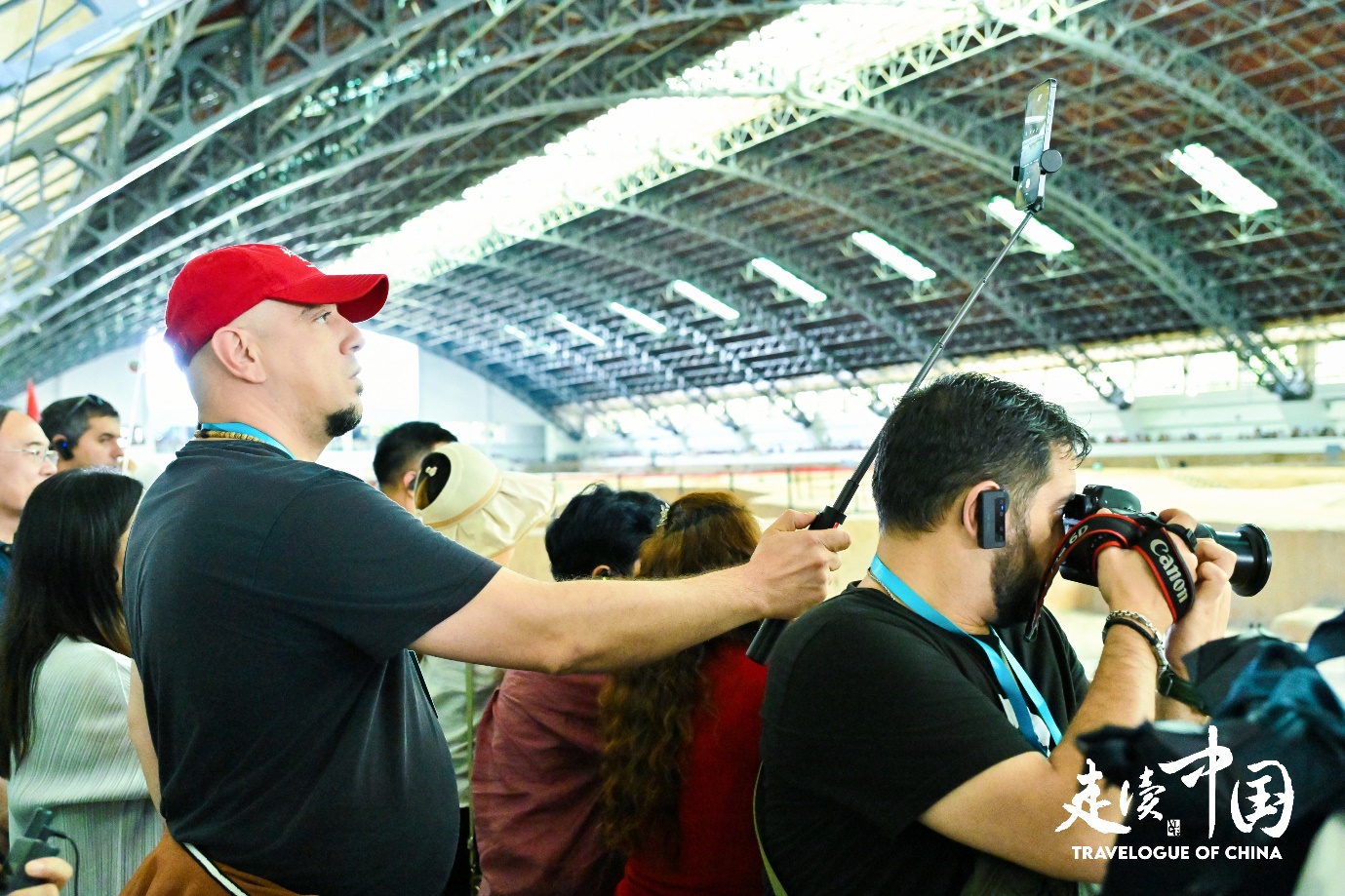
Core Insights - The "Walk Through China" international media exchange project brought journalists from 12 countries to Xi'an, showcasing the integration of cultural heritage protection and tourism innovation in China [1] Group 1: Archaeological Site and Technology - The Qin Shi Huang Mausoleum Museum introduced a "digital museum" using panoramic technology to provide a 200 billion pixel ultra-high-definition image of the Terracotta Army, allowing online 360-degree viewing of the archaeological site [2][4] - Journalists expressed a desire for closer interaction with the Terracotta Army, highlighting the potential for enhanced visitor experiences through technology [2] Group 2: Cultural and Economic Integration - The Great Tang Night City features a chocolate museum that combines Tang Dynasty culinary culture with modern experiences, attracting international visitors [5][7] - The chocolate museum showcases historical scenes through over 3,000 chocolate art installations, enhancing cultural engagement and tourism [5][9] - Visitors' willingness to engage in local cultural experiences, such as purchasing souvenirs and trying unique products, contributes significantly to the local economy [7][9] Group 3: Cultural Heritage and Modernization - Xi'an exemplifies how cultural heritage can interact with modern life, demonstrating "living heritage" through the technological preservation of the Terracotta Army and the innovative expression of traditional culture in the Great Tang Night City [11] - The experiences of foreign journalists in Xi'an reflect China's commitment to cultural preservation and innovation, showcasing the country's cultural confidence and its role in global cultural exchange through initiatives like the Belt and Road [11]
“音乐会+文博展+夜集市”跨界联手 新IP“链”接新业态撬动消费新动能
Yang Shi Wang· 2025-06-21 07:38
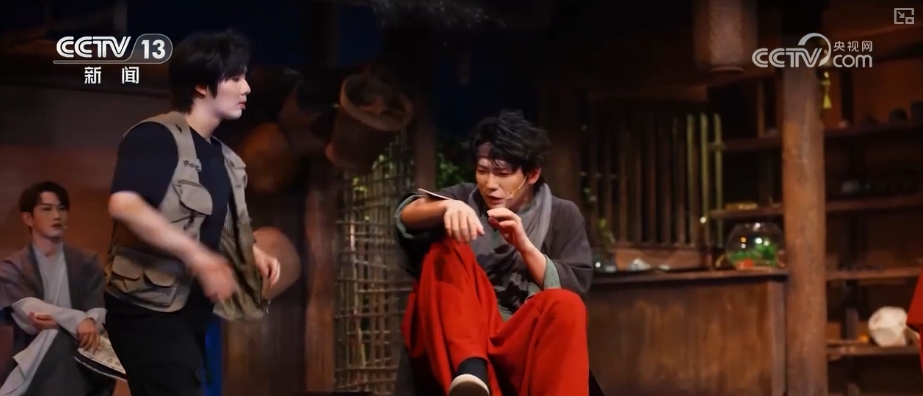
Core Viewpoint - The M511 Light and Shadow Hub in Hangzhou has transformed from a traditional film warehouse into a multifunctional cultural consumption landmark, offering diverse experiences beyond just watching movies [1][4]. Group 1: Venue Transformation - The former Zhejiang Film Company's film warehouse has been renovated over five years into a cultural hub for viewing, drama, exhibitions, and performances, enhancing the summer viewing experience for the public [4]. - Each screening room in the hub is designed for multiple uses, featuring advanced technologies like L-shaped screens and real-time synthesis, allowing for interactive performances that engage the audience [6][8]. Group 2: Technological Integration - The introduction of a digital museum on the first floor allows visitors to use VR glasses to explore cultural scenes, with a guiding system that enables hundreds of visitors to navigate simultaneously without collisions [10]. - The venue incorporates a flexible stage and retractable seating, accommodating various events and linking film with other cultural activities [8]. Group 3: Economic Impact - The integration of night economy elements, such as outdoor music concerts and cultural markets, enriches the overall cultural experience, driving new consumer engagement [14]. - The cinema space has seen a 40.5% increase in box office revenue, and from January to May 2025, operational revenue is projected to grow by 28.6% [17].