
数据中心芯片

Search documents
英伟达将分别向Lumentum、Coherent投资20亿美元,以强化AI处理器业务
Xin Lang Cai Jing· 2026-03-02 14:11
Core Insights - Nvidia is investing $2 billion each in photonics manufacturers Lumentum and Coherent to enhance its data center chips and meet the growing demand for faster AI processors [1][2] - Following the announcement, shares of Lumentum and Coherent rose over 7% in pre-market trading [2] - Nvidia executives stated in a recent earnings call that the company will leverage its substantial cash reserves to invest in the AI ecosystem, aiming to improve model computational output [2] - Photonic technology has become a mainstream solution for chip manufacturers to increase chip speed and meet higher AI inference demands [2] - The collaboration includes Nvidia providing multi-billion dollar procurement commitments and securing future access to advanced laser and optical communication products from both companies [1][2] - These investments will support the related companies in research and development, expansion, and operations, while also promoting domestic manufacturing capabilities in the U.S. [1][2]



台积电(TSM.US)1月营收同比猛增37% AI支出狂潮势头持续
智通财经网· 2026-02-10 07:41
Core Viewpoint - TSMC's January sales growth indicates continued investment in the AI sector despite concerns about a potential bubble, with a year-on-year revenue increase of 37% to NT$401.3 billion (approximately $12.7 billion) [1] Group 1: Company Performance - TSMC's revenue growth exceeded its annual forecast of 30%, highlighting strong demand in the AI-related market [1] - The company is a major beneficiary of the surge in AI-related investments, particularly due to its role in manufacturing advanced AI accelerators for clients like Apple [1] Group 2: Capital Expenditure - TSMC plans to allocate up to $56 billion in capital expenditures this year, a 25% increase compared to 2025, driven by strong demand for data center chips [1] - NVIDIA's CEO referred to the current capital expenditure trend as "a once-in-a-generation infrastructure build," emphasizing the scale of investment in the sector [1] Group 3: Market Concerns - Despite the growth, there are investor concerns regarding the substantial spending by major tech companies like Amazon and Meta Platforms, raising questions about the long-term benefits of AI investments [1] - The cyclical nature of many data center agreements has led to unease among investors who have previously experienced the volatility of the tech industry [1]

AI支出热潮持续!台积电1月销售额同比飙升36.8%
硬AI· 2026-02-10 07:03
Core Viewpoint - The article highlights the strong growth in global artificial intelligence (AI) spending, as evidenced by TSMC's January sales figures, which exceeded expectations and indicate robust demand for AI-related technologies [2][3]. Group 1: TSMC's Financial Performance - TSMC's sales in January reached NT$401.26 billion, representing a year-on-year increase of 36.8% and a month-on-month increase of 19.8% compared to December 2025, surpassing the company's forecasted annual growth of 30% [2][4]. - The strong revenue growth may be influenced by the Lunar New Year holiday, which affected the year-on-year comparison [3]. Group 2: AI Infrastructure Investment - TSMC is positioned as a major beneficiary of the surge in AI investments, particularly due to the high demand for data center chips, leading to a capital expenditure budget of $56 billion for the year, a 25% increase from 2025 [4][8]. - The CEO of NVIDIA referred to the current capital expenditure trend as a "once-in-a-generation infrastructure build," reflecting long-term confidence in AI infrastructure investments within the tech industry [8]. Group 3: Market Sentiment and Concerns - Despite the impressive revenue figures, concerns remain among investors regarding the sustainability of AI spending by major tech companies like Amazon and Meta, raising questions about the profitability of their investments in AI [8]. - There are apprehensions about cyclical trading in data center agreements, as investors remain cautious due to past experiences during technology industry boom-bust cycles [8].


【国际资讯】英飞凌追加5亿欧元扩产
Xin Lang Cai Jing· 2026-02-06 11:25
Group 1 - Infineon plans to invest an additional €500 million (approximately $591.65 million) in capacity expansion this fiscal year, anticipating a two-thirds revenue growth in its AI data center business by 2027 [1][2] - The investment plan for fiscal year 2026 (starting October 1, 2025) has been increased to €2.7 billion, primarily focusing on data center chips [1][2] - The company expects its AI business revenue to reach €1.5 billion this fiscal year and €2.5 billion in the next fiscal year [1][3] Group 2 - Infineon reported first-quarter revenue of €3.66 billion, slightly above analyst expectations of €3.62 billion, with a segment profit margin of 17.9% [3] - Revenue from the power and sensor systems business decreased by 3% quarter-over-quarter to €1.17 billion, but is expected to grow at a rate significantly higher than the group average due to increased demand from data centers [3] Group 3 - On February 3, Infineon announced the acquisition of ams OSRAM's non-optical analog/mixed-signal sensor business for €570 million (approximately ¥4.68 billion), reflecting a trend of resource restructuring among European semiconductor firms [4] - The acquired sensor business primarily serves automotive, industrial, and medical sectors, including applications in medical imaging, sensor interface technology, and high-precision positioning [4]

阿里平头哥IPO!
国芯网· 2026-01-22 11:48
Core Viewpoint - Alibaba is preparing to launch an IPO for its semiconductor manufacturing unit, Pingtouge Semiconductor, which has led to a 4.6% increase in Alibaba's stock price in pre-market trading [2]. Group 1: IPO Preparation - Alibaba plans to restructure Pingtouge Semiconductor into a mixed-ownership enterprise with employee stock ownership before proceeding with the IPO, although a specific timeline has not been established [2][4]. - The potential valuation of Pingtouge Semiconductor is still undetermined as the preparation work is in the early stages [4]. Group 2: Company Background - Pingtouge Semiconductor, established in 2018, is a wholly-owned subsidiary of Alibaba Group, covering the entire chip design process and offering a wide range of products, including data center chips, AI chips, and IoT chips [4]. - In November 2022, Alibaba launched a consumer-facing AI chatbot application based on its flagship Tongyi model, aiming to enhance its competitiveness in the Chinese AI market [4].
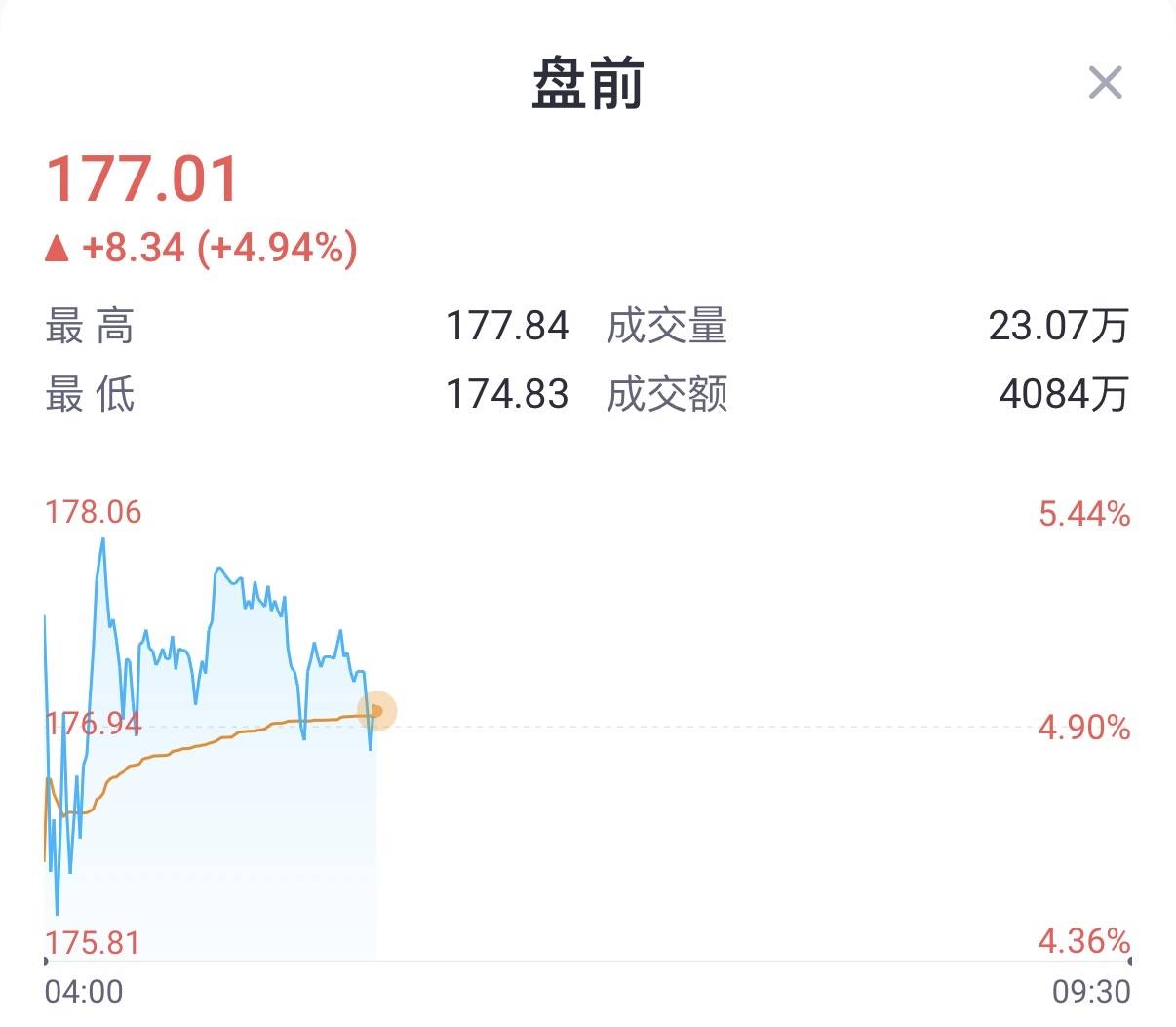
阿里巴巴美股盘前一度涨超5%,有消息称或推平头哥独立上市
Sou Hu Cai Jing· 2026-01-22 11:32
Core Viewpoint - Alibaba's U.S. stock (BABA.US) experienced a pre-market surge of over 5% following reports that the company plans to support the independent listing of its semiconductor subsidiary, Pingtouge, although the specific timeline remains unclear [1]. Group 1: Company Overview - Pingtouge, officially known as Pingtouge (Shanghai) Semiconductor Technology Co., Ltd., is a key player in Alibaba's semiconductor strategy [3]. - Established in 2018, Pingtouge was formed through the integration of Zhongtian Micro System Co., Ltd., acquired by Alibaba, and the chip team from DAMO Academy [3]. - Pingtouge's business encompasses a full-stack product series covering data center chips, IoT chips, and aims to achieve end-to-end design chain coverage for chips [3].

阿里巴巴计划推动旗下AI芯片业务平头哥半导体启动IPO
Xin Lang Cai Jing· 2026-01-22 10:08
Core Viewpoint - Alibaba is preparing to push its semiconductor manufacturing business, Pingtouge Semiconductor, towards an initial public offering (IPO) [1][2]. Group 1: IPO Preparation - Alibaba's stock price rose by 4.6% in pre-market trading following the news of the IPO plans [3]. - As the first step towards the IPO, Alibaba plans to restructure the semiconductor unit into a mixed-ownership enterprise with employee stock ownership before proceeding with the IPO, although a specific timeline has not been established [3]. - Reuters has not yet verified the report, and Alibaba has not responded to requests for comments on the matter [3]. Group 2: Business Overview - The preparations for the IPO are still in the early stages, and the potential valuation of Pingtouge Semiconductor has not yet been determined [4]. - Pingtouge Semiconductor, established in 2018, is a wholly-owned subsidiary of Alibaba Group, covering the entire chip design process and developing a wide range of products, including data center chips, AI chips, and IoT chips [4]. - In November of the same year, Alibaba launched a consumer-facing free AI chatbot application based on its self-developed flagship Tongyi model, completing a significant upgrade to accelerate its competitiveness in the Chinese AI market [4].
CES还是消费电子展吗?中企给出正确答案
Guan Cha Zhe Wang· 2026-01-17 01:40
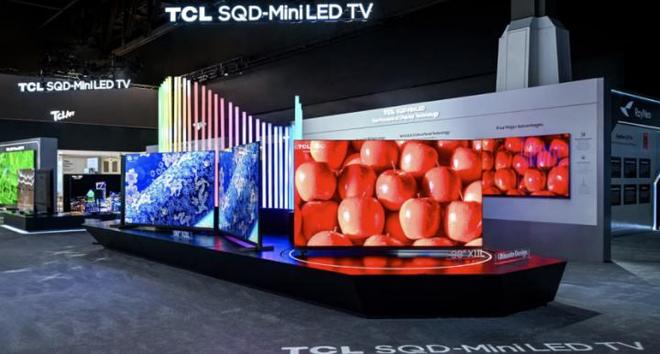
Core Insights - The CES 2026 has shifted from a consumer electronics showcase to a platform dominated by discussions on data centers and AI, primarily led by American tech giants like Nvidia and AMD, while Chinese companies focus on consumer-oriented products [1][2][13] - Nvidia's data center revenue reached $51.25 billion in Q3 2025, a 66% year-over-year increase, highlighting a structural imbalance in focus away from consumer needs [1][15] - Chinese companies like TCL and Hisense showcased tangible consumer products, emphasizing practical applications and user-friendly technology, contrasting with the abstract discussions of their American counterparts [3][4][6][15] Group 1: Industry Trends - The trend of "edge computing" is emphasized by Chinese firms, focusing on local processing power rather than cloud dependency, reflecting a deep understanding of consumer needs [13][14] - The evolution of product forms is evident, with innovations like the Honor ROBOT PHONE and the Stone G-Rover, which address real-life consumer challenges [13][14] - Chinese companies are showcasing products that are ready for mass production and purchase, unlike many Western firms that present conceptual prototypes [14][15] Group 2: Consumer Focus - Chinese enterprises are prioritizing consumer needs, as seen in TCL's and Hisense's product offerings that are accessible and understandable to the average user [3][4][6] - The consumer response to AI PCs has been lukewarm, with many users expressing confusion rather than excitement, indicating a disconnect between tech advancements and consumer expectations [2][12] - The success of products like the Stone G-Rover and the Lenovo Qira demonstrates a shift towards practical, user-friendly technology that resonates with everyday consumers [8][12][15] Group 3: Competitive Landscape - The disparity in focus between American and Chinese companies is evident, with the former leaning towards high-performance computing and the latter addressing everyday consumer problems [1][15] - The CES 2026 highlighted a potential future where American tech firms continue to dominate technical discussions while Chinese companies redefine consumer electronics with practical products [16][17] - The ongoing competition suggests that understanding consumer needs will be crucial for success in the evolving tech landscape, with Chinese firms currently leading in this regard [16][17]




数据中心芯片,要求很高
半导体行业观察· 2026-01-13 01:34
Core Viewpoint - The article emphasizes the critical importance of reliability in data centers, automotive, and aerospace industries, highlighting that failures can lead to significant economic impacts and potential loss of life [1]. Data Center Reliability Standards and Strategies - Cloud service providers operate hundreds of large data centers interconnected by thousands of miles of fiber optics, designed for high reliability with uptime ranging from 99.9% (43 minutes downtime monthly) to 99.999% (26 seconds downtime monthly) [2]. - Redundancy is key in data center design, with systems in place for load transfer and backup components to ensure continuous operation even during failures [2]. - Data centers utilize redundant cooling and power distribution systems to maintain operations during outages, with automatic switches to backup power sources [2]. Semiconductor Reliability Strategies - Data center chips must be designed for high reliability, employing fault-tolerant architectures to mitigate failures [3]. - Error-Correcting Code (ECC) memory is used in CPUs to enhance reliability, with advanced memory types like HBM3 incorporating stronger error correction methods [3]. - NVLink technology allows for low-latency communication between GPUs, with redundancy built into the system to maintain performance during component failures [5]. Component Design for High Reliability - Components are designed to detect early signs of failure and prioritize repairs, with redundancy to quickly identify and address issues [4]. - Modular and hot-swappable designs are encouraged to minimize downtime during component replacements [8]. Mechanical Engineering and Reliability - Mechanical engineering plays a crucial role in data center reliability, with the integration of multiple chips on a substrate posing risks of physical connection failures due to thermal and material differences [9]. - The operational temperature limits for data center components are significantly lower than those for automotive applications, with GPUs and processors designed to operate efficiently within these constraints [10]. Lifespan and Reliability Data - Data centers typically have a shorter lifespan of 5 to 6 years compared to automotive components, necessitating rapid deployment of new technologies [11]. - Extensive reliability data and stress testing are required before deploying new semiconductor components in data centers to ensure low failure rates [11]. Conclusion - High reliability in semiconductor architecture, firmware, and design is essential for success in the data center market, which is currently the largest segment for semiconductors [12].
第一创业晨会纪要-20260107
First Capital Securities· 2026-01-07 05:27
Group 1: Industry Overview - Nvidia's CEO Jensen Huang announced at CES that the revenue from existing and future data center chips is expected to reach approximately $500 billion by the end of 2026, with improved market prospects and partnerships with AI providers like Anthropic likely to raise this forecast [2] - The sodium-ion battery industry is projected to see shipments increase from 3.6 GWh in 2024 to 9 GWh in 2025, representing a year-on-year growth of 150%, with key applications in energy storage and light electric vehicles [6] - The lithium iron phosphate (LFP) sector has confirmed successful price increases of 1,500 to 2,000 CNY per ton for major clients, indicating a shift from tentative price hikes to actual implementations, suggesting a recovery phase for the industry [7] Group 2: Company-Specific Insights - Strong Brain Technology recently completed approximately 2 billion CNY in financing, marking it as the second-largest financing in the brain-computer interface sector after Neuralink, with backing from notable investors [3] - Sanhua Intelligent Controls expects a net profit of 3.874 to 4.649 billion CNY for 2025, reflecting a year-on-year growth of 25% to 50%, driven by its leadership in the refrigeration components industry and strong ties with major automotive clients like Tesla and BYD [9] - New Oriental has integrated the Doubao large model, achieving significant breakthroughs in teaching and operational efficiency, with a 24-fold increase in assignment grading efficiency and an 80% reduction in customer service quality inspection manpower [10]