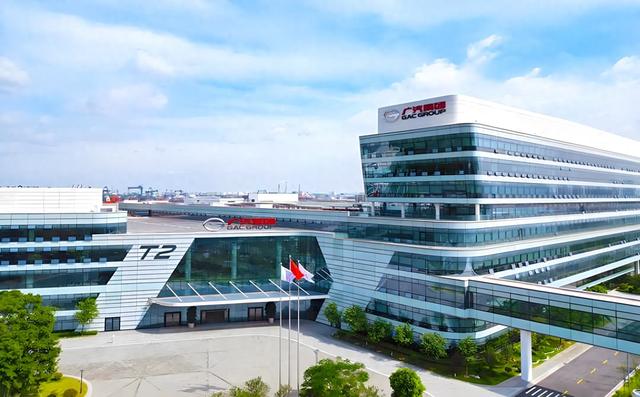
昊铂

Search documents
2026年全国两会开幕在即,广汽集团调研行走进肇庆四会
Jin Rong Jie· 2026-03-03 07:10
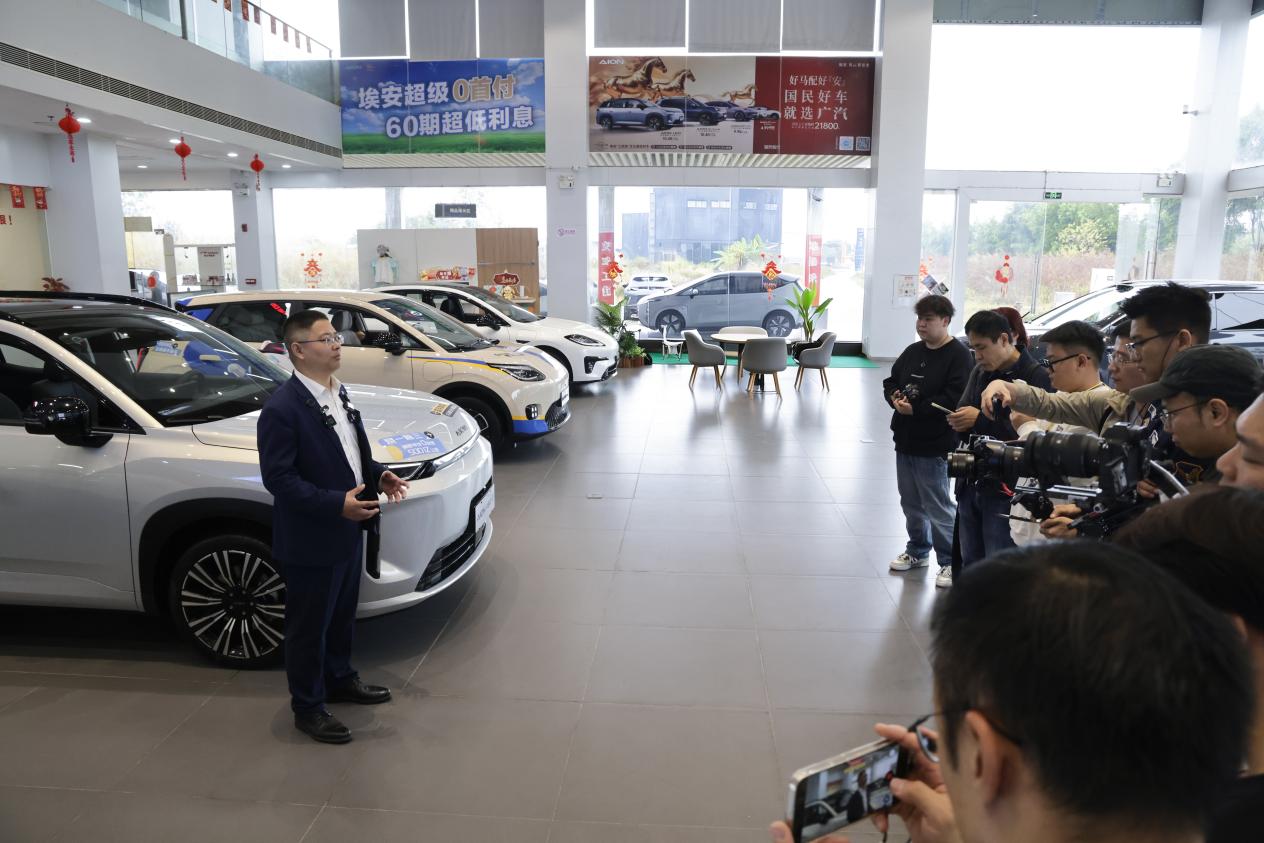
Group 1 - The 2026 National Two Sessions will open on March 5 in Beijing, with GAC Group's Chairman Feng Xingya attending to propose suggestions for the high-quality development of the automotive industry and the construction of a strong automotive nation [1] - GAC Group is focusing on the rural new energy market as a core engine for the green transformation of China's automotive industry, driven by the national "Rural Revitalization" strategy and the comprehensive rollout of new energy vehicles in rural areas [2][5] - GAC Group's comprehensive sales service center in Zhaoqing, Siwei, is a strategic location for the company to penetrate county-level markets, addressing consumer preferences and operational challenges through direct engagement with sales staff and customers [5][7] Group 2 - GAC Group has launched a comprehensive sales service center model to efficiently connect with end-users in county markets, facilitating a "one-stop comparison and purchase" experience for consumers [5][10] - The company plans to add 600 full-brand experience stores by mid-2026, aiming for over 90% coverage of county markets, enhancing access to quality products and services for more users [10] - GAC is developing a complete "26 Energy Action" ecosystem service system, with over 24,000 self-operated charging piles by the end of 2025, leading in the number of DC fast charging stations among Chinese automakers [10][12]


1月乘用车市场销量分析:开年遇冷呈短期波动 合资表现相对稳健
Zhong Guo Zhi Liang Xin Wen Wang· 2026-02-25 03:22
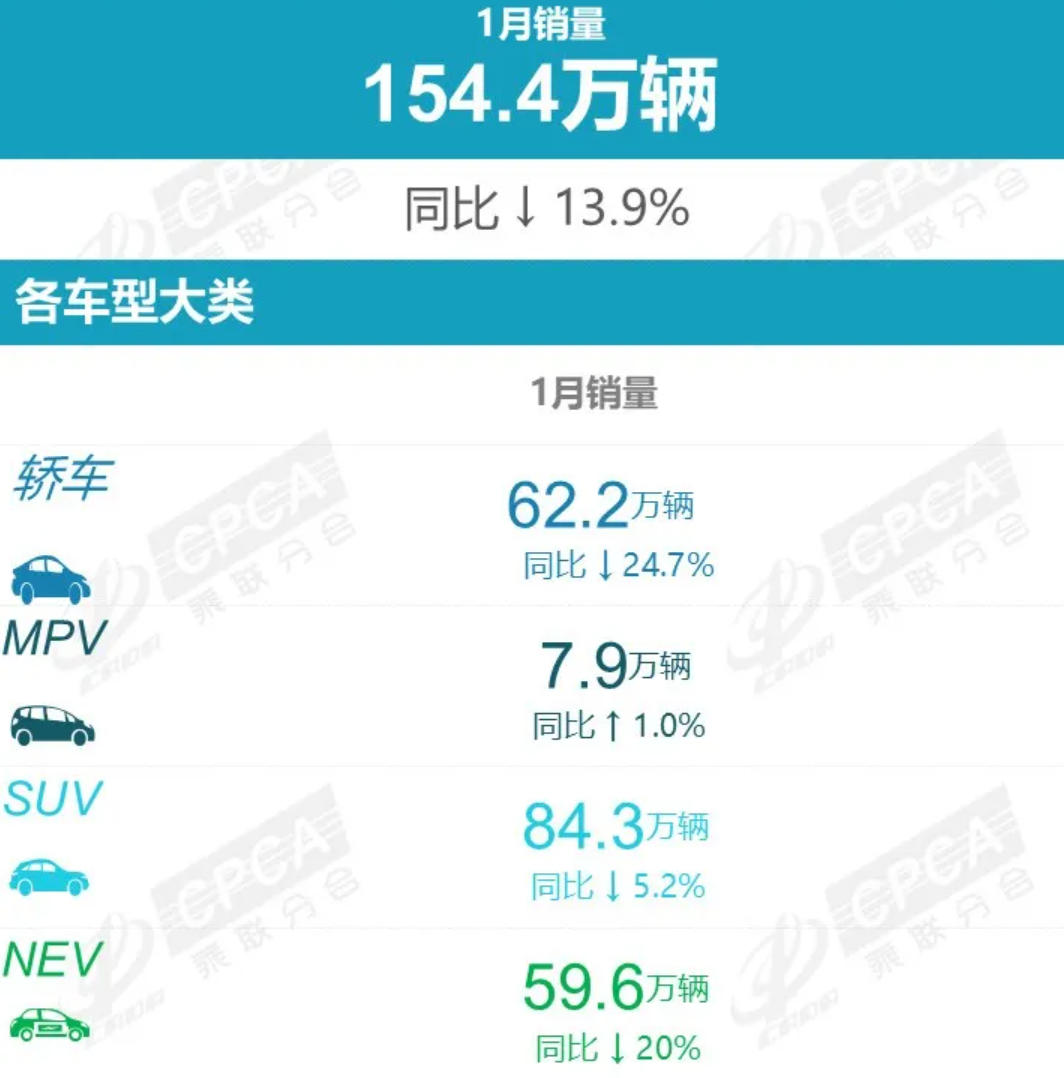
Core Viewpoint - The domestic passenger car market in China experienced a significant decline in January 2026, with retail sales dropping by 13.9% year-on-year to 1.544 million units, influenced by policy adjustments and consumer demand exhaustion [1]. Market Performance Summary - The overall retail sales of narrow passenger cars in January reached 1.544 million units, a year-on-year decrease of 13.9% [1]. - The sedan market saw the most substantial decline, with sales of 622,000 units, down 24.7% year-on-year [3]. - The SUV market, while also under pressure, performed better than sedans, with sales of 843,000 units, down 5.2% year-on-year [3]. - The MPV market showed a slight increase of 1.0%, reaching 79,000 units [3]. - The new energy vehicle (NEV) market faced a significant drop, with sales of 596,000 units, down 20.0% year-on-year, attributed to the end of the tax exemption policy [3]. Brand Performance Summary - Domestic brands faced considerable pressure, with retail sales of 890,000 units in January, down 18% year-on-year, and a market share of 57.5%, a decrease of 3.5 percentage points [4]. - In contrast, joint venture brands showed relative stability, with retail sales of 470,000 units, down 4% year-on-year, significantly less than domestic brands [5]. - Luxury car sales totaled 180,000 units, down 15% year-on-year, with a market share of 11.6%, a decline of 0.5 percentage points [5]. Key Players in the Market - Leading domestic brands such as Geely, BYD, Changan, and Chery all experienced declines, with BYD's sales dropping by 53% [7]. - In the joint venture sector, FAW-Volkswagen sold 132,300 units, down 3.5%, while Toyota brands showed positive growth, with FAW Toyota and GAC Toyota achieving year-on-year increases of 8.3% and 0.3%, respectively [9]. - The top ten sales list included Hongmeng Zhixing and Brilliance BMW, with Hongmeng Zhixing achieving a remarkable 65.5% year-on-year growth, selling 57,915 units [10][12]. New Energy Vehicle Market Insights - BYD maintained its position as the leading NEV manufacturer with sales of 94,176 units, but experienced a significant year-on-year decline of 53% [13]. - Geely followed closely with sales of 92,135 units, down 21.6% [12]. - Notable performers included Xiaomi Auto, which saw a 70.3% increase in sales, reaching 39,002 units, and NIO, which grew by 95.2% to 27,061 units [15][17]. Future Market Outlook - The passenger car market is expected to enter a low point in February 2026 due to the seasonal impact of the Spring Festival, with sales likely to remain subdued [17]. - However, the introduction of trade-in policies in some regions may lead to a recovery in the market post-Spring Festival [17].
广汽集团:2026年1月,公司自主品牌实现海外销量同比增长68.59%
Zheng Quan Ri Bao· 2026-02-24 12:44
Group 1 - The core viewpoint of the article highlights GAC Group's commitment to expanding its overseas market presence, aiming for significant growth in sales of its self-owned brands by 2026 [1] - GAC Group's overseas terminal sales for self-owned brands, including Haobo, Aion, and Trumpchi, are projected to reach nearly 130,000 units in 2025, representing a year-on-year increase of 47% [1] - The company has set an annual sales target for its self-owned brands overseas at "ensuring 250,000 units and striving for 300,000 units" by 2026 [1] Group 2 - In January 2026, GAC Group's self-owned brands achieved an overseas sales growth of 68.59% year-on-year [1]
广汽集团转型阵痛罕见预亏80亿到90亿 冯兴亚再提“三大战役”全力突围
Chang Jiang Shang Bao· 2026-02-02 00:45
Core Viewpoint - GAC Group is facing significant challenges in its transformation, resulting in an unprecedented annual loss for the first time in nearly 20 years, with projected net losses of 8 billion to 9 billion yuan for 2025 [2][3]. Financial Performance - For 2025, GAC Group anticipates a net profit attributable to shareholders of -80 billion to -90 billion yuan, marking a shift from profit to loss year-on-year [3]. - The company expects a non-recurring net profit of -89 billion to -99 billion yuan, indicating a substantial increase in losses compared to previous years [3]. - In the first three quarters of 2025, GAC Group reported a net profit attributable to shareholders of -43.12 billion yuan and a non-recurring net profit of -47.75 billion yuan [4]. - The fourth quarter is projected to see losses close to the sum of the first three quarters, with net profit estimates ranging from -36.88 billion to -46.88 billion yuan [5]. Sales Performance - GAC Group's total vehicle sales for 2025 are estimated at approximately 1.72 million units, a decline of 14.06% year-on-year, falling short of the 2.3 million sales target [9][6]. - The company has experienced a continuous decline in sales, with 2023 and 2024 revenues reported at 129.7 billion yuan and 107.8 billion yuan, respectively, reflecting changes of -17.62% and -16.90% [6]. Strategic Initiatives - GAC Group initiated the "Panyu Action" in November 2024, focusing on operational reforms, including the establishment of a management headquarters and integrated operations for its self-owned brands [10]. - The company is entering a "wartime state" to tackle future challenges, emphasizing three key battles: user demand, product value, and service experience [11]. - Recent personnel changes include the appointment of a new general manager and a chief accountant, with a focus on enhancing efficiency and decision-making processes [12]. Future Outlook - GAC Group's transformation efforts are expected to improve operational efficiency by approximately 50%, with a reduction in new vehicle development cycles from 26 months to 18-21 months [12]. - The company is deepening its collaboration with Huawei to accelerate the smart transformation of the automotive industry [12]. - The automotive industry is undergoing rapid changes, with GAC Group's performance in 2026 being closely watched for signs of recovery and competitiveness in the global market [14].
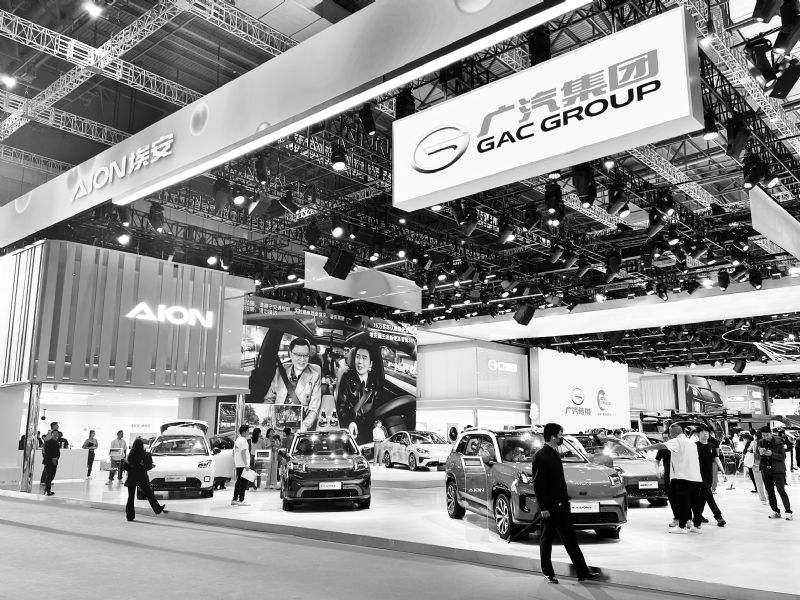
昊铂埃安告别舒适区
Hua Er Jie Jian Wen· 2026-02-01 05:56
Core Viewpoint - The Chinese electric vehicle market is facing challenges in early 2026 due to the reduction of purchase tax incentives and seasonal fluctuations, leading to anxiety within the industry. However, GAC Aion's BU reported a significant sales increase of 63.9% year-on-year in January, indicating potential resilience and growth opportunities in the sector [1]. Group 1: Company Strategy and Goals - GAC Aion BU plans to launch at least five new models in 2026 and aims to introduce no fewer than 30 new and updated models over the next 2-3 years [1]. - The goal for GAC Group is to achieve over 2 million units in sales for its self-owned brands by 2030, with Aion expected to contribute significantly, targeting over 1 million units [1]. - The establishment of Aion BU is seen as a core engine for GAC's breakthrough in the new energy vehicle sector, necessitating a departure from its "comfort zone" [1]. Group 2: Organizational Changes - The formation of Aion BU represents a strategic integration within GAC, aiming to eliminate internal resource competition and enhance collaboration across research, marketing, and distribution [2]. - The initial sales rebound in January is attributed to the organizational benefits of this integration, which has shortened decision-making chains and improved responsiveness to market changes [2]. Group 3: Channel Integration - As of the end of January, Aion and Haobo have completed the integration and upgrade of 254 service outlets across 147 cities, transitioning from independent high-end showrooms to combined "Aion + Haobo" service centers [3]. - This integration allows dealers to leverage Aion's existing customer base, improving cash flow and operational efficiency, which is deemed more practical than maintaining a high-end brand image [3]. Group 4: Product Development and Marketing - Aion BU's collaboration with Huawei is a significant development, with plans to launch smart models co-created with Huawei, addressing gaps in intelligent driving technology [4]. - Aion is shifting its marketing strategy to focus on local engagement, exemplified by partnerships with regional sports teams, aiming to connect with consumers in lower-tier cities [4]. - The overseas market has shown promising growth, with a reported 17.2% increase in sales in 2025, indicating potential for expansion beyond domestic markets [4]. Group 5: Challenges Ahead - Aion BU faces the challenge of maintaining product competitiveness while navigating the complexities of brand positioning between Aion and Haobo [5]. - The company must continue to convert organizational reforms into tangible competitive advantages in a highly competitive market environment [5].
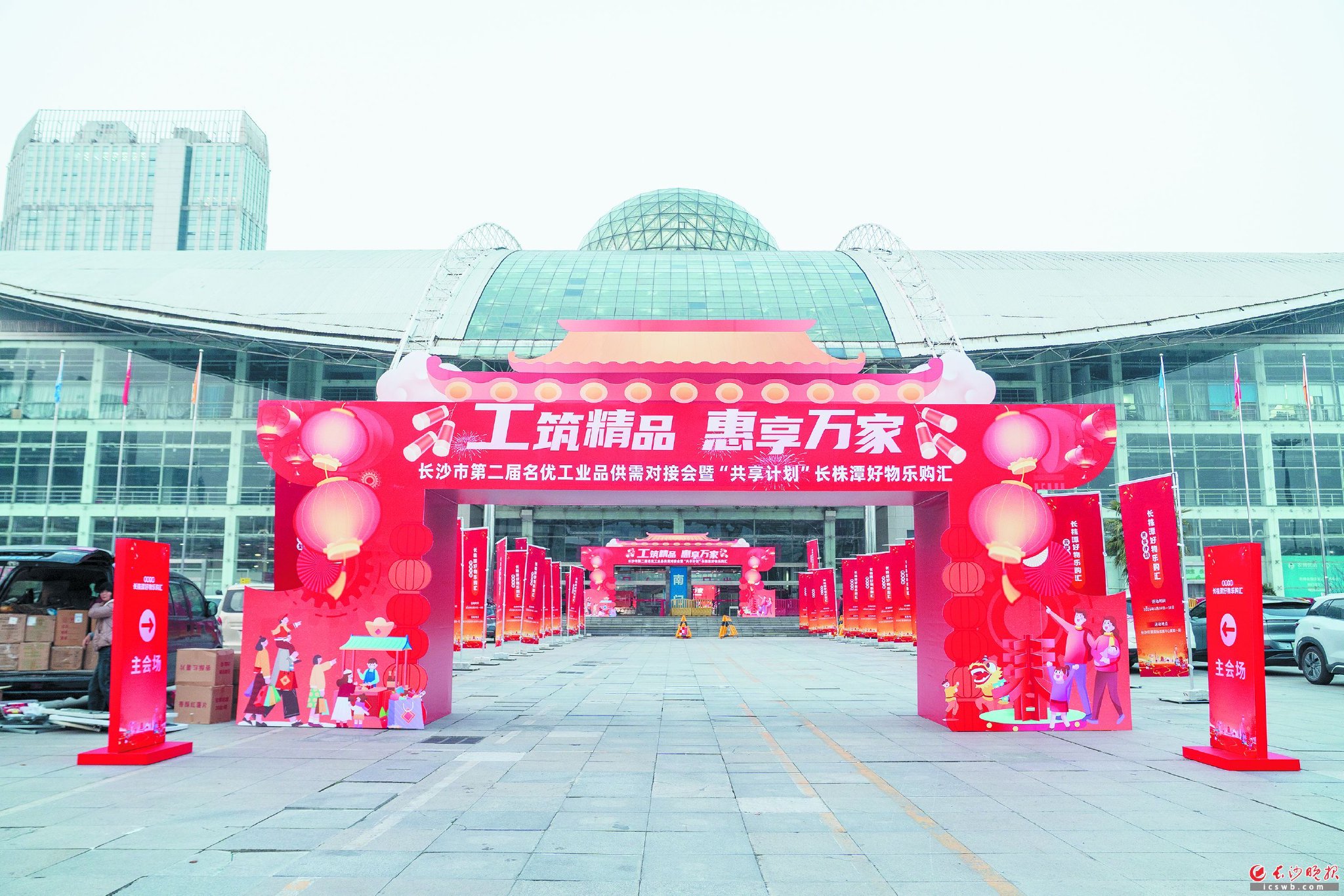
长株潭好物乐购汇今日在长沙红星国际会展中心启幕,记者提前探营解锁展会亮点
Chang Sha Wan Bao· 2026-01-15 23:53
Core Insights - The "Shared Plan" Changzhutan Good Goods Shopping Fair is set to take place from January 16 for three days at the Changsha Hongxing International Exhibition Center, featuring over 180 local brands across various consumer sectors [2] Group 1: Event Overview - The event aims to provide a one-stop shopping experience for consumers, showcasing products from automotive, home appliances, food, pharmaceuticals, and health supplements [2] - The exhibition is a continuation of the first Changsha Industrial Products Supply and Demand Matching Conference and "Shared Plan" New Year Carnival held in January 2025 [4] Group 2: New Technologies and Innovations - New entrants in the robotics sector, such as Hunan Boji Life Technology Co., Ltd. and Changsha Youlong Robot Co., Ltd., are showcasing innovations like the "flexible exoskeleton robot" aimed at assisting the elderly [4] - The exhibition features over ten new energy vehicles from major manufacturers like BYD, SAIC Volkswagen, and GAC Aion, providing consumers with a variety of choices for the New Year [5] Group 3: Consumer Benefits and Discounts - The fair is designed to offer exclusive discounts to consumers, with many products available at special event prices [7] - For example, a 5-kilogram package of rice from Huaming Grain and Oil, normally priced at 99 yuan, is offered at a group purchase price of 66 yuan, representing a significant discount [8] - The event emphasizes local manufacturing and direct supply, ensuring quality and affordability for consumers as they prepare for the upcoming Spring Festival [8]
广汽集团接待15家机构调研,包括淡水泉、个人投资者、才誉资产、OPTIMAS CAPITAL等
Jin Rong Jie· 2026-01-09 12:48
Core Viewpoint - GAC Group's recent investor meeting highlighted its production and sales targets for the second half of 2025, new vehicle launches, competitive pricing strategies, and ongoing strategic reforms aimed at enhancing operational efficiency and market competitiveness [1][2][3]. Group 1: Production and Sales Targets - The company discussed its production and sales goals for the second half of 2025, including monthly production plans and key measures to ensure target achievement [3]. - Key drivers and strategies for meeting annual targets were evaluated, focusing on the impact of pricing competition on key models and overall profitability [3][4]. Group 2: New Vehicle Launches - Plans for new vehicle launches from the second half of 2025 to early 2026 were outlined, detailing the positioning and expected sales contributions of both new and updated models [3][4]. Group 3: Strategic Reforms and Initiatives - The meeting assessed the progress of the integrated strategic reforms and the "Panyu Action Plan," including the effectiveness of the operational guidelines of "stabilizing joint ventures, strengthening independence, and expanding ecosystems" [3][4]. - The company clarified the differentiated strategies for its independent brands (Trumpchi, Aion, and Haobo) and their collaborative development paths [4]. Group 4: Cost Reduction and Efficiency Measures - The company shared its cost reduction and efficiency enhancement measures across the entire value chain, including R&D, procurement, manufacturing, and operations [3][4]. - Insights into industry competition trends and responses in product pricing and sales policies were also discussed [4]. Group 5: New Energy Brand and Market Expansion - The strategic positioning and operational progress of the new energy brand "Qijing Automobile" were elaborated, including its first product launch plan and independent operational framework [3][4]. - The company also addressed its overseas sales targets, market expansion strategies, and international operational capabilities [2][5]. Group 6: Advanced Technology Projects - R&D progress on forward-looking technology projects such as flying cars and humanoid robots was presented, along with their potential applications and synergies with core business operations [2][5]. Group 7: Investor Relations and Market Management - The company outlined its focus on market capitalization management, investor communication enhancements, and considerations for shareholder return policies [2][5]. Group 8: Supply Chain and Financial Support - Measures to support the financial health of supply chain partners, including supply chain finance and dealer policy stability, were discussed [2][5].
广汽集团接待3家机构调研,包括淡水泉、新华资产、华夏基金等
Jin Rong Jie· 2026-01-09 12:48
Core Viewpoint - GAC Group disclosed its research meeting on January 9, 2026, highlighting its production and sales targets for the second half of 2025 and early 2026, along with strategic initiatives and new product launches [1][2]. Group 1: Production and Sales Targets - The company discussed its production and sales targets for the second half of 2025, including monthly production plans and key measures to ensure target achievement [3]. - Key factors influencing the completion of annual targets and the company's response strategies were outlined [3]. Group 2: New Vehicle Launch Plans - Plans for new vehicle launches from the second half of 2025 to early 2026 were presented, detailing the positioning and core technology highlights of new and updated models [3][4]. Group 3: Strategic Reforms and Initiatives - An evaluation of the phase results of the integrated strategic reform and the progress of the three-year "Panyu Action Plan" were discussed, along with next steps [3][4]. - The implementation and effectiveness of the annual operational guidelines of "stabilizing joint ventures, strengthening independence, and expanding ecology" were summarized [3]. Group 4: Competitive Landscape and Cost Reduction - The impact of price competition on key models and overall profitability was analyzed, along with the company's cost reduction and efficiency improvement measures across the entire value chain [3][4]. - Insights into industry competition trends and strategies for new product pricing and sales policies were shared [3]. Group 5: New Energy Brand Development - The strategic positioning, product planning, and operational progress of the new energy brand "Qijing Automobile" were elaborated, including its role within the group and market objectives [3][4]. Group 6: Autonomous Brands Strategy - The differentiation strategy and collaborative development paths for the company's autonomous brands (GAC Motor, Aion, and Haobo) were clarified, including brand positioning and target markets [4]. Group 7: Joint Venture Business Transformation - The deepening transformation of joint venture businesses and progress in localization innovation were discussed, including new model launch rhythms and supply chain optimization [4][5]. Group 8: Intelligent Driving Technology - Progress in self-developed advanced intelligent driving systems, production plans, and external cooperation strategies were highlighted [4][5]. Group 9: International Sales and Market Expansion - The progress towards achieving overseas sales targets and strategies for expanding into key markets were shared, including localization efforts and brand service system planning [5]. Group 10: Forward-looking Technology Projects - Updates on forward-looking technology projects such as flying cars and humanoid robots were provided, including their potential applications and synergies with core business [5]. Group 11: Market Value Management - The company's focus on market value management, investor communication enhancements, and considerations for shareholder return policies were discussed [5]. Group 12: Supply Chain Support Measures - Measures to support the financial health of supply chain partners, including supply chain finance and dealer policy stability, were introduced [5].
冯兴亚:10年后全球前十车企中至少3家是中国企业
Xin Jing Bao· 2025-12-30 04:10
Core Insights - The article discusses the upcoming five-year plan for China's economy, emphasizing the need for stability and quality improvement in economic work for 2026, as the "14th Five-Year Plan" concludes and the "15th Five-Year Plan" begins [1] Group 1: Economic Outlook - The Central Economic Work Conference highlighted the importance of maintaining stability while pursuing progress, focusing on employment, enterprises, markets, and expectations to achieve effective quality improvement and reasonable quantitative growth [1] - The automotive industry is expected to undergo significant restructuring, with competition shifting from single product competition to ecosystem competition during the "15th Five-Year Plan" [2] Group 2: Automotive Industry Trends - The introduction of L3 conditional autonomous driving vehicle permits marks a transition from testing to commercial operation, indicating a critical step for China's smart automotive industry [3] - The automotive sector is predicted to evolve into technology-driven mobility service platforms, with at least three Chinese car manufacturers expected to enter the global top ten within the next decade [2][7] Group 3: Innovation and Technology - Key challenges for L3 autonomous driving include the need for improved regulations, insurance systems, and infrastructure, which are essential for successful market entry [4] - The automotive industry is experiencing a shift from hardware-defined to AI-defined vehicles, enhancing user experience and product value through AI integration [11] Group 4: Company Strategy - GAC Group aims to transform into a user and technology-driven organization, focusing on new technologies, products, services, and ecosystems to meet evolving consumer demands [8] - The "Panyu Action" initiative has led to significant organizational restructuring and a competitive atmosphere within GAC, enhancing project engagement and operational efficiency [9] Group 5: Competitive Landscape - The automotive industry is undergoing a profound transformation characterized by deep industry changes, rapid technological iterations, and evolving management processes, necessitating a shift from traditional manufacturing to user-driven approaches [10] - Companies must develop core technologies while maintaining manufacturing quality and fostering open collaboration to build sustainable competitive advantages [10]
广汽集团启动自主品牌BU改革 昊铂埃安品牌渠道融合运营
Bei Jing Ri Bao Ke Hu Duan· 2025-12-20 07:07
Core Viewpoint - GAC Group is initiating a reform plan called "Panyu Action," focusing on the establishment of autonomous brand business units (BUs) to enhance internal resource integration and channel operation [1][3] Group 1: Reform Initiatives - The Haobo and Aion BUs have been established to maximize resource synergy and improve organizational management efficiency [3] - The Haobo brand will focus on the high-end market as "elite vehicles," while the Aion brand targets the mass market as "people's good cars" [3] Group 2: Channel Integration - The integration of sales channels for Haobo and Aion brands will occur in phases, with the first phase set to announce sales and service points by January 31, 2026, covering over 30 cities [3] - By March 31, 2026, a complete channel integration is expected, resulting in over 1,000 sales points and 100% coverage in cities above the fourth tier [3] Group 3: Service Network Expansion - The service network for Haobo is projected to grow from 200 to 1,000 locations, addressing service convenience issues for users [3] - Aion users will benefit from a wider range of product options, catering to their upgrading vehicle needs [3]