
昊铂SSR

Search documents
广汽集团(02238) - 海外监管公告
2026-03-29 10:46
香港交易及結算所有限公司及香港聯合交易所有限公司對本公告的內容概不負責,對其準確性或完整 性亦不發表任何聲明,並明確表示,概不對因本公告全部或任何部分內容而產生或因依賴該等內容而 引致的任何損失承擔任何責任。 GUANGZHOU AUTOMOBILE GROUP CO., LTD. 廣州汽車集團股份有限公司 ( 於中華人民共和國註冊成立的股份有限公司 ) (股份編號: 2238) 海外監管公告 本公告乃廣州汽車集團股份有限公司(「本公司」)按香港聯合交易所有限公司證券上市規 則第 13.10B 條發出。 以下文件乃本公司於二零二六年三月二十七日在中華人民共和國上海證券交易所網頁登載, 僅供參閱。 承董事會命 廣州汽車集團股份有限公司 馮興亞 董事長 中國廣州,二零二六年三月二十七日 於本公告日期,本公司的執行董事為馮興亞及閤先慶,本公司的非執行董事為陳小沐、鄧蕾、 周開荃、王亦偉及洪素麗,以及本公司的獨立非執行董事為趙福全、肖勝方、王克勤及宋鐵波。 1. 《廣州汽車集團股份有限公司 2025 年年度報告摘要》 2. 《廣州汽車集團股份有限公司 2025 年年度報告》 3. 《廣州汽車集團股份有限公司 2025 ...
“投入不设上限”成空谈! 昊铂销量崩盘,广汽高端梦碎 | 次世代车研所
Xin Lang Cai Jing· 2025-12-25 01:15
Core Viewpoint - GAC Group's high-end brand Haobo is struggling to meet sales targets, leading to its merger with Aion, indicating a setback in its ambition to become a leading high-end brand in China [2][5][10]. Sales Performance - Haobo's cumulative sales for 2024 are projected at 17,300 units, achieving only 34.6% of its target of 50,000 units [5][8]. - Monthly sales have remained around 1,000 units, with some months reporting zero sales for the Haobo SSR supercar [2][8]. - In the first eleven months of this year, Haobo's total sales reached 13,800 units, which is lower than the monthly sales of mainstream new energy vehicle brands [8]. Strategic Changes - GAC Group announced the formation of the Haobo-Aion Business Unit, merging the two brands for unified operations, with a complete channel integration planned by March 31, 2026 [5][10]. - The merger is seen as a strategic retreat to consolidate resources and reduce costs, as Haobo's performance did not meet expectations [6][10]. Market Challenges - The high-end market is facing intense competition, particularly in the 100,000 to 200,000 yuan segment, where Aion's main models are being directly challenged by competitors like BYD and XPeng [10]. - Haobo lacks distinct technological advantages and a direct sales network, leading consumers to perceive it as a premium version of Aion rather than a standalone high-end brand [10][12]. Brand Image Issues - Haobo has faced multiple marketing crises, including public criticism from sponsored athletes and negative publicity from product experiences, which have damaged its brand image [12][14]. - The brand has also resorted to significant price reductions on several models, indicating struggles to maintain its premium positioning [14][15]. Future Prospects - GAC Group is prioritizing the new high-end smart electric vehicle brand "Qijing," developed in collaboration with Huawei, which is expected to launch two new models in mid-2024 [17][19]. - The success of Qijing may determine GAC's ability to establish a foothold in the high-end market, raising questions about Haobo's future role [19].


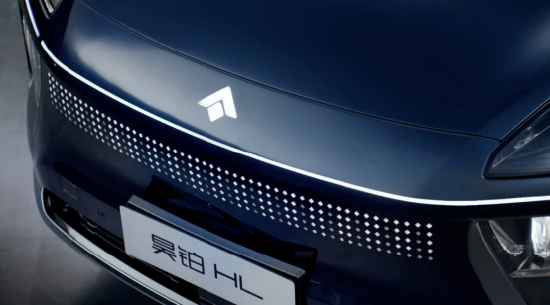
「投入不设上限」成空谈!昊铂销量崩盘,广汽高端梦碎
Xin Lang Ke Ji· 2025-12-25 00:41
Core Viewpoint - The GAC Group's high-end brand, Haobo, is struggling and has been merged with Aion, indicating a shift in focus towards the new brand, Qijing, which is expected to receive more resources and attention [2][5][16]. Group 1: Sales Performance - Haobo's sales performance has been disappointing, with a cumulative sales target of 50,000 units for 2024 only achieving 34% completion, translating to 17,300 units [2][7]. - Monthly sales for Haobo have been around 1,000 units, with some months reporting zero sales for specific models like the Haobo SSR [1][8]. - The recent launch of the Haobo GT Lite version saw a price reduction of 25,000 yuan within two months, indicating weak market demand [1][15]. Group 2: Strategic Changes - GAC Group has decided to merge Haobo with Aion into the same business unit, which is seen as a strategic retreat to consolidate resources and reduce costs [2][7]. - The merger aims to streamline operations and improve efficiency by integrating channels and resources between the two brands, with a complete integration planned by March 31, 2026 [2][9]. - The decision to merge is also influenced by the need to stop losses and refocus on core competencies, as Haobo's independent operations have not yielded the expected results [7][9]. Group 3: Market Positioning - Haobo is positioned as a high-end brand but struggles to differentiate itself in the competitive market, particularly against established players like BYD and XPeng [7][11]. - The brand's identity is perceived as fragmented, with a significant price gap between its high-end models and more affordable offerings, leading to consumer confusion [11][12]. - The launch of Qijing, a new high-end smart electric vehicle brand in collaboration with Huawei, suggests a strategic pivot for GAC Group towards a more competitive high-end market segment [15][16].
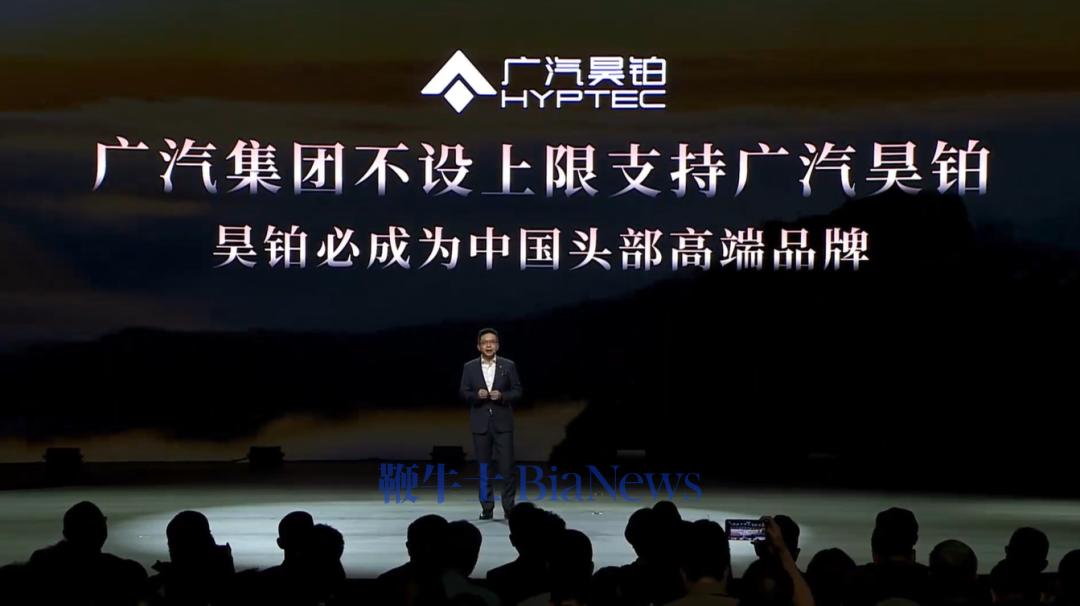
“投入不设上限”成空谈,昊铂销量崩盘,广汽高端梦碎
Xin Lang Ke Ji· 2025-12-25 00:31
Core Viewpoint - GAC Group's high-end brand Haobo has faced significant challenges, leading to its merger with Aion, indicating a failure in achieving high-end market aspirations and a shift in focus towards the new brand Qijing [1][3][11] Sales Performance - Haobo's cumulative sales for 2024 are projected at 17,300 units, achieving only 34% of its target of 50,000 units [1][6] - Monthly sales have remained around 1,000 units, with some months reporting zero sales for key models like the Haobo SSR [1][6] - In the first eleven months of this year, Haobo's total sales reached 13,800 units, which is lower than the monthly sales of mainstream new energy brands [6] Strategic Changes - GAC Group announced the integration of Haobo and Aion into the same business unit, with plans for full channel integration by March 31, 2026 [3][4] - The decision to merge is seen as a strategy to cut losses and focus resources, as Haobo's performance did not meet expectations [4][7] Market Challenges - Both Haobo and Aion are experiencing declining sales, attributed to external market conditions and internal operational issues [7] - The high-end market segment for Haobo lacks differentiation and a direct sales network, leading consumers to perceive it as a premium version of Aion [7][9] Brand Image Issues - Haobo has faced multiple marketing crises, damaging its brand image and product credibility [8] - Recent incidents involving public figures criticizing the brand have further contributed to negative perceptions [8] Future Prospects - GAC Group is prioritizing the new high-end brand Qijing, developed in collaboration with Huawei, which is expected to target the market above 300,000 yuan [11][12] - The success of Qijing's upcoming models will be crucial for GAC Group's position in the high-end market [12]
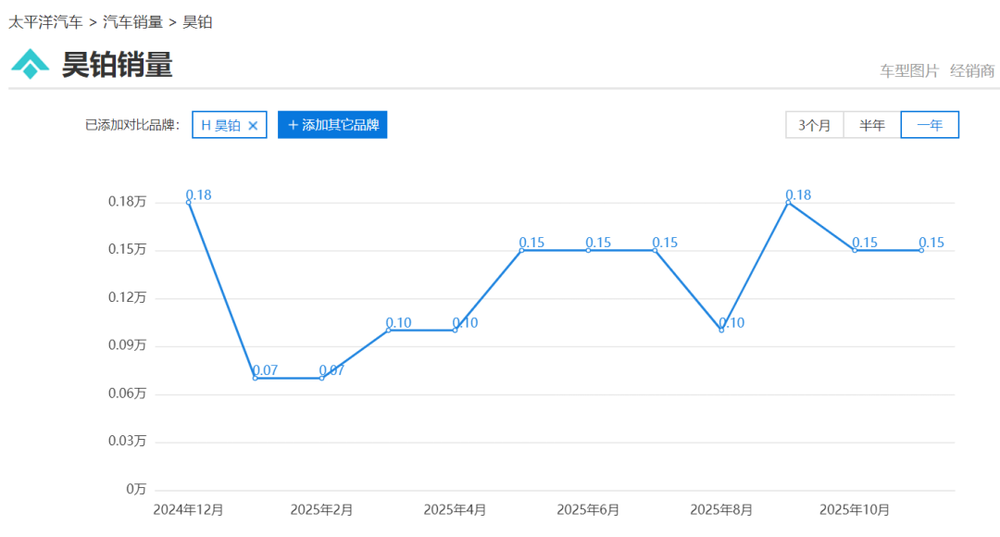
「投入不设上限」成空谈!昊铂销量崩盘,广汽高端梦碎 | 次世代车研所
Xin Lang Ke Ji· 2025-12-25 00:24
Core Viewpoint - GAC Group's high-end brand Haobo is struggling to meet sales targets, leading to its merger with Aion, indicating a setback in its high-end market ambitions [4][5][10]. Group 1: Sales Performance - Haobo's cumulative sales for 2024 are projected at 17,300 units, achieving only 34% of its target of 50,000 units [5][7]. - Monthly sales have remained around 1,000 units, with some months reporting zero sales for the Haobo SSR supercar [6][10]. - In the first eleven months of this year, Haobo's total sales reached 13,800 units, which is lower than the monthly sales of mainstream new energy vehicle brands [7]. Group 2: Strategic Changes - GAC Group announced the integration of Haobo and Aion into the same business unit, with plans for full channel integration by March 31, 2026 [4][5]. - The merger is seen as a strategic retreat to consolidate resources and reduce costs, as Haobo's performance did not meet expectations [5][8]. - The decision reflects a shift in focus towards the new high-end brand "Qijing," developed in collaboration with Huawei, which is expected to target the market above 300,000 yuan [13][15]. Group 3: Market Challenges - Both Haobo and Aion are facing declining sales due to increased competition in the 100,000 to 200,000 yuan electric vehicle market and a lack of differentiation in the high-end segment [8]. - Haobo's brand perception is weakened as consumers view it as a more expensive version of Aion, lacking unique selling points [8][10]. - The integration of the two brands raises concerns among Haobo owners regarding service quality and brand identity [5][11]. Group 4: Pricing and Promotions - Haobo has been forced to reduce prices on several models, including the Haobo GT, which saw a price drop of 25,000 yuan shortly after its launch [10][12]. - The pricing strategy has led to consumer skepticism, with some referring to purchasing Haobo vehicles at original prices as unwise [12].
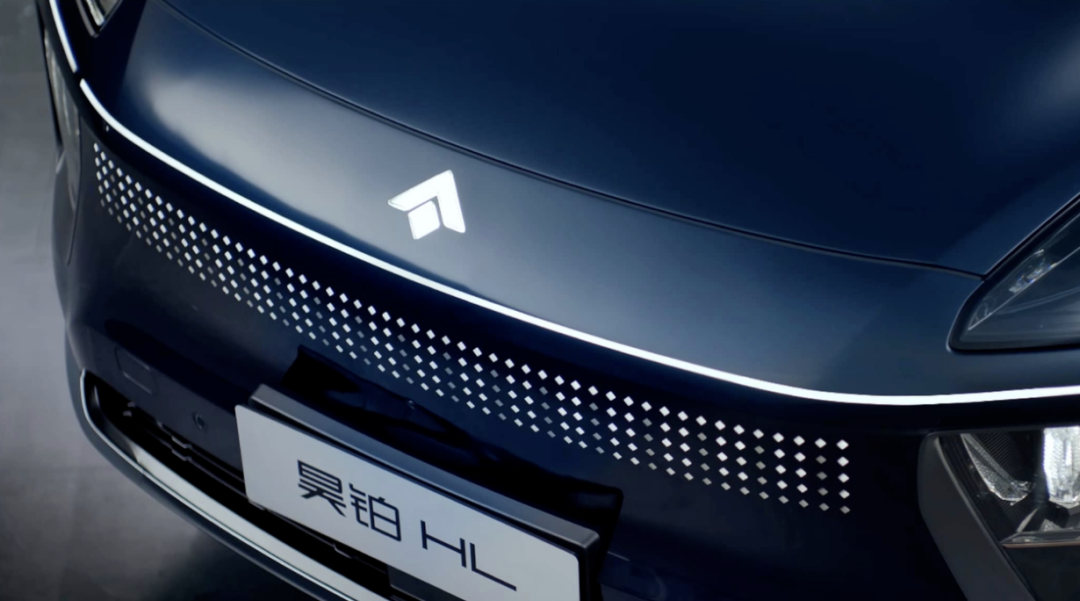
广汽集团扩张600家品牌店背后的风险博弈
Zhong Guo Jing Ying Bao· 2025-12-05 20:29
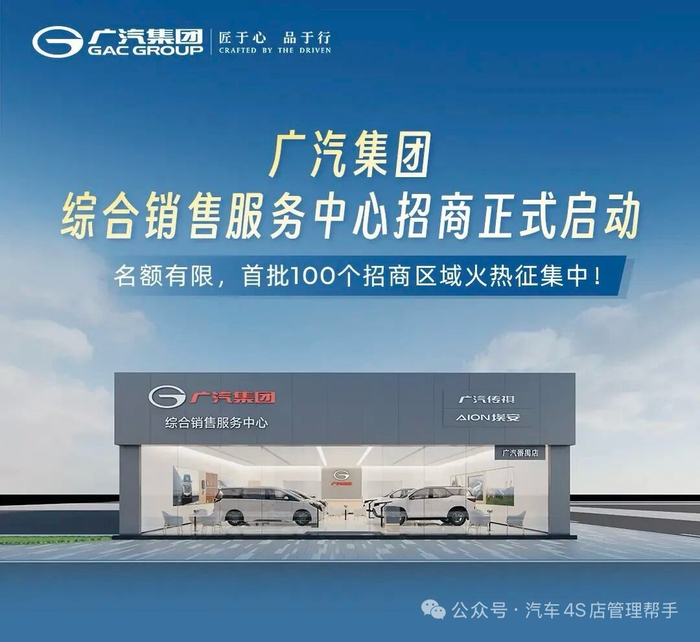
Core Viewpoint - GAC Group is actively seeking to expand its brand presence by establishing 600 brand collection stores in lower-tier cities by mid-2026, with over 1,000 investors showing interest in the investment opportunity of 1 million yuan for brand agency rights [2][6]. Group 1: Investment Opportunity - The investment threshold for becoming a GAC brand agent is set at 1 million yuan, significantly lower than the traditional 4S store model which often requires around 10 million yuan [3]. - Investors are required to prepare a venue of 200-300 square meters and provide a deposit of 3 million yuan, while GAC will assist with standardized renovations [3][4]. - Despite the low entry cost, operational expenses such as rent and labor will be borne by the dealers, raising concerns about profitability in a challenging market [2][5]. Group 2: Market Challenges - A survey by the China Automobile Dealers Association indicates that 84.4% of car dealers are experiencing price inversions, with 60.4% facing price inversions exceeding 15% [2]. - The automotive market is undergoing a transformation from traditional 4S store models to a more diversified system including agency and direct sales, leading to a competitive environment between dealers and manufacturers [2][8]. - The overall market demand in first and second-tier cities is saturated, pushing manufacturers to focus on lower-tier markets for growth [8]. Group 3: Strategic Expansion - GAC's plan to open 600 brand collection stores reflects its strategy to build a skilled sales team and target county-level markets, which account for 38.35% of China's economic output [6][7]. - Other brands like BYD and Xpeng are also targeting county markets, indicating a broader industry trend towards down-market expansion [6][7]. - The establishment of charging infrastructure in rural areas is expected to support this market shift, with government initiatives promoting the development of charging stations [7]. Group 4: Risks and Concerns - The lightweight agency model may lead to challenges in after-sales service quality, as smaller dealers may lack the resources to provide adequate support [9]. - The rapid expansion of GAC's network could complicate channel management and increase operational risks for both manufacturers and dealers [9]. - Industry experts warn that the profitability of dealers is increasingly dependent on the manufacturers' product strength and pricing strategies, making the investment landscape more uncertain [9].
广汽IPD元年:一场从昊铂开始的革命与救赎
2 1 Shi Ji Jing Ji Bao Dao· 2025-10-14 14:28
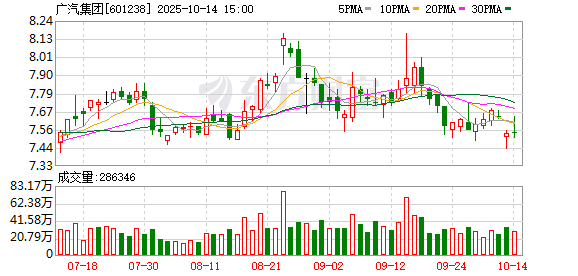
Core Viewpoint - GAC Group is facing significant challenges, with a notable decline in sales and a historic net loss, prompting a shift to a "wartime state" and a focus on three major battles for the future [2][4]. Sales Performance - GAC's cumulative sales from January to September 2025 reached 1.1837 million units, representing a year-on-year decline of 11.34% [2]. - The mid-year report for 2025 indicated a net loss of 2.538 billion yuan, marking the first half-year loss for GAC in nearly a decade [2]. Brand Development - GAC's high-end new energy brand, Aohai, has struggled with sales, selling only 2,095 units in September, compared to 19,600 units for a competing model from Xiaomi [2]. - Aohai was established as a standalone brand in January 2025, aiming to compete in the high-end market alongside GAC's other brands, Aion and Trumpchi [6][15]. Product Strategy - Aohai HL, the first model under the new strategy, features the "Xingyuan Range Extender Platform" and a new design language called "Shanhai Architecture" [4]. - The company is undergoing a significant transformation, with the establishment of a reform committee and the introduction of the Integrated Product Development (IPD) process [4][28]. Technological Innovation - GAC is focusing on developing range extender technology, with the Xingyuan Range Extender Technology being a key innovation [16][20]. - The new technology aims to improve energy efficiency, achieving an oil-electric conversion rate of 3.73 kWh/L, surpassing the industry average [25]. Market Positioning - Aohai is attempting to redefine its brand image and market positioning, moving away from its previous association with Aion to establish a distinct identity focused on "technology, luxury, and high quality" [14][33]. - The company is adopting a user-centric approach to product development, utilizing insights from Huawei's IPD methodology to better understand consumer needs [28][29]. Competitive Landscape - The high-end electric vehicle market is becoming increasingly competitive, with GAC's Aohai facing challenges from new entrants that have established strong brand identities [10][14]. - Aohai's initial models have not performed well in the market, highlighting the difficulties traditional automakers face in transitioning to high-end segments [9][11]. Future Outlook - GAC's leadership has set ambitious goals for the company's transformation, aiming for a significant increase in the share of self-owned brands in total sales by 2027 [43]. - The success of Aohai in proving its brand value through sales will be critical for GAC's overall reform efforts and future viability [44].
全新的广汽昊铂,有什么不一样?
汽车商业评论· 2025-01-19 14:08
撰 文 / 孟 为 "坚持科技、豪华、高品位的品牌定位,坚持用户体验导向的思维方式,以此作为昊铂品牌接下来 开展工作的指导方针。" 1月13日,在2025年广汽集团自主品牌经销商大会上,首次亮相的广汽昊铂品牌首席执行官马海 洋,发表广汽昊铂全面改革新思路。 作为广汽三年"番禺行动"深化改革的重要组成部分,昊铂已从埃安中独立,专属使用AI神箭、全新 英文名和品牌色,成为与传祺、埃安平级的3个品牌营销本部之一。 昊铂品牌的全新起点,以及新CEO的全新亮相,都向外界传递了一个明确的信号,昊铂要以全面变 革的决心,再次出发,成为广汽集团三大品牌中"科技、豪华、高品位"的代名词。 "做事干脆、利落",这是广汽内部人士对于昊铂新任CEO马海洋的评价。 他在国内,曾从合资品牌的销售大区稳扎稳打晋升到广汽埃安数字营销中心部长,率先打造以APP 为中心的"产品、服务、社交、稀缺资源、商业共创"的五大用户价值体系,持续为用户创造价值。 他也曾在海外,用不到9个月的时间完成广汽埃安的泰国建厂,并率先实现中国第一台量产超跑昊 铂SSR的出口,昊铂HT经过一年的品牌打造,销量稳居泰国高端纯电头部,并以泰国为起点,迅速 打开新加坡、印尼 ...