县域市场

Search documents
白酒决胜的下一站,县域市场?
Sou Hu Cai Jing· 2026-02-25 16:25
Core Viewpoint - The next battleground for the Chinese liquor industry is shifting towards county-level markets as growth potential in first and second-tier cities becomes saturated. The ability to tap into the county market will be crucial for liquor companies to sustain their competitiveness in the face of slowing high-end consumption [1][6]. Group 1: Market Potential - Research indicates that a significant portion of future consumption growth in China will come from third-tier cities and below, as well as county and town markets, with McKinsey predicting that by around 2030, over 60% of new personal consumption growth will originate from these lower-tier markets [1][4]. - As of the end of 2023, there are 1,813 county-level administrative units in China, with a combined population of approximately 450 million, accounting for nearly one-third of the urban population [2][4]. - The economic scale of county-level markets is substantial, estimated at around 30 trillion yuan, which also represents close to one-third of the national economic total [2][4]. Group 2: Consumer Behavior - The trend of "returning home" and "migration back" is expected to drive consumption growth in county markets, supported by improved infrastructure such as transportation and logistics, which reduces time and information costs for consumers [5][6]. - County residents have a relatively stable financial outlook, with over half of surveyed individuals expecting income growth of more than 5% in the next 2-3 years, while only 4% anticipate a decline [5][6]. - The high proportion of self-owned housing and low household debt levels in county areas contribute to a more favorable environment for consumer spending compared to high-debt urban counterparts [5][6]. Group 3: Industry Dynamics - The Chinese liquor industry is entering a deep adjustment phase by 2025, with high-end price segments under pressure and sales in high-tier cities slowing down, making the county market a critical area for stability [6][9]. - The demand structure in county markets is shifting towards mid-range price segments, particularly in the 100-300 yuan range, which is becoming increasingly competitive and stable [9][10]. - Major liquor brands, including top-tier companies, are intensifying their focus on county markets, with strategies aimed at optimizing costs, channel efficiency, and member management to enhance their presence and performance in these areas [10].


黑蚁资本又一超级 IPO:900 亿,鸣鸣很忙港股上市
Sou Hu Cai Jing· 2026-01-28 13:38
Core Insights - Hunan Mingming Hen Mang Commercial Chain Co., Ltd. has successfully listed on the Hong Kong Stock Exchange, becoming the first stock in the "bulk snack" sector, with a market capitalization exceeding 90 billion RMB after an opening surge of 80% [1] - The company was formed from the merger of "Snacks Very Busy" and "Zhao Yiming Snacks" in November 2023, marking a significant restructuring in the retail industry [1] - Black Ant Capital has played a crucial role as the sole financial investor in Zhao Yiming Snacks, witnessing its growth from outside the top ten to a leading position in the industry [1][3] Company Overview - Mingming Hen Mang has expanded to over 10,000 stores across 28 provinces, with 59% of its outlets located in county-level towns [1] - The company has achieved a retail sales volume (GMV) of 66.1 billion RMB, a year-on-year increase of 74.5%, and revenue of 46.371 billion RMB, up 75.2% [16] - The number of operational stores reached 19,517, with signed contracts exceeding 20,000 [16] Investment Journey - Black Ant Capital began investing in Zhao Yiming Snacks in early 2023, recognizing the potential in the bulk snack industry just before its explosive growth [3][10] - The investment decision was influenced by extensive market research, including visits to over 300 stores and discussions with more than 50 franchisees, revealing strong confidence in future store openings [9][10] - The first round of financing amounted to 150 million RMB, with the company’s valuation doubling shortly after the investment [9] Market Dynamics - The bulk snack industry is characterized by intense competition and price wars, with the potential for multiple leading brands to coexist [10][14] - The merger of Mingming Hen Mang and Zhao Yiming Snacks was expedited by shared values and a mutual understanding of the franchise model, which is essential for scaling operations [14][15] Future Outlook - The company aims to leverage the growing urbanization rate in China to enhance its market presence, positioning itself as a new commercial infrastructure in lower-tier markets [16] - Black Ant Capital continues to support Mingming Hen Mang in talent acquisition and strategic partnerships, enhancing its competitive edge in the industry [14][15]
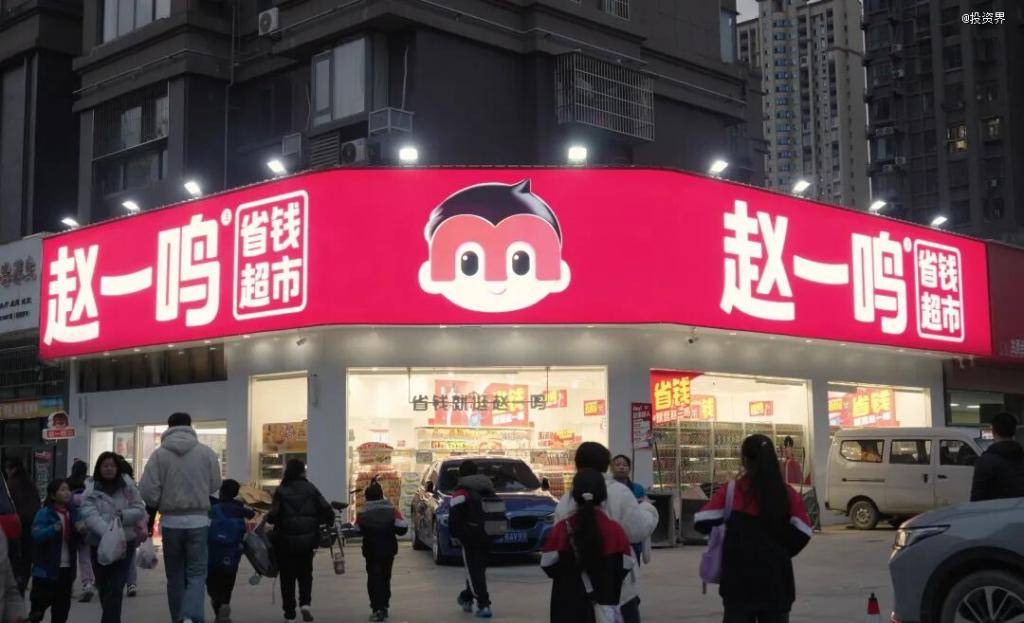
刚刚,鸣鸣很忙上市,市值超900亿港元!黑蚁资本解析“反直觉”的县域生意机会!
Sou Hu Cai Jing· 2026-01-28 10:33
Core Viewpoint - The rise of Hunan Mingming Henbang Commercial Chain Co., Ltd. in the Hong Kong stock market highlights the potential of the county-level market in China, which is breaking traditional stereotypes and revealing new consumption patterns in the food and beverage industry [1][3]. Group 1: County Market Characteristics - The county market is not merely a "lower-tier market" but a significant segment composed of county-level cities, counties, and autonomous counties, representing the backbone of China's economy and population [5]. - As of the end of 2023, there are 1,813 county-level administrative divisions in China, which are crucial for the flow of people and resources [5]. - The consumer base in county areas is optimistic about income growth, with over 60% expecting their income to continue increasing over the next 2-3 years [18][20]. Group 2: Consumption Trends - Consumers in county areas are increasingly engaging in "folded consumption," where they are willing to purchase both low-cost items and high-end products, indicating a coexistence of quality demand and extreme cost-effectiveness [3][18]. - The perception of middle-class identity is diminishing, especially among the younger generation, leading to a shift away from "face consumption" towards more practical spending [3][42]. - The average annual household income in county areas has remained stable from 2022 to 2025, with a significant increase in the expectation of future spending, rising from 36.3% in 2022 to 51.4% in 2025 [18][20]. Group 3: Market Opportunities - Mingming Henbang has achieved a coverage rate of 66% in county areas, with stores in 1,341 counties across 28 provinces, making it the largest retail chain for snacks and beverages in China [7][6]. - The company’s revenue surged from 4.286 billion yuan in 2022 to 39.344 billion yuan in 2024, with a compound annual growth rate of 203% [26]. - The growth of snack collection stores in county areas is attributed to their ability to meet the dual demands of "non-price increase upgrades" and "family companionship" [26][41]. Group 4: Consumer Behavior Insights - County residents are increasingly prioritizing emotional well-being and companionship over material possessions, leading to a rise in spending on experiences and quality time [42][49]. - The demand for high-quality products is growing, with consumers willing to invest in items that enhance their quality of life, such as health products and pet care [55]. - The county market is characterized by a dual demand for quality upgrades and extreme cost-effectiveness, reflecting a complex consumer landscape that requires tailored supply strategies [55][56].

何愚:三年后再吃5元一碗的牛肉面,深入县域才能保持体感丨2025尾声
36氪· 2026-01-26 13:58
Core Viewpoint - The article emphasizes the importance of understanding the consumption patterns and market dynamics in China's lower-tier cities, highlighting the unique characteristics and opportunities present in these regions [4][5][6]. Group 1: Investment Insights - Black Ant Capital's approach involves deep field research in lower-tier cities to gain insights into consumer behavior, which is crucial for making informed investment decisions [7][8]. - The investment in the snack brand "Mingming Hen Mang" is presented as a textbook case of research-driven investment, showcasing the potential of the lower-tier market [8][9]. - The unique market logic of lower-tier cities is characterized by high homeownership rates and low loan ratios, creating a stable consumer base [9]. Group 2: Consumer Behavior Changes - Residents in lower-tier cities express increased economic pressure, leading to a shift in spending habits, particularly a reduction in non-essential expenditures [20][21]. - Despite the perception of economic pressure, actual household incomes have remained stable or increased, indicating a disconnect between perceived and real financial situations [24][26]. - The article notes a growing interest in experience-based consumption, with consumers willing to spend on activities that enhance their well-being, despite tightening budgets [22][38]. Group 3: Market Opportunities - The article identifies a significant opportunity for efficiency-driven consumption in lower-tier cities, where businesses can leverage cost advantages to provide quality products at competitive prices [46][56]. - The rise of brands like "Mixue Ice Cream" and snack stores illustrates the potential for rapid market penetration through efficient supply chains and appealing pricing strategies [56][57]. - The article suggests that the awakening of self-awareness among women in lower-tier cities could lead to shifts in consumption patterns, indicating a potential market segment for targeted products and services [58][60].

何愚:三年后再吃5元一碗的牛肉面,深入县域才能保持体感丨2025尾声
暗涌Waves· 2026-01-26 04:05
Core Viewpoint - The article emphasizes the importance of understanding the unique dynamics of China's lower-tier cities and the potential investment opportunities that arise from them, particularly through field research and direct engagement with local markets [2][5][6]. Group 1: Field Research and Insights - The company has conducted extensive field research in various counties, including Guangdong and Hunan, to uncover stories and market dynamics that are often overlooked by mainstream investors [2][3]. - Previous research efforts involved visiting 495 counties, resulting in a significant report that garnered attention in the venture capital community [3]. - The motivation behind this research is to gain a deeper understanding of consumer behavior in lower-tier cities, which are often neglected by traditional investment strategies [5][6]. Group 2: Consumer Behavior and Market Dynamics - Insights from interviews indicate that while individual life satisfaction may have decreased due to economic pressures, overall satisfaction levels in county residents remain stable [13][14]. - Economic pressure is increasingly mentioned by residents, leading to a shift in spending habits where non-essential expenditures are being cut, particularly those associated with social status [16][17]. - Despite the perception of economic pressure, actual income levels for many families have remained stable or even increased, suggesting a disconnect between perceived and actual financial conditions [20][22]. Group 3: Changes in Work and Migration Attitudes - There is a noticeable increase in the perception of a faster work pace among county residents, with nearly half reporting feeling busier compared to previous years [24]. - Interest in migrating to larger cities has decreased, with residents weighing the costs and benefits more critically than before [26]. - Homeownership remains a priority, but the impact of housing prices on consumer behavior is limited, as many residents do not feel a strong connection to the fluctuations in the real estate market [29][30]. Group 4: Investment Opportunities - The company categorizes consumer spending into efficiency-driven and experience-driven consumption, noting a growing interest in experience-based spending among county residents [34][37]. - The supply landscape in lower-tier cities is characterized by a lack of quality and variety, which presents opportunities for businesses that can offer better value and experiences [38][39]. - The potential for explosive growth in certain categories is linked to the ability to meet the emerging demands of consumers in these markets, driven by innovative supply solutions [40][48]. Group 5: Gender Dynamics and Social Change - The article highlights the income disparity between genders in county areas, with a significant portion of women earning below 35,000 yuan annually, reflecting broader societal issues [49][50]. - There is a budding awareness among county women regarding their self-identity and roles, which could influence future consumption patterns and market dynamics [50][51]. - The focus on women's self-awareness is not merely a consumption trend but indicates a shift in societal attitudes that could lead to structural changes in the market [50][52].

【财经分析】2026年消费展望:政策精准赋能、市场纵深拓展、热点多元涌现
Xin Hua Cai Jing· 2026-01-12 08:17
Core Viewpoint - The Chinese consumer market is expected to deepen its development along the path of quality improvement and efficiency enhancement by 2026, driven by macroeconomic policies and emerging consumption trends [1][2]. Group 1: Macroeconomic Policies and Consumer Growth - The "old-for-new" policy has been effective in boosting consumer spending, with over 2.6 trillion yuan in sales benefiting more than 360 million consumers in 2025 [2][3]. - In 2026, the focus will shift to more targeted and effective macro policies, optimizing support areas, subsidy standards, and implementation mechanisms [2][3]. Group 2: County Market Dynamics - The county market is emerging as a new growth engine for consumption, with the instant retail sector expected to exceed 1 trillion yuan in 2026 [4][5]. - Major brands are accelerating their expansion into county markets, with notable growth in sectors like hospitality and dining [5]. Group 3: New Consumption Trends - New consumption hotspots are reshaping the market, including seasonal tourism driven by the ice and snow economy, which saw a 57% increase in bookings during the New Year period [6][8]. - Emotional consumption is gaining traction, with activities like rock climbing and cultural experiences driving new consumer ecosystems [7][8]. - The transformation of national cultural experiences is evident, with cities like Xi'an and Nanjing becoming popular travel destinations, integrating traditional culture with modern experiences [8].


县域市场成消费“新蓝海” 企业竞逐增长新空间
Xin Hua Cai Jing· 2026-01-07 12:40
Group 1 - The core viewpoint is that the county-level market in China is showing strong consumer vitality and growth potential, becoming a new "blue ocean" for businesses to expand and seek incremental growth [1][2] - The sales performance of Hema stores in county-level cities has exceeded expectations, indicating a significant shift in consumer demand towards quality and experiential consumption in these areas [1] - Data from the National Bureau of Statistics shows that rural market sales growth is steady, with rural retail sales accounting for 38.7% of total social retail sales by November 2025 [1] Group 2 - Well-known brands in the hotel, restaurant, and retail sectors are accelerating their entry into the county-level market, reflecting optimism about the consumption prospects in these areas [2] - The rapid development of county-level hotels is highlighted, with major hotel groups expanding their presence and introducing culturally integrated products to penetrate the high-end market [2] - The consumer purchasing power in county and rural areas has significantly increased, driven by economic development and rising incomes, leading to a stronger demand for quality living [2] Group 3 - The strategy of chain brands to expand into lower-tier markets is seen as a wise move in response to market trends, as competition in first and second-tier cities intensifies [3] - The diverse and personalized consumer demands in lower-tier markets provide ample space for innovation, positioning these markets as new growth engines for consumption in China [3] - Lower-tier markets are expected to play a crucial role in promoting domestic demand and facilitating high-quality economic development [3]
广汽集团扩张600家品牌店背后的风险博弈
Zhong Guo Jing Ying Bao· 2025-12-05 20:29
Core Viewpoint - GAC Group is actively seeking to expand its brand presence by establishing 600 brand collection stores in lower-tier cities by mid-2026, with over 1,000 investors showing interest in the investment opportunity of 1 million yuan for brand agency rights [2][6]. Group 1: Investment Opportunity - The investment threshold for becoming a GAC brand agent is set at 1 million yuan, significantly lower than the traditional 4S store model which often requires around 10 million yuan [3]. - Investors are required to prepare a venue of 200-300 square meters and provide a deposit of 3 million yuan, while GAC will assist with standardized renovations [3][4]. - Despite the low entry cost, operational expenses such as rent and labor will be borne by the dealers, raising concerns about profitability in a challenging market [2][5]. Group 2: Market Challenges - A survey by the China Automobile Dealers Association indicates that 84.4% of car dealers are experiencing price inversions, with 60.4% facing price inversions exceeding 15% [2]. - The automotive market is undergoing a transformation from traditional 4S store models to a more diversified system including agency and direct sales, leading to a competitive environment between dealers and manufacturers [2][8]. - The overall market demand in first and second-tier cities is saturated, pushing manufacturers to focus on lower-tier markets for growth [8]. Group 3: Strategic Expansion - GAC's plan to open 600 brand collection stores reflects its strategy to build a skilled sales team and target county-level markets, which account for 38.35% of China's economic output [6][7]. - Other brands like BYD and Xpeng are also targeting county markets, indicating a broader industry trend towards down-market expansion [6][7]. - The establishment of charging infrastructure in rural areas is expected to support this market shift, with government initiatives promoting the development of charging stations [7]. Group 4: Risks and Concerns - The lightweight agency model may lead to challenges in after-sales service quality, as smaller dealers may lack the resources to provide adequate support [9]. - The rapid expansion of GAC's network could complicate channel management and increase operational risks for both manufacturers and dealers [9]. - Industry experts warn that the profitability of dealers is increasingly dependent on the manufacturers' product strength and pricing strategies, making the investment landscape more uncertain [9].