明锐

Search documents
被中国“淘汰”的车,却在印度“杀疯了”
投中网· 2026-03-31 07:08
Core Viewpoint - Skoda's exit from the Chinese market highlights the challenges faced by traditional automotive brands in adapting to rapidly changing consumer preferences and market dynamics, contrasting sharply with its success in India where it has effectively localized its strategy and offerings [4][30]. Group 1: Skoda's Performance in China - Skoda's sales in China plummeted from 340,000 units to just 15,000 units, representing a decline of over 95% in seven years [9]. - The brand's retail sales in January and February 2026 were only 300 and 357 units, respectively, with its main model, the Superb, selling as few as 25 units in a month [9]. - The decline was attributed to increased competition from Volkswagen's own models, which began to offer similar pricing, leading consumers to prefer the more recognized Volkswagen brand [10][12]. Group 2: Skoda's Strategy in India - In contrast, Skoda's sales in India reached 72,700 units in 2025, marking a 107% increase year-on-year, driven by a localized production strategy [17]. - The "India 2.0" project involved a €1 billion investment to develop a platform specifically for the Indian market, resulting in models like Kushaq and Slavia that cater to local needs [17][18]. - Over 90% of the components for the Kylaq model are locally sourced, demonstrating a commitment to local manufacturing and market adaptation [17]. Group 3: Market Dynamics and Consumer Preferences - The Chinese automotive market has shifted towards a focus on smart technology and advanced features, with local brands achieving a 35% penetration of L2-level intelligent driving, while Skoda's offerings lagged behind [12][13]. - In India, the market prioritizes reliability and cost-effectiveness, aligning well with Skoda's strengths in industrial efficiency and practical vehicle offerings [30][31]. - The decline of Skoda in China reflects broader trends affecting second-tier joint venture brands, as local manufacturers increasingly meet consumer demands for technology and features [14][30]. Group 4: Financial Performance and Brand Positioning - Skoda's profit margin reached 8.3%, significantly higher than the overall Volkswagen group margin of 4.7%, indicating its efficiency in cost management [5][24]. - The brand's strategy focuses on maximizing platform reuse and minimizing unnecessary features, which is perceived as practical in many global markets but not in China [22][23]. - The contrasting fortunes of Skoda in China and India illustrate the importance of aligning brand strategies with local market expectations and consumer behavior [30][31].


被中国“淘汰”的车,却在印度“杀疯了”
虎嗅APP· 2026-03-29 09:34
Core Viewpoint - Skoda's exit from the Chinese market highlights the challenges faced by traditional automotive brands in adapting to rapidly changing consumer preferences and market dynamics, contrasting sharply with its success in India where it has effectively localized its strategy [3][11][29]. Group 1: Skoda's Performance in China - Skoda experienced a dramatic decline in sales in China, dropping from 340,000 units to just 15,000 units, representing a 95% decrease over seven years [5][11]. - The brand's sales network shrank from over 500 dealerships to only 78 by the end of 2025, with many stores merging into the SAIC Volkswagen sales system [8][9]. - Consumer preferences shifted towards smart features and technology, which Skoda failed to provide, leading to a loss of market relevance as competitors like Volkswagen began to lower their prices [7][11]. Group 2: Skoda's Success in India - In contrast, Skoda's sales in India reached 72,700 units in 2025, a 107% increase, driven by a strategy focused on local manufacturing and market-specific models [14][18]. - The "India 2.0" project, which involved a €1 billion investment, led to the development of the MQB-A0-IN platform, allowing for over 90% localization of parts [17][18]. - Skoda's clear channel strategy in India, focusing on tier-2 and tier-3 cities, has resulted in approximately 60% of its sales coming from these areas [18][19]. Group 3: Market Dynamics and Brand Positioning - The decline of Skoda in China is attributed to its perception as a "Volkswagen alternative," which became less appealing as Volkswagen itself reduced prices [11][12]. - The Chinese market has shifted towards a focus on smart technology and features, while Skoda's emphasis on mechanical reliability and cost-effectiveness did not resonate with consumers [11][29]. - In India, Skoda's approach aligns with consumer demands for reliable and reasonably priced vehicles, showcasing its strength as an "industrial efficiency brand" rather than a "brand-driven" one [21][29]. Group 4: Strategic Insights - Skoda's profitability, with a profit margin of 8.3%, is attributed to its cost-effective production strategies and platform reuse, allowing it to maintain competitive pricing [22][23]. - The broader trend indicates that traditional joint venture brands are losing market share in China, dropping from 51% in 2020 to 24% in 2025, reflecting a decline in consumer trust [11][12]. - Skoda's failure in China is not due to product quality but rather its inability to adapt to the unique demands of the Chinese market, while its success in India demonstrates the effectiveness of a localized approach [29][32].

一代神车,退场了
36氪· 2026-03-28 14:05
Core Viewpoint - Skoda, once a popular brand in China, is officially exiting the market after 21 years, leaving only after-sales services for existing customers [6][7]. Group 1: Brand History and Market Performance - Skoda entered the Chinese market in 2005 through a partnership with SAIC Volkswagen, quickly gaining popularity due to its affordability compared to the main Volkswagen brand [10][12][14]. - The brand peaked in 2018 with sales reaching 341,000 units, making China its largest market [20]. - However, from 2019 to 2025, Skoda's sales in China are projected to plummet from 282,000 units to just 15,000 units [26]. Group 2: Reasons for Decline - Skoda failed to adapt to the rapidly changing Chinese automotive market, particularly the shift towards electric vehicles and advanced technology features [32][35]. - The brand's competitive pricing advantage diminished as Volkswagen reduced prices for its own models, making Skoda less appealing [39]. - Skoda was increasingly overshadowed by domestic brands that offered better features at competitive prices, further constricting its market space [42][43]. Group 3: Corporate Strategy and Future Outlook - Skoda was viewed as a secondary brand within the Volkswagen Group, receiving less investment and focus compared to other brands like Audi and the ID series [45][46]. - Despite its struggles in China, Skoda has seen global sales growth, selling 926,600 vehicles in 2024, a 6.9% increase year-on-year, with expectations to surpass 1 million units in 2025 [50][51].
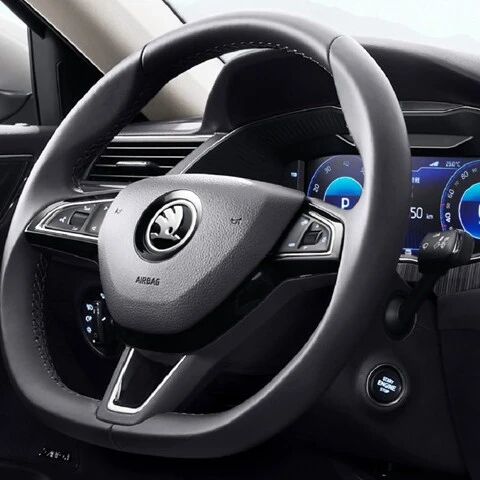
一代神车,退场了
创业邦· 2026-03-28 10:36
Core Viewpoint - Skoda, a brand that once thrived in the Chinese market, will officially cease selling vehicles in China by mid-2026, leaving only after-sales services for existing customers [5][50]. Group 1: Historical Performance - Skoda entered the Chinese market in 2005 through a partnership with SAIC Volkswagen, quickly becoming popular due to its affordability compared to the main Volkswagen brand [7][11]. - The brand peaked in sales with over 340,000 units sold in 2018, making China its largest market globally [16][17]. - Skoda's dealer network in China once exceeded 500, providing extensive sales and service coverage [17]. Group 2: Decline Factors - From 2019 to 2025, Skoda's sales in China are projected to plummet from 282,000 units to just 15,000 units, indicating a dramatic decline [21]. - The brand failed to adapt to the rapidly changing automotive market in China, particularly the shift towards electric vehicles and advanced technology features [28][31]. - Skoda's competitive pricing advantage diminished as Volkswagen reduced prices on its own models, making it less appealing compared to the main brand [35][36]. - Domestic brands have outperformed Skoda in terms of pricing and features, further squeezing its market position [38][39]. Group 3: Corporate Strategy and Market Position - Skoda has been viewed as a secondary brand within the Volkswagen Group, receiving less investment and focus compared to other brands like Audi and the ID. series [41][42]. - The number of Skoda dealerships in China has drastically decreased from over 500 to just a few dozen, reflecting a loss of confidence among dealers [45]. - Despite its struggles in China, Skoda has seen global sales growth, selling 926,600 vehicles in 2024, a 6.9% increase year-on-year, with Western Europe being its largest market [46][47][48].
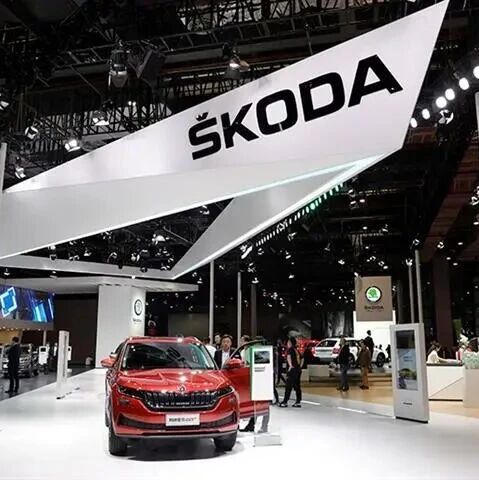
一代神车,退出中国
虎嗅APP· 2026-03-28 09:34
Core Viewpoint - Skoda has officially announced its exit from the Chinese market, ceasing vehicle sales while maintaining after-sales services, marking the end of its 21-year presence in China. This decision reflects a systemic shift in the Chinese automotive market, where consumer preferences have evolved from brand origin to product capability, particularly as the penetration of new energy vehicles exceeds 50% [4][5]. Market Environment Changes - Skoda's departure is indicative of broader changes in the automotive market rather than a singular brand failure. Remaining joint venture brands must redefine their value propositions to survive. Volkswagen is opting for deep localization, luxury brands are retracting upwards, and Japanese brands are accelerating their electric transformation [5][17]. Skoda's Market Entry and Growth - Skoda entered the Chinese market in 2005 through a partnership with SAIC Volkswagen, capitalizing on the demand for affordable, reliable vehicles. The brand's strategy was to offer vehicles at a lower price point than Volkswagen, appealing to consumers who could not afford the higher-priced models [6][7]. - The launch of the Octavia in 2007 marked a significant success, leading to a rapid expansion of Skoda's product line and sales growth, peaking at 341,000 units in 2018, making China Skoda's largest single market globally [7][10]. Decline in Sales - Following its peak in 2018, Skoda's sales began a steep decline, dropping to 282,000 units in 2019 and continuing to fall dramatically to just 15,000 units projected for 2025, representing a 94% decrease over six years [10][12]. Factors Contributing to Decline - The first major factor was Skoda's absence in the new energy vehicle market, failing to launch any domestic electric models while competitors like BYD and NIO thrived [12]. - The second factor was Volkswagen's decision to reduce prices, eroding Skoda's competitive pricing advantage. As Volkswagen's models became more affordable, consumers preferred them over Skoda [13][14]. - The third factor was Skoda's positioning within the Volkswagen Group, which prioritized resources for its core brands, leaving Skoda without the necessary support for competitive product development [15]. Future of Joint Venture Brands - Skoda's exit does not signify the end for all joint venture brands in China. The market logic has shifted, and brands that can adapt to this change by offering competitive products and localized services will have opportunities to thrive. Volkswagen's strategy of deep localization and collaboration with local tech firms exemplifies a path forward [17][19].
一代神车,退场了
凤凰网财经· 2026-03-26 11:41
Core Viewpoint - Skoda, a brand that once thrived in the Chinese market, will officially cease selling vehicles in China by mid-2026, leaving only after-sales services for existing customers, marking a significant decline for a brand that was once a favorite among consumers [1][44]. Group 1: Skoda's Market Entry and Growth - Skoda entered the Chinese market in 2005 through a partnership with SAIC Volkswagen, capitalizing on the popularity of German brands [2]. - The brand gained traction due to its affordability compared to Volkswagen's main models, with prices typically 20,000 to 30,000 yuan lower [6][30]. - The launch of the Octavia in 2007 was a turning point, leading to significant sales growth, peaking at over 340,000 units in 2018, making China its largest market [11][12]. Group 2: Decline of Skoda in China - From 2019 to 2025, Skoda's sales in China are projected to plummet from 282,000 units to just 15,000 units, indicating a dramatic decline [17]. - The brand failed to adapt to the rapidly changing automotive market, particularly the shift towards electric vehicles and advanced technology features [23][24]. - Skoda's competitive edge as a "value German brand" diminished as Volkswagen reduced prices on its own models, making it less appealing to consumers [30][31]. Group 3: Factors Contributing to Skoda's Exit - Skoda's inability to introduce competitive electric models in China, relying instead on the high-priced imported Enyaq, left it without a viable product offering [26]. - The brand faced increased competition from domestic manufacturers that offered better features at lower prices, further eroding its market position [32][33]. - Skoda was perceived as a lesser priority within the Volkswagen Group, receiving minimal investment and resources compared to other brands like Audi and the ID series [36][37]. Group 4: Global Performance vs. Chinese Market - Despite its struggles in China, Skoda has seen global sales growth, selling 926,600 vehicles in 2024, a 6.9% increase year-on-year, with expectations to surpass 1 million units in 2025 [41][42]. - The European market, particularly Germany, has become Skoda's largest market, contrasting sharply with its declining presence in China [43].
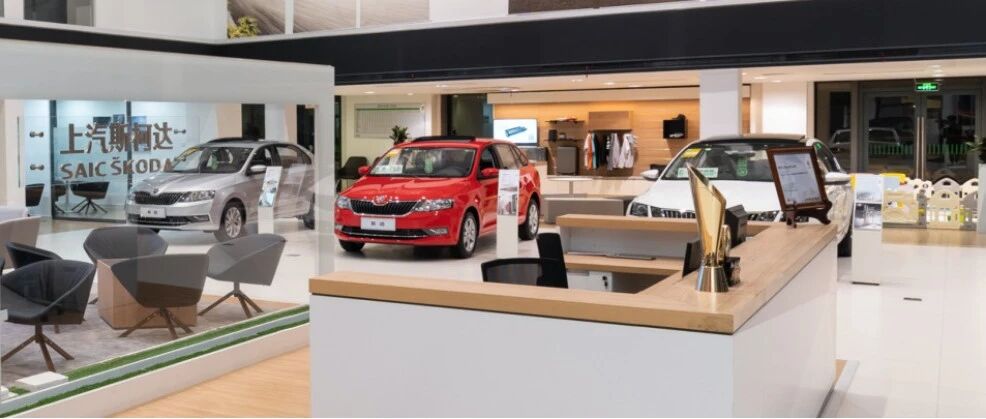
车圈南橘北枳记
汽车商业评论· 2025-06-10 02:50
Core Viewpoint - The Chinese automotive market is undergoing a significant structural adjustment, with domestic brands increasing their market share at the expense of foreign brands, which now hold less than 35% of the market [4]. Group 1: Domestic Brand Growth - In 2024, domestic passenger car sales are projected to reach 17.97 million units, accounting for 65.2% of total passenger car sales, an increase of 9.2 percentage points year-on-year [4]. - In April 2025, domestic brands achieved retail sales of 1.15 million units, a year-on-year increase of 31%, with a market share of 65.5%, up 8 percentage points [4]. - From January to April 2025, domestic brands held a retail market share of 64%, an increase of 7.9 percentage points compared to the previous year, particularly gaining in the new energy and export markets [4]. Group 2: Challenges Faced by Foreign Brands - Kia is struggling in the Chinese market due to a lack of clarity in positioning and slow progress in electrification, with only 21.5% of global sales being electric models in 2024 [6]. - Skoda's sales in China fell by 23.1% year-on-year to 17,500 units in 2024, as it is squeezed by both the Volkswagen brand's price cuts and the competitive offerings from domestic brands [9][10]. - Jeep's focus on SUVs has led to a disconnect with Chinese consumer preferences, resulting in a decline in brand presence and market share [11]. Group 3: Global Performance of Foreign Brands - Despite challenges in China, Kia remains strong in its home market and is expanding in North America and Europe, achieving over 3 million global sales in 2024 [20]. - Skoda's global sales reached 926,600 units in 2024, with strong performance in Europe, particularly in Germany, the Czech Republic, and the UK [21]. - Jeep's brand recognition and performance in North America remain robust, with 90% of its global sales coming from this market, totaling 587,800 units in 2024 [23]. Group 4: Lessons Learned - The struggles of foreign brands in China highlight the importance of understanding local consumer preferences and adapting product strategies accordingly [28]. - Successful global strategies require a deep understanding of localization, which encompasses product definition, technology routes, brand communication, and supply chain management [29]. - Brands must recognize their positioning and strengths, focusing on markets that align with their core competencies rather than pursuing broad-scale expansion [29].