
显眼包

Search documents
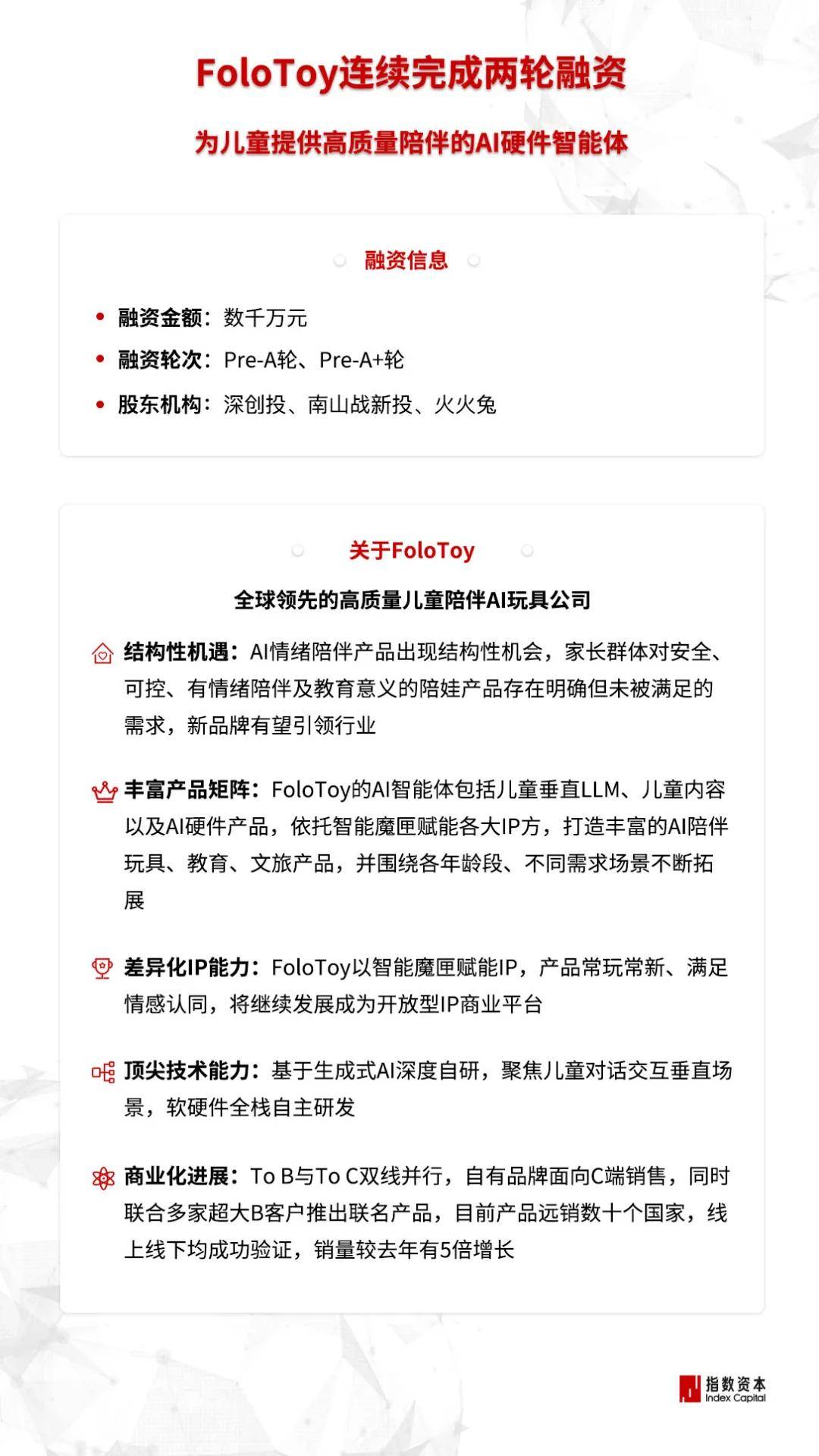
FoloToy连续获得两轮融资,指数资本担任独家财务顾问
Sou Hu Cai Jing· 2026-02-02 02:22
Core Viewpoint - FoloToy has successfully completed two rounds of financing, raising several tens of millions of yuan to enhance its brand influence and channel development in the high-quality AI companionship toy market for children [3][6]. Financing Information - The financing amount is several tens of millions of yuan, with Pre-A and Pre-A+ rounds completed [3][6]. - Investors include Shenzhen Capital Group, Nanshan Innovation Investment, and existing shareholder Huo Huo Tu [3][6]. Market Opportunity - There is a structural opportunity in the AI emotional companionship product market, as parents have unmet needs for safe, controllable, and emotionally supportive educational products for their children [4][8]. - The domestic population of children aged 3-9 is approximately 110 million, with no brand currently holding more than 5% market share in the high-quality companionship AI toy category, indicating a clear market gap [9]. Product Matrix and Technology - FoloToy's AI products include vertical LLMs for children, educational content, and AI hardware, continuously expanding to meet various age groups and needs [4][11]. - The company utilizes a self-developed AI dialogue model and real-time risk control system, focusing on specific pain points for both parents and children [10][11]. Unique Advantages - FoloToy offers a rich product matrix targeting different scenarios, including AI toys for companionship and learning, with features like bilingual support and real-time content filtering [11][12]. - The company has a unique approach to IP collaboration, allowing for dynamic updates to characters and stories, enhancing emotional engagement and brand differentiation [12][13]. Commercial Progress - FoloToy's products have achieved significant sales growth, with domestic sales projected to increase fivefold by 2025 compared to 2024, and successful market entry in countries like the USA, Sweden, Germany, and Japan [16].

AI玩具的竞合博弈
Bei Jing Shang Bao· 2026-01-21 13:53
Core Insights - The AI toy market in China is rapidly growing, projected to reach 24.6 billion yuan in 2024 and 29 billion yuan in 2025, doubling the growth rate of traditional toys [1] - Major tech companies and IP giants are entering the AI toy sector, creating a multi-dimensional competitive landscape [3][4] - The emotional value of AI toys is becoming a key factor in consumer decision-making, shifting focus from mere functionality to emotional companionship [6][12] Market Dynamics - The AI toy market is characterized by a significant influx of major players, including internet giants and consumer electronics companies, leading to intense competition [3][4] - The market is currently in a "startup phase" with a focus on emotional connection and user experience, rather than just technological advancement [12][15] - The global AI toy market is expected to grow at a compound annual growth rate of approximately 14%-16% over the next decade, potentially exceeding $60 billion by 2034 [7] Product Development and Innovation - Companies are focusing on creating AI toys that cater to various age groups and needs, from children's education to elderly companionship [4][5] - Startups are leveraging emotional connections and niche market demands to differentiate themselves from larger competitors [5][10] - The integration of advanced AI technologies, such as natural language processing and emotional recognition, is crucial for product development [4][11] Ethical and Safety Concerns - The rise of AI toys raises significant ethical questions regarding data privacy, emotional dependency, and the potential impact on children's social skills [12][13][14] - Companies are urged to implement strict safety measures and ethical guidelines to protect user data and ensure the well-being of children [14][15] - The industry faces challenges related to content safety and the risk of harmful interactions, necessitating robust content filtering and security protocols [13][14] Future Outlook - The AI toy industry is expected to undergo a significant transformation, with a focus on value-driven competition rather than price wars [12][15] - Companies that can effectively balance technological innovation with emotional engagement and ethical considerations are likely to succeed in this evolving market [11][15] - The concept of "emotional economy" is becoming central to the development of AI toys, indicating a shift in consumer preferences towards products that offer companionship and emotional support [12][15]

以爱之名,AI玩具的竞合博弈
Bei Jing Shang Bao· 2026-01-21 11:52
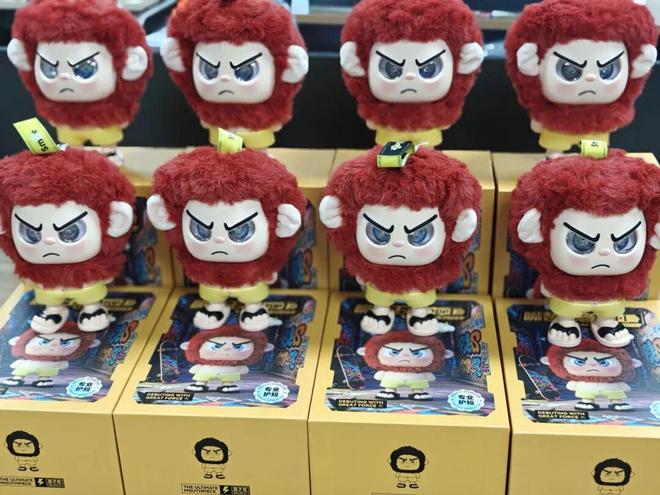
Core Insights - The AI toy market in China is rapidly growing, with projections indicating a market size of 246 billion yuan in 2024 and an expected increase to 290 billion yuan in 2025, which is double the growth rate of traditional toys [3][8] - Major tech companies and IP giants are entering the AI toy sector, creating a multi-dimensional competitive landscape, while traditional toy manufacturers and startups are adapting by leveraging their strengths [3][8] - The emotional connection and understanding of user needs are becoming the core value propositions of AI toys, shifting the focus from mere functionality to companionship [11][12] Market Dynamics - The AI toy market is characterized by significant participation from internet giants and leading consumer electronics companies, indicating a shift towards AI toys as the next generation of human-computer interaction and family data gateways [8][9] - Sales data shows a booming market, with products like "显眼包" achieving over 1.2 billion yuan in GMV within 48 hours of launch, and AI toys integrated with JoyInside seeing a 20-fold increase in sales during the "双11" shopping festival compared to earlier periods [14][16] - The market is still in its early stages, with a projected compound annual growth rate of 14%-16% over the next decade, potentially exceeding 60 billion USD by 2034 [13][22] Competitive Landscape - The entry of major players has created a protective barrier in the AI toy market, compelling traditional manufacturers and startups to innovate and differentiate themselves [9][18] - Different companies are focusing on various aspects of the market: internet giants on data and AI capabilities, consumer electronics firms on supply chain management, and IP companies on emotional connections and content creation [18][21] - The competition is expected to evolve into a differentiation strategy rather than a price war, with companies focusing on unique emotional and technological offerings [21][22] Consumer Trends - The AI toy market caters to a wide range of age groups, with children aged 3-12 making up 62% of the market, while the Z generation (ages 18-35) shows a 45% repurchase rate driven by emotional needs [22] - The demand for AI toys is fueled by the increasing need for companionship among various demographics, including children, young adults, and the elderly [22][25] - The emotional value of AI toys is becoming a key selling point, with consumers seeking products that provide companionship rather than just functionality [12][22] Ethical and Safety Concerns - The rapid growth of the AI toy market raises concerns about data privacy, as these toys collect sensitive information from users, particularly children [23][27] - There are worries about the potential negative impact of AI toys on children's social skills and emotional development, as reliance on these products may hinder real-life interactions [25][27] - Industry experts emphasize the need for strict content filtering and data protection measures to ensure the safety and ethical use of AI toys [27][28]
“死了么”App估值上亿,照见“孤独经济”万亿新蓝海
Sou Hu Cai Jing· 2026-01-14 14:50
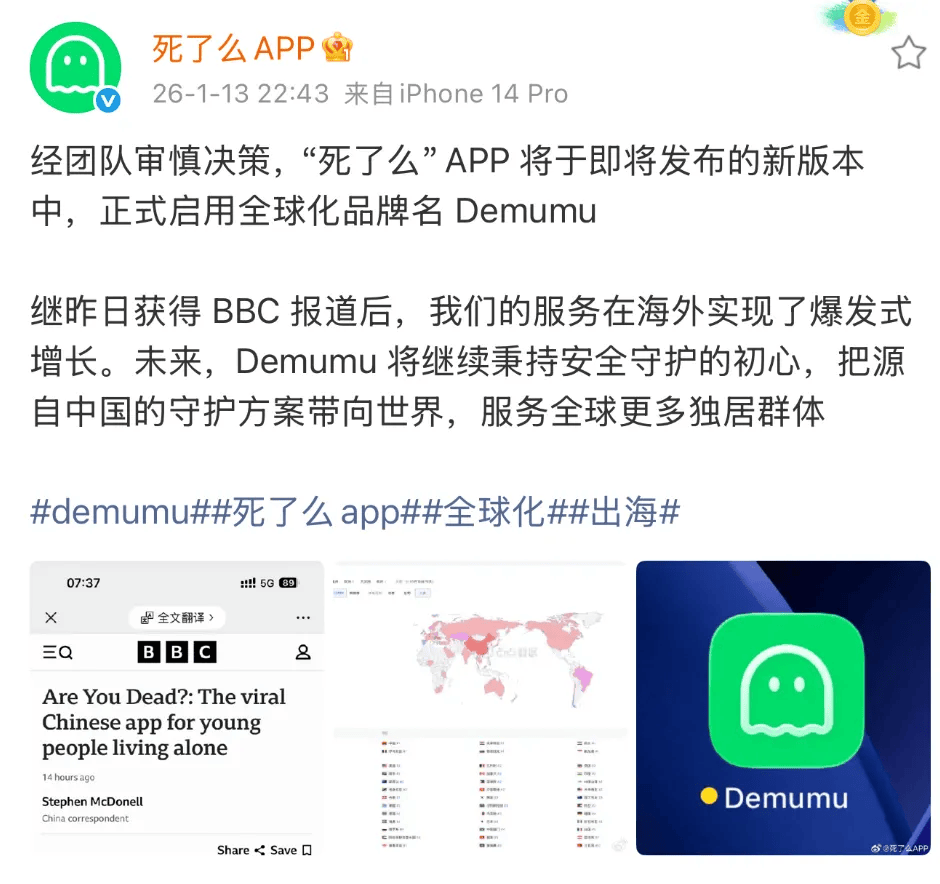
Group 1: App and Company Overview - The "Are You Dead?" app has gained significant popularity, with a rapid increase in downloads by 100 times since its launch, which had an initial investment of just over 1,000 yuan and was developed in less than a month [1] - The app's daily new user count has surged by 500-800 times compared to its initial phase, leading to a company valuation increase to approximately 100 million yuan from 10 million yuan within two days [1] - The app's founder plans to sell 10% of the company's equity for a financing amount in the tens of millions, despite the name "Are You Dead?" being criticized for its negative connotation, prompting a rebranding to "Demumu" for the upcoming version [1] Group 2: Societal Trends and Market Potential - The emergence of the "Are You Dead?" app reflects a growing trend in the "loneliness economy," which is a response to the increasing number of individuals living alone, particularly among urban youth [2][3] - By 2030, it is projected that the number of people living alone in China could reach 150-200 million, with the solo living rate exceeding 30%, driven by factors such as urban migration and changing marriage views [3] - The "loneliness economy" is expected to grow rapidly, with a focus on products that provide emotional value and cater to the needs of individuals living alone, indicating a significant market opportunity [3][5] Group 3: Emotional and Material Needs - The loneliness economy encompasses both emotional and material needs, with young individuals seeking emotional release and social interaction while feeling fatigued by interpersonal relationships [5][7] - The market for companionship services is expanding, with offerings ranging from online companionship to in-person activities, reflecting a growing demand for emotional fulfillment [7] - The rise of AI products and pets as alternatives for companionship is notable, with AI companionship market revenues projected to soar from $30 million to between $70 billion and $150 billion by 2030 [12][16] Group 4: Industry Developments and Consumer Behavior - Major companies are entering the AI companionship and pet markets, with significant investments and product launches aimed at meeting the emotional needs of consumers [15][16] - The pet industry is also experiencing rapid growth, with a projected market size of 312.6 billion yuan by 2025, driven by younger generations who view pets as family members [16][19] - The food and beverage industry is adapting to the needs of solo diners, with businesses like Haidilao innovating their offerings to cater to individual consumption patterns [20][22]
AI玩具引爆CES,京东、字节、华为等巨头加码下能否跑出AI版泡泡玛特?
Xin Lang Cai Jing· 2026-01-12 07:08
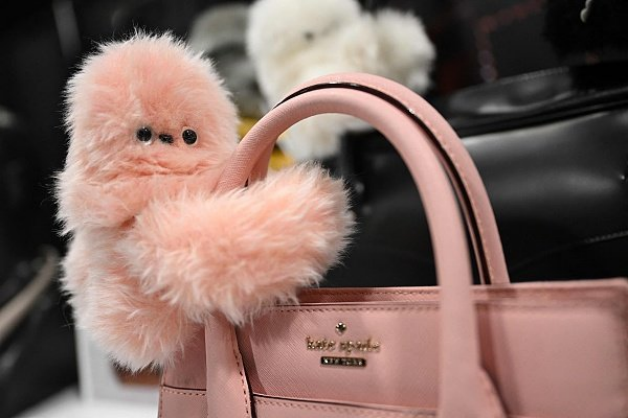
Core Insights - The article discusses the emergence of AI toys, particularly highlighting the AI pet robot "mirumi" from Yukai Engineering, which gained significant attention at CES 2026, indicating a shift in the toy industry towards emotional interaction rather than static display [1][3] - Major tech companies like JD.com, ByteDance, and Huawei are recognizing the potential of the AI toy market and are actively investing in this sector [4][6] Industry Trends - The AI toy market is projected to grow at a compound annual growth rate (CAGR) of approximately 14%-16% over the next decade, potentially exceeding $60 billion by 2034 [7] - In China, the AI toy market is expected to surpass 10 billion yuan by 2030, with an annual growth rate exceeding 70% [7] - Traditional toy sales are experiencing a decline, with a reported 0.6% drop in sales in 2024, prompting a shift towards smarter, AI-integrated products [8] Company Developments - JD.com hosted an AI toy conference in July 2025, attracting over 600 manufacturers, and has seen significant sales of AI toys, with products like Fuzozo selling out quickly [4][6] - ByteDance launched its AI companion toy "Xianyan Bag" in 2024, which utilizes advanced AI technologies for interaction, and has seen substantial sales growth in its AIoT products [6] - Huawei's collaboration with Luobo Smart resulted in the launch of the AI emotional companion product "Smart Hanhai," which also sold out rapidly upon release [6] Market Dynamics - The demand for traditional toys is expected to weaken over time, pushing the industry towards increased intelligence and AI integration, which could enhance both volume and pricing [8] - AI toys are gaining traction due to their capabilities in interaction, companionship, and education, appealing to a broader age demographic [8][9] - The market penetration of AI toys is anticipated to increase as the target audience expands from children and teenagers to all age groups [9]



谁在为AI玩具的“情绪价值”买单?
Xin Lang Cai Jing· 2026-01-07 10:53
Core Insights - The AI toy industry is experiencing a significant mismatch between the high prices of products, often ranging from hundreds to thousands of yuan, and the actual technological capabilities, which are often limited and result in delayed responses and poor interaction quality [3][4][17] - The market for AI toys is projected to grow significantly, with estimates suggesting it could reach $224.75 billion by 2035, driven by the increasing demand for emotional companionship [3][19] - Despite the enthusiasm in the capital market, feedback from consumers and manufacturers indicates a disconnect, with many products failing to meet expectations [4][19] Industry Overview - The AI toy market has attracted 96 investment firms, including major players like ByteDance and Coca-Cola, indicating strong interest and potential for growth [3][19] - The gross margin for AI toys varies significantly, with basic models achieving margins of 50%-65% and high-end models priced between 1500 to 3000 yuan achieving margins of 70%-85% [7][22] - Many AI toys are built using low-cost components, with core chip costs dropping below 50 yuan, leading to a proliferation of similar products in the market [22][28] Consumer Experience - Consumers report that AI toys often fail to deliver on their promises of emotional interaction, with many products exhibiting poor memory and response capabilities [10][25] - The return rate for AI toys on e-commerce platforms is alarmingly high, reaching 30%-40%, with some brands experiencing return rates as high as 80% during promotional events [29][30] - There is a growing trend among parents to be more cautious with spending, leading to a decline in consumer confidence in AI toys [29][30] Market Dynamics - The industry is characterized by a rapid production cycle, with simple AI toys being produced quickly, but this has led to a lack of innovation and differentiation in the market [28][30] - Many companies are shifting their focus from consumer (C-end) markets to business (B-end) partnerships, seeking stable revenue streams through collaborations with sectors like education and tourism [30] - The current landscape reveals a significant gap between the marketed emotional value of AI toys and their actual performance, necessitating a reevaluation of product offerings [30]
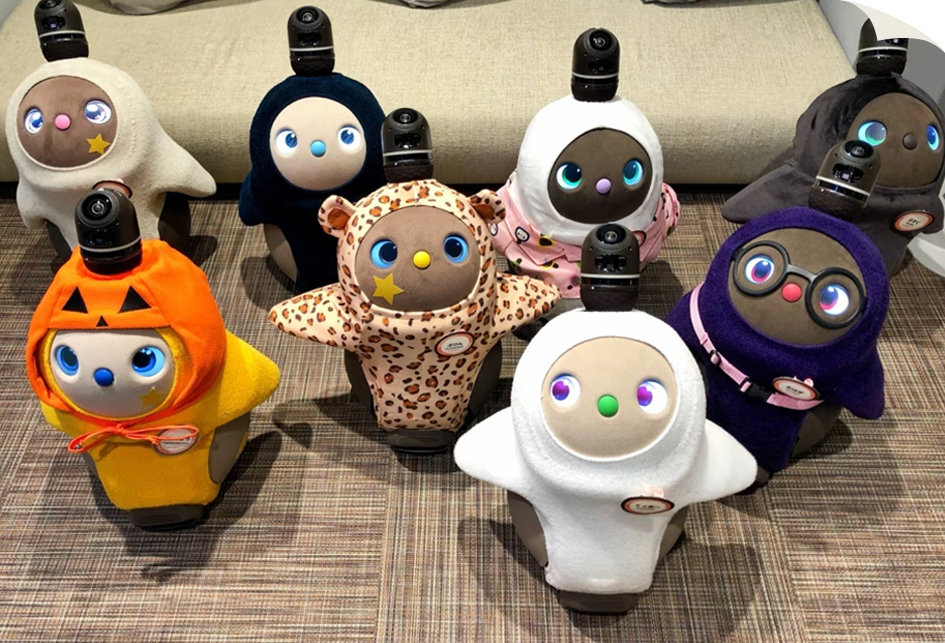
AI玩具,也开始割韭菜了?
Feng Huang Wang· 2026-01-05 07:33
Core Insights - The AI toy industry is experiencing a significant disconnect between the high prices of products, often ranging from hundreds to thousands of yuan, and the actual performance, which is often disappointing due to issues like response delays and inability to engage in normal conversation [2][4][9] - The market for AI toys is projected to grow over five times in the next decade, reaching a size of $224.75 billion by 2025, as emotional value becomes a key currency in consumer markets [2][4] - Despite the capital market's enthusiasm, feedback from consumers and manufacturers indicates a more cautious reality, with many products failing to meet expectations [3][10] Industry Overview - The AI toy sector has attracted significant investment, with 96 investment institutions involved, including major players like ByteDance and Coca-Cola [2] - The gross margins for AI toys vary significantly based on product positioning, with basic models achieving margins of 50%-65% and mid-to-high-end products reaching 70%-85% [6] - Many AI toys are built on low-cost components, with core chip costs dropping below 50 yuan, leading to a market flooded with similar products lacking unique features [6][12] Consumer Experience - Consumers report that the high emotional value claimed by AI toys does not translate into actual performance, with many products failing to deliver meaningful interaction [4][9] - The dissatisfaction among consumers is reflected in high return rates, with some brands experiencing return rates as high as 30%-40% [13] - The primary market for AI toys is in children's education and companionship, but there is a growing demand for products that cater to adult emotional needs, often priced above 1,000 yuan [8][14] Market Dynamics - The industry is witnessing a shift as many AI toy companies pivot towards B2B opportunities, partnering with sectors like education and tourism to secure stable revenue streams [14] - The reliance on low-tech, customized orders for B2B clients may hinder the development of competitive consumer brands in the long run [14] - The current landscape reveals a gap between the marketed emotional value of AI toys and the actual technological capabilities, leading to a necessary reassessment of product value [14]
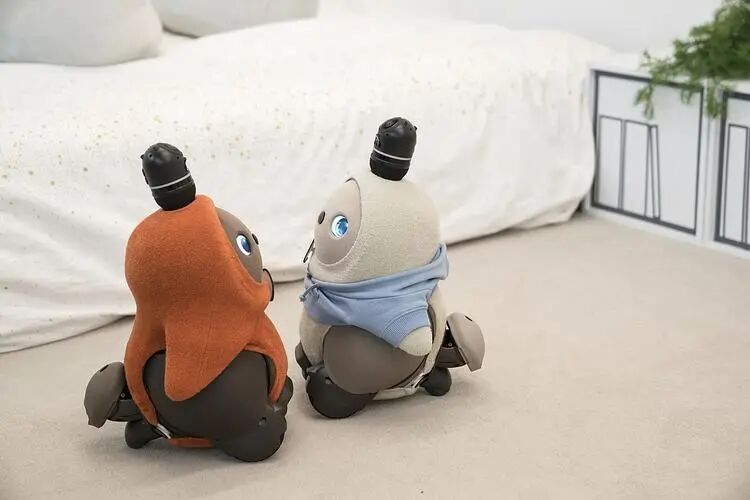
AI陪伴玩具一“憨”难求
Shen Zhen Shang Bao· 2025-12-07 22:46
Core Insights - The AI toy market is experiencing significant growth, with major companies like Huawei, JD.com, UBTECH, and Honor actively entering the field [2][3][5] Group 1: Market Dynamics - Huawei's first AI emotional companion toy, "Smart Hanhai," was launched at a price of 399 yuan and sold out immediately, indicating strong consumer demand [3][4] - The product remains out of stock as of December 7, with resale prices on second-hand markets reaching 499-559 yuan, reflecting a premium of 25%-40% [4] - The interest in "Smart Hanhai" spans various demographics, including parents, Gen Z consumers, and individuals seeking companionship for the elderly [4] Group 2: Competitive Landscape - Other major players in the AI toy market include JD.com, UBTECH, Honor, and China Telecom, all of which have launched or are developing AI toys [5][6] - Traditional toy manufacturers and startups are also entering the AI toy space, with companies like Dongguan Junou and Shenzhen Quchao launching their own AI toy products [6] Group 3: Market Potential - The AI toy market is projected to grow significantly, with an estimated market size of 290 billion yuan by 2025, up from 246 billion yuan in 2024 [7] - The growth is driven by the increasing demand for educational and companionship features in toys, as well as rapid advancements in AI technology [7]
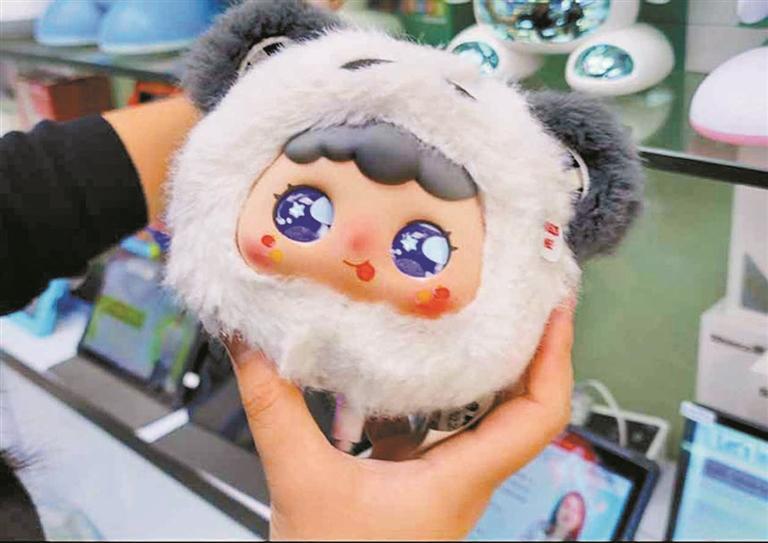
万创行研——AI玩具,下一代“亲密形态”的智能终端
3 6 Ke· 2025-05-28 02:31
Group 1 - The core concept of AI toys is evolving from traditional children's toys to intelligent interactive systems that cater to all age groups, providing companionship and emotional support [2][5] - AI toys are defined as products that integrate artificial intelligence to create interactive, personalized experiences, moving beyond simple entertainment [3][4] - The technology stack supporting AI toys includes voice recognition, natural language processing, computer vision, emotional computing, and continuous learning capabilities [20][21][24] Group 2 - AI toys are expanding their application scenarios from children's education to emotional companionship for adults and elderly care, reflecting a trend towards diverse user needs [7][11][14] - For children, AI toys focus on language development, behavior intervention, and emotional support, with a shift towards interactive and dynamic learning experiences [9][10] - For adults, AI toys serve as digital companions to alleviate loneliness and stress, with features that promote emotional interaction and relaxation [12][13] Group 3 - The competitive landscape for AI toys is characterized by a mix of tech giants and innovative startups, with a focus on cross-industry integration and ecosystem development [32][33] - In the global market, major tech companies are exploring AI toy capabilities through ecosystem partnerships, while startups emphasize emotional interaction and educational value [34][35] - The Chinese market is rapidly developing AI toys, driven by strong hardware manufacturing capabilities and a large consumer base, with a focus on content-driven innovation [37][38] Group 4 - Recent investment trends indicate a growing interest in AI toys as a potential application of AI technology, with over 40 financing events and a total of over $1 billion in funding in 2024 [47][48] - Investors are increasingly looking for projects that combine AI capabilities, user retention, and emotional value, reflecting a shift in evaluation criteria compared to traditional consumer electronics [52][68] - The future of AI toys is seen as a key entry point for AI technology into everyday life, with potential for significant market growth as technology and user understanding evolve [64][72]
