
机顶盒

Search documents
端侧AI!机顶盒龙头奔向下一站
市值风云· 2026-03-24 14:09
Group 1 - The article highlights the misconception that set-top boxes are obsolete, emphasizing their continued relevance in various markets beyond home use, including hotels, nursing homes, and hospitals [3][4] - The market for set-top boxes is characterized by a significant and growing demand, with annual shipments exceeding 100 million units, indicating a hidden market that is often overlooked [3] Group 2 - The article introduces a dominant player in the set-top box industry, suggesting that there is a key company that has maintained a strong position in this niche market [4]

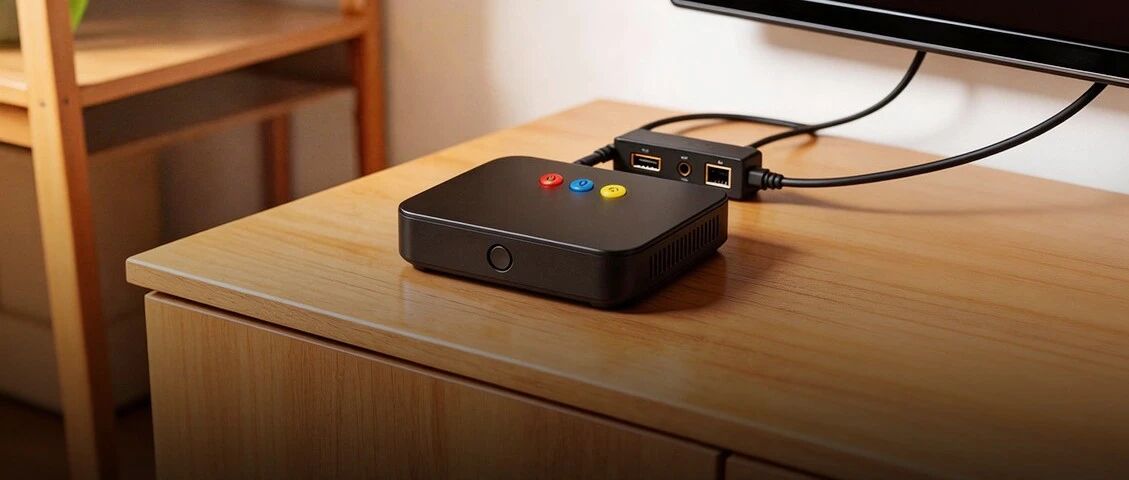
消费电子成本暴涨7倍
Sou Hu Cai Jing· 2026-02-12 04:01
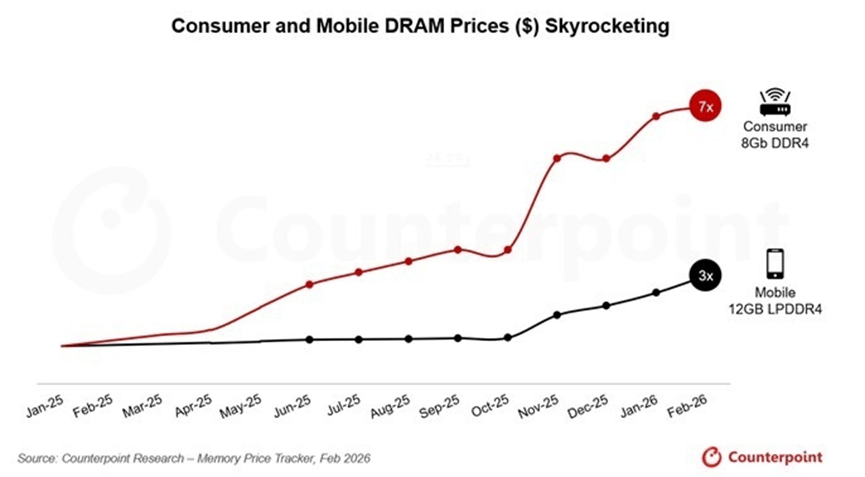
Group 1 - The core point of the articles highlights a significant increase in the cost of storage chips across various consumer electronics, with prices rising over 600% in the past year [1][4] - The smartphone storage chip prices have surged approximately threefold, while costs for routers and set-top boxes have increased nearly sevenfold in the last nine months [1] - The proportion of storage costs in low-end and mid-range routers has escalated from about 3% a year ago to over 20% currently, directly impacting manufacturing costs [1] Group 2 - Analysts predict that the upward price trend will continue at least until June 2026, with a potential peak in the first half of 2026, although supply shortages are expected to persist [4]
同洲电子:目前经营收入来源主要为高功率电源业务收入及电池业务收入和机顶盒业务相关收入
Zheng Quan Ri Bao Wang· 2026-02-03 11:11
Group 1 - The core revenue sources for the company are primarily from high-power power supply business, battery business, and set-top box related income [1] - The company's future actions and developments will continue to focus on the aforementioned areas [1]

唐山国资抢滩大湾区:控股共进股份,新产业拼图补缺口
2 1 Shi Ji Jing Ji Bao Dao· 2026-02-03 09:53
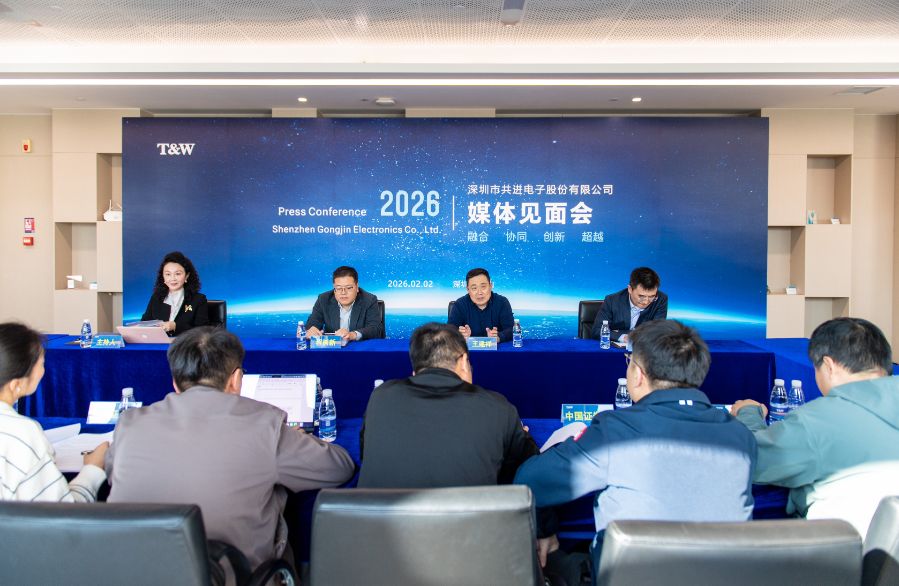
Core Viewpoint - Gongjin Co., Ltd. has officially completed its change of control, transitioning to state-owned control under Tangshan Industrial Holding Group, marking a significant shift in its corporate governance and strategic direction [1][4]. Group 1: Corporate Governance Changes - On February 2, 2026, Gongjin Co. held its first extraordinary shareholders' meeting, approving the election of a new board of directors, all nominated by the new controlling shareholder, Tangshan Industrial Holding Group [1]. - The new board includes Wang Jianxiang as chairman and Cheng Shuxin as vice chairman, with former chairman Hu Zumin taking on the role of general manager [1]. - This change signifies Gongjin's transition from a "no-owner" status to being state-controlled, following the signing of a share transfer agreement with its founding team [1]. Group 2: Business Performance and Strategy - Gongjin Co. has faced challenges, including a decline in net profit since 2022 due to increased market competition and supply chain disruptions, with a slight revenue decrease projected for 2024 [4]. - However, in the first three quarters of 2025, the company reported a revenue of 6.539 billion yuan, an increase of 8.15% year-on-year, and a net profit of 86.2881 million yuan, up 529.94% [4]. - The company aims to transition from a contract manufacturing model to a focus on hard technology, requiring significant R&D investment, supported by state-owned capital [5]. Group 3: Product and Market Development - Gongjin Co. produces a range of communication equipment and has expanded into AI hardware manufacturing, automotive electronics, and EMS services [4][7]. - The company has established nearly 90 SMT production lines across its factories in various locations, enhancing its manufacturing capabilities [6]. - Gongjin is also focusing on the AI server market, with plans to increase production and explore more business opportunities in data centers [6]. Group 4: Strategic Alignment with Tangshan Industrial Holding - The acquisition aligns with Tangshan's strategy to diversify its industrial base away from traditional heavy industries, focusing on high-value sectors like communication equipment and advanced manufacturing [8]. - Gongjin's products, including communication devices and automotive electronics, are positioned to become core components of Tangshan's high-end manufacturing sector [8]. - The company has seen a significant increase in overseas business, with foreign revenue growing over 40% year-on-year, accounting for more than 70% of total revenue [9].

黄宏生「折腾」,创维「换挡」
3 6 Ke· 2026-01-27 14:20
Core Viewpoint - The article discusses the strategic shift of Skyworth Group from its traditional home appliance business to the emerging photovoltaic sector, highlighting the company's privatization plan and the anticipated growth of its solar business [5][15]. Group 1: Company Strategy - Skyworth Group is initiating a privatization process while planning to list its solar subsidiary, Skyworth Solar, on the Hong Kong Stock Exchange [5][12]. - The company has proposed a share buyback plan to facilitate this transition, offering shareholders the option to exchange shares for Skyworth Solar shares or cash [12][14]. - Following the announcement, Skyworth's stock price surged, indicating positive market sentiment towards the company's strategic move [7]. Group 2: Financial Performance - Skyworth's solar business is projected to surpass its traditional television business in revenue by 2025, with solar revenue expected to reach 138.36 billion yuan in the first half of 2025, a 53.5% increase year-on-year [25]. - In contrast, the smart home appliance segment showed only a 9.4% growth, with revenue of 170.44 billion yuan in the same period [31]. - The overall revenue for Skyworth Group in the first half of 2025 was 362.6 billion yuan, raising questions about achieving the ambitious 1,000 billion yuan target set by the founder [29][30]. Group 3: Market Dynamics - The photovoltaic industry has seen significant growth, with China's solar power generation increasing from 8.4 billion kWh in 2013 to 89.5 billion kWh in 2018, reflecting a booming market [17]. - Skyworth entered the solar market relatively late in 2020, but has quickly adapted by focusing on distributed solar solutions for residential customers, leveraging its existing distribution network [21][22]. - The competitive landscape in the smart appliance sector remains challenging, with issues such as product homogeneity and technological stagnation affecting growth prospects [34].
黄宏生「折腾」,创维「换挡」
36氪· 2026-01-27 13:39
Core Viewpoint - The article discusses the strategic shift of Skyworth Group from traditional home appliances to the rapidly growing photovoltaic (solar energy) sector, highlighting the company's plans for privatization and the potential for significant growth in its solar business [5][9][43]. Group 1: Company Strategy and Actions - Skyworth Group announced plans for privatization and the listing of its solar subsidiary, Skyworth Solar, on the Hong Kong Stock Exchange [9][11]. - The company is implementing a share buyback plan to facilitate this transition, offering shareholders options for cash or shares in the new solar entity [22][23]. - Following the announcement, Skyworth's stock price surged, indicating strong market support for the company's strategic direction [12][25]. Group 2: Performance of Business Segments - Skyworth's traditional home appliance business has shown sluggish growth, with a revenue increase of only 9.4% year-on-year in the first half of 2025 [51]. - In contrast, the solar business has demonstrated remarkable growth, with revenues reaching 119.34 billion yuan in 2022, a 191% increase from the previous year [39]. - Projections indicate that by 2025, the solar business could surpass the revenue of the traditional television segment for the first time [31][42]. Group 3: Historical Context and Future Outlook - The founder, Huang Hongsheng, has a history of attempting to split off successful business units for independent growth, with previous efforts dating back to 2004 [15][19]. - Despite past challenges, including legal issues and market competition, Huang remains committed to pursuing ambitious growth targets, including a goal of achieving 100 billion yuan in revenue [49][50]. - The future of Skyworth's home appliance business remains uncertain, especially after the planned privatization, raising questions about its ability to compete in a challenging market [56].
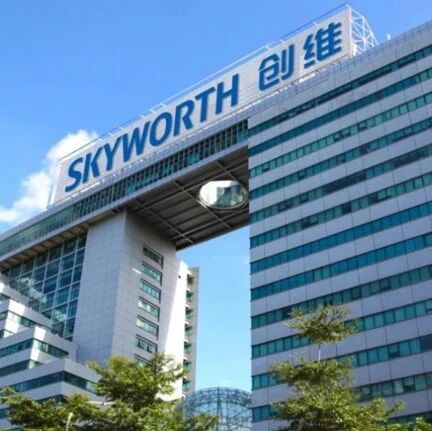
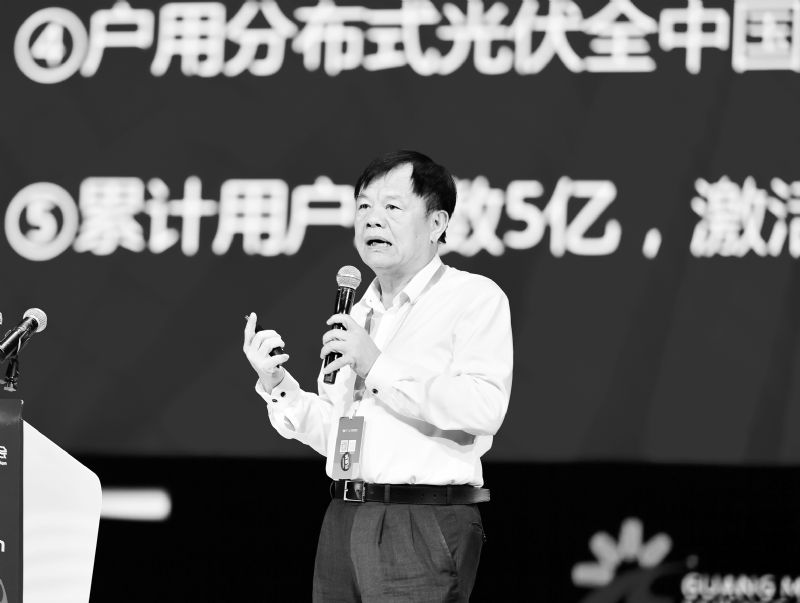
70岁黄宏生百亿腾笼换鸟再闯港股 创维系“母退子进”欲造光伏新帝国
Chang Jiang Shang Bao· 2026-01-26 00:48
Core Viewpoint - Huang Hongsheng, the founder of Skyworth Group, is initiating a significant capital restructuring by promoting share buybacks and privatization while planning to spin off its solar business, Skyworth Solar, for independent listing, aiming for a valuation of approximately 10 billion [2][5]. Group 1: Company Strategy - Skyworth Group announced plans to distribute shares of Skyworth Solar to its shareholders, with each share of Skyworth Group entitling holders to approximately 0.37 shares of Skyworth Solar [3][4]. - The estimated median valuation for Skyworth Solar is around 16.57 HKD per share, translating to a value of approximately 6.13 HKD per share for Skyworth Group shareholders [4]. - The privatization plan involves repurchasing all shares not held by the Huang family, which currently owns about 66.46% of Skyworth Group [4][5]. Group 2: Financial Performance - For the first half of 2025, Skyworth Group reported revenues of approximately 36.26 billion, a year-on-year increase of 20.3%, with the renewable energy segment contributing 13.84 billion, up 53.5% and accounting for 38.2% of total revenue [15]. - Skyworth Solar's revenue for the same period was 13.78 billion, with a net profit of 532 million, marking it as a key growth driver for Skyworth Group [15]. Group 3: Future Outlook - Huang aims to transform Skyworth Group into an ecological platform with aspirations to spin off 5 to 8 publicly listed companies by 2030, leveraging the potential of its solar, home appliance, and internet businesses [16][19]. - The overall scale of the planned spin-offs could reach hundreds of billions, indicating significant growth potential for the Skyworth ecosystem [19].
EchoStar (SATS) Surges 4.9%: Is This an Indication of Further Gains?
ZACKS· 2026-01-07 13:41
Core Viewpoint - EchoStar (SATS) shares experienced a significant increase of 4.9% to $116.06, driven by strong trading volume and a 25.4% gain over the past four weeks [1] Group 1: Market Dynamics - The rise in share price is linked to multiple demand and policy tailwinds, making satellite infrastructure increasingly critical due to geopolitical tensions, particularly between Venezuela and the US, prompting investments in secure satellite communications and ISR [2] - EchoStar is capitalizing on the growing demand for satellite-based connectivity, especially as LEO and hybrid satellite architectures become more popular, supporting enterprises in cloud adoption and digital transformation [3] Group 2: Financial Performance Expectations - EchoStar is projected to report a quarterly loss of $0.81 per share, reflecting a year-over-year decline of 165.3%, with revenues expected to be $3.74 billion, down 5.7% from the previous year [4] - The consensus EPS estimate for EchoStar has remained unchanged over the last 30 days, indicating that stock price movements may not sustain without trends in earnings estimate revisions [6] Group 3: Industry Context - EchoStar is part of the Zacks Satellite and Communication industry, which includes other players like Iridium Communications (IRDM), which saw a 2.1% increase in its stock price [7] - Iridium's EPS estimate has also remained unchanged, with a year-over-year change of -22.6%, and it currently holds a Zacks Rank of 4 (Sell) [8]


创维数字放弃部分订单归母净利降64% 向控股股东溢价356%出售资产解压
Chang Jiang Shang Bao· 2025-12-04 00:20
Core Viewpoint - The company is experiencing a continuous decline in performance and has sought assistance from its controlling shareholder, Skyworth Group, through a share transfer deal involving its subsidiary, Fengchi Electronics [2][5]. Financial Performance - In the first three quarters of 2025, the company reported revenue of 6.456 billion yuan, a year-on-year decrease of 2.45%, and a net profit attributable to shareholders of 85.8593 million yuan, down 63.69% year-on-year [2][7]. - The company's revenue for 2023 and 2024 was 10.627 billion yuan and 8.693 billion yuan, reflecting year-on-year declines of 11.50% and 18.20%, respectively [7]. - The core business, smart terminals, saw a revenue drop of 12.36% in the first half of 2025, accounting for 70.49% of total revenue [7][8]. Share Transfer and Valuation - The company transferred 40% of its stake in Fengchi Electronics to Skyworth Group for 116 million yuan, while Skyworth Group injected 104 million yuan into Fengchi Electronics [2][5]. - The market value of Fengchi Electronics' total equity was assessed at 291 million yuan as of December 31, 2024, representing an increase of 227 million yuan and a valuation increase rate of 356.07% [6][11]. Market Environment - The decline in revenue is attributed to a competitive market environment, leading to reduced demand for traditional procurement products such as set-top boxes and gateways, and a drop in their prices [3][8]. - The company has opted to forgo certain orders to avoid severe price competition, further impacting revenue [8]. Asset and Liability Management - The company's asset-liability ratio has shown a downward trend from 59.29% in 2021 to 39.71% in 2024, but has started to rise again due to poor performance [8][9]. - As of the end of the third quarter of 2025, the asset-liability ratio was 42.92%, slightly up from 42.31% in the same period the previous year [9]. Business Highlights - Despite the overall decline, the company has launched its first AI smart glasses in April 2025, aiming to innovate in cross-terminal ecosystems [10]. - The automotive display business has seen significant growth in the first half of 2025, establishing new partnerships with leading car manufacturers [10].

共进股份:公司主要产品覆盖PON、AP、DSL、机顶盒、小基站、FWA等网通业务
Zheng Quan Ri Bao Wang· 2025-11-07 13:13
Core Viewpoint - The company, Gongjin Co., Ltd. (603118), has a diverse product portfolio that includes various communication and AI hardware manufacturing products, indicating a strong position in multiple technology sectors [1] Group 1: Product Offerings - The company's main products cover PON, AP, DSL, set-top boxes, small base stations, and FWA in the communication business [1] - In the data communication sector, the company offers switches, servers, and CM mode products [1] - The company also engages in automotive electronics and EMS business within the AI hardware manufacturing sector [1]