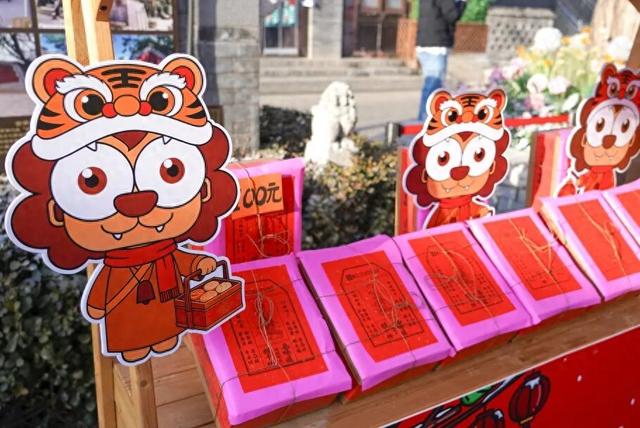
枣花酥

Search documents
习近平总书记关切事|老字号闯新路
Xin Hua She· 2026-02-15 01:33
Core Viewpoint - The article emphasizes the revitalization and innovation of traditional Chinese brands, known as "laozihao," highlighting their cultural significance and the need for adaptation to modern consumer preferences while preserving their heritage [1][10]. Group 1: Brand Innovation and Cultural Integration - Traditional brands like Beijing's Daoxiangcun are reviving long-lost products and integrating cultural elements into their offerings to attract modern consumers [2][8]. - The use of innovative marketing strategies, such as live streaming and online sales, is helping these brands reach a broader audience and adapt to contemporary tastes [8][11]. - The "Old Brand Revival" initiative aims to merge traditional craftsmanship with modern aesthetics, ensuring these brands remain relevant in today's market [6][10]. Group 2: Government Support and Policy Initiatives - The Chinese government is actively promoting the innovation and development of traditional brands through various policies, including the establishment of a dynamic management mechanism for brand evaluation [11]. - Initiatives like the "Laozihao Carnival" and the "Chinese Laozihao Innovation Development Conference" are designed to enhance brand visibility and foster innovation [11]. - There is a concerted effort to create a supportive ecosystem for these brands, including consumer promotion and internationalization strategies [10][11]. Group 3: Craftsmanship and Quality Assurance - The commitment to high-quality ingredients and traditional production methods is a hallmark of these brands, ensuring the authenticity of their products [4][9]. - Master craftsmen play a crucial role in maintaining the quality and integrity of traditional recipes, which are often passed down through generations [3][4]. - The meticulous attention to detail in production processes reflects the brands' dedication to preserving their culinary heritage [3][4].
模式口年货上新!“模十件”集结老街匠心,把京西年味带回家
Xin Lang Cai Jing· 2026-02-14 08:17
Core Insights - The article highlights the launch of "Mode Kou New Year Goods," featuring a selection of top-selling products from various quality stores in the Mode Kou area, aimed at celebrating the upcoming Spring Festival [1][27] - The offerings include traditional snack gift boxes and classic Beijing flavors, emphasizing the cultural significance and heartfelt wishes associated with the New Year [1][25] Group 1: Product Offerings - The "Mo Ten Items" gift box includes a variety of traditional snacks such as beef tongue cakes, old hawthorn pastry, five-nut pastry, sugar fire burn, and more, sourced from well-known local shops [4][5] - Signature snacks from popular stores like "Happiness Cake House" and "Yang A Yang" are highlighted for their quality and customer satisfaction, showcasing both traditional and innovative flavors [5][12] - The "Classic Braised Flavor Gift Box" from Jinliangyuan features traditional Beijing braised dishes, including pork knuckles and chicken, prepared with a focus on authentic flavors and cooking techniques [25][27] Group 2: Cultural Significance - The article emphasizes the importance of these food offerings in celebrating the New Year, with each item representing cherished memories and cultural heritage [12][25] - The festive atmosphere is enhanced by decorative elements such as lanterns and colorful lights, creating a vibrant shopping experience for visitors [27] - Mode Kou aims to provide a one-stop destination for New Year goods, combining traditional flavors with modern presentation to appeal to a wide audience [1][27]

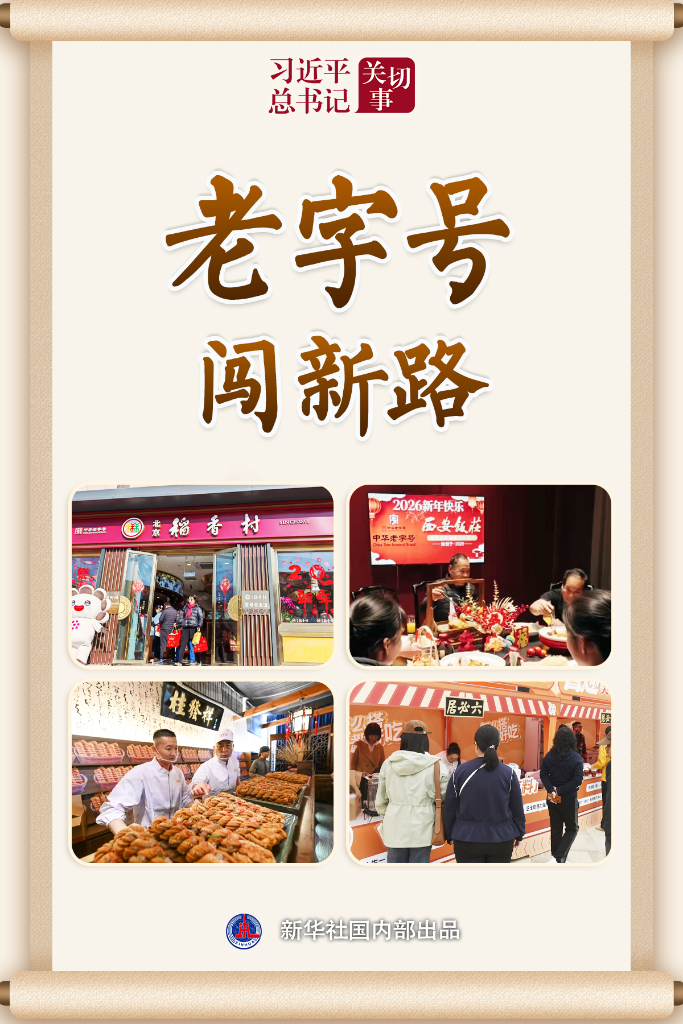
习近平总书记关切事丨老字号闯新路
Xin Hua She· 2026-02-13 11:57
Core Insights - The article emphasizes the importance of preserving and innovating traditional Chinese brands, known as "laozihao," which carry cultural significance and historical value [2][20]. Group 1: Brand Heritage and Innovation - The Beijing Daoxiangcun pastry shop, established in 1895, showcases traditional craftsmanship while reviving lost products and integrating cultural elements into their offerings [4][11]. - The Chinese government, including President Xi Jinping, has expressed support for the revitalization of these brands, highlighting the need for innovation while maintaining their core values [4][20]. - The article mentions various traditional brands, such as Tianjin's Yangliuqing woodblock New Year paintings, which are adapting to modern aesthetics and expanding their market reach [8][10]. Group 2: Cultural Significance and Community Engagement - Laozihao brands serve as living embodiments of Chinese culture, connecting generations through shared culinary experiences and memories [19][20]. - Initiatives like the Shaanxi Cuisine Cultural Experience Museum aim to engage younger audiences by making traditional culinary arts accessible and relatable [15][16]. - The article highlights the role of these brands in promoting Chinese culture internationally, with examples of products reaching overseas markets [19][20]. Group 3: Market Adaptation and Consumer Trends - Traditional brands are increasingly incorporating modern trends, such as health-conscious products and innovative marketing strategies, to attract younger consumers [12][20]. - The rise of e-commerce and social media has enabled these brands to reach a broader audience, breaking geographical barriers [12][20]. - The article notes that the integration of cultural elements into product design has resonated well with younger consumers, enhancing the appeal of traditional offerings [11][12].
习近平总书记春节前夕在北京看望慰问基层干部群众纪实
Xin Hua She· 2026-02-11 22:52
Group 1 - The article highlights President Xi Jinping's visit to grassroots cadres and the public in Beijing before the Spring Festival, emphasizing the importance of ensuring a joyful and prosperous celebration for the people [3][24] - Xi Jinping visited various locations, including a technology innovation park and a senior care service area, to understand the implementation of public welfare measures and the supply situation for the festive market [3][4][5] - The focus on technological innovation is underscored by the establishment of the National Trust Innovation Park, which showcases a full-chain industrial cluster from hardware to applications, reflecting a robust development trend in China's AI sector [4][5][6] Group 2 - The article discusses the strategic positioning of Beijing as a technology innovation center, with Xi Jinping emphasizing the need for collaboration with Tianjin and Hebei to enhance innovation and industrial cooperation [7][8] - Beijing's educational and technological resources are highlighted, with over 90 universities and thousands of high-tech enterprises contributing to the city's development as a hub for strategic emerging industries [8][9] - The article mentions the importance of sustainable urban governance and public service facilities, with initiatives like the 12345 government hotline achieving high satisfaction rates among citizens [18][9] Group 3 - The article details the improvements in elderly care services in Beijing, showcasing community initiatives that cater to diverse needs, including meal services for seniors and the integration of modern facilities [11][12][13] - Xi Jinping's visit to a senior care facility emphasizes the government's commitment to the well-being of the elderly, highlighting the importance of respect and care for older generations as a societal responsibility [17][15] - The article also notes the cultural significance of traditional markets and local businesses, with Xi Jinping encouraging the preservation and promotion of Beijing's historical and cultural heritage [20][21][22]

“确保广大人民群众开开心心、欢欢乐乐过好年”
Xin Lang Cai Jing· 2026-02-11 18:46
Core Viewpoint - The article emphasizes the importance of technological innovation and collaboration in Beijing's development strategy, highlighting the need for a coordinated approach to enhance the city's role as a national technology innovation center [2][3]. Group 1: Technological Innovation and Development - Beijing is positioned as a national technology innovation center, with a focus on leveraging its resources to achieve strategic goals [2]. - The central economic work conference proposed the establishment of international technology innovation centers in Beijing, Shanghai, and the Guangdong-Hong Kong-Macau Greater Bay Area, aiming to accelerate original innovation [2]. - The city has over 90 universities, thousands of research institutions, and more than 30,000 national high-tech enterprises, contributing to a strong R&D investment intensity of 6% [3]. Group 2: Urban Development and Governance - The article discusses the ongoing efforts to optimize Beijing's capital functions, including the relocation of non-capital functions to promote coordinated development in the Beijing-Tianjin-Hebei region [4]. - The importance of a correct performance view among government officials is highlighted, emphasizing the need for effective governance and quality development [4]. - Beijing's urban governance has seen improvements, with initiatives like the 12345 government hotline achieving a resolution and satisfaction rate of over 97% [12]. Group 3: Community and Social Services - The article mentions the establishment of community services that cater to the elderly and young, emphasizing the need for a comprehensive social support system [5][11]. - The integration of traditional culture and modern services is showcased through local businesses, such as the revitalization of historical areas and the promotion of traditional food [14][15]. - The article highlights the importance of ensuring a harmonious living environment for all citizens, with a focus on community engagement and cultural heritage [12][13].
“确保广大人民群众开开心心、欢欢乐乐过好年”——习近平总书记春节前夕在北京看望慰问基层干部群众纪实
Xin Hua She· 2026-02-11 14:43
Core Viewpoint - The article highlights President Xi Jinping's visit to grassroots communities in Beijing before the Lunar New Year, emphasizing the importance of technological innovation, social welfare, and cultural heritage in enhancing the quality of life for citizens. Group 1: Technological Innovation - The National Xinchuang Park in Beijing showcases a full-chain industrial cluster from hardware to applications, reflecting a robust development in technology innovation [1][2] - President Xi has consistently emphasized the significance of artificial intelligence and robotics, noting the rapid advancements in these fields and their potential to enhance productivity and quality of life [2][3] - Beijing aims to strengthen its position as a global technology innovation center, leveraging its educational and research resources to drive original innovation and address key technological challenges [3][4] Group 2: Social Welfare - The city has made strides in improving elderly care services, with initiatives like the "Wulao·Xinjie" community center providing diverse services for seniors [5][7] - President Xi highlighted the importance of sustainable community services, particularly for the elderly and new employment groups, ensuring their needs are met effectively [9][11] - The government is focused on enhancing public services and optimizing urban functions to support the well-being of all citizens [5][13] Group 3: Cultural Heritage - The article discusses the revitalization of historical areas like the Longfu Temple Street, blending traditional culture with modern experiences to attract visitors [15][16] - President Xi expressed the need to preserve the essence of traditional brands while adapting to contemporary market demands, ensuring cultural continuity [17] - The festive atmosphere in Beijing during the Lunar New Year reflects the city's rich cultural heritage and community spirit, with various traditional activities and celebrations [18]
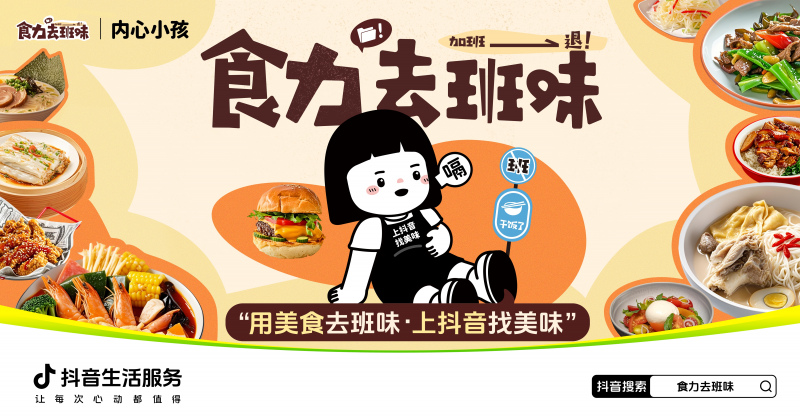
抖音生活服务“食力去班味”活动探索餐饮营销创新,参与商家40%新增用户为Z世代
Cai Fu Zai Xian· 2025-07-08 06:28
Core Insights - Douyin's "Food Power to Work" campaign aims to enhance weekday dining experiences for office workers in 19 cities, leveraging partnerships with various restaurant brands to attract young consumers [1][4] - The campaign has successfully increased user engagement, with a 22% month-on-month growth in transactions for co-branded products and 40% of new users being from Generation Z [1][4] Group 1: Campaign Overview - The campaign includes online and offline components, featuring a dedicated event page for users to access discounts and prizes, resulting in over 410 million views on related topics [2] - Offline promotions include a special subway line in Beijing, which has led to a 30% month-on-month increase in transactions for over 300 merchants along the route [2] Group 2: Brand Participation and Impact - Participating brands like Ubrew launched new products and promotional events, significantly increasing their online visibility and attracting around 400,000 online interactions [4] - Russian Kitchen introduced a special weekday meal deal that increased the proportion of Generation Z customers by 10% and boosted weekday sales by 8% [7] Group 3: Future Prospects - The campaign is expected to continue driving business growth, with plans for further collaborations, such as a co-branded gift box from Beijing Daoxiangcun featuring popular products and promotional items [7]