民营企业债券风险分担机制

Search documents
1000亿专项资金来了,将重磅加持贷款贴息、融资担保
21世纪经济报道· 2026-03-05 09:17
Core Viewpoint - The government work report emphasizes the importance of building a strong domestic market, expanding domestic demand, and maintaining demand-led growth, with specific policies aimed at enhancing consumer spending and supporting private investment [1][3]. Group 1: Policy Initiatives - A special fund of 100 billion yuan will be established by 2026 to promote domestic demand through financial collaboration, utilizing methods such as loan interest subsidies and risk compensation [1]. - The personal consumption loan subsidy policy, effective from September 1, 2025, offers a 1% annual subsidy on eligible loans, which is approximately one-third of the current commercial bank interest rates [1][2]. - The subsidy policy for personal consumption loans has been expanded to include various categories such as daily expenses under 50,000 yuan and significant purchases like automobiles and education [2]. Group 2: Support for Service Sector and Private Investment - The loan subsidy policy for service sector entities was implemented earlier, covering 11 categories including hospitality, healthcare, and tourism, with the policy period extended to December 31, 2026 [2][3]. - The government is also focusing on private investment by introducing loan subsidy policies for small and micro enterprises, establishing special guarantee plans, and optimizing equipment update loan subsidies to lower financing costs [3]. - The 100 billion yuan fund is seen as a crucial tool for enhancing the effectiveness of fiscal and financial policies, aiming to create a virtuous cycle between consumption and investment [3].


【财金视野】“六箭齐发”彰显宏观调控创新
Sou Hu Cai Jing· 2026-01-25 23:28
Core Viewpoint - The Ministry of Finance, in collaboration with the central bank and other relevant departments, has launched a series of coordinated fiscal and financial policies aimed at boosting domestic demand, which is identified as a top priority for economic development this year [2]. Group 1: Policy Implementation - A comprehensive set of innovative policy tools has been introduced to strengthen the synergy between fiscal and financial policies, effectively stimulating private investment and promoting consumer spending [2]. - The central economic work conference emphasized the need for consistency and effectiveness in macroeconomic policy orientation, with previous collaborative efforts already yielding positive results [2]. - The newly introduced policies include interest subsidies for loans to small and micro enterprises, a special guarantee plan for private investment, and a risk-sharing mechanism for bonds issued by private enterprises [2][3]. Group 2: Policy Optimization - The newly released six policies include three that focus on optimizing existing measures, such as interest subsidies for equipment upgrades and personal consumption loans, which have been crucial in expanding domestic demand [3]. - The optimization highlights include the inclusion of credit card installment payments in the personal consumption loan subsidy and the expansion of support to digital, green, and retail sectors under the service industry loan subsidy [3][4]. - Measures to extend implementation periods, broaden support areas, and increase participating banks have enhanced the precision and effectiveness of existing policies [3]. Group 3: Policy Impact - The six policies are characterized by substantial financial backing, with the private investment guarantee plan amounting to 500 billion yuan, significantly increasing the loan limits for individual enterprises [4]. - The service industry loan subsidy has raised the loan limit per entity from 1 million yuan to 10 million yuan, while the interest subsidy for small and micro enterprises is set at 1.5% of the total loan amount for a maximum of two years [4]. - The broad applicability and strong support of these policies reflect a more proactive macroeconomic policy stance [4].

多省市已全面启动新一年国补工作
Xin Lang Cai Jing· 2026-01-20 23:19
Core Viewpoint - The Chinese government is implementing a series of policies aimed at stimulating consumption, stabilizing investment, and fostering emerging industries as part of the 2026 economic strategy, marking the beginning of the "14th Five-Year Plan" [1][13]. Policy Directions - The National Development and Reform Commission (NDRC) is planning to advance significant high-tech projects and develop a strategy for expanding domestic demand from 2026 to 2030 [1][13]. - The focus is on enhancing domestic circulation and adapting to the trends of demand upgrades, alongside the needs of a new round of technological revolution and industrial transformation [1][13]. Financial Measures - The Ministry of Finance has introduced a comprehensive set of policies, including optimizing personal consumption loan subsidies, equipment update loan subsidies, and special guarantees for private investment [1][14]. - A key emphasis is on stimulating private investment and promoting consumer spending, particularly in the first quarter when credit volume is typically higher [2][14]. Consumer Support Initiatives - The government is continuing to promote consumption through policies such as the "trade-in" program for consumer goods, with an initial allocation of 625 billion yuan for 2026 [3][15]. - A unified subsidy standard for various consumer goods, including automobiles and home appliances, will be implemented nationwide [3][15]. Loan Subsidy Enhancements - The personal consumption loan subsidy policy allows residents to receive a 1% subsidy on loans used for consumption, including credit card installment payments [5][17]. - The maximum loan amount for businesses eligible for subsidies has been increased from 1 million yuan to 10 million yuan, with a 1% subsidy for one year [6][18]. Investment in Emerging Industries - The government is focusing on releasing investment demand in high-tech industries and accelerating the cultivation of new growth drivers [11][23]. - The National Venture Capital Guiding Fund has been established with an initial investment of 100 billion yuan, aiming to attract over a trillion yuan in total investment [11][23]. Support for Small and Medium Enterprises - New policies are being introduced to support small and medium-sized enterprises (SMEs), including loan interest subsidies for key industries such as new energy vehicles and medical equipment [9][21]. - The maximum loan amount eligible for subsidies for SMEs is set at 50 million yuan, with a subsidy rate of 1.5% for up to two years [9][21]. Structural Reforms - The government is also working on a plan to increase residents' income and stabilize employment, which is crucial for boosting consumption [7][19]. - Structural reforms will include enhancing fiscal transfers to support low-income groups and optimizing tax policies to improve disposable income [7][19].
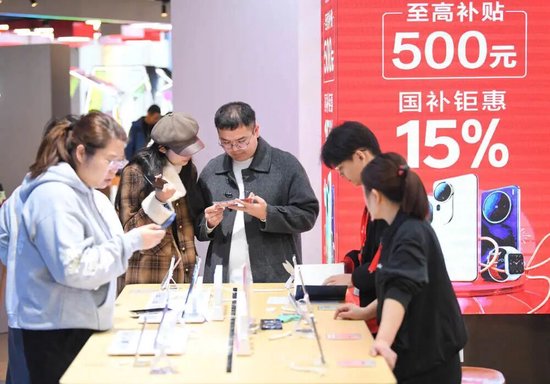
财政金融支持民间投资“一揽子”政策落地
Xin Lang Cai Jing· 2026-01-20 20:57
Group 1 - The central government has introduced a bond risk-sharing mechanism to support private enterprises in issuing bonds, providing credit enhancement and compensating investors for partial losses to broaden financing channels [1] - A new loan interest subsidy policy for small and micro enterprises has been implemented, offering a 1.5% interest subsidy on loan amounts up to 50 million yuan for a maximum of two years, targeting key industries such as new energy vehicles and industrial robots [2][3] - The policy aims to guide small and micro enterprises to invest in state-prioritized sectors, enhancing their technological capabilities and market competitiveness [2] Group 2 - The central government will subsidize 1.5% of the principal on fixed asset loans for equipment updates, with a focus on advanced manufacturing, green low-carbon initiatives, and digital transformation [3] - The active fiscal policy aims to leverage fiscal funds to stimulate private investment, technological innovation, and consumption expansion, promoting sustainable domestic demand [4] - The fiscal policy emphasizes precision, collaboration, sustainability, and risk prevention, ensuring that financial resources are effectively utilized [5]
财政金融协同加码促内需
Zhong Guo Jing Ying Bao· 2026-01-17 10:37
Group 1 - The core viewpoint of the article is that the fiscal policy in 2026 will become more proactive and collaborative, particularly in conjunction with monetary and industrial policies, enhancing the overall effectiveness of macroeconomic regulation [1] - The Ministry of Finance, in collaboration with relevant departments, held a video conference to promote a package of policies aimed at stimulating domestic demand, emphasizing the simplification of processes and strengthening execution tracking to ensure effective policy implementation [1][2] - The new round of policies focuses on boosting resident consumption and private investment, with measures such as optimizing service industry loans and personal consumption loan interest subsidies to enhance consumer capacity [1][2] Group 2 - In the consumption sector, the upgraded "dual interest subsidy" policy is a key focus, providing interest subsidies for loans to service industry entities in areas like dining, tourism, and healthcare, thereby reducing financing costs for quality service supply [2] - To stimulate private investment, a special guarantee plan for private investment has been established, along with a risk-sharing mechanism for private enterprise bonds, addressing the challenges of loan accessibility and high bond issuance costs [2][3] - The establishment of a collaborative working mechanism among fiscal departments, financial institutions, and regulatory bodies aims to break down departmental barriers, ensuring efficient use of fiscal funds and directing them towards the real economy and consumer endpoints [3]
政策协同发力 为民间投资提质增效添动能
Ren Min Wang· 2026-01-15 02:08
Group 1 - The core viewpoint emphasizes the importance of private investment in stabilizing growth, adjusting structure, and promoting employment, highlighting the need for coordinated efforts between fiscal and financial sectors [1] - The State Council meeting proposed several measures to support private investment, including implementing interest subsidies for loans to small and micro enterprises, establishing special guarantee plans for private investment, and optimizing fiscal interest subsidies for equipment updates [1] - Experts suggest that the interest subsidy policy will alleviate the burden on enterprises, allowing more funds to be directed towards operations and development, particularly in high-tech and high-employment sectors [1] Group 2 - Local governments have introduced supporting policies since 2025 to promote private investment by broadening investment fields, optimizing financing environments, and removing entry barriers [2] - The National Development and Reform Commission reported that as of October 29, 2025, 500 billion yuan of new policy financial tools had been fully allocated, effectively supporting eligible private investment projects [2] - The new policy financial tools are designed to supplement project capital, reducing initial investment pressure on private capital and enhancing project financing qualifications through government-backed funding [2] Group 3 - The measures also focus on improving financing coordination for small and micro enterprises, with banks required to set annual service targets for private enterprises and enhance credit access [3] - A specialized work mechanism has been established to facilitate financing connections, with banks receiving lists of eligible private investment projects to guide their financing services [3] - Some regions have successfully created online platforms for project information sharing, allowing banks to efficiently match funding with projects using big data technology [3] Group 4 - A series of policies have shown significant results, with private project investments (excluding real estate) growing by 2.1% year-on-year in the first three quarters of 2025, indicating stable growth [4] - Infrastructure private investment increased by 7% year-on-year, while manufacturing private investment grew by 3.2%, reflecting a positive development trend [4]
开年首次国常会:财政金融协同精准促内需
Xin Hua Wang· 2026-01-12 00:28
Group 1 - The core focus of the recent State Council meeting is on optimizing policies to stimulate domestic demand through fiscal and financial collaboration, aiming for both immediate and long-term benefits [1][5] - The meeting emphasizes the importance of "collaboration" and "precision" in policy implementation, aiming to enhance the effectiveness of fiscal and financial policies to stimulate market confidence and economic recovery [1][5] - A systematic "toolbox" of policies was introduced, targeting both consumption and investment as key drivers of domestic demand [2][3] Group 2 - The "double interest subsidy" policy was highlighted, which aims to reduce financing costs for service industry operators and personal consumption loans, thereby enhancing consumer spending [2][3] - A comprehensive policy matrix was established to support private investment, including loan interest subsidies for small and micro enterprises and a special guarantee plan for private investment [3][4] - The meeting also stressed the importance of ensuring effective implementation of these policies, with a focus on facilitating access to funds and managing their usage efficiently [4][5]
优化“双贴息” 设立民间投资专项担保计划开年首次国常会:财政金融协同精准促内需
Xin Lang Cai Jing· 2026-01-11 21:22
Group 1 - The core focus of the recent State Council meeting is on optimizing domestic demand through a series of financial and fiscal policy measures aimed at enhancing consumer spending and investment [1][2][5] - The meeting emphasizes the importance of "collaboration" and "precision" in policy implementation, aiming to create a synergistic effect between fiscal and financial policies to stimulate market confidence and economic recovery [1][3] - A systematic "toolbox" of policies has been introduced, targeting both consumer and investment sectors, including the "dual interest subsidy" policy to support service industry loans and personal consumption loans [2][3] Group 2 - The meeting outlines a robust policy matrix to support private investment, including loan interest subsidies for small and micro enterprises, a special guarantee plan for private investment, and a risk-sharing mechanism for private enterprise bonds [3][4] - The "dual interest subsidy" policy is designed to lower financing costs for service providers and enhance consumer credit affordability, thereby promoting a virtuous cycle of supply and demand [2][3] - The emphasis on effective policy implementation and management is highlighted, ensuring that funds are used efficiently and that the benefits reach both businesses and consumers [4][5]
财政金融协同发力促内需
Jing Ji Ri Bao· 2026-01-10 21:56
Group 1 - The core focus of the economic work for the year is to "insist on demand-led growth and build a strong domestic market" [1] - The implementation of a package of fiscal and financial policies to promote domestic demand is a significant measure to expand effective demand and innovate macroeconomic regulation [1][2] - The combination of fiscal and financial policies aims to enhance policy effectiveness through a multiplier effect, particularly by leveraging fiscal funds to guide financial institutions in supporting key areas for expanding domestic demand [1][3] Group 2 - Recent policies have been optimized based on market feedback and implementation tracking, enhancing the quality and effectiveness of measures aimed at expanding domestic demand [2] - Specific optimizations in the "Two New" policies include adjustments in support scope, subsidy standards, and implementation mechanisms [2] - The introduction of loan interest subsidy policies for service industry operators and personal consumption has effectively reduced credit costs for residents and businesses, thereby boosting consumption and expanding domestic demand [2] Group 3 - The government is focusing on innovative policy tools to better adapt to economic operations and macroeconomic regulation needs [3] - New measures include the implementation of loan interest subsidies for small and micro enterprises, establishing a special guarantee plan for private investment, and optimizing fiscal interest subsidies for equipment upgrades [3] - These policies aim to lower financing costs for small and micro enterprises, improve loan accessibility, and promote employment stability, consumption, and investment expansion [3] Group 4 - A series of policies aimed at expanding domestic demand and optimizing supply have been introduced at the beginning of the new year, with expectations for existing policies to continue to exert effects and new policies to be implemented promptly [4] - The goal is to continuously release policy dividends to effectively boost consumption and investment, thereby enhancing the endogenous momentum of economic development [4]
新年首场国常会!部署实施促内需一揽子政策!
券商中国· 2026-01-09 15:39
Core Viewpoint - The State Council of China is implementing a comprehensive policy package to promote domestic demand through fiscal and financial collaboration, focusing on enhancing consumer spending and supporting private investment [1][2][3]. Group 1: Fiscal and Financial Collaboration - The meeting emphasized the importance of fiscal and financial policy coordination to stimulate effective demand and innovate macroeconomic regulation [3]. - A "dual interest subsidy" policy will be optimized, which includes a 1% annual interest subsidy for service industry loans and personal consumption loans, with the central government covering 90% of the subsidy costs [3]. - The "dual interest subsidy" policy is set to be implemented until December 31, 2025, for service industry loans and until August 31, 2026, for personal consumption loans [3]. Group 2: Support for Private Investment - The meeting proposed a loan interest subsidy policy for small and micro enterprises, along with a special guarantee plan for private investment and a risk-sharing mechanism for private enterprise bonds [4]. - The policy aims to lower financing thresholds and costs for enterprises, leveraging fiscal and financial tools to direct more credit to key sectors [4]. - The bond market is highlighted for its advantages in supporting technological innovation, with risk-sharing tools ensuring the safety of bond issuance and extending the maturity of bonds [5]. Group 3: Basic Public Services - The meeting discussed promoting the provision of basic public services based on residency, which is expected to enhance the equalization of public services and support a people-centered new urbanization [6]. - Key measures include improving education policies for migrant children, expanding public rental housing, and strengthening basic medical insurance for residents [6]. - The initiative aims to address the needs of over 130 million migrant workers living in urban areas, ensuring they have access to essential services [6][7].