水果黄瓜

Search documents
(乡村行·看振兴)晋北小城山西左云大作为:特色产业富农家 科技赋能稳增收
Zhong Guo Xin Wen Wang· 2026-01-23 12:16
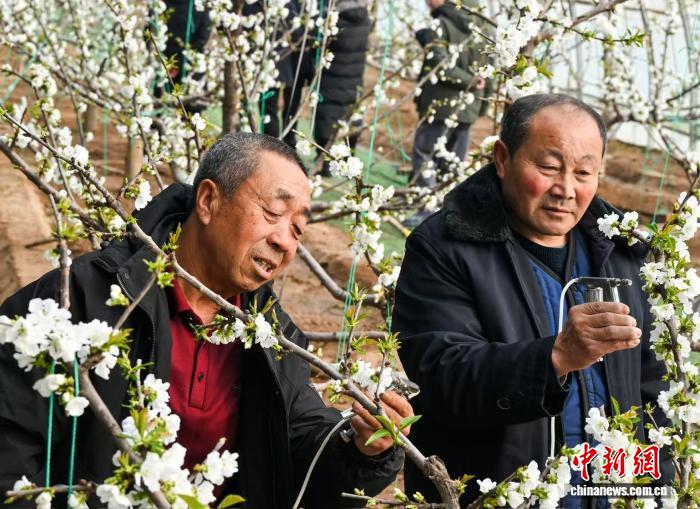
Core Viewpoint - The article highlights the agricultural development in Zuoyun County, Shanxi Province, focusing on the establishment of特色产业 (characteristic industries) and the integration of technology to enhance farmers' income and stabilize agricultural growth [1][2]. Group 1: Agricultural Development - Zuoyun County has invested 1.2 million yuan to build two cherry greenhouses, yielding over 12,000 yuan from 1,300 jin of cherries harvested in a short period [1]. - The county promotes a model of "government guidance, enterprise leadership, and farmer cooperation" to transform resource advantages into industrial strengths, thereby boosting collective village economies and increasing farmers' income [1]. Group 2: Scale and Standardization - The county is transitioning agriculture towards scale, standardization, and precision management, with over 2,600 acres of land being transferred for large-scale farming and more than 4,000 modern greenhouses established [2]. - In Heitokou Village, the introduction of green management measures has led to a single greenhouse producing over 5,000 jin of tomatoes, targeting the mid-to-high-end market [2]. Group 3: Technological Empowerment - Zuoyun County has developed a complete production system for potatoes, producing around 12 million virus-free micro-potato seeds annually, with over 10 million jin of original seeds and more than 24 million jin of first-class seeds [4]. - The county's leading seed breeding company has increased potato yields from 1,000 jin to over 3,000 jin per acre, benefiting farmers with nearly 200 million yuan in increased income [6]. Group 4: Circular Economy - The county explores a "plant-animal cycle" development model, with a company raising over 50,000 bass fish in a water recycling greenhouse, which also irrigates surrounding orchards, achieving ecological sustainability [7]. - The expected revenue from the sale of 50,000 bass fish is projected to be around 1 million yuan [7]. Group 5: Overall Impact - Zuoyun County's focus on特色产业培育 (characteristic industry cultivation),科技赋能 (technology empowerment), and生态循环发展 (ecological circular development) effectively promotes agricultural quality improvement and stable income growth for farmers [9].

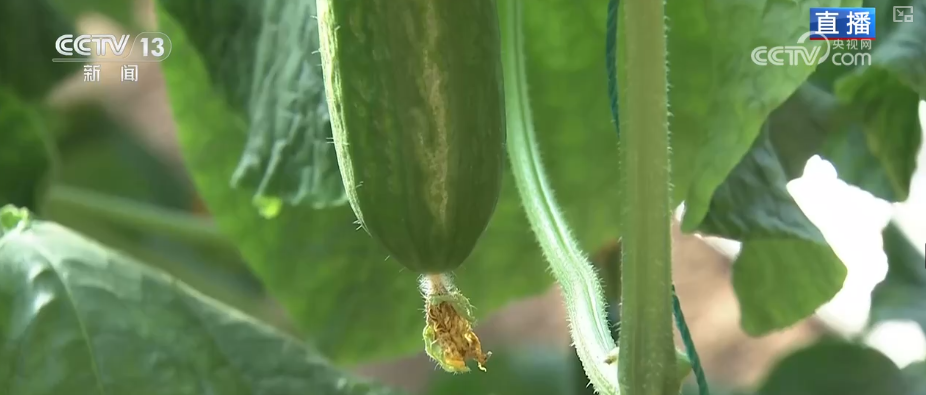
科技加持四季鲜蔬供应不断档 “鲜”链直达丰富百姓餐桌
Yang Shi Wang· 2026-01-23 06:02
Core Insights - The article highlights the thriving vegetable production in Langfang, Hebei, focusing on the cultivation and processing of "clean vegetables" which are fresh and undergo standard processing before reaching consumers' tables [1][4]. Group 1: Vegetable Production - The Shunzhai Melon and Vegetable Planting Cooperative in Gu'an County is actively harvesting fresh vegetables like fruit cucumbers, with a significant yield expected from their greenhouses [3][7]. - Gu'an County is a core area for facility vegetable production around Beijing and Tianjin, with a long history of vegetable cultivation that aligns with market demand [9][10]. Group 2: Clean Vegetable Industry - The local industry is developing the clean vegetable sector, which involves standardized processing to enhance quality and efficiency, ensuring that vegetables are fresh and nutritious when delivered to consumers [12]. - Clean vegetables undergo a process of removing dirt, roots, and any unusable parts, and are transported using temperature-controlled vehicles to maintain freshness [12]. Group 3: Supply Chain and Market Dynamics - Vegetables are harvested in the morning and can be on the market by noon, utilizing an order-based production model that connects directly with supermarkets and large e-commerce platforms [12]. - The cooperative is prepared for weather fluctuations, employing modern greenhouse technologies to mitigate the impact of low temperatures on vegetable supply [15].
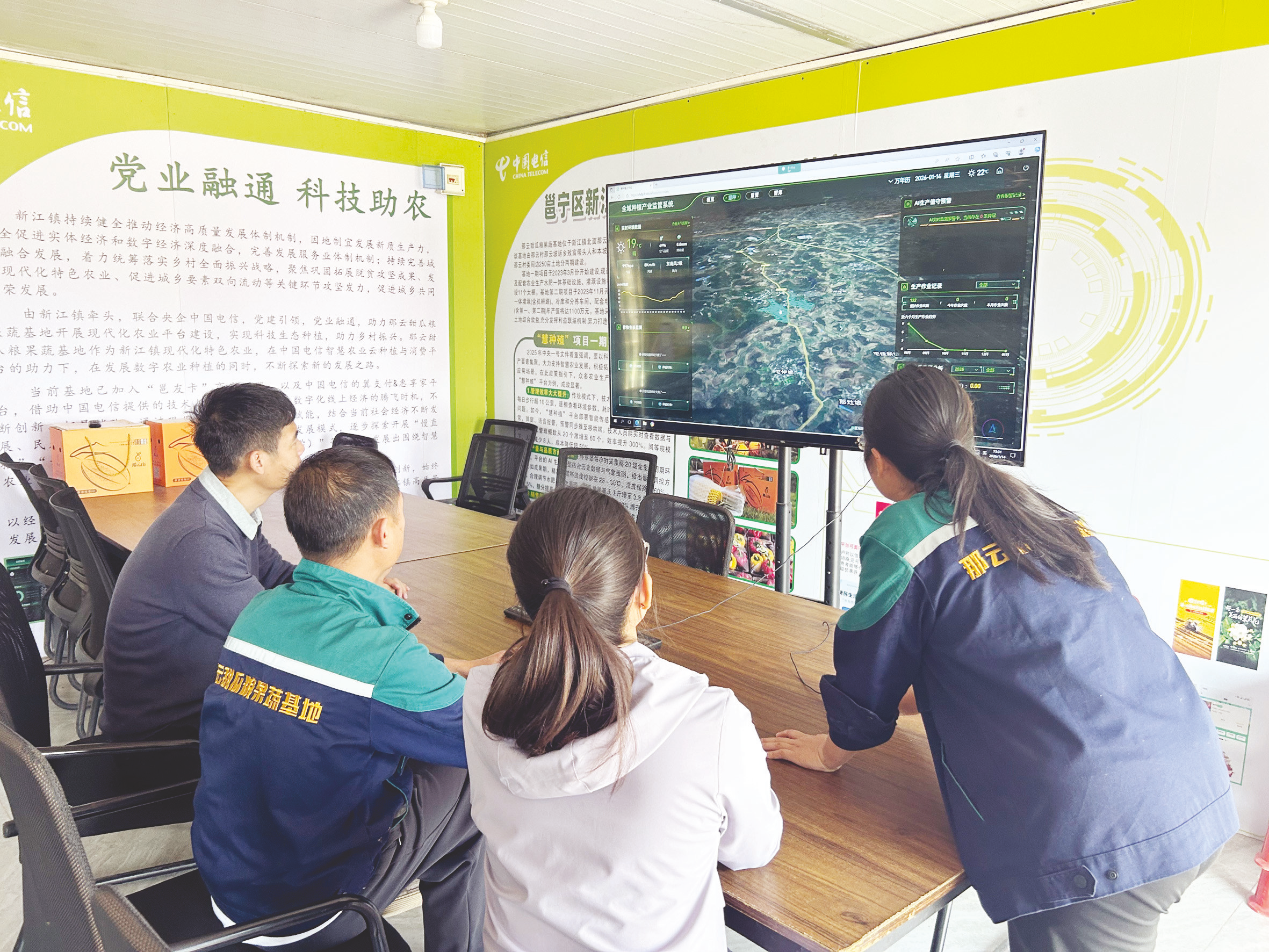
一颗甜瓜甜了家乡 一片大棚富了乡亲
Xin Lang Cai Jing· 2026-01-20 21:55
Core Insights - The article highlights the integration of technology in modern agriculture to promote rural revitalization and economic development in Xinjiang Town, focusing on the "Nayun Sweet Melon" brand and its impact on local farmers [2][4][6]. Group 1: Economic Development - Xinjiang Town is enhancing its economic development mechanisms to promote high-quality growth, focusing on the integration of the real economy and digital economy [2]. - The "Nayun Sweet Melon" base, supported by China Telecom, is a key player in modern agricultural platform construction, utilizing smart agriculture technologies [2][4]. Group 2: Agricultural Innovation - The base employs advanced technology for monitoring and managing greenhouse conditions, leading to improved crop yields and quality [5]. - The first batch of sweet melons was successfully marketed in May 2023, achieving significant economic benefits and expanding its market reach to regions like the Yangtze River Delta and Pearl River Delta [5]. Group 3: Community Impact - The initiative has encouraged local farmers to participate in the cooperative, with over a hundred households benefiting from various income channels, including land transfer and cooperative farming [5]. - The village's collective economic income surpassed 500,000 yuan for the first time in 2023, demonstrating the positive impact of the agricultural project on the local economy [5]. Group 4: Future Prospects - The brand aims to enhance its recognition and explore agritourism opportunities to further increase local economic benefits and support community wealth [6].

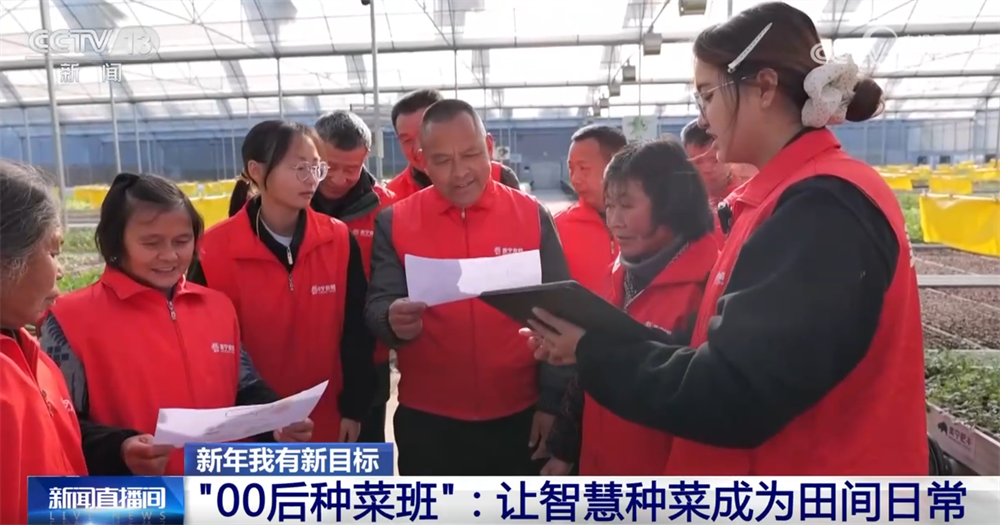
无人机植保+数字化管控 “00后种菜班”让智慧种菜成为田间日常
Yang Shi Xin Wen Ke Hu Duan· 2026-01-13 08:33
Core Insights - The article highlights the transformation of agricultural practices in Suining, Sichuan, through the establishment of a "post-00s vegetable planting class" that utilizes advanced technologies such as drones, smart irrigation, and digital management to cultivate specialty vegetables and educate local farmers [1][5]. Group 1: Technological Implementation - The "post-00s vegetable planting class" has constructed a smart greenhouse over the course of a year, employing young individuals to manage various agricultural tasks, including pest control and nutrient management [5]. - The use of drones allows a single operator to cover thousands of acres for pest control, while specialized technicians tailor nutrient solutions based on soil characteristics [5]. - Digital management has increased the output value per acre from 30,000 yuan to 120,000 yuan, representing a fourfold increase [5]. Group 2: Soil Improvement and Automation - The initial challenge faced by the planting class was soil improvement, which they addressed by consulting university professors and using organic fertilizers and probiotics [7]. - An automated fertilization and irrigation system was developed, allowing for precise nutrient delivery to the soil, which significantly reduced manual labor [9]. Group 3: Education and Community Impact - The young team has created easy-to-understand instructional materials to teach local farmers about smart greenhouse technologies, leading to over 100 villagers finding new employment opportunities in the smart greenhouse [3][13]. - The "post-00s vegetable planting class" is actively expanding its smart greenhouse initiatives to neighboring villages, with two new greenhouses covering 180 acres currently under construction [15].

这个“00后”种菜班让智慧农业“照进”田间日常 温室大棚一派好“丰”景
Yang Shi Wang· 2026-01-13 03:42
Core Insights - The article highlights the transformation of agricultural practices in Suining, Sichuan, through the introduction of modern technologies by a group of post-2000s youth, who aim to teach local villagers smart farming techniques [1][12]. Group 1: Technological Advancements - The "post-2000s" farming class utilizes drones for pest control, smart irrigation, and digital management to enhance productivity on previously barren land [1][3]. - The implementation of digital management has increased the output value per acre from 30,000 yuan to 120,000 yuan, a fourfold increase [7]. - An automated fertilization and irrigation system was developed, allowing for efficient nutrient delivery to the soil [16][18]. Group 2: Community Engagement and Training - The youth have initiated training sessions for local villagers, with over 100 villagers now employed in smart greenhouses [22]. - The program aims to expand the smart greenhouse model to surrounding villages, with a target of establishing 10,000 acres of smart greenhouses [22][26]. - The training includes hands-on demonstrations of modern agricultural techniques, making it accessible for the local population [20]. Group 3: Product Development and Certification - The farming class has successfully cultivated over 20 new varieties of fruits and vegetables, with 11 varieties receiving China Green Food certification [18][20]. - The focus on quality and certification is aimed at enhancing marketability and ensuring traceability in production [20].

武汉一高校学生自种蔬菜成“抢手货”
Zhong Guo Xin Wen Wang· 2026-01-07 01:18
Core Viewpoint - The initiative by Huazhong Agricultural University students to grow and sell vegetables emphasizes practical agricultural education and promotes organic farming practices, attracting significant customer interest and engagement [1][2]. Group 1: Student Initiative and Practices - Students from Huazhong Agricultural University are involved in all stages of vegetable production, from selection to sales, under the guidance of professional instructors [1]. - The vegetables are grown using organic methods, avoiding ripening agents and pesticides, and utilizing organic fertilizers made from fully fermented animal manure [1]. - The sales process occurs regularly, with students selling fresh produce at the university's teaching base, often selling out quickly due to high demand [1]. Group 2: Customer Engagement and Feedback - Customers appreciate the freshness and quality of the vegetables, with some traveling significant distances to purchase them, indicating strong community interest [2]. - The initiative has evolved to include online engagement, with students live-streaming their farming and selling activities, which has attracted attention from outside the university [2]. - The program serves as a practical social experience for students, fostering a deeper appreciation for agricultural labor and the value of land [2].
河北保定徐水区拎稳进京蔬菜“菜篮子”
Jing Ji Ri Bao· 2025-08-13 08:19
Core Insights - The article highlights the transformation of the Kirin Store Village's agricultural practices, focusing on the introduction of modern farming techniques and high-quality produce to enhance local agriculture and attract younger generations back to farming [1][2]. Group 1: Agricultural Innovation - In 2022, the village established a new efficient solar greenhouse project on 60 acres of previously idle land, introducing various new crop varieties and advanced agricultural technologies [2]. - The introduction of new crop varieties, such as taste-oriented tomatoes and premium cucumbers, along with modern farming techniques like temperature control and drip irrigation, has significantly improved crop yields and quality [2]. Group 2: Economic Impact - The new agricultural practices have led to increased income for local farmers, with reports of yields reaching over 8,000 pounds per acre and wholesale prices for melons at 4 yuan per pound [2]. - The transformation has resulted in a shift from traditional single-crop farming to multiple harvests per year, significantly boosting farmers' revenues [2]. Group 3: Community Engagement - The local government, along with agricultural experts, has played a crucial role in guiding the transformation, fostering community involvement, and encouraging young people to return to agriculture [2]. - The establishment of over 100 specialized planting and agricultural tourism sites has positioned the region as a key supplier for nearby urban areas, enhancing its reputation as a major agricultural hub [2].
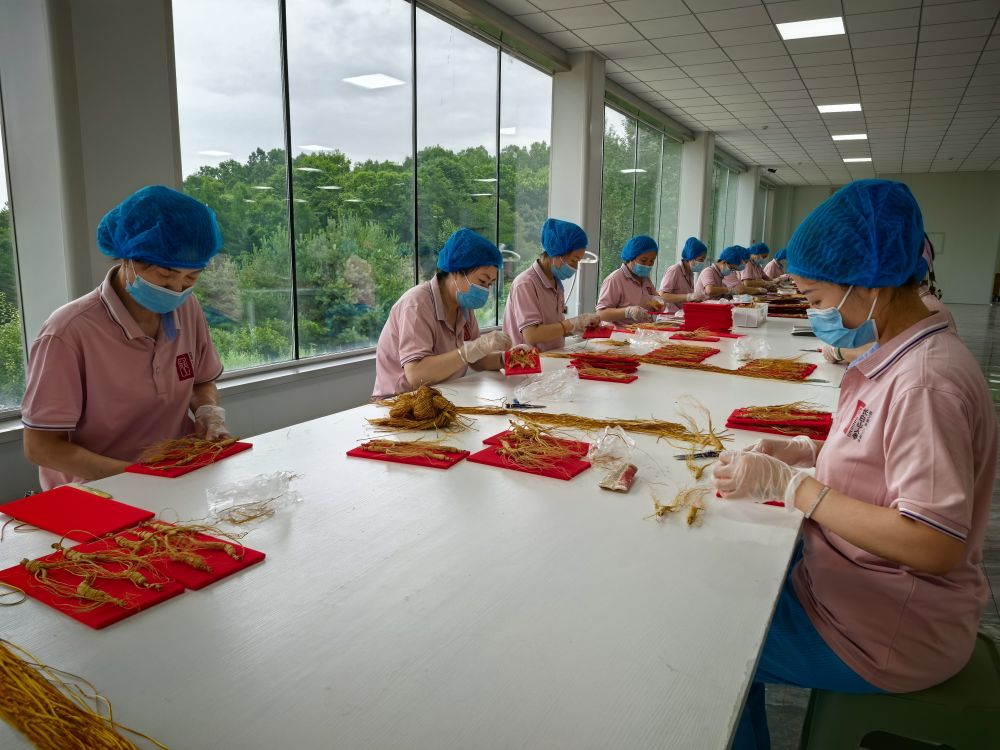
活力中国调研行|百变人参、温泉养鱼、手机种瓜——吉林农业尽显科技范儿
Xin Hua She· 2025-07-16 14:30
Group 1: Ginseng Industry Development - The ginseng industry in Jilin Province is experiencing significant growth, with a focus on high-quality development mechanisms and brand cultivation, aiming for a total industry output value approaching 100 billion yuan [3] - Jilin Boda Agricultural and Forestry Biotechnology Co., Ltd. has developed nearly 350 ginseng products, processing about 1,000 tons of fresh ginseng annually, appealing to younger consumers [1][3] - The company has established strong partnerships with local universities for research and development, holding five invention patents related to ginseng processing [1] Group 2: Technological Advancements in Agriculture - Jilin Zhuoyuan Agricultural Development Co., Ltd. utilizes advanced technology in its "plant factory" for soil-less cultivation of fruits and vegetables, achieving high standards in production [5][7] - The company employs a closed-loop system using geothermal water for aquaculture, resulting in high yield and short production cycles for various fish and shrimp species [7] - Smart greenhouses in Jilin allow for precise monitoring and control of environmental conditions, significantly increasing the yield of crops like melons, with potential production reaching 15,000 jin per mu [10] Group 3: Economic Impact and Future Prospects - The establishment of technology-driven agricultural initiatives has led to the creation of over 1.2 billion yuan in economic benefits in the past three years across Jilin Province [10] - The number of technology small courtyards in Jilin has reached 168, covering all counties and contributing to rural development and agricultural efficiency [10]