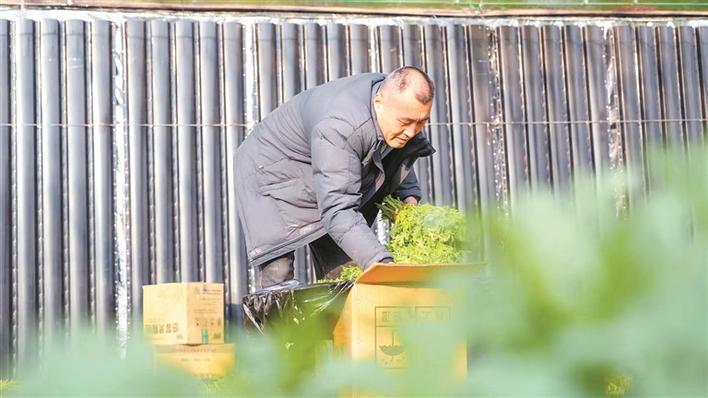
茼蒿

Search documents
新春“菜篮”鲜味儿足
Xin Lang Cai Jing· 2026-02-20 18:38
Core Insights - The article highlights the thriving agricultural activities at the Tuanjie Farm, emphasizing the production of fresh fruits and vegetables during the spring season to meet market demand and support rural revitalization efforts [1][2] Group 1: Agricultural Production - Tuanjie Farm is actively promoting spring facility fruit and vegetable production, aiming to fill the fresh produce market for the New Year [1] - The farm has over 1,600 greenhouse structures that serve as a significant source of income for local workers and contribute to rural revitalization [2] Group 2: Individual Success Stories - Worker Wang Yuting has successfully cultivated six greenhouses, with three dedicated to growing tender and high-quality choy sum, which has garnered pre-orders from merchants [1] - Worker Wei Hongjun is cultivating various strawberry varieties, emphasizing the importance of proper cultivation techniques to ensure quality and yield, with a peak picking season during the New Year [2] Group 3: Technological Advancements - Tuanjie Farm is continuously improving facility agriculture by introducing superior fruit and vegetable varieties and advanced cultivation techniques from regions like Shandong [2] - The farm aims to optimize planting structures and enhance production and sales mechanisms to ensure a more abundant supply of produce and increased income for workers [2]
定西:春节鲜蔬供应有保障
Xin Lang Cai Jing· 2026-02-13 10:06
Core Insights - The article highlights that the supply of fresh vegetables in Dingxi is stable and sufficient for the Spring Festival, with a daily supply of 300 tons [1] Group 1: Production - The total area for facility vegetable cultivation in Dingxi is 42,000 acres, yielding approximately 45,000 tons [1] - Various types of vegetables are being harvested, including leeks, peppers, tomatoes, cucumbers, and cherry tomatoes from different counties [1] Group 2: Supply Chain Measures - Agricultural departments are implementing multiple measures to ensure market supply, including technical guidance, integrated water and fertilizer management, and pest control [1] - A multi-faceted production and sales system is established, connecting direct supply from production areas to supermarkets and community delivery [1] Group 3: Economic Benefits - The article mentions the use of a cooperative model to enhance farmers' income through land leasing, labor income, and profit-sharing [1]
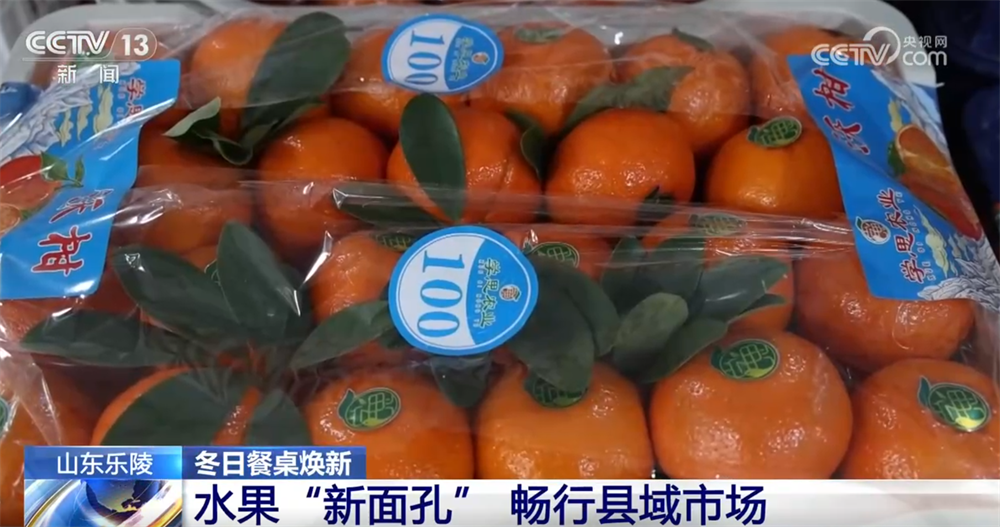
水果“新面孔”畅行县域市场 冬日餐桌焕新传统菜市场活力升级
Yang Shi Wang· 2026-01-26 02:08
Group 1: Seasonal Products - The market is seeing a significant increase in seasonal water products, fruits, and fresh vegetables as the Spring Festival approaches, with over 20 days remaining [1] - Various citrus fruits are available in county-level agricultural wholesale markets, including sugar oranges, Wogan oranges, and jelly oranges [3] - New fruit varieties are being introduced in the Shandong Leiling agricultural wholesale market, which is set to open in 2025, attracting customers with free tastings [5] Group 2: Vegetable Market Dynamics - Guangxi is a major production base for autumn and winter vegetables, with approximately 700 tons of agricultural products being distributed daily from the Nanning Jiangnan District market [12] - A variety of local seasonal vegetables are now available, such as watercress, which is popular for soups, and pea shoots, which are essential for hot pot dishes [14] - The development of cold chain logistics has enabled the availability of fresh vegetables from various regions, ensuring same-day and next-day delivery [17] Group 3: Seafood Market Trends - The Strait Seafood Trading Center in Fuzhou is one of the largest seafood spot trading markets in China, featuring local fish species as well as imports from Australia and Indonesia [21] - There is a noticeable increase in the trading volume of high-end seafood products, such as grouper and king crab, as the Spring Festival approaches [24] - The sales of grouper have surged from approximately 200 pounds per day before New Year's to 500-600 pounds daily in the past two weeks [24]

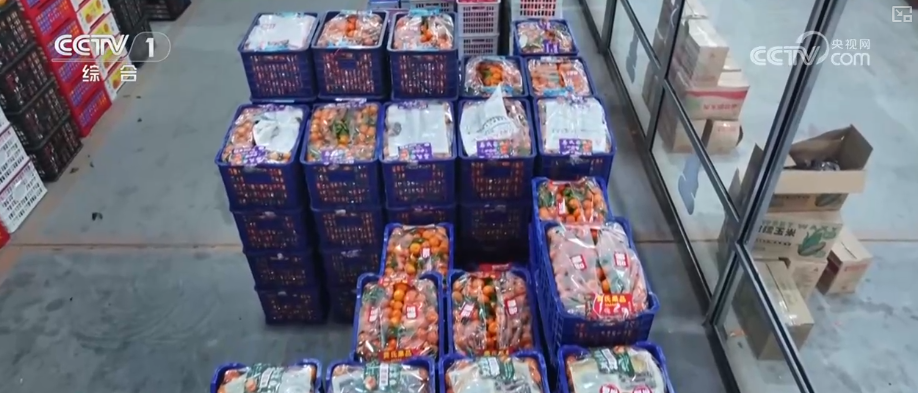
视频丨销量翻倍、订单排满 节前消费市场活力十足
Yang Shi Xin Wen Ke Hu Duan· 2026-01-25 23:56
Group 1: Seasonal Products - Seasonal seafood, fruits, and fresh vegetables are abundantly available as the Spring Festival approaches, enriching the dining tables of the public [1] - In county-level agricultural wholesale markets, various citrus fruits such as sugar oranges and jelly oranges are being showcased [3] - The introduction of new strawberry varieties in Shandong's agricultural wholesale market has led to increased sales [5] Group 2: Agricultural Market Dynamics - Guangxi is a major production base for autumn and winter vegetables, with around 700 tons of agricultural products being transported daily to consumers [7] - The development of cold chain logistics has enabled a wider variety of fresh vegetables to reach markets quickly, ensuring same-day and next-day delivery [7] - The seafood trading center in Fuzhou is experiencing peak trading volumes, with high-end seafood sales, such as grouper and king crab, significantly increasing as the festival approaches [9] Group 3: Home Service Industry - The demand for home cleaning services is surging as families prepare for the Spring Festival, with orders for full-house cleaning increasing by 20% to 30% weekly [12][15] - Home service companies are adapting by offering new services like pet care and storage solutions, targeting younger consumers [14][17] - Digital services are becoming integral to the home service industry, allowing consumers to easily book cleaning services through various online platforms [22] Group 4: Winter Sports and Consumer Trends - The popularity of winter sports is rising, contributing to a boost in consumer spending as schools enter winter break [25] - Skiing winter camps are experiencing a surge in participation among youth, reflecting a growing interest in winter sports [27] - New urban night skiing facilities are being developed, making skiing more accessible to residents and enhancing local recreational options [30]
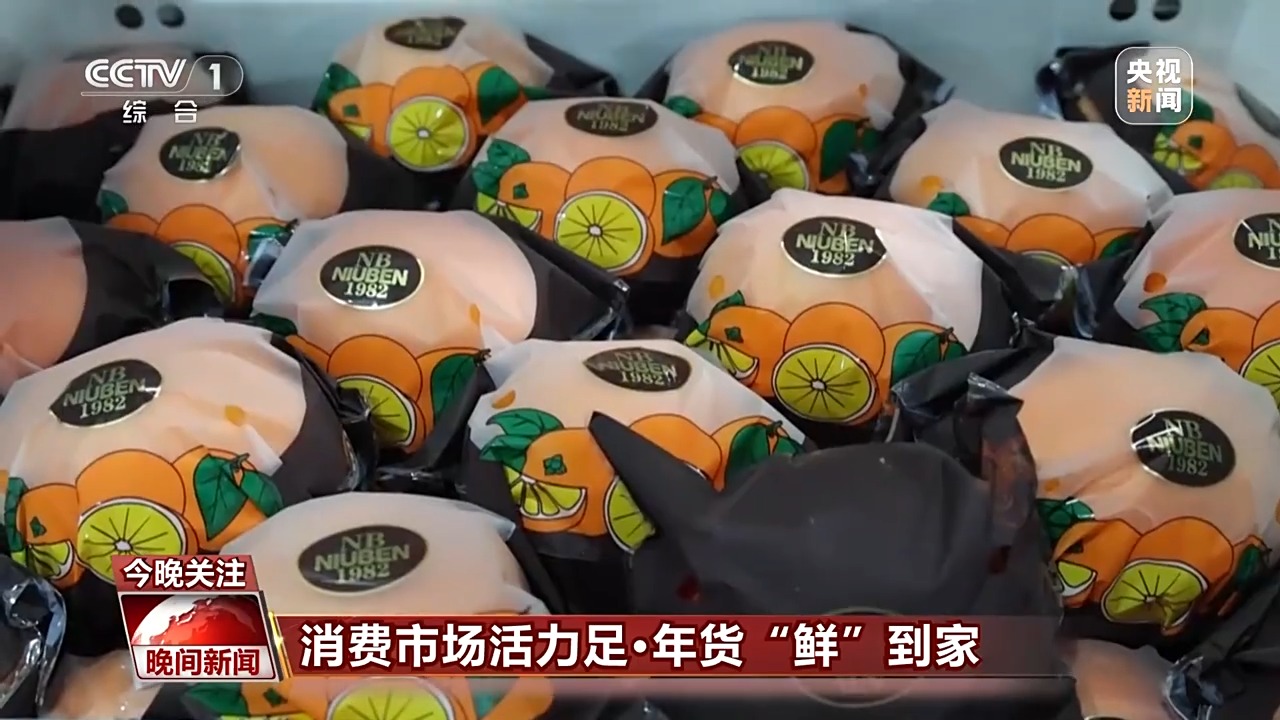
县域市场水果“焕新”、传统菜市活力升级 从“菜篮子”“果盘子”透视消费潜力
Yang Shi Wang· 2026-01-25 08:19
Group 1: Agricultural Market Development - China has become the world's largest producer and consumer of fruits and vegetables, with a significant increase in seasonal fruits and fresh vegetables available in the market during winter [1] - The newly built agricultural wholesale market in Leiling is set to officially open in September 2025, featuring a variety of fresh fruit options, including new varieties introduced by local vendors [4][9] - The market has seen an average daily fruit trading volume of around 200 tons, attracting over 2,000 buyers for procurement [9] Group 2: Consumer Trends and Product Variety - Local consumers are increasingly seeking diversity and freshness in fruit options, leading vendors to introduce new varieties, such as three new types of apples this year [4] - The introduction of different strawberry varieties has also been noted, reflecting the market's adaptability to consumer preferences [7] - The market's expansion has allowed for a broader range of products, with vendors actively sourcing from various regions, enhancing the overall selection available to consumers [12] Group 3: Regional Agricultural Insights - In Guangxi, the agricultural market is a major hub for winter vegetables, with daily transactions reaching approximately 700 tons and an annual turnover of around 11 billion yuan [13] - The market features a wide variety of local and regional vegetables, supported by advancements in cold chain logistics that enable fresh produce to arrive quickly [15] - New vegetable varieties, such as the hybrid "Ban Lan Gen Qing Cai," are gaining popularity, showcasing the market's innovation in product offerings [17] Group 4: Cultural and Market Integration - The Guangxi market is not only a trading hub but also a cultural space, with plans to enhance the market's infrastructure and cultural representation, making it a destination for both shopping and cultural experiences [19][21]
科技加持四季鲜蔬供应不断档 “鲜”链直达丰富百姓餐桌
Yang Shi Wang· 2026-01-23 06:02
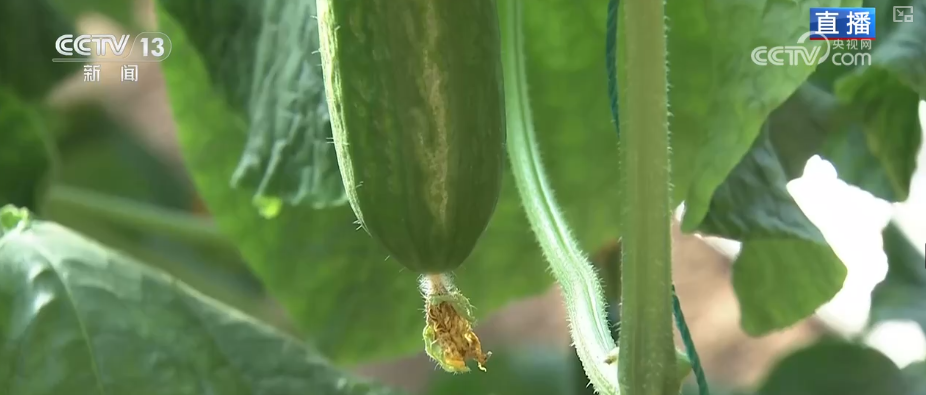
Core Insights - The article highlights the thriving vegetable production in Langfang, Hebei, focusing on the cultivation and processing of "clean vegetables" which are fresh and undergo standard processing before reaching consumers' tables [1][4]. Group 1: Vegetable Production - The Shunzhai Melon and Vegetable Planting Cooperative in Gu'an County is actively harvesting fresh vegetables like fruit cucumbers, with a significant yield expected from their greenhouses [3][7]. - Gu'an County is a core area for facility vegetable production around Beijing and Tianjin, with a long history of vegetable cultivation that aligns with market demand [9][10]. Group 2: Clean Vegetable Industry - The local industry is developing the clean vegetable sector, which involves standardized processing to enhance quality and efficiency, ensuring that vegetables are fresh and nutritious when delivered to consumers [12]. - Clean vegetables undergo a process of removing dirt, roots, and any unusable parts, and are transported using temperature-controlled vehicles to maintain freshness [12]. Group 3: Supply Chain and Market Dynamics - Vegetables are harvested in the morning and can be on the market by noon, utilizing an order-based production model that connects directly with supermarkets and large e-commerce platforms [12]. - The cooperative is prepared for weather fluctuations, employing modern greenhouse technologies to mitigate the impact of low temperatures on vegetable supply [15].
“鲜味经济”“鲜花经济”撬动节前火热消费 多地开启“年货交易模式”
Yang Shi Wang· 2026-01-18 11:03
Seafood Industry - The seafood market in Shandong is experiencing a surge in demand during the Spring Festival, with significant activity in Qingdao and Rizhao, where oyster processing is reaching daily volumes of tens of thousands of pounds [1][4][7] - In Qingdao, the Red Island Fishing Port is bustling with activity as fishing boats unload oysters, which are then sorted, weighed, and packaged for sale [4][7] - Rizhao's seafood markets are well-stocked, with a variety of fresh seafood and popular dried products like grilled shrimp and squid being highly sought after by consumers [11] Flower Industry - In Yunnan, the flower market is seeing a peak in production and sales, particularly for the lotus flower, which symbolizes good fortune as the Year of the Horse approaches [12][13] - The black lotus flower is gaining popularity among consumers, reflecting a desire for success in the upcoming year [13] - The Kunming Dounan Flower Market, Asia's largest fresh-cut flower trading market, is also seeing strong sales for traditional New Year flowers and other ornamental plants [13][15] Agricultural Products - The Northeast New Fa Di Agricultural Supply Chain Center in Liaoning is bustling with activity as it prepares for the Spring Festival, attracting buyers from across the country [16][18] - Daily sales of sugar oranges are around 80 tons, with local vegetable procurement also increasing significantly as the festival approaches [18][20] - The center serves as a distribution hub for Liaoning's agricultural products, with improved transportation routes enhancing the flow of goods to the Beijing-Tianjin-Hebei region [21]

当日采收凌晨直达,全方位安全管控 全链条织密“菜篮子”安全保供网
Zhen Jiang Ri Bao· 2026-01-08 23:45
Core Viewpoint - The article highlights the efforts of Zhenjiang Economic Development Zone in ensuring a fresh and safe supply of vegetables for the upcoming Spring Festival, emphasizing the importance of local production and quality control measures [1][2][3] Group 1: Freshness and Supply - The vegetable bases in Zhenjiang are operating at full capacity to ensure fresh produce is harvested and delivered promptly, with a focus on "same-day harvest, early morning delivery" [1] - The Dalu Town Modern Agricultural Industrial Park has over 800 acres of vegetable planting area, with a stable daily harvest of around 500-600 pounds of fresh vegetables [1] - The agricultural park is currently supplying approximately 12.5 tons of vegetables daily to the market, covering over ten seasonal varieties to meet consumer demand during the holiday period [2] Group 2: Quality Control and Safety - The agricultural park implements multiple measures for vegetable quality control, including issuing notices on banned pesticides and signing safety commitment letters with farmers [2] - A unified natural disaster insurance policy for farmers has been established to alleviate their concerns and encourage production [2] - The park's detection team conducts random inspections and increases the frequency of product testing to ensure all vegetables meet safety standards [3] Group 3: Future Planning - Zhenjiang Economic Development Zone plans to continuously monitor weather patterns and market supply-demand changes to optimize planting strategies and improve distribution efficiency [3] - The goal is to maintain a rich variety of fresh and safe vegetables for consumers, enhancing the quality of holiday meals [3]
党建引领“统种共富”高原菜心香飘四方
Xin Lang Cai Jing· 2026-01-05 18:44
Core Viewpoint - The article highlights the successful implementation of a "party-led" model in Ganshu Bay Village, which has transformed agricultural practices and improved the economic conditions of local farmers through collective farming and mechanization [6][7][10]. Group 1: Agricultural Development - The Ganshu Bay Village has achieved a sales revenue of 5 million yuan from highland cool vegetables, with established market channels to major regions including the Greater Bay Area and Beijing [6][8]. - The village has integrated 66.87 hectares of land for large-scale cultivation of high-quality cool vegetables, enhancing income through a "three-gold" model: rental income from land transfer, wages from employment, and collective dividends [8][12]. - The introduction of mechanized farming and a cooperative model has allowed farmers to shift from individual efforts to collective development, significantly increasing productivity [7][10]. Group 2: Economic Impact - The cooperative model has led to an increase in collective economic income by 90,000 yuan annually, benefiting around 150 stable jobs in the region [8][11]. - The integration of over 2,600 acres of land has resulted in direct land transfer fees of 14.4 million yuan reaching farmers, creating 2225 stable jobs with a total annual income of 16.39 million yuan from labor [11][12]. - The establishment of a modern cold storage facility with a capacity of 4000 cubic meters has reduced vegetable spoilage rates from 20% to 5%, enhancing the quality and marketability of the produce [12]. Group 3: Infrastructure and Investment - An investment of 5.07 million yuan has been made in high-efficiency water-saving irrigation projects, improving irrigation efficiency over 1000 acres [12]. - The construction of a vegetable processing base with advanced equipment aims to transition from primary agricultural products to high-value processed goods [12][13]. - Future plans include the development of a smart agriculture model that integrates traditional farming with modern technology, enhancing the overall agricultural landscape of the region [13].
设施农业“棚”勃发展
Xin Lang Cai Jing· 2025-12-19 18:23
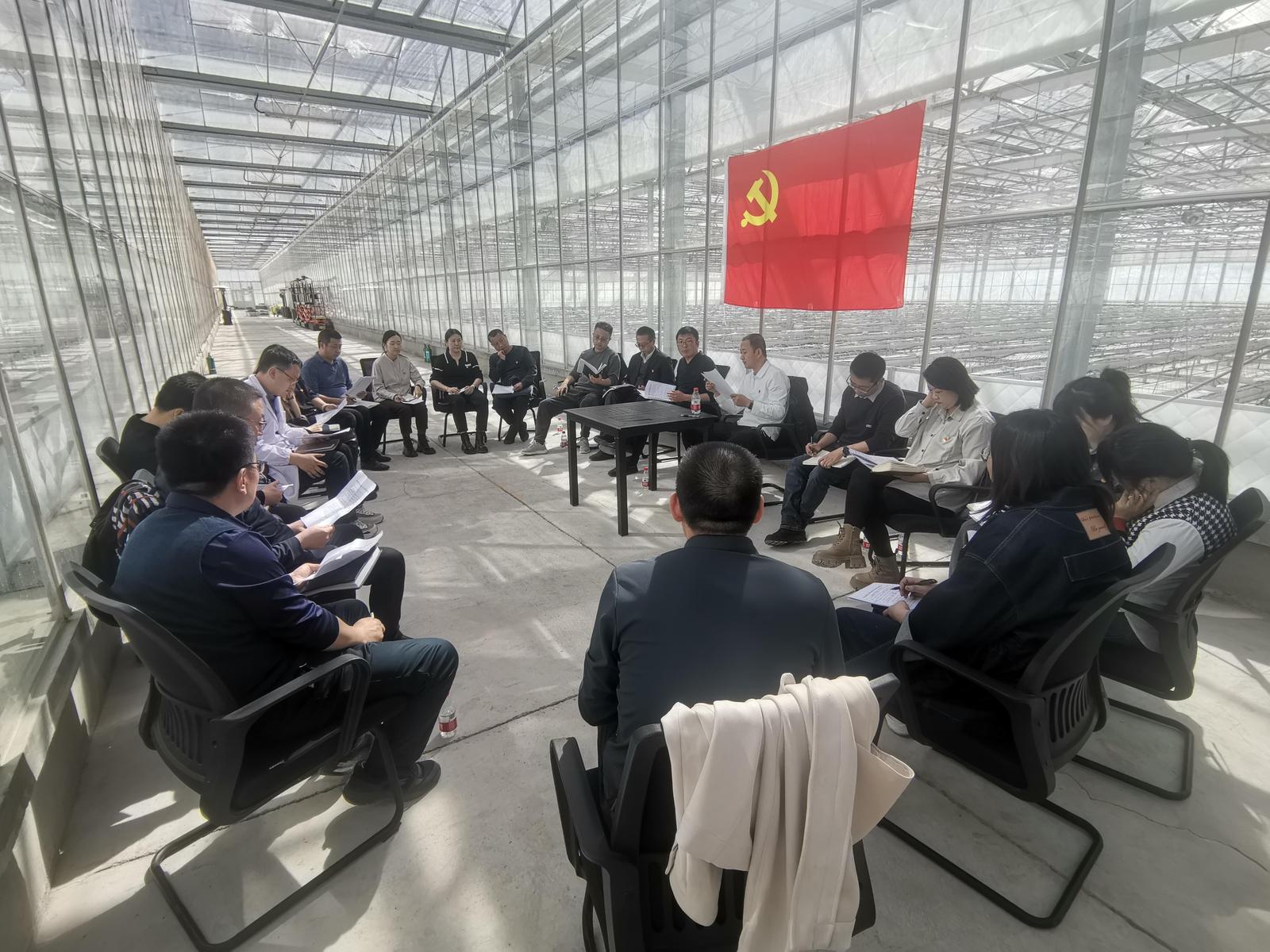
Core Viewpoint - The development of facility agriculture in the Xinjiang Production and Construction Corps (XPCC) has significantly enhanced agricultural productivity and improved the livelihoods of local farmers, particularly during the winter season when traditional crops are less available [7]. Group 1: Facility Agriculture Development - The XPCC has increased investments in facility agriculture, implementing policies to support local adaptation, crop structure adjustments, and the introduction of new technologies [7]. - Modern agricultural technologies such as integrated water and fertilizer systems and pest control measures are being utilized to ensure high-quality and safe agricultural products [7][8]. - The use of temperature, humidity, and light monitoring systems allows for precise environmental control, enabling crops to thrive even in low-temperature conditions [7][8]. Group 2: Economic Impact and Employment - The growth of facility agriculture has created numerous flexible employment opportunities, effectively increasing income for surplus labor in surrounding areas [8]. - Farmers are experiencing significant financial benefits, with reports of high yields, such as over 8 tons of ice cream watermelon from a single greenhouse, which is in high demand in local markets [8]. - The initiative is contributing to the overall modernization of agriculture and promoting rural revitalization by overcoming natural resource limitations [8].