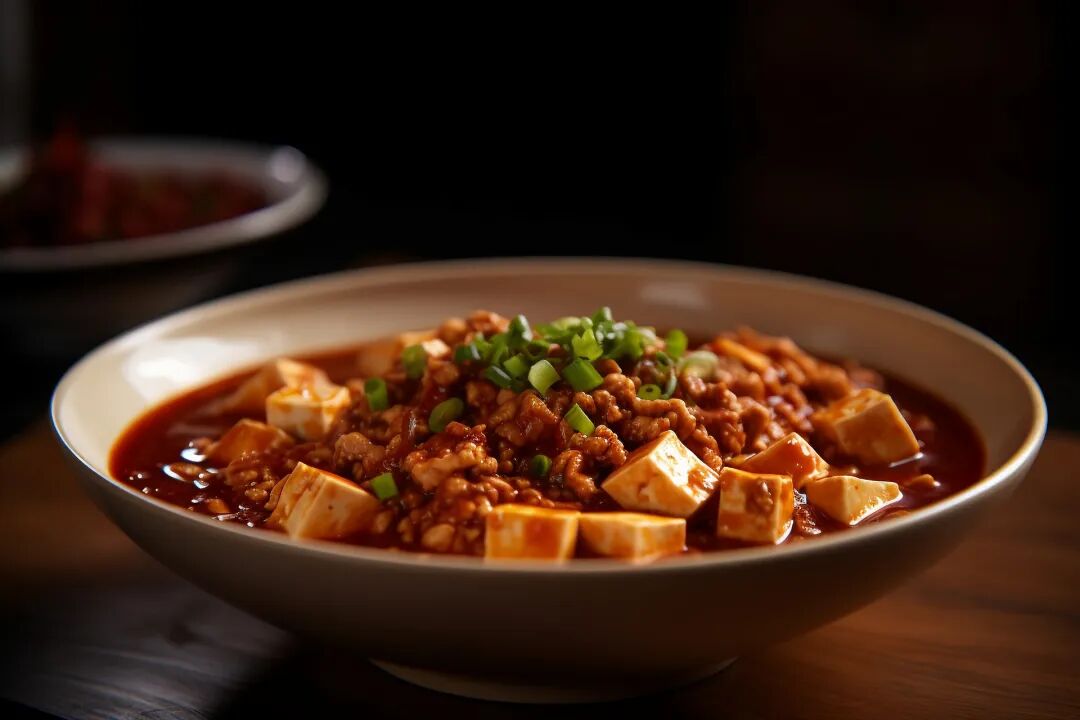
水煮肉片

Search documents
麻婆豆腐、酸菜鱼、红烧大排……在列车上也能品尝“家的味道”!
Xin Lang Cai Jing· 2026-02-16 02:33
Core Viewpoint - The article highlights the efforts of the railway departments in China to provide nutritious and culturally relevant meals for train crews and passengers during the Spring Festival travel rush, enhancing the travel experience with a taste of home. Group 1: Meal Preparation and Offerings - The Beijing West Train Service provides meal support for crews from fourteen railway bureaus, featuring dishes like crispy chicken legs and braised pork [1] - The meal preparation considers the diverse tastes of crew members from different regions and emphasizes nutritional balance, introducing over ten new hot dishes this year [3] - All meals are freshly prepared and sold on-site, with a strict two-hour shelf life for each boxed meal to ensure freshness [5] Group 2: Customized Meal Plans - The railway department implements a tailored approach with "one line, one plan; one train, one menu," offering 31 different meal varieties on multiple high-speed rail lines, presented in festive "China Red" packaging [7] - The culinary team on trains from Harbin West to Chongqing North incorporates local flavors, using regional spices to create dishes like Mapo Tofu and Water-Boiled Meat Slices, catering to travelers from Sichuan and Chongqing [9] - Special meal options include a "Family Reunion Package" featuring fish dishes symbolizing abundance and a "Couple's Package" combining local specialties with lighter fare, ensuring a personalized dining experience for all passengers [11]

安井食品20260203
2026-02-04 02:27
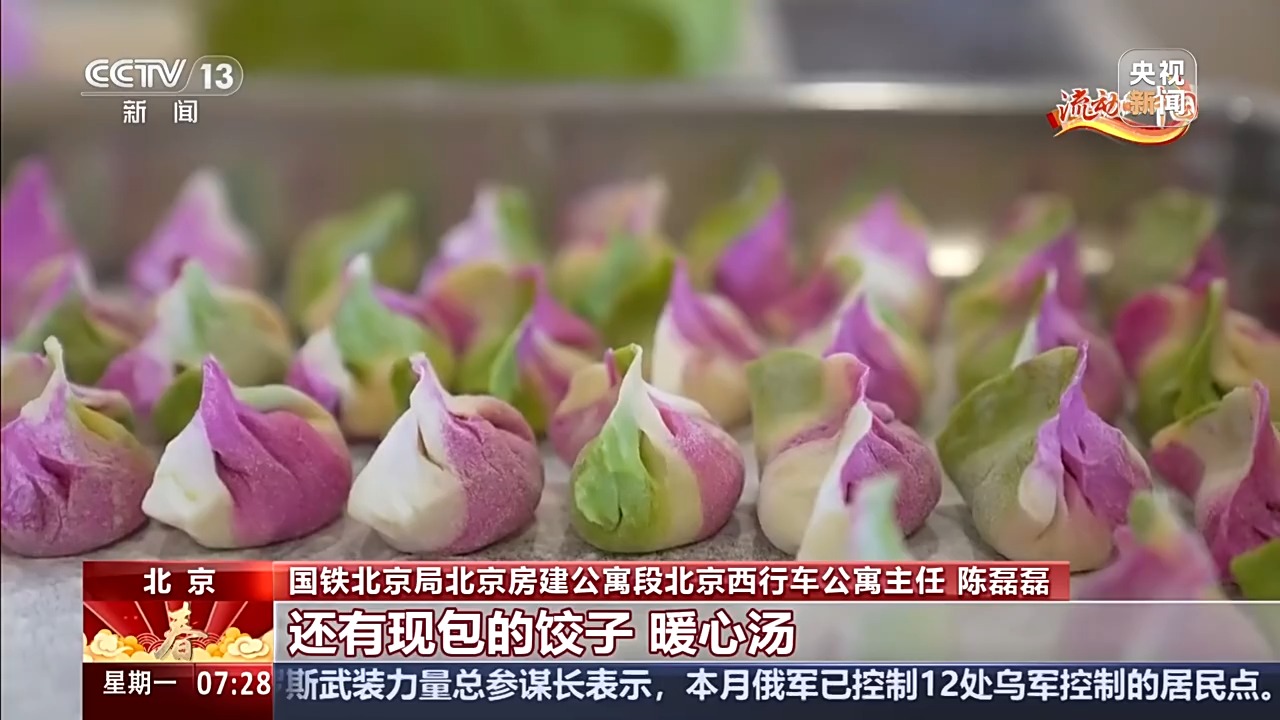
Summary of the Conference Call on Anjuke Foods Company Overview - Anjuke Foods has evolved from a small dumpling factory in Xiamen to a leading player in the frozen food industry in China, particularly in the hot pot ingredient segment [1][2] - The company's growth can be divided into four stages: 1. **1998-2006**: Initial establishment and focus on hot pot ingredients instead of competing in the dumpling market dominated by competitors like Sanquan and Sinian [1] 2. **2007-2016**: Focused on building distribution channels primarily in the restaurant sector, establishing a national production capacity [2] 3. **2017-2020**: Post-IPO expansion of production capacity and revenue growth, solidifying its position as a market leader [2] 4. **2021-Present**: Entering the prepared dishes market with a three-pronged strategy [2][3] Core Business Strategy - Anjuke has diversified its product offerings to include frozen hot pot ingredients, frozen rice and noodles, and frozen prepared dishes, establishing a comprehensive product portfolio [3] - The management team, led by Chairman Liu Mingming and General Manager Zhang Qingmiao, has remained stable and effective, contributing to the company's success [3][4] - The company has implemented stock incentive plans since 2019 to align management interests with company performance [4] Financial Performance - Since its IPO in 2017, Anjuke has experienced significant revenue growth, maintaining high growth rates from 2018 to 2022 [4][5] - The revenue structure has become more balanced, with a notable increase in the contribution from prepared dishes [5] Industry Dynamics - The frozen food market in China is growing alongside Anjuke, driven by both B2B (restaurant) and B2C (consumer) demands [5][6] - B2B demand is fueled by the need for cost efficiency in restaurants, where labor and rent costs are high, leading to a shift towards frozen and prepared foods [5][6] - C2C demand is driven by changing consumer lifestyles, including smaller household sizes and a preference for convenience [6] Market Trends - The market for frozen prepared dishes is expected to grow significantly, despite recent challenges, as it aligns with the trend of industrialization and standardization in the food supply chain [7][8] - Anjuke's strategy includes leveraging its supply chain and cold chain logistics to enhance efficiency and reduce costs [10][12] Competitive Advantages - Anjuke has established a strong product positioning strategy, focusing on high-quality, high-margin products [8][9] - The company has differentiated itself in the competitive frozen rice and noodle market by avoiding direct competition with established players and instead focusing on unique products [9] - Anjuke's channel strategy emphasizes strong relationships with distributors and direct support, enhancing loyalty and market penetration [10] Future Outlook - Anjuke plans to continue expanding its frozen food segment and is exploring overseas production and sales opportunities [17] - The company anticipates steady growth in its core business, with new product launches and packaging innovations aimed at capturing the evolving consumer market [18] - Despite external challenges, Anjuke's strategic execution and management capabilities position it well for future growth [16][17]
川菜困局:一片餐饮沃土,为何长出品牌的“盐碱地”?
3 6 Ke· 2025-12-25 00:32
Core Insights - The article discusses the challenges faced by Sichuan cuisine brands in achieving long-term brand value due to a reliance on a franchise model that prioritizes short-term cash flow over sustainable growth [1][17]. Group 1: Model Dependency - Sichuan cuisine is complex, leading 80% of restaurateurs to prefer simpler, more replicable business models like hot pot and snacks [4][5]. - The unique flavors and ingredients of Sichuan cuisine create a diverse culinary landscape, but this also complicates standardization and consistency in restaurant offerings [4][5]. Group 2: Resource Dependency - The abundance of culinary resources in Sichuan has led to a "resource curse," where the ease of creating popular dishes diverts focus from building unique Sichuan cuisine brands [6][8]. - Many entrepreneurs are drawn to quick success through single-item brands rather than investing in the long-term development of Sichuan cuisine [8]. Group 3: Marketing Dependency - A strong marketing culture in Chengdu has led to rapid brand creation and a focus on short-term gains, often at the expense of long-term brand value [9][12]. - Many new brands rely heavily on marketing to create buzz and quickly expand through franchising, which can lead to unsustainable business practices [12][18]. Group 4: Competitive Challenges - The high density of restaurants in Chengdu creates intense competition, where successful concepts are quickly imitated, leading to a cycle of rapid brand turnover [13][15]. - The prevalence of imitation and aggressive competition makes it increasingly difficult for brands to establish a lasting presence in the market [15][16]. Group 5: Conclusion - The challenges faced by Sichuan cuisine brands reflect a broader issue within the local restaurant ecosystem, where quick returns overshadow the pursuit of long-term brand value [17][18].
中国酸菜鱼品牌鱼你在一起泰国二店开业,本地顾客占比高达八成
Jiang Nan Shi Bao· 2025-11-19 07:30
Core Insights - Chinese brand "Fish You Together" is successfully penetrating the Thai dining market through chain scale advantages and precise localization strategies [1][5] - The brand's second store in Bangkok has opened with significant customer turnout, indicating strong local acceptance [1][5] Store Performance - The first store achieved remarkable sales, with a single-day revenue of 192,000 Thai Baht (over 42,000 RMB) on opening day, and an impressive table turnover rate of 11.59 times [2] - Over five months, the first store maintained an average daily turnover rate of 8.5 times, peaking at over 10 times on weekends [2] - Approximately 80% of customers at both stores are local Thai residents, with a repurchase rate exceeding 50% [2] Localization Strategy - The brand has developed a mature localization innovation system, balancing familiar and surprising elements in its menu [3] - New dishes like Thai-style Tom Yum fish and coconut curry fish have been introduced while maintaining high-quality signature products [3] - The stores feature a modern design that incorporates Eastern cultural elements, creating a dining atmosphere that challenges the stereotype of fast food being low quality [3] Market Potential - The Thai restaurant market is projected to grow by 14% by 2025, with registered capital increasing by 49% over two years [2] - Southeast Asia is identified as a key area for Chinese cuisine brands, with a restaurant density of only 15 per 10,000 people, indicating significant room for consumer upgrade [4] Expansion Plans - The brand is expanding its presence in Thailand while also signing contracts for 80 stores in Malaysia, with 13 already opened and plans for six more in December [4] - The recovery of Thai tourism and policies like permanent visa exemptions between China and Thailand are seen as favorable for the brand's expansion [4] Competitive Landscape - The founder emphasizes that the Chinese restaurant industry's international expansion has entered a phase of systematic competition, requiring strong supply chain, organization, branding, and digital capabilities [4] - The future of global dining competition will focus on brands that successfully integrate products and resonate with local consumers [5]
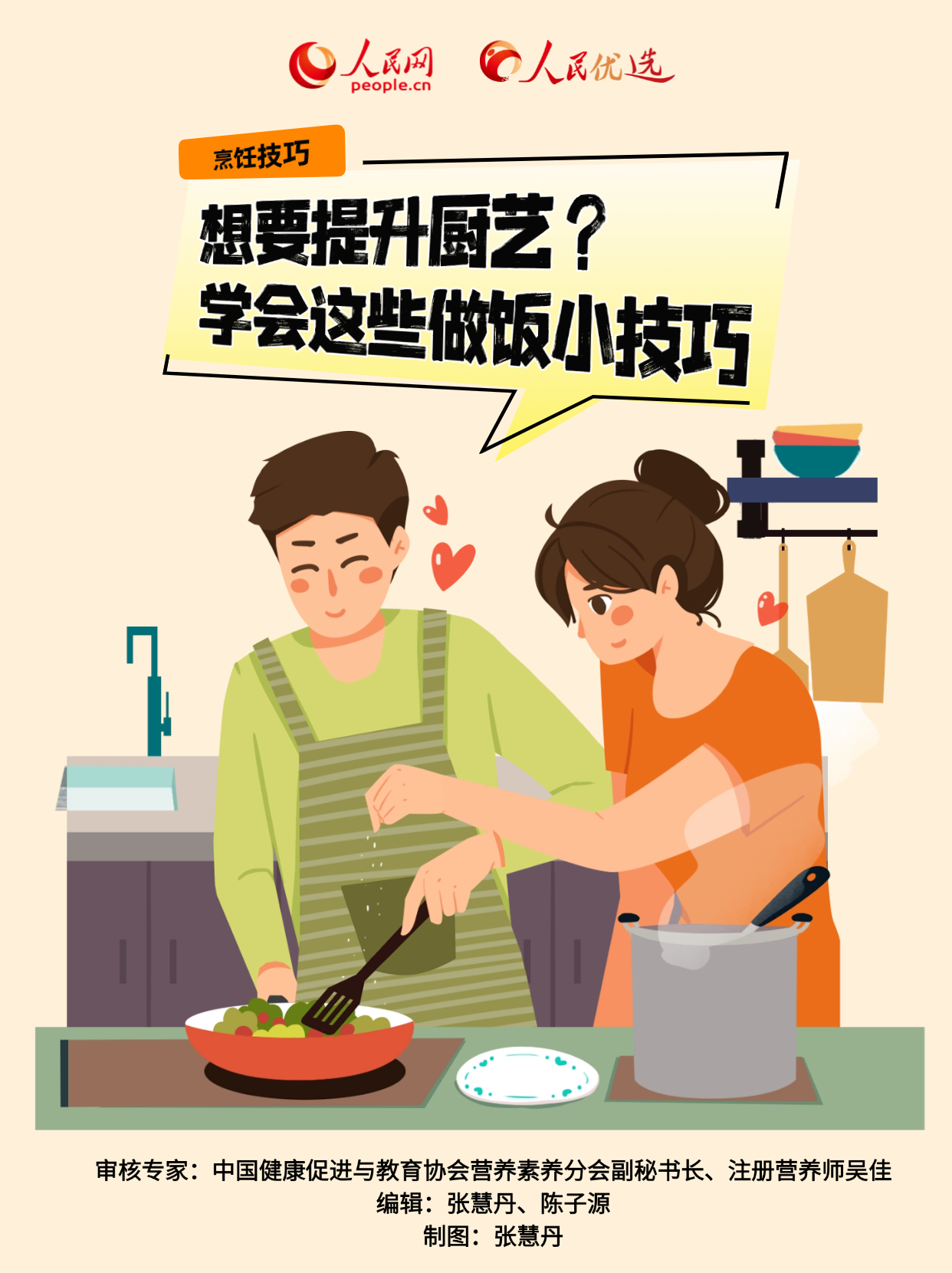
想要提升厨艺?学会这些做饭小技巧
Ren Min Wang· 2025-08-07 02:01
Group 1 - The article addresses common cooking challenges faced by beginners, such as measuring oil temperature and understanding the nature of foam produced when stewing meat [1][4]. - Expert guidance is provided by Wu Jia, Deputy Secretary-General of the Nutrition Literacy Branch of the China Health Promotion and Education Association [1][3]. Group 2 - Different oil temperatures are categorized for various cooking methods, with specific temperature ranges defined for each level of heat [5][6][7][8]. - For example, oil at 20% heat (0℃~30℃) is suitable for frying nuts, while oil at 80% heat (180℃~240℃) is ideal for frying, pan-frying, and explosive cooking [8][9]. Group 3 - The article explains that the foam produced when stewing meat is primarily due to residual blood and proteins, with the first layer of foam being undesirable and the second layer being acceptable [16][18]. - To minimize foam, it is recommended to soak the meat in water before cooking to remove excess blood [19]. Group 4 - The article discusses the importance of adding water when boiling dumplings, as it helps control the cooking temperature and prevents the dumplings from breaking [21][23][24]. - It emphasizes that the technique allows for even cooking of the dumpling filling and skin [23][24].