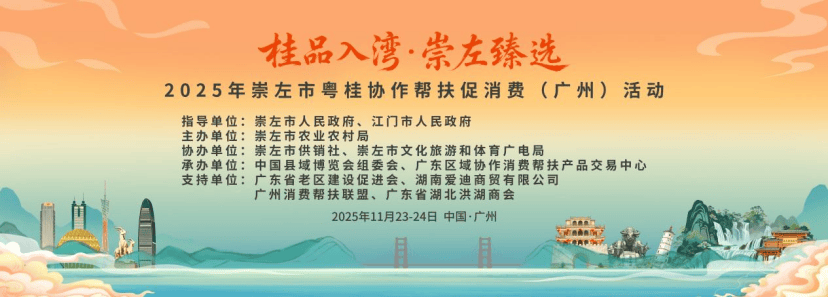
水牛奶

Search documents
三类标准陷阱,透视消费市场“合规”漏洞|“315”特别策划
经济观察报· 2026-03-14 06:30
Core Viewpoint - The article highlights the discrepancy between product compliance with standards and consumer satisfaction, emphasizing that legal compliance does not equate to consumer approval [2]. Group 1: Standards and Compliance - In the consumer sector, standards serve as the legal basis for determining product quality, with most products adhering to a set of execution standards [2]. - The "Standardization Law" mandates that technical requirements for safety and health must meet or exceed mandatory national standards, yet many companies opt for lower general standards instead of higher industry or group standards [4][5]. Group 2: Case Studies of Compliance Issues - Case 1: "Water buffalo milk" often contains regular cow's milk, as the existing standard only requires the use of raw milk without specifying types, allowing misleading labeling [5]. - Case 2: Full aluminum furniture often adheres to general metal furniture standards, leading to issues like misrepresented aluminum thickness and quality [6]. Group 3: Gaps in Standards - Existing standards often fail to match the specific quality characteristics of emerging or niche products due to a time lag in standard development [9]. - The generality of broad standards does not adequately address the unique features of specialized products, leading to compliance issues [9]. Group 4: Information Asymmetry - Companies exploit the gap between technical standards and consumer understanding, using complex terminology to mislead consumers about product quality [15]. - Case 1: In the leather furniture market, the term "leather sofa" can refer to various types of leather, often without clear disclosure, misleading consumers [16]. - Case 2: Some brands exaggerate the UV protection of clothing, focusing on initial lab results while neglecting to inform consumers about performance degradation after washing [18].


食品饮料行业周度市场观察:行业环境头部品牌动态投资运营产品技术营销活动-20260212
Ai Rui Zi Xun· 2026-02-12 07:03
Investment Rating - The report does not explicitly provide an investment rating for the food and beverage industry Core Insights - The pre-prepared food industry is set to enter a new phase of standardized development with the introduction of the first national standard in 2026, which will clarify definitions and enhance food safety and traceability [3] - The beverage market is experiencing significant growth in various segments, with several products achieving sales exceeding 10 billion, driven by consumer preferences for low-sugar and functional beverages [5] - The competition in the milk tea market is intensifying, with small shops needing to adopt refined operations and digital tools to enhance customer loyalty and reduce costs [4] - The trend of regional cultural co-branded beverages is rising, but sustainability is challenged by product homogenization and shallow cultural exploration [6] - The coffee and bottled milk tea markets are facing potential disruption from new low-sugar products launched by major brands, indicating a shift in market dynamics [7] Industry Trends - The pre-prepared food industry is projected to reach a market size of over 600 billion by 2026, driven by health-conscious consumer demands and technological advancements [9] - The beverage industry is shifting towards health-oriented products, with a focus on transparency in ingredients and functional benefits [12] - The global health market is valued at nearly 9 trillion, with a growing emphasis on functional foods targeting gut health, weight management, and cognitive needs [14] Brand Dynamics - The report highlights the challenges faced by companies like Huangshi Group, which has struggled with diversification and is attempting to refocus on its core dairy business [15] - Junlebao is navigating a competitive low-temperature milk market while planning for an IPO, facing pressure from established giants [16] - Nova Coffee has rapidly expanded its store count through a light-asset model, but must address quality consistency and supply chain challenges [17] - The report notes the success of brands like Xi Wang in the sports drink market, emphasizing the importance of precise marketing strategies and product innovation [20]
“水牛奶”翻车背后,谁在推波助澜?
虎嗅APP· 2026-02-09 14:30
Core Viewpoint - The article highlights the ongoing issues in the water buffalo milk industry, particularly focusing on the mislabeling and regulatory challenges that have led to consumer deception regarding the purity and quality of water buffalo milk products [4][25][30]. Group 1: Industry Overview - Water buffalo milk is gaining popularity due to its nutritional advantages, containing 1.5 times more protein and higher levels of calcium and vitamins compared to regular cow's milk [9][11]. - Despite the high demand, the production of water buffalo milk is limited due to environmental requirements and low milk yield, with water buffalo producing only 1.5-2 tons of milk per year compared to 6.5-7.5 tons for Holstein cows [19][20]. Group 2: Market Dynamics - The price of water buffalo milk is typically 2-3 times higher than that of regular milk, yet consumers are willing to pay due to its perceived benefits [11][16]. - E-commerce platforms have significantly boosted the sales of water buffalo milk, with sales on platforms like Tmall and JD experiencing substantial year-on-year growth [14]. Group 3: Regulatory Issues - There is a lack of national standards for water buffalo milk, leading to widespread mislabeling and the mixing of water buffalo milk with regular cow's milk without proper disclosure [27][30]. - Recent investigations revealed that many products labeled as water buffalo milk do not contain 100% water buffalo milk, with some containing as little as 35% [20][23]. Group 4: Consumer Deception - Brands are using misleading marketing tactics, such as registering "water buffalo" as a trademark, which confuses consumers about the actual content of the products [27][29]. - Complaints regarding product quality, including issues with packaging and taste, have been reported, indicating a significant gap between consumer expectations and actual product quality [24]. Group 5: Future Outlook - The industry is facing pressure to improve transparency and quality, with some leading brands beginning to invest in better breeding practices and genetic improvements for water buffalo [30]. - Regulatory changes are anticipated, with proposals to enforce stricter labeling requirements and penalties for non-compliance expected to be implemented by 2026 [30].

广西慰问团慰问广西舰官兵
Guang Xi Ri Bao· 2026-02-07 03:06
Core Viewpoint - The recent visit by the Guangxi慰问团 to the Guangxi ship's officers and soldiers highlights the deep connection between the military and the local community, showcasing the support and appreciation from the hometown people as the Spring Festival approaches [1] Group 1: Event Overview - The慰问活动 was organized by the Autonomous Region's Double Support Office, involving various members including retired military personnel, cultural workers, and youth representatives [1] - The慰问团 toured the ship, received updates on its development, and presented cultural gifts such as bronze drums and embroidered balls, along with local products like sugarcane water, sugarcane vinegar, and water buffalo milk [1] Group 2: Cultural Exchange - A cultural performance featuring Zhuang ethnic songs and dances was held, creating a lively atmosphere and fostering community spirit [1] - The event also included an annual award ceremony for the Guangxi ship, recognizing outstanding officers [1] Group 3: Community and Military Relations - This慰问活动 serves as a practical demonstration of Guangxi's commitment to deepening military-civilian cooperation, reinforcing the bond of "same name for ship and city, unity between military and civilians" [1]
又一个洋老头?爷爷的农场早期市场开拓疑打假洋牌擦边球 产品近乎全靠代工多次抽检不合格被监管处罚
Xin Lang Cai Jing· 2026-01-15 09:38
Core Viewpoint - The brand "Grandpa's Farm" has submitted its prospectus to the Hong Kong Stock Exchange, aiming to become the second major player in the infant complementary food market, but faces significant challenges related to brand identity and product quality issues [1][19]. Group 1: Company Overview - "Grandpa's Farm" was launched in 2015 and introduced its first infant complementary food product in 2018, expanding into the family food sector in 2021 [3][20]. - The company plans to use the funds raised from the IPO to enhance product development, invest in supply chain improvements, strengthen internal production capabilities, and expand brand marketing and sales networks [1][19]. Group 2: Brand Identity Controversy - There is ongoing confusion among consumers regarding whether "Grandpa's Farm" is a Dutch or Chinese brand, largely due to early marketing emphasizing European origins and packaging predominantly in English [3][20]. - The brand's identity controversy is heightened by its founder's rapid establishment of companies in both the Netherlands and China, leading to allegations of "fake foreign brand" practices [11][27]. Group 3: Quality Control Issues - The company relies heavily on third-party OEM manufacturers for nearly all its product production, which has led to multiple regulatory penalties for product quality issues [2][29]. - From 2019 to 2021, "Grandpa's Farm" faced numerous quality complaints, including products failing safety inspections and consumer reports of contamination and spoilage [14][30]. - The reliance on a complex supply chain and outsourcing has resulted in frequent quality control problems, which are particularly critical in the infant food sector [29][33].
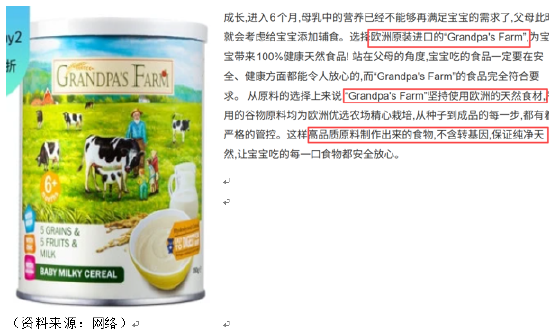
262%净资产担保压顶,皇氏乳业“缺钱”写在2025年终总结首页
Guan Cha Zhe Wang· 2025-12-31 10:00
Core Viewpoint - The financial situation of Huangshi Group is critical, with a significant reliance on external guarantees and a high debt-to-equity ratio, indicating severe liquidity issues and operational challenges ahead [1][3][6]. Financial Condition - Huangshi Group disclosed an additional external guarantee of approximately 105 million yuan, bringing the total external guarantee balance to 2.45 billion yuan, which is 262.19% of the latest audited net assets [1][3]. - The company reported short-term loans of 1 billion yuan and current liabilities of 235 million yuan, while cash on hand was only 229 million yuan, resulting in a cash-to-short-term-debt ratio of about 0.19 [3]. - The company faced a net loss of 49.24 million yuan in the first three quarters of 2025, a 236% decline year-on-year, with a cumulative non-recurring loss exceeding 2.1 billion yuan over seven years [3][4]. Legal and Regulatory Issues - Huangshi Group has faced legal challenges, with new litigation and arbitration cases totaling 99.55 million yuan, accounting for 10.65% of the latest audited net assets [3][6]. - The company was fined 4 million yuan by the Guangxi Securities Regulatory Bureau for failing to disclose a significant agreement, highlighting issues with transparency and governance [6]. Business Performance - The company's revenue for the first three quarters of 2025 was 1.314 billion yuan, a decrease of 12.97% year-on-year, with a gross profit margin decline to 27.16% [4][12]. - The direct sales channel contributed 118.59 million yuan in revenue, with a gross margin of 33.49%, indicating a shift in focus towards higher-margin products [12][13]. Market Position and Strategy - Huangshi Group is recognized as a leading player in the water buffalo milk sector, with a focus on high-value products and expansion into new markets [7][8]. - The company aims to penetrate the East China market and has established partnerships with various retail channels, including e-commerce and convenience stores [8][15]. - Despite its ambitions, the company faces systemic pressures from competition and operational challenges, particularly in sourcing and distribution [16][20]. Challenges and Future Outlook - The company is experiencing significant challenges due to low milk production rates and high operational costs, which hinder its competitiveness against larger dairy firms [19][20]. - Huangshi Group's debt levels have escalated, with a debt-to-equity ratio of 78.4% as of Q3 2025, raising concerns about its financial sustainability [24][25]. - The company must reassess its strategic direction, balancing between being a dairy producer and a capital operation platform [25].

奔“阜”未来——从阜洽会千亿招商图谱看阜阳“6849”产业进阶之路
Shang Hai Zheng Quan Bao· 2025-12-24 19:15
Core Viewpoint - Fuyang is actively promoting its industrial development through the "6849" industrial layout, focusing on upgrading traditional industries, developing emerging sectors, and enhancing service industries, aiming to attract significant investment and foster economic growth [8][12][19]. Industrial Development - Fuyang is transforming six traditional industries: coal power, metal smelting, machinery and electronics, green building materials, high-end textiles, and home furnishings [7]. - The city is accelerating the development of eight emerging industries: new energy and energy conservation, high-end green food, new energy vehicles, new materials, electronic information and optoelectronics, life health, high-end equipment manufacturing, and digital creativity [7]. - Fuyang is also laying out four future industries: low-carbon energy, advanced materials, life sciences, and low-altitude economy [7]. Investment and Economic Growth - The 2025 Fuyang Investment and Trade Fair resulted in the signing of 170 cooperation projects with a total investment of 71.5 billion yuan [8]. - The "Key Investment Projects" booklet released during the fair showcased 127 recommended projects with a total investment of 215.6 billion yuan [8]. - Fuyang's economic indicators have shown significant growth, with four major economic indicators ranking first in Anhui province and an overall economic ranking improvement from 181st to 90th nationally over the past decade [12]. Agricultural Innovation - Fuyang is leveraging its agricultural resources to foster cross-industry cooperation, with projects like the Chery New Energy Intelligent Agricultural Machinery set to fill gaps in the region's industry [11]. - The city is focusing on low-altitude economy applications in agriculture, with initiatives like drone-assisted farming achieving significant efficiency improvements [10]. Open Development and Policy Support - Fuyang is positioned as a "dual-way bridgehead" in regional cooperation, benefiting from its strategic location and multiple national development strategies [15][16]. - The city has implemented a comprehensive transportation logistics system with significant investments, enhancing its connectivity and reducing logistics costs [16]. - Fuyang's favorable policies and incentives for talent attraction and business development have led to a substantial increase in the local workforce and entrepreneurial activities [18][19]. Emerging Industries and Technological Advancements - Fuyang is witnessing breakthroughs in new materials and technologies, with companies like Mitou New Materials successfully producing domestic photolithography materials [13][14]. - The city is fostering a cluster effect in emerging industries, with significant investments in sectors like new energy and advanced manufacturing [14]. Service Industry Enhancement - Fuyang is promoting nine high-quality service industries, including modern logistics, finance, e-commerce, and cultural tourism, to support its economic transformation [8].

奶越贵越好吗?
Xin Lang Cai Jing· 2025-12-19 19:25
Core Viewpoint - The article discusses the diverse range of animal milk products available in the market, highlighting the nutritional similarities and differences among them, as well as consumer preferences based on taste and health benefits [14][19]. Nutritional Comparison - All types of animal milk provide essential nutrients such as proteins, fats, carbohydrates, and minerals, with basic nutritional components being relatively similar across different species [14][15]. - Specific nutritional advantages include higher essential amino acids in goat milk (49%), vitamin C in camel milk, and higher potassium and magnesium in sheep milk [15][19]. - The price of alternative milks like goat, camel, and sheep milk is higher than cow milk due to lower production volumes and higher costs associated with their unique farming conditions [14][15]. Taste and Flavor Characteristics - The flavor of milk is primarily influenced by its fat content, with higher fat levels leading to richer taste profiles [16][17]. - Different types of milk have distinct flavor characteristics: cow milk is mild and creamy, buffalo milk is rich and sweet, goat milk has a unique tangy flavor, and camel milk is slightly salty [17][18]. Health Benefits and Recommendations - Regular consumption of dairy products is linked to lower mortality rates and reduced cardiovascular disease risk, emphasizing the importance of incorporating milk into daily diets [19]. - For individuals with allergies, alternatives like goat, camel, or donkey milk may be suitable substitutes for cow milk [19][20]. - Recommendations for specific demographics include whole milk for children, calcium-rich options for older adults, and fermented dairy for those with lactose intolerance [20]. Consumer Considerations - Consumers should pay attention to the processing methods and ingredient lists of milk products, as "natural active nutrition" is considered the core value of milk [20]. - There is a trend towards choosing low-fat options for weight management, but studies suggest that full-fat dairy does not increase obesity risk in normal-weight individuals [20].
2025年“桂字号”畜产品走进大湾区产销对接(珠海)活动举办
Nan Fang Nong Cun Bao· 2025-12-09 13:08
Core Viewpoint - The 2025 "Gui" branded livestock products event successfully took place in Zhuhai, Guangdong, aiming to enhance the production and sales collaboration between Guangxi and the Greater Bay Area [2][6]. Group 1: Event Overview - The event was organized by the Guangxi Zhuang Autonomous Region Agricultural and Rural Affairs Department, in collaboration with various local agricultural bodies and associations [3][4]. - Over 200 representatives from professional buyers, media, and leading enterprises in Guangxi attended the event to discuss the collaboration in livestock product sales [5][6]. Group 2: Market Demand and Supply Gap - Zhuhai has a strong demand for livestock products, consuming nearly 1 million pigs, 50,000 cattle, 20,000 sheep, and 30 million poultry annually, but faces a significant supply gap [15][16]. - Local production is insufficient, with less than 100,000 pigs and poultry, and all cattle and sheep being sourced from outside [15][16]. Group 3: Strategic Goals and Collaborations - The event aims to leverage Zhuhai's geographical and market advantages to facilitate the direct supply of high-quality "Gui" branded livestock products to the Greater Bay Area [10][11]. - A strategic cooperation agreement was signed between Guangxi agricultural enterprises and Guangdong agricultural associations to enhance collaboration in quality standards, logistics, and e-commerce talent [26][27]. Group 4: Product Promotion and Engagement - 35 Guangxi exhibiting companies showcased over 60 unique livestock products, emphasizing ecological value and brand strength [20][22]. - The event included a tasting area to highlight the quality and advantages of "Gui" branded products, attracting significant attention from buyers [22][23]. Group 5: Future Directions - The event is seen as a stepping stone to establish a regular production and sales connection platform, improve cold chain logistics, and promote mutual recognition of agricultural product standards [17][18]. - The ongoing collaboration aims to ensure that more "Gui" quality ecological livestock products enter the Greater Bay Area market while also facilitating the entry of Guangdong's quality aquatic products into Guangxi [19][34].

2025年崇左市粤桂协作帮扶 促消费(广州)活动盛大开幕
Sou Hu Cai Jing· 2025-11-24 15:46
Core Points - The event "桂品入湾・崇左臻选" aims to enhance collaboration between Guangxi and Guangdong, showcasing the unique agricultural and cultural products of 崇左市 to the Guangdong-Hong Kong-Macao Greater Bay Area [1][10][25] - The event attracted over 400 representatives from government, enterprises, and media, highlighting the importance of cross-regional cooperation in promoting local products [1][10] Group 1: Event Overview - The event was held on November 23 in Guangzhou, focusing on product sales connections and the integration of agriculture, culture, and tourism [1][10] - It was organized by 崇左市农业农村局, with support from various local organizations and businesses [4] Group 2: Key Activities - The opening ceremony featured traditional performances that showcased 崇左's cultural heritage, setting a festive tone for the event [5] - Various local agricultural products and cultural items were promoted, including 龙须菜, 指天椒, and traditional handicrafts [11][24] Group 3: Business Collaborations - Significant business agreements were made, including an annual supply contract worth 8 million yuan between 广西天添乳业有限公司 and 湖南爱迪商贸有限公司 [20] - The event facilitated long-term cooperation mechanisms between enterprises from both regions, focusing on agricultural supply and cultural tourism projects [20][25] Group 4: Marketing Strategies - The event utilized a dual approach of offline exhibitions and online live streaming to broaden the reach of 崇左's products [24] - Attendees had the opportunity to taste and inquire about various products, enhancing consumer engagement and interest [24]