
汉服租赁

Search documents
(新春见闻)台湾教授在大陆的“艺术乡建”
Xin Lang Cai Jing· 2026-02-21 07:59
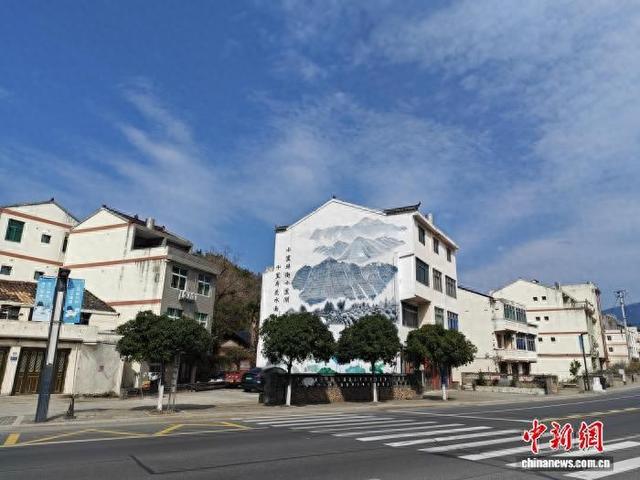
Core Insights - The article highlights the transformative impact of Taiwanese professor Wu Lihang's "artistic rural construction" initiative in mainland China, particularly in Hongfuqian Village, Zhejiang Province, where local culinary traditions have been revitalized to attract tourism [1][4]. Group 1: Artistic Rural Construction - Wu Lihang, a professor from Taiwan, has been actively involved in rural revitalization efforts in mainland China since 2004, focusing on integrating art and design to enhance rural communities [1]. - The initiative began in 2024 when Wu and his students visited Hongfuqian Village, leading to the discovery of local culinary talent, specifically Chen Youfen's wontons, which became a focal point for attracting visitors [1][3]. Group 2: Economic Impact - Following the introduction of Wu's ideas, Chen Youfen's wonton business generated significant income, reportedly earning 3,000 RMB in a single day during the first Flower Festival held in March 2024 [3]. - The success of Chen's business inspired other villagers to create their own unique products, such as "Hongfu sesame balls" and "Hongfu wheat cakes," thereby diversifying the local economy and reducing competition [4]. Group 3: Community Development - Wu's team has also developed new business models in the village, including "Hongfu Hanfu Studio" and "Chuanliao Fu Cafe," which offer services like Hanfu rentals and intangible cultural heritage experiences [4]. - The initiative has extended to nearby Chenhe Village, where a vacant wine cellar was transformed into a bar named "Driftwood," symbolizing the return of expatriates to their hometowns [4].

去年服务价格同比上涨0.7%,“悦己经济”引领武汉消费新风尚
Chang Jiang Ri Bao· 2026-01-15 00:40
Core Insights - The consumption market in Wuhan is witnessing a new trend where "emotional consumption" is rising despite stable or declining prices in essential goods [1][8] - The service prices in Wuhan increased by 0.7% in 2025, with significant rises in beauty services (9.1%) and pet services (4.2%), indicating a shift towards "self-care" spending [1][9] Consumption Trends - Emotional consumption is characterized by a diverse range of services available throughout the day, catering to various age groups and emotional needs, such as early morning breakfast spots and 24-hour pet hospitals [4] - The CPI data shows that while overall prices increased modestly, specific sectors like education, culture, and entertainment saw significant price hikes, with ticket prices for attractions rising by 7.3% [8] Price Changes - The price changes from 2024 to 2025 in various categories indicate a mixed trend, with food and beverages expected to decrease by 0.5%, while other services like "other goods and services" are projected to increase by 9.6% [5] - Traditional consumer goods prices remain stable, with fresh vegetable prices down by 3.3% and pork prices down by 8.5%, allowing consumers to allocate more budget towards emotional and luxury spending [8] Market Dynamics - The rise in emotional consumption aligns with the upgrade of industrial products, as consumers are increasingly interested in health-oriented and technologically advanced products [8] - The trend reflects a broader shift among younger consumers who prioritize spending on personal well-being and experiences, indicating a new lifestyle and consumption pattern in Wuhan [9]

临夏有约:民俗非遗遇夜游 民族风情打卡热
Xin Lang Cai Jing· 2025-12-20 11:52
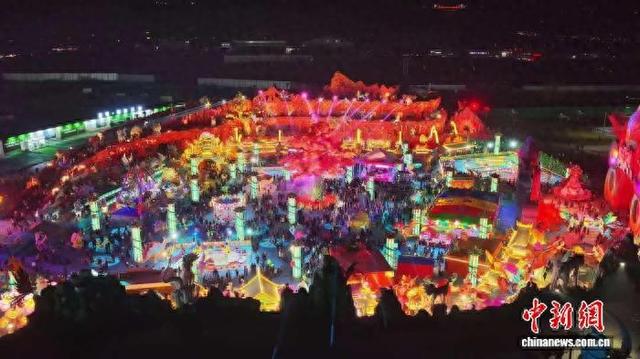
Core Viewpoint - The opening of the "Flower Blooming in Linxia" night city in Linxia City, Gansu Province, has generated significant public interest and engagement, with over 192,600 visitors on its first day, indicating a strong demand for cultural tourism in the region [1][3]. Group 1: Project Overview - The "Flower Blooming in Linxia" night city covers over 48 acres and features themed buildings based on Tai Zi Mountain and Phoenix Mountain landscapes, along with over 1,400 underground parking spaces [3]. - The project includes three themed squares, four distinctive gates, 16 performance stages, and over 80 immersive consumption scenarios, designed to cater to a wide range of visitor experiences [3]. Group 2: Cultural Integration - The night city integrates local cultural elements, such as the "Flower of the River" and "Colorful Pottery" heritage, into its design, allowing visitors to experience local history and cuisine [3]. - The project aims to provide a variety of entertainment options, including folk songs and dances, intangible cultural heritage exhibitions, and interactive performances, appealing to all age groups [3]. Group 3: Economic Impact - The establishment of the night city and the sports park is part of a broader strategy to create a new cultural tourism framework in Linxia, enhancing the local economy and promoting night tourism [3][4]. - The local government plans to launch 42 series of activities focusing on promotion, tourism experience, cultural performances, winter sports, and sports events to further boost visitor engagement [4].
消费更绿色 生活更宜居
Ren Min Ri Bao· 2025-09-23 22:33
Core Viewpoint - The city of Luoyang is actively promoting green travel and consumption, with initiatives such as shared bicycles, electric buses, and a "clean plate" campaign in restaurants, reflecting a commitment to sustainable tourism and urban living [1][2]. Group 1: Green Travel Initiatives - Luoyang has implemented a low-carbon scene by promoting the use of shared Hanfu clothing, allowing tourists to return outfits via dedicated express cabinets, showcasing the concept of green consumption [1]. - The public transportation system in Luoyang has seen a significant increase in usage, with a mechanized travel share of 51.0%, and the number of city buses has grown from 1,500 to 2,113 over the past decade [2]. Group 2: Urban Development and Infrastructure - The city has expanded its urban rail transit with two operational lines and has increased the number of bus routes to enhance accessibility for both tourists and residents [2]. - Luoyang is focusing on urban planning improvements, including the construction of parking and charging facilities, and the renovation of streets and markets to promote cycling and walking [2]. Group 3: Cultural and Tourism Development - The city has introduced new entertainment options and street performances to enhance the tourist experience, supported by energy-efficient renovations in public spaces [3]. - The Maiti Spring Resort has transitioned to an all-electric model, reducing energy costs and improving supply stability, marking it as one of the first fully electric scenic spots in Luoyang [3]. Group 4: Tourism Statistics - From January to August this year, Luoyang received 121.40 million visitors, generating a tourism revenue of 98.28 billion yuan, reflecting a year-on-year growth of 4.84% and 8.73% respectively [4].
“县城牛马”正改写下沉消费
投中网· 2025-07-11 06:51
Core Viewpoint - The article highlights the emerging consumption trends in lower-tier cities, focusing on the "county cattle" who are redefining their lifestyle and consumption patterns, contrasting with the fast-paced life in major cities like Beijing and Shanghai [3][4][6]. Group 1: Lifestyle and Consumption Changes - The "county cattle" experience a slower-paced life, characterized by a more relaxed work environment and lower job mobility, which influences their consumption habits [4][5]. - A new group of "new cattle" returning from major cities seeks a more stable lifestyle, leading to the emergence of unique consumption experiences in county towns, such as self-service KTVs and themed stores [5][6]. - The shift in consumption logic from material accumulation to experience investment is evident, with young consumers prioritizing affordable leisure activities over traditional luxury goods [9][12]. Group 2: Economic Growth in Lower-Tier Cities - The online consumption scale in lower-tier cities has seen a compound annual growth rate of 48% over the past three years, with expectations to exceed 800 billion yuan in the next three years [9][14]. - Brands like Zhengyuan and Xiaotie are successfully penetrating these markets with affordable pricing and high service standards, indicating a shift towards experience-driven consumption [13][14]. - The lower rental and labor costs in county towns allow for a "thin profit margin" strategy, enabling businesses to offer competitive prices while maintaining quality service [14][16]. Group 3: Technological and Service Innovations - The integration of technology in service delivery, such as AI systems in self-service venues, has significantly reduced operational costs and improved customer experience [16][18]. - Local brands are innovating by combining cultural elements with modern service models, creating unique offerings that resonate with younger consumers [17][19]. - The article emphasizes the role of platforms like Meituan in facilitating the growth of local businesses and enhancing consumer access to services [18][20].

【发展之道】 景区门票改革是对 沉浸式旅游的积极回应
Zheng Quan Shi Bao· 2025-05-05 17:20
Core Insights - The transformation of ticket policies in China's cultural tourism industry reflects a shift from a "sightseeing era" to an "immersive era," allowing for longer visitation periods and deeper emotional connections with the scenery [1][2][3] - The introduction of multi-day and lifetime tickets, such as the "seven-day pass" at Lushan and "lifetime free entry" at Zhouzhuang, indicates a move towards enhancing visitor experience and increasing overall spending [1][2] - The concept of "chain economy" emerges as visitors are encouraged to stay longer, leading to increased consumption in local businesses and cultural activities [2] Ticket Policy Changes - The shift from "same-day only" tickets to options like "seven-day" and "three-day" passes allows tourists to engage more deeply with attractions, resulting in longer average stay times and increased spending [1] - Zhouzhuang's "lifetime free entry" policy has transformed visitors from transient guests to regular patrons, fostering a sense of belonging and emotional investment [2] Economic Impact - The new ticketing strategies have led to a significant increase in visitor spending, with Zhouzhuang seeing average stay times increase from 4 hours to 10 hours, and a 20% rise in food and accommodation consumption [1][2] - Cultural activities and immersive experiences are becoming key drivers of revenue, as seen in Lushan's integration of various cultural events and Zhouzhuang's successful night tourism projects [2] Cultural Shift - The changes in ticketing and visitor engagement reflect a broader cultural narrative, moving from mere "scenery selling" to "shared living," emphasizing the importance of emotional connections and cultural storytelling [3]